Verse-by-Verse Commentary and Explanations
John 5:36
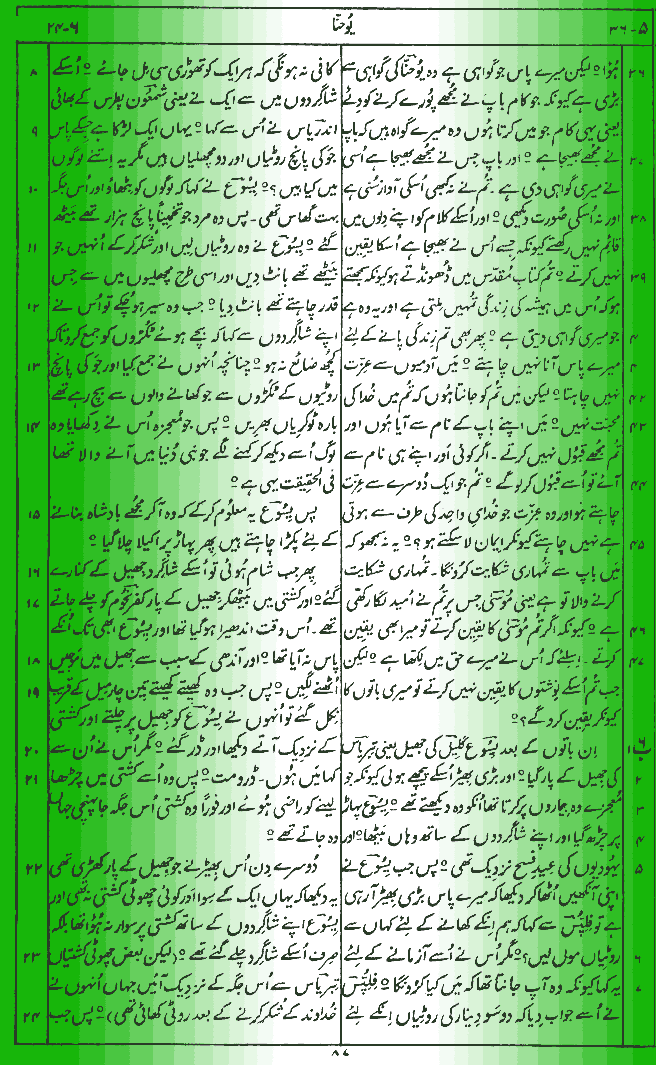
Verse: But I have greater witness than that of John for the works which the Father hath given me to finish the same works that I do bear witness of me that the Father hath sent me
-
English Explanation: Jesus argues that His validation does not merely rely on human testimony, even that of John the Baptist. Instead, the ultimate proof of His divinity and mission lies in the supernatural “works” (miracles, teachings, and the ultimate work of redemption) assigned to Him by God the Father. These works serve as undeniable, visible evidence that He is truly sent by God.
-
Urdu Explanation: یسوع فرماتے ہیں کہ ان کے پاس یوحنا عارف سے بھی بڑی گواہی ہے۔ وہ معجزات اور کام جو باپ (خدا) نے انہیں مکمل کرنے کے لیے دیے ہیں، وہی کام اس بات کی گواہی دیتے ہیں کہ انہیں خدا نے بھیجا ہے۔ انسانی گواہی کے بجائے، ان کے الٰہی کام ان کی سچائی کا سب سے بڑا ثبوت ہیں۔
John 5:37
Verse: And the Father himself which hath sent me hath borne witness of me Ye have neither heard his voice at any time nor seen his shape
-
English Explanation: Beyond the miracles, God the Father has personally testified to Jesus’ identity (such as during His baptism). However, Jesus rebukes the religious leaders, noting that because of their spiritual blindness and hardened hearts, they have never truly known, heard, or seen the manifestation of God.
-
Urdu Explanation: یہاں یسوع واضح کرتے ہیں کہ جس باپ نے انہیں بھیجا، اس نے خود بھی ان کی گواہی دی ہے۔ لیکن یہودی رہنماؤں پر ملامت کرتے ہوئے وہ کہتے ہیں کہ تم نے کبھی نہ تو خدا کی آواز سنی ہے اور نہ ہی اس کی صورت دیکھی ہے، کیونکہ تمہارے دل روحانی طور پر اندھے ہو چکے ہیں۔
John 5:38
Verse: And ye have not his word abiding in you for whom he hath sent him ye believe not
-
English Explanation: Jesus points out a critical spiritual flaw in His opponents: they study religious texts, but God’s Word does not truly live inside them. The definitive proof of this lack of internal truth is their rejection of Jesus, the very Messiah sent by the Father.
-
Urdu Explanation: یسوع فرماتے ہیں کہ خدا کا کلام تمہارے دلوں میں قائم نہیں ہے۔ اس کا ثبوت یہ ہے کہ جس پاک ہستی (یسوع) کو خدا نے بھیجا ہے، تم اس پر ایمان نہیں لاتے۔ اگر کلام تمہارے اندر ہوتا، تو تم مسیح کو پہچان لیتے۔
John 5:39
Verse: Search the scriptures for in them ye think ye have eternal life and they are they which testify of me
-
English Explanation: The religious elite meticulously studied the Old Testament scriptures, believing that the mere act of academic study guaranteed them eternal life. Jesus corrects this misconception, stating that the primary purpose of all scripture is to point toward and testify about Him.
-
Urdu Explanation: یسوع یہودیوں سے کہتے ہیں کہ تم صحیفوں (پاک کلام) میں ڈھونڈتے ہو کیونکہ تمہارا خیال ہے کہ ان کے ذریعے تمہیں ہمیشہ کی زندگی ملے گی۔ لیکن تم یہ نہیں سمجھتے کہ یہ تمام صحیفے میرے ہی بارے میں گواہی دیتے ہیں۔
John 5:40
Verse: And ye will not come to me that ye might have life
-
English Explanation: This verse highlights the tragic reality of human free will and stubbornness. Even though the scriptures point to Jesus as the sole source of eternal, spiritual life, the religious leaders consciously choose to refuse to come to Him for salvation.
-
Urdu Explanation: یہ آیت انسانی ہٹ دھرمی کو ظاہر کرتی ہے۔ یسوع فرماتے ہیں کہ تم میرے پاس آنا نہیں چاہتے تاکہ زندگی پاؤ۔ وہ زندگی کا سرچشمہ سامنے ہونے کے باوجود اپنے غرور کی وجہ سے محروم رہے۔
John 5:41
Verse: I receive not honour from men
-
English Explanation: Jesus emphasizes that His identity, worth, and mission are completely independent of human validation, flattery, or political acclaim. He does not seek popularity or approval from human authorities.
-
Urdu Explanation: یسوع واضح کرتے ہیں کہ وہ انسانوں سے عزت یا تعریف حاصل کرنے کے خواہش مند نہیں ہیں۔ ان کی شان اور مرتبہ کسی انسانی گواہی یا دنیاوی واہ واہ کا محتاج نہیں ہے۔
John 5:42
Verse: But I know you that ye have not the love of God in you
-
English Explanation: Using His divine omniscience, Jesus exposes the true internal state of His critics. Despite their outward displays of intense religious devotion, rituals, and piety, they utterly lack genuine, heartfelt love for God.
-
Urdu Explanation: یسوع اپنے الٰہی علم سے ان کے دلوں کا حال ظاہر کرتے ہوئے کہتے ہیں کہ “میں تمہیں جانتا ہوں کہ تمہارے اندر خدا کی محبت موجود نہیں ہے۔” ان کی مذہبیت محض ایک دکھاوا تھی۔
John 5:43
Verse: I am come in my Father’s name and ye receive me not if another shall come in his own name him ye will receive
-
English Explanation: Jesus points out a deep human hypocrisy: He came wrapped in the authority, character, and name of God the Father, yet they rejected Him. However, if a false prophet or worldly leader arrives speaking on their own authority and feeding human ego, the people will readily accept him.
-
Urdu Explanation: یسوع فرماتے ہیں کہ میں اپنے باپ کے نام سے آیا ہوں اور تم مجھے قبول نہیں کرتے۔ لیکن اگر کوئی دوسرا اپنے ہی نام سے آئے (جھوٹا نبی یا دنیاوی رہنما)، تو تم اسے فوراً قبول کر لو گے۔ یہ ان کی منافقت کی عکاسی ہے۔
John 5:44
Verse: How can ye believe which receive honour one of another and seek not the honour that cometh from God only
-
English Explanation: True faith is impossible when one is obsessed with social status and human approval. Jesus explains that the religious leaders cannot believe in Him because they prioritize mutual flattery and peer recognition over the approval that comes from God alone.
-
Urdu Explanation: یسوع سوال کرتے ہیں کہ تم کیوں کر ایمان لا سکتے ہو جب تم ایک دوسرے سے تو عزت چاہتے ہو، لیکن وہ عزت نہیں ڈھونڈتے جو صرف واحد خدا کی طرف سے ملتی ہے؟ دنیاوی شہرت ایمان کی راہ میں رکاوٹ بن جاتی ہے۔
John 5:45
Verse: Do not think that I will accuse you to the Father there is one that accuseth you even Moses in whom ye trust
-
English Explanation: Jesus states that He does not need to act as their prosecutor before God. Ironically, Moses—the very prophet they rely on, take pride in, and trust for their salvation—will be the one who condemns them, because they have violated the spirit of what Moses taught.
-
Urdu Explanation: یسوع فرماتے ہیں کہ یہ نہ سمجھو کہ میں باپ کے سامنے تمہاری شکایت کروں گا۔ تمہارا قصوروار ٹھہرانے والا تو خود موسیٰ ہے جس پر تم بھروسہ کرتے ہو۔ کیونکہ تم نے موسیٰ کی تعلیمات کے اصل مقصد کو نہیں سمجھا۔
John 5:46
Verse: For had ye believed Moses ye would have believed me for he wrote of me
-
English Explanation: Jesus unveils a profound connection between the Torah and Himself. If the religious leaders truly believed and understood the writings of Moses, they would naturally accept Jesus, because Moses’ prophecies, laws, and sacrificial systems were all designed to foreshadow the Messiah.
-
Urdu Explanation: یسوع فرماتے ہیں کہ اگر تم سچ مچ موسیٰ پر ایمان رکھتے، تو مجھ پر بھی ایمان لاتے، کیونکہ اس نے میرے ہی بارے میں لکھا تھا۔ تورات کی پیشگوئیاں مسیح کی آمد کی طرف اشارہ کرتی ہیں۔
John 5:47
Verse: But if ye believe not his writings how shall ye believe my words
-
English Explanation: This concluding verse of chapter 5 poses a logical question. If they refuse to believe the foundational, written scriptures of Moses which they have held sacred for centuries, it is no surprise that they refuse to believe the living words spoken directly by Jesus.
-
Urdu Explanation: اگر تم موسیٰ کی لکھی ہوئی باتوں (صحیفوں) پر ہی یقین نہیں کرتے، تو میری باتوں پر کیسے یقین کرو گے؟ یہ آیت ظاہر کرتی ہے کہ پرانے عہد نامے پر سچا ایمان لائے بغیر مسیح کے کلام کو سمجھنا ناممکن ہے۔
Chapter 6
John 6:1
Verse: After these things Jesus went over the sea of Galilee which is the sea of Tiberias
-
English Explanation: This marks a geographical and chronological shift in the narrative. Jesus departs from Jerusalem and travels to the rural, coastal region of Galilee, crossing the Sea of Galilee (also known by its Roman name, the Sea of Tiberias).
-
Urdu Explanation: ان باتوں کے بعد یسوع گلیل کے سمندر کے پار گئے، جسے طبریہ کا سمندر بھی کہا جاتا ہے۔ یہ جغرافیائی تبدیلی عید کے بعد گلیل کے علاقے میں ان کی وزارت کو ظاہر کرتی ہے۔
John 6:2
Verse: And a great multitude followed him because they saw his miracles which he did on them that were diseased
-
English Explanation: Immense crowds begin to trail Jesus. However, the writer notes their primary motivation: they were captivated and drawn by the spectacular physical healings and miracles He performed on the sick, rather than a deep hunger for spiritual truth.
-
Urdu Explanation: ایک بڑی بھیڑ ان کے پیچھے ہولی، کیونکہ انہوں نے وہ معجزات دیکھے تھے جو یسوع بیماروں کو شفا دینے کے لیے کرتے تھے۔ زیادہ تر لوگ روحانی سچائی کے بجائے معجزات دیکھنے کے شوق میں پیچھے آ رہے تھے۔
John 6:3
Verse: And Jesus went up into a mountain and there he sat with his disciples
-
English Explanation: Seeking a place of rest and teaching, Jesus climbs a mountain hillside with His disciples. Sitting was the traditional posture of a Jewish rabbi or teacher preparing to impart deep wisdom to his followers.
-
Urdu Explanation: یسوع پہاڑ پر چڑھ گئے اور وہاں اپنے شاگردوں کے ساتھ بیٹھ گئے۔ یہودی روایت کے مطابق بیٹھنا اس بات کی علامت تھا کہ استاد اب اپنے شاگردوں کو تعلیم دینے والا ہے۔
John 6:4
Verse: And the passover a feast of the Jews was nigh
-
English Explanation: The mention of the Passover setting provides crucial theological context. The Passover celebrated Israel’s deliverance from Egypt through the sacrificial lamb and provision of manna, setting the stage for Jesus to reveal Himself as the ultimate sacrificial Lamb and the true Bread of Life.
-
Urdu Explanation: اور یہودیوں کی عیدِ فسح قریب تھی۔ اس عید کا ذکر یہاں بہت اہم ہے کیونکہ یہ عید خدا کی طرف سے بنی اسرائیل کی نجات اور مَن (خوراک) کی فراہمی کی یادگار تھی، اور اب یسوع خود کو حقیقی “زندگی کی روٹی” کے طور پر ظاہر کرنے والے تھے۔
John 6:5
Verse: When Jesus then lifted up his eyes and saw a great company come unto him he saith unto Philip Whence shall we buy bread that these may eat
-
English Explanation: Looking up, Jesus sees thousands of people approaching. Demonstrating both deep compassion for their physical hunger and a desire to test His disciples’ faith, He directly asks Philip where they could possibly purchase enough food to feed everyone.
-
Urdu Explanation: جب یسوع نے آنکھیں اٹھا کر ایک بڑی بھیڑ کو اپنے پاس آتے دیکھا، تو انہوں نے فلپس سے پوچھا، “ہم ان کے کھانے کے لیے روٹی کہاں سے خریدیں؟” یہ سوال بھیڑ کے لیے ہمدردی اور شاگردوں کے ایمان کی آزمائش تھا۔
John 6:6
Verse: And this he said to prove him for he himself knew what he would do
-
English Explanation: The author clarifies that Jesus’ question was not born out of panic or ignorance. Jesus already had a miraculous plan in mind; the question was entirely meant to stretch and examine Philip’s spiritual perspective and reliance on divine provision.
-
Urdu Explanation: یسوع نے یہ بات فلپس کو آزمانے کے لیے کہی تھی، کیونکہ وہ خود جانتے تھے کہ وہ کیا کرنے والے ہیں۔ وہ دیکھنا چاہتے تھے کہ فلپس کا ذہن صرف دنیاوی وسائل پر ہے یا الٰہی قدرت پر۔
John 6:7
Verse: Philip answered him Two hundred pennyworth of bread is not sufficient for them that every one of them may take a little
-
English Explanation: Philip responds strictly with human logic and financial calculation. He points out that two hundred denarii (equivalent to roughly eight months of a laborer’s wages) wouldn’t buy enough bread for each person to receive even a tiny, inadequate bite.
-
Urdu Explanation: فلپس نے دنیاوی حساب کتاب لگاتے ہوئے جواب دیا کہ اگر دو سو دینار (کئی مہینوں کی مزدوری) کی روٹی بھی خریدی جائے، تو وہ ان کے لیے کافی نہ ہوگی کہ ہر ایک کو تھوڑا تھوڑا مل سکے۔
John 6:8
Verse: One of his disciples Andrew Simon Peter’s brother saith unto him
-
English Explanation: Another disciple, Andrew (Simon Peter’s brother), steps forward. Unlike Philip who looked only at the massive financial deficit, Andrew brings forward what meager resources are actually present, though he still doubts their efficacy.
-
Urdu Explanation: ان کے شاگردوں میں سے ایک اور شاگرد، یعنی اندcheckerیاس جو شمعون پطرس کا بھائی تھا، بول اٹھا۔ اس نے صورتحال کا ایک اور رخ پیش کیا۔
John 6:9
Verse: There is a lad here which hath five barley loaves and two small fishes but what are they among so many
-
English Explanation: Andrew points out a young boy who has brought five cheap barley loaves (the food of the poor) and two small fish. However, Andrew immediately notes the sheer inadequacy of the offering, wondering how something so tiny could matter in the face of such massive need.
-
Urdu Explanation: اندcheckerیاس نے کہا کہ یہاں ایک لڑکا ہے جس کے پاس جو کی پانچ روٹیاں اور دو چھوٹی مچھلیاں ہیں، لیکن اتنے لوگوں کے لیے یہ کیا ہیں؟ جو کی روٹی غریبوں کی خوراک سمجھی جاتی تھی، جو اتنی بڑی بھیڑ کے لیے نا کافی تھی۔
John 6:10
Verse: And Jesus said Make the men sit down Now there was much grass in the place So the men sat down in number about five thousand
-
English Explanation: Jesus takes complete control of the situation, commanding the disciples to have everyone sit down. The mention of “much grass” indicates comfort and green pastures. Around five thousand men sit down, not counting the women and children present.
-
Urdu Explanation: یسوع نے حکم دیا کہ لوگوں کو بٹھا دو۔ اس جگہ بہت ہری گھاس تھی، چنانچہ لوگ بیٹھ گئے جن کی تعداد تقریباً پانچ ہزار مرد تھی (عورتوں اور بچوں کے علاوہ)۔ یہ نظم و ضبط معجزے کی تیاری تھا۔
John 6:11
Verse: And Jesus took the loaves and when he had given thanks he distributed to the disciples and the disciples to them that were set down and likewise of the fishes as much as they would
-
English Explanation: Jesus takes the small offering, offers a prayer of thanksgiving to the Father, and begins to distribute the food. Miraculously, the food multiplies continuously in His hands, allowing everyone to eat until they are completely satisfied.
-
Urdu Explanation: پھر یسوع نے روٹیاں لیں اور شکر گزاری کر کے انہیں شاگردوں میں تقسیم کر دیا، اور شاگردوں نے بیٹھے ہوئے لوگوں کو بانٹ دیں۔ اسی طرح مچھلیوں سے بھی جتنا وہ چاہتے تھے، تقسیم کیا۔ کھانا مسلسل بڑھتا گیا یہاں تک کہ سب سیر ہو گئے۔
John 6:12
Verse: When they were filled he said unto his disciples Gather up the fragments that remain that nothing be lost
-
English Explanation: After the crowd is fully fed, Jesus instructs His disciples to collect all the leftovers. This demonstrates God’s heart for abundance combined with a strict principle of stewardship: divine provision is generous, but it must never be treated with wastefulness.
-
Urdu Explanation: جب وہ سب سیر ہو گئے، تو یسوع نے اپنے شاگردوں سے کہا کہ بچے ہوئے ٹکڑے جمع کرو تاکہ کچھ ضائع نہ ہو۔ یہ ظاہر کرتا ہے کہ خدا کی نعمتیں کثرت سے ملتی ہیں لیکن انہیں ضائع نہیں کرنا چاہیے۔
John 6:13
Verse: Therefore they gathered them together and filled twelve baskets with the fragments of the five barley loaves which remained over and above unto them that had eaten
-
English Explanation: The disciples obey and collect twelve large baskets of leftover fragments from just the five barley loaves. The twelve baskets correspond beautifully to the twelve disciples, showing that God ensures His servants are fully provided for while demonstrating the undeniable reality of the miracle.
-
Urdu Explanation: پس انہوں نے ان ٹکڑوں کو جمع کیا جو جو کی پانچ روٹیوں سے کھانے والوں سے بچ رہے تھے، اور بارہ ٹوکریاں بھر گئیں۔ بارہ ٹوکریاں بارہ شاگردوں کے لیے خدا کی مائیکرو مینجمنٹ اور معجزے کی عظمت کا واضح ثبوت تھیں۔
John 6:14
Verse: Then those men when they had seen the miracle that Jesus did said This is of a truth that prophet that should come into the world
-
English Explanation: Witnessing this stunning multiplication of food, the people immediately connect Jesus to the famous prophecy in Deuteronomy 18:15, where Moses promised that God would raise up a “Prophet” like him (who also provided manna in the wilderness).
-
Urdu Explanation: جب ان لوگوں نے یہ معجزہ دیکھا جو یسوع نے کیا تھا، تو وہ کہنے لگے، “حقیقت میں یہی وہ نبی ہے جو دنیا میں آنے والا تھا۔” انہوں نے یسوع کو موسیٰ کی پیشگوئی کے مطابق آنے والا عظیم موعودہ نبی سمجھا۔
John 6:15
Verse: When Jesus therefore perceived that they would come and take him by force to make him a king he departed again into a mountain himself alone
-
English Explanation: Jesus realizes that the crowd desires a political, military Messiah to overthrow Roman oppression and provide free physical food. Because their Earthly, nationalistic vision directly contradicts His true spiritual mission of salvation, He withdraws into complete solitude on the mountain.
-
Urdu Explanation: جب یسوع نے دیکھا کہ وہ آ کر انہیں زبردستی بادشاہ بنانا چاہتے ہیں، تو وہ دوبارہ اکیلے ہی پہاڑ پر چلے گئے۔ یسوع دنیاوی یا سیاسی بادشاہ بننے نہیں آئے تھے، بلکہ ان کی بادشاہی روحانی تھی، اس لیے وہ وہاں سے ہٹ گئے۔
John 6:16
Verse: And when even was now come his disciples went down unto the sea
-
English Explanation: As evening approaches, the disciples leave the mountainside and head back down to the shores of the Sea of Galilee, preparing to travel back across the water as night falls.
-
Urdu Explanation: جب شام ہوئی، تو ان کے شاگرد سمندر کے کنارے نیچے گئے تاکہ واپسی کا سفر شروع کر سکیں۔
John 6:17
Verse: And entered into a ship and went over the sea toward Capernaum And it was now dark and Jesus was not come to them
-
English Explanation: The disciples board a boat to cross over toward Capernaum. The author builds dramatic and symbolic tension by highlighting that it was now completely dark, a dangerous storm was brewing, and Jesus had not yet physically rejoined them.
-
Urdu Explanation: وہ ایک کشتی میں سوار ہو کر سمندر کے پار کفرناحوم کی طرف چلے۔ اب اندھیرا ہو چکا تھا اور یسوع ابھی تک ان کے پاس نہیں آئے تھے۔ یہ آیت ایک مشکل اور تاریک صورتحال کی نشاندہی کرتی ہے۔
John 6:18
Verse: And the sea arose by reason of a great wind that blew
-
English Explanation: The Sea of Galilee is famous for sudden, violent windstorms due to its unique geography. A fierce wind begins to blow, churning up massive, terrifying waves that trap the disciples out in open water.
-
Urdu Explanation: تیز ہوا چلنے کے سبب سے سمندر میں طوفان اٹھنے لگا۔ گلیل کی جھیل اچانک آنے والے خطرناک طوفانوں کے لیے مشہور تھی، اور شاگرد اب مصیبت میں گھِر چکے تھے۔
John 6:19
Verse: So when they had rowed about five and twenty or thirty furlongs they see Jesus walking on the sea and drawing nigh unto the ship and they were afraid
-
English Explanation: After rowing vigorously for about 3 to 4 miles (25 to 30 furlongs) into the pitch black storm, they suddenly witness an astonishing sight: Jesus is walking directly on top of the churning water, approaching their vessel. Overwhelmed by shock and superstitious terror, they freeze in fear.
-
Urdu Explanation: جب وہ چپو چلاتے ہوئے تقریباً تین یا چار میل دور نکل گئے، تو انہوں نے یسوع کو سمندر پر چلتے اور کشتی کے قریب آتے دیکھا، اور وہ ڈر گئے۔ طوفان کے بیچ پانی پر چلنا ان کے فہم سے بالا تر تھا اس لیے وہ خوفزدہ ہو گئے۔
John 6:20
Verse: But he saith unto them It is I be not afraid
-
English Explanation: Jesus immediately speaks into their terror with comforting words of absolute authority: “It is I; be not afraid.” In the original Greek text, “It is I” translates to Ego Emi (“I AM”), subtly revealing His supreme, divine identity as the Lord over creation.
-
Urdu Explanation: لیکن یسوع نے ان سے کہا، “میں ہوں، ڈرو مت۔” ان کے یہ الفاظ نہ صرف تسلی دیتے ہیں بلکہ ان کی الٰہی قدرت کو بھی ظاہر کرتے ہیں کہ طوفان ان کے اختیار میں ہے۔
John 6:21
Verse: Then they willingly received him into the ship and immediately the ship was at the land whither they went
-
English Explanation: Relieved and comforted by His familiar voice, the disciples eagerly welcome Jesus into the boat. The moment He steps inside, a second miracle occurs: the vessel is instantaneously and supernaturally transported across the remaining distance to its destination at the shore.
-
Urdu Explanation: تب انہوں نے خوشی سے انہیں کشتی میں لے لیا، اور فوراً ہی وہ کشتی اس جگہ پہنچ گئی جہاں وہ جا رہے تھے۔ یہ ایک اور معجزہ تھا کہ یسوع کے قدم رکھتے ہی سفر کا فاصلہ پل بھر میں طے ہو گیا۔
John 6:22
Verse: The day following when the people which stood on the other side of the sea saw that there was none other boat there save that one whereinto his disciples were entered and that Jesus went not with his disciples into the boat but that his disciples were gone away alone
-
English Explanation: The next morning, the crowd remaining on the eastern shore realizes something unusual. They knew there had only been one boat available, that the disciples had sailed away in it alone, and that Jesus had stayed behind on land.
-
Urdu Explanation: اگلے دن، جو بھیڑ سمندر کے دوسری طرف کھڑی تھی، انہوں نے دیکھا کہ وہاں کوئی اور کشتی نہیں تھی سوائے اس ایک کے جس میں شاگرد بیٹھے تھے۔ وہ جانتے تھے کہ یسوع اپنے شاگردوں کے ساتھ کشتی میں نہیں گئے تھے بلکہ شاگرد اکیلے گئے تھے۔
John 6:23
Verse: Howbeit there came other boats from Tiberias nigh unto the place where they did eat bread after that the Lord had given thanks
-
English Explanation: The author includes a parenthetical note explaining that other small boats from the city of Tiberias had recently landed near the exact location where Jesus had miraculously multiplied the bread after offering thanksgiving.
-
Urdu Explanation: (تاہم طبریہ سے کچھ اور کشتیاں اس جگہ کے قریب آئیں جہاں انہوں نے خداوند کے شکر ادا کرنے کے بعد روٹی کھائی تھی)۔ یہ وضاحتی جملہ لوگوں کو تلاش کے وسائل فراہم کرنے والے منظر نامے کو واضح کرتا ہے۔
John 6:24
Verse: When the people therefore saw that Jesus was not there neither his disciples they also took shipping and came to Capernaum seeking for Jesus
-
English Explanation: When the crowd searches the area and realizes that neither Jesus nor His disciples are anywhere to be found, they board the newly arrived boats from Tiberias and sail across to Capernaum, intensely searching for Jesus—setting up the famous Discourse on the Bread of Life.
-
Urdu Explanation: پس جب لوگوں نے دیکھا کہ نہ وہاں یسوع ہیں اور نہ ان کے شاگرد، تو وہ بھی ان کشتیوں پر سوار ہوئے اور یسوع کو ڈھونڈتے ہوئے کفرناحوم پہنچ گئے۔ یہ تلاش آگے چل کر “زندگی کی روٹی” کے عظیم وعظ کا سبب بنتی ہے۔