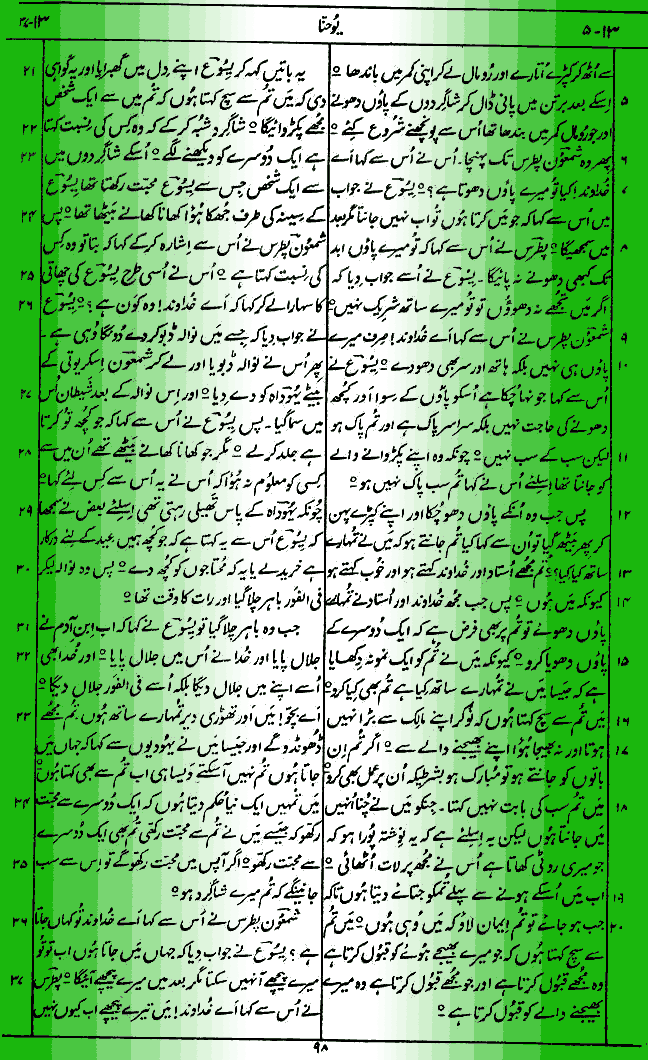
Verse-by-Verse Commentary & Explanation (John 13:5–38)
John 13:5
Verse: After that he poureth water into a bason and began to wash the disciples’ feet and to wipe them with the towel wherewith he was girded
English Explanation: In ancient Jewish culture, washing feet was the chore of the lowest servant due to the dusty roads. Jesus, the Lord of the Universe, assumes this submissive role. By pouring water into the basin and wrapping the towel around His waist, He demonstrates that true leadership in God’s Kingdom is rooted in ultimate humility and selfless service.
Urdu Explanation: قدیم زمانے میں دھول مٹی سے بھرے راستوں کی وجہ سے پاؤں دھونا سب سے نچلے درجے کے نوکر کا کام سمجھا جاتا تھا۔ کائنات کے مالک، یسوع مسیح نے خود یہ عاجزانہ روپ دھارا۔ پانی برتن میں ڈال کر اور کمر پر تولیہ باندھ کر انہوں نے یہ سکھایا کہ خدا کی بادشاہی میں حقیقی قیادت کا مطلب دوسروں کی عاجزی اور محبت سے خدمت کرنا ہے۔
John 13:6
Verse: Then cometh he to Simon Peter and Peter saith unto him Lord dost thou wash my feet
English Explanation: Peter reacts out of cultural shock and deep reverence. He is deeply uncomfortable seeing his Master degrade Himself to do a servant’s chore. Peter’s question highlights the sharp contrast between human expectations of a king and Christ’s revolutionary model of humble leadership.
Urdu Explanation: پطرس اپنے ثقافتی ماحول اور مسیح کے احترام کی وجہ سے حیران رہ گیا۔ وہ اپنے مالک کو ایک خادم کا کام کرتے ہوئے دیکھ کر سخت پریشان ہوا۔ پطرس کا یہ سوال انسانی بادشاہت کے تصور اور یسوع مسیح کے عاجزانہ اور انقلابی اندازِ قیادت کے درمیان واضح فرق کو ظاہر کرتا ہے۔
John 13:7
Verse: Jesus answered and said unto him What I do thou knowest not now but thou shalt know hereafter
English Explanation: Jesus acknowledges that the spiritual weight of this act cannot be fully understood by the disciples yet. The true spiritual meaning—cleansing from sin through His impending sacrifice on the Cross—would only become crystal clear to them after His resurrection and the coming of the Holy Spirit.
Urdu Explanation: یسوع نے تسلیم کیا کہ اس کام کی روحانی اہمیت کو شاگرد فی الحال پوری طرح سمجھنے سے قاصر ہیں۔ اس کا اصل روحانی مقصد—یعنی صلیب پر یسوع کی قربانی کے ذریعے گناہوں سے پاک ہونا—ان پر مسیح کے جی اٹھنے اور روح القدس کے نزول کے بعد ہی پوری طرح واضح ہونا تھا۔
John 13:8
Verse: Peter saith unto him Thou shalt never wash my feet Jesus answered him If I wash thee not thou hast no part with me
English Explanation: Peter vehemently refuses out of misguided pride disguised as humility. However, Jesus gives a stern spiritual reality check: if a believer refuses Christ’s cleansing work, they cannot share in His fellowship or salvation. Spiritual cleaning is entirely God’s work, and we must receive it with total submission.
Urdu Explanation: پطرس نے اپنی نادان عاجزی کی وجہ سے سختی سے انکار کیا۔ لیکن یسوع نے اسے ایک گہری روحانی حقیقت بتائی: اگر کوئی ایماندار مسیح کے پاک کرنے کے عمل کو قبول نہیں کرتا، تو اس کا مسیح کے ساتھ کوئی حصہ یا تعلق نہیں۔ روحانی پاکیزگی مکمل طور پر خدا کا کام ہے، اور ہمیں اسے عاجزی سے قبول کرنا چاہیے۔
John 13:9
Verse: Simon Peter saith unto him Lord not my feet only but also my hands and my head
English Explanation: Swinging to the opposite extreme with characteristic zeal, Peter begs for a total washing. If washing is required to stay connected to Jesus, Peter wants to be completely drenched in it. This reflects his passionate desire to never lose intimacy with his Lord.
Urdu Explanation: پطرس نے اپنے روایتی جوش میں آکر بات کو بالکل دوسری طرف موڑ دیا اور پورے جسم کو دھونے کی التجا کی۔ اگر یسوع کے ساتھ رہنے کے لیے دھونا ضروری تھا، تو پطرس مکمل طور پر پاک ہونا چاہتا تھا۔ یہ اس کی اپنے مالک کے ساتھ گہرے تعلق کی شدید خواہش کو ظاہر کرتا ہے۔
John 13:10
Verse: Jesus saith to him He that is washed needeth not save to wash his feet but is clean every whit and ye are clean but not all
English Explanation: Jesus uses a brilliant metaphor: a person who has already bathed only needs to wash the dust off their feet after walking outside. In theological terms, justification (initial salvation) is a one-time spiritual bath, but confession of daily sins (sanctification) is the ongoing foot-washing we need. Jesus adds a chilling caveat: “but not all,” pointing directly to Judas’s unregenerate heart.
Urdu Explanation: یسوع نے ایک بہترین مثال استعمال کی: جو شخص نہا چکا ہو اسے باہر چلنے کے بعد صرف اپنے پاؤں دھونے کی ضرورت ہوتی ہے۔ روحانی طور پر، نجات (گناہوں سے معافی) ایک بار کا غسل ہے، لیکن روزمرہ کے گناہوں کا اقرار وہ پاؤں دھونا ہے جس کی ہمیں روز ضرورت ہوتی ہے۔ یسوع نے یہ بھی کہا کہ “تم سب پاک نہیں ہو،” جو کہ یہوداہ اسکریوتی کے ناپاک دل کی طرف اشارہ تھا۔
John 13:11
Verse: For he knew who should betray him therefore said he Ye are not all clean
Explanation: Jesus possessed complete divine omniscience. He was fully aware that Judas Iscariot had already plotted to hand Him over to the authorities. Despite knowing this treachery, Jesus still chose to wash Judas’s feet, displaying unimaginable grace and love toward His enemy.
Urdu Explanation: یسوع ہر بات سے پوری طرح واقف تھے۔ وہ جانتے تھے کہ یہوداہ اسکریوتی انہیں پکڑوانے کا منصوبہ بنا چکا ہے۔ اس غداری کو جاننے کے باوجود، یسوع نے یہوداہ کے پاؤں بھی دھوئے، جو ان کے بے پناہ فضل اور دشمن کے لیے بھی ان کی محبت کا ثبوت ہے۔
John 13:12
Verse: So after he had washed their feet and had taken his garments and was set down again he said unto them Know ye what I have done to you
English Explanation: After completing the service, Jesus puts His outer garments back on and returns to His place at the table. He shifts from the role of a servant to the role of a Teacher, asking a probing question to challenge them to reflect deeply on the moral and spiritual lesson behind His actions.
Urdu Explanation: یہ خدمت سرانجام دینے کے بعد، یسوع نے اپنے کپڑے پہنے اور دوبارہ میز پر بیٹھ گئے۔ یہاں وہ خادم کے روپ سے نکل کر ایک استاد کے روپ میں آتے ہیں اور اپنے شاگردوں سے ایک گہرا سوال کرتے ہیں تاکہ وہ اس عمل کے پیچھے چھپے اخلاقی اور روحانی سبق پر غور کریں۔
John 13:13
Verse: Ye call me Master and Lord and ye say well for so I am
English Explanation: Jesus explicitly confirms His supreme authority and divinity. He does not deny His rightful status as Master (Teacher) and Lord (Deity). This statement makes the preceding foot-washing even more astonishing; it was not done out of low status, but out of supreme love despite His high status.
Urdu Explanation: یسوع نے واضح طور پر اپنے اعلیٰ اختیار اور الٰہی رتبے کی تصدیق کی۔ انہوں نے اپنے استاد اور خداوند ہونے کے حق سے انکار نہیں کیا۔ یہ بات پاؤں دھونے کے عمل کو مزید حیران کن بنا دیتی ہے؛ انہوں نے یہ کام کسی کمتری کی وجہ سے نہیں، بلکہ اپنے بلند رتبے کے باوجود گہری محبت کی وجہ سے کیا۔
John 13:14
Verse: If I then your Lord and Master have washed your feet ye also ought to wash one another’s feet
English Explanation: This is the core ethical mandate of the passage. If the ultimate authority figures humbles Himself to serve, no follower can claim any task is beneath them. Christ turns traditional power dynamics completely upside down, establishing mutual, humble service as the defining law of the Christian community.
Urdu Explanation: یہ اس سارے واقعے کا بنیادی اخلاقی سبق ہے۔ اگر کائنات کا مالک خدمت کے لیے جھک سکتا ہے، تو کوئی بھی پیروکار یہ دعویٰ نہیں کر سکتا کہ کوئی کام اس کی شان کے خلاف ہے۔ مسیح نے دنیاوی طاقت کے معیار کو بدل کر رکھ دیا اور عاجزانہ خدمت کو مسیحی برادری کا بنیادی قانون بنا دیا۔
John 13:15
Verse: For I have given you an example that ye should do as I have done to you
English Explanation: Jesus states that His action was a literal pattern of living. This goes beyond the physical act of washing feet to a broader lifestyle of seeking the good of others, setting aside personal status, and actively serving the spiritual and physical needs of our neighbors.
Urdu Explanation: یسوع نے واضح کیا کہ ان کا یہ عمل زندگی گزارنے کا ایک نمونہ تھا۔ اس کا مطلب صرف پاؤں دھونا نہیں بلکہ ایک ایسی طرزِ زندگی اپنانا ہے جہاں انسان اپنی انا اور مرتبے کو چھوڑ کر دوسروں کی روحانی اور جسمانی ضرورتوں کو پورا کرے۔
John 13:16
Verse: Verily verily I say unto you The servant is not greater than his lord neither he that is sent greater than he that sent him
English Explanation: Using an undeniable cultural truth, Jesus eliminates all room for pride. If the Master serves, the servants cannot exempt themselves from serving without claiming to be superior to the Master. It is a direct call for absolute humility among ministry leaders and believers alike.
Urdu Explanation: ایک ناقابلِ تردید سچائی کا استعمال کرتے ہوئے، یسوع نے غرور کی ہر گنجائش کو ختم کر دیا۔ اگر مالک خدمت کر رہا ہے، تو خادم خود کو خدمت سے بالاتر نہیں سمجھ سکتے۔ یہ گرجوں کے رہنماؤں اور تمام ایمانداروں کے لیے مکمل عاجزی اپنانے کی ایک سیدھی پکار ہے۔
John 13:17
Verse: If ye know these things happy are ye if ye do them
English Explanation: True spiritual joy and blessing do not come merely from acquiring theological knowledge, but from actively practicing it. Jesus equates ultimate happiness with practical obedience and active service to others.
Urdu Explanation: حقیقی روحانی خوشی اور برکت صرف مذہبی علم حاصل کرنے سے نہیں، بلکہ اس پر عمل کرنے سے ملتی ہے۔ یسوع نے حقیقی خوشی کو عملی فرمانبرداری اور دوسروں کی خدمت سے مشروط کیا ہے۔
John 13:18
Verse: I speak not of you all I know whom I have chosen but that the scripture may be fulfilled He that eateth bread with me hath lifted up his heel against me
English Explanation: Jesus acknowledges that His inner circle contains a betrayer, fulfilling the prophecy found in Psalm 41:9. Eating bread with someone was a sign of close friendship and peace in Eastern cultures; lifting the heel implies a brutal, treacherous strike against that close friend.
Urdu Explanation: یسوع جانتے تھے کہ ان کے قریبی ساتھیوں میں ایک غدار موجود ہے، اور اس سے زبور 41:9 کی پیشگوئی پوری ہو رہی تھی۔ مشرقی ثقافت میں کسی کے ساتھ روٹی کھانا قریبی دوستی اور امن کی علامت تھا؛ جبکہ ایڑی اٹھانا اپنے ہی دوست پر پیٹھ پیچھے وار کرنے کی علامت ہے۔
John 13:19
Verse: Now I tell you before it come that when it is come to pass ye may believe that I am he
English Explanation: Jesus predicts His betrayal in advance so that when it happens, the disciples will not think He was a helpless victim caught off guard. Instead, it would prove His absolute divine sovereignty and reassure them that He is indeed the Messiah (“I am He”).
Urdu Explanation: یسوع نے غداری کی پیشگوئی وقت سے پہلے اس لیے کی تاکہ جب ایسا ہو، تو شاگرد یہ نہ سمجھیں کہ یسوع بے بس تھے۔ بلکہ اس سے ان کا ایمان پکا ہو جائے کہ یسوع ہی وہ برحق مسیحا ہیں جو حالات پر پورا اختیار رکھتے ہیں۔
John 13:20
Verse: Verily verily I say unto you He that receiveth whomsoever I send receiveth me and he that receiveth me receiveth him that sent me
English Explanation: Jesus offers immense comfort to His faithful disciples. He establishes a divine chain of representation: welcoming a sent messenger of Christ is equivalent to welcoming Christ Himself, which in turn means welcoming God the Father. This emphasizes the supreme authority of the apostolic mission.
Urdu Explanation: یسوع نے اپنے وفادار شاگردوں کو تسلی دی۔ انہوں نے الٰہی نمائندگی کا ایک سلسلہ بیان کیا: جو مسیح کے بھیجے ہوئے پیغام آور کو قبول کرتا ہے وہ گویا خود مسیح کو قبول کرتا ہے، اور مسیح کو قبول کرنا خدا باپ کو قبول کرنا ہے۔ یہ شاگردوں کی منادی کے اختیار کو ظاہر کرتا ہے۔
John 13:21
Verse: When Jesus had thus said he was troubled in spirit and testified and said Verily verily I say unto you that one of you shall betray me
English Explanation: The reality of the betrayal caused deep emotional and spiritual anguish to Jesus. He was not a detached deity; He felt the profound pain of broken relationship and upcoming suffering. His formal testimony leaves no doubt that the traitor is sitting right at the table.
Urdu Explanation: اس غداری کی حقیقت نے یسوع کے دل اور روح کو گہرا دکھ پہنچایا۔ وہ جذبات سے عاری نہیں تھے؛ انہوں نے رشتے کے ٹوٹنے اور آنے والے دکھ کے درد کو شدت سے محسوس کیا۔ ان کے اس کلام نے یہ صاف کر دیا کہ غدار اسی میز پر موجود ہے۔
John 13:22
Verse: Then the disciples looked one on another doubting of whom he spake
English Explanation: The disciples were thrown into utter confusion, self-doubt, and suspicion. Because Judas had hidden his hypocrisy so perfectly, none of the disciples could easily pinpoint who the traitor was. Each began to examine their own heart.
Urdu Explanation: شاگرد شدید الجھن اور شک میں پڑ گئے۔ چونکہ یہوداہ نے اپنی منافقت کو بہت مہارت سے چھپا رکھا تھا، اس لیے کوئی بھی شاگرد آسانی سے اندازہ نہ لگا سکا کہ غدار کون ہے۔ وہ سب ایک دوسرے کو دیکھنے اور خود پر شک کرنے لگے۔
John 13:23
Verse: Now there was leaning on Jesus’ bosom one of his disciples whom Jesus loved
English Explanation: This refers to John, the author of the Gospel, who historically reclined next to Jesus at the table according to custom. John routinely refers to himself as the “disciple whom Jesus loved,” emphasizing his deep identity in Christ’s unconditional love rather than using his own name.
Urdu Explanation: یہ اشارہ یوحنا کی طرف ہے، جو اس انجیل کے مصنف ہیں اور رسم کے مطابق میز پر یسوع کے بالکل ساتھ بیٹھے تھے۔ یوحنا اکثر اپنے لیے “وہ شاگرد جس سے یسوع محبت رکھتے تھے” کا جملہ استعمال کرتے ہیں، جو ان کے اپنے نام کے بجائے مسیح کی محبت میں ان کی پہچان کو ظاہر کرتا ہے۔
John 13:24
Verse: Simon Peter therefore beckoned to him that he should ask who it should be of whom he spake
English Explanation: Peter, sitting further away or unable to ask directly without drawing massive attention, motions to John. He wants John to leverage his physical proximity and intimate relationship with Jesus to quietly uncover the identity of the betrayer.
Urdu Explanation: پطرس نے، جو شاید دور بیٹھے تھے یا براہِ راست پوچھنے سے کترا رہے تھے، یوحنا کو اشارہ کیا۔ وہ چاہتے تھے کہ یوحنا یسوع سے اپنی قربت کا فائدہ اٹھاتے ہوئے چپکے سے معلوم کریں کہ غدار کون ہے۔
John 13:25
Verse: He then lying on Jesus’ breast saith unto him Lord who is it
English Explanation: Leaning back closer to Jesus in a confidential posture, John whispers the burning question directly. This raw moment showcases the deep intimacy and comfort human beings can find when resting near the heart of Christ.
Urdu Explanation: یوحنا نے یسوع کے سینے کے قریب ہو کر آہستہ سے وہ اہم سوال پوچھا۔ یہ لمحہ اس گہرے اور قریبی تعلق کو ظاہر کرتا ہے جو ایک انسان مسیح کے قریب رہ کر حاصل کر سکتا ہے۔
John 13:26
Verse: Jesus answered He it is to whom I shall give a sop when I have dipped it And when he had dipped the sop he gave it to Judas Iscariot the son of Simon
English Explanation: Jesus provides a specific sign to John. Handing a dipped piece of bread (sop) to a guest was traditionally a gesture of honor and special friendship at a feast. In a profound display of grace, Jesus offers Judas one final token of love and an opportunity to repent right before the betrayal.
Urdu Explanation: یسوع نے یوحنا کو ایک مخصوص نشان بتایا۔ کھانے کے دوران نوالہ ڈبو کر کسی کو دینا عزت اور خاص دوستی کی نشانی سمجھا جاتا تھا۔ یسوع نے غداری سے ٹھیک پہلے یہوداہ کو محبت کا ایک آخری موقع اور توبہ کی دعوت پیش کی۔
John 13:27
Verse: And after the sop Satan entered into him Then said Jesus unto him That thou doest do quickly
English Explanation: By accepting the bread while hardening his heart to betray Jesus, Judas completely surrenders himself to demonic control. Satan takes full possession of his will. Jesus, completely in control of the timeline of His divine destiny, dismisses Judas to finalize the act.
Urdu Explanation: یسوع کی طرف سے نوالہ لینے کے باوجود جب یہوداہ نے اپنے دل کو سخت رکھا، تو شیطان اس میں داخل ہو گیا اور اس کے ارادوں پر غالب آ گیا۔ یسوع نے، جو اپنے الٰہی منصوبے کے وقت سے واقف تھے، یہوداہ سے فرمایا کہ جو کرنا ہے جلد کرے۔
John 13:28
Verse: Now no man at the table knew for what intent he spake this unto him
English Explanation: Aside from John (and possibly Judas), the rest of the disciples completely missed the spiritual dynamic occurring right in front of them. They did not grasp why Jesus told Judas to act quickly, showing how blind they still were to the immediate unfolding of the crucifixion plot.
Urdu Explanation: یوحنا (اور شاید یہوداہ) کے علاوہ، باقی شاگرد اس روحانی گفتگو کو نہ سمجھ سکے۔ وہ یہ نہ جان پائے کہ یسوع نے یہوداہ کو جلدی کرنے کا حکم کیوں دیا، جو یہ ظاہر کرتا ہے کہ وہ ابھی تک صلیب کے منصوبے سے بے خبر تھے۔
John 13:29
Verse: For some of them thought because Judas had the bag that Jesus had said unto him Buy those things that we have need of against the feast or that he should give something to the poor
English Explanation: Because Judas served as the treasurer for the ministry group, the disciples rationalized Jesus’s words in a mundane way. They assumed he was being sent out to buy last-minute festival supplies or to distribute charity, highlighting Judas’s deep, undetected hypocrisy.
Urdu Explanation: چونکہ یہوداہ کے پاس پیسوں کا تھیلا تھا، شاگردوں نے دنیاوی حساب سے اندازہ لگایا۔ انہوں نے سوچا کہ اسے عید کا سامان خریدنے یا غریبوں کو خیرات دینے کے لیے بھیجا جا رہا ہے۔ یہ بات یہوداہ کی گہری منافقت کو واضح کرتی ہے کہ کسی کو اس پر شک نہ تھا۔
John 13:30
Verse: He then having received the sop went immediately out and it was night
English Explanation: Judas steps out into the physical and spiritual darkness. John’s note “and it was night” carries immense symbolic weight. Leaving the presence of Jesus—the Light of the World—always plunges a human soul into absolute spiritual darkness and ruin.
Urdu Explanation: یہوداہ نوالہ لیتے ہی فوراً باہر چلا گیا اور اس وقت رات تھی۔ یوحنا کا یہ لکھنا کہ “رات تھی” گہری علامتی اہمیت رکھتا ہے۔ یسوع—جو دنیا کا نور ہیں—کی موجودگی کو چھوڑنے کا مطلب ہمیشہ روح کا گہری تاریکی اور تباہی میں گرنا ہے۔
John 13:31
Verse: Therefore when he was gone out Jesus said Now is the Son of man glorified and God is glorified in him
English Explanation: As soon as Judas leaves to seal the betrayal, Jesus views the Cross as already in motion. Paradoxically, Jesus calls His impending, shameful crucifixion His “glorification.” The Cross is where God’s perfect justice and supreme love are perfectly put on display for the cosmos.
Urdu Explanation: جیسے ہی یہوداہ غداری کے لیے نکلا، یسوع نے صلیب کے سفر کو شروع ہوتے دیکھا۔ حیران کن طور پر، یسوع نے صلیب کی اس تکلیف دہ موت کو اپنا “جلال” کہا۔ صلیب وہ جگہ ہے جہاں خدا کا انصاف اور محبت پوری کائنات کے سامنے ظاہر ہونی تھی۔
John 13:32
Verse: If God be glorified in him God shall also glorify him in himself and shall straightway glorify him
English Explanation: Because the Son’s sacrifice brings ultimate glory to the Father, the Father will immediately respond by glorifying the Son through the Resurrection, the Ascension, and restoring Him to His eternal place of supreme honor at the right hand of God.
Urdu Explanation: چونکہ بیٹے کی قربانی سے باپ کو جلال ملتا ہے، اس لیے باپ فوراً ہی بیٹے کو جی اٹھنے، آسمان پر اٹھائے جانے اور خدا کے داہنے ہاتھ عزت کے ابدی مرتبے پر فائز کر کے جلال بخشے گا۔
John 13:33
Verse: Little children yet a little while I am with you Ye shall seek me and as I said unto the Jews Whither I go ye cannot come so now I say to you
English Explanation: Using an incredibly tender term of endearment (“Little children”), Jesus prepares them for His imminent departure. He lets them know that they cannot physically follow Him into death and back to heaven at this moment, creating an urgent environment for His final instructions.
Urdu Explanation: انتہائی محبت اور شفقت سے انہیں “بچو” کہہ کر، یسوع نے اپنے شاگردوں کو اپنی جدائی کے لیے تیار کیا۔ انہوں نے بتایا کہ شاگرد فی الحال جسمانی طور پر موت اور آسمان کے اس سفر میں ان کے پیچھے نہیں آ سکتے۔
John 13:34
Verse: A new commandment I give unto you That ye love one another as I have loved you that ye also love one another
English Explanation: The commandment to love was not brand new, but the standard was entirely revolutionary: “as I have loved you.” Believers are no longer just to love neighbors as themselves, but to love sacrificialy, selflessly, and unconditionally, modeled directly after Christ’s love on the Cross.
Urdu Explanation: محبت کرنے کا حکم نیا نہیں تھا، لیکن اس کا معیار بالکل نیا تھا: “جیسی میں نے تم سے محبت کی”۔ ایمانداروں کو اب صرف اپنے جیسا پیار نہیں کرنا، بلکہ مسیح کی صلیبی محبت کی مانند ایک دوسرے کے لیے جان نثار کرنے والی عاجزانہ محبت کرنی ہے۔
John 13:35
Verse: By this shall all men know that ye are my disciples if ye have love one to another
English Explanation: Jesus establishes the ultimate badge of Christian discipleship. The world will not recognize true Christians by their miracles, political power, or deep theological debates, but uniquely by the supernatural, visible love they display toward fellow believers.
Urdu Explanation: یسوع نے مسیحی شاگردی کی سب سے بڑی نشانی قائم کی۔ دنیا سچے مسیحیوں کو ان کے معجزات، سیاسی طاقت یا علمی بحثوں سے نہیں، بلکہ اس محبت سے پہچانے گی جو وہ ایک دوسرے کے لیے ظاہر کرتے ہیں۔
John 13:36
Verse: Simon Peter said unto him Lord whither goest thou Jesus answered him Whither I go thou canst not follow me now but thou shalt follow me afterwards
English Explanation: Peter completely misses the message of love because he is distracted by Jesus’s departure. Jesus reassures him that while Peter cannot follow Him into death right now, he will eventually follow Him in martyrdom and enter into eternal glory later.
Urdu Explanation: پطرس یسوع کے جانے کی بات پر اتنا پریشان ہوا کہ وہ محبت کے اس نئے حکم پر توجہ نہ دے سکا۔ یسوع نے اسے تسلی دی کہ اگرچہ وہ اب موت کے اس سفر میں ساتھ نہیں چل سکتا، لیکن مستقبل میں وہ اپنی شہادت کے ذریعے مسیح کے پیچھے چلے گا اور ابدی جلال میں داخل ہوگا۔
John 13:37
Verse: Peter said unto him Lord why cannot I follow thee now I will lay down my life for thy sake
English Explanation: Peter speaks out of genuine emotion but deep spiritual pride and self-reliance. He boldly claims he is ready to die for Jesus right away. He vastly underestimates human weakness and the terrifying power of fear when faced with persecution.
Urdu Explanation: پطرس نے خلوصِ دل سے لیکن انسانی کمزوری اور خود اعتمادی کے زعم میں بات کی۔ اس نے دعویٰ کیا کہ وہ یسوع کے لیے اپنی جان دینے کو تیار ہے۔ وہ انسانی کمزوری اور خوف کی طاقت سے بالکل ناواقف تھا۔
John 13:38
Verse: Jesus answered him Wilt thou lay down thy life for my sake Verily verily I say unto thee The cock shall not crow till thou hast denied me thrice
English Explanation: Jesus gently shatters Peter’s self-confidence with a shocking prophecy. Before the rooster crows to signal the morning, Peter will deny even knowing Jesus three distinct times. This highlights our desperate need for God’s grace and underscores that Christ alone possesses the strength to face the cross.
Urdu Explanation: یسوع نے ایک چونکا دینے والی پیشگوئی کے ذریعے پطرس کے خود ساختہ اعتماد کو توڑ دیا۔ انہوں نے بتایا کہ صبح مرغ کے بانگ دینے سے پہلے، پطرس تین بار ان کا انکار کرے گا۔ یہ ظاہر کرتا ہے کہ انسان کو خدا کے فضل کی کتنی ضرورت ہے اور صرف مسیح ہی میں وہ طاقت تھی جو صلیب کا سامنا کر سکے۔