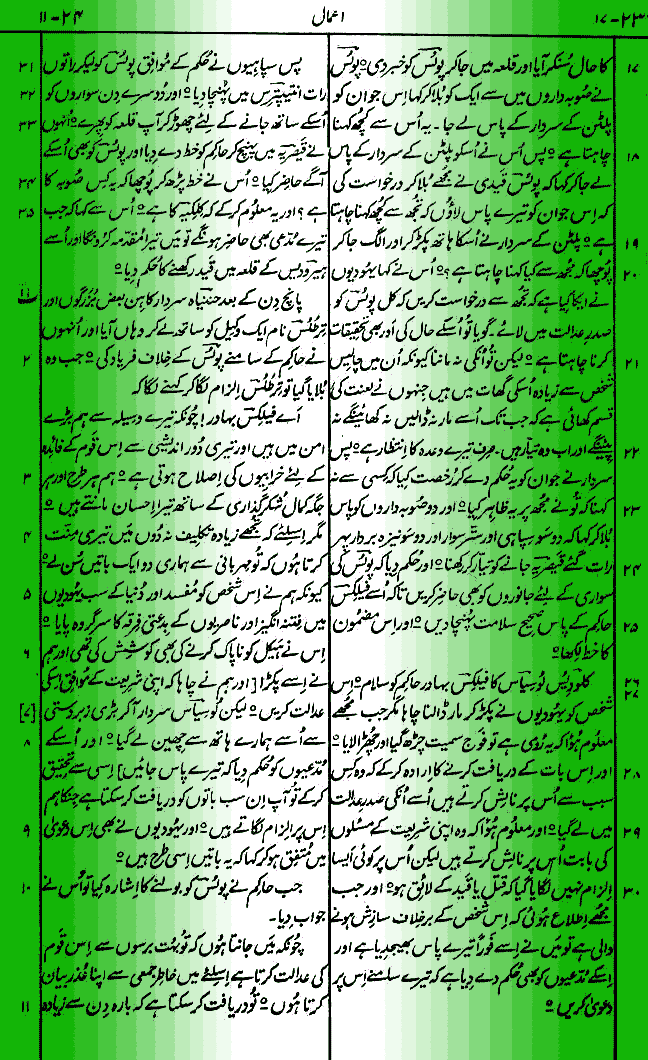
Verse-by-Verse Commentary (Acts 23:17 – Acts 24:11)
Acts 23:17
Verse:
Then Paul called one of the centurions unto him and said Bring this young man unto the chief captain for he hath a certain thing to tell him
English Explanation:
Paul’s nephew had just uncovered a secret plot by more than forty men to assassinate Paul. Instead of panicking or relying purely on a miraculous intervention, Paul acts practically. He utilizes his rights and status to call a Roman centurion, instructing him to take the young man directly to the chief captain (Claudius Lysias). This highlights that God often uses human wisdom and institutional channels to fulfill His protective purposes.
Urdu Explanation (تفصیلی وضاحت):
پولس کے بھانجے نے چالیس سے زائد یہودیوں کی اس سازش کا پتہ لگا لیا تھا جو انہوں نے پولس کو قتل کرنے کے لیے بنائی تھی۔ پولس نے گھبرانے کی بجائے عملی حکمت سے کام لیا۔ اس نے ایک رومی صوبہ دار (Centurion) کو بلا کر کہا کہ اس نوجوان کو بڑے کپتان (Claudius Lysias) کے پاس لے جائے کیونکہ اس کے پاس ایک اہم معلومات ہے۔ اس سے معلوم ہوتا ہے کہ خدا اپنے خادموں کی حفاظت کے لیے بعض اوقات دنیاوی نظام اور انسانی حکمت کو استعمال کرتا ہے۔
Acts 23:18
Verse:
So he took him and brought him to the chief captain and said Paul the prisoner called me unto him and prayed me to bring this young man unto thee who hath something to say unto thee
English Explanation:
The centurion obeys Paul’s request, exhibiting the respect Paul commanded even as a prisoner. He formally introduces the young man to the chief captain, noting that “Paul the prisoner” specifically requested this audience. This verse sets the stage for the official Roman intervention that would save Paul’s life.
Urdu Explanation (تفصیلی وضاحت):
صوبہ دار نے پولس کی بات مانی اور اس نوجوان کو بڑے کپتان کے پاس لے گیا۔ اس نے کپتان کو بتایا کہ قیدی پولس نے مجھے بلا کر درخواست کی کہ میں اس نوجوان کو آپ کے پاس لاؤں کیونکہ یہ آپ سے کچھ کہنا چاہتا ہے۔ یہ ظاہر کرتا ہے کہ قیدی ہونے کے باوجود رومی افسران پولس کی عزت کرتے تھے اور یہ خدا کی پوشیدہ حکمت کا حصہ تھا۔
Acts 23:19
Verse:
Then the chief captain took him by the hand and went with him aside privately and asked him What is that thou hast to tell me
English Explanation:
The chief captain exhibits great leadership and empathy by taking the young man by the hand and leading him to a private space. This gesture shows that the captain took the matter seriously and wanted to protect the informant from any potential spies or retaliation within the barracks.
Urdu Explanation (تفصیلی وضاحت):
بڑے کپتان نے اس نوجوان کا ہاتھ پکڑا اور اسے تنہائی میں لے جا کر پوچھا کہ تم مجھے کیا بتانا چاہتے ہو؟ کپتان کا یہ طریقہ کار اس کی دانشمندی اور شفقت کو ظاہر کرتا ہے۔ وہ معاملے کی حساسیت کو سمجھ گیا تھا اور اس نے معلومات دینے والے نوجوان کی حفاظت کو یقینی بنانے کے لیے اس سے اکیلے میں بات چیت کی۔
Acts 23:20
Verse:
And he said The Jews have agreed to desire thee that thou wouldest bring down Paul to morrow into the council as though they would enquire somewhat of him more perfectly
English Explanation:
The young man exposes the conspiracy: the Jewish religious leaders plan to ask the captain to bring Paul before the Sanhedrin (the council) under the false pretense of wanting to cross-examine him more thoroughly. It was a calculated trap designed to lure Paul out into the open.
Urdu Explanation (تفصیلی وضاحت):
نوجوان نے سازش کو بے نقاب کرتے ہوئے بتایا کہ یہودیوں نے یہ منصوبہ بنایا ہے کہ وہ آپ سے درخواست کریں گے کہ کل پولس کو مجلس (عدالت) میں لایا جائے، گویا وہ اس کے معاملے کی مزید باریکی سے تحقیقات کرنا چاہتے ہیں۔ یہ سراسر ایک فریب تھا تاکہ پولس کو قلعے سے باہر نکالا جا سکے۔
Acts 23:21
Verse:
But do not thou yield unto them for there lie in wait for him of them more than forty men which have bound themselves with an oath that they will neither eat nor drink till they have killed him and now are they ready looking for a promise from thee
English Explanation:
The young man boldly pleads with the Roman official not to give in to the Jewish authorities’ request. He reveals the deadly oath taken by more than forty radicalized men who refuse to eat or drink until Paul is dead. They are armed, waiting, and only lingering for the captain’s approval to move Paul.
Urdu Explanation (تفصیلی وضاحت):
نوجوان نے بڑے کپتان سے التجا کی کہ وہ ان کی بات نہ مانے، کیونکہ چالیس سے زیادہ آدمی گھات لگائے بیٹھے ہیں۔ انہوں نے قسم کھائی ہے کہ جب تک پولس کو قتل نہ کر لیں، نہ کچھ کھائیں گے اور نہ پیئیں گے۔ وہ سب تیار ہیں اور بس آپ کی طرف سے پولس کو بھیجنے کے وعدے کا انتظار کر رہے ہیں۔
Acts 23:22
Verse:
So the chief captain then let the young man depart and charged him See thou tell no man that thou hast shewed these things to me
English Explanation:
Recognizing the extreme danger and political volatility of the situation, the chief captain dismisses the young man with a strict command of secrecy. If the conspirators found out the plot was leaked, they would alter their strategy or harm the informant.
Urdu Explanation (تفصیلی وضاحت):
بڑے کپتان نے صورتحال کی سنگینی کو بھانپتے ہوئے نوجوان کو رخصت کیا اور سخت تاکید کی کہ یہ بات کسی کو معلوم نہ ہو کہ تم نے مجھے یہ سب کچھ بتایا ہے۔ اگر یہ راز فاش ہو جاتا تو سازش کرنے والے اپنا طریقہ بدل سکتے تھے یا اس نوجوان کی جان کو خطرہ ہو سکتا تھا۔
Acts 23:23
Verse:
And he called unto him two centurions saying Make ready two hundred soldiers to go to Caesarea and horsemen threescore and ten and spearmen two hundred at the third hour of the night
English Explanation:
The chief captain acts swiftly and decisively. He orders a massive military escort—470 soldiers in total (200 heavy infantry, 70 cavalry, and 200 spearmen)—to mobilize at the “third hour of the night” (around 9:00 PM). This overwhelming show of force demonstrates how seriously Rome took civil unrest and the protection of its citizens.
Urdu Explanation (تفصیلی وضاحت):
بڑے کپتان نے فوری کارروائی کرتے ہوئے دو صوبہ داروں کو بلایا اور حکم دیا کہ رات کے تیسرے گھنٹے (تقریباً رات کے نو بجے) قیصریہ جانے کے لیے دو سو پیادے، ستر سوار اور دو سو نیزہ باز تیار رکھیں۔ یہ کل ملا کر 470 فوجیوں کا ایک بہت بڑا دستہ تھا، جو ظاہر کرتا ہے کہ رومی حکومت اپنے شہریوں کی حفاظت اور امن و امان قائم رکھنے کو کتنی اہمیت دیتی تھی۔
Acts 23:24
Verse:
And provide them beasts that they may set Paul on and bring him safe unto Felix the governor
English Explanation:
The captain ensures that mounts (beasts of burden) are provided for Paul to ride, facilitating a rapid journey. The target destination is Caesarea, the Roman administrative capital of Judea, where Paul would be safely delivered to Antonius Felix, the Roman Governor.
Urdu Explanation (تفصیلی وضاحت):
کپتان نے یہ بھی حکم دیا کہ پولس کے سوار ہونے کے لیے سواریاں مہیا کی جائیں تاکہ اسے بحفاظت گورنر فیلکس کے پاس قیصریہ پہنچا دیا جائے۔ قیصریہ اس وقت یہودیہ میں رومی حکومت کا صدر مقام تھا، جہاں گورنر کی موجودگی میں پولس محفوظ رہ سکتا تھا۔
Acts 23:25
Verse:
And he wrote a letter after this manner
English Explanation:
To accompany the prisoner transfer, the chief captain drafted an official legal dispatch. In the Roman legal system, sending a prisoner to a higher authority required an explanatory letter detailing the charges and background of the case.
Urdu Explanation (تفصیلی وضاحت):
اور اس نے گورنر کے نام ایک خط لکھا جس کا مضمون درج ذیل تھا۔ رومی قانون کے مطابق جب کسی قیدی کو اعلیٰ عدالت یا گورنر کے پاس بھیجا جاتا تھا، تو اس کے ساتھ ایک سرکاری خط بھیجنا لازمی تھا جس میں کیس کی تفصیلات درج ہوتی تھیں۔
Acts 23:26
Verse:
Claudius Lysias unto the most excellent governor Felix sendeth greeting
English Explanation:
This verse provides the names of the individuals involved. The chief captain’s name is revealed as Claudius Lysias. He addresses Governor Felix with the formal, respectful title “most excellent” ($optimus$), which was standard for high-ranking Roman officials.
Urdu Explanation (تفصیلی وضاحت):
“کلوڈیس لُسیآس کی طرف سے عالی قدر گورنر فیلکس کو سلام۔” اس آیت سے ہمیں بڑے کپتان کا نام معلوم ہوتا ہے جو کلوڈیس لُسیآس تھا۔ اس نے گورنر فیلکس کو اس کے سرکاری اور معزز خطاب “عالی قدر” سے مخاطب کیا، جو رومی آدابِ شاہی کا حصہ تھا۔
Acts 23:27
Verse:
This man was taken of the Jews and should have been killed of them then came I with an army and rescued him having understood that he was a Roman
English Explanation:
Lysias summarizes the events but tweaks the narrative slightly to paint himself in the best possible light. He states that he rescued Paul because he discovered Paul was a Roman citizen. In reality, Lysias only found out about Paul’s citizenship after he had already bound him and ordered him to be scourged (Acts 22:25-29).
Urdu Explanation (تفصیلی وضاحت):
خط میں لکھا تھا: “اس آدمی کو یہودیوں نے پکڑ لیا تھا اور وہ اسے مار ڈالنے ہی والے تھے کہ میں نے فوج کے ساتھ پہنچ کر اسے چھڑایا، کیونکہ مجھے معلوم ہوا کہ یہ رومی شہری ہے۔” یہاں لُسیآس نے اپنی کارکردگی کو بڑھا چڑھا کر پیش کیا، کیونکہ حقیقت میں اسے پولس کی رومی شہریت کا علم اسے باندھنے اور کوڑے مارنے کے حکم کے بعد ہوا تھا۔
Acts 23:28
Verse:
And when I would have known the cause wherefore they accused him I brought him forth into their council
English Explanation:
Lysias explains his legal due diligence. In an attempt to understand the formal charges being brought against Paul by the Jewish populace, he had brought him before the Sanhedrin, their highest religious court.
Urdu Explanation (تفصیلی وضاحت):
“اور یہ جاننے کے لیے کہ وہ اس پر کس بات کا الزام لگاتے ہیں، میں اسے ان کی مجلس (عدالت) میں لے گیا۔” لُسیآس نے گورنر کو واضح کیا کہ اس نے قانونی تقاضوں کو پورا کرنے اور الزامات کی نوعیت کو سمجھنے کے لیے پولس کو یہودیوں کی عدالت کے سامنے پیش کیا تھا۔
Acts 23:29
Verse:
Whom I perceived to be accused of questions of their law but to have nothing laid to his charge worthy of death or of bonds
English Explanation:
This is a critical theological and legal verdict from a secular Roman official. Lysias states that the conflict concerns purely internal Jewish religious laws and that Paul has committed no crime worthy of execution or imprisonment under Roman civil law.
Urdu Explanation (تفصیلی وضاحت):
“وہاں مجھے معلوم ہوا کہ اس پر ان کی شریعت کے مسئلوں کے بارے میں الزام لگایا گیا ہے، مگر وہ ایسی کسی بات کا قصوروار نہیں جو موت یا قید کے لائق ہو۔” ایک غیر جانبدار رومی افسر کا یہ بیان بہت اہم ہے، جو ثابت کرتا ہے کہ رومی قانون کی نظر میں پولس بے قصور تھا اور سارا جھگڑا مذہبی عقائد کا تھا۔
Acts 23:30
Verse:
And when it was told me how that the Jews laid wait for the man I sent straightway to thee and gave commandment to his accusers also to say before thee what they had against him Farewell
English Explanation:
Lysias concludes the letter by explaining the immediate cause of the transfer: a discovered assassination plot. He informs Felix that he has instructed Paul’s accusers to travel to Caesarea to present their case before the governor’s tribunal.
Urdu Explanation (تفصیلی وضاحت):
“اور جب مجھے خبر ملی کہ اس شخص کی جان لینے کے لیے گھات لگائی گئی ہے، تو میں نے اسے فوراً آپ کے پاس بھیج دیا اور الزام لگانے والوں کو بھی حکم دیا کہ جو کچھ اس کے خلاف رکھنا ہو، آپ ہی کے سامنے کہیں۔ والسلام۔” اس طرح لُسیآس نے اپنی ذمہ داری پوری کر کے مقدمہ اعلیٰ حکام کو سونپ دیا۔
Acts 23:31
Verse:
Then the soldiers as it was commanded them took Paul and brought him by night to Antipatris
English Explanation:
The Roman soldiers execute their orders efficiently. They travel overnight to Antipatris, a city located about 35 miles away from Jerusalem. This rapid night march placed Paul well outside the immediate radius of danger from the Jerusalem conspirators.
Urdu Explanation (تفصیلی وضاحت):
“پس سپاہیوں نے اپنے حکم کے مطابق پولس کو لیا اور راتوں رات اسے انتی پاترس پہنچا دیا۔” سپاہیوں نے تیزی سے سفر کیا اور رات کے اندھیرے میں تقریباً 35 میل کا فاصلہ طے کر کے پولس کو یروشلم کے سازشوں کی پہنچ سے دور کر دیا۔
Acts 23:32
Verse:
On the morrow they left the horsemen to go with him and returned to the castle
English Explanation:
Once they reached Antipatris, the immediate danger of a sudden ambush diminished. The 400 foot-soldiers and spearmen returned to the barracks in Jerusalem, leaving the 70 cavalrymen (horsemen) to escort Paul the remaining distance to Caesarea.
Urdu Explanation (تفصیلی وضاحت):
“دوسرے دن وہ سواروں کو اس کے ساتھ جانے کے لیے چھوڑ کر خود قلعے کو لوٹ آئے۔” چونکہ انتی پاترس پہنچنے کے بعد اچانک حملے کا خطرہ کم ہو گیا تھا، اس لیے چار سو پیادہ اور نیزہ باز سپاہی یروشلم واپس چلے گئے اور صرف ستر گھڑ سواروں کو پولس کے ساتھ قیصریہ کے باقی سفر کے لیے چھوڑ دیا۔
Acts 23:33
Verse:
Who when they came to Caesarea and delivered the epistle to the governor presented Paul also before him
English Explanation:
The cavalry safely arrives in Caesarea. They officially hand over Claudius Lysias’s letter to Governor Felix and present Paul to him, completing the transfer process without incident.
Urdu Explanation (تفصیلی وضاحت):
“انہوں نے قیصریہ پہنچ کر وہ خط گورنر کو دیا اور پولس کو بھی اس کے سامنے پیش کیا۔” گھڑ سواروں نے بحفاظت اپنی منزل پر پہنچ کر کپتان کا خط اور قیدی پولس کو گورنر فیلکس کے حوالے کر دیا، اور یوں یہ سفر کامیابی سے مکمل ہوا۔
Acts 23:34
Verse:
And when the governor had read the letter he asked of what province he was And when he understood that he was of Cilicia
English Explanation:
Governor Felix reads the official dispatch and asks Paul about his home province to verify jurisdictional validity. Upon hearing that Paul is from Cilicia (a Roman province in southeastern Asia Minor), Felix acknowledges that the case falls properly within his judicial oversight.
Urdu Explanation (تفصیلی وضاحت):
“گورنر نے خط پڑھ کر پوچھا کہ یہ کس صوبے کا ہے؟ اور جب اسے معلوم ہوا کہ وہ کلکیہ کا ہے…” گورنر فیلکس نے خط پڑھنے کے بعد قانونی دائرہ اختیار (Jurisdiction) چیک کرنے کے لیے پولس سے اس کے صوبے کے بارے میں پوچھا۔ کلکیہ رومی سلطنت کا ایک صوبہ تھا، جس کی وجہ سے فیلکس اس کا مقدمہ سننے کا مجاز تھا۔
Acts 23:35
Verse:
I will hear thee said he when thine accusers are also come And he commanded him to be kept in Herod’s judgment hall
English Explanation:
Felix postpones the formal hearing until Paul’s accusers from Jerusalem arrive. In the interim, Paul is detained not in a squalid dungeon, but within the confines of Herod’s Praetorium (judgment hall), implying a level of protective custody matching his status as a Roman citizen.
Urdu Explanation (تفصیلی وضاحت):
“تو اس نے کہا کہ جب تیرے مدعی (الزام لگانے والے) بھی آ جائیں گے تو میں تیری بات سنوں گا۔ اور اس نے حکم دیا کہ اسے ہیرودیس کے قلعے (عدالت) میں نظر بند رکھا جائے۔” فیلکس نے مقدمے کی سماعت مدعیوں کے آنے تک ملتوی کر دی اور پولس کو کسی عام جیل کے بجائے ایک شاہی قلعے میں حراست میں رکھنے کا حکم دیا، جہاں وہ محفوظ رہ سکے۔
Chapter 14 (Acts Chapter 24)
Acts 24:1
Verse:
And after five days Ananias the high priest descended with the elders and with a certain orator named Tertullus who informed the governor against Paul
English Explanation:
Five days after Paul’s arrival in Caesarea, a high-ranking delegation arrives from Jerusalem. Ananias the High Priest and the Jewish elders hire a professional Roman attorney/orator named Tertullus to formally present their legal case against Paul to the governor.
Urdu Explanation (تفصیلی وضاحت):
“پانچ دن کے بعد حنانیاہ سردار کاہن چند بزرگوں اور ترتلس نامی ایک وکیل (خطیب) کے ساتھ آیا، اور انہوں نے گورنر کے سامنے پولس پر دعویٰ دائر کیا۔” پانچ دن بعد، یہودی قیادت پورے لاؤ لشکر کے ساتھ قیصریہ پہنچی۔ انہوں نے عدالت میں اپنا موقف پیش کرنے کے لیے ایک ماہرِ قانون اور رومی وکیل “ترتلس” کی خدمات حاصل کی تھیں۔
Acts 24:2
Verse:
And when he was called forth Tertullus began to accuse him saying Seeing that by thee we enjoy great quietness and that very worthy deeds are done unto this nation by thy providence
Explanation:
Tertullus opens his speech with intense flattery ($captatio$ $benevolentiae$), a common rhetorical strategy in ancient courts. He praises Felix for bringing “great quietness” and reforms to the nation, despite historical records showing that Felix was actually a cruel and deeply unpopular ruler.
Urdu Explanation (تفصیلی وضاحت):
“جب وہ بلایا گیا تو ترتلس نے یہ کہتے ہوئے اس پر الزام لگانا شروع کیا کہ چونکہ ہم تیری بدولت بڑے امن چین سے رہتے ہیں اور تیری دور اندیشی سے اس قوم میں بڑی اصلاحات ہو رہی ہیں…” ترتلس نے اپنی تقریر کا آغاز چاپلوسی اور خوشامد سے کیا، جو اس وقت کی عدالتوں کا رواج تھا۔ حالانکہ تاریخ بتاتی ہے کہ فیلکس ایک ظالم حکمران تھا۔
Acts 24:3
Verse:
We accept it always and in all places most noble Felix with all thankfulness
English Explanation:
Tertullus continues his obsequious introduction, assuring Felix that the Jewish leadership is universally grateful for his leadership. This sycophancy was engineered to win the judge’s favor before introducing the charges against Paul.
Urdu Explanation (تفصیلی وضاحت):
“اے عالی قدر فیلکس! ہم ہر وقت اور ہر جگہ کمالِ شکرگزاری کے ساتھ اس کا اعتراف کرتے ہیں۔” ترتلس نے گورنر کو یہ یقین دلانے کی کوشش کی کہ پوری یہودی قوم اس کی شکر گزار ہے، تاکہ وہ گورنر کو اپنے اثر میں لا کر پولس کے خلاف سخت فیصلہ کروا سکے۔
Acts 24:4
Verse:
Notwithstanding that I be not further tedious unto thee I pray thee that thou wouldest hear us of thy clemency a few words
English Explanation:
Tertullus transitions away from his opening compliments, promising to keep his speech brief so as not to weary the governor. He appeals directly to Felix’s “clemency” or kindness to grant them a quick hearing.
Urdu Explanation (تفصیلی وضاحت):
“لیکن زیادہ وقت لے کر تجھے زحمت دینا نہیں چاہتا، اس لیے التجا کرتا ہوں کہ تو اپنی مہر و محبت سے ہماری چند باتیں سن لے۔” ترتلس اب خوشامد سے نکل کر اصل مقدمے کی طرف آتا ہے اور گورنر سے درخواست کرتا ہے کہ وہ مہربانی فرما کر ان کا مختصر بیان سن لے۔
Acts 24:5
Verse:
For we have found this man a pestilent fellow and a mover of sedition among all the Jews throughout the world and a ringleader of the sect of the Nazarenes
English Explanation:
Tertullus levels three major accusations against Paul:
-
He is a public nuisance (“a pestilent fellow”).
-
He is guilty of treason and insurrection (“a mover of sedition”), which was a capital crime under Roman law.
-
He is a leader of an illegal, unrecognized religious faction (“the sect of the Nazarenes”).
Urdu Explanation (تفصیلی وضاحت):
“کیونکہ ہم نے اس شخص کو فتنہ انگیز پایا اور دنیا بھر کے تمام یہودیوں میں بغاوت پھیلانے والا اور ناصریوں کے فرقے کا سرغنہ دیکھا ہے۔” ترتلس نے پولس پر تین بڑے الزامات لگائے: اول یہ کہ وہ ایک طاعون کی طرح خطرناک شخص ہے، دوم یہ کہ وہ رومی سلطنت کے خلاف بغاوت پھیلاتا ہے، اور سوم یہ کہ وہ ناصریوں (مسیحیوں) کے ایک نئے، غیر قانونی فرقے کا سردار ہے۔
Acts 24:6
Verse:
Who also hath gone about to profane the temple whom we took and would have judged according to our law
English Explanation:
The fourth specific charge is the defilement and profanation of the Temple in Jerusalem (a distortion of the incident involving Trophimus the Ephesian). Tertullus claims that the Jewish authorities simply arrested him to try him legally under their religious laws.
Urdu Explanation (تفصیلی وضاحت):
“اس نے ہیکل (مقدس گھر) کو بھی ناپاک کرنا چاہا، تب ہم نے اسے پکڑ لیا اور اپنی شریعت کے مطابق اس کا فیصلہ کرنا چاہتے تھے۔” ترتلس نے جھوٹا الزام لگایا کہ پولس نے یروشلم کے ہیکل کی بے حرمتی کی کوشش کی، اور دعویٰ کیا کہ وہ تو بس قانون کے مطابق اس کا فیصلہ کر رہے تھے، حالانکہ وہ اسے مار ڈالنا چاہتے تھے۔
Acts 24:7
Verse:
But the chief captain Lysias came upon us and with great violence took him away out of our hands
English Explanation:
Tertullus blames the Roman chief captain, Claudius Lysias, accusing him of using excessive and unnecessary force (“great violence”) to rip Paul away from what he frames as a peaceful judicial arrest.
Urdu Explanation (تفصیلی وضاحت):
“مگر بڑے کپتان لُسیآس نے آ کر بڑی زبردستی اسے ہمارے ہاتھوں سے چھین لیا۔” یہاں ترتلس نے رومی کپتان لُسیآس پر الزام لگایا کہ اس نے مداخلت کر کے اور بے جا طاقت کا استعمال کر کے پولس کو ان کی گرفت سے چھین لیا، تا کہ وہ خود کو بے قصور ثابت کر سکیں۔
Acts 24:8
Verse:
Commanding his accusers to come unto thee by examining of whom thyself mayest take knowledge of all these things whereof we accuse him
English Explanation:
Tertullus notes that Lysias ordered the accusers to stand before Felix. He challenges the governor to cross-examine Paul (or perhaps Lysias), confident that the investigation will validate all the serious charges brought by the Jewish delegation.
Urdu Explanation (تفصیلی وضاحت):
“اور اس کے مدعیوں کو حکم دیا کہ تیرے پاس آئیں۔ تو خود اس کی تحقیقات کر کے ان سب باتوں کو جن کا ہم اس پر الزام لگاتے ہیں، جان سکتا ہے۔” ترتلس نے بات ختم کرتے ہوئے کہا کہ چونکہ لُسیآس نے ہمیں یہاں بھیجا ہے، اس لیے اگر آپ خود تفتیش کریں گے تو ان تمام الزامات کی تصدیق ہو جائے گی۔
Acts 24:9
Verse:
And the Jews also assented saying that these things were so
English Explanation:
The high priest Ananias and the elders chimed in, collectively endorsing Tertullus’s speech. They formally ratified his accusations as absolute truths to present a unified front against Paul.
Urdu Explanation (تفصیلی وضاحت):
“اور یہودیوں نے بھی اس دعوے میں ہاں میں ہاں ملائی اور کہا کہ یہ باتیں اسی طرح ہیں۔” وہاں موجود سردار کاہن اور بزرگوں نے وکیل ترتلس کی تقریر کی تائید کی اور گواہی دی کہ پولس پر لگائے گئے تمام الزامات بالکل سچے ہیں۔
Acts 24:10
Verse:
Then Paul after that the governor had beckoned unto him to speak answered Forasmuch as I know that thou hast been of many years a judge unto this nation I do the more cheerfully answer for myself
English Explanation:
With a simple nod of his head, Governor Felix grants Paul permission to speak. Paul begins his defense. Unlike Tertullus, Paul uses no empty flattery; he simply and respectfully acknowledges Felix’s extensive, multi-year tenure as a judge over Judea, which meant the governor was well-versed in Jewish customs and disputes.
Urdu Explanation (تفصیلی وضاحت):
“جب گورنر نے پولس کو بولنے کا اشارہ کیا تو اس نے جواب دیا: چونکہ میں جانتا ہوں کہ تو بہت برسوں سے اس قوم کا منصف ہے، اس لیے میں بڑی خوشی سے اپنی صفائی میں بیان کرتا ہوں۔” گورنر کے اشارے پر پولس نے اپنی دفاعی تقریر شروع کی۔ پولس نے جھوٹی خوشامد کے بجائے صرف اس سچائی کا اعتراف کیا کہ فیلکس کئی سالوں سے وہاں کا منصف ہے، اس لیے وہ یہودیوں کے معاملات سے خوب واقف ہے۔
Acts 24:11
Verse:
Because that thou mayest understand that there are yet but twelve days since I went up to Jerusalem for to worship
English Explanation:
Paul presents an easily verifiable timeline to debunk the claim that he was a long-term agitator or instigator of global riots. He notes that he arrived in Jerusalem only twelve days prior, and his sole intention for the visit was to worship at the Temple, not to cause sedition.
Urdu Explanation (تفصیلی وضاحت):
“کیونکہ تو معلوم کر سکتا ہے کہ مجھے یروشلم میں عبادت کرنے کے لیے گئے ہوئے بارہ دن سے زیادہ نہیں ہوئے۔” پولس نے ایک واضح دلیل پیش کی کہ وہ کوئی بڑا باغی نہیں ہے، کیونکہ اسے یروشلم آئے ہوئے صرف بارہ دن ہوئے تھے اور اس کا مقصد کوئی فتنہ پھیلانا نہیں بلکہ صرف خدا کی عبادت کرنا تھا۔