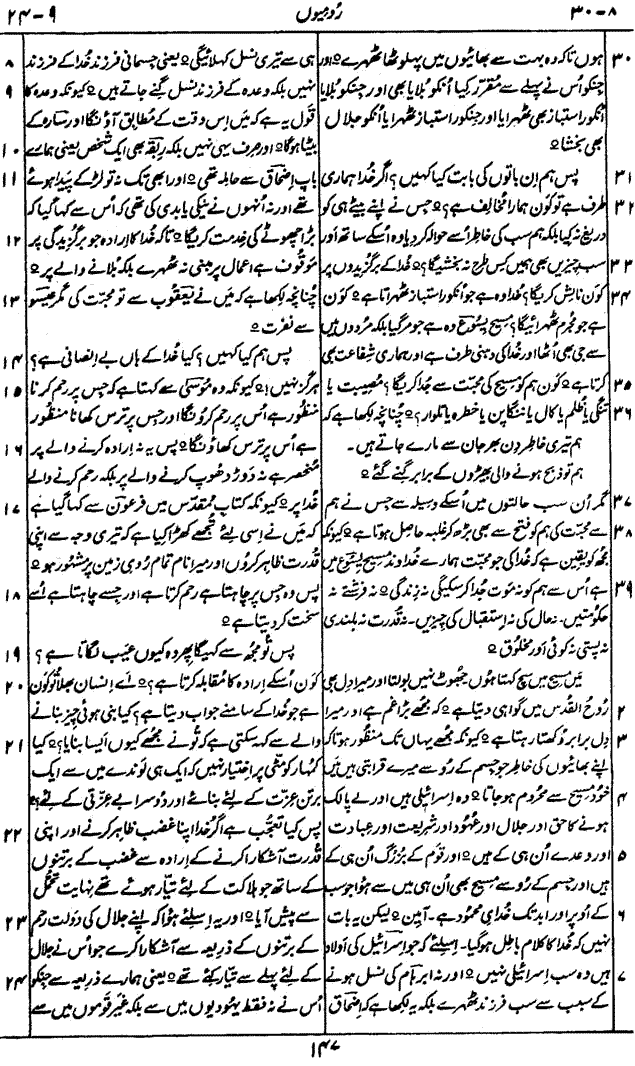
Verse-by-Verse Commentary: Romans 8:30–39 & Romans 9:1–24
Note on Scripture Formatting: As requested, punctuation marks like
:,;, and,have been omitted from the biblical text verses below.
Romans 8:30
-
Verse:
Moreover whom he did predestinate them he also called and whom he called them he also justified and whom he justified them he also glorified -
English Explanation: This verse outlines what theologians call the “Golden Chain of Salvation.” It shows the unbreakable sequence of God’s redemptive plan from eternity past to eternity future. God initiates salvation by predestining His people, calling them through the Gospel, justifying them through faith in Christ, and ultimately securing their eternal glory. Because it is God who secures every step, the final outcome—glorification—is completely guaranteed.
-
Urdu Explanation: اس آیت کو نجات کی سنہری زنجیر کہا جاتا ہے۔ یہ ظاہر کرتی ہے کہ خدا کا نجات کا منصوبہ ازل سے ابد تک غیر تبدیل شدہ ہے۔ خدا خود اپنے لوگوں کو چُنتا ہے، انہیں انجیل کے ذریعے بلاتا ہے، مسیح پر ایمان کے وسیلے راستباز ٹھہراتا ہے، اور آخر کار جلال دیتا ہے۔ چونکہ یہ پورا کام خدا کا ہے، اس لیے مومن کی ابدی نجات بالکل محفوظ ہے۔
Romans 8:31
-
Verse:
What shall we then say to these things? If God be for us who can be against us? -
English Explanation: Paul shifts to a triumphant conclusion based on God’s sovereign plan. If the Almighty Creator and Ruler of the universe is actively working on behalf of believers, no opposing force—whether human, spiritual, or circumstantial—can ultimately defeat them or derail their salvation.
-
Urdu Explanation: پولس یہاں ایک فاتحانہ نتیجہ اخذ کرتا ہے۔ اگر کائنات کا قادرِ مطلق خالق اور مالک ہمارے ساتھ ہے اور ہمارے لیے کام کر رہا ہے، تو دنیا کی کوئی بھی طاقت، انسان، یا ابلیس ہمیں نقصان نہیں پہنچا سکتا اور نہ ہی ہماری نجات کو چھین سکتا ہے۔
Romans 8:32
-
Verse:
He that spared not his own Son but delivered him up for us all how shall he not with him also freely give us all things? -
English Explanation: This is an argument from the greater to the lesser. Since God has already made the ultimate sacrifice by giving up His precious Son, Jesus Christ, to die for believers, it is certain that He will not withhold any lesser blessings, spiritual provisions, or grace needed to sustain them through life.
-
Urdu Explanation: یہ آیت بڑے سے چھوٹے کی دلیل پیش کرتی ہے۔ جب خدا نے ہمارے لیے اپنے اکلوتے بیٹے یسوع مسیح قربان کرنے سے بھی دریغ نہیں کیا، تو یہ کیسے ممکن ہے کہ وہ ہمیں باقی تمام ضروری برکات، فضل، اور زندگی کی ضرورتیں مفت میں فراہم نہ کرے؟
Romans 8:33
-
Verse:
Who shall lay any thing to the charge of God’s elect? It is God that justifieth -
English Explanation: In a heavenly courtroom scenario, no legal accusation or spiritual condemnation can stand against God’s chosen people. The highest authority in existence, God Himself, has already declared believers “not guilty” based on the sacrifice of Christ. Therefore, no ultimate charge against them can stick.
-
Urdu Explanation: خدا کی عدالت میں کوئی بھی ابلیسی یا انسانی الزام خدا کے چنے ہوئے لوگوں پر اثر انداز نہیں ہو سکتا۔ جب کائنات کے سب سے بڑے جج (خدا) نے ہمیں مسیح کے وسیلے سے بے قصور اور راستباز ٹھہرا دیا ہے، تو کوئی بھی الزام قائم نہیں رہ سکتا۔
Romans 8:34
-
Verse:
Who is he that condemneth? It is Christ that died yea rather that is risen again who is even at the right hand of God who also maketh intercession for us -
English Explanation: No one can condemn believers because Jesus Christ has fulfilled every requirement for their acquittal. He died to pay their penalty, rose from the dead to prove His victory, ascended to the right hand of the Father in ultimate authority, and currently acts as their permanent advocate and intercessor.
-
Urdu Explanation: ہمیں کوئی مجرم نہیں ٹھہرا سکتا کیونکہ مسیح یسوع نے ہمارے گناہوں کا جرمانہ ادا کر دیا ہے۔ وہ نہ صرف مرا بلکہ مردوں میں سے جی اٹھا، اب خدا کے دائیں ہاتھ بیٹھ کر بادشاہی کر رہا ہے، اور ہمارے لیے مستقل طور پر شفاعت (دعا) کر رہا ہے۔
Romans 8:35
-
Verse:
Who shall separate us from the love of Christ? shall tribulation or distress or persecution or famine or nakedness or peril or sword? -
English Explanation: Paul lists various intense earthly hardships, sufferings, and life-threatening dangers. He asks rhetorically if any of these miseries can cut a believer off from Christ’s care and saving love. The implied answer is an absolute “No.” Earthly trials cannot sever the spiritual bond between Christ and His church.
-
Urdu Explanation: پولس یہاں دنیا کی شدید ترین مشکلات، ظلم و ستم، بھوک، ننگاپن، اور موت کے خطروں کا ذکر کرتا ہے۔ وہ پوچھتا ہے کہ کیا یہ چیزیں ہمیں مسیح کی محبت سے الگ کر سکتی ہیں؟ اس کا جواب ہے: ہرگز نہیں! دنیا کی کوئی مصیبت ہمیں مسیح کے فضل سے دور نہیں کر سکتی۔
Romans 8:36
-
Verse:
As it is written For thy sake we are killed all the day long we are accounted as sheep for the slaughter -
English Explanation: Quoting Psalm 44:22, Paul highlights that suffering and persecution are not signs of God’s abandonment. Rather, they have always been part of the experience of God’s faithful people throughout history. Believers may face severe opposition, appearing weak like sheep, but their suffering is for God’s glory.
-
Urdu Explanation: زبور 44:22 کا حوالہ دیتے ہوئے پولس واضح کرتا ہے کہ دکھ اور تکلیفیں اس بات کی علامت نہیں کہ خدا ہم سے ناراض ہے۔ خدا کے لوگ ہمیشہ سے اپنے ایمان کی وجہ سے مشکلات کا سامنا کرتے آئے ہیں، جہاں انہیں ذبح ہونے والی بھیڑوں کی طرح سمجھا جاتا ہے۔
Romans 8:37
-
Verse:
Nay in all these things we are more than conquerors through him that loved us -
English Explanation: Despite facing severe tribulations, believers do not just barely survive; they emerge completely victorious. This overwhelming victory (“more than conquerors”) is not achieved through human strength, but entirely through the sustaining power and deep love of Jesus Christ.
-
Urdu Explanation: ان تمام تکالیف کے باوجود، مومنین صرف مقابلہ ہی نہیں کرتے بلکہ شاندار فتح پاتے ہیں۔ یہ عظیم فتح (“فتحیابوں سے بھی بڑھ کر”) ہماری اپنی طاقت سے نہیں بلکہ یسوع مسیح کی محبت اور اس کی قدرت کے ذریعے ممکن ہوتی ہے۔
Romans 8:38
-
Verse:
For I am persuaded that neither death nor life nor angels nor principalities nor powers nor things present nor things to come -
English Explanation: Paul declares his absolute conviction that absolutely nothing across reality can break God’s hold on us. He covers all categories: existence (death or life), supernatural entities (angels, principalities, powers), and time (the present or any future event).
-
Urdu Explanation: پولس اپنے کامل یقین کا اظہار کرتا ہے کہ کائنات کی کوئی بھی شے ہمیں خدا سے دور نہیں کر سکتی۔ چاہے وہ موت ہو یا زندگی، فرشتے ہوں یا تاریکی کی حکومتیں اور طاقتیں، موجودہ حالات ہوں یا مستقبل کے آنے والے واقعات—سب بے بس ہیں۔
Romans 8:39
-
Verse:
Nor height nor depth nor any other creature shall be able to separate us from the love of God which is in Christ Jesus our Lord -
English Explanation: Completing his grand declaration, Paul includes space (height or depth) and every single created thing in existence. Nothing has the power to sever believers from the love of God that is anchored and revealed in Jesus Christ our Lord.
-
Urdu Explanation: بلندی ہو یا گہرائی، یا کائنات کی کوئی اور مخلوق—کسی میں یہ طاقت نہیں کہ وہ ہمیں خدا کی اس محبت سے جدا کر سکے جو ہمارے خداوند مسیح یسوع میں ظاہر ہوئی ہے۔ ہماری نجات مسیح میں ابدی طور پر محفوظ ہے۔
Romans 9:1
-
Verse:
I say the truth in Christ I lie not my conscience also bearing me witness in the Holy Ghost -
English Explanation: As Chapter 9 opens, Paul shifts focus from the security of believers to his intense grief over his fellow Jewish countrymen who have rejected Jesus. He uses a solemn oath, invoking Christ, his own conscience, and the Holy Spirit to emphasize that his deep sorrow is absolutely genuine and true.
-
Urdu Explanation: باب 9 کے آغاز میں، پولس مومنین کی ابدی سکیورٹی سے رخ موڑ کر اپنے یہودی بھائیوں کی حالت پر غم کا اظہار کرتا ہے جنہوں نے مسیح کو رد کیا۔ وہ مسیح، اپنے ضمیر، اور روح القدس کی گواہی پیش کرتا ہے تاکہ ثابت کرے کہ اس کا یہ دکھ بالکل سچا ہے۔
Romans 9:2
-
Verse:
That I have great heaviness and continual sorrow in my heart -
English Explanation: Paul expresses the profound emotional weight he carries. He experiences continuous, breaking heartbreak because the vast majority of ethnic Israel has rejected the Gospel of salvation through Jesus Christ.
-
Urdu Explanation: پولس اپنے دل کے شدید اور مسلسل رہنے والے غم کا اظہار کرتا ہے۔ اسے اس بات کا گہرا دکھ ہے کہ اسرائیل کی اکثریت نے نجات کے پیغام (انجیل) کو قبول کرنے سے انکار کر دیا ہے۔
Romans 9:3
-
Verse:
For I could wish that myself were accursed from Christ for my brethren my kinsmen according to the flesh -
English Explanation: In an incredible display of sacrificial love echoing Moses in Exodus 32:32, Paul states that if it were possible, he would willingly be cursed and cut off from Christ if it meant his Jewish kinsmen and relatives could be saved.
-
Urdu Explanation: قربانی اور محبت کی انتہا دیکھیے کہ پولس کہتا ہے کہ اگر ممکن ہوتا، تو وہ اپنے یہودی بھائیوں کی نجات کی خاطر خود مسیح سے محروم (ملعون) ہونے کے لیے بھی تیار تھا، تاکہ اس کی قوم نجات پا سکے۔
Romans 9:4
-
Verse:
Who are Israelites to whom pertaineth the adoption and the glory and the covenants and the giving of the law and the service of God and the promises -
English Explanation: Paul lists the incredible spiritual privileges God granted to ethnic Israel. They were adopted as God’s special nation, witnessed His manifest glory, received the divine covenants, the Law of Moses, the temple worship system, and the prophetic promises of the Messiah.
-
Urdu Explanation: پولس ان عظیم روحانی مراعات کا ذکر کرتا ہے جو خدا نے بنی اسرائیل کو دیں۔ انہیں لے پالک ہونے کا شرف ملا، خدا کا جلال دیکھا، عہد، شریعت، خدا کی عبادت کا نظام، اور مسیح کے آنے کے وعدے سب انہیں ہی عطا کیے گئے تھے۔
Romans 9:5
-
Verse:
Whose are the fathers and of whom as concerning the flesh Christ came who is over all God blessed for ever Amen -
English Explanation: Israel possessed the great patriarchs (Abraham, Isaac, and Jacob). Most importantly, Jesus Christ was born into the world as an ethnic Jew through this lineage. Paul explicitly proclaims Christ’s divinity here, calling Him “God blessed for ever.”
-
Urdu Explanation: بنی اسرائیل کے پاس ابراہام، اضحاق، اور یعقوب جیسے عظیم باپ دادا تھے، اور سب سے بڑھ کر یہ کہ مسیح انسانی جسم کے لحاظ سے اسی نسل سے آئے۔ پولس یہاں واضح طور پر مسیح کی الٰہیت کا اعلان کرتا ہے کہ وہ سب کے اوپر اور ابدی خدا ہے۔ آمین۔
Romans 9:6
-
Verse:
Not as though the word of God hath taken none effect For they are not all Israel which are of Israel -
English Explanation: Paul addresses a vital question: If Israel rejected Christ, did God’s promises fail? Paul answers no. God’s word did not fail because being a true member of “Israel” in God’s covenant eyes was never strictly about physical or ethnic descent, but about spiritual lineage.
-
Urdu Explanation: یہاں پولس ایک اہم سوال کا جواب دیتا ہے: اگر یہودیوں نے مسیح کو رد کر دیا، تو کیا خدا کا وعدہ ناکام ہو گیا؟ پولس کہتا ہے نہیں، کیونکہ جو اسرائیل کی نسل سے ہیں، وہ سب کے سب واقعی (روحانی طور پر) اسرائیلی نہیں ہیں۔ خدا کا سچا وعدہ روحانی اسرائیل کے لیے ہے۔
Romans 9:7
-
Verse:
Neither because they are the seed of Abraham are they all children but In Isaac shall thy seed be called -
Explanation: Just because someone is a physical descendant of Abraham does not automatically make them a true child of God’s promise. Paul points out that Abraham had other sons (like Ishmael), but God specifically chose the line of Isaac to carry on the true promise.
-
Urdu Explanation: صرف ابراہام کی جسمانی اولاد ہونا کسی کو خدا کا سچا فرزند نہیں بنا دیتا۔ ابراہام کے دوسرے بیٹے بھی تھے (جیسے اسماعیل)، لیکن خدا نے واضح فرمایا کہ عیسیٰ ہی کی نسل سے تیرا نام چلے گا، یعنی وعدے کی اولاد صرف عیسیٰ سے چلے گی۔
Romans 9:8
-
Verse:
That is They which are the children of the flesh these are not the children of God but the children of the promise are counted for the seed -
English Explanation: Paul clarifies the principle: natural birth or ethnic heritage (“children of the flesh”) does not secure a place in God’s family. It is only those who are brought in by God’s sovereign grace and promise (“children of the promise”) who are counted as Abraham’s true spiritual offspring.
-
Urdu Explanation: پولس اصول واضح کرتا ہے کہ جسمانی پیدائش یا خاندانی پس منظر انسان کو خدا کا بچہ نہیں بناتا۔ بلکہ صرف وہی لوگ خدا کے حقیقی فرزند گنے جاتے ہیں جو خدا کے فضل اور اس کے ابدی وعدے کے تحت پیدا ہوئے ہیں۔
Romans 9:9
-
Verse:
For this is the word of promise At this time will I come and Sara shall have a son -
English Explanation: Paul quotes Genesis to prove that Isaac’s birth was entirely a miracle of God’s promise. Abraham and Sarah were long past childbearing age; Isaac did not come by human strength, but strictly by God intervening to fulfill His word.
-
Urdu Explanation: پولس پیدائش کی کتاب سے حوالہ دیتا ہے کہ اضحاق کی پیدائش سراسر خدا کے وعدے اور معجزے کا نتیجہ تھی۔ ابراہام اور سارہ بوڑھے ہو چکے تھے، لہذا یہ انسانی طاقت سے نہیں بلکہ خدا کے اپنے وعدے کو پورا کرنے سے ہوا۔
Romans 9:10
-
Verse:
And not only this but when Rebecca also had conceived by one even by our father Isaac -
English Explanation: To show that God’s choice is entirely sovereign and independent of human heritage, Paul provides an even stronger example. Rebekah conceived twins (Jacob and Esau) from the exact same father, Isaac, making them identical in heritage.
-
Urdu Explanation: خدا کے چناؤ کی حاکمیت کو مزید ثابت کرنے کے لیے، پولس ایک اور مضبوط مثال دیتا ہے۔ ربقہ کے ہاں ایک ہی باپ (اضحاق) سے جڑواں بچے (یعقوب اور عیسو) پیدا ہونے والے تھے، جن کا خاندانی پس منظر بالکل ایک ہی تھا۔
Romans 9:11
-
Verse:
For the children being not yet born neither having done any good or evil that the purpose of God according to election might stand not of works but of him that calleth -
English Explanation: Before Jacob and Esau were even born, and before they had done anything good or bad, God made His choice. This proves that God’s plan of election is grounded entirely in His own purpose and call, completely separate from human works, performance, or moral merit.
-
Urdu Explanation: ان بچوں کی پیدائش سے پہلے، اور اس سے پہلے کہ وہ کوئی نیکی یا بدی کرتے، خدا نے اپنا فیصلہ سنا دیا۔ یہ ثابت کرتا ہے کہ خدا کا انتخاب انسان کے اعمال یا خوبیوں پر نہیں، بلکہ بلانے والے (خدا) کے اپنے ارادے اور حاکمیت پر منحصر ہے۔
Romans 9:12
-
Verse:
It was said unto her The elder shall serve the younger -
English Explanation: God told Rebekah that the older son (Esau) would serve the younger son (Jacob). This completely overturned the traditional cultural norms of the ancient Near East, where the firstborn always received the supremacy and inheritance, highlighting God’s sovereign right to choose differently.
-
Urdu Explanation: خدا نے ربقہ سے فرمایا کہ بڑا (عیسو) چھوٹے (یعقوب) کی خدمت کرے گا۔ اس زمانے کے رواج کے برعکس (جہاں بڑے بیٹے کو ترجیح ملتی تھی)، خدا نے اپنے حاکمانہ حق کے تحت چھوٹے کو چُن لیا۔
Romans 9:13
-
Verse:
As it is written Jacob have I loved but Esau have I hated -
English Explanation: Quoting Malachi 1:2-3, this Hebrew idiom of contrast means God chose and favored Jacob to carry the line of the promise, while rejecting Esau from that specific role. It highlights God’s sovereign privilege in distributing His redemptive favor.
-
Urdu Explanation: ملاکی 1:2-3 کا حوالہ دیتے ہوئے، اس محاورے کا مطلب یہ ہے کہ خدا نے یعقوب کو چُنا اور اس پر خاص فضل کیا، جبکہ عیسو کو اس مخصوص برکت کے لیے رد کر دیا۔ یہ خدا کے خود مختار انتخاب کو ظاہر کرتا ہے۔
Romans 9:14
-
Verse:
What shall we say then Is there unrighteousness with God God forbid -
English Explanation: Paul anticipates a human objection: Is God being unfair or unjust by choosing one over another based purely on His will? Paul strongly rejects this thought (“God forbid!”). God’s choices can never violate His perfect justice.
-
Urdu Explanation: پولس انسانی اعتراض کو بھانپ لیتا ہے: کیا اپنی مرضی سے چننے میں خدا کے ہاں ناانصافی ہے؟ وہ سختی سے جواب دیتا ہے، “ہرگز نہیں!” خدا کے فیصلے کبھی بھی اس کے انصاف اور پاکیزگی کے خلاف نہیں ہو سکتے۔
Romans 9:15
-
Verse:
For he saith to Moses I will have mercy on whom I will have mercy and I will have compassion on whom I will have compassion -
English Explanation: Quoting Exodus 33:19, Paul demonstrates that mercy is not a right that humans can claim; it is a divine prerogative. Because everyone is a sinner, no one deserves mercy. Therefore, God is completely free to bestow His grace and compassion on whomever He chooses.
-
Urdu Explanation: خروج 33:19 کا حوالہ دے کر پولس واضح کرتا ہے کہ رحم پانا کسی انسان کا حق نہیں ہے، بلکہ یہ خدا کا اختیار ہے۔ چونکہ تمام انسان گنہگار ہیں، اس لیے کوئی بھی رحم کا حقدار نہیں؛ خدا آزاد ہے کہ جس پر چاہے رحم کرے۔
Romans 9:16
-
Verse:
So then it is not of him that willeth nor of him that runneth but of God that sheweth mercy -
English Explanation: Ultimate salvation and divine favor do not depend on human desire (“him that willeth”) or human effort (“him that runneth”). Salvation rests completely on the sovereign willingness of God to display His unearned mercy.
-
Urdu Explanation: پس معلوم ہوا کہ نجات اور فضل کا مدار نہ تو انسان کی اپنی خواہش پر ہے اور نہ ہی اس کی اپنی کوشش اور دوڑ دھوپ پر، بلکہ یہ صرف اور صرف خدا کے رحم کرنے پر ہے۔
Romans 9:17
-
Verse:
For the scripture saith unto Pharaoh Even for this same purpose have I raised thee up that I might shew my power in thee and that my name might be declared throughout all the earth -
English Explanation: Paul brings up Pharaoh of Egypt as a historical example of God’s sovereignty. God elevated Pharaoh to power knowing he would resist, specifically using Pharaoh’s stubborn defiance to display His own miraculous power and make His name known across the earth.
-
Urdu Explanation: پولس مصر کے فرعون کی مثال دیتا ہے۔ خدا نے فرعون کو اقتدار دیا تاکہ اس کی سرکشی کے باوجود اپنی زبردست قدرت کا مظاہرہ کرے، اور خدا کے نام کی دھاک پوری دنیا پر بیٹھ جائے۔ معلوم ہوا کہ برے لوگ بھی خدا کے حاکمانہ منصوبے سے باہر نہیں ہیں۔
Romans 9:18
-
Verse:
Therefore hath he mercy on whom he will have mercy and whom he will he hardeneth -
English Explanation: This is the summarizing principle of Paul’s argument on election: God acts with complete sovereignty. He gives saving mercy to some, and leaves others in their natural rebellion, hardening their hearts as a righteous judgment.
-
Urdu Explanation: پولس اپنے اس استدلال کا خلاصہ پیش کرتا ہے: خدا کمالِ حاکمیت کا مالک ہے۔ وہ جس پر چاہتا ہے فضل اور رحم کرتا ہے، اور جسے چاہتا ہے (اس کے اپنے گناہ کی حالت میں چھوڑ کر) سخت کر دیتا ہے۔
Romans 9:19
-
Verse:
Thou wilt say then unto me Why doth he yet find fault For who hath resisted his will -
English Explanation: Paul anticipates another common philosophical objection: If God is completely sovereign over who is softened and who is hardened, how can He logically hold humans accountable or blame them for sinning? Who can actually oppose God’s ultimate decree?
-
Urdu Explanation: پولس ایک اور اعتراض سامنے لاتا ہے: اگر سب کچھ خدا ہی کی مرضی سے ہوتا ہے، تو وہ انسان کو گناہگار کیوں ٹھہراتا ہے؟ کیونکہ خدا کے ارادے کا مقابلہ کون کر سکتا ہے؟
Romans 9:20
-
Verse:
Nay but O man who art thou that repliest against God Shall the thing formed say to him that formed it Why hast thou made me thus -
English Explanation: Paul firmly corrects the underlying arrogance of the objector. A created human being has no moral right to cross-examine or judge the Creator. Just as a molded object cannot question the artisan who designed it, humans cannot demand an account from God.
-
Urdu Explanation: پولس انسان کو اس کی اوقات یاد دلاتے ہوئے کہتا ہے کہ اے انسان! تو کون ہوتا ہے جو خدا کے سامنے زبان درازی کرے؟ کیا بنائی ہوئی چیز بنانے والے سے کہہ سکتی ہے کہ تو نے مجھے ایسا کیوں بنایا؟ مخلوق کو خالق پر اعتراض کا کوئی حق نہیں۔
Romans 9:21
-
Verse:
Hath not the potter power over the clay of the same lump to make one vessel unto honour and another unto dishonour -
English Explanation: Using the famous Old Testament metaphor of the potter and the clay, Paul asserts that the Creator has total authority over humanity. From the exact same lump of fallen mankind, God has the right to fashion some individuals for noble purposes and others for ordinary or ignoble display.
-
Urdu Explanation: کمھار اور مٹی کی تمثیل کا استعمال کرتے ہوئے پولس کہتا ہے کہ کیا کمھار کو مٹی پر اختیار نہیں کہ ایک ہی گوندھے ہوئے گارے سے ایک برتن عزت کے لیے بنائے اور دوسرا معمولی کام کے لیے؟ خدا کو بنی نوع انسان پر پورا اختیار حاصل ہے۔
Romans 9:22
-
Verse:
What if God willing to shew his wrath and to make his power known endured with much longsuffering the vessels of wrath fitted to destruction -
English Explanation: Paul asks what objection can be raised if God chooses to display His holy wrath against sin and make His power evident. In doing so, He patiently tolerates sinful people (“vessels of wrath”) who are headed toward destruction due to their own wickedness, using them to show His justice.
-
Urdu Explanation: پولس سوال کرتا ہے کہ اگر خدا اپنے پاک غضب اور قدرت کو ظاہر کرنا چاہے، اور اس کے لیے وہ ان گناہگاروں کو (جو اپنے گناہوں کے باعث ہلاکت کے لائق ہیں) بڑے صبر سے برداشت کرتا ہے، تو اس میں کیا خرابی ہے؟ یہ خدا کا عدل ہے۔
Romans 9:23
-
Verse:
And that he might make known the riches of his glory on the vessels of mercy which he had afore prepared unto glory -
English Explanation: God’s patience with evil also serves a beautiful purpose: it delays judgment so that He can reveal the immense, beautiful riches of His glory to the “vessels of mercy”—those whom He chose, loved, and prepared beforehand to inherit eternal glory.
-
Urdu Explanation: خدا کا یہ صبر اس لیے بھی ہے تاکہ وہ ان لوگوں پر اپنے جلال کی دولت کو ظاہر کرے جن پر وہ رحم کرنا چاہتا ہے، یعنی وہ “رحم کے برتن” جنہیں اس نے ازل سے جلال پانے کے لیے تیار کیا تھا۔
Romans 9:24
-
Verse:
Even us whom he hath called not of the Jews only but also of the Gentiles -
English Explanation: Paul brings the argument home to his readers. These “vessels of mercy” are the individuals God has effectively called into salvation—including not just the chosen remnant of the Jews, but also people drawn from the Gentile (non-Jewish) nations. God’s saving grace transcends all ethnic borders.
-
Urdu Explanation: پولس بات کو مکمل کرتے ہوئے کہتا ہے کہ رحم کے یہ برتن ہم خود ہیں، جنہیں خدا نے نجات کے لیے بلایا ہے۔ اور یہ بلاوا صرف یہودیوں تک محدود نہیں، بلکہ غیر قوموں (غیر یہودیوں) کے لیے بھی ہے۔ خدا کا فضل اب تمام قوموں کے لیے عام کر دیا گیا ہے۔