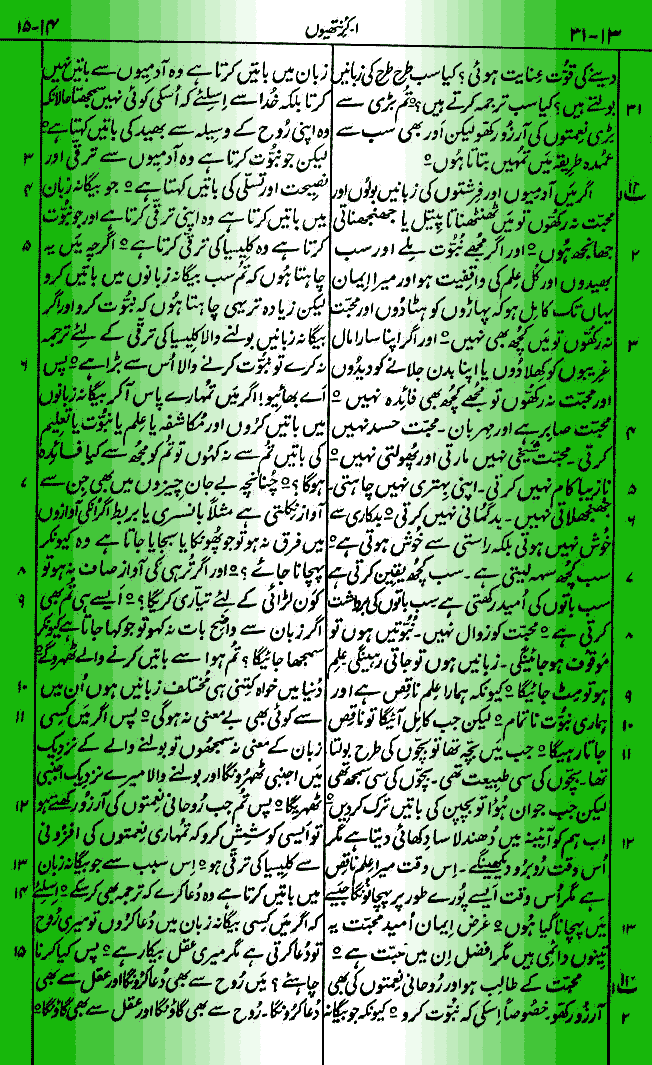
Verse-by-Verse Commentary
1 Corinthians 12:31
Verse: But covet earnestly the best gifts and yet shew I unto you a more excellent way
-
English Explanation: Apostle Paul is transitioning from discussing various supernatural spiritual gifts (like healing or miracles) to something far more fundamental. While it is completely fine to desire impactful spiritual gifts that serve the church, Paul promises to reveal a path that completely supersedes them all—the way of divine love.
-
Urdu Explanation: رسول پولس یہاں مختلف روحانی نعمتوں کے ذکر سے ایک اعلیٰ ترین اصول کی طرف رخ کر رہے ہیں۔ وہ فرماتے ہیں کہ اگرچہ بڑی نعمتوں کی خواہش کرنا اچھی بات ہے لیکن وہ اب ایک ایسا راستہ دکھانے جا رہے ہیں جو تمام نعمتوں اور معجزات سے کہیں زیادہ افضل اور دائمی ہے اور وہ راستہ “محبت” ہے۔
1 Corinthians 13:1
Verse: Though I speak with the tongues of men and of angels and have not charity I am become as sounding brass or a tinkling cymbal
-
English Explanation: Paul emphasizes that eloquence, whether human or heavenly (tongues of angels), is completely empty without “charity” (sacrificial Christian love, or Agape). Without love, spectacular speech becomes nothing more than a harsh, annoying, and meaningless noise like clanging metal or a hollow instrument.
-
Urdu Explanation: یہاں پولس واضح کرتے ہیں کہ اگر کوئی انسان انسانوں یا فرشتوں کی زبانیں بولنے کی غیر معمولی صلاحیت رکھتا ہو لیکن اس کے دل میں محبت (بے غرض الٰہی محبت) نہ ہو تو اس کی باتیں محض ایک شور مچانے والے تانبے یا جھنجھناتی ہوئی جھانجھ کی مانند ہیں جس کا کوئی فائدہ یا مقصد نہیں ہوتا۔
1 Corinthians 13:2
Verse: And though I have the gift of prophecy and understand all mysteries and all knowledge and though I have all faith so that I could remove mountains and have not charity I am nothing
-
English Explanation: Spiritual status is not measured by supernatural capabilities. Even if someone possesses the profound gift of prophecy, uncovers deep divine secrets, holds vast knowledge, or commands a mountain-moving faith, they are completely worthless in God’s eyes if their actions and heart lack love.
-
Urdu Explanation: اگر کسی کے پاس نبوت کی نعمت ہو وہ خدا کے پوشیدہ رازوں کو جانتا ہو علم کا خزانہ رکھتا ہو اور اس کا ایمان اتنا مضبوط ہو کہ پہاڑوں کو بھی ہٹا دے لیکن اگر اس کے اندر محبت نہیں ہے تو خدا کی نظر میں اس کی روحانی حیثیت بالکل صفر (کچھ بھی نہیں) ہے۔
1 Corinthians 13:3
Verse: And though I bestow all my goods to feed the poor and though I give my body to be burned and have not charity it profiteth me nothing
-
English Explanation: Extreme external acts of charity or radical self-sacrifice—such as giving away everything you own or facing martyrdom by fire—can be driven by pride or legalism. If love is not the underlying motivation, these massive sacrifices carry zero spiritual value or eternal reward.
-
Urdu Explanation: اگر کوئی شخص اپنا سارا مال غریبوں کو کھلانے میں لٹا دے یا اپنے جسم کو آگ میں جلنے کے لیے بھی پیش کر دے (شہادت پا لے) لیکن یہ سب کچھ سچی محبت کے بغیر صرف دکھاوے یا غرور کے لیے کرے تو اسے ابدیت میں اس کا کوئی فائدہ یا اجر حاصل نہیں ہوگا۔
1 Corinthians 13:4
Verse: Charity suffereth long and is kind charity envieth not charity vaunteth not itself is not puffed up
-
English Explanation: Paul begins defining love through actions. True love is incredibly patient when wronged and actively responds with kindness. It does not look at others’ success with jealousy, it does not brag about its own achievements, and it is not arrogant or conceited.
-
Urdu Explanation: یہاں محبت کی خصوصیات بیان کی گئی ہیں۔ سچی محبت صبر کرتی ہے اور مہربان ہوتی ہے۔ محبت دوسروں کی ترقی دیکھ کر حسد نہیں کرتی وہ اپنی تعریفیں خود نہیں کرتی اور نہ ہی غرور اور تکبر سے پھولتی ہے۔
1 Corinthians 13:5
Verse: Doth not behave itself unseemly seeketh not her own is not easily provoked thinketh no evil
-
English Explanation: Love is always respectful and mannerly. It is entirely selfless, refusing to demand its own way. It does not have a short fuse or become easily angered, and it refuses to keep a mental ledger of wrongs suffered from others.
-
Urdu Explanation: محبت بدتمیزی یا نازیبا رفتار نہیں کرتی وہ اپنی غرض (خود غرضی) نہیں ڈھونڈتی۔ وہ جلدی غصے میں نہیں آتی اور دوسروں کی برائیوں یا تلخ باتوں کا حساب نہیں رکھتی۔
1 Corinthians 13:6
Verse: Rejoiceth not in iniquity but rejoiceth in the truth
-
English Explanation: Love takes absolutely no pleasure in wickedness, injustice, or when others fall into sin. Instead, love celebrates and finds its ultimate joy whenever the truth prevails and wins out.
-
Urdu Explanation: محبت کبھی بھی بدی ناانصافی یا کسی کے گناہ پر خوش نہیں ہوتی بلکہ جب سچائی کی فتح ہوتی ہے اور حق غالب آتا ہے تو محبت خوشی مناتی ہے۔
1 Corinthians 13:7
Verse: Beareth all things believeth all things hopeth all things endureth all things
-
English Explanation: Love acts as a protective shield; it bears up under pressures, chooses to believe the best in people rather than assuming bad motives, maintains an optimistic hope in every situation, and endures hardships without giving up.
-
Urdu Explanation: محبت سب کچھ برداشت کر لیتی ہے ہر بات پر یقین رکھتی ہے (مثبت سوچتی ہے) ہر حال میں امید کا دامن نہیں چھوڑتی اور ہر قسم کی سختیوں اور آزمائشوں میں ثابت قدم رہتی ہے۔
1 Corinthians 13:8
Verse: Charity never faileth but whether there be prophecies they shall fail whether there be tongues they shall cease whether there be knowledge it shall vanish away
-
English Explanation: Love is eternal and will never become obsolete. On the other hand, spiritual gifts given for the earthly church—such as prophecy, speaking in supernatural tongues, and special human knowledge—are temporary tools that will eventually serve their purpose and pass away.
-
Urdu Explanation: محبت کبھی ختم نہیں ہوگی یہ ہمیشہ قائم رہنے والی ہے۔ اس کے برعکس جو روحانی نعمتیں (جیسے نبوت زبانیں بولنا یا عارضی دنیاوی علم) کلیسیا کی رہنمائی کے لیے دی گئی ہیں وہ ایک دن اپنا مقصد پورا کر کے ختم ہو جائیں گی۔
1 Corinthians 13:9
Verse: For we know in part and we prophesy in part
-
English Explanation: In our present human existence, our comprehension of spiritual realities is incomplete. The knowledge we hold and the prophetic insights we receive are only fragments of a much larger, grander picture.
-
Urdu Explanation: کیونکہ موجودہ زندگی میں ہمارا علم ادھورا ہے اور ہماری نبوتیں بھی ادھوری ہیں۔ ہم خدا کی لاامتناہی حکمت کا صرف ایک چھوٹا سا حصہ ہی دیکھ اور سمجھ سکتے ہیں۔
1 Corinthians 13:10
Verse: But when that which is perfect is come then that which is in part shall be done away
-
English Explanation: When the state of perfection arrives (the culmination of God’s kingdom and the believers’ ultimate presence with Him), all temporary, fragmented tools like spiritual gifts will become unnecessary and will be permanently phased out.
-
Urdu Explanation: لیکن جب وہ کامل حالت (خدا کی بادشاہی کی تکمیل اور ابدیت) آئے گی تو یہ ادھوری چیزیں اور جزوی نعمتیں خود بخود ختم ہو جائیں گی کیونکہ ان کی ضرورت باقی نہیں رہے گی۔
1 Corinthians 13:11
Verse: When I was a child I spake as a child I understood as a child I thought as a child but when I became a man I put away childish things
-
English Explanation: Paul uses the analogy of human growth. Spiritual gifts belong to the spiritual childhood/infancy of the church. Just as a grown adult naturally abandons childhood ways of thinking and talking, believers will outgrow the need for temporary gifts when they reach full maturity in eternity.
-
Urdu Explanation: پولس یہاں انسانی ترقی کی مثال دیتے ہیں کہ جب میں بچہ تھا تو بچوں کی طرح بولتا سمجھتا اور سوچتا تھا۔ لیکن جب میں جوان ہوا تو میں نے بچپنے کی باتیں چھوڑ دیں۔ اسی طرح روحانی نعمتیں کلیسیا کے بچپنے کے لیے ہیں جو ابدیت کی پختگی میں ختم ہو جائیں گی۔
1 Corinthians 13:12
Verse: For now we see through a glass darkly but then face to face now I know in part but then shall I know even as also I am known
-
English Explanation: Right now, our spiritual vision is like looking into a poor, dim ancient mirror. However, in eternity, we will see God clearly, face-to-face. Our current partial knowledge will be replaced by a complete, profound knowledge, just as God fully and perfectly knows us right now.
-
Urdu Explanation: اب ہمیں روح کی باتیں ایسی دھندلی دکھائی دیتی ہیں جیسے کسی پرانے آئینے میں۔ لیکن اس وقت (آخرت میں) ہم آمنے سامنے دیکھیں گے۔ ابھی میرا علم نامکمل ہے لیکن اس وقت میں خدا کو ایسے ہی کامل طور پر جانوں گا جیسے اس نے مجھے پہلے ہی سے جان رکھا ہے۔
1 Corinthians 13:13
Verse: And now abideth faith hope charity these three but the greatest of these is charity
-
English Explanation: Even when temporary spiritual gifts vanish, three core pillars of the Christian life remain: faith, hope, and love. Yet, love is the greatest of them all because faith will eventually become sight and hope will be realized, but love lasts forever as the very essence of God.
-
Urdu Explanation: پس ایمان امید اور محبت یہ تینوں چیزیں ہمیشہ قائم رہنے والی ہیں مگر ان سب میں سب سے افضل اور بڑی چیز محبت ہے کیونکہ ایمان اور امید ایک دن پورے ہو جائیں گے لیکن محبت کبھی ختم نہیں ہوگی۔
1 Corinthians 14:1
Verse: Follow after charity and desire spiritual gifts but rather that ye may prophesy
-
English Explanation: Believers must make love their absolute highest priority and lifelong pursuit. Alongside pursuing love, they should still desire spiritual gifts, but specifically prioritize prophecy (preaching/proclaiming God’s truth) because it builds up the community more effectively than tongues.
-
Urdu Explanation: محبت حاصل کرنے کی پناہ میں رہو اور اس کے پیچھے چلو۔ ساتھ ہی ساتھ روحانی نعمتوں کی بھی خواہش رکھو لیکن خصوصاً نبوت (خدا کے کلام کو واضح بیان کرنے) کی تمنا کرو تاکہ دوسروں کو فائدہ پہنچے۔
1 Corinthians 14:2
Verse: For he that speaketh in an unknown tongue speaketh not unto men but unto God for no man understandeth him howbeit in the spirit he speaketh mysteries
-
English Explanation: A person speaking in an uninterpreted tongue is communicating directly with God, not with the congregation. Because no one else understands the language, the speaker is uttering deep spiritual mysteries that remain hidden to the listeners.
-
Urdu Explanation: کیونکہ جو شخص کسی نامعلوم زبان میں بولتا ہے وہ انسانوں سے نہیں بلکہ خدا سے کلام کرتا ہے کیونکہ کوئی اس کی بات نہیں سمجھتا۔ وہ اپنی روح میں خدا کے پوشیدہ راز بیان کر رہا ہوتا ہے جو دوسروں پر ظاہر نہیں ہوتے۔
1 Corinthians 14:3
Verse: But he that prophesieth speaketh unto men to edification and exhortation and comfort
-
English Explanation: In sharp contrast to uninterpreted tongues, the person who prophesies speaks clearly in the native language of the people. This proclamation yields three immediate results for the hearers: it builds up their faith (edification), encourages them to action (exhortation), and brings peace to their hearts (comfort).
-
Urdu Explanation: لیکن جو شخص نبوت کرتا ہے (کلام سناتا ہے) وہ انسانوں سے ایسی باتیں کرتا ہے جس سے ان کی روحانی ترقی نصیحت اور تسلی حاصل ہو تاکہ ان کا ایمان مضبوط ہو۔
1 Corinthians 14:4
Verse: He that speaketh in an unknown tongue edifieth himself but he that prophesieth edifieth the church
-
English Explanation: Someone speaking in tongues without translation only benefits and builds up their own spiritual life. Conversely, the one who proclaims a prophetic word builds up, strengthens, and encourages the entire gathering of believers.
-
Urdu Explanation: غیر زبان میں بولنے والا صرف اپنی ہی روحانی ترقی کا باعث بنتا ہے لیکن جو شخص نبوت کرتا ہے وہ پوری کلیسیا (جماعت) کی روحانی تعمیر اور اصلاح کرتا ہے۔
1 Corinthians 14:5
Verse: I would that ye all spake with tongues but rather that ye prophesied for greater is he that prophesieth than he that speaketh with tongues except he interpret that the church may receive edifying
-
English Explanation: Paul clarifies that he is not against tongues; he wishes everyone had that gift. However, he values prophecy much higher. A prophet does more good for the community than a speaker in tongues, unless the tongue is translated so that everyone present can understand and grow from it.
-
Urdu Explanation: میں چاہتا ہوں کہ تم سب زبانیں بولو لیکن اس سے زیادہ میری یہ خواہش ہے کہ تم نبوت کرو۔ کیونکہ نبوت کرنے والا زبانیں بولنے والے سے بڑا ہے سوائے اس کے کہ وہ زبان کا ترجمہ بھی کرے تاکہ پوری کلیسیا اس سے فائدہ اٹھا سکے۔
1 Corinthians 14:6
Verse: Now brethren if I come unto you speaking with tongues what shall I profit you except I shall speak to you either by revelation or by knowledge or by prophesying or by doctrine
-
English Explanation: Paul uses himself as a practical example. If he visits the Corinthian believers speaking only in ecstatic, uninterpreted tongues, he provides them no value. To truly benefit them, his speech must convey clear revelation, spiritual knowledge, prophecy, or sound teaching.
-
Urdu Explanation: اے بھائیو اگر میں تمہارے پاس آؤں اور صرف غیر زبانوں میں باتیں کروں تو تمہیں کیا فائدہ ہوگا؟ تمہیں فائدہ تبھی پہنچے گا جب میں تم سے مکاشفہ علم نبوت یا کسی تعلیم کے ذریعے واضح کلام کروں۔
1 Corinthians 14:7
Verse: And even things without life giving sound whether pipe or harp except they give a distinction in the sounds how shall it be known what is piped or harped
-
English Explanation: Paul points to lifeless musical instruments like a flute or a harp. If the notes played are completely random and lack distinction or a structured melody, the listener cannot recognize what song or tune is being played. Intelligibility is essential.
-
Urdu Explanation: بے جان چیزیں بھی جو آواز نکالتی ہیں جیسے بانسری یا بربط اگر ان کے سُروں میں فرق نہ ہو تو کیسے معلوم ہوگا کہ کیا بجایا جا رہا ہے؟ بغیر ترتیب کے آواز صرف شور بن جاتی ہے۔
1 Corinthians 14:8
Verse: For if the trumpet give an uncertain sound who shall prepare himself to the battle
-
English Explanation: In military context, a trumpet blast signals specific commands (such as an advance or retreat). If the trumpeter plays an unidentifiable, confusing sound, the soldiers will not know how to react, and no one will get ready for the battle.
-
Urdu Explanation: اسی طرح اگر جنگ کے میدان میں نرسنگا بجانے والا واضح آواز نہ نکالے تو کون لڑائی کے لیے تیار ہوگا؟ مبہم آواز فوج کو الجھن میں ڈال دیتی ہے۔
1 Corinthians 14:9
Verse: So likewise ye except ye utter by the tongue words easy to be understood how shall it be known what is spoken for ye shall speak into the air
-
English Explanation: Applying the musical and military analogies, Paul tells the Corinthians that if they do not speak clear, intelligible words in church, their speech is completely useless. They are essentially wasting their breath and speaking into empty air where no one can understand them.
-
Urdu Explanation: پس تمہارا بھی یہی حال ہے۔ اگر تم زبان سے ایسی باتیں کہو جو سمجھ میں نہ آئیں تو کسی کو کیا معلوم ہوگا کہ کیا کہا گیا؟ تم تو ہوا میں باتیں کرنے والے ٹھہرو گے جس کا کوئی فائدہ نہیں۔
1 Corinthians 14:10
Verse: There are it may be so many kinds of voices in the world and none of them is without signification
-
English Explanation: There are thousands of different languages spoken across the globe. None of these languages are meaningless jargon; they all hold specific meaning and allow clear communication within the cultures that use them.
-
Urdu Explanation: دنیا میں بہت سی زبانیں بولی جاتی ہیں اور ان میں سے کوئی بھی زبان معنی سے خالی نہیں ہے ہر زبان کا اپنا ایک مطلب اور مقصد ہوتا ہے۔
1 Corinthians 14:11
Verse: Therefore if I know not the meaning of the voice I shall be unto him that speaketh a barbarian and he that speaketh shall be a barbarian unto me
-
English Explanation: If someone speaks to me in a language I do not know, we become like foreigners (or “barbarians”) to each other. The communication barrier prevents any meaningful connection or relationship from taking place.
-
Urdu Explanation: لیکن اگر میں کسی زبان کا مطلب ہی نہ سمجھوں تو میں بولنے والے کے لیے غیر ملکی (اجنبی) بن جاؤں گا اور وہ میرے لیے اجنبی بن جائے گا کیونکہ ہم ایک دوسرے کا مفہوم نہیں سمجھ پائیں گے۔
1 Corinthians 14:12
Verse: Even so ye forasmuch as ye are zealous of spiritual gifts seek that ye may excel to the edifying of the church
-
English Explanation: Since the Corinthians are highly enthusiastic and eager to possess supernatural spiritual manifestations, Paul redirects their passion. He urges them to channel that energy into mastering and prioritizing the specific gifts that actively build up and strengthen the church community.
-
Urdu Explanation: چونکہ تم روحانی نعمتوں کے بڑے مشتاق ہو تو ایسی نعمتوں میں آگے بڑھنے کی کوشش کرو جس سے پوری کلیسیا کو فائدہ ہو اور اس کی روحانی حالت مضبوط ہو۔
1 Corinthians 14:13
Verse: Wherefore let him that speaketh in an unknown tongue pray that he may interpret
-
English Explanation: Because intelligibility is crucial for public worship, anyone who receives the impulse to speak in an uninterpreted tongue should earnestly pray for a secondary gift: the ability to translate and interpret those words for the rest of the congregation.
-
Urdu Explanation: پس جو شخص کسی نامعلوم زبان میں بولتا ہے اسے دعا کرنی چاہیے کہ خدا اسے اس کا ترجمہ کرنے کی بھی توفیق دے تاکہ دوسرے لوگ بھی بات سمجھ سکیں۔
1 Corinthians 14:14
Verse: For if I pray in an unknown tongue my spirit prayeth but my understanding is unfruitful
-
English Explanation: Paul explains the internal dynamic: if he prays publicly in an unknown tongue, his human spirit is indeed engaged in worship with God, but his rational mind and intellect remain completely unproductive because he is not processing or sharing conceptual thought.
-
Urdu Explanation: کیونکہ اگر میں کسی غیر زبان میں دعا کروں تو میری روح تو دعا کرتی ہے لیکن میری عقل معطل رہتی ہے (میرا ذہن کوئی پھل نہیں لاتا) کیونکہ میں خود عقل کے مطابق اس کا تجزیہ نہیں کر رہا ہوتا۔
1 Corinthians 14:15
Verse: What is it then I will pray with the spirit and I will pray with the understanding also I will sing with the spirit and I will sing with the understanding also
-
English Explanation: Paul concludes with the ideal balance for worship. Christian devotion should never abandon intellect. Believers must pray and sing praise through the spiritual promptings of the Holy Spirit, but simultaneously engage their minds and understanding so that worship remains fully transparent, intelligent, and helpful to all.
-
Urdu Explanation: پس نتیجہ کیا نکلا؟ میں روح سے بھی دعا کروں گا اور عقل و سمجھ سے بھی دعا کروں گا۔ میں روح سے بھی گاؤں گا اور عقل سے بھی گیت گاؤں گا تاکہ میری عبادت میں روح اور عقل دونوں شامل رہیں۔