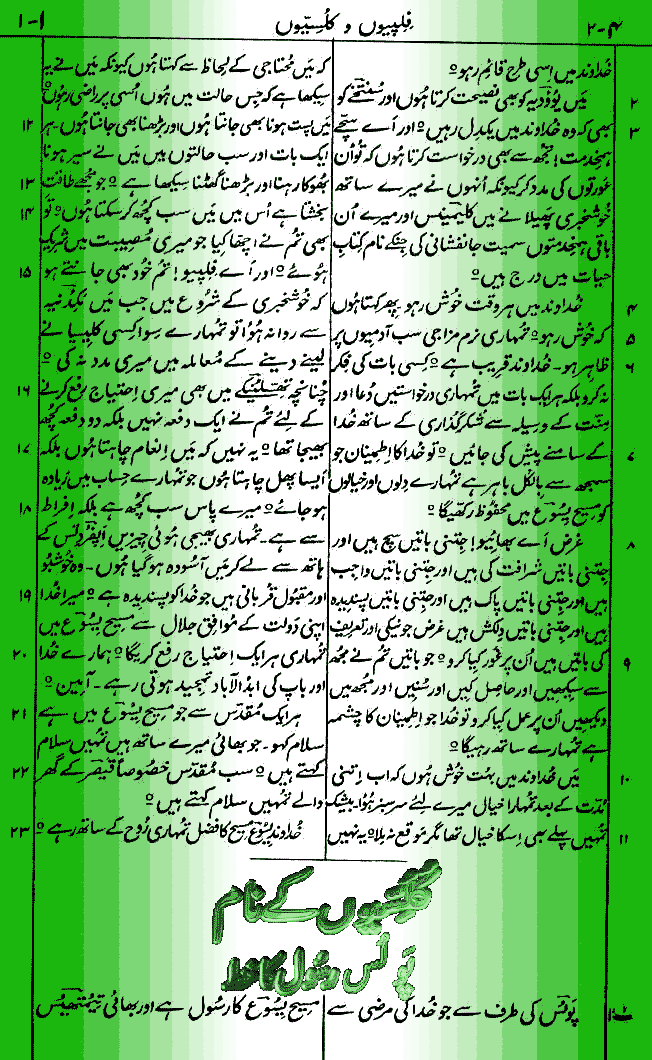
Philippians Chapter 4 (Verses 2–23)
Verse 2
Verse: I beseech Euodias and beseech Syntyche that they be of the same mind in the Lord
English Explanation
The Apostle Paul addresses a specific conflict in the Philippian church between two prominent women, Euodias and Syntyche. Instead of taking sides, Paul pleads with both of them equally (“beseech Euodias and beseech Syntyche”). He urges them to find common ground “in the Lord.” This highlights that Christian unity does not mean agreeing on every minor preference, but being united in core Christian love, purpose, and loyalty to Jesus Christ.
Urdu Explanation
پولُس رسول فلپیوں کی کلیسیا میں دو اہم خواتین، اِیوودیہ اور سُنتخے کے درمیان پیدا ہونے والے تنازع کا ذکر کرتا ہے۔ کسی ایک کا ساتھ دینے کے بجائے، پولُس دونوں سے یکساں التجا کرتا ہے۔ وہ انہیں نصیحت کرتا ہے کہ وہ “خداوند میں ایک دل” ہو جائیں۔ اس سے یہ ظاہر ہوتا ہے کہ مسیحی یگانگت کا مطلب ہر چھوٹی ترجیح پر متفق ہونا نہیں، بلکہ مسیح یسوع کی محبت اور مقصد میں ایک ہونا ہے۔
Verse 3
Verse: And I intreat thee also true yokefellow help those women which laboured with me in the gospel with Clement also and with other my fellowlabourers whose names are in the book of life
English Explanation
Paul requests an unnamed trusted companion (“true yokefellow”) to step in and help reconcile these two women. He reminds the church that despite their current disagreement, these women have a rich history of serving and laboring hard for the spread of the Gospel alongside Paul, Clement, and others. The ultimate comfort and equalizer mentioned is that their names are permanently written in the “Book of Life,” securing their eternal identity over temporary disputes.
Urdu Explanation
پولُس اپنے ایک وفادار ساتھی (سچے ہم خدمت) سے درخواست کرتا ہے کہ وہ آگے بڑھے اور ان خواتین کی صلح کرانے میں مدد کرے۔ وہ کلیسیا کو یاد دلاتا ہے کہ موجودہ اختلاف کے باوجود، ان خواتین نے پولُس، کلیمنٹس اور دیگر ساتھیوں کے ساتھ انجیل کی منادی کے لیے سخت محنت کی ہے۔ یہاں سب سے بڑی تسلی یہ دی گئی ہے کہ ان سب کے نام “کتابِ حیات” میں لکھے ہوئے ہیں، جو ان کی ابدی پہچان ہے۔
Verse 4
Verse: Rejoice in the Lord alway and again I say Rejoice
English Explanation
This is a core pillar of Christian living. Paul commands believers to rejoice “alway”—not just when circumstances are favorable. The secret to this continuous joy is its source: “in the Lord.” Because Jesus Christ never changes, our joy remains stable even in times of trial, persecution, or difficulty. Paul repeats the command for emphasis, proving that joy is a choice and a spiritual discipline.
Urdu Explanation
یہ مسیحی زندگی کا ایک بنیادی ستون ہے۔ پولُس ایمان داروں کو ہر وقت خوش رہنے کا حکم دیتا ہے—نہ صرف تب جب حالات اچھے ہوں۔ اس دائمی خوشی کا راز اس کا منبع ہے یعنی “خداوند میں”۔ چونکہ یسوع مسیح کبھی نہیں بدلتا، اس لیے ہماری خوشی آزمائشوں اور مشکلات میں بھی قائم رہتی ہے۔ پولُس تاکید کے لیے اس بات کو دہراتا ہے کہ خوشی کا اظہار ایک روحانی فیصلہ ہے۔
Verse 5
Verse: Let your moderation be known unto all men The Lord is at hand
English Explanation
“Moderation” refers to a spirit of gentleness, forbearance, reasonableness, and a yielding disposition. Believers are encouraged to display this gentle spirit to everyone, not just fellow Christians. The motivation behind this graceful living is the profound truth that “The Lord is at hand”—meaning both that Jesus is close to us right now, and His second coming is near.
Urdu Explanation
یہاں “نرمی” یا “اعتدال پسندی” سے مراد حلیم، بردبار اور معقول رویہ ہے۔ ایمان داروں کو ہدایت کی گئی ہے کہ وہ اپنی یہ نرم دلی تمام انسانوں پر ظاہر کریں، نہ کہ صرف مسیحیوں پر۔ اس خوبصورت طرزِ زندگی کے پیچھے بنیادی وجہ یہ حقیقت ہے کہ “خداوند نزدیک ہے”—یعنی وہ ہر وقت ہمارے پاس ہے اور اس کی دوبارہ آمد بھی قریب ہے۔
Verse 6
Verse: Be careful for nothing but in every thing by prayer and supplication with thanksgiving let your requests be made known unto God
English Explanation
Paul delivers a powerful antidote to anxiety. Believers are commanded not to worry or be anxious about anything. Instead, they are to bring “every thing”—big or small—to God through prayer and earnest supplication. Crucially, these requests must be seasoned with “thanksgiving,” recognizing God’s past faithfulness even while asking for future help.
Urdu Explanation
پولُس فکر اور تشویش کا ایک بہترین علاج پیش کرتا ہے۔ ایمان داروں کو حکم دیا گیا ہے کہ وہ کسی بھی چیز کی فکر نہ کریں۔ اس کے بجائے، وہ ہر بات کو—خواہ وہ بڑی ہو یا چھوٹی—دعا، مناجات اور “شکرگزاری” کے ساتھ خدا کے سامنے پیش کریں۔ اپنی ضرورتیں مانگتے وقت خدا کی گزشتہ وفاداریوں کا شکر ادا کرنا ایمان کی علامت ہے۔
Verse 7
Verse: And the peace of God which passeth all understanding shall keep your hearts and minds through Christ Jesus
English Explanation
When we hand our worries over to God with thanksgiving, a supernatural exchange happens. The “peace of God” enters our lives. This peace is beyond human logic or intellectual comprehension (“passeth all understanding”). It acts like a military guard stationed around our emotional “hearts” and intellectual “minds,” keeping them safe and secure through Christ Jesus.
Urdu Explanation
جب ہم شکرگزاری کے ساتھ اپنی فکریں خدا کے سپرد کرتے ہیں، تو ایک الٰہی تبادلہ ہوتا ہے۔ “خدا کا اطمینان” ہمارے دلوں میں داخل ہو جاتا ہے۔ یہ اطمینان انسانی عقل اور سمجھ سے بالکل باہر ہے۔ یہ ایک فوجی پہرے دار کی طرح ہمارے دلوں (جذبات) اور دماغوں (خیالات) کی مسیح یسوع میں حفاظت کرتا ہے۔
Verse 8
Verse: Finally brethren whatsoever things are true whatsoever things are honest whatsoever things are just whatsoever things are pure whatsoever things are lovely whatsoever things are of good report if there be any virtue and if there be any praise think on these things
English Explanation
Our mental diet determines our spiritual health. Paul provides a checklist for the Christian mind. We are to actively choose to meditate, dwell, and “think on” things that meet these high moral standards: truth, honesty, justice, purity, loveliness, good reputation, virtue, and praiseworthiness. Filling our minds with these godly attributes pushes out anxiety, sin, and negativity.
Urdu Explanation
ہمارے خیالات ہماری روحانی صحت کا تعین کرتے ہیں۔ پولُس مسیحی ذہن کے لیے ایک معیار مقرر کرتا ہے۔ ہمیں اپنے ذہنوں کو جان بوجھ کر ان باتوں پر لگانے کا حکم دیا گیا ہے جو سچی، شریفانہ، منصفانہ، پاک، پسندیدہ، اور نیک نام ہیں؛ یعنی جو فضیلت اور تعریف کے لائق ہیں۔ اپنے ذہن کو ان پاکیزہ باتوں سے بھرنے سے خوف، گناہ اور منفی سوچیں باہر نکل جاتی ہیں۔
Verse 9
Verse: Those things which ye have both learned and received and heard and seen in me do and the God of peace shall be with you
English Explanation
Paul moves from right thinking to right living. True discipleship requires action. He invites the Philippians to put into practice everything they learned from his teaching and observed in his personal life. He promises that when they active live out the Gospel, not only will they experience the peace of God, but the God of peace Himself will be visibly present with them.
Urdu Explanation
پولُس یہاں صرف اچھی سوچ سے بڑھ کر اچھے عمل پر زور دیتا ہے۔ سچی شاگردی عمل مانگتی ہے۔ وہ فلپیوں کو نصیحت کرتا ہے کہ جو کچھ انہوں نے پولُس کی تعلیمات سے سیکھا اور اس کی زندگی میں دیکھا، اس پر عمل کریں۔ وہ وعدہ کرتا ہے کہ جب وہ انجیل کے مطابق زندگی بسر کریں گے، تو نہ صرف خدا کا اطمینان بلکہ “اطمینان کا خدا” خود ان کے ساتھ رہے گا۔
Verse 10
Verse: But I rejoiced in the Lord greatly that now at the last your care of me hath flourished again wherein ye were also careful but ye lacked opportunity
English Explanation
Paul expresses deep appreciation for the financial and material support sent by the Philippian church. Their care for him had “flourished again” after a period of silence. Paul graciously protects their feelings by acknowledging that they always cared for him in their hearts, but simply lacked the physical means or the geographic opportunity to send assistance earlier.
Urdu Explanation
پولُس فلپیوں کی کلیسیا کی طرف سے بھیجے گئے مالی اور مادی تعاون پر گہری خوشی اور شکرگزاری کا اظہار کرتا ہے۔ ایک طویل عرصے کے بعد ان کی طرف سے یہ مدد دوبارہ پھلی پھولی تھی۔ پولُس بڑے پیار سے ان کی حوصلہ افزائی کرتا ہے کہ وہ جانتے ہیں کہ فلپیوں کے دلوں میں ہمیشہ اس کا خیال تھا، لیکن پہلے انہیں مدد بھیجنے کا موقع یا ذریعہ میسر نہ تھا۔
Verse 11
Verse: Not that I speak in respect of want for I have learned in whatsoever state I am therewith to be content
English Explanation
Paul clarifies that his joy is not rooted in the fact that his poverty was relieved, but rather in their love. He highlights a profound spiritual milestone: contentment is a learned behavior. True contentment does not depend on having ideal external conditions; it is an internal reliance on God that remains steady regardless of economic or social status.
Urdu Explanation
پولُس واضح کرتا ہے کہ اس کی خوشی کا سبب یہ نہیں کہ اس کی محتاجی دور ہو گئی ہے، بلکہ وہ ان کی محبت پر خوش ہے۔ وہ ایک گہرا روحانی سچ بتاتا ہے کہ قناعت (صبر و شکر) ایک سیکھی جانے والی صفت ہے۔ سچی قناعت بیرونی حالات پر منحصر نہیں ہوتی، بلکہ یہ خدا پر بھروسے کا نام ہے جو ہر حال میں قائم رہتا ہے۔
Verse 12
Verse: I know both how to be abased and I know how to abound every where and in all things I am instructed both to be full and to be hungry both to abound and to suffer need
English Explanation
Paul shares his vast life experience in the ministry. He has tasted both extremes: the humility of lack (“abased” and “hungry”) and the comfort of plenty (“abound” and “full”). He has been initiated into the “secret” of enduring both extremes without losing his faith or falling into pride, revealing that external volatility cannot shake a mature believer.
Urdu Explanation
پولُس خدمت گزاری میں اپنے وسیع تجربے کا ذکر کرتا ہے۔ اس نے زندگی کے دونوں رخ دیکھے ہیں: کمی اور بھوک کی حالت (پست ہونا) اور کثرت و آسودگی کی حالت (فراوانی)۔ وہ کہتا ہے کہ اس نے ہر حال میں رہنے کا راز سیکھ لیا ہے، تاکہ نہ تو تنگی میں اس کا ایمان ڈگمگائے اور نہ ہی فراوانی میں وہ مغرور ہو۔
Verse 13
Verse: I can do all things through Christ which strengtheneth me
English Explanation
This famous verse is often quoted but must be understood in context. “All things” does not mean achieving worldly goals, earning wealth, or displaying superhuman feats. Rather, it means that through the supernatural power and inward strength supplied by Jesus Christ, a believer can endure any circumstance—whether intense poverty or immense prosperity—with absolute contentment and joy.
Urdu Explanation
یہ مشہورِ زمانہ آیت اکثر پڑھنے کو ملتی ہے لیکن اسے سیاق و سباق کے ساتھ سمجھنا ضروری ہے۔ “سب کچھ” سے مراد دنیاوی کامیابی حاصل کرنا یا دولت کمانا نہیں ہے۔ بلکہ اس کا مطلب یہ ہے کہ یسوع مسیح کی دی ہوئی اندرونی طاقت کے وسیلے سے، ایک ایمان دار زندگی کی ہر حالت کو—خواہ وہ سخت تنگی ہو یا بڑی فراوانی—بڑے صبر، شکر اور خوشی کے ساتھ برداشت کر سکتا ہے۔
Verse 14
Verse: Notwithstanding ye have well done that ye did communicate with my affliction
English Explanation
Even though Paul is perfectly content in Christ and does not rely on human aid for his joy, he warmly praises the Philippians. He tells them they “have well done” by choosing to share (“communicate”) in his hardships and trials. Their financial gift was an act of fellowship, showing that they stood with him shoulder-to-shoulder in his chains.
Urdu Explanation
اگرچہ پولُس مسیح میں پوری طرح مطمئن ہے اور اپنی خوشی کے لیے انسانی مدد کا محتاج نہیں، پھر بھی وہ فلپیوں کی دل کھول کر تعریف کرتا ہے۔ وہ کہتا ہے کہ انہوں نے اس کی مصیبت میں شریک ہو کر بہت اچھا کام کیا۔ ان کا مادی ہدیہ ان کی گہری رفاقت کا ثبوت تھا کہ وہ پولُس کی قید کے دوران بھی اس کے ساتھ کھڑے رہے۔
Verse 15
Verse: Now ye Philippians know also that in the beginning of the gospel when I departed from Macedonia no church communicated with me as concerning giving and receiving but ye only
English Explanation
Paul fondly recalls their historic loyalty. In the early days of his missionary journeys, right after he left the region of Macedonia, no other church stepped up to support his ministry financially (“giving and receiving”) except for the church at Philippi. They were pioneers in supporting global missions, establishing a special, exclusive bond with the Apostle.
Urdu Explanation
پولُس محبت کے ساتھ ان کی پرانی وفاداری کو یاد کرتا ہے۔ اپنی منادی کے ابتدائی دنوں میں، جب وہ مکدونیہ سے روانہ ہوا، تو فلپیوں کی کلیسیا کے سوا کسی اور کلیسیا نے مالی طور پر (لینے اور دینے کے معاملے میں) اس کی خدمت کا ساتھ نہیں دیا۔ وہ مشنری کاموں کی حمایت کرنے میں پیش پیش تھے، جس نے پولُس کے ساتھ ان کا ایک خاص رشتہ قائم کیا۔
Verse 16
Verse: For even in Thessalonica ye sent once and again unto my necessity
English Explanation
To emphasize their unmatched generosity, Paul highlights that even when he was ministering in the nearby city of Thessalonica, the Philippians did not forget him. They repeatedly sent financial provisions (“once and again”) to meet his basic, daily physical needs, ensuring that he could focus entirely on preaching the word.
Urdu Explanation
ان کی بے مثال سخاوت کو اجاگر کرنے کے لیے، پولُس بتاتا ہے کہ جب وہ تھیسلونیکے کے شہر میں خدمت کر رہا تھا، تب بھی فلپیوں نے اسے فراموش نہیں کیا۔ انہوں نے بار بار (“ایک دو بار”) اس کی ضرورتیں پوری کرنے کے لیے ہدیہ بھیجا، تاکہ وہ یکسوئی کے ساتھ خدا کے کلام کی منادی کر سکے۔
Verse 17
Verse: Not because I desire a gift but I desire fruit that may abound to your account
Explanation
Paul corrects any potential misunderstanding: he is not hunting for money or gifts. His apostolic joy comes from a higher source. What truly excites him about their generosity is the spiritual “fruit” and heavenly reward that is being credited to their spiritual ledger (“abound to your account”). Every time they gave to God’s servant, they were investing in eternity.
Urdu Explanation
پولُس کسی بھی غلط فہمی کو دور کرنے کے لیے واضح کرتا ہے کہ وہ کسی تحفے یا مال کا لالچی نہیں ہے۔ ان کی سخاوت سے اسے اصل خوشی یہ ملتی ہے کہ اس کے ذریعے روحانی “پھل” اور آسمانی اجر خود فلپیوں کے کھاتے میں جمع ہو رہا ہے۔ جب بھی وہ خدا کے خادم کی مدد کرتے تھے، وہ اصل میں اپنی ابدیت کے لیے سرمایہ کاری کر رہے تھے۔
Verse 18
Verse: But I have all and abound I am full having received of Epaphroditus the things which were sent from you an odour of a sweet smell a sacrifice acceptable wellpleasing to God
English Explanation
Paul confirms that the delivery brought by Epaphroditus has completely met his needs; he is fully supplied and abounding. He beautifully shifts language from financial terms to worship terms. He describes their physical gift not just as money, but as a fragrant, holy “sacrifice” offered on the altar, which is highly acceptable and deeply pleasing to Almighty God.
Urdu Explanation
پولُس تصدیق کرتا ہے کہ جو کچھ انہوں نے اپفرودیتس کے ہاتھ بھیجا تھا، اس سے اس کی تمام ضرورتیں پوری ہو گئی ہیں اور اب اس کے پاس کثرت ہے۔ وہ اس مادی تحفے کو عبادت کی زبان میں بیان کرتا ہے۔ وہ ان کے ہدیے کو صرف پیسہ نہیں بلکہ ایک خوشبودار اور مقبول “قربانی” کہتا ہے، جو خدا کے حضور حد درجہ پسندیدہ ہے۔
Verse 19
Verse: But my God shall supply all your need according to his riches in glory by Christ Jesus
English Explanation
Because the Philippians sacrificed out of their own poverty to fund God’s work, Paul issues a spectacular promise. He assures them that “my God”—the limitless Creator—will personally take responsibility to supply “all your need.” This supply is not measured by earthly scarcity, but is given out of His infinite, glorious wealth through the mediator, Christ Jesus.
Urdu Explanation
چونکہ فلپیوں نے اپنی تنگی کے باوجود خدا کے کام کے لیے قربانی دی تھی، اس لیے پولُس ان سے ایک عظیم وعدہ کرتا ہے۔ وہ انہیں یقین دلاتا ہے کہ “میرا خدا”—جو لامحدود ہے—ذاتی طور پر ان کی “ہر ایک ضرورت” کو پورا کرے گا۔ یہ فراہمی دنیاوی کمی کے مطابق نہیں، بلکہ اس کی اس تمجید کے موافق ہوگی جو مسیح یسوع میں کثرت سے پائی جاتی ہے۔
Verse 20
Verse: Now unto God and our Father be glory for ever and ever Amen
English Explanation
Moved by the contemplation of God’s absolute faithfulness, sovereignty, and unmatched generosity, Paul breaks out into a spontaneous doxology of praise. He declares that all honor, majesty, and glory belong strictly to God our Father throughout eternity, sealing this truth with an affirmative “Amen” (so be it).
Urdu Explanation
خدا کی بے پناہ وفاداری اور سخاوت کا تصور کرتے ہوئے، پولُس کے دل سے حمد و ثنا کا چشمہ پھوٹ پڑتا ہے۔ وہ اعلان کرتا ہے کہ تمام جلال، حشمت اور بزرگی ہمیشہ اور ابد تک ہمارے خدا اور باپ ہی کی ہو، اور اس سچائی پر “آمین” (ایسا ہی ہو) کہہ کر مہر لگاتا ہے۔
Verse 21
Verse: Salute every saint in Christ Jesus The brethren which are with me greet you
Explanation
As Paul concludes his letter, he focuses on community love. He sends warm greetings (“salute”) to “every saint”—reminding them that every single true believer, regardless of status, is holy in Christ Jesus. Furthermore, the Christian brothers who are physically present with Paul in his imprisonment join in sending their warm regards to the church.
Urdu Explanation
اپنے خط کے اختتام پر، پولُس کلیسیائی محبت پر زور دیتا ہے۔ وہ “ہر ایک مقدس” کو سلام بھیجتا ہے—اور یاد دلاتا ہے کہ مسیح یسوع میں ہر سچا ایمان دار پاک ہے۔ اس کے ساتھ ساتھ، وہ مسیحی بھائی جو قید خانے میں پولُس کے ساتھ موجود ہیں، وہ بھی فلپیوں کی کلیسیا کو اپنا سلام بھیجتے ہیں۔
Verse 22
Verse: All the saints salute you chiefly they that are of Caesars household
English Explanation
Paul expands the circle of greetings to include the broader Roman church. He highlights a stunning detail: “chiefly they that are of Caesar’s household.” Even under the roof of the hostile Roman Emperor Nero, the Gospel had penetrated, saving souls among guards, officials, or servants. These palace believers wanted to send special love to their brothers in Philippi.
Urdu Explanation
پولُس سلام بھیجنے والوں کا دائرہ بڑھاتے ہوئے روم کی پوری کلیسیا کو شامل کرتا ہے۔ وہ ایک حیرت انگیز بات بتاتا ہے کہ “خاص کر وہ جو قیصر کے گھرانے کے ہیں”۔ یعنی ظالم رومی بادشاہ نیرون کے محل میں بھی انجیل پہنچ چکی تھی اور شاہی ملازمین یا محافظ ایمان لا چکے تھے۔ وہ فلپیوں کے ایمان داروں کو خاص سلام بھیجتے ہیں۔
Verse 23
Verse: The grace of our Lord Jesus Christ be with you all Amen (To the Philippians written from Rome by Epaphroditus)
English Explanation
Paul officially closes his letter with his signature blessing: a prayer for the “grace of our Lord Jesus Christ” to rest upon the spirits of all the believers. This grace is the starting and finishing point of the Christian life. The ancient postscript reminds the reader that the letter was hand-carried from a Roman prison to Philippi by the faithful messenger, Epaphroditus.
Urdu Explanation
پولُس اپنے روایتی برکتی کلام کے ساتھ خط کو ختم کرتا ہے: وہ دعا کرتا ہے کہ “ہمارے خداوند یسوع مسیح کا فضل” ان سب کے ساتھ رہے۔ یہ فضل ہی مسیحی زندگی کا آغاز اور انجام ہے۔ خط کے آخر کا نوٹ ظاہر کرتا ہے کہ یہ خط روم کے قید خانے سے وفادار قاصد اپفرودیتس کے ذریعے فلپیوں تک پہنچایا گیا تھا۔
Colossians Chapter 1
Verse 1
Verse: Paul an apostle of Jesus Christ by the will of God and Timotheus our brother
English Explanation
Paul begins his epistle to the Colossian church by establishing his authority and identity. He designates himself as an “apostle”—a sent-out messenger—of Jesus Christ. Crucially, he states that this position was not self-chosen or given by men, but came directly “by the will of God.” He also graciously includes Timothy, identifying him simply and affectionately as “our brother,” highlighting a shared gospel ministry.
Urdu Explanation
پولُس کلسیوں کی کلیسیا کے نام اپنے خط کا آغاز اپنے اختیار اور پہچان کو واضح کرتے ہوئے کرتا ہے۔ وہ خود کو یسوع مسیح کا “رسول” (بھیجا ہوا قاصد) کہتا ہے۔ وہ واضح کرتا ہے کہ یہ عہدہ اس کی اپنی مرضی یا انسانوں کی طرف سے نہیں، بلکہ براہِ راست “خدا کی مرضی سے” ملا ہے۔ وہ محبت کے ساتھ تیمتھیس کا ذکر بھی شامل کرتا ہے اور اسے “ہمارا بھائی” کہہ کر پکارتا ہے، جو ان کی مشترکہ خدمت کو ظاہر کرتا ہے۔