Verse-by-Verse Commentary & Breakdown
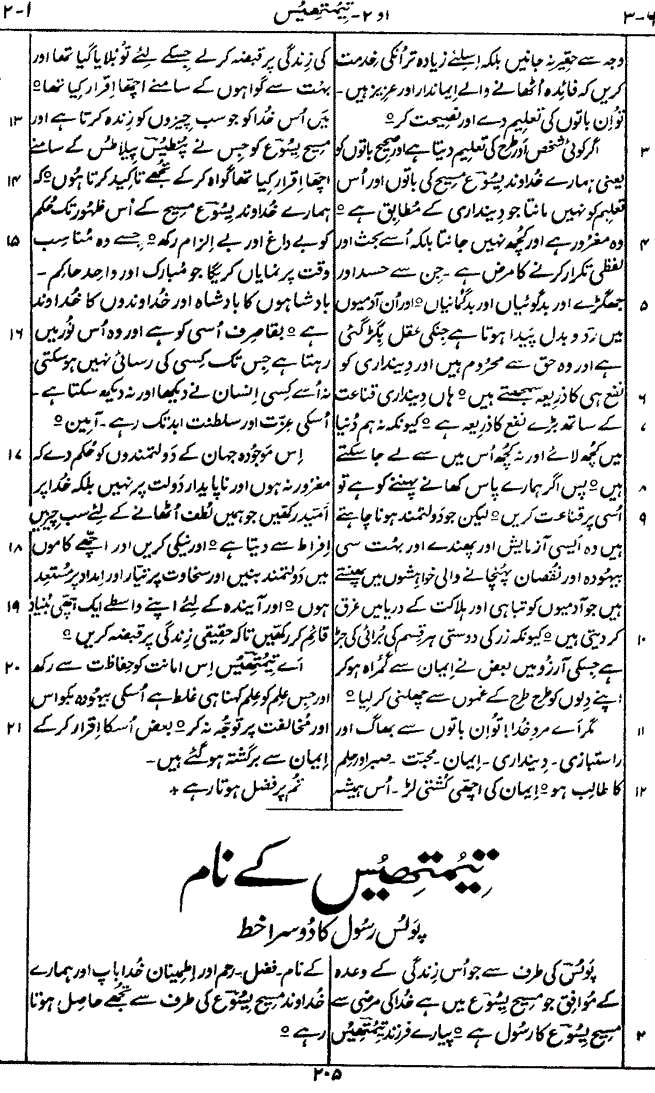
1 Timothy Chapter 6
Verse 3
Verse: If any man teach otherwise and consent not to wholesome words even the words of our Lord Jesus Christ and to the doctrine which is according to godliness
-
Detailed Explanation (English): The Apostle Paul starts by setting a strict boundary for sound doctrine. Anyone teaching something contrary to the core message of Jesus Christ is steering believers away from spiritual health. “Wholesome words” refers to life-giving, healthy teaching that promotes spiritual well-being. True Christian doctrine is fundamentally tied to “godliness”—it should always manifest in a transformed, holy life, rather than just intellectual speculation.
-
تفصیلی وضاحت (Urdu): پولُس رسُول یہاں صحیح اور دُرست تعلیم کی حد مقرر کر رہے ہیں۔ اگر کوئی شخص یسوع مسیح کی سچی اور زندگی بخش باتوں کے علاوہ کچھ اور سکھاتا ہے، تو وہ لوگوں کو گمراہ کر رہا ہے۔ “صحت بخش باتیں” وہ تعلیمات ہیں جو روح کو تندرستی بخشتی ہیں۔ سچی مسیحی تعلیم کا مقصد انسان کی زندگی میں خدا ترسی (تقویٰ) اور پاکیزگی پیدا کرنا ہے، نہ کہ صرف بحث و تکرار۔
Verse 4
Verse: He is proud knowing nothing but doting about questions and strifes of words whereof cometh envy strife railings evil surmisings
-
Detailed Explanation (English): Paul exposes the character of false teachers. He notes that pride is often the root cause of false doctrine. Such individuals think they know a lot, but in reality, they understand nothing of true spiritual value. They possess an unhealthy obsession (“doting”) with controversial questions, semantic arguments, and word wars. The fruit of their ministry is purely negative, producing jealousy, division, verbal abuse, and malicious suspicions.
-
تفصیلی وضاحت (Urdu): اس آیت میں جھوٹے استادوں کی حقیقت کو بے نقاب کیا گیا ہے۔ پولُس فرماتے ہیں کہ ایسی تعلیم کے پیچھے غرور اور تکبر ہوتا ہے۔ ایسے لوگ ظاہری طور پر خود کو عالم سمجھتے ہیں لیکن روحانی طور پر بالکل جاہل ہوتے ہیں۔ ان کا مقصد صرف ایسے سوالات اور لفظی بحثیں کھڑی کرنا ہوتا ہے جن کا کوئی فائدہ نہیں ہوتا۔ اس کا نتیجہ صرف حسد، لڑائی جھگڑے، بدگوئی اور بدگمانی کی صورت میں نکلتا ہے۔
Verse 5
Verse: Perverse disputings of men of corrupt minds and destitute of the truth supposing that gain is godliness from such withdraw thyself
-
Detailed Explanation (English): This verse describes the constant friction caused by people with corrupted minds who have lost their grip on reality and truth. A major red flag of these false teachers is that they view religion as a means of financial gain or worldly advancement (prosperity gospel mindset). Paul’s instruction is definitive and urgent: “from such withdraw thyself.” True believers must distance themselves from ministries that equate material wealth with spiritual favor.
-
تفصیلی وضاحت (Urdu): یہاں ان لوگوں کے مسلسل جھگڑوں کا ذکر ہے جن کی عقلیں خراب ہو چکی ہیں اور جو سچائی سے دور ہو چکے ہیں۔ ان کا سب سے بڑا عیب یہ ہے کہ وہ دینداری (خدا ترسی) کو دنیاوی اور مالی فائدہ حاصل کرنے کا ذریعہ سمجھتے ہیں۔ پولُس یہاں واضح حکم دیتے ہیں کہ “ایسے لوگوں سے کنارہ کشی اختیار کرو۔” سچے ایمانداروں کو ایسے لوگوں سے دور رہنا چاہیے جو مذہب کو کاروبار بناتے ہیں۔
Verse 6
Verse: But godliness with contentment is great gain
-
Detailed Explanation (English): Paul counters the false teachers’ view of gain with the true biblical formula for success: Godliness combined with contentment (). Real wealth is not found in the abundance of earthly possessions but in a heart that is right with God and satisfied with what He has provided. Contentment frees a person from the endless, exhausting cycle of greed.
-
تفصیلی وضاحت (Urdu): جھوٹے استادوں کے نظریے کے برعکس، پولُس حقیقی فائدے کا فارمولا بتاتے ہیں: خدا ترسی (دینداری) کے ساتھ قناعت پسندی ہی سب سے بڑا نفع ہے۔ اصل دولت مال و زر کی کثرت نہیں، بلکہ وہ دل ہے جو خدا کے ساتھ راضی ہو اور جو کچھ خدا نے دیا ہے اس پر شکر گزار ہو۔ قناعت انسان کو لالچ کے لامتناہی اور تھکا دینے والے چکر سے آزاد کرتی ہے۔
Verse 7
Verse: For we brought nothing into this world and it is certain we can carry nothing out
-
Detailed Explanation (English): Paul appeals to an undeniable, universal reality of human existence. We enter the world empty-handed, and we will leave it exactly the same way. Material possessions are completely temporary. This verse serves as a powerful reminder to anchor our security and happiness in things that have eternal value, rather than things that rot and remain behind.
-
تفصیلی وضاحت (Urdu): پولُس یہاں انسانی زندگی کی ایک آفاقی اور اٹل سچائی کو بیان کرتے ہیں۔ ہم دنیا میں خالی ہاتھ آئے تھے اور یہ بالکل یقینی ہے کہ ہم یہاں سے کچھ بھی ساتھ لے کر نہیں جا سکتے۔ دنیاوی مال و اسباب عارضی ہیں۔ یہ آیت ہمیں یاد دلاتی ہے کہ ہم اپنی خوشی اور تحفظ ان چیزوں میں تلاش کریں جو ابدی ہیں، نہ کہ ان چیزوں میں جو یہیں خاک میں مل جانی ہیں۔
Verse 8
Verse: And having food and raiment let us be therewith content
-
Detailed Explanation (English): The apostle simplifies the baseline of human physical necessity to two essentials: food and clothing (which implicitly includes shelter). Paul encourages believers to be satisfied if these basic needs are met. This standard cuts through the consumerist mindset, defining true peace as the ability to distinguish between absolute needs and superficial wants.
-
تفصیلی وضاحت (Urdu): رسول خدا انسانی زندگی کی بنیادی ضرورتوں کو دو چیزوں میں سمیٹ دیتے ہیں: روٹی اور کپڑا (جس میں مکان بھی شامل سمجھا جاتا ہے)۔ پولُس ایمانداروں کی حوصلہ افزائی کرتے ہیں کہ اگر یہ بنیادی ضرورتیں پوری ہو رہی ہیں، تو ہمیں صابر اور شاکر رہنا چاہیے۔ یہ معیار ہمیں سکھاتا ہے کہ اصل سکون خواہشات کے پیچھے بھاگنے میں نہیں، بلکہ بنیادی ضرورتوں پر خوش رہنے میں ہے۔
Verse 9
Verse: But they that will be rich fall into temptation and a snare and into many foolish and hurtful lusts which drown men in destruction and perdition
-
Detailed Explanation (English): Notice that the danger is directed at “they that will be rich”—the intense desire and obsession to acquire wealth, regardless of status. This driving ambition acts as a trap (snare). It opens the door to foolish, harmful desires that cloud moral judgment. Ultimately, this path drags individuals down, drowning them in spiritual, emotional, and physical ruin.
-
تفصیلی وضاحت (Urdu): غور کیجئے کہ یہاں تنبیہ ان لوگوں کے لیے ہے جو “امیر ہونے کی خواہش” یا دھن رکھتے ہیں۔ مالدار بننے کا یہ جنون ایک جال کی مانند کام کرتا ہے۔ یہ انسان کو ایسی احمقانہ اور نقصان دہ خواہشات میں پھنساتا ہے جو اس کی اخلاقی سوچ کو اندھا کر دیتی ہیں۔ انجام کار، یہ راستہ انسان کو روحانی، جذباتی اور ابدی تباہی و ہلاکت کے سمندر میں ڈبو دیتا ہے۔
Verse 10
Verse: For the love of money is the root of all evil which while some coveted after they have erred from the faith and pierced themselves through with many sorrows
-
Detailed Explanation (English): This is one of the most famously misquoted verses; it is the love of money, not money itself, that is the root of all kinds of evil. When money becomes an idol, it replaces God. Paul points out the tragic reality of his contemporary era: those who craved money strayed completely from the Christian faith and ended up skewering their own souls with self-inflicted grief and deep regret.
-
تفصیلی وضاحت (Urdu): یہ بائبل مقدس کی مشہور ترین آیات میں سے ایک ہے؛ یاد رہے کہ روپے پیسے کی “محبت” تمام برائیوں کی جڑ ہے، خود پیسہ برائی نہیں ہے۔ جب انسان پیسے کو معبود بنا لیتا ہے، تو وہ خدا کی جگہ لے لیتا ہے۔ پولُس اس المیہ کی طرف اشارہ کرتے ہیں کہ جن لوگوں نے پیسے کا لالچ کیا، وہ ایمان کی راہ سے بھٹک گئے اور انہوں نے خود کو بہت سے دردناک غموں اور پچھتاووں سے چھلنی کر لیا۔
Verse 11
Verse: But thou O man of God flee these things and follow after righteousness godliness faith love patience meekness
-
Detailed Explanation (English): Paul addresses Timothy with an honorable title: “man of God.” He provides a dual command: flee and pursue. Timothy must actively run away from greed, financial corruption, and trivial arguments. Instead, he must direct his energy toward pursuing spiritual virtues: doing what is right (righteousness), living holy (godliness), trusting God (faith), loving others (love), enduring trials (patience), and keeping a gentle spirit (meekness).
-
تفصیلی وضاحت (Urdu): پولُس تیمتھیس کو ایک معزز لقب “اے مردِ خدا” سے مخاطب کرتے ہیں۔ وہ یہاں دوہرا حکم دیتے ہیں: بھاگو اور پیروی کرو۔ تیمتھیس کو لالچ، روپے پیسے کی محبت اور فضول بحثوں سے دور بھاگنا ہے، اور اس کے برعکس اپنی تمام تر توانائیوں کو روحانی خوبیوں کی طرف لگانا ہے: یعنی راستبازی، خدا ترسی، ایمان، محبت، صبر اور حلم (نرمی)۔
Verse 12
Verse: Fight the good fight of faith lay hold on eternal life whereunto thou art also called and hast professed a good profession before many witnesses
-
Detailed Explanation (English): The Christian life is portrayed as a noble, intense struggle—a “good fight.” It requires discipline, stamina, and effort against spiritual opposition. Paul urges Timothy to confidently seize (“lay hold on”) the eternal life promised to him. He reminds Timothy of his public baptism or ordination, where he bravely declared his allegiance to Christ in front of many onlookers.
-
تفصیلی وضاحت (Urdu): مسیحی زندگی کو ایک عظیم اور سخت مقابلے یعنی “ایمان کی اچھی کشتی” کے طور پر پیش کیا گیا ہے۔ اس کے لیے روحانی مخالفتوں کے خلاف ڈٹے رہنے اور ڈسپلن کی ضرورت ہے۔ پولُس تیمتھیس کو تاکید کرتے ہیں کہ وہ اس ابدی زندگی پر اپنا قبضہ مضبوط رکھیں جس کے لیے انہیں بلایا گیا تھا۔ وہ تیمتھیس کو ان کا وہ اقرار یاد دلاتے ہیں جو انہوں نے بہت سے گواہوں کے سامنے علانیہ طور پر کیا تھا۔
Verse 13
Verse: I give thee charge in the sight of God who quickeneth all things and before Christ Jesus who before Pontius Pilate witnessed a good confession
-
Detailed Explanation (English): Paul elevates the weight of his instructions by issuing a solemn, official charge. He invokes two supreme witnesses: God the Father, who gives life to all things, and Jesus Christ. Paul highlights Jesus’ supreme courage when He stood before the Roman governor Pontius Pilate and boldly spoke the truth about His kingdom, establishing the ultimate standard of confession for all believers.
-
تفصیلی وضاحت (Urdu): پولُس اپنے اس حکم کی اہمیت کو بڑھانے کے لیے خدا اور مسیح کو گواہ ٹھہراتے ہیں۔ وہ دو عظیم گواہوں کا نام لیتے ہیں: پہلا، خدا باپ جو سب چیزوں کو زندگی بخشتا ہے، اور دوسرا، یسوع مسیح۔ پولُس یسوع کے اس حوصلے کا ذکر کرتے ہیں جو انہوں نے پنطیُس پیلاطوس کے سامنے دکھایا جب انہوں نے اپنی بادشاہی کے بارے میں سچی گواہی دی، جو ہر ایماندار کے لیے ایک اعلیٰ نمونہ ہے۔
Verse 14
Verse: That thou keep this commandment without spot unrebukeable until the appearing of our Lord Jesus Christ
-
Detailed Explanation (English): Timothy is commanded to preserve the purity of the Gospel ministry. His obedience must be “without spot” (pure in intent) and “unrebukeable” (blameless in lifestyle). The timeline for this faithfulness is not temporary; it spans until the Second Coming (“appearing”) of Jesus Christ. This anchors daily Christian ministry in the reality of the future return of the Lord.
-
تفصیلی وضاحت (Urdu): تیمتھیس کو حکم دیا گیا ہے کہ وہ انجیل کی خدمت اور اس کے احکامات کو بالکل پاک اور بے عیب رکھیں۔ ان کی فرمانداری ایسی ہونی چاہیے جس پر کوئی انگلی نہ اٹھا سکے۔ اس وفاداری کی مدت عارضی نہیں ہے، بلکہ یہ خداوند یسوع مسیح کے دوبارہ ظاہر ہونے تک برقرار رہنی چاہیے۔ یہ آیت ہمارے روزمرہ کے کاموں کو مسیح کی آمدِ ثانی کی امید سے جوڑتی ہے۔
Verse 15
Verse: Which in his times he shall shew who is the blessed and only Potentate the King of kings and Lord of lords
-
Detailed Explanation (English): Paul notes that God will reveal the return of Christ at the perfect, sovereignly appointed time. He explodes into a doxology of praise, exalting God’s absolute supreme authority over the universe. Calling God the “only Potentate” (Sovereign Ruler), the “King of kings,” and “Lord of lords” directly challenged the Roman Emperor-worship of the day, affirming that God holds ultimate power over all earthly rulers.
-
تفصیلی وضاحت (Urdu): پولُس فرماتے ہیں کہ خدا مسیح کے ظہور کو اپنے مقررہ اور کامل وقت پر دکھائے گا۔ یہاں پولُس خدا کی حمد و ثنا شروع کر دیتے ہیں اور کائنات پر خدا کے مطلق اختیار کو بیان کرتے ہیں۔ خدا کو “واحد حاکم،” “بادشاہوں کا بادشاہ،” اور “خداوندوں کا خداوند” کہنا اس دور کے رومی شہنشاہ کی پوجا کو چیلنج کرنا تھا، اور یہ واضح کرنا تھا کہ زمین کے تمام حکمرانوں پر صرف خدا ہی کا اختیار ہے۔
Verse 16
Verse: Who only hath immortality dwelling in the light which no man can approach unto whom no man hath seen nor can see to whom be honour and power everlasting Amen
-
Detailed Explanation (English): This verse highlights the profound transcendence of God. He alone possesses inherent, underived immortality; everyone else receives life from Him. He exists in unapproachable, holy light, far beyond sinful human capacity to witness directly. God in His full, unmitigated essence is invisible to mortal eyes. Paul concludes this magnificent declaration with an affirmation of eternal honor and power to Him.
-
تفصیلی وضاحت (Urdu): یہ آیت خدا کی پاکیزگی اور انسان سے اس کی برتری کو بیان کرتی ہے۔ صرف خدا ہی کی ذات ایسی ہے جو فانی نہیں ہے (جسے موت نہیں)؛ باقی سب کو زندگی اسی سے ملتی ہے۔ وہ ایسے ناپید اور تیز نور میں رہتا ہے جہاں کوئی انسان پہنچنے کی سکت نہیں رکھتا۔ خدا کو اپنی پوری شان کے ساتھ کسی انسان نے نہ دیکھا ہے اور نہ دیکھ سکتا ہے۔ پولُس اس عظیم الشان تعریف کا اختتام خدا کی ابدی عزت اور قدرت کے اقرار (آمین) کے ساتھ کرتے ہیں۔
Verse 17
Verse: Charge them that are rich in this world that they be not highminded nor trust in uncertain riches but in the living God who giveth us richly all things to enjoy
-
Detailed Explanation (English): Paul turns his attention back to practical instruction for wealthy Christians within the church. He does not tell them to throw away their money, but issues a warning against two specific sins: pride (“highminded”) and false security (“trust in uncertain riches”). Instead, their trust must rest entirely on the living God, who is generous and provides the world’s resources for human enjoyment within godly boundaries.
-
تفصیلی وضاحت (Urdu): پولُس اب دوبارہ کلیسیا کے امیر لوگوں کی طرف متوجہ ہوتے ہیں۔ وہ انہیں اپنا مال پھینک دینے کا نہیں کہتے، بلکہ دو خاص گناہوں سے بچنے کی تاکید کرتے ہیں: پہلا غرور (مغرور ہونا) اور دوسرا عارضی مال پر بھروسہ کرنا۔ اس کے بجائے، ان کا پورا بھروسہ زندہ خدا پر ہونا چاہیے، جو سخی ہے اور انسان کے فائدے اور خوشی کے لیے سب چیزیں کثرت سے دیتا ہے۔
Verse 18
Verse: That they do good that they be rich in good works ready to distribute willing to communicate
-
Detailed Explanation (English): The wealthy are challenged to redefine what it means to be “rich.” True wealth for a Christian is measured by an abundance of good deeds (“rich in good works”). Paul encourages radical generosity—being eager to give and share (“ready to distribute, willing to communicate”) resources with those who are struggling, converting perishable currency into eternal value.
-
تفصیلی وضاحت (Urdu): امیر لوگوں کو یہاں امیر ہونے کی ایک نئی تعریف سکھائی گئی ہے۔ مسیحی زندگی میں اصل امیری اچھے کاموں کی کثرت سے ناپی جاتی ہے (“اچھے کاموں میں امیر ہوں”)۔ پولُس کھلے دل سے سخاوت کرنے کی تلقین کرتے ہیں—یعنی وہ دوسروں کی مدد کے لیے ہمیشہ تیار رہیں اور اپنے مال میں دوسروں کو شریک کریں، تاکہ فانی مال کو ابدی قدر میں بدلا جا سکے۔
Verse 19
Verse: Laying up in store for themselves a good foundation against the time to come that they may lay hold on eternal life
-
Detailed Explanation (English): By practicing generosity and humility, wealthy believers are investing wisely in their eternal future. They lay a solid spiritual foundation for the afterlife. This does not mean buying salvation through charity, but rather that a life marked by generous giving proves that they have truly grasped the reality of eternal life and are clinging tightly to it.
-
تفصیلی وضاحت (Urdu): سخاوت اور عاجزی کی زندگی گزار کر، امیر ایماندار دراصل اپنے ابدی مستقبل کے لیے ایک بہترین سرمایہ کاری کر رہے ہوتے ہیں۔ وہ آنے والے وقت کے لیے ایک مضبوط روحانی بنیاد رکھتے ہیں۔ اس کا مطلب یہ نہیں کہ وہ پیسے سے نجات خرید رہے ہیں، بلکہ ان کی سخاوت اس بات کا ثبوت ہے کہ انہوں نے ابدی زندگی کی حقیقت کو سمجھ لیا ہے اور اسے مضبوطی سے تھامے ہوئے ہیں۔
Verse 20
Verse: O Timothy keep that which is committed to thy trust avoiding profane and vain babblings and oppositions of science falsely so called
-
Detailed Explanation (English): In an emotional personal appeal, Paul commands Timothy to guard the sacred deposit of the Gospel (“committed to thy trust”). Timothy must actively block out ungodly, empty chatter and arguments arising from what people erroneously label as “knowledge” or “science” (intellectual systems of the day that opposed God’s truth). Protection of the true Gospel requires ignoring useless debates.
-
تفصیلی وضاحت (Urdu): ایک جذباتی اور ذاتی التجا کرتے ہوئے، پولُس تیمتھیس کو حکم دیتے ہیں کہ اس امانت (انجیل کی سچائی) کی حفاظت کریں جو ان کے سپرد کی گئی ہے۔ تیمتھیس کو دنیاوی، فضول بکواس اور اس نام نہاد “علم” یا “سائنس” کے اعتراضات سے دور رہنا چاہیے جو خدا کی سچائی کے خلاف کھڑے کیے جاتے ہیں۔ انجیل کی حفاظت کے لیے ضروری ہے کہ بے مقصد بحثوں کو نظر انداز کیا جائے۔
Verse 21
Verse: Which some professing have erred concerning the faith Grace be with thee Amen The first to Timothy was written from Laodicea which is the chiefest city of Phrygia Pacatiana
-
Detailed Explanation (English): Paul points out that some individuals, by obsessing over these false intellectual paths, ended up wandering completely away from the Christian faith. He closes the letter with a vital prayer for Timothy: “Grace be with thee.” The postscript indicates the traditional historical origin of the letter.
-
تفصیلی وضاحت (Urdu): پولُس عبرت کے طور پر بتاتے ہیں کہ کچھ لوگ اسی نام نہاد علم کے چکر میں پڑ کر ایمان کی راہ سے بالکل بھٹک گئے۔ وہ اس خط کا اختتام تیمتھیس کے لیے ایک ضروری دعا کے ساتھ کرتے ہیں: “فضل تمہارے ساتھ رہے۔ آمین۔” خط کے آخر میں لکھا گیا نوٹ اس بات کی روایتی اور تاریخی نشاندہی کرتا ہے کہ یہ خط کہاں سے لکھا گیا۔
2 Timothy Chapter 1
Verse 1
Verse: Paul an apostle of Jesus Christ by the will of God according to the promise of life which is in Christ Jesus
-
Detailed Explanation (English): Beginning his second letter, Paul establishes his authority as an apostle. He emphasizes that his calling was not self-chosen but came “by the will of God.” The ultimate purpose of his apostolic ministry is to proclaim the “promise of life”—eternal and abundant life that can only be found anchored within a relationship with Jesus Christ.
-
تفصیلی وضاحت (Urdu): اپنے دوسرے خط کا آغاز کرتے ہوئے، پولُس رسول کی حیثیت سے اپنے اختیار کو واضح کرتے ہیں۔ وہ زور دیتے ہیں کہ ان کا رسول بننا ان کی اپنی مرضی سے نہیں بلکہ “خدا کی مرضی سے” ہوا تھا۔ ان کی رسولی خدمت کا اصل مقصد زندگی کے اس وعدے کی منادی کرنا ہے—یعنی وہ ابدی زندگی جو صرف اور صرف یسوع مسیح کے ساتھ تعلق میں مل سکتی ہے۔
Verse 2
Verse: To Timothy my dearly beloved son Grace mercy and peace from God the Father and Christ Jesus our Lord
-
Detailed Explanation (English): Paul addresses Timothy with deep emotional affection, calling him his “dearly beloved son,” reflecting a strong spiritual father-son relationship. He offers a profound threefold apostolic blessing: Grace (unmerited favor), Mercy (compassion for weaknesses), and Peace (inner harmony). Crucially, Paul places God the Father and Christ Jesus on the exact same divine level as the co-sources of these spiritual blessings.
-
تفصیلی وضاحت (Urdu): پولُس تیمتھیس کو گہری محبت کے ساتھ مخاطب کرتے ہوئے انہیں اپنا “پیارا بیٹا” کہتے ہیں، جو ان کے گہرے روحانی باپ اور بیٹے کے رشتے کو ظاہر کرتا ہے۔ وہ تیمتھیس کو تین عظیم برکات کی دعا دیتے ہیں: فضل (خدا کی مفت بخشش)، رحم (کمزوریوں پر ترس)، اور اطمینان (دلی سکون)۔ یہاں اہم بات یہ ہے کہ پولُس خدا باپ اور مسیح یسوع دونوں کو ان برکات کا برابر کا سرچشمہ قرار دیتے ہیں۔