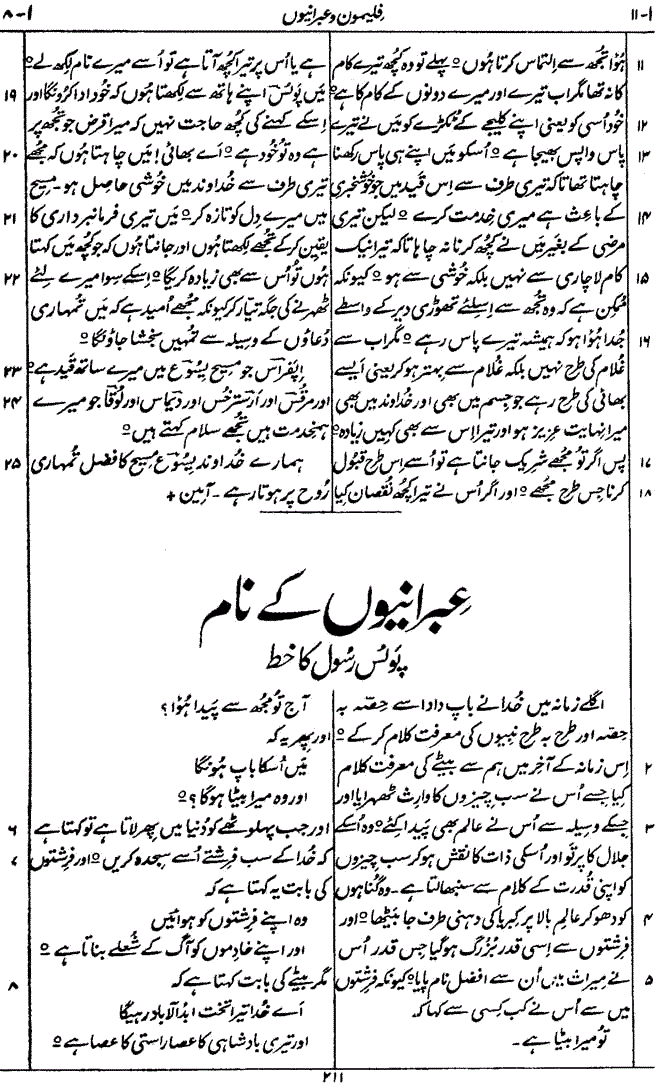
Part 1: Paul’s Epistle to Philemon (Verses 11-25)
Verse 11
Verse: Which in time past was to thee unprofitable but now profitable to thee and to me
-
Detailed Explanation (English): Paul plays on the name “Onesimus,” which literally means “profitable” or “useful.” Before his conversion to Christianity, Onesimus (a runaway slave) had been “unprofitable” to his master, Philemon, likely having stolen from him. However, after meeting Paul in prison and accepting Christ, his character transformed. He is now truly living up to his name—proving highly valuable not just to Paul in ministry, but also to Philemon as a transformed brother in faith.
-
تفصیلی وضاحت (Urdu): پولس رسول یہاں اونیسموس کے نام کے معنی (جو کہ “فائدہ مند” یا “مفید” ہے) پر کلام کر رہے ہیں۔ مسیحیت قبول کرنے سے پہلے، اونیسموس اپنے مالک فلیمون کے لیے ایک ناکارہ اور نقصان دہ غلام ثابت ہوا تھا کیونکہ وہ بھاگ گیا تھا۔ لیکن قید خانے میں پولس کے ذریعے ایمان لانے کے بعد، اس کی زندگی یکسر بدل گئی۔ اب وہ نہ صرف پولس کے لیے بلکہ فلیمون کے لیے بھی ایک سچا اور مفید بھائی بن چکا ہے۔
Verse 12
Verse: Whom I have sent again thou therefore receive him that is mine own bowels
-
Detailed Explanation (English): Paul is sending Onesimus back to Colossae to face Philemon. This required immense courage from both Paul and Onesimus under Roman law. By using the phrase “mine own bowels” (a Greek idiom for deep, heartfelt affection/inner emotions), Paul is telling Philemon that welcoming Onesimus back is equivalent to welcoming Paul’s own heart.
-
تفصیلی وضاحت (Urdu): پولس اونیسموس کو واپس فلیمون کے پاس بھیج رہے ہیں۔ رومی قانون کے تحت یہ ایک بڑا قدم تھا۔ پولس کہتے ہیں کہ “اسے یوں قبول کر جیسے وہ میرا اپنا دل ہو”۔ یہاں پولس اپنی گہری محبت کا اظہار کر رہے ہیں کہ اونیسموس اب ان کے لیے محض ایک خادم نہیں بلکہ ان کے وجود کا حصہ بن چکا ہے۔
Verse 13
Verse: Whom I would have retained with me that in thy stead he might have ministered unto me in the bonds of the gospel
-
Detailed Explanation (English): Paul expresses his personal desire to keep Onesimus with him in Rome. Since Paul was imprisoned (“in the bonds of the gospel”), Onesimus was providing vital physical and emotional support. Paul notes that this service is something Philemon himself would have gladly done if he were there; thus, Onesimus was acting as Philemon’s representative.
-
تفصیلی وضاحت (Urdu): پولس اعتراف کرتے ہیں کہ ان کی دلی خواہش تھی کہ وہ اونیسموس کو اپنے پاس ہی رکھیں تاکہ وہ قید کی حالت میں پولس کی خدمت کر سکے۔ وہ فلیمون کو جتاتے ہیں کہ اونیسموس کی یہ خدمت اصل میں فلیمون کی طرف سے ہونی چاہیے تھی، اس لیے اونیسموس وہاں فلیمون کا نمائندہ بن کر خدمت کر رہا تھا۔
Verse 14
Verse: But without thy mind would I do nothing that thy benefit should not be as it were of necessity but willingly
-
Detailed Explanation (English): Despite wanting to keep Onesimus, Paul refuses to act behind Philemon’s back or force his hand. He respects Philemon’s legal rights and Christian autonomy. Paul desires that Philemon’s kindness and ultimate forgiveness of Onesimus be a voluntary act of Christian love, not a forced obligation.
-
تفصیلی وضاحت (Urdu): پولس کہتے ہیں کہ وہ فلیمون کی مرضی اور اجازت کے بغیر کچھ نہیں کرنا چاہتے تھے۔ وہ نہیں چاہتے تھے کہ فلیمون کوئی بھی نیکی یا معافی مجبوری کے تحت کرے، بلکہ وہ چاہتے تھے کہ فلیمون پورے دل اور خوشی سے اونیسموس کو معاف کرے۔
Verse 15
Verse: For perhaps he therefore departed for a season that thou shouldest receive him for ever
-
Detailed Explanation (English): Paul provides a beautiful, providential perspective on the situation. He suggests that Onesimus’s temporary departure (running away) was permitted by God for a grander purpose: so that he could be transformed and returned to Philemon not just as a temporary earthly slave, but as an eternal brother in Christ.
-
تفصیلی وضاحت (Urdu): پولس یہاں خدا کی حکمت کی طرف اشارہ کرتے ہیں کہ شاید اونیسموس کچھ وقت کے لیے فلیمون سے اس لیے جدا ہوا تھا تاکہ جب وہ واپس لوٹے، تو ہمیشہ کے لیے خدا کے خاندان کا حصہ بن کر لوٹے، جہاں ان کا رشتہ اب کبھی ختم نہیں ہوگا۔
Verse 16
Verse: Not now as a servant but above a servant a brother beloved specially to me but how much more unto thee both in the flesh and in the Lord
-
Detailed Explanation (English): This verse strikes at the cultural roots of Roman slavery. While legally Onesimus might still be a slave, spiritually his status is completely altered. He is now “above a servant”—he is a beloved brother. He is precious to Paul spiritually, but even more so to Philemon, both in human relations (“in the flesh”) and in Christian fellowship (“in the Lord”).
-
تفصیلی وضاحت (Urdu): یہ آیت رومی غلامی کے نظام پر ایک گہرا روحانی وار ہے۔ پولس واضح کرتے ہیں کہ اب اونیسموس محض ایک غلام نہیں رہا، بلکہ غلام سے بڑھ کر ایک پیارا بھائی بن گیا ہے۔ وہ پولس کے لیے تو عزیز ہے ہی، لیکن فلیمون کے لیے جسمانی اور روحانی دونوں لحاظ سے اب بہت زیادہ قیمتی ہے۔
Verse 17
Verse: If thou count me therefore a partner receive him as myself
-
Detailed Explanation (English): Paul invokes his deep apostolic and personal partnership with Philemon. He asks Philemon to extend the exact same hospitality, grace, and acceptance to the runaway slave Onesimus that he would extend to Paul himself. This is a powerful demonstration of Christian unity and equality.
-
تفصیلی وضاحت (Urdu): پولس فلیمون سے اپنے شراکت دار ہونے کا واسطہ دیتے ہیں۔ وہ کہتے ہیں کہ اگر تو مجھے اپنا دینی بھائی اور شریک سمجھتا ہے، تو اونیسموس کو بالکل ویسے ہی قبول کر جیسے تو مجھے یعنی پولس کو اپنے گھر میں قبول کرتا۔
Verse 18
Verse: If he hath wronged thee or oweth thee ought put that on mine account
-
Detailed Explanation (English): This verse is a magnificent picture of substitution and imputation, mirroring what Jesus Christ did for humanity. If Onesimus caused financial loss or stole property when fleeing, Paul steps in as the guarantor, asking Philemon to charge all debts to Paul’s personal account.
-
تفصیلی وضاحت (Urdu): یہ آیت یسوع مسیح کے کفارے کی ایک خوبصورت تصویر ہے۔ پولس کہتے ہیں کہ اگر اونیسموس نے فلیمون کا کوئی نقصان کیا ہے یا وہ اس کا قرضدار ہے، تو وہ سارا قرضہ پولس کے کھاتے میں لکھ دیا جائے۔ پولس خود اس کا جرمانہ بھرنے کو تیار ہیں۔
Verse 19
Verse: I Paul have written it with mine own hand I will repay it albeit I do not say to thee how thou owest unto me even thine own self besides
-
Detailed Explanation (English): Paul takes the pen from his scribe to sign this as a legally binding promissory note (“written it with mine own hand”). However, he gently reminds Philemon of a much larger spiritual debt: Philemon owes his very salvation and eternal life to God through Paul’s ministry.
-
تفصیلی وضاحت (Urdu): پولس اپنے ہاتھ سے لکھ کر اس بات کی قانونی ضمانت دیتے ہیں کہ وہ نقصان پورا کریں گے۔ ساتھ ہی وہ فلیمون کو نرمی سے یاد دلاتے ہیں کہ فلیمون خود اپنی روحانی زندگی اور نجات کے لیے پولس کا احسان مند ہے، اس لیے مالی قرض اس روحانی قرض کے سامنے کچھ بھی نہیں ہے۔
Verse 20
Verse: Yea brother let me have joy of thee in the Lord refresh my bowels in the Lord
-
Detailed Explanation (English): Paul appeals to Philemon as a “brother,” requesting that he grant him this joy and spiritual satisfaction. By forgiving Onesimus, Philemon would deeply refresh Paul’s heart and spirit, bringing peace to Paul while he suffers in Roman custody.
-
تفصیلی وضاحت (Urdu): پولس فلیمون کو بھائی کہہ کر پکارتے ہیں اور کہتے ہیں کہ اونیسموس کو معاف کر کے وہ پولس کے دل کو خوشی اور تسلی دیں جو اس وقت قید میں دکھ اٹھا رہا ہے۔
Verse 21
Verse: Having confidence in thy obedience I wrote unto thee knowing that thou wilt also do more than I say
-
Detailed Explanation (English): Paul expresses complete confidence in Philemon’s Christian maturity and obedience to the principles of love. He hints that Philemon will likely go above and beyond what is explicitly asked—subtly implying that Philemon might even grant Onesimus his legal freedom.
-
تفصیلی وضاحت (Urdu): پولس کو فلیمون کی فرمانبرداری اور ایمانداری پر پورا بھروسہ ہے۔ وہ کہتے ہیں کہ میں جانتا ہوں کہ تو میری کہی ہوئی بات سے بڑھ کر اونیسموس کے ساتھ بھلائی کرے گا، جس میں شاید اسے غلامی سے آزاد کرنا بھی شامل تھا۔
Verse 22
Verse: But withal prepare me also a lodging for I trust that through your prayers I shall be given unto you
-
Detailed Explanation (English): Paul shifts to personal matters, maintaining hope for his release from prison. He asks Philemon to prepare a guest room for him, showing his deep faith in the power of the church’s collective prayers for his deliverance.
-
تفصیلی وضاحت (Urdu): پولس اپنی قید سے رہائی کی امید ظاہر کرتے ہوئے فلیمون سے کہتے ہیں کہ وہ ان کے ٹھہرنے کے لیے جگہ تیار رکھے۔ انہیں یقین ہے کہ کلیسیا کی دعاؤں کی بدولت خدا انہیں جلد رہا کر کے ان کے پاس بھیج دے گا۔
Verse 23
Verse: There salute thee Epaphras my fellowprisoner in Christ Jesus
-
Detailed Explanation (English): Paul sends greetings from Epaphras, who was likely the founder of the church in Colossae. Epaphras is described as a “fellowprisoner,” meaning he shared either Paul’s literal confinement or his intense spiritual struggles for the sake of the Gospel.
-
تفصیلی وضاحت (Urdu): پولس ایپفراس کی طرف سے سلام بھیجتے ہیں، جو غالباً کلسیے کی کلیسیا کے بانی تھے۔ پولس انہیں مسیح یسوع میں اپنا “ہم قیدی” کہتے ہیں، جو انجیل کی خاطر مصائب میں شریک تھے۔
Verse 24
Verse: Marcus Aristarchus Demas Lucas my fellowlabourers
-
Detailed Explanation (English): Paul lists his core ministry team present with him in Rome. Mark (who wrote the Gospel of Mark), Aristarchus, Demas (who later tragically abandoned Paul), and Luke (the beloved physician and author of Luke-Acts) are acknowledged as valuable co-workers in God’s kingdom.
-
تفصیلی وضاحت (Urdu): پولس اپنے دوسرے ساتھیوں کے سلام بھیجتے ہیں جن میں مرقس (اناجیل کے مصنف)، ارسترخس، دیماس (جو بعد میں دنیا کی محبت میں الگ ہو گیا) اور لوقا (طبیب اور لوقا کی انجیل کے مصنف) شامل ہیں، جنہیں وہ اپنے ہم خدمت کہتے ہیں۔
Verse 25
Verse: The grace of our Lord Jesus Christ be with your spirit Amen (Written from Rome to Philemon by Onesimus a servant)
-
Detailed Explanation (English): Paul concludes his letter with his trademark apostolic benediction, praying that the unmerited favor and empowerment of Jesus Christ rest upon the spirits of Philemon and his household. The historical postscript notes that the letter was carried from Rome back to Philemon by the hands of the now-transformed servant, Onesimus.
-
تفصیلی وضاحت (Urdu): پولس روایتی برکت کے ساتھ خط کا اختتام کرتے ہیں کہ خداوند یسوع مسیح کا فضل فلیمون اور اس کے گھرانے کی روح کے ساتھ رہے۔ معلوماتی نوٹ ظاہر کرتا ہے کہ یہ خط روم کی قید سے لکھا گیا اور خود اونیسموس کے ہاتھ فلیمون تک پہنچایا گیا۔
Part 2: The Epistle to the Hebrews (Chapter 1, Verses 1-8)
Verse 1
Verse: God who at sundry times and in divers manners spake in time past unto the fathers by the prophets
-
Detailed Explanation (English): This magnificent opening declares that God is a communicative deity. In Old Testament history, God spoke to the Hebrew ancestors (“the fathers”) progressively over long periods (“sundry times”) and through various methods (“divers manners”)—such as dreams, visions, types, and verbal proclamations given to the prophets.
-
تفصیلی وضاحت (Urdu): عبرانیوں کے خط کا یہ شاندار آغاز ظاہر کرتا ہے کہ خدا کلام کرنے والا خدا ہے۔ پرانے عہد نامے کے دور میں خدا نے باپ دادا سے مختلف وقتوں میں اور مختلف طریقوں سے (جیسے خوابوں، رویاؤں اور نشانات کے ذریعے) اپنے انبیاء کی معرفت کلام کیا۔
Verse 2
Verse: Hath in these last days spoken unto us by his Son whom he hath appointed heir of all things by whom also he made the worlds
-
Detailed Explanation (English): While past revelation was fragmentary, God’s ultimate, definitive revelation has arrived in “these last days” through His Son, Jesus Christ. The author establishes Christ’s absolute cosmic supremacy: He is both the ultimate Creator through whom the entire universe (“the worlds”) was fashioned and the rightful heir destined to inherit all creation.
-
تفصیلی وضاحت (Urdu): پرانے وقتوں کی ادھوری وحی کے برعکس، ان آخری دنوں میں خدا نے اپنے بیٹے (یسوع مسیح) کے ذریعے ہم سے کامل کلام کیا ہے۔ بیٹا کائنات کا مرکز ہے؛ وہی تمام چیزوں کا وارث ہے اور اسی کے وسیلے سے خدا نے تمام جہانوں کو پیدا کیا۔
Verse 3
Verse: Who being the brightness of his glory and the express image of his person and upholding all things by the word of his power when he had by himself purged our sins sat down on the right hand of the Majesty on high
-
Detailed Explanation (English): This is one of the most profound Christological statements in the Bible. Jesus is the literal radiance (“brightness”) of God’s glory and the exact representation (“express image”) of God’s essence. He actively sustains the cosmos by His powerful word. Furthermore, after completing the ultimate priestly work of cleansing humanity’s sins through His sacrifice, He assumed the ultimate position of cosmic authority at the right hand of God the Father.
-
تفصیلی وضاحت (Urdu): یہ آیت یسوع مسیح کی الوہیت کا سب سے بڑا ثبوت ہے۔ مسیح خدا کے جلال کا پرتو اور اس کی ذات کا عین نقش ہے۔ وہ اپنے قدرت کے کلام سے کائنات کو سنبھالتا ہے۔ اپنے خون کے ذریعے ہمارے گناہوں کو دھونے کے بعد، وہ آسمان پر خدا کی داہنی طرف عظیم مرتبہ پر بیٹھ گیا، جو اس کی بادشاہی اور فتح کا نشان ہے۔
Verse 4
Verse: Being made so much better than the angels as he hath by inheritance obtained a more excellent name than they
-
Detailed Explanation (English): The author begins a theological argument to prove Christ is vastly superior to angels, whom the first-century Jews highly revered. Christ’s superiority is rooted in His very identity and ontological status; by divine inheritance, He possesses the supreme name and title of “Son,” which places Him infinitely above any angelic being.
-
تفصیلی وضاحت (Urdu): مصنف یہودیوں کے سامنے یہ ثابت کر رہے ہیں کہ مسیح فرشتوں سے کہیں زیادہ افضل ہے۔ اس کی یہ برتری اس کے نام اور منصب سے ظاہر ہوتی ہے کیونکہ ورثے میں اسے جو نام (یعنی “بیٹا”) ملا ہے، وہ فرشتوں کے ناموں سے کہیں زیادہ بزرگ اور اعلیٰ ہے۔
Verse 5
Verse: For unto which of the angels said he at any time Thou art my Son this day have I begotten thee And again I will be to him a Father and he shall be to me a Son
-
Detailed Explanation (English): Quoting directly from Psalm 2:7 and 2 Samuel 7:14, the author uses scripture to show that God never addressed an individual angel with the intimate, sovereign title of “Son.” This unique, eternal relationship belongs exclusively to Jesus Christ, demonstrating His unique status as the Messianic King.
-
تفصیلی وضاحت (Urdu): زبور 2:7 اور 2 سموئیل 7:14 کا حوالہ دیتے ہوئے پوچھا گیا ہے کہ خدا نے کبھی کسی فرشتے سے نہیں کہا کہ “تو میرا بیٹا ہے، آج میں نے تجھے جنا”۔ یہ گہرا اور منفرد رشتہ صرف یسوع مسیح اور خدا باپ کے درمیان ہے، جو مسیح کے ابنِ خدا ہونے کی تصدیق کرتا ہے۔
Verse 6
Verse: And again when he bringeth in the firstbegotten into the world he saith And let all the angels of God worship him
-
Detailed Explanation (English): When God introduces Jesus (the “firstbegotten,” implying primary status and preeminence) into the inhabited world, the divine command goes forth for all angels to worship Him. Since only Yahweh God can rightfully receive worship according to Jewish law, this command explicitly confirms that Jesus Christ is fully divine.
-
تفصیلی وضاحت (Urdu): جب خدا اپنے اکلوتے اور پہلوٹھے بیٹے کو دنیا میں لاتا ہے، تو وہ تمام فرشتوں کو حکم دیتا ہے کہ “خدا کے سب فرشتے اسے سجدہ کریں”۔ چونکہ سجدہ اور پرستش صرف خدا کا حق ہے، اس لیے فرشتوں کو یہ حکم دینا ثابت کرتا ہے کہ یسوع خود معبود اور خدا ہے۔
Verse 7
Verse: And of the angels he saith Who maketh his angels spirits and his ministers a flame of fire
-
Detailed Explanation (English): Quoting Psalm 104:4, the author explains the created, servant nature of angels. Angels are mutable resources; they are made into “spirits” (winds) and “flames of fire” to serve God’s purposes. They are elements of creation, subject to change and transformation based on the Creator’s will.
-
تفصیلی وضاحت (Urdu): زبور 104:4 کے مطابق، فرشتے صرف خادم اور مخلوق ہیں۔ خدا انہیں اپنی مرضی کے مطابق ہوا اور آگ کے شعلے کی مانند بدلتا ہے تاکہ وہ اس کے احکامات بجا لائیں۔ وہ کائنات کے کارندے ہیں، حاکم نہیں ہیں۔
Verse 8
Verse: But unto the Son he saith Thy throne O God is for ever and ever a sceptre of righteousness is the sceptre of thy kingdom
-
Detailed Explanation (English): In direct contrast to the servant status of angels, God the Father addresses the Son explicitly as “O God” (quoting Psalm 45:6-7). This text decisively proclaims Christ’s internal deity and eternal rule. His throne is unshakeable, everlasting, and characterized by perfect moral uprightness (“a sceptre of righteousness”).
-
تفصیلی وضاحت (Urdu): فرشتوں کے برعکس، خدا باپ اپنے بیٹے کو مخاطب کر کے صاف لفظوں میں کہتا ہے: “اے خدا، تیرا تخت ابدالآباد رہے گا“۔ یہ زبور 45:6-7 کا اقتباس ہے جہاں مسیح کو خود “خدا” کہا گیا ہے، جس کی بادشاہی ابدی ہے اور جس کا انصاف اور سچائی کا راج کبھی ختم نہیں ہوگا۔