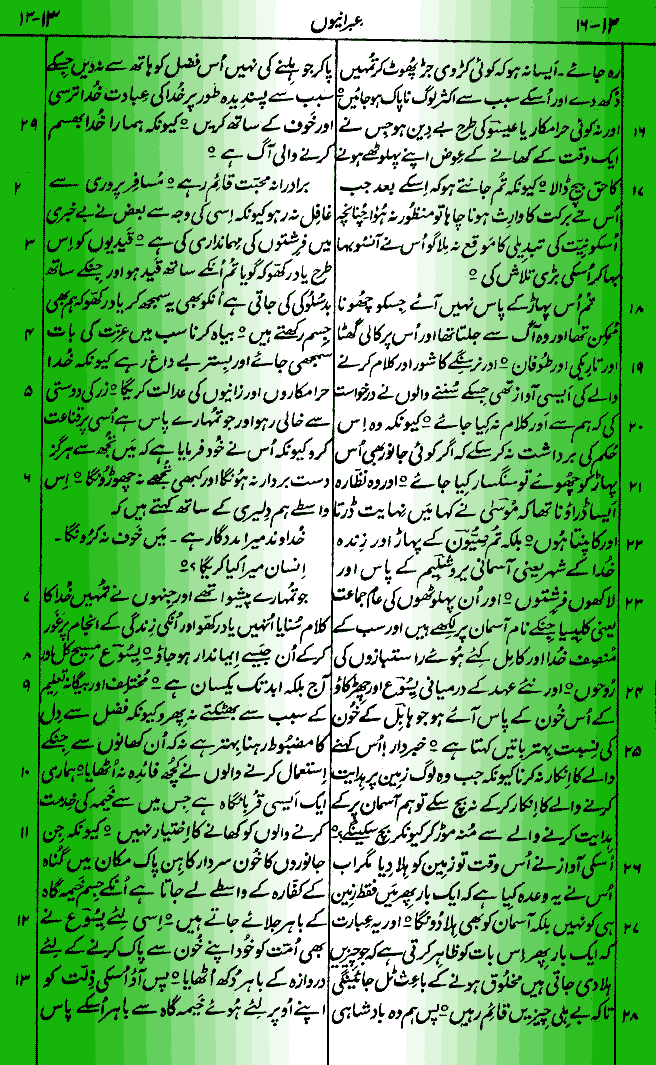
Verse-by-Verse Commentary (Hebrews 12:16 – 13:13)
Hebrews 12:16
Verse: Lest there be any fornicator or profane person as Esau who for one morsel of meat sold his birthright
English Explanation
This verse serves as a stern warning against spiritual carelessness and prioritizing immediate physical desires over eternal spiritual blessings. The writer uses Esau as a tragic historical example. Esau was “profane” because he treated something sacred—his birthright, which carried the spiritual blessing of Abraham’s lineage—with utter contempt, trading it away just to satisfy his temporary hunger with a single meal. It warns believers not to trade their eternal inheritance in Christ for fleeting worldly pleasures.
Urdu Explanation (اُردو تشریح)
یہ آیت ہمیں روحانی غفلت اور عارضی جسمانی خواہشات کو ابدی روحانی برکات پر ترجیح دینے کے خلاف سخت انتباہ کرتی ہے۔ یہاں عیسو کی تاریخی اور افسوسناک مثال دی گئی ہے۔ عیسو کو “بے دین” یا “دنیا دار” کہا گیا کیونکہ اس نے اپنے پہلوٹھے کے حق کو (جو کہ ابراہام کی نسل کی روحانی برکت کا حامل تھا) معمولی سمجھا اور محض اپنی عارضی بھوک مٹانے کے لیے اسے کھانے کے ایک نوالے کے عوض بیچ دیا۔ یہ آیت ایمان داروں کو خبردار کرتی ہے کہ وہ مسیح میں ملنے والی اپنی ابدی وراثت کو دنیا کی فانی لذتوں کے بدلے ضائع نہ کریں۔
Hebrews 12:17
Verse: For ye know how that afterward when he would have inherited the blessing he was rejected for he found no place of repentance though he sought it carefully with tears
English Explanation
Here we see the irreversible consequence of Esau’s foolish decision. When he later realized his mistake and desperately wanted to inherit his father Isaac’s blessing, it was too late. The phrase “found no place of repentance” means he could not change his father’s mind or undo the legal and spiritual reality of what he had sold, despite his bitter weeping. It highlights the sobering truth that some spiritual choices have permanent consequences.
Urdu Explanation (اُردو تشریح)
یہاں ہم عیسو کے احمقانہ فیصلے کے ناقابلِ واپسی نتائج کو دیکھتے ہیں۔ جب بعد میں اسے اپنی غلطی کا احساس ہوا اور وہ شدت سے اپنے باپ اسحاق کی برکت حاصل کرنا چاہتا تھا، تو وقت ہاتھ سے نکل چکا تھا۔ “توبہ کا موقع نہ ملا” کا مطلب یہ ہے کہ وہ اپنے باپ کا فیصلہ تبدیل نہ کر سکا اور نہ ہی اس قانونی و روحانی حقیقت کو بدل سکا جو وہ بیچ چکا تھا، اگرچہ وہ آنسو بہا بہا کر اسے تلاش کرتا رہا۔ یہ آیت اس سنجیدہ سچائی کو ظاہر کرتی ہے کہ بعض روحانی فیصلوں کے نتائج مستقل ہوتے ہیں۔
Hebrews 12:18
Verse: For ye are not come unto the mount that might be touched and that burned with fire nor unto blackness and darkness and tempest
English Explanation
The writer begins a powerful contrast between the Old Covenant given at Mount Sinai and the New Covenant in Jesus Christ. Mount Sinai was a physical, earthly mountain characterized by terrifying elemental forces: consuming fire, thick darkness, gloom, and violent storms. This imagery depicts the terrifying holiness of God under the Law, which kept sinful humanity at a distance due to fear and judgment.
Urdu Explanation (اُردو تشریح)
مصنف یہاں پرانے عہد (جو کوہِ سینا پر دیا گیا) اور نئے عہد (جو یسوع مسیح میں ملا) کے درمیان ایک گہرا موازنہ شروع کرتا ہے۔ کوہِ سینا ایک ایسا مادی اور زمینی پہاڑ تھا جس پر خوفناک قدرتی نشانیاں ظاہر ہوئیں: بھڑکتی ہوئی آگ، گہرا اندھیرا، تاریکی اور تند و تیز طوفان۔ یہ منظر شریعت کے تحت خدا کے ہولناک تقدس کو ظاہر کرتا ہے، جس نے گناہگار انسان کو خوف اور عدالت کے باعث خدا سے دور رکھا۔
Hebrews 12:19
Verse: And the sound of a trumpet and the voice of words which voice they that heard intreated that the word should not be spoken to them any more
English Explanation
At Sinai, the giving of the Law was accompanied by a supernatural trumpet blast and a booming divine voice. The experience was so terrifyingly overwhelming that the Israelites begged Moses to act as a mediator because they could not bear to hear God speak directly to them anymore, fearing they would die. It emphasizes the unapproachable majesty of God under the legalistic system of the Old Covenant.
Urdu Explanation (اُردو تشریح)
کوہِ سینا پر جب شریعت دی جا رہی تھی تو اس کے ساتھ نرسنگے کی آواز اور خدا کے کلام کی گونج شامل تھی۔ یہ تجربہ اس قدر خوفناک اور ہیبت ناک تھا کہ بنی اسرائیل نے موسیٰ سے التجا کی کہ وہ ان کے درمیان درمیانی کا کردار ادا کرے، کیونکہ وہ خدا کی آواز براہِ راست سننے کی تاب نہیں رکھتے تھے اور انہیں اپنی موت کا ڈر تھا۔ یہ پرانے عہد کے تحت خدا کی ناقابلِ رسائی عظمت اور جلال کو ظاہر کرتا ہے۔
Hebrews 12:20
Verse: For they could not endure that which was commanded And if so much as a beast touch the mountain it shall be stoned or thrust through with a dart
English Explanation
The holiness of God demanded strict boundaries. The commandment was so rigid that even an innocent animal wandering onto the mountain had to be executed immediately by stoning or arrows—no human could even touch the beast to remove it. This illustrates the absolute barrier between a holy God and a corrupted world under the Old Covenant framework.
Urdu Explanation (اُردو تشریح)
خدا کا تقدس سخت حدود کا تقاضا کرتا تھا۔ یہ حکم اس قدر سخت تھا کہ اگر کوئی بے زبان جانور بھی غلطی سے پہاڑ کو چھو لیتا، تو اسے پتھراؤ کر کے یا تیر مار کر فوراً ہلاک کر دیا جاتا تھا—کوئی انسان اسے ہٹانے کے لیے چھو بھی نہیں سکتا تھا۔ یہ پرانے عہد کے نظام کے تحت ایک مقدس خدا اور گناہ آلود دنیا کے درمیان کامل جدائی اور فاصلے کو ظاہر کرتا ہے۔
Hebrews 12:21
Verse: And so terrible was the sight that Moses said I exceedingly fear and quake
English Explanation
Even Moses, the great leader and prophet who had a unique relationship with God, was completely terrified by the overwhelming display of divine majesty at Sinai. His trembling highlights that the law, on its own, brings terror and condemnation rather than peaceful intimacy with the Creator.
Urdu Explanation (اُردو تشریح)
حتیٰ کہ موسیٰ بھی، جو کہ ایک عظیم رہنما اور نبی تھے اور خدا کے ساتھ خاص تعلق رکھتے تھے، سینا پر خدا کے جلال اور قدرت کے اس ہیبت ناک مروّجہ اظہار سے بری طرح خوفزدہ ہو گئے۔ ان کا کانپنا اس بات کو واضح کرتا ہے کہ شریعت بذاتِ خود انسان کے لیے خوف اور سزا کا باعث بنتی ہے، نہ کہ خالق کے ساتھ پُرامن قربت کا۔
Hebrews 12:22
Verse: But ye are come unto mount Sion and unto the city of the living God the heavenly Jerusalem and to an innumerable company of angels
English Explanation
Now the glorious contrast is revealed. New Covenant believers do not approach the terrifying, physical Mount Sinai; instead, they approach Mount Zion. This is a spiritual realm—the heavenly Jerusalem, the eternal city of the living God. It is characterized not by terrifying storms, but by joy, peace, and a joyful gathering of countless angels.
Urdu Explanation (اُردو تشریح)
اب یہاں ایک شاندار موازنہ سامنے آتا ہے۔ نئے عہد کے ایمان دار کوہِ سینا کے اس خوفناک اور مادی پہاڑ کے پاس نہیں آتے، بلکہ وہ کوہِ صیون کے پاس آتے ہیں۔ یہ ایک روحانی مقام ہے—یعنی زندہ خدا کا شہر، آسمانی یروشلم۔ اس کی خصوصیت خوفناک طوفان نہیں، بلکہ خوشی، امن اور بے شمار فرشتوں کی شادمانہ جماعت ہے۔
Hebrews 12:23
Verse: To the general assembly and church of the firstborn which are written in heaven and to God the Judge of all and to the spirits of just men made perfect
English Explanation
Believers are now unified with the global and heavenly Church. The “firstborn” refers to those who share in Christ’s inheritance, whose names are permanently registered in heaven. Furthermore, believers can approach God—who is the ultimate Judge—without terror because they are counted among the “spirits of just men made perfect,” meaning believers who have been completely justified and perfected through Christ.
Urdu Explanation (اُردو تشریح)
ایمان دار اب زمین اور آسمان کی عالمگیر کلیسیا کے ساتھ متحد ہو چکے ہیں۔ “پہلوٹھوں” سے مراد وہ لوگ ہیں جو مسیح کی وراثت میں شریک ہیں اور جن کے نام آسمان پر لکھے جا چکے ہیں۔ مزید برآں، ایمان دار اب خدا کے پاس—جو سب کا منصف ہے—بغیر کسی خوف کے آ سکتے ہیں، کیونکہ وہ ان “راستبازوں کی روحوں” میں شامل ہیں جنہیں مسیح کے وسیلے سے کامل اور گناہ سے پاک کیا گیا ہے۔
Hebrews 12:24
Verse: And to Jesus the mediator of the new covenant and to the blood of sprinkling that speaketh better things than that of Abel
English Explanation
The crowning glory of the New Covenant is Jesus Himself, who serves as our Mediator. His shed blood is described as the “blood of sprinkling.” While Abel’s blood cried out from the ground for vengeance and justice, Jesus’ blood speaks a much better word: it cries out for forgiveness, mercy, reconciliation, and eternal redemption for all who believe.
Urdu Explanation (اُردو تشریح)
نئے عہد کا سب سے بڑا اور شاندار مرکز خود یسوع مسیح ہے، جو ہمارا درمیانی ہے۔ اس کے بہائے ہوئے خون کو “چھڑکاؤ کا خون” کہا گیا ہے۔ جہاں ہابیل کا خون زمین سے انتقام اور انصاف کے لیے پکارتا تھا، وہاں یسوع کا خون اس سے کہیں بہتر باتیں کہتا ہے: یہ ایمان لانے والوں کے لیے معافی، رحم، ملاپ اور ابدی مخلصی کی پکار کرتا ہے۔
Hebrews 12:25
Verse: See that ye refuse not him that speaketh For if they escaped not who refused him that spake on earth much more shall not we escape if we turn away from him that speaketh from heaven
English Explanation
Because the New Covenant is so much greater, the responsibility is also much higher. The writer warns readers not to reject the voice of God. If the ancient Israelites did not escape physical judgment when they disobeyed God’s earthly warnings via Moses at Sinai, how much harsher will the spiritual judgment be for those who reject the gospel spoken directly from heaven through God’s own Son?
Urdu Explanation (اُردو تشریح)
چونکہ نیا عہد پرانے عہد سے کہیں زیادہ عظیم ہے، اس لیے ہماری ذمہ داری بھی بہت بڑی ہے۔ مصنف پڑھنے والوں کو خبردار کرتا ہے کہ وہ خدا کی آواز کو رد نہ کریں۔ اگر پرانے وقتوں کے بنی اسرائیل زمینی طور پر کوہِ سینا پر موسیٰ کے ذریعے دی گئی خدا کی تنبیہ کو نہ مان کر سزا سے نہ بچ سکے، تو ہم ابدی اور روحانی سزا سے کیسے بچیں گے اگر ہم اس خدا سے منہ موڑ لیں جو آسمان سے اپنے بیٹے کے ذریعے ہم سے کلام کرتا ہے؟
Hebrews 12:26
Verse: Whose voice then shook the earth but now he hath promised saying Yet once more I shake not the earth only but also heaven
English Explanation
At Mount Sinai, God’s voice literally shook the physical earth. However, looking forward, God has promised a final, cosmic shaking. This prophecy (from Haggai 2:6) declares that a time is coming when God will shake not just the earth, but the heavenly, spiritual spaces as well, destabilizing everything that is temporal.
Urdu Explanation (اُردو تشریح)
کوہِ سینا پر خدا کی آواز نے لفظی طور پر زمین کو ہلا دیا تھا۔ لیکن مستقبل کی طرف دیکھتے ہوئے، خدا نے ایک آخری اور کائناتاتی ارتعاش (ہلا دینے) کا وعدہ کیا ہے۔ یہ پیشگوئی (حجّی 2:6 سے) ظاہر کرتی ہے کہ ایک ایسا وقت آنے والا ہے جب خدا نہ صرف زمین کو بلکہ آسمان کو بھی ہلا دے گا، جس سے ہر فانی چیز متزلزل ہو جائے گی۔
Hebrews 12:27
Verse: And this word Yet once more signifieth the removing of those things that are shaken as of things that are made that those things which cannot be shaken may remain
English Explanation
The phrase “Yet once more” indicates a final, total transformation of creation. God will shake away and dissolve everything that is temporary, created, and corrupted by sin. The purpose of this ultimate shaking is to clear away the temporary world so that only the eternal, unshakeable realities—God’s kingdom and His redeemed people—will remain forever.
Urdu Explanation (اُردو تشریح)
یہ الفاظ “صرف ایک بار پھر” کائنات کی آخری اور مکمل تبدیلی کی طرف اشارہ کرتے ہیں۔ خدا ہر اس چیز کو ہلا کر ختم کر دے گا جو فانی ہے، مخلوق ہے، اور گناہ سے آلودہ ہے۔ اس آخری ارتعاش کا مقصد عارضی دنیا کو ہٹانا ہے تاکہ صرف وہی چیزیں قائم رہیں جو ابدی اور غیر متزلزل ہیں—یعنی خدا کی بادشاہی اور اس کے نجات یافتہ لوگ۔
Hebrews 12:28
Verse: Wherefore we receiving a kingdom which cannot be moved let us have grace whereby we may serve God acceptably with reverence and godly fear
English Explanation
Since believers belong to this unshakeable eternal kingdom, our response should be deep gratitude. We are encouraged to hold fast to God’s grace, which empowers us to offer true worship and service. This service must not be casual, but marked by deep reverence, awe, and a healthy, holy fear of God’s majestic holiness.
Urdu Explanation (اُردو تشریح)
چونکہ ہم ایمان دار اس غیر متزلزل اور ابدی بادشاہی کے وارث ہیں، اس لیے ہمارا ردِعمل گہرے شکرگزارانہ دل کے ساتھ ہونا چاہیے۔ ہمیں خدا کے فضل کو مضبوطی سے تھامے رکھنے کی ترغیب دی گئی ہے، جو ہمیں سچی عبادت اور خدمت کرنے کی قوت دیتا ہے۔ یہ خدمت سرسری نہیں ہونی چاہیے، بلکہ اس میں گہرا احترام، تعظیم اور خدا کے تقدس کا پاکیزہ خوف شامل ہونا چاہیے۔
Hebrews 12:29
Verse: For our God is a consuming fire
English Explanation
This short but powerful verse reminds us that while God is merciful and loving under the New Covenant, His fundamental, holy essence has not changed. He remains a “consuming fire” who will completely destroy sin, wickedness, and hypocrisy. It serves as a concluding warning to take our faith and obedience seriously.
Urdu Explanation (اُردو تشریح)
یہ مختصر لیکن طاقتور آیت ہمیں یاد دلاتی ہے کہ اگرچہ خدا نئے عہد کے تحت رحیم اور شفیق ہے، لیکن اس کی بنیادی پاکیزہ ذات تبدیل نہیں ہوئی۔ وہ اب بھی ایک “بھسم کرنے والی آگ” ہے جو گناہ، شرارت اور منافقت کو مکمل طور پر نیست و نابود کر دے گی۔ یہ ہمارے ایمان اور فرماں برداری کو سنجیدگی سے لینے کے لیے ایک حتمی تنبیہ ہے۔
Hebrews 13:1
Verse: Let brotherly love continue
English Explanation
Transitioning into practical instructions for daily living in Chapter 13, the writer starts with the foundation of Christian relationships: brotherly love (Philadelphia). Believers are urged to actively maintain, protect, and practice love toward one another within the community of faith, ensuring it never grows cold.
Urdu Explanation (اُردو تشریح)
باب 13 میں روزمرہ کی زندگی کے عملی احکامات کی طرف بڑھتے ہوئے، مصنف مسیحی تعلقات کی بنیاد سے شروعات کرتا ہے: یعنی برادرانہ محبت۔ ایمان داروں پر زور دیا گیا ہے کہ وہ ایمانی برادری کے اندر ایک دوسرے کے لیے محبت کو ہمیشہ قائم رکھیں، اس کی حفاظت کریں اور اسے کبھی ٹھنڈا نہ پڑنے دیں۔
Hebrews 13:2
Verse: Be not forgetful to entertain strangers for thereby some have entertained angels unawares
English Explanation
Hospitality was a vital duty in the early church, especially for traveling believers and evangelists. The writer notes that by showing kindness and opening their homes to strangers, some Old Testament saints (like Abraham and Lot) actually welcomed angels without realizing it at the time. Generosity can unlock unexpected divine blessings.
Urdu Explanation (اُردو تشریح)
ابتدائی کلیسیا میں مسافر نوازی (مہمان نوازی) ایک انتہائی اہم فریضہ تھا، خاص طور پر مسافر ایمان داروں اور منادوں کے لیے۔ مصنف یاد دلاتا ہے کہ اجنبیوں کے ساتھ ہمدردی کرنے اور ان کے لیے اپنے گھروں کے دروازے کھولنے کے وسیلے سے، پرانے عہد نامے کے بعض بزرگوں (جیسے ابراہام اور لوط) نے نادانستگی میں فرشتوں کی مہمان نوازی کی تھی۔ سخاوت غیر متوقع الٰہی برکات کا سبب بن سکتی ہے۔
Hebrews 13:3
Verse: Remember them that are in bonds as bound with them and them which suffer adversity as being yourselves also in the body
English Explanation
Believers are commanded to practice deep empathy toward persecuted Christians. We must remember and support prisoners of faith as if we were chained right beside them. Since we are all part of the same physical human experience and the spiritual Body of Christ, the suffering of one should be felt deeply by all.
Urdu Explanation (اُردو تشریح)
ایمان داروں کو حکم دیا گیا ہے کہ وہ ستاۓ جانے والے مسیحیوں کے ساتھ گہری ہمدردی کا اظہار کریں۔ ہمیں قیدِ تنہائی میں پڑے ایمان داروں کو اس طرح یاد رکھنا اور ان کی مدد کرنی چاہیے جیسے ہم خود ان کے ساتھ زنجیروں میں جکڑے ہوئے ہوں۔ چونکہ ہم سب ایک ہی انسانی جسم اور مسیح کے روحانی بدن کا حصہ ہیں، اس لیے ایک کا دکھ سب کا دکھ ہونا چاہیے۔
Hebrews 13:4
Verse: Marriage is honourable in all and the bed undefiled but whoremongers and adulterers God will judge
English Explanation
This verse establishes God’s high standard for human sexuality and marriage. Marriage is a holy and honorable institution designed by God, and marital intimacy is pure and undefiled. However, God fiercely warns that those who engage in sexual immorality outside of marriage (fornication and adultery) will ultimately face His divine judgment.
Urdu Explanation (اُردو تشریح)
یہ آیت انسانی جنسیت اور ازدواجی زندگی کے لیے خدا کے اعلیٰ معیار کو قائم کرتی ہے۔ شادی خدا کا بنایا ہوا ایک پاک اور معزز ادارہ ہے، اور میاں بیوی کا باہمی تعلق پاک اور بے عیب ہے۔ تاہم، خدا سختی سے خبردار کرتا ہے کہ جو لوگ شادی کے دائرے سے باہر جنسی بے راہ روی (حرام کاری اور زناکاری) کے مرتکب ہوتے ہیں، خدا خود ان کی عدالت کرے گا۔
Hebrews 13:5
Verse: Let your conversation be without covetousness and be content with such things as ye have for he hath said I will never leave thee nor forsake thee
English Explanation
“Conversation” here refers to one’s entire conduct and lifestyle. Believers are told to live free from the love of money and greed, practicing true contentment with what they currently possess. The ultimate ground for this contentment is God’s beautiful, unbreakable promise: He will never desert, abandon, or forsake His people.
Urdu Explanation (اُردو تشریح)
یہاں “چال چلن” سے مراد انسان کا طرزِ زندگی اور رویہ ہے۔ ایمان داروں کو ہدایت کی گئی ہے کہ وہ روپے پیسے کے لالچ اور طمع سے دور رہیں، اور جو کچھ ان کے پاس موجود ہے اسی پر قناعت کریں۔ اس قناعت کی سب سے بڑی وجہ خدا کا وہ خوبصورت اور اٹل وعدہ ہے جس میں اس نے فرمایا: “میں تجھے ہرگز نہ چھوڑوں گا اور نہ کبھی تجھے اپنے سے جدا کروں گا۔”
Hebrews 13:6
Verse: So that we may boldly say The Lord is my helper and I will not fear what man shall do unto me
English Explanation
Because God is eternally present and dependable, believers can face any trial, poverty, or human opposition with unshakeable boldness. Relying on God’s character, we can confidently declare that since the Almighty Lord is our protector, we do not need to live in fear of whatever harm mere humans might try to inflict upon us.
Urdu Explanation (اُردو تشریح)
چونکہ خدا ہمیشہ ہمارے ساتھ ہے اور وفادار ہے، اس لیے ایمان دار کسی بھی آزمائش، غربت یا انسانی مخالفت کا سامنا بے خوف ہو کر کر سکتے ہیں۔ خدا کی ذات پر بھروسہ کرتے ہوئے ہم بڑے دعوے کے ساتھ کہہ سکتے ہیں کہ جب قادرِ مطلق خداوند میرا مددگار ہے، تو مجھے اس بات کا کوئی خوف نہیں کہ انسان میرا کیا بگاڑ سکتا ہے۔
Hebrews 13:7
Verse: Remember them which have the rule over you who have spoken unto you the word of God whose faith follow considering the end of their conversation
Explanation
Believers are instructed to respect and remember their spiritual leaders and pastors who faithfully taught them the Word of God. We are encouraged to closely observe the practical, faithful outcomes of their lifelong conduct and to actively imitate their steady faith and devotion to Christ.
Urdu Explanation (اُردو تشریح)
ایمان داروں کو ہدایت کی گئی ہے کہ وہ اپنے ان روحانی رہنماؤں اور خادموں کو یاد رکھیں اور ان کی عزت کریں جنہوں نے انہیں خدا کا کلام سکھایا۔ ہمیں ترغیب دی گئی ہے کہ ہم ان کی زندگی کے ایمان دارانہ انجام اور پاکیزہ طرزِ زندگی کا غور سے مشاہدہ کریں اور ان کے ایمان کی پیروی کریں۔
Hebrews 13:8
Verse: Jesus Christ the same yesterday and to day and for ever
English Explanation
This is one of the most foundational declarations in the New Testament. While human leaders pass away and circumstances constantly shift, Jesus Christ is completely immutable. His character, His love, His power, His promises, and His saving truth remain absolutely identical throughout the past, present, and all of eternity.
Urdu Explanation (اُردو تشریح)
یہ نئے عہد نامے کے سب سے بنیادی اور اہم ترین اعلانات میں سے ایک ہے۔ اگرچہ دنیا کے انسانی رہنما رخصت ہو جاتے ہیں اور حالات مسلسل بدلتے رہتے ہیں، لیکن یسوع مسیح کی ذات بالکل غیر تبدیل شدہ ہے۔ اس کا کردار، اس کی محبت، اس کی قدرت، اس کے وعدے اور اس کی نجات بخش سچائی ماضی، حال اور ابد تک یکساں ہیں۔
Hebrews 13:9
Verse: Be not carried about with divers and strange doctrines For it is a good thing that the heart be established with grace not with meats which have not profited them that have been occupied therein
English Explanation
Believers are warned against being swept away by unstable, foreign theological ideas or legalistic traditions. Spiritual strength and stability come exclusively through relying on God’s unmerited grace, not by obsessing over ritual dietary laws (“meats”). Those external, Old Covenant ritual practices have zero power to bring inner spiritual profit or transformation.
Urdu Explanation (اُردو تشریح)
ایمان داروں کو خبردار کیا گیا ہے کہ وہ مختلف قسم کی اور اجنبی تعلیمات یا شریعت کے ظاہری اصولوں کے پیچھے بہہ نہ جائیں۔ دل کی مضبوطی اور روحانی استحکام صرف اور صرف خدا کے فضل پر قائم رہنے سے حاصل ہوتا ہے، نہ کہ کھانے پینے کی چیزوں کے ظاہری مروّجہ قوانین پر عمل کرنے سے۔ ان ظاہری رسم و رواج پر عمل کرنے والوں کو کوئی حقیقی روحانی فائدہ یا اندرونی تبدیلی حاصل نہیں ہوئی۔
Hebrews 13:10
Verse: We have an altar whereof they have no right to eat which serve the tabernacle
English Explanation
The writer highlights a spiritual division: Christians have a spiritual altar (the cross and the supreme sacrifice of Jesus Christ). Those who continue to cling strictly to the obsolete Old Covenant temple rituals (“serve the tabernacle”) have no legal or spiritual right to partake in the life-giving spiritual nourishment that flows from Christ’s sacrifice.
Urdu Explanation (اُردو تشریح)
مصنف یہاں ایک روحانی فرق کو واضح کرتا ہے: ہم مسیحیوں کے پاس ایک قربان گاہ ہے (یعنی صلیب اور یسوع مسیح کی کامل قربانی)۔ جو لوگ اب بھی پرانے عہد کے منسوخ شدہ ہیکل کے رسوم و رواج پر اصرار کرتے ہیں اور “خیمے کی خدمت کرتے ہیں”، ان کے پاس اس روحانی اور زندگی بخش خوراک سے فائدہ اٹھانے کا کوئی حق نہیں ہے جو مسیح کی قربانی سے ملتی ہے۔
Hebrews 13:11
Verse: For the bodies of those beasts whose blood is brought into the sanctuary by the high priest for sin are burned without the camp
English Explanation
On the Old Testament Day of Atonement (Yom Kippur), the high priest brought the blood of sacrificial animals into the Holy of Holies to deal with sin. However, the actual physical bodies of those animals could not remain inside; they were taken completely outside the borders of the Israelite camp and burned to ashes.
Urdu Explanation (اُردو تشریح)
پرانے عہد نامے کے مطابق، کفارے کے دن (یومِ کفارہ) بڑا کاہن گناہ کی قربانی کے جانوروں کا خون پاک ترین مقام (پاکِ پاکان) میں لے جاتا تھا، لیکن ان جانوروں کے جسموں کو اسرائیل کے خیمہ گاہ کے اندر نہیں رکھا جاتا تھا، بلکہ انہیں خیمہ گاہ سے بالکل باہر لے جا کر آگ میں جلا دیا جاتا تھا۔
Hebrews 13:12
Verse: Wherefore Jesus also that he might sanctify the people with his own blood suffered without the gate
English Explanation
Jesus perfectly fulfilled this Old Testament prophetic pattern. To wash away our sins and sanctify His people through His own spotless blood, Jesus did not die inside the holy city walls of Jerusalem. Instead, He was led “without the gate,” suffering and dying on the cross at Golgotha, outside the city boundaries, rejected by the religious establishment.
Urdu Explanation (اُردو تشریح)
یسوع نے پرانے عہد نامے کے اس تمثیلی اور نبوتی خاکے کو کمال کے ساتھ پورا کیا۔ اپنے پاک خون کے وسیلے سے لوگوں کو مقدس کرنے کے لیے، یسوع یروشلم شہر کی متبرک دیواروں کے اندر نہیں موئے، بلکہ وہ شہر کے پھاٹک سے باہر لے جائے گئے اور انہوں نے شہر کی حدود سے باہر (گلگتا پر) دکھ اٹھایا اور جان دی، جہاں انہیں اس وقت کے مذہبی نظام نے رد کر دیا تھا۔
Hebrews 13:13
Verse: Let us go forth therefore unto him without the camp bearing his reproach
English Explanation
This is a powerful call to total discipleship. The writer challenges believers to leave behind the safe comfort zones of old institutionalized religion and worldly systems (“the camp”). We are urged to identify fully with Jesus outside the camp, willingly embracing whatever rejection, shame, or social reproach comes with being a faithful follower of Christ.
Urdu Explanation (اُردو تشریح)
یہ سچی شاگردی کے لیے ایک زبردست پکار ہے۔ مصنف ایمان داروں کو چیلنج کرتا ہے کہ وہ پرانے روایتی مذہب اور دنیاوی نظام کی محفوظ حدود (“خیمہ گاہ”) کو پیچھے چھوڑ دیں۔ ہمیں تاکید کی گئی ہے کہ ہم خیمہ گاہ سے باہر نکل کر خود کو مکمل طور پر یسوع کے سپرد کر دیں، اور مسیح کے سچے پیروکار ہونے کی وجہ سے ملنے والی ہر قسم کی ملامت، رد کیے جانے اور شرمندگی کو خوشی سے برداشت کریں۔