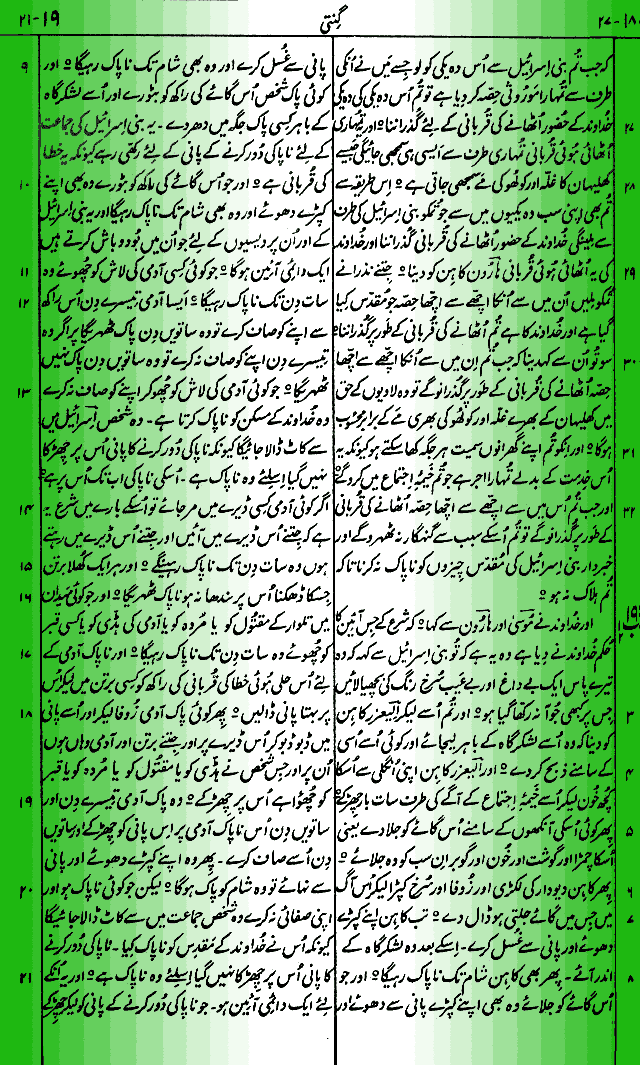
Numbers Chapter 18 (Verses 27–32)
Nu 18 27 And this your heave offering shall be reckoned unto you as though it were the corn of the threshingfloor and as the fulness of the winepress
-
English: God explains that when Levites give a portion of the tithes they receive, it is viewed by Him with the same value as a farmer’s primary harvest of grain or wine.
-
Urdu: خدا وضاحت کرتا ہے کہ جب لاوی اپنے موصول ہونے والے عشر کا کچھ حصہ پیش کرتے ہیں، تو اسے خدا کے نزدیک اسی طرح قبول کیا جاتا ہے جیسے کسان کے کھلیان کا اناج یا مے کے حوض کی مے ہو۔
Nu 18 28 Thus ye also shall offer an heave offering unto the LORD of all your tithes which ye receive of the children of Israel and ye shall give thereof the LORD’s heave offering to Aaron the priest
-
English: The Levites were not exempt from giving. They had to take a “tithe of the tithe” and give it to the high priest (Aaron) as an offering to the Lord.
-
Urdu: لاویوں کو بھی دینے سے استثنیٰ نہیں تھا۔ انہیں بنی اسرائیل سے ملنے والے عشر کا دسواں حصہ خداوند کے ہدیہ کے طور پر ہارون کاہن کو دینا تھا۔
Nu 18 29 Out of all your gifts ye shall offer every heave offering of the LORD of all the best thereof even the hallowed part thereof out of it
-
English: Quality matters. The Levites were required to give the absolute best and most sacred parts of what they received, not the leftovers.
-
Urdu: معیار اہمیت رکھتا ہے۔ لاویوں پر لازم تھا کہ وہ اپنے تحائف میں سے بہترین اور مقدس ترین حصہ خداوند کے ہدیہ کے طور پر پیش کریں، نہ کہ بچا ہوا مال۔
Nu 18 30 Therefore thou shalt say unto them When ye have heaved the best thereof from it then it shall be counted unto the Levites as the increase of the threshingfloor and as the increase of the winepress
-
English: Once the best part was set aside for God, the remainder belonged to the Levites as their personal “income,” just like a farmer’s harvest profit.
-
Urdu: جب بہترین حصہ خدا کے لیے الگ کر دیا جائے، تو باقی ماندہ لاویوں کی اپنی پیداوار مانی جائے گی، جیسے کسان کے لیے اس کے کھلیان یا مے کے حوض کا منافع ہوتا ہے۔
Nu 18 31 And ye shall eat it in every place ye and your households for it is your reward for your service in the tabernacle of the congregation
-
English: This portion was their salary. They could eat it anywhere with their families because it was their earned reward for working in the Tabernacle.
-
Urdu: یہ حصہ ان کی تنخواہ تھی۔ وہ اور ان کے خاندان اسے کہیں بھی کھا سکتے تھے کیونکہ یہ خیمہ اجتماع میں ان کی خدمت کا اجر تھا۔
Nu 18 32 And ye shall bear no sin by reason of it when ye have heaved from it the best of it neither shall ye pollute the holy things of the children of Israel lest ye die
-
English: As long as they gave the best to God first, they committed no sin. If they kept the best for themselves, they would defile holy things, resulting in death.
-
Urdu: جب تک وہ بہترین حصہ پہلے خدا کو دیتے رہیں گے، ان پر کوئی گناہ نہیں ہوگا۔ لیکن اگر وہ بہترین حصہ اپنے پاس رکھتے، تو وہ مقدس چیزوں کو ناپاک کرتے جس کی سزا موت تھی۔
Numbers Chapter 19 (Verses 1–21)
Nu 19 1 And the LORD spake unto Moses and unto Aaron saying
-
English: God initiates a new set of laws regarding ritual purification through Moses and Aaron.
-
Urdu: خداوند نے موسیٰ اور ہارون سے کلام کیا اور پاکیزگی کے نئے قوانین عطا کیے۔
Nu 19 2 This is the ordinance of the law which the LORD hath commanded saying Speak unto the children of Israel that they bring thee a red heifer without spot wherein is no blemish and upon which never came yoke
-
English: The requirement was a rare red cow, perfectly red, healthy, and one that had never been used for farm labor (never wore a yoke).
-
Urdu: حکم یہ تھا کہ ایک سرخ بچھیا لائی جائے جو بے عیب ہو، جس پر کوئی داغ نہ ہو اور جس نے کبھی جوا نہ اٹھایا ہو (یعنی کھیتی باڑی کا کام نہ کیا ہو)۔
Nu 19 3 And ye shall give her unto Eleazar the priest that he may bring her forth without the camp and one shall slay her before his face
-
English: The heifer was given to Eleazar (Aaron’s son) and slaughtered outside the camp, symbolizing the removal of impurity from the community.
-
Urdu: یہ بچھیا الیعزر کاہن کو دی جانی تھی جسے لشکر گاہ سے باہر لے جا کر ذبح کیا جانا تھا، جو کہ برادری سے ناپاکی کو دور کرنے کی علامت تھی۔
Nu 19 4 And Eleazar the priest shall take of her blood with his finger and sprinkle of her blood directly before the tabernacle of the congregation seven times
-
English: The priest used the blood to sanctify the process, flicking it seven times toward the Tabernacle to signify a complete spiritual cleansing.
-
Urdu: کاہن اپنی انگلی سے اس کا خون خیمہ اجتماع کے سامنے سات بار چھڑکتا تھا تاکہ مکمل روحانی پاکیزگی کو ظاہر کر سکے۔
Nu 19 5 And one shall burn the heifer in his sight her skin and her flesh and her blood with her dung shall he burn
-
English: The entire animal was consumed by fire. Nothing was kept; it was a total sacrifice to create the ashes for purification.
-
Urdu: پوری بچھیا کو آگ میں جلا دیا جاتا تھا۔ اس کی کھال، گوشت، خون اور فضلہ سب جلا دیا جاتا تاکہ پاکیزگی کے لیے راکھ حاصل کی جا سکے۔
Nu 19 6 And the priest shall take cedar wood and hyssop and scarlet and cast it into the midst of the burning of the heifer
-
English: Cedar (strength), hyssop (cleansing), and scarlet (blood/life) were added to the fire to enhance the symbolic power of the ashes.
-
Urdu: دیودار کی لکڑی (طاقت)، زوفا (صفائی) اور سرخ رنگ (زندگی/خون) کو آگ میں ڈالا جاتا تھا تاکہ راکھ کی علامتی قوت میں اضافہ ہو۔
Nu 19 7 Then the priest shall wash his clothes and he shall bathe his flesh in water and afterward he shall come into the camp and the priest shall be unclean until the even
-
English: Handling the purification ritual made the priest “ceremonially unclean” until sunset, requiring him to wash himself and his clothes.
-
Urdu: پاکیزگی کی اس رسم کو انجام دینے سے کاہن شام تک “رسمی طور پر ناپاک” ہو جاتا تھا، جس کے لیے اسے اپنے کپڑے اور جسم دھونا پڑتا تھا۔
Nu 19 8 And he that burneth her shall wash his clothes in water and bathe his flesh in water and shall be unclean until the even
-
English: The person who assisted in the burning also became temporarily unclean and followed the same washing ritual.
-
Urdu: وہ شخص جس نے بچھیا کو جلانے میں مدد کی، وہ بھی عارضی طور پر ناپاک ہو جاتا اور اسے بھی وہی دھونے کی رسم پوری کرنی پڑتی۔
Nu 19 9 And a man that is clean shall gather up the ashes of the heifer and lay them up without the camp in a clean place and it shall be kept for the congregation of the children of Israel for a water of separation it is a purification for sin
-
English: The ashes were stored in a clean place. They would be mixed with water to create “water of separation” used to cleanse people from sin and impurity.
-
Urdu: راکھ کو ایک پاک جگہ پر رکھا جاتا تھا۔ اسے پانی میں ملا کر “جدائی کا پانی” تیار کیا جاتا تھا جو لوگوں کو گناہ اور ناپاکی سے پاک کرنے کے لیے استعمال ہوتا تھا۔
Nu 19 10 And he that gathereth the ashes of the heifer shall wash his clothes and be unclean until the even and it shall be unto the children of Israel and unto the stranger that sojourneth among them for a statute for ever
-
English: Even the person gathering the ashes became unclean. This law applied to both Israelites and foreigners living among them.
-
Urdu: یہاں تک کہ راکھ جمع کرنے والا بھی ناپاک ہو جاتا تھا۔ یہ قانون بنی اسرائیل اور ان کے درمیان رہنے والے پردیسیوں، دونوں کے لیے ابدی تھا۔
Nu 19 11 He that toucheth the dead body of any man shall be unclean seven days
-
English: Contact with death caused uncleanness. This required a seven-day period of separation from holy activities.
-
Urdu: کسی انسانی لاش کو چھونے سے انسان ناپاک ہو جاتا تھا۔ اس کے لیے مقدس سرگرمیوں سے سات دن کی علیحدگی ضروری تھی۔
Nu 19 12 He shall purify himself with it on the third day and on the seventh day he shall be clean but if he purify not himself the third day then the seventh day he shall not be clean
-
English: The purification process was specific: a person had to be sprinkled with the water on the 3rd and 7th day to become clean.
-
Urdu: پاکیزگی کا عمل مخصوص تھا: شخص کو تیسرے اور ساتویں دن اس پانی سے پاک کیا جانا تھا، تبھی وہ پاک ٹھہرتا۔
Nu 19 13 Whosoever toucheth the dead body of any man that is dead and purifieth not himself defileth the tabernacle of the LORD and that soul shall be cut off from Israel because the water of separation was not sprinkled upon him he shall be unclean his uncleanness is yet upon him
-
English: Refusing to purify oneself after touching a corpse defiled God’s dwelling. Such a person would be excommunicated from the community.
-
Urdu: لاش کو چھونے کے بعد خود کو پاک نہ کرنا خدا کے مسکن کی بے حرمتی تھی۔ ایسے شخص کو برادری سے خارج کر دیا جاتا تھا۔
Nu 19 14 This is the law when a man dieth in a tent all that come into the tent and all that is in the tent shall be unclean seven days
-
English: Death in an enclosed space made everyone and everything inside that space unclean for a week.
-
Urdu: بند جگہ (خیمے) میں موت واقع ہونے سے وہاں موجود تمام لوگ اور چیزیں ایک ہفتے کے لیے ناپاک ہو جاتی تھیں۔
Nu 19 15 And every open vessel which hath no covering bound upon it is unclean
-
English: Any container without a lid in the presence of a dead body became ritualistically contaminated.
-
Urdu: کوئی بھی برتن جو ڈھکا ہوا نہ ہو، لاش کی موجودگی میں ناپاک ہو جاتا تھا۔
Nu 19 16 And whosoever toucheth one that is slain with a sword in the open fields or a dead body or a bone of a man or a grave shall be unclean seven days
-
English: Touching a person killed in battle, a bone, or even a grave resulted in seven days of uncleanness.
-
Urdu: میدانِ جنگ میں قتل ہونے والے، کسی ہڈی یا قبر کو چھونے سے بھی سات دن کی ناپاکی ہوتی تھی۔
Nu 19 17 And for an unclean person they shall take of the ashes of the burnt heifer of purification for sin and running water shall be put thereto in a vessel
-
English: To clean the person, the ashes of the Red Heifer were mixed with “living” (running) water in a vessel.
-
Urdu: ناپاک شخص کو پاک کرنے کے لیے، بچھیا کی راکھ کو ایک برتن میں “بہتے ہوئے پانی” کے ساتھ ملایا جاتا تھا۔
Nu 19 18 And a clean person shall take hyssop and dip it in the water and sprinkle it upon the tent and upon all the vessels and upon the persons that were there and upon him that touched a bone or one slain or one dead or a grave
-
English: A person who was already clean would use hyssop to sprinkle the mixture over the affected items and people.
-
Urdu: ایک پاک شخص زوفا کا استعمال کرتے ہوئے اس آمیزے کو متاثرہ اشیاء اور لوگوں پر چھڑکتا تھا۔
Nu 19 19 And the clean person shall sprinkle upon the unclean on the third day and on the seventh day and on the seventh day he shall purify himself and wash his clothes and bathe himself in water and shall be clean at even
-
English: The sprinkling happened twice (3rd and 7th day). On the 7th day, the person also had to bathe and wash clothes to complete the process by evening.
-
Urdu: چھڑکاؤ دو بار (تیسرے اور ساتویں دن) ہوتا تھا۔ ساتویں دن اس شخص کو نہانا اور کپڑے دھونا بھی پڑتے تھے تاکہ شام تک پاک ہو سکے۔
Nu 19 20 But the man that shall be unclean and shall not purify himself that soul shall be cut off from among the congregation because he hath defiled the sanctuary of the LORD the water of separation hath not been sprinkled upon him he is unclean
-
English: Neglecting purification was a serious offense against God’s sanctuary, leading to removal from the congregation.
-
Urdu: پاکیزگی سے غفلت برتنا خدا کی مقدس گاہ کی توہین تھی، جس کے نتیجے میں اسے جماعت سے نکال دیا جاتا تھا۔
Nu 19 21 And it shall be a perpetual statute unto them that he that sprinkleth the water of separation shall wash his clothes and he that toucheth the water of separation shall be unclean until even
-
English: This was a permanent law. Interestingly, the water that cleaned the unclean person made the clean person who handled it “unclean” until evening.
-
Urdu: یہ ایک دائمی قانون تھا۔ دلچسپ بات یہ ہے کہ وہ پانی جو ناپاک کو پاک کرتا تھا، اسے استعمال کرنے والے پاک شخص کو شام تک “ناپاک” کر دیتا تھا۔