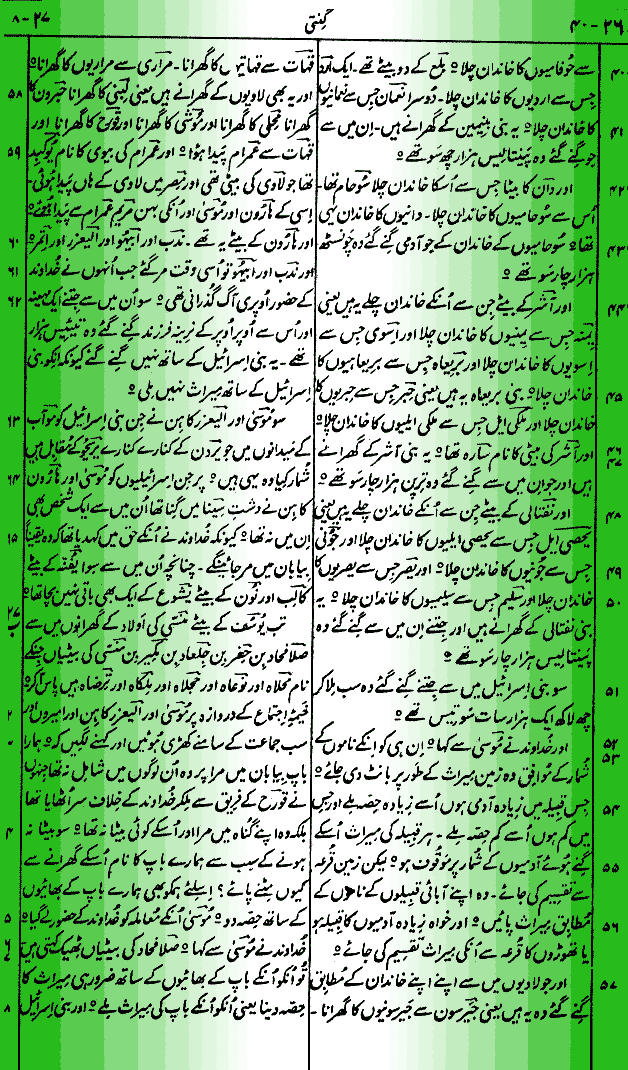
Verse-by-Verse Commentary (Numbers 26:40 – 27:8)
Numbers 26:40
Verse: And the sons of Bela were Ard and Naaman of Ard the family of the Ardites and of Naaman the family of the Naamites English Explanation: This verse tracks the lineage of Benjamin through Bela. Even the grandsons (Ard and Naaman) are recognized as heads of distinct families, emphasizing the preservation of name and heritage. Urdu Explanation: یہ آیت بیلا کے ذریعے بنیامین کے نسب کا پتہ لگاتی ہے۔ ارد اور نعمان (پوتے) کو بھی الگ خاندانوں کے سربراہوں کے طور پر تسلیم کیا گیا ہے، جو نام اور ورثے کے تحفظ پر زور دیتا ہے۔
Numbers 26:41
Verse: These are the sons of Benjamin after their families and they that were numbered of them were forty and five thousand and six hundred English Explanation: The total count for the tribe of Benjamin is provided here (45,600). This census served as the basis for military organization and land distribution. Urdu Explanation: یہاں بنیامین کے قبیلے کی کل تعداد (45,600) بیان کی گئی ہے۔ یہ شماری فوجی تنظیم اور زمین کی تقسیم کی بنیاد تھی۔
Numbers 26:42
Verse: These are the sons of Dan after their families of Shuham the family of the Shuhamites These are the families of Dan after their families English Explanation: Despite being a large tribe, Dan is listed with only one major family lineage through Shuham, showing how one ancestor can produce a vast population. Urdu Explanation: ایک بڑا قبیلہ ہونے کے باوجود، دان کی فہرست میں شوہام کے ذریعے صرف ایک اہم خاندانی سلسلہ درج ہے، جو یہ ظاہر کرتا ہے کہ ایک جد سے بھی ایک وسیع آبادی پیدا ہو سکتی ہے۔
Numbers 26:43
Verse: All the families of the Shuhamites according to those that were numbered of them were threescore and four thousand and four hundred English Explanation: The tribe of Dan totaled 64,400 men. This reflects God’s blessing of growth despite the singular family line mentioned previously. Urdu Explanation: دان کے قبیلے کی کل تعداد 64,400 مرد تھی۔ یہ خدا کی برکت کو ظاہر کرتا ہے کہ ایک ہی خاندانی سلسلے کے باوجود ان کی تعداد میں اضافہ ہوا۔
Numbers 26:44
Verse: Of the children of Asher after their families of Jimna the family of the Jimnites of Jesui the family of the Jesuites of Beriah the family of the Beriites English Explanation: The tribe of Asher is broken down into three main family branches: Jimna, Jesui, and Beriah. Urdu Explanation: آشر کے قبیلے کو تین اہم خاندانی شاخوں میں تقسیم کیا گیا ہے: یمنہ، یسوی اور بریعہ۔
Numbers 26:45
Verse: Of the sons of Beriah of Heber the family of the Heberites of Malchiel the family of the Malchielites English Explanation: Further detail is given for the house of Beriah, establishing the families of Heber and Malchiel. Urdu Explanation: بریعہ کے خاندان کی مزید تفصیل دی گئی ہے، جس میں حبر اور ملکئیل کے خاندان قائم کیے گئے ہیں۔
Numbers 26:46
Verse: And the name of the daughter of Asher was Sarah English Explanation: It is rare in biblical censuses to mention a daughter unless she was significant or held property rights; Sarah is specifically noted here in Asher’s line. Urdu Explanation: بائبل کے اعداد و شمار میں کسی بیٹی کا ذکر کرنا غیر معمولی ہے جب تک کہ وہ اہم نہ ہو یا جائیداد کے حقوق نہ رکھتی ہو۔ آشر کے نسب میں سارہ کا خاص طور پر ذکر کیا گیا ہے۔
Numbers 26:47
Verse: These are the families of the sons of Asher according to those that were numbered of them who were fifty and three thousand and four hundred English Explanation: The total number of able-bodied men in Asher was 53,400. Urdu Explanation: آشر کے قبیلے میں کل تندرست مردوں کی تعداد 53,400 تھی۔
Numbers 26:48
Verse: Of the sons of Naphtali after their families of Jahzeel the family of the Jahzeelites of Guni the family of the Gunites English Explanation: Naphtali’s lineage is detailed starting with Jahzeel and Guni. Urdu Explanation: نفتالی کے نسب کی تفصیل یحصئیل اور جونی سے شروع ہوتی ہے۔
Numbers 26:49
Verse: Of Jezer the family of the Jezerites of Shillem the family of the Shillemites English Explanation: The remaining families of Naphtali are identified as Jezer and Shillem. Urdu Explanation: نفتالی کے باقی خاندانوں کی شناخت یزر اور شلوم کے طور پر کی گئی ہے۔
Numbers 26:50
Verse: These are the families of Naphtali according to their families and they that were numbered of them were forty and five thousand and four hundred English Explanation: The tribe of Naphtali numbered 45,400. Urdu Explanation: نفتالی کے قبیلے کی تعداد 45,400 تھی۔
Numbers 26:51
Verse: These were the numbered of the children of Israel six hundred thousand and a thousand seven hundred and thirty English Explanation: The grand total of the second census was 601,730 men. This shows that despite 40 years in the wilderness, Israel remained a massive nation. Urdu Explanation: دوسری مردم شماری کی کل تعداد 601,730 مرد تھی۔ یہ ظاہر کرتا ہے کہ بیابان میں 40 سال گزارنے کے باوجود اسرائیل ایک بڑی قوم رہا۔
Numbers 26:52
Verse: And the LORD spake unto Moses saying English Explanation: God initiates the instructions for how the land of Canaan is to be divided among these numbered people. Urdu Explanation: خدا نے موسیٰ کو ہدایات دینا شروع کیں کہ کنعان کی زمین کو ان گنتی کیے ہوئے لوگوں میں کیسے تقسیم کیا جائے۔
Numbers 26:53
Verse: Unto these the land shall be divided for an inheritance according to the number of names English Explanation: The land distribution was to be based on the census—every family recorded had a right to a portion of the Promised Land. Urdu Explanation: زمین کی تقسیم مردم شماری کی بنیاد پر ہونی تھی—ہر ریکارڈ شدہ خاندان کو موعودہ زمین کے ایک حصے کا حق حاصل تھا۔
Numbers 26:54
Verse: To many thou shalt give the more inheritance and to few thou shalt give the less inheritance to every one shall his inheritance be given according to those that were numbered of him English Explanation: This establishes a rule of fairness: larger tribes received more land, while smaller tribes received less. Urdu Explanation: یہ انصاف کا ایک اصول قائم کرتا ہے: بڑے قبیلوں کو زیادہ زمین دی گئی، جبکہ چھوٹے قبیلوں کو کم زمین ملی۔
Numbers 26:55
Verse: Notwithstanding the land shall be divided by lot according to the names of the tribes of their fathers they shall inherit English Explanation: To prevent disputes or accusations of favoritism, the specific location of the land was decided by “lot” (divine choice). Urdu Explanation: جھگڑوں یا جانبداری کے الزامات سے بچنے کے لیے، زمین کے مخصوص مقام کا فیصلہ “قرعہ اندازی” (خدائی انتخاب) کے ذریعے کیا گیا تھا۔
Numbers 26:56
Verse: According to the lot shall the possession thereof be divided between many and few English Explanation: Whether a group was large or small, the divine lot determined their specific territory. Urdu Explanation: چاہے کوئی گروہ بڑا ہو یا چھوٹا، خدائی قرعہ نے ان کے مخصوص علاقے کا تعین کیا۔
Numbers 26:57
Verse: And these are they that were numbered of the Levites after their families of Gershon the family of the Gershonites of Kohath the family of the Kohathites of Merari the family of the Merarites English Explanation: The Levites are numbered separately because they do not receive a land inheritance; they are the priestly class divided into Gershonites, Kohathites, and Merarites. Urdu Explanation: لاویوں کی گنتی الگ سے کی گئی ہے کیونکہ انہیں زمین کی میراث نہیں ملتی؛ وہ کاہن طبقہ ہیں جو جیرسونی، قہاتی اور مراری خاندانوں میں تقسیم ہیں۔
Numbers 26:58
Verse: These are the families of the Levites the family of the Libnites the family of the Hebronites the family of the Mahlites the family of the Mushites the family of the Korathites And Kohath begat Amram English Explanation: This lists sub-families of the Levites and highlights the lineage of Amram, who is central to the history of Israel’s leadership. Urdu Explanation: یہ لاویوں کے ذیلی خاندانوں کی فہرست ہے اور عمرام کے نسب کو نمایاں کرتی ہے، جو اسرائیل کی قیادت کی تاریخ میں مرکزی حیثیت رکھتے ہیں۔
Numbers 26:59
Verse: And the name of Amram’s wife was Jochebed the daughter of Levi whom her mother bare to Levi in Egypt and she bare unto Amram Aaron and Moses and Miriam their sister English Explanation: This verse identifies the parents of the great leaders Moses, Aaron, and Miriam, tracing them back to Levi. Urdu Explanation: یہ آیت عظیم رہنماؤں موسیٰ، ہارون اور مریم کے والدین کی شناخت کرتی ہے اور ان کے نسب کا تعلق لاوی سے جوڑتی ہے۔
Numbers 26:60
Verse: And unto Aaron was born Nadab and Abihu Eleazar and Ithamar English Explanation: Aaron’s four sons are listed, who were designated for the priesthood. Urdu Explanation: ہارون کے چار بیٹوں کی فہرست دی گئی ہے، جنہیں کہانت کے لیے مقرر کیا گیا تھا۔
Numbers 26:61
Verse: And Nadab and Abihu died when they offered strange fire before the LORD English Explanation: A reminder of the importance of holiness; Aaron’s two eldest sons died for disobeying God’s specific instructions regarding worship. Urdu Explanation: تقدس کی اہمیت کی یاد دہانی؛ ہارون کے دو بڑے بیٹے عبادت کے بارے میں خدا کی مخصوص ہدایات کی نافرمانی کرنے پر ہلاک ہو گئے۔
Numbers 26:62
Verse: And those that were numbered of them were twenty and three thousand all males from a month old and upward for they were not numbered among the children of Israel because there was no inheritance given them among the children of Israel English Explanation: The Levite census included males from one month old (unlike other tribes who counted from age 20). Their total was 23,000. Urdu Explanation: لاویوں کی مردم شماری میں ایک ماہ سے اوپر کے تمام مرد شامل تھے (دوسرے قبیلوں کے برعکس جہاں 20 سال سے گنتی شروع ہوتی تھی)۔ ان کی کل تعداد 23,000 تھی۔
Numbers 26:63
Verse: These are they that were numbered by Moses and Eleazar the priest who numbered the children of Israel in the plains of Moab by Jordan near Jericho English Explanation: This confirms the census was conducted just before entering the Promised Land, under the leadership of Moses and Eleazar. Urdu Explanation: یہ اس بات کی تصدیق کرتا ہے کہ مردم شماری موسیٰ اور ایلیازر کی قیادت میں موآب کے میدانوں میں یردن کے قریب، ملکِ موعود میں داخل ہونے سے ٹھیک پہلے کی گئی تھی۔
Numbers 26:64
Verse: But among these there was not a man of them whom Moses and Aaron the priest numbered when they numbered the children of Israel in the wilderness of Sinai English Explanation: This notes a complete generational shift. Everyone from the first census (except two) had passed away during the 40 years of wandering. Urdu Explanation: یہ نسل کی مکمل تبدیلی کو ظاہر کرتا ہے۔ پہلی مردم شماری کے تمام افراد (سوائے دو کے) 40 سال کی آوارہ گردی کے دوران وفات پا چکے تھے۔
Numbers 26:65
Verse: For the LORD had said of them They shall surely die in the wilderness And there was not left a man of them save Caleb the son of Jephunneh and Joshua the son of Nun English Explanation: God’s judgment was fulfilled. Only Caleb and Joshua survived to enter the land because they had trusted God’s promise 40 years earlier. Urdu Explanation: خدا کا فیصلہ پورا ہوا۔ صرف کالیب اور یشوع زمین میں داخل ہونے کے لیے زندہ بچے کیونکہ انہوں نے 40 سال پہلے خدا کے وعدے پر بھروسہ کیا تھا۔
Numbers 27:1
Verse: Then came the daughters of Zelophehad the son of Hepher the son of Gilead the son of Machir the son of Manasseh of the families of Manasseh the son of Joseph and these are the names of his daughters Mahlah Noah and Hoglah and Milcah and Tirzah English Explanation: The daughters of Zelophehad step forward. This is a significant moment where women advocate for their family’s legal rights. Urdu Explanation: ضلوفحاد کی بیٹیاں آگے آتی ہیں۔ یہ ایک اہم لمحہ ہے جہاں خواتین نے اپنے خاندان کے قانونی حقوق کے لیے آواز اٹھائی۔
Numbers 27:2
Verse: And they stood before Moses and before Eleazar the priest and before the princes and all the congregation by the door of the tabernacle of the congregation saying English Explanation: They brought their case publicly to the highest authorities of Israel at the entrance of the Tabernacle. Urdu Explanation: انہوں نے خیمہِ اجتماع کے دروازے پر اسرائیل کے اعلیٰ حکام کے سامنے عوامی سطح پر اپنا مقدمہ پیش کیا۔
Numbers 27:3
Verse: Our father died in the wilderness and he was not in the company of them that gathered themselves together against the LORD in the company of Korah but died in his own sin and had no sons English Explanation: They clarify that their father was not a rebel like Korah; he died a natural death but left no male heir to carry on the family name and property. Urdu Explanation: وہ واضح کرتی ہیں کہ ان کا باپ قورح کی طرح باغی نہیں تھا؛ وہ اپنی طبعی موت مرا لیکن اس کا کوئی بیٹا نہیں تھا جو خاندان کا نام اور جائیداد آگے بڑھا سکے۔
Numbers 27:4
Verse: Why should the name of our father be done away from among his family because he hath no son Give unto us therefore a possession among the brethren of our father English Explanation: They argue that a family’s legacy shouldn’t vanish just because there were no sons. They ask for land in their father’s name. Urdu Explanation: ان کا استدلال ہے کہ خاندان کا ورثہ صرف اس لیے ختم نہیں ہونا چاہیے کہ وہاں بیٹے نہیں تھے۔ انہوں نے اپنے باپ کے نام پر زمین مانگی۔
Numbers 27:5
Verse: And Moses brought their cause before the LORD English Explanation: Recognizing the complexity and novelty of the request, Moses consults God directly rather than deciding on his own. Urdu Explanation: اس درخواست کی پیچیدگی اور انوکھے پن کو تسلیم کرتے ہوئے، موسیٰ نے خود فیصلہ کرنے کے بجائے براہ راست خدا سے رجوع کیا۔
Numbers 27:6
Verse: And the LORD spake unto Moses saying English Explanation: God responds to Moses with a definitive ruling. Urdu Explanation: خدا نے موسیٰ کو ایک حتمی حکم کے ساتھ جواب دیا۔
Numbers 27:7
Verse: The daughters of Zelophehad speak right thou shalt surely give them a possession of an inheritance among their fathers brethren and thou shalt cause the inheritance of their father to pass unto them English Explanation: God validates the women’s plea, declaring their request just and commanding that they receive their father’s portion. Urdu Explanation: خدا نے ان خواتین کی التجا کی توثیق کی، ان کی درخواست کو درست قرار دیا اور حکم دیا کہ انہیں ان کے باپ کا حصہ دیا جائے۔
Numbers 27:8
Verse: And thou shalt speak unto the children of Israel saying If a man die and have no son then ye shall cause his inheritance to pass unto his daughter English Explanation: This specific case creates a permanent statute in Israel: if there are no sons, the inheritance passes to the daughters, ensuring the family line remains on the land. Urdu Explanation: یہ مخصوص واقعہ اسرائیل میں ایک مستقل قانون بن گیا: اگر بیٹے نہ ہوں تو میراث بیٹیوں کو منتقل ہو جائے گی، تاکہ زمین پر خاندان کا سلسلہ برقرار رہے۔