Deuteronomy Chapter 2: Conclusion of the First Conquests
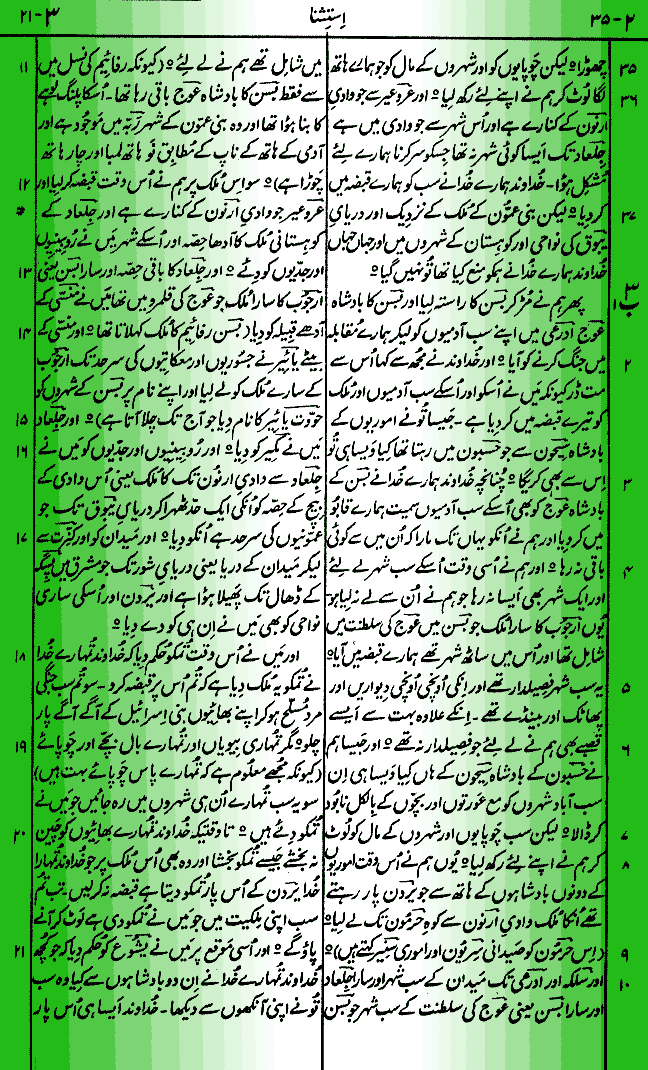
Verse 2:35
Verse: Only the cattle we took for a prey unto ourselves and the spoil of the cities which we took English Explanation: Following the victory over Sihon, the Israelites spared the livestock and valuable goods for their own use, serving as sustenance and wealth for the nation as they moved forward. Urdu Explanation: سیحون پر فتح کے بعد بنی اسرائیل نے صرف مویشیوں اور شہروں کے مالِ غنیمت کو اپنے لیے رکھ لیا تاکہ وہ ان کی ضرورتوں کو پورا کر سکیں۔
Verse 2:36
Verse: From Aroer which is by the brink of the river of Arnon and from the city that is by the river even unto Gilead there was not one city too strong for us the LORD our God delivered all unto us English Explanation: Moses highlights the extent of the victory. From the Arnon valley to Gilead, no fortification was too strong because the victory was divinely orchestrated by God. Urdu Explanation: ارنون کے کنارے عروعیر سے لے کر جلعاد تک کوئی بھی شہر اتنا مضبوط نہ تھا جو ہمارا سامنا کر سکتا کیونکہ خداوند ہمارے خدا نے سب کچھ ہمارے قبضے میں کر دیا۔
Verse 2:37
Verse: Only unto the land of the children of Ammon thou camest not nor unto any place of the river Jabbok nor unto the cities in the mountains nor unto whatsoever the LORD our God forbad us English Explanation: This verse emphasizes obedience. Despite their military momentum, the Israelites did not touch the land of Ammon or the Jabbok region, respecting God’s specific boundaries. Urdu Explanation: بنی اسرائیل نے خدا کے حکم کی تعمیل کی اور عمونیوں کی سرزمین اور یبوق کے علاقے کو ہاتھ نہیں لگایا کیونکہ خداوند نے وہاں جانے سے منع فرمایا تھا۔
Deuteronomy Chapter 3: The Defeat of Og and Land Division
Verse 3:1
Verse: Then we turned and went up the way to Bashan and Og the king of Bashan came out against us he and all his people to battle at Edrei English Explanation: The Israelites move north toward Bashan. King Og, a formidable ruler, prepares for a full-scale confrontation at Edrei. Urdu Explanation: پھر ہم مڑے اور بسن کی راہ سے اوپر گئے اور بسن کا بادشاہ عوج اپنے تمام لوگوں کے ساتھ ادرعی میں ہمارا مقابلہ کرنے نکلا۔
Verse 3:2
Verse: And the LORD said unto me Fear him not for I will deliver him and all his people and his land into thy hand and thou shalt do unto him as thou didst unto Sihon king of the Amorites which dwelt at Heshbon English Explanation: God encourages Moses not to fear Og’s reputation or size, promising a victory identical to the one achieved over Sihon. Urdu Explanation: خداوند نے موسیٰ سے کہا کہ اس سے مت ڈرو کیونکہ میں اسے اور اس کی زمین کو تمہارے حوالے کر دوں گا بالکل ویسے ہی جیسے سیحون کے ساتھ ہوا تھا۔
Verse 3:3
Verse: So the LORD our God delivered into our hands Og also the king of Bashan and all his people and we smote him until none was left to him remaining English Explanation: Divine intervention leads to a total victory. The army of Bashan is completely neutralized, leaving no survivors among the fighting forces. Urdu Explanation: پس خداوند نے عوج اور اس کی قوم کو شکست دی اور بنی اسرائیل نے انہیں یہاں تک مارا کہ کوئی بھی باقی نہ رہا۔
Verse 3:4
Verse: And we took all his cities at that time there was not a city which we took not from them threescore cities all the region of Argob the kingdom of Og in Bashan English Explanation: The conquest was thorough, involving sixty fortified cities in the region of Argob, effectively dismantling Og’s entire kingdom. Urdu Explanation: اس وقت ہم نے اس کے تمام ساٹھ شہروں پر قبضہ کر لیا جو ارجوب کے پورے علاقے میں پھیلے ہوئے تھے۔
Verse 3:5
Verse: All these cities were fenced with high walls gates and bars beside unwalled towns a great many English Explanation: The text notes the architectural strength of Bashan, emphasizing that even high walls and barred gates could not withstand God’s will. Urdu Explanation: یہ تمام شہر اونچی دیواروں اور پھاٹکوں سے محفوظ تھے لیکن پھر بھی بنی اسرائیل نے ان پر فتح پائی۔
Verse 3:6
Verse: And we utterly destroyed them as we did unto Sihon king of Heshbon utterly destroying the men women and children of every city English Explanation: This reflects the “Herem” or total destruction commanded in that specific historical context against the Amorite kingdoms. Urdu Explanation: سیحون کی طرح عوج کے شہروں کو بھی مکمل طور پر تباہ کر دیا گیا تاکہ شرک اور برائی کا خاتمہ ہو۔
Verse 3:7
Verse: But all the cattle and the spoil of the cities we took for a prey to ourselves English Explanation: Similar to the previous conquest, the material wealth and livestock were kept by the Israelites. Urdu Explanation: لیکن شہروں کے تمام مویشی اور مالِ غنیمت بنی اسرائیل نے اپنے لیے رکھ لیے۔
Verse 3:8
Verse: And we took at that time out of the hand of the two kings of the Amorites the land that was on this side Jordan from the river of Arnon unto mount Hermon English Explanation: This summarizes the territorial gain: a vast stretch of land east of the Jordan River, extending from Arnon in the south to Mount Hermon in the north. Urdu Explanation: اس وقت بنی اسرائیل نے دریائے ارنون سے لے کر کوہِ حرمون تک کا سارا علاقہ اپنے قبضے میں لے لیا۔
Verse 3:9
Verse: Which Hermon the Sidonians call Sirion and the Amorites call it Shenir English Explanation: A geographical note explaining the different names for Mount Hermon used by neighboring cultures. Urdu Explanation: اس پہاڑ کو صیدانی ‘سریون’ اور اموری ‘سنیر’ کہتے تھے۔
Verse 3:10
Verse: All the cities of the plain and all Gilead and all Bashan unto Salchah and Edrei cities of the kingdom of Og in Bashan English Explanation: Defines the northern boundaries of the newly conquered territory. Urdu Explanation: میدان کے تمام شہر اور سارا جلعاد اور بسن کے تمام شہر بنی اسرائیل کے قبضے میں آگئے۔
Verse 3:11
Verse: For only Og king of Bashan remained of the remnant of giants behold his bedstead was a bedstead of iron is it not in Rabbath of the children of Ammon nine cubits was the length thereof and four cubits the breadth of it after the cubit of a man English Explanation: Og is identified as one of the last “Rephaim” (giants). His iron bed, approximately 13.5 feet long, serves as a testament to his massive physical stature. Urdu Explanation: عوج دیوقامت نسل کا آخری بادشاہ تھا۔ اس کا لوہے کا پلنگ اس کی غیر معمولی جسامت کی گواہی دیتا تھا جو نو ہاتھ لمبا اور چار ہاتھ چوڑا تھا۔
Verse 3:12
Verse: And this land which we possessed at that time from Aroer which is by the river Arnon and half mount Gilead and the cities thereof gave I unto the Reubenites and to the Gadites English Explanation: Moses begins the distribution of land, granting the southern portion of the conquered territory to the tribes of Reuben and Gad. Urdu Explanation: موسیٰ نے فتح کیا ہوا جنوبی علاقہ اور آدھا جلعاد روبن اور جاد کے قبائل کو عطا کر دیا۔
Verse 3:13
Verse: And the rest of Gilead and all Bashan being the kingdom of Og gave I unto the half tribe of Manasseh all the region of Argob with all Bashan which was called the land of giants English Explanation: The northern part (Bashan/Argob) is given to the half-tribe of Manasseh, reinforcing their role in holding the frontier. Urdu Explanation: باقی جلعاد اور سارا بسن منسی کے آدھے قبیلے کو دیا گیا جسے دیوؤں کی زمین کہا جاتا تھا۔
Verse 3:14
Verse: Jair the son of Manasseh took all the country of Argob unto the coasts of Geshuri and Maachathi and called them after his own name Bashan-havoth-jair unto this day English Explanation: Jair, a descendant of Manasseh, conquered specific villages and renamed them, marking the permanence of their settlement. Urdu Explanation: منسی کے بیٹے یائیر نے ارجوب کے علاقے پر قبضہ کیا اور ان بستیوں کا نام اپنے نام پر ‘خوت یائیر’ رکھا۔
Verse 3:15
Verse: And I gave Gilead unto Machir English Explanation: Machir, a leading family of Manasseh, is specifically assigned the region of Gilead. Urdu Explanation: اور موسیٰ نے جلعاد کا علاقہ مکیر کو دیا۔
Verse 3:16
Verse: And unto the Reubenites and unto the Gadites I gave from Gilead even unto the river Arnon half the valley and the border even unto the river Jabbok which is the border of the children of Ammon English Explanation: Further clarification of the boundaries for Reuben and Gad, ensuring no conflict with the Ammonite borders. Urdu Explanation: روبن اور جاد کے قبائل کی سرحدوں کا تعین کیا گیا تاکہ عمونیوں کی سرحد کے ساتھ کوئی تنازع نہ ہو۔
Verse 3:17
Verse: The plain also and Jordan and the coast thereof from Chinnereth even unto the sea of the plain even the salt sea under Ashdoth-pisgah eastward English Explanation: This describes the western boundary of the eastern tribes, following the Jordan River from the Sea of Galilee (Chinnereth) to the Dead Sea. Urdu Explanation: یہ ان قبائل کی مغربی سرحد کا ذکر ہے جو دریائے اردن اور بحیرہ مردار کے ساتھ ساتھ واقع تھی۔
Verse 3:18
Verse: And I commanded you at that time saying The LORD your God hath given you this land to possess it ye shall pass over armed before your brethren the children of Israel all that are meet for the war English Explanation: Moses gives a condition: although these tribes have their land, their soldiers must cross the Jordan to help the other tribes conquer the Promised Land. Urdu Explanation: موسیٰ نے حکم دیا کہ اگرچہ تمہیں زمین مل گئی ہے، لیکن تمہارے جنگجوؤں کو دوسرے بھائیوں کی مدد کے لیے دریائے اردن پار کرنا ہوگا۔
Verse 3:19
Verse: But your wives and your little ones and your cattle (for I know that ye have much cattle) shall abide in your cities which I have given you English Explanation: The families and livestock of Reuben, Gad, and Manasseh are permitted to stay behind in the fortified cities while the men go to war. Urdu Explanation: تمہاری بیویاں، بچے اور مویشی ان شہروں میں محفوظ رہیں گے جو تمہیں دیے گئے ہیں۔
Verse 3:20
Verse: Until the LORD have given rest unto your brethren as well as unto you and until they also possess the land which the LORD your God hath given them beyond Jordan and then shall ye return every man unto his possession which I have given you English Explanation: The duty of the eastern tribes ends only when all of Israel has secured their inheritance across the Jordan. Urdu Explanation: جب تمام بنی اسرائیل اپنی زمینوں پر قابض ہو جائیں گے اور انہیں سکون ملے گا، تب ہی تم اپنی اپنی زمینوں پر واپس آ سکو گے۔
Verse 3:21
Verse: And I commanded Joshua at that time saying Thine eyes have seen all that the LORD your God hath done unto these two kings so shall the LORD do unto all the kingdoms whither thou passest English Explanation: Moses encourages Joshua, his successor, by reminding him that the same God who defeated Sihon and Og will defeat every enemy in Canaan. Urdu Explanation: موسیٰ نے یشوع کو حوصلہ دیا کہ جس خدا نے ان دو بادشاہوں کو شکست دی، وہی آگے بھی تمام دشمنوں پر فتح عطا کرے گا۔