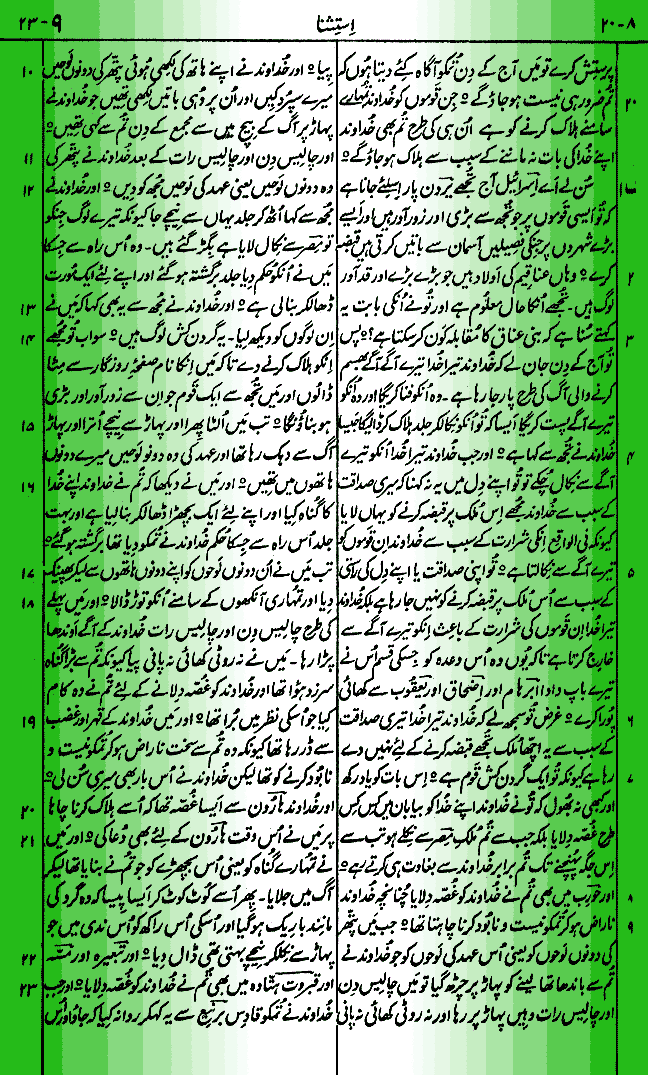
Deuteronomy 8:20
Verse: As the nations which the LORD destroyeth before your face so shall ye perish because ye would not be obedient unto the voice of the LORD your God.
-
English Explanation: This is a stern warning that God’s favor is tied to obedience. Just as God removed the pagan nations for their wickedness, Israel would face the same fate if they turned away from Him. God is impartial; judgment follows disobedience regardless of heritage.
-
Urdu Explanation: یہ ایک سخت انتباہ ہے کہ خدا کی خوشنودی فرمانبرداری سے جڑی ہوئی ہے۔ جس طرح خدا نے ان مشرک قوموں کو ان کی بدکاری کی وجہ سے ہلاک کیا، اگر اسرائیل نے بھی خدا کی بات نہ مانی تو ان کا انجام بھی ویسا ہی ہوگا۔ خدا کسی کی طرفداری نہیں کرتا؛ نافرمانی کا انجام ہلاکت ہے۔
Deuteronomy 9:1
Verse: Hear O Israel Thou art to pass over Jordan this day to go in to possess nations greater and mightier than thyself cities great and fenced up to heaven.
-
English Explanation: Moses prepares the people for a supernatural victory. They are about to face enemies far stronger than themselves with massive fortifications. The goal is to remind them that victory depends entirely on God, not their own strength.
-
Urdu Explanation: موسیٰ علیہ السلام قوم کو ایک معجزانہ فتح کے لیے تیار کر رہے ہیں۔ وہ ایسی قوموں کا سامنا کرنے والے ہیں جو ان سے کہیں زیادہ طاقتور ہیں اور جن کے شہروں کی دیواریں آسمان سے باتیں کرتی ہیں۔ مقصد یہ یاد دلانا ہے کہ فتح صرف خدا کے فضل سے ممکن ہے، ان کی اپنی طاقت سے نہیں۔
Deuteronomy 9:2
Verse: A people great and tall the children of the Anakims whom thou knowest and of whom thou hast heard say Who can stand before the children of Anak!
-
English Explanation: The “Anakims” were giants who struck fear into the hearts of the Israelites. By mentioning them, Moses acknowledges the reality of the danger but sets the stage for God’s power to be displayed.
-
Urdu Explanation: “عناقیم” قد آور اور دیو ہیکل لوگ تھے جن سے بنی اسرائیل خوفزدہ تھے۔ ان کا ذکر کر کے موسیٰ اس خطرے کی حقیقت کو تسلیم کرتے ہیں لیکن ساتھ ہی یہ بتاتے ہیں کہ خدا کی قدرت ان سب سے بڑی ہے۔
Deuteronomy 9:3
Verse: Understand therefore this day that the LORD thy God is he which goeth over before thee as a consuming fire he shall destroy them and he shall bring them down before thy face so shalt thou drive them out and destroy them quickly as the LORD hath said unto thee.
-
English Explanation: God is described as a “consuming fire.” He is the one leading the charge. The Israelites are the instruments, but the victory belongs to the Lord who levels the playing field against the giants.
-
Urdu Explanation: خدا کو “بھسم کرنے والی آگ” کے طور پر بیان کیا گیا ہے۔ وہی ان کے آگے آگے چل رہا ہے۔ اسرائیلی صرف ایک ذریعہ ہیں، لیکن اصل فتح خدا کی ہے جو دیو ہیکل دشمنوں کو ان کے سامنے مغلوب کر دے گا۔
Deuteronomy 9:4
Verse: Speak not thou in thine heart after that the LORD thy God hath cast them out from before thee saying For my righteousness the LORD hath brought me in to possess this land but for the wickedness of these nations the LORD doth drive them out from before thee.
-
English Explanation: Moses warns against spiritual pride. The Israelites must not think they earned the land because they were “good” people. The conquest is happening because the current inhabitants are exceptionally wicked.
-
Urdu Explanation: موسیٰ روحانی غرور سے بچنے کی تاکید کرتے ہیں۔ اسرائیلیوں کو یہ نہیں سوچنا چاہیے کہ وہ بہت “نیک” تھے اس لیے انہیں یہ زمین ملی۔ یہ فتح اس لیے ہو رہی ہے کیونکہ وہاں رہنے والی قومیں سخت بدکار تھیں۔
Deuteronomy 9:5
Verse: Not for thy righteousness or for the uprightness of thine heart dost thou go to possess their land but for the wickedness of these nations the LORD thy God doth drive them out from before thee and that he may perform the word which the LORD sware unto thy fathers Abraham Isaac and Jacob.
-
English Explanation: Success is attributed to two factors: the judgment of the wicked and God’s faithfulness to His covenant with Abraham, Isaac, and Jacob. It has nothing to do with Israel’s merit.
-
Urdu Explanation: کامیابی کی دو وجوہات ہیں: بدکاروں کی سزا اور خدا کا وہ وعدہ جو اس نے ابراہیم، اسحاق اور یعقوب سے کیا تھا۔ اس میں اسرائیل کی اپنی کسی نیکی کا کوئی دخل نہیں ہے۔
Deuteronomy 9:6
Verse: Understand therefore that the LORD thy God giveth thee not this good land to possess it for thy righteousness for thou art a stiffnecked people.
-
English Explanation: Moses is blunt: Israel is a “stiffnecked” (stubborn) people. This term emphasizes that they are undeserving of the gift they are receiving, highlighting God’s grace.
-
Urdu Explanation: موسیٰ صاف طور پر کہتے ہیں کہ اسرائیل ایک “ضدی اور سرکش” قوم ہے۔ یہ لفظ اس بات پر زور دیتا ہے کہ وہ اس عظیم انعام کے حقدار نہیں تھے، یہ سب خدا کا فضل ہے۔
Deuteronomy 9:7
Verse: Remember and forget not how thou provokedst the LORD thy God to wrath in the wilderness from the day that thou didst depart out of the land of Egypt until ye came unto this place ye have been rebellious against the LORD.
-
English Explanation: To keep them humble, Moses reminds them of their history of rebellion. Since leaving Egypt, they have consistently challenged God’s authority.
-
Urdu Explanation: انہیں عاجز رکھنے کے لیے، موسیٰ ان کی سرکشی کی تاریخ یاد دلاتے ہیں۔ مصر سے نکلنے کے بعد سے وہ مسلسل خدا کے خلاف بغاوت کرتے رہے ہیں۔
Deuteronomy 9:8
Verse: Also in Horeb ye provoked the LORD to wrath so that the LORD was angry with you to have destroyed you.
-
English Explanation: Mount Horeb (Sinai) was where the law was given, yet it was also the site of their greatest failure. God’s anger was so intense that He was prepared to wipe them out.
-
Urdu Explanation: جبلِ حورب وہ جگہ تھی جہاں شریعت دی گئی تھی، لیکن وہی ان کی سب سے بڑی ناکامی کا مقام بھی تھا۔ خدا کا غصہ اتنا شدید تھا کہ وہ انہیں ہلاک کرنے والا تھا۔
Deuteronomy 9:9
Verse: When I was gone up into the mount to receive the tables of stone even the tables of the covenant which the LORD made with you then I abode in the mount forty days and forty nights I neither did eat bread nor drink water.
-
English Explanation: Moses recounts his fast and his intimacy with God while receiving the Ten Commandments. This highlights the holiness of the moment that the people ignored.
-
Urdu Explanation: موسیٰ اپنے روزے اور خدا کے ساتھ گزارے ہوئے وقت کا ذکر کرتے ہیں جب وہ دس احکامات وصول کر رہے تھے۔ یہ اس لمحے کی پاکیزگی کو ظاہر کرتا ہے جسے قوم نے فراموش کر دیا تھا۔
Deuteronomy 9:10
Verse: And the LORD delivered unto me two tables of stone written with the finger of God and on them was written according to all the words which the LORD spake with you in the mount out of the midst of the fire in the day of the assembly.
-
English Explanation: The tablets were divine in origin, written by the “finger of God.” This emphasizes the authority and sacredness of the Law.
-
Urdu Explanation: وہ تختیاں خدائی تھیں، جو “خدا کی انگلی” سے لکھی گئی تھیں۔ یہ شریعت کے اختیار اور اس کے مقدس ہونے پر زور دیتا ہے۔
Deuteronomy 9:11
Verse: And it came to pass at the end of forty days and forty nights that the LORD gave me the two tables of stone even the tables of the covenant.
-
English Explanation: After a period of testing and preparation (40 days), the covenant was formalized through the delivery of the stones.
-
Urdu Explanation: آزمائش اور تیاری کے چالیس دنوں کے بعد، ان تختیوں کے ذریعے عہد کو حتمی شکل دی گئی۔
Deuteronomy 9:12
Verse: And the LORD said unto me Arise get thee down quickly from hence for thy people which thou hast brought forth out of Egypt have corrupted themselves they are quickly turned aside out of the way which I commanded them they have made them a molten image.
-
English Explanation: While Moses was with God, the people were already failing. They quickly abandoned God’s commands to create an idol, showing their lack of spiritual endurance.
-
Urdu Explanation: جب موسیٰ خدا کے ساتھ تھے، قوم اس وقت بھی گناہ میں گر چکی تھی۔ انہوں نے بہت جلد خدا کے احکامات کو چھوڑ کر ایک بت بنا لیا، جو ان کی روحانی کمزوری کو ظاہر کرتا ہے۔
Deuteronomy 9:13
Verse: Furthermore the LORD spake unto me saying I have seen this people and behold it is a stiffnecked people.
-
English Explanation: God confirms His observation of their character. They are stubborn and resistant to His guidance.
-
Urdu Explanation: خدا ان کے کردار کی تصدیق کرتا ہے کہ وہ ایک ضدی قوم ہیں جو اس کی ہدایت ماننے کو تیار نہیں۔
Deuteronomy 9:14
Verse: Let me alone that I may destroy them and blot out their name from under heaven and I will make of thee a nation mightier and greater than they.
-
English Explanation: God tests Moses by offering to destroy Israel and start a new nation through him. It highlights God’s justice against sin.
-
Urdu Explanation: خدا موسیٰ کو یہ کہہ کر آزماتا ہے کہ وہ اسرائیل کو ہلاک کر کے موسیٰ سے ایک نئی اور بڑی قوم پیدا کرے گا۔ یہ گناہ کے خلاف خدا کے انصاف کو ظاہر کرتا ہے۔
Deuteronomy 9:15
Verse: So I turned and came down from the mount and the mount burned with fire and the two tables of the covenant were in my two hands.
-
English Explanation: Moses descends into a scene of chaos and divine fire, carrying the very laws the people were currently breaking.
-
Urdu Explanation: موسیٰ پہاڑ سے نیچے اترے جبکہ پہاڑ آگ سے جل رہا تھا۔ ان کے ہاتھوں میں وہ عہد کی تختیاں تھیں جن کے قوانین کو لوگ توڑ رہے تھے۔
Deuteronomy 9:16
Verse: And I looked and behold ye had sinned against the LORD your God and had made you a molten calf ye had turned aside quickly out of the way which the LORD had commanded you.
-
English Explanation: The visual of the “molten calf” represents the ultimate betrayal—replacing the Creator with a handmade object.
-
Urdu Explanation: “ڈھلے ہوئے بچھڑے” کا منظر ایک بڑی غداری کی علامت تھا—خالق کو چھوڑ کر ایک ہاتھ سے بنی ہوئی چیز کو پوجنا۔
Deuteronomy 9:17
Verse: And I took the two tables and cast them out of my two hands and brake them before your eyes.
-
English Explanation: Breaking the tablets was a symbolic act showing that the covenant had already been shattered by the people’s sin.
-
Urdu Explanation: تختیوں کو توڑنا ایک علامتی فعل تھا جو یہ ظاہر کرتا تھا کہ قوم کے گناہ کی وجہ سے خدا کے ساتھ ان کا عہد ٹوٹ چکا ہے۔
Deuteronomy 9:18
Verse: And I fell down before the LORD as at the first forty days and forty nights I did neither eat bread nor drink water because of all your sins which ye sinned in doing wickedly in the sight of the LORD to provoke him to anger.
-
English Explanation: Moses acts as a mediator. He goes back into a period of fasting and prayer, not for himself, but to plead for the lives of the rebellious people.
-
Urdu Explanation: موسیٰ ایک شفاعت کرنے والے کا کردار ادا کرتے ہیں۔ وہ دوبارہ روزے اور دعا میں مشغول ہو جاتے ہیں، اپنے لیے نہیں بلکہ اس سرکش قوم کی جان بچانے کے لیے۔
Deuteronomy 9:19
Verse: For I was afraid of the anger and hot displeasure wherewith the LORD was wroth against you to destroy you But the LORD hearkened unto me at that time also.
-
English Explanation: This highlights the power of intercessory prayer. Despite God’s righteous anger, He listened to Moses and showed mercy.
-
Urdu Explanation: یہ آیت شفاعت کی دعا کی طاقت کو ظاہر کرتی ہے۔ خدا کے برحق غصے کے باوجود، اس نے موسیٰ کی التجا سنی اور رحم کیا۔
Deuteronomy 9:20
Verse: And the LORD was very angry with Aaron to have destroyed him and I prayed for Aaron also the same time.
-
English Explanation: Even Aaron, the high priest, was not exempt from judgment for his role in the calf-making. He was saved only through Moses’ prayer.
-
Urdu Explanation: حتیٰ کہ ہارون علیہ السلام بھی، جو بڑے عہدے پر تھے، اس گناہ میں شامل ہونے کی وجہ سے سزا سے محفوظ نہ تھے۔ وہ صرف موسیٰ کی دعا کی وجہ سے بچ پائے۔
Deuteronomy 9:21
Verse: And I took your sin the calf which ye had made and burnt it with fire and stamped it and ground it very small even until it was as small as dust and I cast the dust thereof into the brook that descended out of the mount.
-
English Explanation: Moses completely destroys the idol. Burning and grinding it to dust shows that false gods have no power and must be totally removed from one’s life.
-
Urdu Explanation: موسیٰ نے اس بت کو مکمل طور پر تباہ کر دیا۔ اسے جلا کر خاک کر دینا یہ ظاہر کرتا ہے کہ جھوٹے خداؤں کی کوئی طاقت نہیں ہے اور انہیں زندگی سے مکمل طور پر نکال دینا چاہیے۔
Deuteronomy 9:22
Verse: And at Taberah and at Massah and at Kibroth-hattaavah ye provoked the LORD to wrath.
-
English Explanation: Moses lists other locations of rebellion to show that the Golden Calf wasn’t an isolated incident but a pattern of behavior.
-
Urdu Explanation: موسیٰ بغاوت کے دیگر مقامات کا ذکر کرتے ہیں تاکہ یہ بتائیں کہ بچھڑے والا واقعہ کوئی ایک بار کی غلطی نہیں تھی بلکہ یہ ان کا مستقل رویہ تھا۔
Deuteronomy 9:23
Verse: Likewise when the LORD sent you from Kadesh-barnea saying Go up and possess the land which I have given you then ye rebelled against the commandment of the LORD your God and ye believed him not nor hearkened to his voice.
-
English Explanation: At Kadesh-barnea, the people refused to enter the land out of fear. This was a failure of faith—they didn’t trust that God was stronger than the giants.
-
Urdu Explanation: قادش برنیع میں، لوگوں نے خوف کی وجہ سے زمین میں داخل ہونے سے انکار کر دیا۔ یہ ایمان کی کمی تھی—انہیں یقین نہیں تھا کہ خدا ان دیو ہیکل لوگوں سے زیادہ طاقتور ہے۔