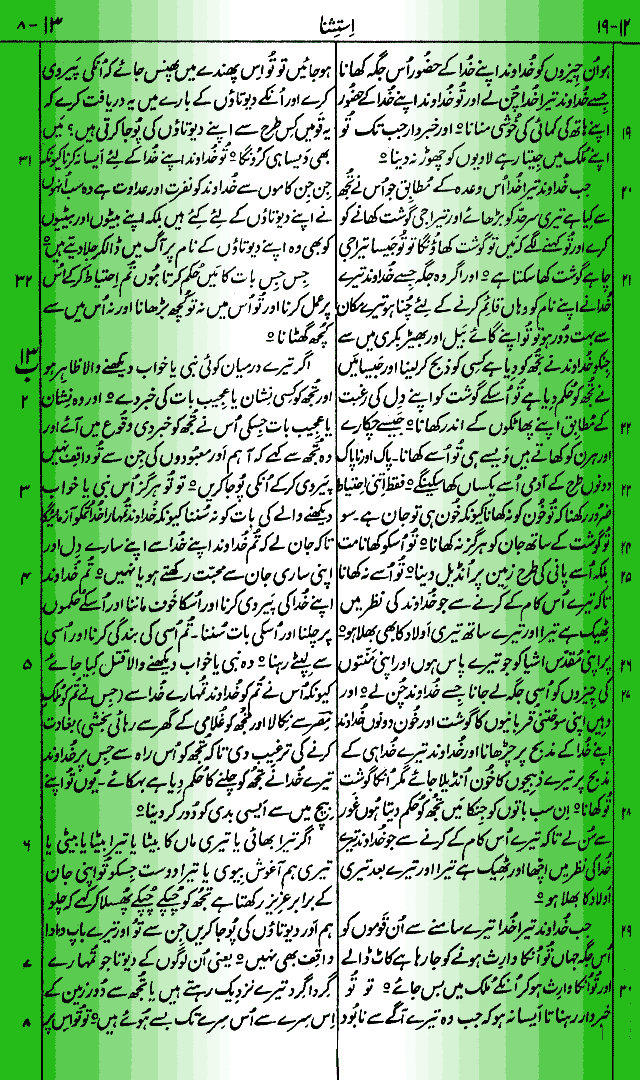
Commentary on Deuteronomy 12:19 – 13:8
Deuteronomy 12:19
Verse: Take heed to thyself that thou forsake not the Levite as long as thou livest upon the earth
-
English Explanation: This is a command to ensure the welfare of the Levites. Since they had no land inheritance and were dedicated to religious service, the community was responsible for their physical support.
-
Urdu Explanation: یہ حکم لاویوں کی فلاح و بہبود کے لیے ہے۔ چونکہ ان کی کوئی زمینی وراثت نہیں تھی اور وہ مذہبی خدمت کے لیے وقف تھے، اس لیے ان کی مالی اور جسمانی مدد کرنا معاشرے کی ذمہ داری تھی۔
Deuteronomy 12:20
Verse: When the LORD thy God shall enlarge thy border as he hath promised thee and thou shalt say I will eat flesh because thy soul longeth to eat flesh thou mayest eat flesh whatsoever thy soul lusteth after
-
English Explanation: As Israel expanded, God permitted them to eat meat for regular meals (not just sacrificial ones) anywhere, acknowledging their natural desires for food.
-
Urdu Explanation: جب اسرائیل کی سرحدیں وسیع ہوئیں تو خدا نے انہیں قربانی کے علاوہ بھی گوشت کھانے کی اجازت دی، بشرطیکہ وہ پاک ہو، تاکہ وہ اپنی خوراک کی ضرورت پوری کر سکیں۔
Deuteronomy 12:21
Verse: If the place which the LORD thy God hath chosen to put his name there be too far from thee then thou shalt kill of thy herd and of thy flock which the LORD hath given thee as I have commanded thee and thou shalt eat in thy gates whatsoever thy soul lusteth after
-
English Explanation: If the central Tabernacle was too distant, people were allowed to slaughter animals at home for food rather than traveling solely for a meal.
-
Urdu Explanation: اگر مرکزی عبادت گاہ بہت دور ہو تو لوگوں کو اجازت تھی کہ وہ اپنے گھروں پر جانور ذبح کر کے کھا سکیں، بجائے اس کے کہ وہ ہر کھانے کے لیے لمبا سفر کریں۔
Deuteronomy 12:22
Verse: Even as the roebuck and the hart is eaten so thou shalt eat them the unclean and the clean shall eat of them alike
-
English Explanation: Common meat was to be treated like wild game. Unlike sacrificial meat, even those who were “ritually unclean” could eat it together with the clean.
-
Urdu Explanation: عام گوشت کو ہرن کے گوشت کی طرح سمجھا جانا تھا۔ قربانی کے گوشت کے برعکس، اسے وہ لوگ بھی کھا سکتے تھے جو مذہبی طور پر پاک نہیں تھے۔
Deuteronomy 12:23
Verse: Only be sure that thou eat not the blood for the blood is the life and thou mayest not eat the life with the flesh
-
English Explanation: A strict prohibition against consuming blood, because blood represents the life force of the creature, which belongs to God.
-
Urdu Explanation: خون کھانے سے سختی سے منع کیا گیا ہے کیونکہ خون جاندار کی زندگی کی علامت ہے، جو صرف خدا کی ملکیت ہے۔
Deuteronomy 12:24
Verse: Thou shalt not eat it thou shalt pour it upon the earth as water
-
English Explanation: The blood of slaughtered animals must be poured out onto the ground, returning the “life” to the Earth and acknowledging the Creator.
-
Urdu Explanation: ذبح شدہ جانوروں کا خون زمین پر بہا دینا چاہیے، تاکہ زندگی کی علامت واپس خالق کی طرف لوٹ جائے۔
Deuteronomy 12:25
Verse: Thou shalt not eat it that it may go well with thee and with thy children after thee when thou shalt do that which is right in the sight of the LORD
-
English Explanation: Obedience regarding dietary laws leads to blessings and a legacy of righteousness for future generations.
-
Urdu Explanation: غذائی قوانین پر عمل کرنا برکات کا باعث بنتا ہے اور آنے والی نسلوں کے لیے نیکی کا راستہ ہموار کرتا ہے۔
Deuteronomy 12:26
Verse: Only thy holy things which thou hast and thy vows thou shalt take and go unto the place which the LORD shall choose
-
English Explanation: While common meat could be eaten at home, consecrated offerings and vows had to be taken to the specific place God designated (the Sanctuary).
-
Urdu Explanation: جبکہ عام گوشت گھر پر کھایا جا سکتا تھا، نذرانے اور مقدس چیزیں صرف خدا کے مقرر کردہ مقام (مقدس مقام) پر لے جانی تھیں۔
Deuteronomy 12:27
Verse: And thou shalt offer thy burnt offerings the flesh and the blood upon the altar of the LORD thy God and the blood of thy sacrifices shall be poured out upon the altar of the LORD thy God and thou shalt eat the flesh
-
English Explanation: Describes the procedure for sacrifices: blood belongs on the altar for atonement, while the meat could be consumed by the offerer in certain cases.
-
Urdu Explanation: قربانی کا طریقہ کار یہ تھا کہ خون قربان گاہ پر بہایا جائے تاکہ کفارہ ہو، جبکہ گوشت پیش کرنے والا کھا سکتا تھا۔
Deuteronomy 12:28
Verse: Observe and hear all these words which I command thee that it may go well with thee and with thy children after thee for ever when thou doest that which is good and right in the sight of the LORD thy God
-
English Explanation: A summary call to total obedience, emphasizing that the well-being of the family depends on doing what is right before God.
-
Urdu Explanation: مکمل فرمانبرداری کی تاکید کی گئی ہے، اس بات پر زور دیتے ہوئے کہ خاندان کی فلاح و بہبود خدا کے حضور صحیح کام کرنے پر منحصر ہے۔
Deuteronomy 12:29
Verse: When the LORD thy God shall cut off the nations from before thee whither thou goest to possess them and thou succeedest them and dwellest in their land
-
English Explanation: This sets the stage for the transition of power as Israel enters the promised land and replaces the pagan nations.
-
Urdu Explanation: یہ آیت اسرائیل کے وعدہ شدہ زمین میں داخل ہونے اور مشرک قوموں کی جگہ لینے کے وقت کے بارے میں بتاتی ہے۔
Deuteronomy 12:30
Verse: Take heed to thyself that thou be not snared by following them after that they be destroyed from before thee and that thou enquire not after their gods saying How did these nations serve their gods even so will I do likewise
-
English Explanation: A warning not to be curious about pagan worship or try to mimic the religious practices of the conquered nations.
-
Urdu Explanation: خبردار کیا گیا ہے کہ بت پرستوں کی عبادت کے طریقوں میں دلچسپی نہ لیں اور نہ ہی ان کی پیروی کرنے کی کوشش کریں۔
Deuteronomy 12:31
Verse: Thou shalt not do so unto the LORD thy God for every abomination to the LORD which he hateth have they done unto their gods for even their sons and their daughters they have burnt in the fire to their gods
-
English Explanation: Pagan practices were detestable to God, especially human sacrifice. Israel was commanded to worship God only in the ways He prescribed.
-
Urdu Explanation: غیر قوموں کے طریقے خدا کے نزدیک ناپسندیدہ تھے، خاص طور پر انسانی قربانی۔ اسرائیل کو صرف خدا کے بتائے ہوئے طریقوں سے عبادت کرنی تھی۔
Deuteronomy 12:32
Verse: What thing soever I command you observe to do it thou shalt not add thereto nor diminish from it
-
English Explanation: This is the principle of “Sola Scriptura” (Scripture alone) in the law—neither adding man-made rules nor taking away God’s commands.
-
Urdu Explanation: یہ قانون کا بنیادی اصول ہے کہ خدا کے کلام میں نہ کچھ بڑھایا جائے اور نہ ہی کچھ کم کیا جائے۔
Deuteronomy 13:1
Verse: If there arise among you a prophet or a dreamer of dreams and giveth thee a sign or a wonder
-
English Explanation: The text warns that even someone who performs miracles might not be from God.
-
Urdu Explanation: متنبہ کیا گیا ہے کہ اگر کوئی معجزہ دکھانے والا بھی اٹھے تو ضروری نہیں کہ وہ خدا کی طرف سے ہو۔
Deuteronomy 13:2
Verse: And the sign or the wonder come to pass whereof he spake unto thee saying Let us go after other gods which thou hast not known and let us serve them
-
English Explanation: If a miracle worker tries to lead people toward false gods, their “sign” is a test, not a validation.
-
Urdu Explanation: اگر کوئی معجزہ دکھانے والا آپ کو جھوٹے خداؤں کی طرف بلائے، تو وہ معجزہ ایک آزمائش ہے، صداقت کی دلیل نہیں۔
Deuteronomy 13:3
Verse: Thou shalt not hearken unto the words of that prophet or that dreamer of dreams for the LORD your God proveth you to know whether ye love the LORD your God with all your heart and with all your soul
-
English Explanation: God allows false prophets to exist as a test of the people’s loyalty and love for the one true God.
-
Urdu Explanation: خدا جھوٹے نبیوں کو اجازت دیتا ہے تاکہ وہ اپنے لوگوں کی وفاداری اور محبت کا امتحان لے سکے۔
Deuteronomy 13:4
Verse: Ye shall walk after the LORD your God and fear him and keep his commandments and obey his voice and ye shall serve him and cleave unto him
-
English Explanation: The true path is defined by keeping the Law and remaining faithful to God, regardless of supernatural signs.
-
Urdu Explanation: حقیقی راستہ خدا کے احکامات پر عمل کرنے اور اس کے ساتھ وفادار رہنے میں ہے، چاہے کوئی بھی معجزہ دکھایا جائے۔
Deuteronomy 13:5
Verse: And that prophet or that dreamer of dreams shall be put to death because he hath spoken to turn you away from the LORD your God which brought you out of the land of Egypt and redeemed you out of the house of bondage to thrust thee out of the way which the LORD thy God commanded thee to walk in So shalt thou put the evil away from the midst of thee
-
English Explanation: False prophets were to face the death penalty to purge evil from Israel, because leading people to idolatry was a capital spiritual crime.
-
Urdu Explanation: جھوٹے نبیوں کو موت کی سزا دی جانی تھی تاکہ اسرائیل سے برائی کو ختم کیا جا سکے، کیونکہ بت پرستی کی طرف مائل کرنا ایک سنگین جرم تھا۔
Deuteronomy 13:6
Verse: If thy brother the son of thy mother or thy son or thy daughter or the wife of thy bosom or thy friend which is as thine own soul entice thee secretly saying Let us go and serve other gods which thou hast not known thou nor thy fathers
-
English Explanation: Loyalty to God must come before even the closest family ties. If a loved one secretly tempts you to idolatry, you must resist.
-
Urdu Explanation: خدا کے ساتھ وفاداری خاندان کے رشتوں سے بڑھ کر ہونی چاہیے۔ اگر کوئی پیارا بھی بت پرستی کی طرف بلائے تو اس کی مخالفت کرنی چاہیے۔
Deuteronomy 13:7
Verse: Namely of the gods of the people which are round about you nigh unto thee or far off from thee from the one end of the earth even unto the other end of the earth
-
English Explanation: This covers all foreign gods, whether from neighboring tribes or distant civilizations; all are forbidden.
-
Urdu Explanation: اس میں تمام غیر معبود شامل ہیں، چاہے وہ پڑوسی قوموں کے ہوں یا دور دراز کے؛ سب ممنوع ہیں۔
Deuteronomy 13:8
Verse: Thou shalt not consent unto him nor hearken unto him neither shall thine eye pity him neither shalt thou spare neither shalt thou conceal him
-
English Explanation: There should be no compromise or pity for those who lead others into idolatry. Justice must be transparent and unwavering.
-
Urdu Explanation: جو لوگ دوسروں کو بت پرستی کی طرف مائل کریں ان کے لیے کوئی سمجھوتہ یا رحم نہیں ہونا چاہیے۔ انصاف شفاف اور غیر متزلزل ہونا چاہیے۔