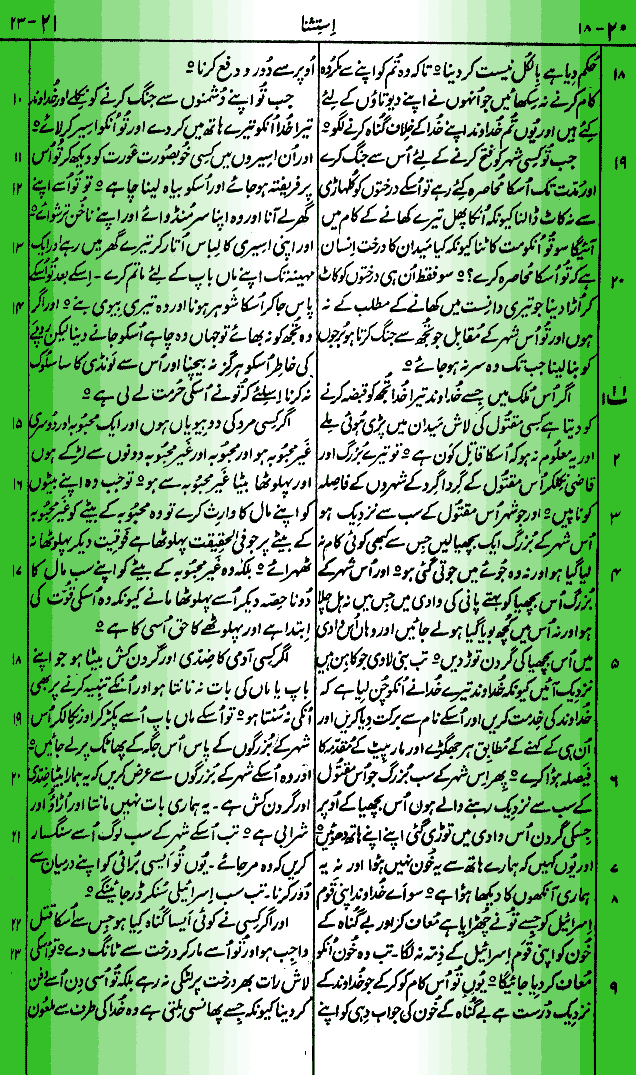
Deuteronomy Chapter 20 (Selected Verses)
Verse 18
Verse: That they teach you not to do after all their abominations which they have done unto their gods so should ye sin against the LORD your God
-
English Explanation: This verse establishes the reason for strict separation from pagan nations. It warns that adopting foreign idolatrous practices leads to spiritual corruption and sin against God.
-
Urdu Explanation: یہ آیت بتاتی ہے کہ غیر قوموں سے دوری کیوں ضروری تھی۔ یہ خبردار کرتی ہے کہ ان کے بت پرستانہ طریقوں کو اپنانا خدا کے خلاف گناہ اور روحانی تباہی کا باعث بنتا ہے۔
Verse 19
Verse: When thou shalt besiege a city a long time in making war against it to take it thou shalt not destroy the trees thereof by forcing an axe against them for thou mayest eat of them and thou shalt not cut them down (for the tree of the field is man’s life) to employ them in the siege
-
English Explanation: An early law of environmental conservation during war. Soldiers are forbidden from cutting down fruit-bearing trees for siege works, recognizing that nature provides life-sustaining food.
-
Urdu Explanation: یہ جنگ کے دوران ماحولیاتی تحفظ کا قانون ہے۔ فوجیوں کو پھل دار درخت کاٹنے سے منع کیا گیا ہے کیونکہ یہ درخت انسانی زندگی کے لیے خوراک فراہم کرتے ہیں۔
Verse 20
Verse: Only the trees which thou knowest that they be not trees for meat thou shalt destroy and cut them down and thou shalt build bulwarks against the city that maketh war with thee until it be subdued
-
English Explanation: Distinguishes between types of trees. Only non-fruit-bearing trees could be used for military fortifications (bulwarks) during a siege.
-
Urdu Explanation: یہ آیت درختوں کے درمیان فرق کرتی ہے۔ صرف ان درختوں کو کاٹنے کی اجازت تھی جو پھل نہیں دیتے تھے تاکہ انہیں جنگی قلعہ بندیوں کے لیے استعمال کیا جا سکے۔
Deuteronomy Chapter 21
Verse 1
Verse: If one be found slain in the land which the LORD thy God giveth thee to possess it lying in the field and it be not known who hath slain him
-
English Explanation: This introduces the law for an unsolved murder. It addresses the communal responsibility when a body is found in open country with no known killer.
-
Urdu Explanation: یہ نامعلوم قاتل کے ہاتھوں قتل ہونے والے شخص کے بارے میں قانون ہے۔ یہ اس صورتحال میں معاشرتی ذمہ داری کو بیان کرتا ہے جب کسی کی لاش کھلے میدان میں ملے۔
Verse 2
Verse: Then thy elders and thy judges shall come forth and they shall measure unto the cities which are round about him that is slain
-
English Explanation: To determine responsibility, elders and judges must measure the distance to surrounding cities to find the nearest one.
-
Urdu Explanation: ذمہ داری کا تعین کرنے کے لیے، بزرگ اور قاضی مقتول کے گردونواح کے شہروں کا فاصلہ ناپتے تھے تاکہ قریب ترین شہر کا پتہ لگایا جا سکے۔
Verse 3
Verse: And it shall be that the city which is next unto the slain man even the elders of that city shall take an heifer which hath not been wrought with and which hath not drawn in the yoke
-
English Explanation: The city closest to the crime scene was responsible for providing a young cow (heifer) that had never worked, symbolizing purity.
-
Urdu Explanation: مقتول کے قریب ترین شہر کے بزرگوں کی ذمہ داری تھی کہ وہ ایک ایسی بچھیا فراہم کریں جس سے کبھی کام نہ لیا گیا ہو، جو پاکیزگی کی علامت تھی۔
Verse 4
Verse: And the elders of that city shall bring down the heifer unto a rough valley which is neither eared nor sown and shall strike off the heifer’s neck there in the valley
-
English Explanation: The heifer is sacrificed in a barren valley. This ritual act symbolically removes the “bloodguilt” from the land.
-
Urdu Explanation: بچھیا کو ایک بنجر وادی میں قربان کیا جاتا تھا۔ یہ علامتی عمل زمین سے “خون کے گناہ” کو ختم کرنے کے لیے کیا جاتا تھا۔
Verse 5
Verse: And the priests the sons of Levi shall come near for them the LORD thy God hath chosen to minister unto him and to bless in the name of the LORD and by their word shall every controversy and every stroke be tried
-
English Explanation: The Levite priests oversee the process, representing God’s judicial and spiritual authority in resolving conflicts.
-
Urdu Explanation: لاوی کاہن اس عمل کی نگرانی کرتے تھے، جو تنازعات کے حل میں خدا کے عدالتی اور روحانی اختیار کی نمائندگی کرتے تھے۔
Verse 6
Verse: And all the elders of that city that are next unto the slain man shall wash their hands over the heifer that is beheaded in the valley
-
English Explanation: The washing of hands is a symbolic declaration of innocence by the city’s leaders regarding the unsolved crime.
-
Urdu Explanation: ہاتھوں کو دھونا اس بات کا علامتی اظہار تھا کہ شہر کے بزرگ اس نامعلوم جرم سے بری الذمہ اور معصوم ہیں۔
Verse 7
Verse: And they shall answer and say Our hands have not shed this blood neither have our eyes seen it
-
English Explanation: A formal verbal oath stating that they did not commit the murder nor did they witness it and fail to report it.
-
Urdu Explanation: یہ ایک باقاعدہ حلف تھا کہ انہوں نے نہ تو یہ قتل کیا ہے اور نہ ہی وہ اس کے گواہ ہیں۔
Verse 8
Verse: Be merciful O LORD unto thy people Israel whom thou hast redeemed and lay not innocent blood unto thy people of Israel’s charge And the blood shall be forgiven them
-
English Explanation: A prayer for divine atonement, asking God not to hold the community accountable for the shed blood of an innocent person.
-
Urdu Explanation: یہ کفارے کی دعا ہے، جس میں خدا سے التجا کی گئی ہے کہ وہ معصوم کے خون کا بوجھ پوری قوم پر نہ ڈالے اور انہیں معاف کر دے۔
Verse 9
Verse: So shalt thou put away the guilt of innocent blood from among you when thou shalt do that which is right in the sight of the LORD
-
English Explanation: Obedience to God’s rituals ensures that the moral stain of murder is removed from society.
-
Urdu Explanation: خدا کے احکامات پر عمل کرنے سے معاشرے سے قتل کا اخلاقی دھبہ صاف ہو جاتا ہے۔
Verse 10
Verse: When thou goest forth to war against thine enemies and the LORD thy God hath delivered them into thine hands and thou hast taken them captive
-
English Explanation: Shifts the focus to the treatment of female captives during warfare.
-
Urdu Explanation: یہاں سے توجہ جنگ کے دوران قیدی بنائی گئی خواتین کے ساتھ سلوک کی طرف منتقل ہوتی ہے۔
Verse 11
Verse: And seest among the captives a beautiful woman and hast a desire unto her that thou wouldest have her to thy wife
-
English Explanation: Legalizes the process by which a soldier could marry a captive, but with specific humanitarian protections.
-
Urdu Explanation: یہ اس عمل کو قانونی شکل دیتا ہے جس کے تحت ایک سپاہی کسی قیدی خاتون سے شادی کر سکتا تھا، لیکن خاص انسانی حقوق کے تحفظ کے ساتھ۔
Verse 12
Verse: Then thou shalt bring her home to thine house and she shall shave her head and pare her nails
-
English Explanation: These acts were symbols of mourning and the shedding of her past identity as she entered a new household.
-
Urdu Explanation: یہ افعال سوگ کی علامت تھے اور اس کی پرانی شناخت کو ختم کر کے نئے گھرانے میں شامل ہونے کی علامت تھے۔
Verse 13
Verse: And she shall put the raiment of her captivity from off her and shall remain in thine house and bewail her father and her mother a full month and after that thou shalt go in unto her and be her husband and she shall be thy wife
-
English Explanation: A mandatory one-month mourning period was required to show respect for her grief before the marriage could be finalized.
-
Urdu Explanation: شادی سے پہلے ایک ماہ کی سوگ کی مدت لازمی تھی تاکہ اس کے غم کا احترام کیا جا سکے۔
Verse 14
Verse: And it shall be if thou have no delight in her then thou shalt let her go whither she will but thou shalt not sell her at all for money thou shalt not make merchandise of her because thou hast humbled her
-
English Explanation: If the husband decided to divorce her, she had to be set free. Selling her as a slave was strictly forbidden because she had been treated as a wife.
-
Urdu Explanation: اگر شوہر اسے طلاق دینے کا فیصلہ کرتا، تو اسے آزاد کرنا پڑتا تھا۔ اسے غلام بنا کر بیچنا سختی سے منع تھا کیونکہ اس کے ساتھ بیوی کا سلوک کیا گیا تھا۔
Verse 15
Verse: If a man have two wives one beloved and another hated and they have born him children both the beloved and the hated and if the firstborn son be hers that was hated
-
English Explanation: Addresses the issue of inheritance in a polygamous family where the father might favor one wife over another.
-
Urdu Explanation: یہ کثیر الازدواجی خاندان میں وراثت کے مسئلے کو حل کرتا ہے جہاں باپ ایک بیوی کو دوسری پر ترجیح دے سکتا ہے۔
Verse 16
Verse: Then it shall be when he maketh his sons to inherit that which he hath that he may not make the son of the beloved firstborn before the son of the hated which is indeed the firstborn
-
English Explanation: The law forbids a father from transferring the birthright of the actual firstborn to the son of a favored wife.
-
Urdu Explanation: قانون باپ کو اس بات سے روکتا ہے کہ وہ اپنی پسندیدہ بیوی کے بیٹے کو وراثت میں پہلوٹھے کا حق دے، جبکہ اصل پہلوٹھا دوسری بیوی کا بیٹا ہو۔
Verse 17
Verse: But he shall acknowledge the son of the hated for the firstborn by giving him a double portion of all that he hath for he is the beginning of his strength the right of the firstborn is his
-
English Explanation: The firstborn must receive a double portion of the inheritance regardless of the father’s personal feelings toward the mother.
-
Urdu Explanation: پہلوٹھے کو وراثت کا دوہرا حصہ ملنا چاہیے، قطع نظر اس کے کہ باپ کے اس کی ماں کے ساتھ ذاتی تعلقات کیسے ہیں۔
Verse 18
Verse: If a man have a stubborn and rebellious son which will not obey the voice of his father or the voice of his mother and that when they have chastened him will not hearken unto them
-
English Explanation: Deals with extreme cases of domestic rebellion where a child consistently refuses all parental authority.
-
Urdu Explanation: یہ گھریلو سرکشی کے انتہائی معاملات سے متعلق ہے جہاں بچہ مسلسل والدین کے اختیار کو ماننے سے انکار کرتا ہے۔
Verse 19
Verse: Then shall his father and his mother lay hold on him and bring him out unto the elders of his city and unto the gate of his place
-
English Explanation: Parents did not have the right to execute judgment themselves; they had to bring the case to the public elders for a formal trial.
-
Urdu Explanation: والدین کو خود فیصلہ کرنے کا حق نہیں تھا؛ انہیں رسمی مقدمے کے لیے معاملہ شہر کے بزرگوں کے پاس لانا پڑتا تھا۔
Verse 20
Verse: And they shall say unto the elders of his city This our son is stubborn and rebellious he will not obey our voice he is a glutton and a drunkard
-
English Explanation: The parents must present specific evidence of the son’s persistent lifestyle of rebellion and lack of self-control.
-
Urdu Explanation: والدین کو بیٹے کی مسلسل سرکشی اور بے راہ روی کے بارے میں مخصوص شواہد پیش کرنے ہوتے تھے۔
Verse 21
Verse: And all the men of his city shall stone him with stones that he die so shalt thou put evil away from among you and all Israel shall hear and fear
-
English Explanation: A severe punishment intended to serve as a deterrent to maintain the moral and social fabric of the nation.
-
Urdu Explanation: یہ ایک سخت سزا تھی جس کا مقصد قوم کے اخلاقی اور سماجی ڈھانچے کو برقرار رکھنے کے لیے عبرت پیدا کرنا تھا۔
Verse 22
Verse: And if a man have committed a sin worthy of death and he be to be put to death and thou hang him on a tree
-
English Explanation: This refers to the public display of the body of an executed criminal as a sign of the curse of sin.
-
Urdu Explanation: یہ ایک مجرم کی لاش کو عوامی طور پر درخت پر لٹکانے کا حوالہ ہے، جو گناہ کی لعنت کی علامت تھا۔
Verse 23
Verse: His body shall not remain all night upon the tree but thou shalt in any wise bury him that day (for he that is hanged is accursed of God) that thy land be not defiled which the LORD thy God giveth thee for an inheritance
-
English Explanation: To prevent the spiritual defilement of the land, the body had to be buried the same day. This verse is famously referenced in the New Testament regarding the crucifixion of Jesus.
-
Urdu Explanation: زمین کی روحانی ناپاکی کو روکنے کے لیے لاش کو اسی دن دفن کرنا لازمی تھا۔ اس آیت کا حوالہ نئے عہد نامے میں یسوع مسیح کی مصلوبیت کے حوالے سے بھی دیا گیا ہے۔