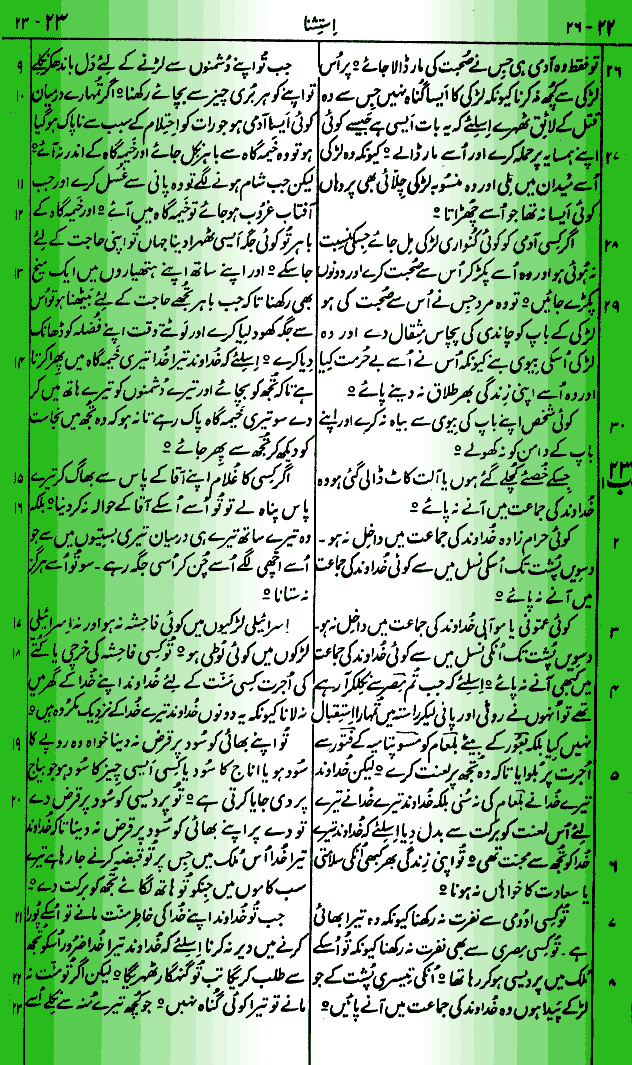
Deuteronomy Chapter 22 (Continued)
Verse 26
Verse: But unto the damsel thou shalt do nothing there is in the damsel no sin worthy of death for as when a man riseth against his neighbor and slayeth him even so is this matter
-
English Explanation: This verse establishes the innocence of a victim in a case of forced encounter. It compares the act to murder, where the victim is helpless and blameless.
-
Urdu Explanation: اس آیت میں یہ واضح کیا گیا ہے کہ اگر کسی لڑکی کے ساتھ زیادتی کی گئی ہو تو وہ بے گناہ ہے۔ اس معاملے کو قتل کے برابر سمجھا گیا ہے جہاں مظلوم کا کوئی قصور نہیں ہوتا۔
Verse 27
Verse: For he found her in the field and the betrothed damsel cried and there was none to save her
-
English Explanation: The setting of a “field” implies that the woman may have screamed for help, but due to the location, no one was there to rescue her, confirming her lack of consent.
-
Urdu Explanation: چونکہ وہ لڑکی میدان میں تھی اور اس نے مدد کے لیے پکارا ہوگا مگر وہاں کوئی بچانے والا موجود نہ تھا، اس لیے اسے معصوم مانا جائے گا۔
Verse 28
Verse: If a man find a damsel that is a virgin which is not betrothed and lay hold on her and lie with her and they be found
-
English Explanation: This addresses a situation involving an unbetrothed virgin. It sets the legal stage for civil and social consequences.
-
Urdu Explanation: یہ آیت اس صورتحال کا ذکر کرتی ہے جہاں ایک غیر منسوب کنواری لڑکی کے ساتھ کوئی مرد زبردستی کرے یا تعلق قائم کرے اور وہ پکڑے جائیں۔
Verse 29
Verse: Then the man that lay with her shall give unto the damsel’s father fifty shekels of silver and she shall be his wife because he hath humbled her he may not put her away all his days
-
English Explanation: The man must pay a bride price to the father and marry the woman. He loses the right to divorce her for the rest of his life as a penalty for his actions.
-
Urdu Explanation: مرد کو پچاس مثقال چاندی لڑکی کے باپ کو ادا کرنی ہوگی اور اس سے شادی کرنی ہوگی۔ وہ اسے اپنی پوری زندگی طلاق نہیں دے سکے گا۔
Verse 30
Verse: A man shall not take his father’s wife nor discover his father’s skirt
-
English Explanation: This strictly forbids incestuous relationships, specifically with a stepmother, to maintain family sanctity.
-
Urdu Explanation: کوئی شخص اپنے باپ کی بیوی (سوتیلی ماں) سے تعلق نہ رکھے، کیونکہ یہ خاندان کی حرمت کے خلاف ہے۔
Deuteronomy Chapter 23
Verse 1
Verse: He that is wounded in the stones or hath his privy member cut off shall not enter into the congregation of the LORD
-
English Explanation: Physical wholeness was a requirement for formal entry into the religious assembly of Israel, symbolizing the perfection of God’s presence.
-
Urdu Explanation: وہ شخص جو جسمانی طور پر معذور یا خواجہ سرا ہو، اسے خداوند کی جماعت میں شامل ہونے کی اجازت نہ تھی، جو کہ اس وقت کی مذہبی پاکیزگی کی علامت تھی۔
Verse 2
Verse: A bastard shall not enter into the congregation of the LORD even to his tenth generation shall he not enter into the congregation of the LORD
-
English Explanation: This law discouraged illicit unions by barring the descendants of such unions from the formal congregation for ten generations.
-
Urdu Explanation: ناجائز اولاد یا ان کی نسلیں دسویں پشت تک خداوند کی جماعت میں داخل نہیں ہو سکیں گی۔ اس کا مقصد خاندانی پاکیزگی کو برقرار رکھنا تھا۔
Verse 3
Verse: An Ammonite or Moabite shall not enter into the congregation of the LORD even to their tenth generation shall they not enter into the congregation of the LORD for ever
-
English Explanation: Due to historical hostility, Ammonites and Moabites were excluded from Israel’s national assembly.
-
Urdu Explanation: عمونیوں اور موآبیوں کو ان کی تاریخی دشمنی کی وجہ سے خداوند کی جماعت سے مستقل طور پر دور رکھا گیا۔
Verse 4
Verse: Because they met you not with bread and with water in the way when ye came forth out of Egypt and because they hired against thee Balaam the son of Beor of Pethor of Mesopotamia to curse thee
-
English Explanation: The exclusion was based on their lack of hospitality and their active attempt to have Israel cursed by Balaam.
-
Urdu Explanation: اس کی وجہ یہ تھی کہ انہوں نے بنی اسرائیل کی مصر سے خروج کے وقت مدد نہیں کی اور ان پر لعنت بھیجنے کے لیے بلعام کی خدمات حاصل کیں۔
Verse 5
Verse: Nevertheless the LORD thy God would not hearken unto Balaam but the LORD thy God turned the curse into a blessing unto thee because the LORD thy God loved thee
-
English Explanation: God protected Israel by turning the intended curse into a blessing because of His love for them.
-
Urdu Explanation: خداوند نے بلعام کی بات نہیں سنی بلکہ اس کی لعنت کو برکت میں بدل دیا کیونکہ وہ اپنے لوگوں سے محبت کرتا تھا۔
Verse 6
Verse: Thou shalt not seek their peace nor their prosperity all thy days for ever
-
English Explanation: Israel was commanded not to form alliances or seek the welfare of these specific nations.
-
Urdu Explanation: بنی اسرائیل کو حکم دیا گیا کہ وہ ان قوموں کی خیر خواہی یا سلامتی کی کوشش کبھی نہ کریں۔
Verse 7
Verse: Thou shalt not abhor an Edomite for he is thy brother thou shalt not abhor an Egyptian because thou wast a stranger in his land
-
English Explanation: Edomites (descendants of Esau) and Egyptians were to be treated with more mercy because of kinship and historical hospitality.
-
Urdu Explanation: ادومیوں سے نفرت نہ کرو کیونکہ وہ تمہارے بھائی ہیں، اور نہ ہی مصریوں سے، کیونکہ تم ان کے ملک میں مسافر تھے۔
Verse 8
Verse: The children that are begotten of them shall enter into the congregation of the LORD in their third generation
-
English Explanation: Descendants of Edomites and Egyptians could be fully integrated into the assembly by the third generation.
-
Urdu Explanation: ان کی تیسری نسل کے بچے خداوند کی جماعت میں شامل ہونے کے اہل قرار پائے۔
Verse 9
Verse: When the host goeth forth against thine enemies then keep thee from every wicked thing
-
English Explanation: While at war, the military camp had to remain morally and spiritually pure to ensure God’s presence.
-
Urdu Explanation: جب تم جنگ کے لیے نکلو تو اپنے آپ کو ہر طرح کی برائی اور ناپاکی سے دور رکھو۔
Verse 10-11
Verse: If there be among you any man that is not clean… then shall he go abroad out of the camp… when the sun is down he shall come into the camp again
-
English Explanation: Regulations for ritual purity in the camp. An “unclean” man had to leave until evening and wash.
-
Urdu Explanation: اگر کوئی شخص ناپاکی کی حالت میں ہو تو اسے کیمپ سے باہر جانا ہوگا اور غسل کے بعد شام کو واپس آنا ہوگا۔
Verse 12-14
Verse: Thou shalt have a place also without the camp… For the LORD thy God walketh in the midst of thy camp… therefore shall thy camp be holy
-
English Explanation: Instructions for hygiene and sanitation within the camp to maintain holiness.
-
Urdu Explanation: کیمپ میں صفائی ستھرائی کا خاص خیال رکھنے کا حکم دیا گیا تاکہ خدا کا جلال وہاں موجود رہے اور کوئی ناپاکی نہ ہو۔
Verse 15-16
Verse: Thou shalt not deliver unto his master the servant which is escaped from his master unto thee… thou shalt not oppress him
-
English Explanation: Israel was to be a sanctuary for runaway slaves from other nations, providing them freedom and protection.
-
Urdu Explanation: اگر کوئی غلام بھاگ کر تمہارے پاس پناہ لے تو اسے واپس نہ کرو بلکہ اسے اپنے درمیان رہنے دو اور اس پر ظلم نہ کرو۔
Verse 17-18
Verse: There shall be no whore of the daughters of Israel nor a sodomite… Thou shalt not bring the hire of a whore… into the house of the LORD
-
English Explanation: Prostitution and cultic sexual practices were forbidden, and money gained from such acts could not be used for religious vows.
-
Urdu Explanation: بنی اسرائیل میں کسی قسم کی بدکاری کی اجازت نہ تھی اور بدکاری سے کمایا ہوا مال خدا کے گھر میں لانا حرام تھا۔
Verse 19-20
Verse: Thou shalt not lend upon usury to thy brother… Unto a stranger thou mayest lend upon usury
-
English Explanation: Charging interest (usury) to fellow Israelites was forbidden to encourage brotherhood, though it was permitted with foreigners.
-
Urdu Explanation: اپنے بھائی (بنی اسرائیل) سے سود لینا منع تھا، البتہ غیر ملکیوں سے سود لیا جا سکتا تھا۔
Verse 21-23
Verse: When thou shalt vow a vow unto the LORD thy God thou shalt not slack to pay it… That which is gone out of thy lips thou shalt keep and perform
-
English Explanation: Vows to God are voluntary, but once made, they are mandatory. Keeping one’s word is a matter of spiritual integrity.
-
Urdu Explanation: اگر تم خدا سے کوئی منت مانو تو اسے پورا کرنے میں دیر نہ کرو۔ زبان سے نکلی ہوئی بات کو پورا کرنا ضروری ہے۔