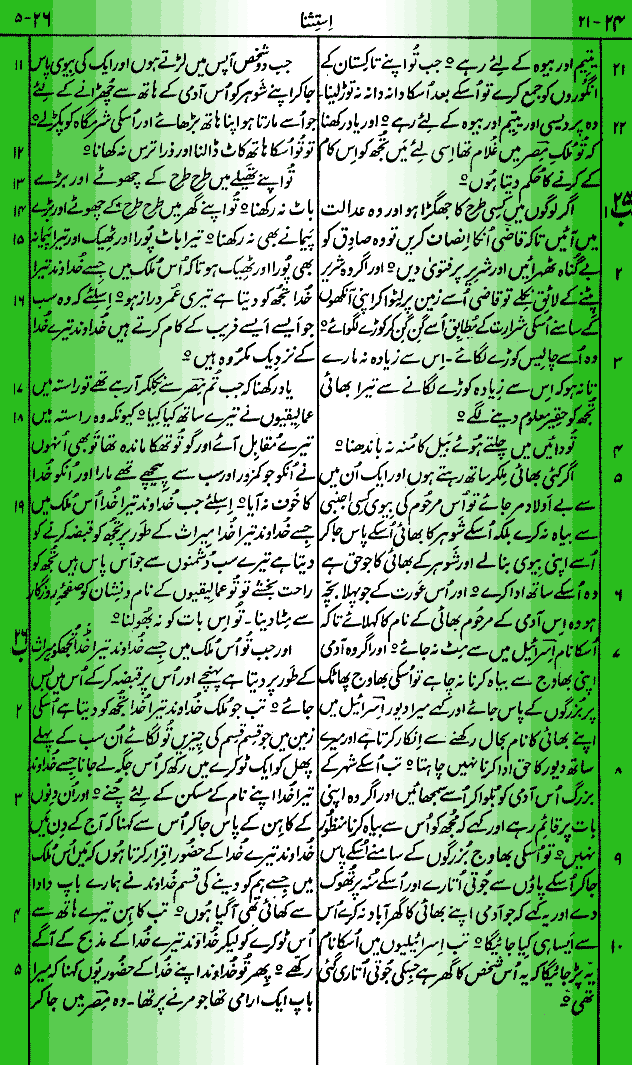
Deuteronomy 24:21-22
De:24:21 When thou gather-est the grapes of thy vineyard thou shalt not glean it afterward it shall be for the stranger for the fatherless and for the widow De:24:22 And thou shalt remember that thou wast a bondman in the land of Egypt therefore I command thee to do this thing
-
English Explanation: God institutes a welfare system for the vulnerable. Farmers were forbidden from harvesting every last grape; the leftovers (gleanings) were reserved for orphans, widows, and foreigners. This ensured the poor could work for their food with dignity. The motivation was gratitude—Israelites were once slaves in Egypt and should show the same mercy God showed them.
-
Urdu Explanation: خداوند یہاں غریبوں اور مسکینوں کے لیے خوراک کا انتظام فرماتا ہے۔ حکم ہے کہ جب انگور کی فصل کاٹی جائے تو تمام پھل نہ سمیٹا جائے بلکہ کچھ حصہ پردیسیوں، یتیموں اور بیواؤں کے لیے چھوڑ دیا جائے۔ اس کا مقصد یہ یاد دلانا ہے کہ بنی اسرائیل خود مصر میں غلام تھے، اس لیے انہیں دوسروں پر رحم کرنا چاہیے۔
Deuteronomy Chapter 25
De:25:1 If there be a controversy between men and they come unto judgment that the judges may judge them then they shall justify the righteous and condemn the wicked
-
English: This establishes the necessity of a fair judicial system where the innocent are cleared and the guilty are punished based on truth.
-
Urdu: اگر دو آدمیوں کے درمیان جھگڑا ہو تو ججوں کا فرض ہے کہ وہ سچائی کے ساتھ فیصلہ کریں، بے گناہ کو بری کریں اور گناہگار کو سزا دیں۔
De:25:2 And it shall be if the wicked man be worthy to be beaten that the judge shall cause him to lie down and to be beaten before his face according to his fault by a certain number
-
English: Punishment must be proportional to the crime and administered under official supervision to ensure it doesn’t become an act of personal revenge.
-
Urdu: اگر مجرم مار کھانے کے لائق ہو تو اسے جج کی موجودگی میں اس کے گناہ کی مناسبت سے کوڑے لگائے جائیں۔
De:25:3 Forty stripes he may give him and not exceed lest if he should exceed and beat him above these with many stripes then thy brother should seem vile unto thee
-
English: A limit of 40 stripes was set to preserve the human dignity of the offender. Over-punishing would degrade a fellow “brother” into something loathsome.
-
Urdu: مارنے کی حد چالیس کوڑے ہے اس سے زیادہ نہیں۔ مقصد یہ ہے کہ سزا دیتے وقت انسان کی تذلیل نہ ہو اور وہ اپنے بھائیوں کی نظر میں ذلیل نہ ٹھہرے۔
De:25:4 Thou shalt not muzzle the ox when he treadeth out the corn
-
English: This verse teaches compassion for animals, ensuring they eat while they work. Paul later applied this to the right of ministers to be supported.
-
Urdu: جب بیل غلہ گاہ رہا ہو تو اس کا منہ نہ باندھو۔ یہ جانوروں کے ساتھ ہمدردی اور ان کی محنت کا حق ادا کرنے کی تعلیم ہے۔
De:25:5-6 If brethren dwell together and one of them die and have no child the wife of the dead shall not marry without unto a stranger her husband’s brother shall go in unto her and take her to him to wife… that his name be not put out of Israel
-
English: This is the “Levirate Marriage” law. It ensured that a man’s lineage and property stayed within his family and provided protection for the widow.
-
Urdu: یہ “لیویریٹ شادی” کا قانون ہے۔ اگر کوئی شخص بے اولاد مر جائے تو اس کا بھائی اس کی بیوہ سے شادی کرے تاکہ اس مرنے والے کا نام اور جائیداد اسرائیل میں برقرار رہے۔
De:25:7-10 (Summary of the Refusal): If the brother refuses, the widow publicly shames him by removing his shoe and spitting in his direction.
-
English: Public shame was the penalty for a man who refused his family duty, highlighting the importance of community and lineage.
-
Urdu: اگر بھائی اپنی بھابھی سے شادی کرنے سے انکار کر دے تو اسے بزرگوں کے سامنے شرمندہ کیا جائے گا اور اسے “جوتی اتارے ہوئے کا گھرانہ” کہا جائے گا۔
De:25:11-12 (Case of immodest intervention): If a woman intervenes in a fight by grabbing a man’s private parts, her hand is to be cut off.
-
English: This extreme penalty emphasized the sanctity of the reproductive organs and the boundaries of modest behavior even in conflict.
-
Urdu: لڑائی کے دوران اگر کوئی عورت غیر اخلاقی حرکت کرے تو اسے سخت سزا دی جائے گی تاکہ حیا اور پاکدامنی برقرار رہے۔
De:25:13-16 Thou shalt not have in thy bag divers weights… But thou shalt have a perfect and just weight…
-
English: God demands honesty in business. Using deceptive weights is an “abomination.” Integrity leads to a long life in the land.
-
Urdu: تجارت میں ایمانداری کا حکم ہے۔ کم تولنا یا ناپ میں ہیرا پھیری کرنا خدا کی نظر میں گناہ ہے۔ برکت ہمیشہ دیانتداری میں ہے۔
De:25:17-19 Remember what Amalek did unto thee… thou shalt blot out the remembrance of Amalek…
-
English: Amalek attacked the Israelites from behind, targeting the weak. God commands perpetual opposition to such predatory evil.
-
Urdu: عمالیق کی دشمنی کو یاد رکھنے کا حکم ہے کیونکہ انہوں نے کمزوروں اور تھکے ہوئے لوگوں پر حملہ کیا تھا۔ خدا ایسے ظلم کو برداشت نہیں کرتا۔
Deuteronomy Chapter 26
De:26:1-2 And it shall be when thou art come in unto the land… That thou shalt take of the first of all the fruit of the earth… and shalt go unto the place which the LORD thy God shall choose
-
English: Upon entering the Promised Land, the first harvest was to be dedicated to God as an act of primary gratitude.
-
Urdu: جب بنی اسرائیل وعدہ کی ہوئی زمین میں داخل ہوں تو اپنی پہلی فصل کا کچھ حصہ خدا کے حضور شکرگزاری کے طور پر پیش کریں۔
De:26:3-4 And thou shalt go unto the priest… and the priest shall take the basket… and set it down before the altar
-
English: This was a formal ceremony facilitated by the priesthood, acknowledging that the land was a gift from God.
-
Urdu: یہ نذرانہ کاہن کے پاس لایا جائے گا جو اسے قربان گاہ کے سامنے رکھے گا، جو اس بات کا اقرار ہے کہ یہ سب خدا کی عطا ہے۔
De:26:5 And thou shalt speak and say before the LORD thy God A Syrian ready to perish was my father and he went down into Egypt and sojourned there with a few and became there a nation great mighty and populous
-
English: This is a “creed of faith.” It recalls Jacob (the wandering Aramean/Syrian) and the humble beginnings of Israel, moving from a small family to a great nation through God’s providence.
-
Urdu: یہاں اسرائیل کی تاریخ کا اعتراف ہے کہ ان کا باپ (یعقوب) ایک آوارہ گرد تھا جو مصر گیا اور وہاں خدا کے فضل سے ایک عظیم قوم بن گیا۔ یہ اپنی عاجزانہ شروعات کو یاد کرنے کا سبق ہے۔