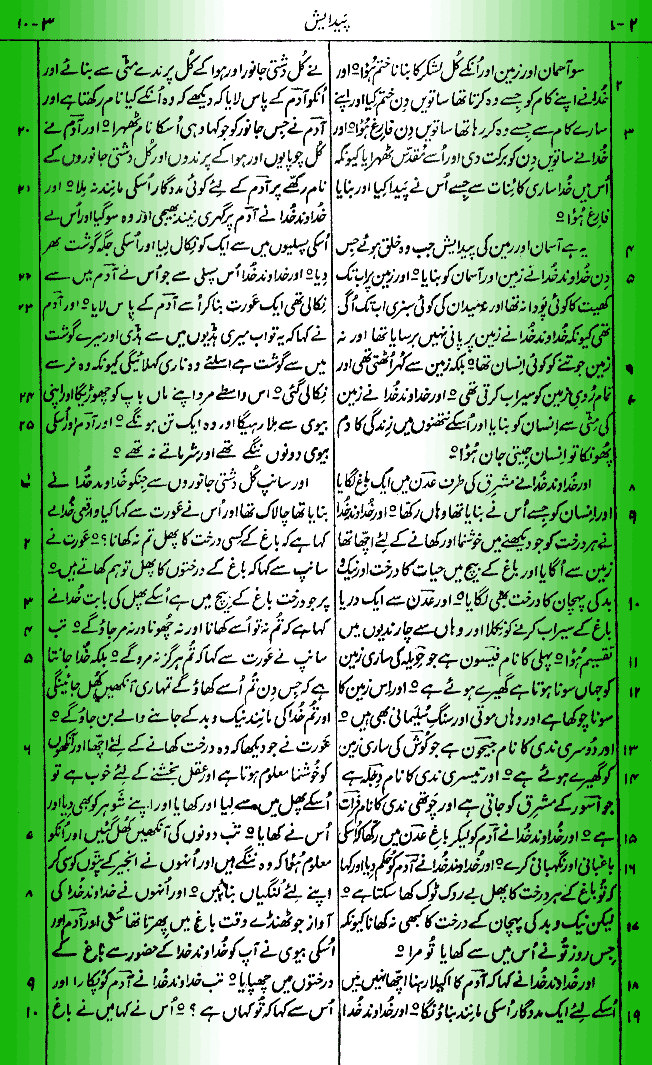
Genesis Chapter 02 & 03 (Verse by Verse English & Urdu Explanation)
Genesis Chapter 2 & 3: Verse-by-Verse Commentary
Genesis 2:1
Verse: Thus the heavens and the earth were finished, and all the host of them
English Explanation: This verse marks the completion of the physical universe. The “host” refers to everything contained within the heavens and earth—stars, planets, and all living creatures—showing that God’s creative work was exhaustive and perfect.
Urdu Explanation: یہ آیت کائنات کی تخلیق کی تکمیل کو ظاہر کرتی ہے۔ “لشکر” سے مراد وہ تمام چیزیں ہیں جو آسمان اور زمین میں موجود ہیں، جیسے ستارے اور جاندار، جو اس بات کی علامت ہے کہ خدا کا کام مکمل اور بے عیب تھا۔
Genesis 2:2
Verse: And on the seventh day God ended his work which he had made, and he rested on the seventh day from all his work which he had made
English Explanation: God “rested” not because He was tired, but to set a pattern for humanity. This establishes the principle of the Sabbath, a time to cease labor and appreciate God’s creation.
Urdu Explanation: خدا کے “آرام” کرنے کا مطلب تھکن نہیں بلکہ انسانوں کے لیے ایک نمونہ قائم کرنا تھا۔ اس سے سبت کے اصول کی بنیاد پڑی کہ انسان اپنے کاموں سے فارغ ہو کر خدا کی قدرت پر غور کرے۔
Genesis 2:3
Verse: And God blessed the seventh day and sanctified it because that in it he had rested from all his work which God created and made
English Explanation: To “sanctify” means to set apart. God made the seventh day holy, distinguishing it from the other six days of labor.
Urdu Explanation: خدا نے ساتویں دن کو برکت دی اور اسے مقدس ٹھہرایا۔ اس دن کو باقی چھ دنوں سے الگ کر کے اپنی عبادت اور آرام کے لیے مخصوص کر دیا۔
Genesis 2:4
Verse: These are the generations of the heavens and of the earth when they were created in the day that the LORD God made the earth and the heavens
English Explanation: This serves as a transition, shifting the focus from the broad cosmic overview of Chapter 1 to a more detailed account of human history. Urdu Explanation: یہ آیت ایک نیا رخ پیش کرتی ہے جہاں کائنات کی عام تخلیق کے بعد اب خاص طور پر انسان اور زمین کی تاریخ پر توجہ دی جا رہی ہے۔
Genesis 2:5
Verse: And every plant of the field before it was in the earth, and every herb of the field before it grew, for the LORD God had not caused it to rain upon the earth, and there was not a man to till the ground
English Explanation: This highlights the state of the earth before the arrival of man and rain, emphasizing that the ecosystem required human stewardship to thrive.
Urdu Explanation: یہ زمین کی اس حالت کا ذکر ہے جب نہ بارش ہوئی تھی اور نہ ہی کوئی انسان کھیتی باڑی کے لیے موجود تھا۔ یہ انسانی ذمہ داری کی ضرورت کو ظاہر کرتا ہے۔
Genesis 2:6
Verse: But there went up a mist from the earth and watered the whole face of the ground
English Explanation: Before rain became common, a mist or spring system provided the necessary hydration for the newly created vegetation. Urdu Explanation: بارش سے پہلے زمین سے ایک کہرا یا بھاپ اٹھتی تھی جو تمام زمین کو سیراب کرتی تھی تاکہ نباتات تروتازہ رہیں۔
Genesis 2:7
Verse: And the LORD God formed man of the dust of the ground and breathed into his nostrils the breath of life, and man became a living soul
English Explanation: This is a pivotal moment where man is created from physical matter (dust) but given life through the divine breath of God, making humans unique.
Urdu Explanation: خدا نے انسان کو مٹی سے بنایا اور اس کے نتھنوں میں زندگی کا دم پھونکا۔ اس طرح انسان ایک زندہ جان بنا، جو اسے دیگر مخلوقات سے ممتاز کرتا ہے۔
Genesis 2:8
Verse: And the LORD God planted a garden eastward in Eden, and there he put the man whom he had formed
English Explanation: God provided a perfect environment for man. Eden represents a place of direct fellowship between God and humanity.
Urdu Explanation: خدا نے عدن میں ایک باغ لگایا اور انسان کو وہاں رکھا۔ یہ جگہ خدا اور انسان کے درمیان براہِ راست تعلق اور رفاقت کی علامت تھی۔
Genesis 2:9
Verse: And out of the ground made the LORD God to grow every tree that is pleasant to the sight and good for food, the tree of life also in the midst of the garden, and the tree of knowledge of good and evil
English Explanation: The garden contained trees for physical nourishment and two symbolic trees: one representing eternal life and the other representing moral choice and testing.
Urdu Explanation: باغ میں خوبصورت اور پھلدار درختوں کے ساتھ دو اہم درخت تھے: زندگی کا درخت اور نیک و بد کی پہچان کا درخت، جو انسانی انتخاب کی علامت تھے۔
Genesis 2:10-14
Verse: (Summarized: The rivers of Eden – Pison, Gihon, Hiddekel, and Euphrates)
English Explanation: These verses provide geographic context, showing that Eden was a real, physical location on earth, blessed with abundance and resources like gold and precious stones.
Urdu Explanation: یہ آیات عدن کے جغرافیائی مقام کو واضح کرتی ہیں اور بتاتی ہیں کہ یہ ایک حقیقی جگہ تھی جہاں پانی کی فراوانی اور قیمتی معدنیات موجود تھیں۔
Genesis 2:15
Verse: And the LORD God took the man and put him into the garden of Eden to dress it and to keep it
English Explanation: Work is not a curse; it was part of God’s original design. Man was given the responsibility to care for and protect God’s creation.
Urdu Explanation: کام کرنا کوئی بددعا نہیں بلکہ خدا کا منصوبہ تھا۔ انسان کو باغ کی حفاظت اور باغبانی کی ذمہ داری دی گئی تھی۔
Genesis 2:16-17
Verse: And the LORD God commanded the man, saying, Of every tree of the garden thou mayest freely eat, But of the tree of the knowledge of good and evil thou shalt not eat of it for in the day that thou eatest thereof thou shalt surely die
English Explanation: God gave man freedom, but set one boundary. Disobedience would lead to spiritual and eventually physical death.
Urdu Explanation: خدا نے انسان کو آزادی دی لیکن ایک حد مقرر کی۔ نافرمانی کی صورت میں موت (روحانی اور جسمانی) کا انتباہ دیا گیا۔
Genesis 2:18
Verse: And the LORD God said It is not good that the man should be alone. I will make him a help meet for him
English Explanation: Recognizing that man is a social being, God declares that solitude is not ideal and prepares to create a companion suitable for him.
Urdu Explanation: خدا نے محسوس کیا کہ انسان کا اکیلا رہنا اچھا نہیں، اس لیے اس نے اس کے لیے ایک موزوں مددگار بنانے کا فیصلہ کیا۔
Genesis 2:19-20
Verse: (Summarized: Adam naming the animals)
English Explanation: By naming the animals, Adam exercised authority over creation, but realized that none of the animals could provide the deep companionship he needed.
Urdu Explanation: آدم نے جانوروں کے نام رکھ کر اپنی حاکمیت ظاہر کی، لیکن اسے اپنے لیے کوئی ایسا ساتھی نہ ملا جو اس کے برابر کی سطح پر ہو۔
Genesis 2:21-22
Verse: And the LORD God caused a deep sleep to fall upon Adam, and he slept, and he took one of his ribs and closed up the flesh instead thereof, And the rib which the LORD God had taken from man made he a woman and brought her unto the man
English Explanation: God creates Eve from Adam’s own side, signifying that woman is of the same essence and nature as man.
Urdu Explanation: خدا نے آدم کی پسلی سے عورت کو پیدا کیا، جو اس بات کی علامت ہے کہ عورت اور مرد ایک ہی جوہر اور فطرت سے ہیں۔
Genesis 2:23
Verse: And Adam said This is now bone of my bones and flesh of my flesh, she shall be called Woman because she was taken out of Man
English Explanation: Adam recognizes Eve as his perfect counterpart. The Hebrew words for man (Ish) and woman (Ishshah) reflect this deep connection.
Urdu Explanation: آدم نے حوا کو دیکھ کر پہچان لیا کہ وہ اسی کا حصہ ہے۔ اس نے اسے “ناری” (عورت) کہا کیونکہ وہ مرد سے نکالی گئی تھی۔
Genesis 2:24
Verse: Therefore shall a man leave his father and his mother and shall cleave unto his wife and they shall be one flesh
English Explanation: This is the foundation of marriage: leaving priority of the parental home to build a new, unified life with a spouse.
Urdu Explanation: یہ شادی کی بنیاد ہے: انسان اپنے والدین کو چھوڑ کر اپنی بیوی سے مل جائے گا اور وہ دونوں ایک تن ہوں گے۔
Genesis 2:25
Verse: And they were both naked, the man and his wife, and were not ashamed
English Explanation: This depicts total innocence and transparency. There was no sin, so there was no reason for guilt or shame.
Urdu Explanation: یہ مکمل معصومیت کی حالت تھی۔ گناہ کے نہ ہونے کی وجہ سے ان کے درمیان کوئی شرم یا جھجک نہیں تھی۔
Genesis 3:1-5
Verse: (Summarized: The Serpent’s Deception)
English Explanation: The serpent introduces doubt by questioning God’s word and appealing to the woman’s desire for independence and “god-like” knowledge.
Urdu Explanation: سانپ نے خدا کے کلام پر شک پیدا کیا اور انسان کے اندر خود مختار بننے کی خواہش جگا کر اسے بہکایا۔
Genesis 3:6
Verse: And when the woman saw that the tree was good for food and that it was pleasant to the eyes and a tree to be desired to make one wise, she took of the fruit thereof and did eat and gave also unto her husband with her, and he did eat
English Explanation: Temptation leads to action. Both Adam and Eve chose to distrust God and follow their own desires, leading to the Fall of humanity.
Urdu Explanation: لالچ اور خواہش کے غلبے میں آکر حوا اور پھر آدم نے وہ پھل کھا لیا، جس سے انسانیت کا زوال شروع ہوا۔
Genesis 3:7
Verse: And the eyes of them both were opened, and they knew that they were naked, and they sewed fig leaves together and made themselves aprons
English Explanation: Their “enlightenment” was actually the loss of innocence. Sudden self-consciousness and shame led them to try to hide their vulnerability. Urdu Explanation: ان کی آنکھیں کھلنے کا مطلب معصومیت کا کھو جانا تھا۔ شرمندگی کے احساس نے انہیں اپنے آپ کو ڈھانپنے پر مجبور کر دیا۔
Genesis 3:8-10
Verse: (Summarized: God calling Adam)
English Explanation: Sin causes separation. Adam and Eve hide from God’s presence. God’s question, “Where art thou?” is not for information but for Adam to confess his state.
Urdu Explanation: گناہ انسان کو خدا سے دور کر دیتا ہے۔ خدا کا سوال “تو کہاں ہے؟” آدم کو اپنی غلطی کے اعتراف کا موقع دینے کے لیے تھا۔