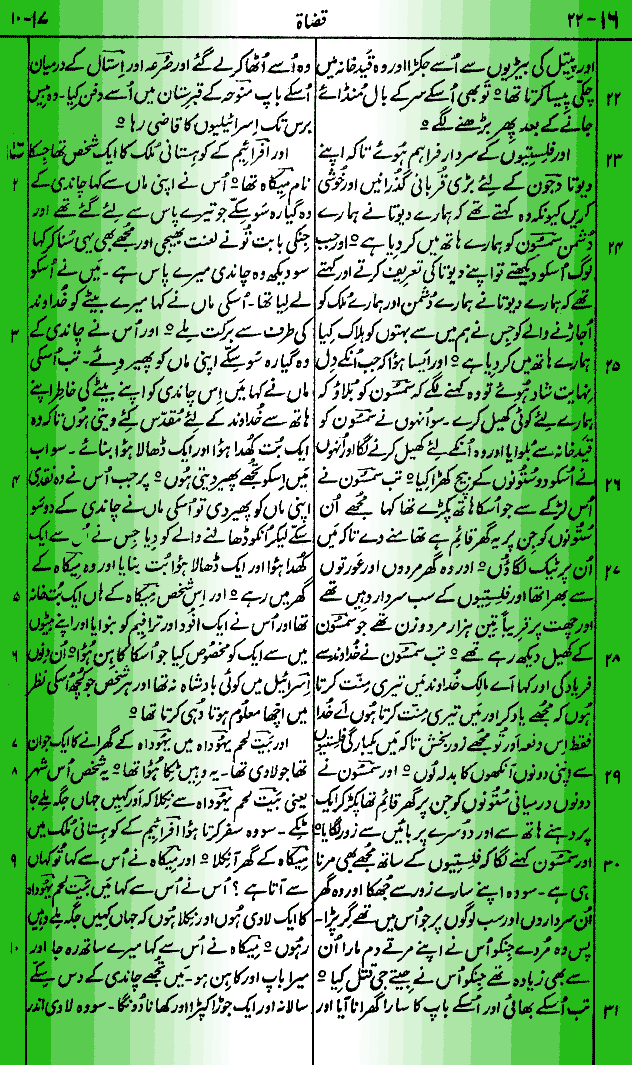
Judges Chapter 16 (Verses 22–31)
Verse 22
-
Verse: Howbeit the hair of his head began to grow again after he was shaven
-
English Explanation: This verse signifies hope and restoration. Although Samson had lost his strength due to his disobedience, the regrowth of his hair symbolizes the return of his Nazirite vow and God’s mercy starting to work in his life again.
-
Urdu Explanation: یہ آیت امید اور بحالی کی علامت ہے۔ اگرچہ سمسون نے اپنی نافرمانی کی وجہ سے اپنی طاقت کھو دی تھی، لیکن اس کے بالوں کا دوبارہ بڑھنا اس کے نذیر ہونے کے عہد کی واپسی اور خدا کے رحم کی نشاندہی کرتا ہے۔
Verse 23
-
Verse: Then the lords of the Philistines gathered them together for to offer a great sacrifice unto Dagon their god and to rejoice for they said Our god hath delivered Samson our enemy into our hand
-
English Explanation: The Philistine leaders attribute their victory over Samson to their false god, Dagon. They celebrate their perceived triumph, unaware that Samson’s God is the true source of power.
-
Urdu Explanation: فلسطینی سرداروں نے اپنی فتح کا سہرا اپنے جھوٹے دیوتا ‘داجون’ کے سر باندھا۔ وہ اپنی جیت کا جشن منا رہے تھے، اس بات سے بے خبر کہ سمسون کا خدا ہی حقیقی قدرت کا مالک ہے۔
Verse 24
-
Verse: And when the people saw him they praised their god for they said Our god hath delivered into our hands our enemy and the destroyer of our country which slew many of us
-
English Explanation: The common people join in the idolatry, mocking Samson. They view him as the “destroyer of our country,” acknowledging the heavy losses he had previously inflicted upon them.
-
Urdu Explanation: عام لوگ بھی بت پرستی میں شامل ہو گئے اور سمسون کا مذاق اڑانے لگے۔ انہوں نے اسے “اپنے ملک کا تباہ کرنے والا” قرار دیا، کیونکہ اس نے ماضی میں ان کا بہت نقصان کیا تھا۔
Verse 25
-
Verse: And it came to pass when their hearts were merry that they said Call for Samson that he may make us sport And they called for Samson out of the prison house and he made them sport and they set him between the pillars
-
English Explanation: In their drunken arrogance, they bring Samson out of prison to humiliate him for entertainment. They place him between the main structural pillars of the temple.
-
Urdu Explanation: اپنی مغروری میں انہوں نے سمسون کو قید خانے سے باہر بلایا تاکہ وہ اپنی تفریح کے لیے اس کی تذلیل کر سکیں۔ انہوں نے اسے ہیکل کے اہم ستونوں کے درمیان کھڑا کر دیا۔
Verse 26
-
Verse: And Samson said unto the lad that held him by the hand Suffer me that I may feel the pillars whereupon the house standeth that I may lean upon them
-
English Explanation: Samson uses his blindness to his advantage, asking the boy guiding him to let him touch the pillars. This was his strategic move to prepare for his final act of strength.
-
Urdu Explanation: سمسون نے اپنی بصارت کی محرومی کا فائدہ اٹھایا اور اپنے رہنما لڑکے سے کہا کہ اسے ستونوں کو چھونے دے۔ یہ اس کی آخری طاقتور کارروائی کی حکمت عملی تھی۔
Verse 27
-
Verse: Now the house was full of men and women and all the lords of the Philistines were there and there were upon the roof about three thousand men and women that beheld while Samson made sport
-
English Explanation: The temple was crowded with thousands of people, including all the Philistine elite. This setting maximizes the impact of the impending judgment.
-
Urdu Explanation: ہیکل ہزاروں لوگوں سے بھرا ہوا تھا، جس میں تمام فلسطینی اشرافیہ شامل تھی۔ یہ منظر آنے والی الٰہی عدالت کے اثر کو ظاہر کرتا ہے۔
Verse 28
-
Verse: And Samson called unto the LORD and said O Lord GOD remember me I pray thee and strengthen me I pray thee only this once O God that I may be at once avenged of the Philistines for my two eyes
-
English Explanation: Samson’s final prayer is one of humility and vengeance. He recognizes that his strength comes only from God and asks for it one last time to defeat the enemies of Israel.
-
Urdu Explanation: سمسون کی آخری دعا عاجزی اور بدلے پر مبنی ہے۔ وہ تسلیم کرتا ہے کہ اس کی طاقت صرف خدا کی طرف سے ہے اور وہ آخری بار اسرائیل کے دشمنوں کو شکست دینے کے لیے قوت مانگتا ہے۔
Verse 29
-
Verse: And Samson took hold of the two middle pillars upon which the house stood and on which it was borne up of the one with his right hand and of the other with his left
-
English Explanation: Samson positions himself at the central support of the entire structure, demonstrating his faith that God would empower him.
-
Urdu Explanation: سمسون نے پوری عمارت کے مرکزی ستونوں کو پکڑ لیا، جو اس کے اس ایمان کا اظہار تھا کہ خدا اسے دوبارہ قوت بخشے گا۔
Verse 30
-
Verse: And Samson said Let me die with the Philistines And he bowed himself with all his might and the house fell upon the lords and upon all the people that were therein So the dead which he slew at his death were more than they which he slew in his life
-
English Explanation: Samson sacrifices his life to destroy the Philistine leadership. His death achieved a greater military victory than all his previous battles combined.
-
Urdu Explanation: سمسون نے فلسطینی قیادت کو تباہ کرنے کے لیے اپنی جان قربان کر دی۔ اس کی موت نے اس کی زندگی کی تمام جنگوں سے بڑی فوجی فتح حاصل کی۔
Verse 31
-
Verse: Then his brethren and all the house of his father came down and took him and brought him up and buried him between Zorah and Eshtaol in the burying place of Manoah his father And he judged Israel twenty years
-
English Explanation: Samson is buried with honor by his family. The verse concludes his legacy, noting that he led Israel as a judge for twenty years.
-
Urdu Explanation: سمسون کے خاندان نے اسے عزت کے ساتھ دفن کیا۔ یہ آیت اس کی میراث کو ختم کرتی ہے، یہ بتاتے ہوئے کہ اس نے بیس سال تک اسرائیل کے قاضی کے طور پر خدمت کی۔
Judges Chapter 17 (Verses 1–10)
Verse 1
-
Verse: And there was a man of mount Ephraim whose name was Micah
-
English Explanation: This introduces a new narrative showing the spiritual confusion in Israel. Micah is a man from the hill country of Ephraim.
-
Urdu Explanation: یہ ایک نئی کہانی کا آغاز ہے جو اسرائیل میں روحانی الجھن کو ظاہر کرتی ہے۔ میکاہ کا تعلق افرائیم کے پہاڑی علاقے سے تھا۔
Verse 2
-
Verse: And he said unto his mother The eleven hundred shekels of silver that were taken from thee about which thou cursedst and spakest of also in mine ears behold the silver is with me I took it And his mother said Blessed be thou of the LORD my son
-
English Explanation: Micah confesses to stealing money from his mother. Surprisingly, instead of rebuking him, she blesses him, showing a lack of moral clarity.
-
Urdu Explanation: میکاہ نے اپنی ماں سے رقم چرانے کا اعتراف کیا۔ حیرت کی بات یہ ہے کہ اسے ڈانٹنے کے بجائے، اس کی ماں نے اسے برکت دی، جو اخلاقی گراوٹ کو ظاہر کرتا ہے۔
Verse 3
-
Verse: And when he had restored the eleven hundred shekels of silver to his mother his mother said I had wholly dedicated the silver unto the LORD from my hand for my son to make a graven image and a molten image now therefore I will restore it unto thee
-
English Explanation: The mother claims to dedicate the silver to the LORD (Yahweh) but intends to use it to make idols, a direct violation of God’s commandments.
-
Urdu Explanation: ماں نے چاندی کو خداوند کے لیے وقف کرنے کا دعویٰ کیا لیکن اسے بت بنانے کے لیے استعمال کرنے کا ارادہ کیا، جو کہ خدا کے احکامات کی کھلی خلاف ورزی ہے۔
Verse 4
-
Verse: Yet he restored the money unto his mother and his mother took two hundred shekels of silver and gave them to the founder who made thereof a graven image and a molten image and they were in the house of Micah
-
English Explanation: The money is used to create idols which are then kept in Micah’s home, establishing a private, unauthorized place of worship.
-
Urdu Explanation: رقم کو بت بنانے کے لیے استعمال کیا گیا جنہیں میکاہ کے گھر میں رکھا گیا، یوں اس نے عبادت کی ایک غیر مجاز اور نجی جگہ قائم کر لی۔
Verse 5
-
Verse: And the man Micah had an house of gods and made an ephod and teraphim and consecrated one of his sons who became his priest
-
English Explanation: Micah creates his own religious system, making ritual items and appointing his own son as a priest, completely bypassing the Levitical law.
-
Urdu Explanation: میکاہ نے اپنا مذہبی نظام بنایا، مذہبی اشیاء تیار کیں اور اپنے بیٹے کو کاہن مقرر کیا، جو کہ لاوی قانون کی مکمل خلاف ورزی تھی۔
Verse 6
-
Verse: In those days there was no king in Israel but every man did that which was right in his own eyes
-
English Explanation: This is a key verse describing the spiritual anarchy of the time. Without a central godly leadership, people lived by their own subjective standards.
-
Urdu Explanation: یہ اس وقت کی روحانی افراتفری کو بیان کرنے والی ایک کلیدی آیت ہے۔ کسی مرکزی خدائی قیادت کے بغیر، لوگ اپنے اپنے معیار کے مطابق زندگی گزار رہے تھے۔
Verse 7
-
Verse: And there was a young man out of Bethlehemjudah of the family of Judah who was a Levite and he sojourned there
-
English Explanation: A Levite from Bethlehem travels looking for a place to stay, introducing a character who should know the Law but is wandering.
-
Urdu Explanation: بیت اللحم کا ایک لاوی رہنے کے لیے جگہ کی تلاش میں نکلا۔ یہ ایک ایسے کردار کا تعارف ہے جسے قانون کا علم ہونا چاہیے تھا لیکن وہ بھٹک رہا تھا۔
Verse 8
-
Verse: And the man departed out of the city from Bethlehemjudah to sojourn where he could find a place and he came to mount Ephraim to the house of Micah as he journeyed
-
English Explanation: The wandering Levite happens upon Micah’s house during his travels.
-
Urdu Explanation: وہ لاوی اپنی مسافرت کے دوران میکاہ کے گھر پہنچ گیا۔
Verse 9
-
Verse: And Micah said unto him Whence comest thou And he said unto him I am a Levite of Bethlehemjudah and I go to sojourn where I may find a place
-
English Explanation: Micah questions the traveler, who identifies himself as a Levite seeking a residence.
-
Urdu Explanation: میکاہ نے مسافر سے سوال کیا، جس نے اپنی شناخت ایک ایسے لاوی کے طور پر کرائی جو رہائش کی تلاش میں ہے۔
Verse 10
-
Verse: And Micah said unto him Dwell with me and be unto me a father and a priest and I will give thee ten shekels of silver by the year and a suit of apparel and thy victuals So the Levite went in
-
English Explanation: Micah offers the Levite a job as his personal priest for a salary and clothes. The Levite accepts, further formalizing Micah’s corrupt religious setup.
-
Urdu Explanation: میکاہ نے لاوی کو تنخواہ اور کپڑوں کے بدلے اپنے ذاتی کاہن کے طور پر نوکری کی پیشکش کی۔ لاوی نے اسے قبول کر لیا، جس سے میکاہ کے کرپٹ مذہبی ڈھانچے کو مزید تقویت ملی۔