Verse by Verse Analysis
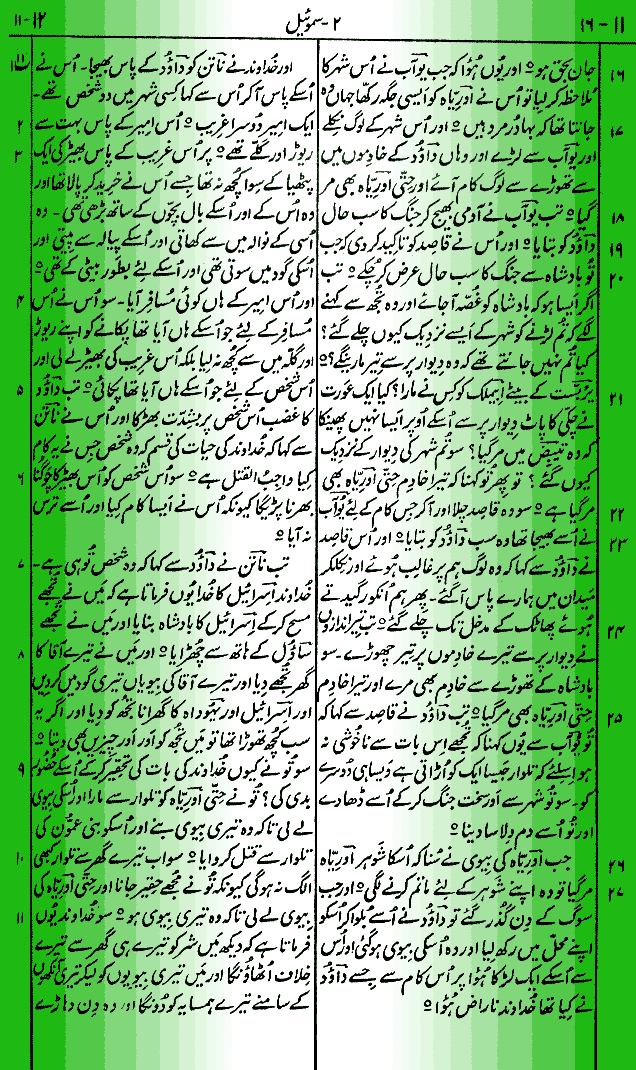
2 Samuel 11:16
Verse: And it came to pass when Joab observed the city that he assigned Uriah unto a place where he knew that valiant men were English Explanation: Joab, following David’s secret orders, intentionally placed Uriah in the most dangerous part of the battlefield. This was a calculated move to ensure Uriah’s death under the guise of war. Urdu Explanation: یوآب نے داؤد کے خفیہ حکم کی تعمیل کرتے ہوئے اوریاہ کو دانستہ طور پر جنگ کے اس حصے میں تعینات کیا جہاں دشمن کے سب سے طاقتور جنگجو موجود تھے تاکہ اس کی موت یقینی ہو جائے۔
2 Samuel 11:17
Verse: And the men of the city went out and fought with Joab and there fell some of the people of the servants of David and Uriah the Hittite died also English Explanation: The plan succeeded. During the skirmish, several Israelite soldiers were killed, and among them was Uriah. David’s “problem” was seemingly solved by the sword of the enemy. Urdu Explanation: یہ منصوبہ کامیاب رہا۔ جنگ کے دوران شہر کے لوگ باہر نکلے اور لڑائی ہوئی جس میں داؤد کے کچھ سپاہی مارے گئے اور ان کے ساتھ اوریاہ حِتی بھی ہلاک ہو گیا۔
2 Samuel 11:18–21
Verse Summary: Joab sends a report to David. He anticipates David might be angry about the tactical error of getting too close to the wall (referencing the death of Abimelech) and instructs the messenger to mention Uriah’s death to appease the King. English Explanation: Joab knew that getting close to city walls was a military blunder. However, he used Uriah’s death as a “justification” for the loss of other men, knowing David prioritized Uriah’s death over military strategy. Urdu Explanation: یوآب نے داؤد کو جنگی رپورٹ بھیجی۔ اسے معلوم تھا کہ دیوار کے قریب جانا ایک جنگی غلطی ہے، اس لیے اس نے قاصد کو ہدایت دی کہ اگر بادشاہ ناراض ہو تو اسے بتا دینا کہ اوریاہ بھی مارا گیا ہے تاکہ بادشاہ کا غصہ ٹھنڈا ہو جائے۔
2 Samuel 11:22–24
Verse Summary: The messenger informs David of the battle’s outcome, confirming that the enemy shooters on the wall killed several servants, including Uriah the Hittite. English Explanation: The messenger delivers the news exactly as Joab commanded. He highlights that the enemy had the upper hand near the gate, leading to the casualties. Urdu Explanation: قاصد نے داؤد کو جا کر تمام حال سنایا کہ کس طرح دشمن ان پر غالب آیا اور دیوار سے تیر اندازوں نے حملہ کیا جس میں اوریاہ حِتی بھی مارا گیا۔
2 Samuel 11:25
Verse: Then David said unto the messenger Thus shalt thou say unto Joab Let not this thing displease thee for the sword devoureth one as well as another make thy battle more strong against the city and overthrow it and encourage thou him English Explanation: David responds with cold indifference, dismissing the loss of life as a natural part of war. His primary goal was achieved, so he encourages Joab to continue the siege. Urdu Explanation: داؤد نے بڑی بے حسی سے جواب دیا کہ یوآب کو افسوس نہیں کرنا چاہیے کیونکہ تلوار بلا امتیاز کسی کو بھی کھا سکتی ہے۔ اس کا اصل مقصد پورا ہو چکا تھا، اس لیے اس نے جنگ جاری رکھنے کا حکم دیا۔
2 Samuel 11:26–27
Verse: …And when the mourning was past David sent and fetched her to his house and she became his wife and bare him a son But the thing that David had done displeased the LORD English Explanation: Bathsheba mourns her husband briefly, after which David marries her. While the world saw a king “caring” for a widow, God saw murder and adultery. The verse ends with a ominous note: God was displeased. Urdu Explanation: جب ماتم کے دن گزر گئے تو داؤد نے بت سبع کو اپنے گھر بلایا اور اس سے شادی کر لی۔ بظاہر سب ٹھیک لگ رہا تھا لیکن خدا کی نظر میں یہ فعل انتہائی ناپسندیدہ اور گناہ آلود تھا۔
Chapter 12: The Confrontation
2 Samuel 12:1–4 (The Parable)
Verse Summary: Nathan tells a story of a rich man with many flocks who stole a poor man’s only beloved ewe lamb to feed a traveler. English Explanation: Nathan uses a parable to bypass David’s defenses. The “ewe lamb” represents Bathsheba, who was precious to Uriah, while David is the “rich man” with many resources who acted out of greed. Urdu Explanation: نیتن نبی نے ایک تمثیل سنائی جس میں ایک امیر آدمی نے اپنی ڈھیروں بھیڑیں ہونے کے باوجود ایک غریب آدمی کی اکلوتی پیاری بھیڑیا ذبح کر دی۔ یہ اوریاہ اور بت سبع کی کہانی کی عکاسی تھی۔
2 Samuel 12:5–6
Verse: And Davids anger was greatly kindled against the man and he said to Nathan As the LORD liveth the man that hath done this thing shall surely die English Explanation: David, unaware the story is about him, reacts with righteous indignation. He sentences the hypothetical rich man to death and demands fourfold restitution. Urdu Explanation: داؤد اس فرضی امیر آدمی پر سخت غصہ ہوا اور نیتن سے کہا کہ ایسا شخص موت کا حقدار ہے اور اسے چار گنا ہرجانہ بھرنا چاہیے۔
2 Samuel 12:7–9
Verse: And Nathan said to David Thou art the man… English Explanation: Nathan delivers the most direct rebuke in scripture: “Thou art the man.” He reminds David of God’s blessings and exposes his sin of murdering Uriah and taking his wife. Urdu Explanation: نیتن نے داؤد سے کہا “وہ آدمی تو ہی ہے”۔ اس نے داؤد کو خدا کے احسانات یاد دلائے اور اسے اوریاہ کے قتل اور اس کی بیوی پر قبضہ کرنے کا مجرم قرار دیا۔
2 Samuel 12:10–11
Verse: Now therefore the sword shall never depart from thine house… Behold I will raise up evil against thee out of thine own house English Explanation: God pronounces judgment. Because David used the sword secretly against Uriah, violence would plague his own family. His private sin would lead to public shame. Urdu Explanation: خدا نے فیصلہ سنایا کہ اب داؤد کے خاندان سے تلوار کبھی دور نہ ہوگی۔ جو گناہ اس نے چھپ کر کیا تھا، اس کی سزا اسے علانیہ طور پر اپنے ہی گھر والوں کے ہاتھوں بھگتنی پڑے گی۔
Note: This passage serves as a timeless reminder that while man looks at the outward appearance and circumstances, the Lord looks at the heart and requires accountability from even the highest authorities.