Verse 9
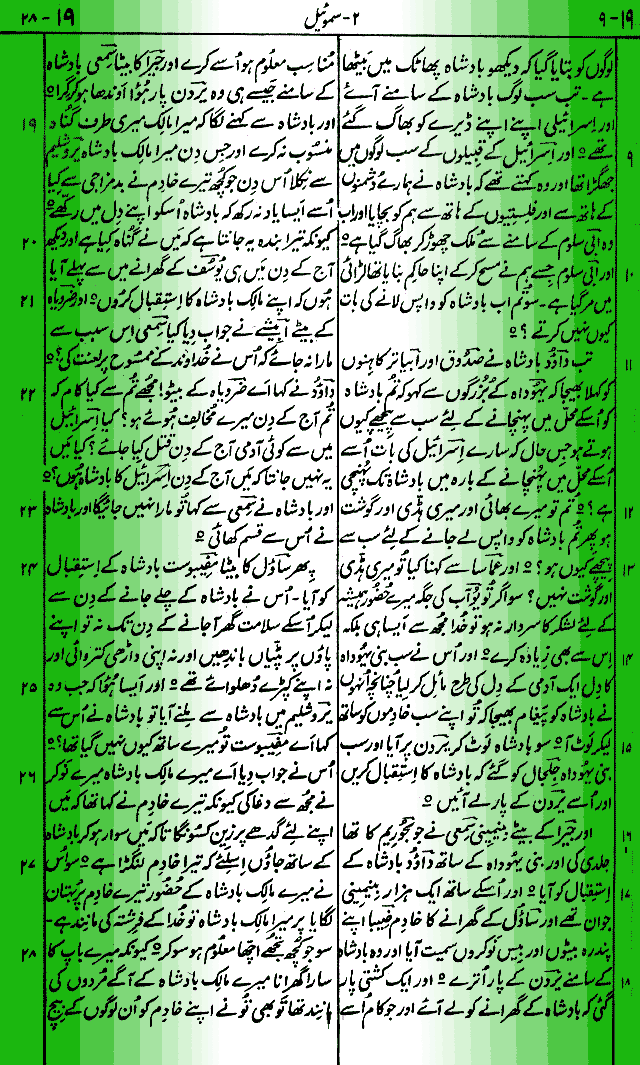
Verse: And all the people were at strife throughout all the tribes of Israel saying The king saved us out of the hand of our enemies and he delivered us out of the hand of the Philistines and now he is fled out of the land for Absalom
-
English Explanation: After the death of Absalom, the people of Israel began to argue. They realized that David, despite the rebellion, was the one who had truly protected them from foreign enemies like the Philistines. They acknowledged the irony that their hero was forced to flee because of his own son.
-
Urdu Explanation: ابشلوم کی موت کے بعد، اسرائیل کے تمام قبیلوں میں بحث شروع ہو گئی۔ لوگوں نے محسوس کیا کہ داؤد بادشاہ ہی وہ شخص تھا جس نے انہیں فلسطینیوں جیسے دشمنوں سے بچایا تھا۔ وہ اب اپنی غلطی کا احساس کر رہے تھے کہ ان کا نجات دہندہ اپنے ہی بیٹے کی وجہ سے ملک چھوڑنے پر مجبور ہوا۔
Verse 10
Verse: And Absalom whom we anointed over us is dead in battle Now therefore why speak ye not a word of bringing the king back
-
English Explanation: The people recognized that their chosen leader, Absalom, was dead. Since the rebellion failed, they questioned why there was a delay in inviting David back to take his rightful throne.
-
Urdu Explanation: لوگوں نے تسلیم کیا کہ ابشلوم، جسے انہوں نے اپنا بادشاہ چنا تھا، جنگ میں مارا گیا۔ اب جب کہ بغاوت ختم ہو چکی تھی، وہ ایک دوسرے سے پوچھنے لگے کہ بادشاہ کو واپس لانے میں دیر کیوں ہو رہی ہے۔
Verse 11
Verse: And king David sent to Zadok and to Abiathar the priests saying Speak unto the elders of Judah saying Why are ye the last to bring the king back to his house seeing the speech of all Israel is come to the king even to his house
-
English Explanation: David noticed that while the other tribes were discussing his return, his own tribe (Judah) remained silent. He sent the priests to challenge Judah’s leaders, urging them not to be the last to show loyalty.
-
Urdu Explanation: داؤد نے دیکھا کہ دوسرے قبیلے تو اس کی واپسی کی باتیں کر رہے ہیں لیکن اس کا اپنا قبیلہ (یہوداہ) خاموش ہے۔ اس نے کاہنوں کے ذریعے پیغام بھیجا کہ کیا تم اپنے بادشاہ کو واپس لانے میں سب سے پیچھے رہو گے؟
Verse 12
Verse: Ye are my brethren ye are my bones and my flesh wherefore then are ye the last to bring back the king
-
English Explanation: David appeals to the common bloodline he shares with the men of Judah. He uses emotional language (“my bones and my flesh”) to stir their loyalty and remind them of their kinship.
-
Urdu Explanation: داؤد نے یہوداہ کے لوگوں کو ان کے خونی رشتے کی یاد دلائی۔ اس نے جذباتی انداز میں کہا کہ تم تو میرے بھائی اور میرا گوشت پوست ہو، پھر تم مجھے واپس لانے میں اتنی تاخیر کیوں کر رہے ہو؟
Verse 13
Verse: And say ye to Amasa Art thou not of my bone and of my flesh God do so to me and more also if thou be not captain of the host before me continually in the room of Joab
-
English Explanation: In a strategic political move, David offers Amasa (who was Absalom’s general) the position of commander-in-chief in place of Joab. This was an attempt to reconcile with the rebels and penalize Joab for killing Absalom.
-
Urdu Explanation: داؤد نے ایک سیاسی چال کے طور پر عماسا (جو ابشلوم کا سالار تھا) کو اپنی فوج کا سپہ سالار بنانے کا وعدہ کیا۔ یہ باغیوں کے ساتھ صلح کرنے اور یوآب کو سزا دینے کی ایک کوشش تھی جس نے ابشلوم کو قتل کیا تھا۔
Verse 14
Verse: And he bowed the heart of all the men of Judah even as the heart of one man so that they sent this word unto the king Return thou and all thy servants
-
English Explanation: David’s words were effective. The entire tribe of Judah was moved as one, and they officially invited the king and his household to return to Jerusalem.
-
Urdu Explanation: داؤد کی باتوں نے یہوداہ کے تمام لوگوں کے دل جیت لیے۔ وہ سب متحد ہو گئے اور بادشاہ کو پیغام بھیجا کہ آپ اور آپ کے تمام خادم عزت کے ساتھ واپس تشریف لائیں۔
Verse 15
Verse: So the king returned and came to Jordan And Judah came to Gilgal to go to meet the king to conduct the king over Jordan
-
English Explanation: David began his journey back, reaching the Jordan River. The people of Judah gathered at Gilgal to provide an escort for the king across the river.
-
Urdu Explanation: بادشاہ نے واپسی کا سفر شروع کیا اور دریائے یردن تک پہنچا۔ یہوداہ کے لوگ گلگال میں جمع ہوئے تاکہ بادشاہ کا استقبال کریں اور اسے دریا پار کرانے میں مدد کریں۔
Verse 16
Verse: And Shimei the son of Gera a Benjamite which was of Bahurim hasted and came down with the men of Judah to meet king David
-
English Explanation: Shimei, who had previously cursed David during his flight, rushed to meet the king. He realized that with David back in power, his life was in danger.
-
Urdu Explanation: شمعی، جس نے داؤد کے فرار کے وقت اسے بددعائیں دی تھیں، اب تیزی سے بادشاہ سے ملنے آیا۔ اسے احساس تھا کہ داؤد کے دوبارہ اقتدار میں آنے سے اس کی جان خطرے میں پڑ سکتی ہے۔
Verse 17
Verse: And there were a thousand men of Benjamin with him and Ziba the servant of the house of Saul and his fifteen sons and his twenty servants with him and they went over Jordan before the king
-
English Explanation: Shimei brought a large delegation of Benjamites to show support. Ziba, Saul’s former servant, also appeared with a large retinue, trying to secure his favor with the king before David spoke with Mephibosheth.
-
Urdu Explanation: شمعی اپنے ساتھ بنیمین کے ایک ہزار آدمیوں کو لایا۔ ضیبا بھی اپنے بیٹوں اور خادموں کے ساتھ وہاں موجود تھا تاکہ بادشاہ کی خوشنودی حاصل کر سکے۔
Verse 18
Verse: And there went over a ferry boat to carry over the king’s household and to do what he thought good And Shimei the son of Gera fell down before the king as he was come over Jordan
-
English Explanation: A ferry boat was used to transport the king’s family. As David crossed, Shimei prostrated himself in a gesture of extreme submission and repentance.
-
Urdu Explanation: بادشاہ کے خاندان کو پار لے جانے کے لیے ایک کشتی کا انتظام کیا گیا۔ جیسے ہی داؤد دریا پار کر کے آیا، شمعی اس کے قدموں میں گر گیا اور معافی کا طلبگار ہوا۔
Verse 19
Verse: And said unto the king Let not my lord impute iniquity unto me neither do thou remember that which thy servant did perversely the day that my lord the king went out of Jerusalem that the king should take it to his heart
-
English Explanation: Shimei begged David for mercy, asking him not to hold a grudge or punish him for the insults he shouted when David was leaving Jerusalem in shame.
-
Urdu Explanation: شمعی نے بادشاہ سے التجا کی کہ وہ اس کے گناہ کو یاد نہ رکھے اور اس کی اس بدتمیزی کو معاف کر دے جو اس نے اس وقت کی تھی جب بادشاہ یروشلم سے رخصت ہو رہا تھا۔
Verse 20
Verse: For thy servant doth know that I have sinned therefore behold I am come the first this day of all the house of Joseph to go down to meet my lord the king
-
English Explanation: Shimei openly confessed his sin. He highlighted that he was the first from the northern tribes (represented as the house of Joseph) to welcome the king back, hoping this zeal would earn him a pardon.
-
Urdu Explanation: شمعی نے اپنے گناہ کا اعتراف کیا اور کہا کہ وہ یوسف کے پورے گھرانے (شمالی قبیلوں) میں سے پہلا شخص ہے جو بادشاہ کا استقبال کرنے آیا ہے، تاکہ اسے معافی مل سکے۔
Verse 21
Verse: But Abishai the son of Zeruiah answered and said Shall not Shimei be put to death for this because he cursed the LORD’s anointed
-
English Explanation: Abishai, David’s nephew and a fierce soldier, demanded Shimei’s execution. According to the law, cursing the king (the Lord’s anointed) was a capital offense.
-
Urdu Explanation: ابیشے نے، جو کہ ایک سخت گیر سپاہی تھا، مطالبہ کیا کہ شمعی کو قتل کر دیا جائے کیونکہ اس نے خدا کے ممسوح (بادشاہ) کو برا بھلا کہا تھا۔
Verse 22
Verse: And David said What have I to do with you ye sons of Zeruiah that ye should this day be adversaries unto me shall there any man be put to death this day in Israel for do not I know that I am this day king over Israel
-
English Explanation: David rebuked Abishai. He wanted his restoration to be marked by mercy, not bloodshed. He asserted his authority by choosing to forgive rather than seek vengeance on a day of celebration.
-
Urdu Explanation: داؤد نے ابیشے کو ڈانٹا اور کہا کہ آج کا دن خوشی اور بحالی کا دن ہے، خونریزی کا نہیں۔ اس نے اپنی بادشاہت کا ثبوت بدلہ لینے کے بجائے معافی دے کر دیا۔
Verse 23
Verse: Therefore the king said unto Shimei Thou shalt not die And the king sware unto him
-
English Explanation: David gave Shimei a royal oath that he would not be executed that day, showing great restraint and political wisdom.
-
Urdu Explanation: بادشاہ نے شمعی سے وعدہ کیا کہ اسے قتل نہیں کیا جائے گا اور اس بات کی قسم کھائی۔
Verse 24
Verse: And Mephibosheth the son of Saul came down to meet the king and had neither dressed his feet nor trimmed his beard nor washed his clothes from the day the king departed until the day he came again in peace
-
English Explanation: Mephibosheth (Jonathan’s son) came to meet David. His unkempt appearance was a sign of deep mourning and loyalty; he had neglected himself in sorrow for the king’s exile.
-
Urdu Explanation: مفیبوست (یونتن کا بیٹا) بادشاہ سے ملنے آیا۔ اس کی حالت زار اس بات کا ثبوت تھی کہ وہ بادشاہ کی جدائی میں انتہائی غمگین تھا اور اس نے اپنی پرواہ کرنا چھوڑ دی تھی۔
Verse 25
Verse: And it came to pass when he was come to Jerusalem to meet the king that the king said unto him Wherefore wentest not thou with me Mephibosheth
-
English Explanation: David questioned Mephibosheth’s loyalty, asking why he hadn’t joined the king’s party when they fled from Jerusalem.
-
Urdu Explanation: جب مفیبوست یروشلم میں بادشاہ سے ملا، تو داؤد نے اس سے پوچھا کہ تم میرے ساتھ کیوں نہیں گئے تھے؟
Verse 26
Verse: And he answered My lord O king my servant deceived me for thy servant said I will saddle me an ass that I may ride thereon and go to the king because thy servant is lame
-
English Explanation: Mephibosheth explained that his servant Ziba had deceived him. Being lame, Mephibosheth relied on others for transport, and Ziba had abandoned him while lying to David about his intentions.
-
Urdu Explanation: مفیبوست نے وضاحت کی کہ اس کے خادم ضیبا نے اسے دھوکہ دیا۔ چونکہ وہ لنگڑا تھا، اس لیے وہ خود سفر نہیں کر سکتا تھا اور ضیبا اسے چھوڑ کر اکیلا چلا گیا تھا۔
Verse 27
Verse: And he hath slandered thy servant unto my lord the king but my lord the king is as an angel of God do therefore what is good in thine eyes
-
English Explanation: Mephibosheth accused Ziba of slander but expressed total submission to David’s judgment, comparing the king’s wisdom to that of an angel.
-
Urdu Explanation: اس نے بتایا کہ ضیبا نے بادشاہ کے سامنے اس پر جھوٹی تہمت لگائی۔ تاہم، اس نے داؤد کی حکمت پر بھروسہ کرتے ہوئے خود کو اس کے رحم و کرم پر چھوڑ دیا۔
Verse 28
Verse: For all of my father’s house were but dead men before my lord the king yet didst thou set thy servant among them that did eat at thine own table What right therefore have I yet to cry any more unto the king
-
English Explanation: Mephibosheth reminded David that he owed his life and status entirely to David’s previous kindness. He felt he had no right to demand anything, only to be grateful for the grace already shown.
-
Urdu Explanation: مفیبوست نے کہا کہ اس کا پورا خاندان تو بادشاہ کے سامنے مرنے کے لائق تھا، لیکن داؤد نے اسے اپنے دسترخوان پر جگہ دی۔ اس نے کہا کہ وہ مزید کسی چیز کا مطالبہ کرنے کا حق نہیں رکھتا۔