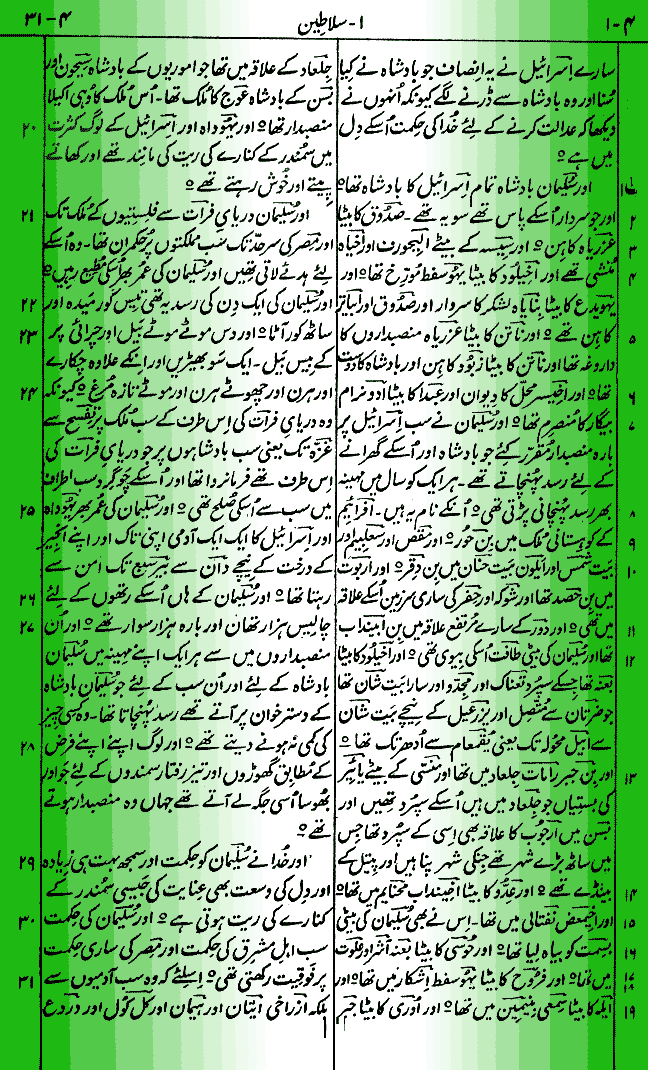
1 Kings 4:1-31 — Verse-by-Verse Commentary
1 Kings 4:1
Verse: So king Solomon was king over all Israel
-
English Explanation: This verse marks a golden era of unity for the nation. Unlike the divided kingdom that followed later or the turbulent civil conflicts during King David’s early reign, Solomon rules over a completely unified twelve-tribe nation, enjoying structural stability and absolute authority.
-
Urdu Explanation: یہ آیت بنی اسرائیل کے ایک سنہری اور متحد دور کو ظاہر کرتی ہے۔ داؤد بادشاہ کے ابتدائی دور کی اندرونی جنگوں یا بعد میں ہونے والی تقسیم کے برعکس، سلیمان بادشاہ نے بغیر کسی اندرونی خلفشار کے تمام بارہ قبیلوں پر مکمل امن اور خود مختاری کے ساتھ حکومت کی۔
1 Kings 4:2
Verse: And these were the princes which he had Azariah the son of Zadok the priest
-
English Explanation: Solomon begins listing his high-ranking cabinet members. Mentioning the priest’s son first shows that spiritual and religious authority held the highest honor in Solomon’s administrative structure, signaling a nation built on spiritual alignment.
-
Urdu Explanation: سلیمان اپنی کابینہ کے اعلیٰ عہدیداروں کی فہرست کا آغاز کرتے ہیں۔ کاہن کے بیٹے کا ذکر سب سے پہلے کرنا اس بات کی علامت ہے کہ سلیمان کی حکومت میں روحانی اور مذہبی قیادت کو سب سے اعلیٰ درجہ اور عزت حاصل تھی۔
1 Kings 4:3
Verse: Elihoreph and Ahiah the sons of Shisha scribes Jehoshaphat the son of Ahilud the recorder
-
English Explanation: This outlines the administrative and record-keeping elite. Scribes managed state documents, foreign correspondence, and laws, while the recorder functioned as the royal historian and press secretary, ensuring organized governance.
-
Urdu Explanation: یہاں انتظامی امور اور ریکارڈ رکھنے والے اعلیٰ حکام کا ذکر ہے۔ کاتب (Scribes) شاہی دستاویزات اور قوانین کو سنبھالتے تھے جبکہ ‘ریکارڈر’ شاہی مؤرخ کا کام کرتا تھا تاکہ ریاست کا نظم و ضبط برقرار رہے۔
1 Kings 4:4
Verse: And Benaiah the son of Jehoiada was over the host and Zadok and Abiathar were the priests
-
English Explanation: Benaiah serves as the head of the national defense force. Zadok and Abiathar are listed as priests; notably, Abiathar had been banished from active duty by Solomon earlier, but he retains his historical title here.
-
Urdu Explanation: بنایاہ فوج کا سپہ سالار تھا جو ملکی دفاع کا ذمہ دار تھا۔ صادوق اور ابیاتر کاہنوں کے طور پر درج ہیں۔ واضح رہے کہ ابیاتر کو سلیمان نے پہلے معزول کر دیا تھا لیکن اس کا تاریخی خطاب برقرار رکھا گیا۔
1 Kings 4:5
Verse: And Azariah the son of Nathan was over the officers and Zabud the son of Nathan was principal officer and the king’s friend
-
English Explanation: The sons of the prophet Nathan hold key roles. One manages the regional district governors, while the other serves as a trusted counselor or “king’s friend”—a formal political title for a deeply trusted personal advisor.
-
Urdu Explanation: یہاں ناتن نبی کے بیٹوں کا ذکر ہے۔ ایک بیٹا علاقائی گورنروں کا نگران تھا جبکہ دوسرا بادشاہ کا مقرب دوست اور خاص مشیر تھا، جو کہ ایک اہم سیاسی اور ذاتی عہدہ تھا۔
1 Kings 4:6
Verse: And Ahishar was over the household and Adoniram the son of Abda was over the tribute
-
English Explanation: Ahishar managed the daily operations of the massive royal palace. Adoniram was in charge of the forced labor or tribute system, a position of great economic leverage but one that eventually bred public resentment.
-
Urdu Explanation: اخیشار شاہی محل کے روزمرہ کے انتظامات کا نگران تھا۔ ادونیرام ٹیکس اور بیگار (مزدوری) کے نظام کا انچارج تھا، جو معاشی لحاظ سے اہم مگر عوام میں بوجھ سمجھا جانے والا عہدہ تھا۔
1 Kings 4:7
Verse: And Solomon had twelve officers over all Israel which provided victuals for the king and his household each man his month in a year made provision
-
English Explanation: Solomon divides the kingdom into twelve administrative districts, bypassing traditional tribal boundaries to optimize logistics. Each district was fully responsible for feeding the massive royal court for exactly one designated month per year.
-
Urdu Explanation: سلیمان نے سلطنت کو بارہ انتظامی اضلاع میں تقسیم کیا تاکہ رسد کا نظام بہتر چل سکے۔ ہر ضلع سال میں ایک مخصوص مہینے کے لیے شاہی محل کے تمام کھانے پینے اور اخراجات کا ذمہ دار تھا۔
1 Kings 4:8
Verse: And these are their names The son of Hur in mount Ephraim
-
English Explanation: The text begins the specific roll-call of the twelve governors. The first officer listed is identified by his lineage as the son of Hur, and his jurisdiction covers the fertile, strategic hill country of Ephraim.
-
Urdu Explanation: یہاں سے بارہ گورنروں کے ناموں کا باقاعدہ آغاز ہوتا ہے۔ پہلا افسر حور کا بیٹا ہے، جس کی حکمرانی افرائیم کے زرخیز اور پہاڑی علاقے پر قائم تھی۔
1 Kings 4:9
Verse: The son of Dekar in Makaz and in Shaalbim and Beth-shemesh and Elon-beth-hanan
-
English Explanation: The second governor, the son of Dekar, ruled over areas that were historically part of the Danite territory, managing strategically important valley towns along the western borders.
-
Urdu Explanation: دوسرا گورنر دکر کا بیٹا تھا، جو دان کے قبیلے کے تاریخی علاقوں کا نگران تھا اور مغربی سرحدوں کے اہم تجارتی اور دفاعی قصبوں کا انتظام دیکھتا تھا۔
1 Kings 4:10
Verse: The son of Hesed in Aruboth to him pertained Sochoh and all the land of Hepher
-
English Explanation: The third officer, the son of Hesed, governed Aruboth. His territory included Sochoh and the land of Hepher, areas highly regarded for agricultural production and economic stability.
-
Urdu Explanation: تیسرا افسر حسد کا بیٹا تھا جو اروبوت کا حاکم تھا۔ اس کے علاقے میں سوکوہ اور حیفر کی زمینیں شامل تھیں جو اپنی زراعتی پیداوار کے لیے مشہور تھیں۔
1 Kings 4:11
Verse: The son of Abinadab in all the region of Dor which had Taphath the daughter of Solomon to wife
-
English Explanation: The son of Abinadab governed the coastal region of Dor. To ensure absolute political loyalty, Solomon bound this governor to the throne by giving him his own daughter, Taphath, in marriage.
-
Urdu Explanation: ابیناداب کا بیٹا دور کے ساحلی علاقے کا گورنر تھا۔ سیاسی وفاداری کو مضبوط کرنے کے لیے، سلیمان نے اپنی بیٹی طافت کی شادی اس گورنر سے کر دی تھی۔
1 Kings 4:12
Verse: Baana the son of Ahilud to him pertained Taanach and Megiddo and all Beth-shean which is by Zartanah beneath Jezreel from Beth-shean to Abel-meholah even unto the place that is beyond Jokneam
-
English Explanation: Baana ruled an incredibly vast and fertile territory encompassing Megiddo and Beth-shean. This area was a critical agricultural breadbasket and sat directly on major international military and trade routes.
-
Urdu Explanation: بعنا کے پاس مگدو اور بیت شان کا وسیع اور زرخیز علاقہ تھا۔ یہ خطہ نہ صرف زراعت کے لحاظ سے مالامال تھا بلکہ بین الاقوامی تجارتی اور فوجی راستوں پر واقع تھا۔
1 Kings 4:13
Verse: The son of Geber in Ramoth-gilead to him pertained the towns of Jair the son of Manasseh which are in Gilead to him also pertained the region of Argob which is in Bashan threescore great cities with walls and brasen bars
-
Explanation: The son of Geber ruled the trans-Jordanian territory of Ramoth-gilead. This district featured sixty massive, heavily fortified cities, making it a powerful defensive buffer zone on Israel’s eastern frontier.
-
Urdu Explanation: جبر کا بیٹا اردن کے پار راموت جلعاد کے علاقے پر حکومت کرتا تھا۔ اس ضلع میں ساٹھ بڑے اور قلعہ بند شہر شامل تھے، جو مشرقی سرحد پر ایک مضبوط دفاعی حصار تھے۔
1 Kings 4:14
Verse: Ahinadab the son of Iddo had Mahanaim
-
English Explanation: Ahinadab was stationed as governor over Mahanaim, a historic and highly strategic city east of the Jordan River, essential for maintaining territorial control and trade communication.
-
Urdu Explanation: اخیناداب کو مہنائم کا گورنر مقرر کیا گیا تھا، جو دریائے اردن کے مشرق میں واقع ایک تاریخی اور سٹریٹجک شہر تھا، جو تجارتی راستوں کی حفاظت کے لیے اہم تھا۔
1 Kings 4:15
Verse: Ahimaaz was in Naphtali he also took Basmath the daughter of Solomon to wife
-
English Explanation: Ahimaaz governed the northern territory of Naphtali. Like the governor of Dor, Ahimaaz was integrated into the royal family by marrying Solomon’s daughter, Basmath, securing elite family allegiance.
-
Urdu Explanation: اخیمعض نفتالی کے شمالی علاقے کا گورنر تھا۔ دور کے گورنر کی طرح، اخیمعض نے بھی سلیمان کی بیٹی بسمت سے شادی کر کے شاہی خاندان سے قریبی تعلق استوار کیا۔
1 Kings 4:16
Verse: Baanah the son of Hushai was in Asher and in Aloth
-
English Explanation: Baanah, the son of King David’s famous loyal advisor Hushai, governed the northern coastal region of Asher, a vital area for maritime trade links with the Phoenicians.
-
Urdu Explanation: بعنا، جو داؤد بادشاہ کے وفادار مشیر حوشے کا بیٹا تھا، اشر کے شمالی ساحلی علاقے کا گورنر تھا۔ یہ علاقہ فینیشین کے ساتھ سمندری تجارت کے لیے اہم تھا۔
1 Kings 4:17
Verse: Jehoshaphat the son of Paruah in Issachar
-
English Explanation: Jehoshaphat governed the territory of Issachar, which contained the vast, highly productive Jezreel Valley, securing an abundant supply of food for Solomon’s court during his designated month.
-
Urdu Explanation: یہوسفط اشکار کے علاقے کا گورنر تھا، جس میں یزرعیل کی وسیع اور انتہائی زرخیز وادی شامل تھی، جو اپنے مخصوص مہینے میں شاہی دربار کے لیے اناج کی فراہمی کو یقینی بناتی تھی۔
1 Kings 4:18
Verse: Shimei the son of Elah in Benjamin
-
English Explanation: Shimei managed the district of Benjamin, a small but critical buffer territory surrounding Jerusalem, demanding careful and highly localized administrative focus.
-
Urdu Explanation: شمعی بنیمین کے ضلع کا نگران تھا، جو یروشلم کے ارد گرد واقع ایک چھوٹا مگر انتہائی حساس اور اہم علاقہ تھا، جس کے لیے محتاط انتظام کی ضرورت تھی۔
1 Kings 4:19
Verse: Geber the son of Uri was in the country of Gilead in the country of Sihon king of the Amorites and of Og king of Bashan and he was the only officer which was in the land
-
English Explanation: Geber overseen a massive region of Gilead captured from ancient kings Sihon and Og. Because of its sheer geographic scale and potential volatility, he was the sole, unified officer in charge to maintain total order.
-
Urdu Explanation: جبر بن اروی جلعاد کے ایک بہت بڑے علاقے کا نگران تھا جو قدیم بادشاہوں سیحون اور عوج سے جیتا گیا تھا۔ اس کے وسیع رقبے کی وجہ سے وہاں مکمل امن برقرار رکھنے کے لیے وہ اکیلا ہی بڑا افسر تھا۔
1 Kings 4:20
Verse: Judah and Israel were many as the sand which is by the sea in multitude eating and drinking and making merry
-
English Explanation: This passage displays the direct fulfillment of God’s ancestral covenant promise to Abraham regarding countless descendants. The population flourished, living in absolute security, abundance, and domestic joy.
-
Urdu Explanation: یہ آیت ابراہام سے کیے گئے خدا کے اس وعدے کی تکمیل کو ظاہر کرتی ہے جس میں نسل کی کثرت کا ذکر تھا۔ لوگ کثیر تعداد میں تھے اور مکمل امن، خوشحالی اور جشن کی زندگی گزار رہے تھے۔
1 Kings 4:21
Verse: And Solomon reigned over all kingdoms from the river unto the land of the Philistines and unto the border of Egypt they brought presents and served Solomon all the days of his life
-
English Explanation: Solomon’s empire reached its peak geographical boundaries, extending from the Euphrates River down to Egypt. Surrounding kingdoms paid regular tribute, submitting peacefully to his supreme authority.
-
Urdu Explanation: سلیمان کی سلطنت اپنی جغرافیائی حدود کے عروج پر پہنچ گئی، جو دریائے فرات سے لے کر مصر کی سرحد تک پھیلی ہوئی تھی۔ آس پاس کی حکومتیں سلیمان کو باقاعدگی سے نذرانے اور خراج پیش کرتی تھیں۔
1 Kings 4:22
Verse: And Solomon’s provision for one day was thirty measures of fine flour and threescore measures of meal
-
English Explanation: The text records the staggering daily consumption of Solomon’s court, noting ninety total measures of flour and meal. This reflects the thousands of guests, officials, and soldiers dining under the king’s care.
-
Urdu Explanation: یہاں سلیمان کے شاہی دربار کے روزمرہ کے کھانے پینے کے بے پناہ اخراجات کا ذکر ہے، جس میں روزانہ نوے بڑے پیمانے (Measures) کا آٹا استعمال ہوتا تھا۔ یہ دربار میں موجود ہزاروں مہمانوں اور ملازمین کی عکاسی کرتا ہے۔
1 Kings 4:23
Verse: Ten fat oxen and twenty oxen out of the pastures and an hundred sheep beside harts and roebucks and fallowdeer and fatted fowl
-
English Explanation: Highlighting the menu of the palace, this verse lists thirty cattle and one hundred sheep daily, supplemented by wild game and birds. It underscores the immense prosperity and resource management of the era.
-
Urdu Explanation: محل کے شاہی مینو کی تفصیل بتاتے ہوئے، اس آیت میں روزانہ تیس مویشی اور سو بھیڑوں کے ساتھ جنگلی حلال جانوروں اور پرندوں کا ذکر ہے، جو اس دور کی غیر معمولی خوشحالی کو ظاہر کرتا ہے۔
1 Kings 4:24
Verse: For he had dominion over all the region on this side the river from Tiphsah even to Azzah over all the kings on this side the river and he had peace on all sides round about him
-
English Explanation: Solomon exercised absolute political dominance over all regional kings west of the Euphrates River. Crucially, this dominance was sustained not through constant warfare, but through divine, comprehensive peace on every border.
-
Urdu Explanation: سلیمان دریائے فرات کے مغرب میں تمام علاقائی بادشاہوں پر مکمل سیاسی غلبہ رکھتے تھے۔ اہم بات یہ ہے کہ یہ غلبہ جنگ کے ذریعے نہیں بلکہ خدا کے دیے ہوئے امن و امان کے باعث قائم تھا۔
1 Kings 4:25
Verse: And Judah and Israel dwelt safely every man under his vine and under his fig tree from Dan even to Beer-sheba all the days of Solomon
-
English Explanation: The phrase “under his vine and fig tree” is a classical biblical idiom representing perfect peace, agricultural prosperity, and economic freedom. From north (Dan) to south (Beer-sheba), the citizens lived without fear.
-
Urdu Explanation: “اپنی تاک اور انجیر کے درخت کے نیچے بیٹھنا” بائبل کی ایک کلاسک اصطلاح ہے جو مثالی امن، زراعتی خوشحالی اور معاشی آزادی کو ظاہر کرتی ہے۔ شمال سے جنوب تک تمام عوام بلا خوف زندگی بسر کرتے تھے۔
1 Kings 4:26
Verse: And Solomon had forty thousand stalls of horses for his chariots and twelve thousand horsemen
-
English Explanation: This details Solomon’s formidable military infrastructure. The extensive deployment of mechanized chariot warfare and trained cavalry served as a strong psychological deterrent against any foreign invasion.
-
Urdu Explanation: یہ سلیمان کے زبردست جنگی اور فوجی ڈھانچے کی تفصیل ہے۔ رتھوں کے گھوڑوں اور سواروں کی اتنی بڑی تعداد کسی بھی بیرونی حملے کو روکنے کے لیے ایک مضبوط فوجی طاقت کی علامت تھی۔
1 Kings 4:27
Verse: And those officers provided victual for king Solomon and for all that came unto king Solomon’s table every man in his month they lacked nothing
-
English Explanation: The twelve district governors executed their duties with flawless logistical precision. Every single item required for the royal table was delivered on time during their assigned month, ensuring zero deficits.
-
Urdu Explanation: بارہ اضلاع کے گورنروں نے اپنی لاجسٹک ذمہ داریاں نہایت عمدگی سے نبھائیں۔ شاہی دسترخوان کے لیے مطلوبہ تمام سامان اپنے مقررہ مہینے میں وقت پر پہنچایا جاتا تھا اور کسی چیز کی کمی نہیں ہوتی تھی۔
1 Kings 4:28
Verse: Barley also and straw for the horses and dromedaries brought they unto the place where the officers were every man according to his charge
-
English Explanation: Supply management extended beyond human provisions to feed the state’s military animals. Provisions of barley and straw were delivered systematically to tactical military outposts based on specific assignments.
-
Urdu Explanation: رسد کا یہ انتظام صرف انسانوں تک محدود نہیں تھا بلکہ فوج کے جانوروں کے لیے بھی جو اور چارہ ان کے مقررہ ٹھکانوں اور فوجی چوکیوں پر باقاعدگی سے پہنچایا جاتا تھا۔
1 Kings 4:29
Verse: And God gave Solomon wisdom and understanding exceeding much and largeness of heart even as the sand that is on the sea shore
-
English Explanation: This explicitly attributes Solomon’s matchless capabilities to God’s grace. “Largeness of heart” indicates an immense intellectual capacity, empathy, and an unparalleled breadth of understanding to govern justly.
-
Urdu Explanation: یہ آیت سلیمان کی بے مثال صلاحیتوں کو خالصتاً خدا کا عطیہ قرار دیتی ہے۔ “دل کی فراخی” سے مراد وسیع ذہنی و فکری صلاحیت، ہمدردی اور عدل و انصاف کے ساتھ حکومت کرنے کی بے پناہ سمجھ بوجھ ہے۔
1 Kings 4:30
Verse: And Solomon’s wisdom excelled the wisdom of all the children of the east country and all the wisdom of Egypt
-
English Explanation: In the ancient world, the sages of Arabia (“the east country”) and the scholars of Egypt represented the pinnacle of human academic excellence. Solomon’s divinely imparted wisdom completely overshadowed both.
-
Urdu Explanation: قدیم دنیا میں، اہل عرب (مشرق کے لوگ) اور مصر کے سکالرز علم و حکمت کا مرکز مانے جاتے تھے۔ سلیمان کی خداداد حکمت نے ان دونوں خطوں کی علمی فضیلت کو بہت پیچھے چھوڑ دیا تھا۔
1 Kings 4:31
Verse: For he was wiser than all men than Ethan the Ezrahite and Heman and Chalcol and Darda the sons of Mahol and his fame was in all nations round about
-
English Explanation: The text names the era’s most celebrated cultural intellectuals to benchmark Solomon’s brilliance. His reputation crossed all geographical borders, establishing him as an international authority on wisdom.
-
Urdu Explanation: اس دور کے مشہور ترین دانشوروں اور مفکرین کے نام لے کر سلیمان کی ذہانت کا موازنہ کیا گیا ہے۔ سلیمان کی شہرت تمام جغرافیائی حدود کو عبور کر کے دنیا بھر کی قوموں میں پھیل چکی تھی۔