Verse-by-Verse Commentary & Explanation
1 Kings 8:35
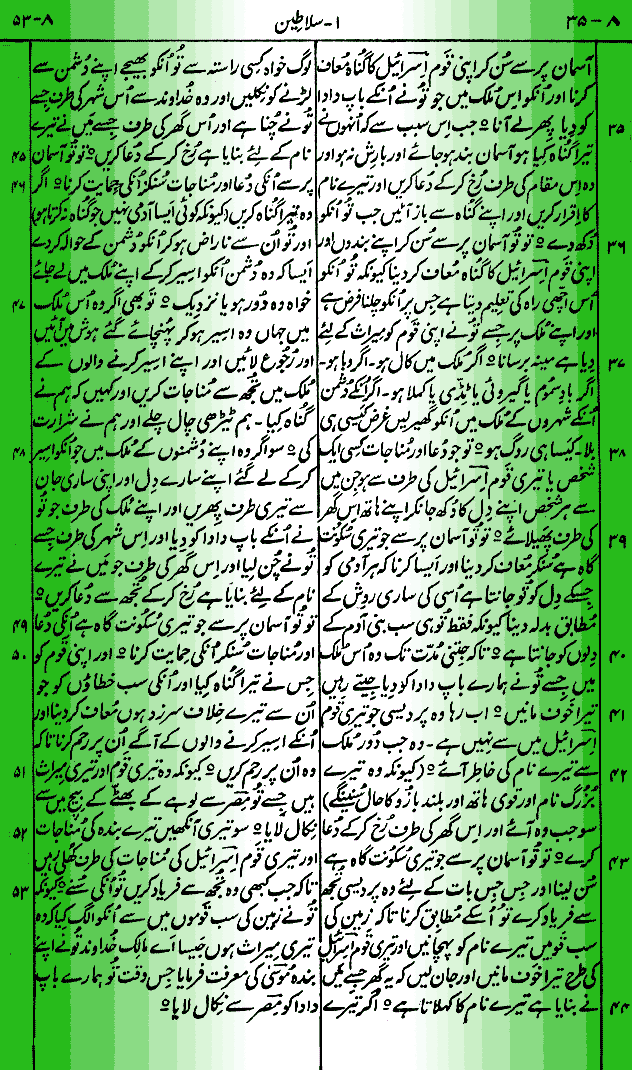
Verse: When heaven is shut up and there is no rain because they have sinned against thee if they pray toward this place and confess thy name and turn from their sin when thou afflictest them
-
Detailed Explanation (English): Solomon addresses a specific consequence of spiritual rebellion: drought. In ancient Israel, rain was a direct sign of God’s blessing, while drought signaled a broken covenant. Solomon emphasizes that affliction is not meant to destroy, but to prompt self-examination. The path to restoration requires three distinct actions: praying toward the Temple, acknowledging God’s sovereignty (confessing His name), and completely abandoning the sinful behavior.
-
Detailed Explanation (Urdu): سلیمان علیہ السلام یہاں گناہ کے ایک خاص نتیجے یعنی قحط اور خشکسالی کا ذکر کر رہے ہیں۔ قدیم اسرائیل میں بارش کو الہی برکت کی علامت سمجھا جاتا تھا۔ اس آیت میں واضح کیا گیا ہے کہ خدا کی طرف سے آنے والی سختی کا مقصد تباہی نہیں بلکہ اصلاح ہے۔ بحالی کا راستہ تین چیزوں سے ہو کر گزرتا ہے: ہیکل کی طرف منہ کر کے دعا کرنا، خدا کی حاکمیت کا اقرار کرنا، اور اپنے گناہوں سے سچی توبہ کرنا۔
1 Kings 8:36
Verse: Then hear thou in heaven and forgive the sin of thy servants and of thy people Israel that thou teach them the good way wherein they should walk and give rain upon thy land which thou hast given to thy people for an inheritance
-
Detailed Explanation (English): This verse highlights God’s role as both a Judge and a Teacher. Solomon asks that when the people repent, God would not only grant physical relief (rain) but also spiritual correction. True forgiveness includes divine guidance, teaching the people the “good way” to live. This shows that God’s ultimate desire is a restored relationship, ensuring His people can thrive on the land promised to them.
-
Detailed Explanation (Urdu): یہ آیت خدا کے عادل اور معلم ہونے کو ظاہر کرتی ہے۔ سلیمان دعا کرتے ہیں کہ جب لوگ توبہ کریں تو خدا نہ صرف انہیں جسمانی راحت (بارش) دے بلکہ ان کی روحانی اصلاح بھی کرے۔ سچی معافی میں الہی رہنمائی شامل ہوتی ہے جو انسان کو سیدھے راستے پر چلنا سکھاتی ہے۔ اس سے معلوم ہوتا ہے کہ خدا کا اصل مقصد اپنے لوگوں کے ساتھ تعلق کی بحالی ہے۔
1 Kings 8:37
Verse: If there be in the land famine if there be pestilence blasting mildew locust or if there be caterpiller if their enemy besiege them in the land of their cities whatsoever plague whatsoever sickness there be
-
Detailed Explanation (English): Solomon broadens the scope of potential crises to include famine, crop diseases (blasting and mildew), insect infestations, military sieges, and sudden plagues. By listing these diverse hardships, Solomon recognizes that human life is fragile and subject to various trials. No matter how severe or sudden the disaster, it falls under the scope of God’s sovereign control and potential deliverance.
-
Detailed Explanation (Urdu): یہاں سلیمان ممکنہ بحرانوں کا دائرہ وسیع کرتے ہوئے قحط، فصلوں کی بیماریاں، کیڑے مکوڑوں کا حملہ، دشمن کا محاصرہ اور وبائی امراض کا ذکر کرتے ہیں۔ ان مختلف مشکلات کی فہرست بنا کر، سلیمان اس بات کا اعتراف کرتے ہیں کہ انسانی زندگی نازک ہے اور مختلف آزمائشوں کے تابع ہے۔ آفت چاہے کتنی ہی شدید کیوں نہ ہو، وہ خدا کے اختیار اور اس کی نجات کے دائرے سے باہر نہیں ہے۔
1 Kings 8:38
Verse: What prayer and supplication soever be made by any man or by all thy people Israel which shall know every man the plague of his own heart and spread forth his hands toward this house
-
Detailed Explanation (English): This is a deeply personal verse. Solomon shifts from national disasters to individual suffering, using the profound phrase “the plague of his own heart.” This refers to internal conviction, personal grief, and the unique spiritual struggles every individual faces. It highlights that true prayer begins with internal awareness of one’s own shortcomings and pain, accompanied by outward surrender (spreading forth hands).
-
Detailed Explanation (Urdu): یہ ایک گہری شخصی آیت ہے۔ سلیمان قومی آفات سے ہٹ کر انفرادی مصائب کی طرف آتے ہیں اور “اپنے ہی دل کی آفت” کی گہری اصطلاح استعمال کرتے ہیں۔ اس سے مراد اندرونی ضمیر کی ملامت، ذاتی غم اور وہ روحانی جدوجہد ہے جس کا سامنا ہر شخص کو اکیلے کرنا پڑتا ہے۔ یہ اس بات پر زور دیتا ہے کہ سچی دعا دل کی گہرائیوں اور اپنی کمزوریوں کے احساس سے شروع ہوتی ہے۔
1 Kings 8:39
Verse: Then hear thou in heaven thy dwelling place and forgive and do and give to every man according to his ways whose heart thou knowest for thou even thou only knowest the hearts of all the children of men
-
Detailed Explanation (English): Solomon acknowledges God’s absolute omniscience. While humans look at outward appearances, God alone searches the inner thoughts, motives, and secrets of the human heart. Because God knows the absolute truth about every individual, His judgment and forgiveness are perfectly fair, tailored precisely to the true state of a person’s inner life and intentions.
-
Detailed Explanation (Urdu): سلیمان یہاں خدا کے ہر چیز سے باخبر ہونے (علمِ غیب) کا اعتراف کرتے ہیں۔ انسان صرف ظاہری حالت دیکھتا ہے لیکن صرف خدا ہی انسانی دل کے اندرونی خیالات، نیتوں اور رازوں کو جانتا ہے۔ چونکہ خدا ہر شخص کی حقیقت سے واقف ہے، اس لیے اس کا انصاف اور معافی بالکل کامل اور انسان کی سچی نیت کے مطابق ہوتی ہے۔
1 Kings 8:40
Verse: That they may fear thee all the days that they live in the land which thou gavest unto our fathers
-
Detailed Explanation (English): The ultimate goal of God’s forgiveness and intervention is to produce a lasting, healthy reverence (“fear”) within the hearts of His people. This fear is not a paralyzing terror, but a profound respect and awe for God’s holiness and mercy. This deep reverence is meant to sustain their obedience and security across generations on the land they inherited.
-
Detailed Explanation (Urdu): خدا کی معافی اور رحم کا حتمی مقصد اپنے لوگوں کے دلوں میں ایک مستقل اور پاکیزہ خوف (ادب و احترام) پیدا کرنا ہے۔ یہ خوف کوئی ایسا ڈر نہیں جو انسان کو مفلوج کر دے، بلکہ خدا کی پاکیزگی اور رحمت کے لیے ایک گہرا احترام ہے۔ یہ احترام نسل در نسل ان کی فرمانبرداری اور اس زمین پر ان کے قیام کو مضبوط رکھنے کے لیے ضروری ہے۔
1 Kings 8:41
Verse: Moreover concerning a stranger that is not of thy people Israel but cometh out of a far country for thy name’s sake
-
Detailed Explanation (English): Solomon explicitly opens the doors of the Temple’s blessings to foreigners (“strangers”). This reveals that God’s global plan was never meant to be entirely exclusive to Israel; Israel was meant to be a light to the nations. Solomon anticipates that people from distant lands will be drawn to God because of His growing reputation and powerful renown.
-
Detailed Explanation (Urdu): سلیمان یہاں ہیکل کی برکات کے دروازے غیر ملکیوں (مسافروں) کے لیے بھی کھول دیتے ہیں۔ اس سے یہ ظاہر ہوتا ہے کہ خدا کا عالمی منصوبہ کبھی بھی صرف ایک قوم تک محدود نہیں تھا، بلکہ اسرائیل کو دوسری قوموں کے لیے ایک روشنی بننا تھا۔ سلیمان کو یقین ہے کہ دور دراز کے لوگ خدا کی شہرت اور اس کی قدرت سن کر اس کی طرف کھینچے چلے آئیں گے۔
1 Kings 8:42
Verse: For they shall hear of thy great name and of thy strong hand and of thy stretched out arm when he shall come and pray toward this house
-
Detailed Explanation (English): The phrases “strong hand” and “stretched out arm” are classical biblical descriptions of God’s active power, famously displayed during the Exodus from Egypt. Solomon states that God’s historical acts of salvation will echo across borders, convincing outsiders of His supreme authority and inspiring them to travel long distances just to pray toward the Temple.
-
Detailed Explanation (Urdu): “قوی ہاتھ” اور “بلند بازو” خدا کی فعال قدرت کو ظاہر کرنے والے کلاسک الفاظ ہیں جو مصر سے آزادی کے وقت نظر آئے۔ سلیمان کا کہنا ہے کہ خدا کی نجات کے تاریخی واقعات سرحدوں کے پار تک گونجیں گے، جس سے دوسری قومیں بھی اس کی حاکمیت کی قائل ہوں گی اور دور دراز کا سفر طے کر کے اس ہیکل کی طرف منہ کر کے دعا کریں گی۔
1 Kings 8:43
Verse: Hear thou in heaven thy dwelling place and do according to all that the stranger calleth to thee for that all people of the earth may know thy name to fear thee as do thy people Israel and that they may know that this house which I have builded is called by thy name
-
Detailed Explanation (English): This is a powerful missionary request. Solomon asks God to answer the prayers of foreigners so that the entire world will realize God is real, loving, and powerful. The goal is global monotheism and worship, where every nation respects God just as Israel does, recognizing the Temple as the true earthly sanctuary of the Creator.
-
Detailed Explanation (Urdu): یہ ایک عظیم دعوتی اور مشنری درخواست ہے۔ سلیمان خدا سے دعا کرتے ہیں کہ وہ غیر ملکیوں کی دعاؤں کو قبول کرے تاکہ پوری دنیا کو معلوم ہو جائے کہ خدا سچا اور قدرت والا ہے۔ اس کا مقصد یہ ہے کہ زمین کی تمام قومیں خدا کا ویسا ہی احترام کریں جیسا اسرائیل کرتا ہے اور ہیکل کو اس کے پاک نام سے منسوب جانیں۔
1 Kings 8:44
Verse: If thy people go out to battle against their enemy whithersoever thou shalt send them and shall pray unto the LORD toward the city which thou hast chosen and toward the house that I have built for thy name
-
Detailed Explanation (English): Solomon addresses military conflicts, specifically those commanded or authorized by God (“whithersoever thou shalt send them”). He notes that even when soldiers are far away on distant battlefields, they remain connected to God by facing toward Jerusalem and the Temple, anchoring their military strategy in faith and spiritual reliance.
-
Detailed Explanation (Urdu): سلیمان یہاں جنگی حالات کا ذکر کرتے ہیں، خاص طور پر ان جنگوں کا جو خدا کے حکم کے مطابق ہوں (“جہاں کہیں تو انہیں بھیجے”)۔ وہ واضح کرتے ہیں کہ جب سپاہی دور دراز میدانِ جنگ میں ہوں، تب بھی وہ یروشلم اور ہیکل کی طرف رخ کر کے خدا سے جڑے رہ سکتے ہیں، جس سے یہ ظاہر ہوتا ہے کہ ان کا اصل بھروسہ ہتھیاروں پر نہیں بلکہ خدا پر ہے۔
1 Kings 8:45
Verse: Then hear thou in heaven their prayer and their supplication and maintain their cause
-
Detailed Explanation (English): To “maintain their cause” means to bring about justice, deliver them from danger, and grant them victory according to His righteous will. Solomon asks that God hear the desperate prayers of His warriors from heaven and intervene on earth to uphold the justice of their mission against their adversaries.
-
Detailed Explanation (Urdu): “ان کی حمایت کرنا” سے مراد انصاف قائم کرنا، انہیں خطرے سے بچانا اور اپنی مرضی کے مطابق فتح دینا ہے۔ سلیمان دعا کرتے ہیں کہ خدا آسمان پر اپنے جنگجوؤں کی فریاد سنے اور زمین پر مداخلت کر کے ان کے مقصد کو سرخرو کرے اور دشمنوں کے مقابلے میں ان کی مدد فرمائے۔
1 Kings 8:46
Verse: If they sin against thee for there is no man that sinneth not and thou be angry with them and deliver them to the enemy so that they carry them away captives unto the land of the enemy far or near
-
Detailed Explanation (English): Solomon states a fundamental theological truth about human nature: “for there is no man that sinneth not.” This realistic acknowledgment sets up the worst-case scenario: severe judgment leading to exile. Solomon foresees a time when persistent sin will exhaust God’s patience, resulting in defeat and captivity in a foreign land.
-
Detailed Explanation (Urdu): سلیمان انسانی فطرت کے بارے میں ایک بنیادی سچائی کا اعتراف کرتے ہیں کہ “کوئی ایسا انسان نہیں جو گناہ نہ کرے”۔ یہ حقیقت پسندانہ اعتراف سب سے خراب صورتحال یعنی جلاوطنی کے پس منظر کو واضح کرتا ہے۔ سلیمان اس وقت کو دیکھ رہے ہیں جب مسلسل گناہ خدا کے غضب کا باعث بنے گا اور لوگ شکست کھا کر غیر ملکوں میں قیدی بن جائیں گے۔
1 Kings 8:47
Verse: Yet if they shall bethink themselves in the land whither they were carried captives and repent and make supplication unto thee in the land of them that carried them captives saying We have sinned and have done perversely we have committed wickedness
-
Detailed Explanation (English): Hope is introduced even in captivity. The phrase “bethink themselves” means to come to one’s senses or experience a change of heart. Solomon outlines the progression of true repentance: self-examination in a dark place, a humble turning back toward God, and a candid verbal confession that acknowledges the full weight of their wickedness without making excuses.
-
Detailed Explanation (Urdu): جلاوطنی اور قید کی حالت میں بھی امید کی کرن باقی رکھی گئی ہے۔ “اپنے دل میں سوچیں” سے مراد اپنے ہوش میں آنا یا دل کا تبدیل ہونا ہے۔ سلیمان سچی توبہ کے مراحل بیان کرتے ہیں: اندھیرے حالات میں اپنے اعمال کا جائزہ لینا، خدا کی طرف عاجزی سے رجوع کرنا، اور بغیر کسی بہانے کے اپنے گناہوں کا اعتراف کرنا کہ ہم نے خطا کی اور برائی کے مرتکب ہوئے۔
1 Kings 8:48
Verse: And so return unto thee with all their heart and with all their soul in the land of their enemies which led them away captive and pray unto thee toward their land which thou gavest unto their fathers the city which thou hast chosen and the house which I have built for thy name
-
Detailed Explanation (English): True repentance requires total devotion—returning with “all their heart” and “all their soul.” Even when physically separated by hundreds of miles in an enemy land, captives can find spiritual alignment. By physically turning their bodies toward their homeland, the chosen city (Jerusalem), and the built Temple, they demonstrate where their true allegiance and hope reside.
-
Detailed Explanation (Urdu): سچی توبہ کے لیے مکمل وابستگی کی ضرورت ہوتی ہے یعنی “اپنے پورے دل اور اپنی پوری جان” سے رجوع کرنا۔ دشمن کی زمین پر سینکڑوں میل دور ہونے کے باوجود قیدی روحانی طور پر خدا سے جڑ سکتے ہیں۔ اپنے وطن، چنے ہوئے شہر (یروشلم) اور ہیکل کی طرف رخ کر کے وہ یہ ثابت کرتے ہیں کہ ان کی اصل امید اور وفاداری کہاں ہے۔
1 Kings 8:49
Verse: Then hear thou their prayer and their supplication in heaven thy dwelling place and maintain their cause
-
Detailed Explanation (English): Solomon repeats his request for divine intervention from heaven. He asks that despite the geographical distance of the exiled people and the deep spiritual failures that got them there, God’s mercy would span the distance, listen to their cries, and act to defend and restore them from their captivity.
-
Detailed Explanation (Urdu): سلیمان ایک بار پھر آسمان سے الہی مداخلت کی درخواست دہراتے ہیں۔ وہ دعا کرتے ہیں کہ جلاوطن لوگوں کے جغرافیائی فاصلے اور ان کے گناہوں کے باوجود، خدا کا رحم ان تک پہنچے، وہ ان کی فریاد سنے اور انہیں قید سے نجات دلانے کے لیے ان کا حامی و مددگار بن جائے۔
1 Kings 8:50
Verse: And forgive thy people that have sinned against thee and all their transgressions wherein they have transgressed against thee and give them compassion before them who carried them captive that they may have compassion on them
-
Detailed Explanation (English): Solomon asks for two distinct types of mercy here: vertical forgiveness from God and horizontal favor from human oppressors. He prays that God would touch the hearts of their captors, causing them to show unexpected kindness and leniency to the exiled Israelites, proving that God can move the hearts of even earthly enemies.
-
Detailed Explanation (Urdu): سلیمان یہاں دو طرح کے رحم کی بھیک مانگتے ہیں: خدا کی طرف سے گناہوں کی معافی اور ظالموں کی طرف سے نرمی۔ وہ دعا کرتے ہیں کہ خدا ان کے پکڑنے والوں کے دلوں کو بدل دے تاکہ وہ جلاوطن اسرائیلیوں پر رحم کھائیں، جس سے یہ ثابت ہوتا ہے کہ خدا دشمنوں کے دلوں کو بھی بدلنے کی قدرت رکھتا ہے۔
1 Kings 8:51
Verse: For they be thy people and thine inheritance which thou broughtest forth out of Egypt from the midst of the furnace of iron
-
Detailed Explanation (English): Solomon appeals to God’s historical covenant and shared history. He reminds God that Israel is His prized “inheritance.” He uses the dramatic metaphor “the furnace of iron” to describe the intense, agonizing slavery of Egypt, emphasizing that since God spent so much miraculous energy to rescue them then, He should not abandon them now.
-
Detailed Explanation (Urdu): سلیمان یہاں خدا کے پرانے عہد اور تاریخ کا واسطہ دیتے ہیں۔ وہ خدا کو یاد دلاتے ہیں کہ اسرائیل اس کی اپنی میراث ہے۔ وہ مصر کی شدید اور تکلیف دہ غلامی کو بیان کرنے کے لیے “لوہے کی بھٹی” کا استعارہ استعمال کرتے ہیں، یعنی جب خدا نے انہیں اتنے معجزات سے بچایا تھا، تو وہ اب انہیں کیوں چھوڑے گا۔
1 Kings 8:52
Verse: That thine eyes may be open unto the supplication of thy servant and unto the supplication of thy people Israel to hearken unto them in all that they call for unto thee
-
Detailed Explanation (English): This verse utilizes anthropomorphic language—asking God to keep His “eyes open” and His ears attentive. Solomon is asking for perpetual vigilance and ongoing relational availability. He wants God to be constantly responsive to the cries of leadership (the servant) and the general population (the people Israel) whenever they call out.
-
Detailed Explanation (Urdu): اس آیت میں تمثیلی زبان استعمال کی گئی ہے یعنی خدا سے اپنی “آنکھیں کھلی” رکھنے اور کان دھرنے کی درخواست کی گئی ہے۔ سلیمان چاہتے ہیں کہ خدا ہمیشہ اپنے لوگوں کی پکار سننے کے لیے تیار رہے۔ جب بھی کوئی رہنما (بندہ) یا عام عوام (اسرائیل) پکاریں، خدا کی توجہ فوراً ان کی طرف ہونی چاہیے۔
1 Kings 8:53
Verse: For thou didst separate them from among all the people of the earth to be thine inheritance as thou spakest by the hand of Moses thy servant when thou broughtest our fathers out of Egypt O Lord GOD
-
Detailed Explanation (English): Solomon concludes this section of his prayer by focusing on Israel’s distinct calling: holiness through separation. God chose them out of all the nations on earth not because of their intrinsic greatness, but to fulfill the foundational promises given through Moses. Their distinct identity as God’s special possession is the ultimate anchor of their hope for forgiveness and preservation.
-
Detailed Explanation (Urdu): سلیمان اپنی دعا کے اس حصے کا اختتام اسرائیل کے خاص مقصد یعنی پاکیزگی اور علیحدگی پر کرتے ہیں۔ خدا نے انہیں دنیا کی تمام قوموں میں سے کسی ذاتی بڑائی کی وجہ سے نہیں بلکہ موسیٰ علیہ السلام کے ذریعے کیے گئے وعدوں کو پورا کرنے کے لیے چنا تھا۔ خدا کی خاص ملکیت ہونا ہی ان کی معافی اور بقا کی سب سے بڑی امید ہے۔