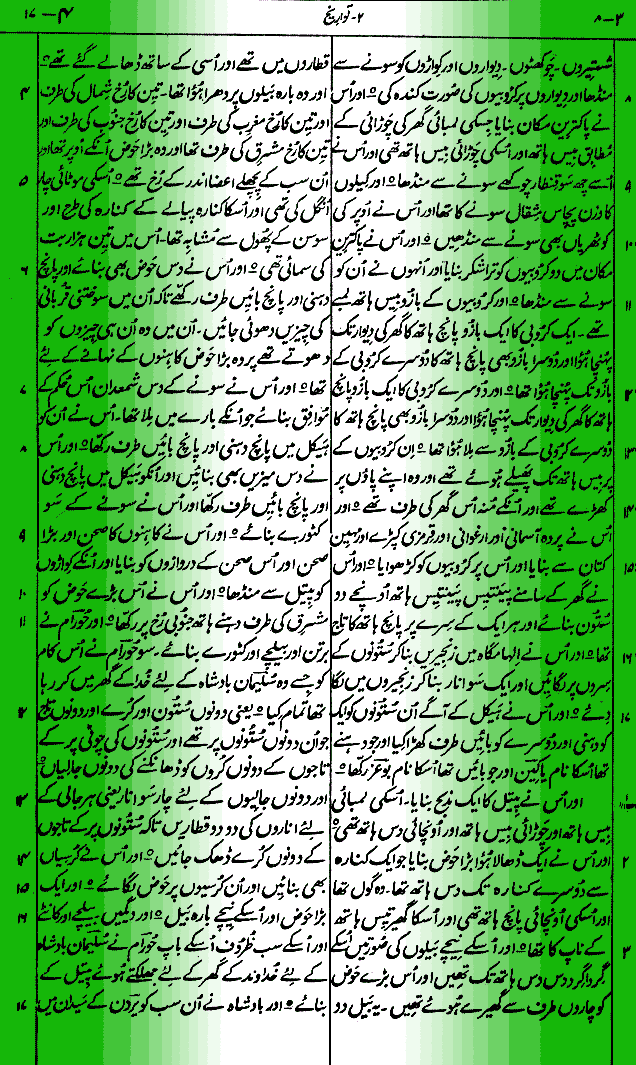
Verse-by-Verse Commentary (2 Chronicles 3:8-17 & 4:1-17)
2 Chronicles 3:8
-
Verse: And he made the most holy house the length whereof was according to the breadth of the house twenty cubits and the breadth thereof twenty cubits and he overlaid it with fine gold amounting to six hundred talents
-
English Explanation: This verse details the construction of the Holy of Holies (the Most Holy Place). It was a perfect cube, measuring 20 cubits by 20 cubits (approx. 30 feet). Solomon spared no expense, overlaying the entire interior with 600 talents of high-quality gold (roughly 22 tons), symbolizing the pure, unapproachable glory of God’s presence.
-
Urdu Explanation: یہ آیت پاک ترین مقام (پاک ترین گھر) کی تعمیر کی تفصیل بتاتی ہے۔ یہ ایک مکمل چوکور کمرہ تھا جس کی لمبائی اور چوڑائی بیس بیس ہاتھ تھی۔ سلیمان علیہ السلام نے اس کی اندرونی دیواروں پر 600 قنطار خالص سونا چڑھایا جو خدا کے جلال اور پاکیزگی کی علامت ہے۔
2 Chronicles 3:9
-
Verse: And the weight of the nails was fifty shekels of gold And he overlaid the upper chambers with gold
-
English Explanation: Even the smallest details, like the structural nails, were made of gold, weighing 50 shekels (about 1.25 pounds) each. The upper rooms or roof chambers above the Holy of Holies were also lined with gold, demonstrating that every square inch of the sanctuary reflected divine splendor.
-
Urdu Explanation: اس آیت میں بتایا گیا ہے کہ چھوٹی سے چھوٹی چیزیں جیسے کہ کیلیں بھی سونے کی تھیں جن میں سے ہر ایک کا وزن پچاس مثقال تھا۔ اس کے علاوہ انہوں نے اوپر کے کمروں کو بھی سونے سے مڑھ دیا تاکہ ہر حصہ الٰہی شان و شوکت کا آئینہ دار ہو۔
2 Chronicles 3:10
-
Verse: And in the most holy house he made two cherubims of image work and overlaid them with gold
-
English Explanation: Inside the Holy of Holies, Solomon commissioned two massive statues of cherubim (angelic beings). They were carved out of wood (“image work”) and covered completely in gold. They represented the heavenly hosts guarding the earthly throne of God.
-
Urdu Explanation: پاک ترین مقام کے اندر سلیمان نے کروبیوں (فرشتوں) کے دو مجسمے بنوائے اور ان پر سونا چڑھایا۔ یہ فرشتے خدا کے زمینی تخت کی حفاظت مامور آسمانی مخلوق کی علامت تھے۔
2 Chronicles 3:11
-
Verse: And the wings of the cherubims were twenty cubits long one wing of the one cherub was five cubits reaching to the wall of the house and the other wing was likewise five cubits reaching to the wing of the other cherub
-
English Explanation: The combined wingspan of both cherubim spanned the entire 20-cubit width of the room. The first wing of the first cherub touched the outer wall, while its second wing stretched out to meet the wing of the neighboring cherub.
-
Urdu Explanation: دونوں کروبیوں کے پروں کی کل لمبائی بیس ہاتھ تھی۔ پہلے کروبی کا ایک پر پانچ ہاتھ کا تھا جو دیوار کو چھوتا تھا اور دوسرا پر دوسرے کروبی کے پر سے جا ملتا تھا یعنی انہوں نے پورے کمرے کو گھیرا ہوا تھا۔
2 Chronicles 3:12
-
Verse: And one wing of the other cherub was five cubits reaching to the wall of the house and the other wing was five cubits also joining to the wing of the other cherub
-
English Explanation: Mirroring the first, the second cherub’s wings measured 5 cubits each. One wing touched the opposite wall of the room, and its other wing met the first cherub’s wing in the absolute center of the Holy of Holies.
-
Urdu Explanation: اسی طرح دوسرے کروبی کا ایک پر پانچ ہاتھ کا تھا جو دوسری سمت کی دیوار تک پہنچتا تھا اور اس کا دوسرا پر پہلے کروبی کے پر کے ساتھ بالکل کمرے کے مرکز میں جڑتا تھا۔
2 Chronicles 3:13
-
Verse: The wings of these cherubims spread themselves forth twenty cubits and they stood on their feet and their faces were inward
-
English Explanation: The grand total wingspan formed a majestic golden partition of 20 cubits. Unlike the original Ark cherubim facing down at the mercy seat, these giant figures stood upright on their feet, facing inward toward the main Temple hall (or Holy Place), looking out with a protective posture.
-
Urdu Explanation: ان کروبیوں کے پروں کا پھیلاؤ بیس ہاتھ تھا۔ وہ اپنے پاؤں پر کھڑے تھے اور ان کے چہرے اندر کی طرف یعنی ہیکل کے بڑے ہال کی طرف تھے جو کہ ایک حفاظتی انداز کو ظاہر کرتا ہے۔
2 Chronicles 3:14
-
Verse: And he made the vail of blue and purple and crimson and fine linen and wrought cherubims thereon
-
English Explanation: The veil separated the Holy Place from the Holy of Holies. It was woven from precious dyed threads—blue, purple, and crimson—and fine linen, embroidered beautifully with cherubim imagery to remind anyone who looked upon it of the heavenly boundary.
-
Urdu Explanation: یہ پردہ پاک مقام اور پاک ترین مقام کے درمیان حائل تھا۔ یہ نیلے، ارغوانی، سرخ رنگ کے قیمتی دھاگوں اور باریک کتان سے بنایا گیا تھا اور اس پر فرشتوں کے نقش و نگار کڑھے ہوئے تھے جو آسمانی حد کو ظاہر کرتے تھے۔
2 Chronicles 3:15
-
Verse: Also he made before the house two pillars of thirty and five cubits high and the chapiter that was on the top of each of them was five cubits
-
English Explanation: At the grand entrance of the Temple, Solomon erected two massive bronze pillars. Combined or individually calculated, their height stood prominently at 35 cubits, crowned by massive 5-cubit-high capital pieces (chapiters) on top.
-
Urdu Explanation: ہیکل کے صدر دروازے پر سلیمان نے پیتل کے دو بڑے ستون کھڑے کیے۔ ان کی اونچائی پینتیس ہاتھ تھی اور ہر ایک ستون کے اوپر پانچ ہاتھ اونچا ایک تاج (تاجِ ستون) رکھا گیا تھا۔
2 Chronicles 3:16
-
Verse: And he made chains as in the oracle and put them on the heads of the pillars and made an hundred pomegranates and put them on the chains
-
English Explanation: Interwoven bronze chains, styled like the decorative lattice work inside the inner sanctuary (oracle), adorned the top capitals of the pillars. Hanging from these ornamental chains were 100 bronze pomegranates, symbols of fertility and prosperity.
-
Urdu Explanation: انہوں نے پیتل کی زنجیریں بنائیں جیسی کہ اندرونی گاہ میں تھیں اور انہیں ستونوں کے اوپر سجایا۔ ان زنجیروں پر سو انار بنا کر لٹکائے گئے جو کہ خوشحالی اور برکت کی علامت ہیں۔
2 Chronicles 3:17
-
Verse: And he reared up the pillars before the temple one on the right hand and the other on the left and called the name of that on the right hand Jachin and the name of that on the left Boaz
-
English Explanation: Solomon named these monumental entry pillars: the right one was Jachin (“He shall establish”) and the left was Boaz (“In Him is strength”). Together, they stood as a visual declaration to all worshippers that God establishes His kingdom in divine strength.
-
Urdu Explanation: انہوں نے ان ستونوں کو ہیکل کے سامنے کھڑا کیا ایک دائیں طرف اور دوسرا بائیں طرف۔ دائیں ستون کا نام ‘یاکین’ (وہ قائم کرے گا) اور بائیں کا نام ‘بوعز’ (اس میں قوت ہے) رکھا تاکہ عبادت گزار جان لیں کہ خدا اپنے گھر کو قوت سے قائم رکھتا ہے۔
2 Chronicles 4:1
-
Verse: Moreover he made an altar of brass twenty cubits the length thereof and twenty cubits the breadth thereof and ten cubits the height thereof
-
English Explanation: Chapter 4 transitions to the courtyard items. Solomon built a massive bronze sacrificial altar. Measuring 20 by 20 cubits and 10 cubits high, it was much larger than the original Tabernacle altar, designed to accommodate the thousands of sacrifices offered for the kingdom.
-
Urdu Explanation: چوتھا باب صحن کی اشیاء سے شروع ہوتا ہے۔ سلیمان نے قربانی کے لیے پیتل کی ایک بہت بڑی قربان گاہ بنائی جس کی لمبائی اور چوڑائی بیس بیس ہاتھ اور اونچائی دس ہاتھ تھی تاکہ پوری قوم کی کثیر قربانیاں یہاں پیش کی جا سکیں۔
2 Chronicles 4:2
-
Verse: Also he made a molten sea of ten cubits from brim to brim round in compass and five cubits the height thereof and a line of thirty cubits did compass it round about
-
English Explanation: The “Molten Sea” was a colossal bronze basin for water storage. It was circular, measuring 10 cubits in diameter from edge to edge, 5 cubits deep, and possessed a circumference of 30 cubits.
-
Urdu Explanation: ‘ڈھلا ہوا سمندر’ پیتل کا ایک بہت بڑا حوض تھا جس میں پانی جمع کیا جاتا تھا۔ یہ گول تھا جس کا قطر ایک کنارے سے دوسرے کنارے تک دس ہاتھ، گہرائی پانچ ہاتھ اور اس کا گھیراؤ (محیط) تیس ہاتھ تھا۔
2 Chronicles 4:3
-
Verse: And under it was the similitude of oxen which did compass it round about ten in a cubit compassing the sea round about Two rows of oxen were cast when it was cast
-
English Explanation: Encircling the body of this massive basin were decorative carvings of oxen, specifically placed at intervals of ten oxen per cubit. These ornamental rows were cast as a single solid piece alongside the basin during the smelting process.
-
Urdu Explanation: اس بڑے حوض کے نیچے بیلوں کے نقش بنے ہوئے تھے جو اس کے گرد گھومتے تھے۔ ہر ہاتھ کے فاصلے پر دس بیل تھے اور یہ بیلوں کی دو قطاریں حوض کو ڈھالتے وقت ہی اس کے ساتھ یکجا بنائی گئی تھیں۔
4.4
-
Verse: It stood upon twelve oxen three looking toward the north and three looking toward the west and three looking toward the south and three looking toward the east and the sea was set above upon them and all their hinder parts were inward
-
English Explanation: The physical base of the Molten Sea consisted of twelve bronze oxen. They faced outward in groups of three toward the four cardinal directions (North, West, South, East), while their hindquarters faced inward under the heavy weight of the basin.
-
Urdu Explanation: یہ بڑا حوض بارہ پیتل کے بیلوں پر ٹکا ہوا تھا۔ تین بیل شمال کی طرف، تین مغرب کی طرف، تین جنوب کی طرف اور تین مشرق کی طرف دیکھ رہے تھے اور ان سب کے پچھلے حصے اندر کی طرف چھپے ہوئے تھے۔
2 Chronicles 4:5
-
Verse: And the thickness of it was an handbreadth and the brim of it like the work of the brim of a cup with flowers of lilies and it received and held three thousand baths
-
English Explanation: The bronze walls of the basin were a handbreadth thick, with a flared rim crafted to resemble a blooming lily flower. It had a maximum capacity to hold 3,000 “baths” of water (roughly 17,000 to 22,000 gallons), serving as an immense reservoir.
-
Urdu Explanation: اس حوض کی موٹائی ایک چار انگلی (ایک بالشت) کے برابر تھی اور اس کا کنارہ پیالے کے کنارے یا سوسن کے پھول کی طرح باہر کو مڑا ہوا تھا۔ اس میں تین ہزار بت (پانی کی پیمائش) پانی کی گنجائش تھی۔
2 Chronicles 4:6
-
Verse: He made also ten lavers and put five on the right hand and five on the left to wash in them such things as they offered for the burnt offering they washed in them but the sea was for the priests to wash in
-
English Explanation: Solomon created ten smaller mobile bronze washing basins (lavers). Five were positioned on the south side and five on the north. These were explicitly used to cleanse the animal sacrifices, whereas the massive Molten Sea was reserved exclusively for the ceremonial washing of the priests.
-
Urdu Explanation: سلیمان نے دھونے کے لیے دس چھوٹے حوض (لگن) بھی بنائے جن میں سے پانچ دائیں طرف اور پانچ بائیں طرف رکھے گئے۔ ان میں قربانی کا گوشت دھویا جاتا تھا جبکہ بڑا ‘سمندر’ صرف کاہنوں کے غسل اور پاکیزگی کے لیے مخصوص تھا۔
2 Chronicles 4:7
-
Verse: And he made ten candlesticks of gold according to their form and set them in the temple five on the right hand and five on the left
-
English Explanation: Inside the Holy Place, instead of just one menorah like Moses’ Tabernacle, Solomon placed ten golden lampstands crafted according to the precise divine design specifications. Five lined the right wall and five lined the left wall.
-
Urdu Explanation: موسیٰ کے خیمہ عبادت کے برعکس سلیمان نے ہیکل کے اندرونی حصے کے لیے سونے کے دس شمع دان مقررہ نمونے کے مطابق بنوائے اور انہیں پانچ دائیں طرف اور پانچ بائیں طرف ترتیب دیا۔
2 Chronicles 4:8
-
Verse: He made also ten tables and placed them in the temple five on the right side and five on the left And he made an hundred basons of gold
-
English Explanation: Similarly, Solomon increased the capacity for the Showbread by making ten tables, split evenly on the right and left sides of the room. He also produced 100 golden bowls used for catching and sprinkling sacrificial blood.
-
Urdu Explanation: اسی طرح انہوں نے شو برید (نذر کی روٹی) کے لیے دس میزیں بنائیں جنہیں پانچ دائیں اور پانچ بائیں طرف رکھا گیا اور ساتھ ہی خون چھڑکنے کے لیے سونے کے سو پیالے بھی تیار کیے۔
2 Chronicles 4:9
-
Verse: Furthermore he made the court of the priests and the great court and doors for the court and overlaid the doors of them with brass
-
English Explanation: The Temple layout included distinct administrative zones: an inner courtyard reserved strictly for the priests, and a massive outer courtyard for the general public. The heavy wooden doors dividing these courts were overlaid with durable bronze.
-
Urdu Explanation: ہیکل کے دو بیرونی حصے بنائے گئے ایک کاہنوں کا خاص صحن اور دوسرا عام لوگوں کے لیے بڑا صحن۔ ان صحنوں کے بڑے دروازوں پر مضبوطی اور خوبصورتی کے لیے پیتل چڑھایا گیا تھا۔
2 Chronicles 4:10
-
Verse: And he set the sea on the right side of the east end over against the south
-
English Explanation: This specifies the exact geographic location of the large Molten Sea reservoir. It was situated at the southeastern corner of the temple building, easily accessible to the priests as they approached from the entrance.
-
Urdu Explanation: یہ آیت بڑے حوض (سمندر) کی جگہ کا تعین کرتی ہے کہ اسے ہیکل کے باہر جنوب مشرقی کونے پر رکھا گیا تھا تاکہ کاہن وہاں داخل ہوتے ہی آسانی سے پاکیزگی حاصل کر سکیں۔
2 Chronicles 4:11
-
Verse: And Huram made the pots and the shovels and the basons And Huram finished the work that he was to make for king Solomon for the house of God
-
English Explanation: Master craftsman Huram (from Tyre) successfully forged all the necessary maintenance tools—pots for ashes, shovels for cleaning, and bowls for blood. This marked the completion of his monumental manufacturing contract for Solomon’s Temple.
-
Urdu Explanation: ماہر کاریگر حیرام نے ہیکل کی صفائی اور دیکھ بھال کے برتن، بیلچے اور تسلے بنائے۔ اس طرح حیرام نے بادشاہ سلیمان کے لیے خدا کے گھر کا وہ تمام کام مکمل کر دیا جو اس کے ذمے تھا۔
2 Chronicles 4:12
-
Verse: To wit the two pillars and the pommels and the chapiters which were on the top of the two pillars and the two wreaths to cover the two pommels of the chapiters which were on the top of the pillars
-
English Explanation: This summarizes Huram’s completed heavy metalwork items: the two large entrance pillars, the bowl-shaped top sections (pommels), the ornate column capitals, and the decorative chain networks woven to wrap around those capitals.
-
Urdu Explanation: یہ حیرام کے پیتل کے کام کا خلاصہ ہے یعنی دو بڑے ستون، ان کے اوپر کے پیالہ نما حصے (گولے)، ستونوں کے تاج، اور ان گولوں کو ڈھانپنے کے لیے بنائی گئی جالی دار زنجیریں اور پٹیاں۔
2 Chronicles 4:13
-
Verse: And four hundred pomegranates on the two wreaths two rows of pomegranates on each wreath to cover the two pommels of the chapiters which were upon the pillars
-
English Explanation: Huram cast a grand total of 400 bronze pomegranates. These were evenly distributed across the structural lattice networks—two rows of 100 pomegranates per network—to cleanly drape over the pillar tops.
-
Urdu Explanation: حیرام نے کل چار سو پیتل کے انار بنائے۔ ہر جالی دار پٹی پر دو دو قطاروں میں سو سو انار لگائے گئے تھے تاکہ وہ ستونوں کے اوپری گولوں کو خوبصورتی سے ڈھانپ سکیں۔
2 Chronicles 4:14
-
Verse: He made also bases and lavers made he upon the bases
-
English Explanation: Huram designed the mobile operational wheeled carts (bases) along with the ten matching bronze washing basins (lavers) that sat securely on top of them for courtyard transport.
-
Urdu Explanation: اس نے پانی کے متحرک لگنوں کے لیے پیتل کی چوکیاں (پایے) بنائیں اور ان چوکیوں کے اوپر رکھنے کے لیے دھونے والے دس حوض تیار کیے۔
2 Chronicles 4:15
-
Verse: One sea and twelve oxen under it
-
English Explanation: This recaps the construction of the crowning jewel of the courtyard furniture: the single, massive 3,000-bath Molten Sea, resting entirely upon its unique structural platform of twelve bronze oxen.
-
Urdu Explanation: اس نے صحن کی سب سے بڑی چیز یعنی وہ ایک بڑا حوض (سمندر) اور اس کے نیچے ٹیک دینے والے بارہ پیتل کے بیل بنائے۔
2 Chronicles 4:16
-
Verse: The pots also and the shovels and the fleshhooks and all their instruments did Huram his father make to king Solomon for the house of the LORD of bright brass
-
English Explanation: All utility tools including cooking pots, ash shovels, and meat forks were manufactured by Huram using high-quality, polished (“bright”) brass, making them gleam brilliantly under the sun.
-
Urdu Explanation: ہیکل کے استعمال کی تمام اشیاء جیسے دیگیں، بیلچے، کانٹے اور دیگر اوزار حیرام کاریگر نے بادشاہ سلیمان کے لیے خالص اور چمکتے ہوئے پیتل سے بنائے تاکہ وہ دھوپ میں چمکیں۔
2 Chronicles 4:17
-
Verse: In the plain of Jordan did the king cast them in the clay ground between Succoth and Zeredathah
-
English Explanation: The heavy industrial casting and smelting process took place away from Jerusalem in the Jordan Valley. Solomon selected the rural area between Succoth and Zeredathah because its unique clay-rich soil provided the perfect natural foundry molds required for large bronze structures.
-
Urdu Explanation: پیتل کو پگھلانے اور ڈھالنے کا یہ بھاری کام یروشلم سے دور وادیِ یردن میں کیا گیا۔ سلیمان نے سُکات اور صریدہ کے درمیان کی مٹیالی زمین کو چنا کیونکہ وہاں کی مٹی بڑے بڑے سانچے بنانے کے لیے بہترین تھی۔