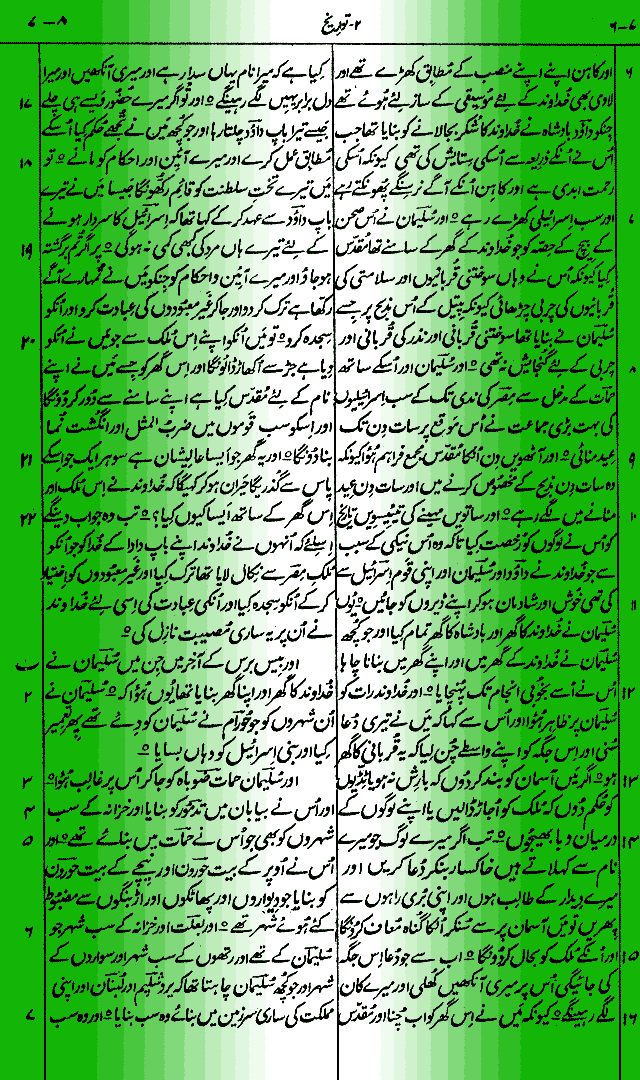
Verse-by-Verse Commentary (2 Chronicles 7:8 – 8:7)
2 Chronicles 7:8
-
Verse:
Also at the same time Solomon kept the feast seven days and all Israel with him a very great congregation from the entering in of Hamath unto the river of Egypt
-
English Explanation: This verse marks the massive scale of the dedication festival for the newly built Temple. King Solomon and the entire nation of Israel celebrated the Feast of Tabernacles for seven days. The phrase “from the entering in of Hamath unto the river of Egypt” signifies the complete and unified borders of Israel at its golden peak—stretching from the far north to the far south.
-
Urdu Explanation (تفصیل):
اس آیت میں ہیکل کی تعمیر مکمل ہونے پر ایک عظیم الشان جشن کا ذکر ہے۔ شاہ سلیمان اور تمام بنی اسرائیل نے مل کر عیدِ خیام سات دن تک منائی۔ “حمات کے مدخل سے لے کر مصر کی ندی تک” کا مطلب یہ ہے کہ پورے ملک کے کونے کونے سے لوگ اس پاک اجتماع میں شریک ہوئے، جو اسرائیل کے اتحاد اور خوشحالی کا عروج تھا۔
2 Chronicles 7:9
-
Verse:
And in the eighth day they made a solemn assembly for they kept the dedication of the altar seven days and the feast seven days
-
English Explanation: The celebrations were divided into two distinct parts: seven days for dedicating the altar of the temple, followed by seven days for the traditional autumn harvest feast. On the eighth day, they held a sacred, solemn gathering to conclude the entire fifteen-day holy spiritual event.
-
Urdu Explanation (تفصیل):
جشن کو دو حصوں میں تقسیم کیا گیا تھا: سات دن قربان گاہ کی تقدیس (مقدس کرنے) کے لیے اور سات دن عید کے لیے۔ اس کے بعد آٹھویں دن انہوں نے ایک خاص پاک مجمع یا مقدس مہم جوئی کی، جو اس طویل اور بابرکت روحانی جشن کا باقاعدہ اختتام تھا۔
2 Chronicles 7:10
-
Verse:
And on the three and twentieth day of the seventh month he sent the people away into their tents glad and merry in heart for the goodness that the LORD had shewed unto David and to Solomon and to Israel his people
-
English Explanation: After the festivities ended on the 23rd day of the seventh month, Solomon dismissed the people. They returned to their homes filled with joy, gratitude, and spiritual refreshment because of God’s extraordinary faithfulness, mercy, and blessings granted to David, Solomon, and the nation.
-
Urdu Explanation (تفصیل):
ساتویں مہینے کے تئیسویں دن، سلیمان نے لوگوں کو رخصت کیا۔ لوگ اپنے گھروں کو واپس لوٹتے ہوئے دل میں بے حد خوش اور مطمئن تھے، کیونکہ انہوں نے خدا کی اس عظیم رحمت اور بھلائی کا تجربہ کیا تھا جو خدا نے داؤد، سلیمان اور اپنی قوم اسرائیل پر ظاہر کی تھی۔
2 Chronicles 7:11
-
Verse:
Thus Solomon finished the house of the LORD and the king’s house and all that came into Solomon’s heart to make in the house of the LORD and in his own house he prosperously effected
-
English Explanation: This serves as a summary of Solomon’s architectural feats. It took 20 years to fully complete both the Temple (the House of the Lord) and his own royal palace. God granted him the wisdom and resources to successfully and prosperously execute every design he envisioned.
-
Urdu Explanation (تفصیل):
یہ آیت سلیمان کی تعمیراتی کامیابیوں کا خلاصہ پیش کرتی ہے۔ سلیمان نے خداوند کے گھر (ہیکل) اور اپنے شاہی محل کی تعمیر کو کامیابی کے ساتھ مکمل کیا۔ جو کچھ بھی سلیمان کے دل میں تھا، خدا کے فضل سے وہ سب کچھ کامیابی اور خوشحالی کے ساتھ پورا ہوا۔
2 Chronicles 7:12
-
Verse:
And the LORD appeared to Solomon by night and said unto him I have heard thy prayer and have chosen this place to myself for an house of sacrifice
-
English Explanation: God responds directly to Solomon’s dedicatory prayer by appearing to him in a vision at night. God confirms two vital things: He has actively heard the prayer, and He has formally accepted this specific temple building as the designated place for national worship and sacrifice.
-
Urdu Explanation (تفصیل):
خدا نے رات کے وقت سلیمان پر ظاہر ہو کر اس کی دعا کا جواب دیا۔ خدا نے تصدیق کی کہ اس نے سلیمان کی فریاد سن لی ہے اور اس نے اس ہیکل کو اپنے لیے قربانی کے گھر کے طور پر چن لیا ہے، جہاں اب سے عبادات اور قربانیاں پیش کی جائیں گی۔
2 Chronicles 7:13
-
Verse:
If I shut up heaven that there be no rain or if I command the locusts to devour the land or if I send pestilence among my people
-
English Explanation: God outlines potential future judgments that would come as a result of Israel’s disobedience. Environmental crises like severe drought, devastating locust swarms, or deadly disease outbreaks (pestilence) are described not as random natural disasters, but as divine tools to correct the nation’s spiritual direction.
-
Urdu Explanation (تفصیل):
یہاں خدا مستقبل میں نافرمانی کے نتیجے میں آنے والی سزاؤں کا ذکر کرتا ہے۔ آسمان کا بند ہونا (قحط)، ٹڈی دل کا فصلوں کو کھانا، یا وبائی امراض کا پھیلنا محض اتفاقی حادثات نہیں بلکہ قوم کی روحانی اصلاح کے لیے خدا کی طرف سے تنبیہ ہو سکتی ہیں۔
2 Chronicles 7:14
-
Verse:
If my people which are called by my name shall humble themselves and pray and seek my face and turn from their wicked ways then will I hear from heaven and will forgive their sin and will heal their land
-
English Explanation: This is one of the most famous verses in the Bible, outlining God’s formula for national revival and restoration. It requires four actions from believers: humbling themselves, praying, seeking God’s face (intimacy), and turning from sin (repentance). In response, God promises three things: to hear, to forgive, and to heal their physical and spiritual land.
-
Urdu Explanation (تفصیل):
یہ پوری بائبل کی مشہور ترین آیات میں سے ایک ہے، جو توبہ اور بحالی کا طریقہ بتاتی ہے۔ خدا فرماتا ہے کہ اگر میری قوم عاجزی اختیار کرے، دعا کرے، میری طالب ہو، اور اپنی بری راہوں سے پھر جائے، تو خدا آسمان پر سے ان کی سن کر، ان کے گناہ معاف کرے گا اور ان کی زمین کو شفا بخشے گا۔
2 Chronicles 7:15
-
Verse:
Now mine eyes shall be open and mine ears attent unto the prayer that is made in this place
-
English Explanation: God assures Solomon of His continuous presence in the Temple. He promises that His eyes will always look upon this location with favor and His ears will always be wide open to catch the whispers, cries, and prayers offered up by people within this sanctuary.
-
Urdu Explanation (تفصیل):
خدا سلیمان کو یقین دلاتا ہے کہ اس ہیکل پر اس کی مستقل نظرِ کرم رہے گی۔ جو کوئی بھی اس پاک جگہ پر کھڑے ہو کر دعا کرے گا، خدا کی آنکھیں اس پر لگی رہیں گی اور اس کے کان اس کی فریاد سننے کے لیے ہمہ تن گوش (تیار) رہیں گے۔
2 Chronicles 7:16
-
Verse:
For now have I chosen and sanctified this house that my name may be there for ever and mine eyes and mine heart shall be there perpetually
-
English Explanation: God declares the temple holy (sanctified) and chooses it as the earthly dwelling place for His Name. The inclusion of His “heart” indicates a deep, passionate, and perpetual emotional connection between the Almighty and this earthly place of worship.
-
Urdu Explanation (تفصیل):
خدا فرماتا ہے کہ اس نے اس گھر کو چن کر پاک کیا ہے تاکہ اس کا نام وہاں ہمیشہ قائم رہے۔ خدا کی نظریں اور اس کا دل ہمیشہ کے لیے اس جگہ سے وابستہ رہیں گے، جو خدا کی گہری محبت اور حضور کا ثبوت ہے۔
2 Chronicles 7:17
-
Verse:
And as for thee if thou wilt walk before me as David thy father walked and do according to all that I have commanded thee and shalt observe my statutes and my judgments
-
English Explanation: God shifts the focus to a personal, conditional covenant with Solomon. The standard of comparison is his father, King David, who despite flaws, lived with an undivided heart toward God. Solomon is commanded to walk in total obedience to God’s laws, decrees, and commandments.
-
Urdu Explanation (تفصیل):
خدا اب سلیمان سے انفرادی طور پر عہد کرتا ہے۔ خدا اسے اس کے باپ داؤد کی مثال دیتا ہے جس نے وفاداری سے زندگی گزاری۔ خدا سلیمان کو تاکید کرتا ہے کہ اگر وہ بھی احکام اور قوانین پر دل سے عمل کرے گا، تو برکات پائے گا۔
2 Chronicles 7:18
-
Verse:
Then will I stablish the throne of thy kingdom according as I have covenanted with David thy father saying There shall not fail thee a man to be ruler in Israel
-
English Explanation: If Solomon remains obedient, God promises to secure and establish his royal dynasty. This reaffirms the Davidic Covenant, ensuring that David’s lineage would never lack a male descendant ruling over Israel, a promise ultimately fulfilled eternally through Jesus Christ.
-
Urdu Explanation (تفصیل):
اگر سلیمان فرمانبردار رہا، تو خدا اس کی سلطنت اور تخت کو مضبوط کرے گا۔ یہ داؤد سے کیے گئے اس وعدے کی تجدید ہے کہ اسرائیل کے تخت پر ہمیشہ اس کی نسل کا حکمران قائم رہے گا (جس کی آخری تکمیل یسوع مسیح میں ہوئی)۔
2 Chronicles 7:19
-
Verse:
But if ye turn away and forsake my statutes and my commandments which I have set before you and shall go and serve other gods and worship them
-
English Explanation: This is the explicit warning of the covenant. If Solomon or the generations after him rebel against God’s law and turn to idolatry—worshipping false gods of pagan nations—the relational terms of blessing will immediately shift to consequences.
-
Urdu Explanation (تفصیل):
یہاں عہد کی تنبیہ کا ذکر ہے۔ اگر سلیمان یا اس کی آنے والی نسلیں خدا کے احکام کو چھوڑ کر بت پرستی کی طرف مائل ہوئیں اور جھوٹے معبودوں کی پوجا شروع کر دی، تو برکتوں کا یہ سلسلہ عذاب میں بدل جائے گا۔
2 Chronicles 7:20
-
Verse:
Then will I pluck them up by the roots out of my land which I have given them and this house which I have sanctified for my name will I cast out of my sight and will make it to be a proverb and a byword among all nations
-
English Explanation: The consequence of idolatry is devastating: exile from the Promised Land (“pluck them up by the roots”) and the absolute destruction of the beautiful Temple. The ruined temple would become a global cautionary tale, a laughingstock, and an object of mockery (“a proverb and a byword”) among surrounding nations.
-
Urdu Explanation (تفصیل):
بت پرستی کا نتیجہ عبرتناک ہو گا: اسرائیل کو ان کی اپنی زمین سے جڑ سے اکھاڑ پھینکا جائے گا (جلاوطنی) اور یہ عظیم ہیکل تباہ کر دیا جائے گا۔ یہ تباہ حال ہیکل دنیا کی دوسری قوموں کے لیے ایک عبرت کی نشانی اور تمسخر (مذاق) کا سبب بن جائے گا۔
2 Chronicles 7:21
-
Verse:
And this house which is high shall be an astonishment to every one that passeth by it so that he shall say Why hath the LORD done thus unto this land and unto this house
-
Explanation: The Temple, which was once globally famous for its height, architectural beauty, and spiritual glory, would look so utterly ruined that passersby would be shocked. They would ask in utter astonishment what caused God to bring such terrible devastation upon His own land and sanctuary.
-
Urdu Explanation (تفصیل):
یہ ہیکل جو اپنی شان و شوکت اور بلندی کی وجہ سے مشہور تھا، ایسا کھنڈر بن جائے گا کہ وہاں سے گزرنے والے حیرت زدہ رہ جائیں گے۔ وہ عبرت سے پوچھیں گے کہ خداوند نے اپنی ہی زمین اور اپنے ہی مقدس گھر کے ساتھ ایسا عبرتناک سلوک کیوں کیا؟
2 Chronicles 7:22
-
Verse:
And it shall be answered Because they forsook the LORD God of their fathers which brought them forth out of the land of Egypt and laid hold on other gods and worshipped them and served them therefore hath he brought all this evil upon them
-
English Explanation: The tragic answer to the onlookers’ question is provided: Israel brought this upon themselves. They abandoned the true God who saved them from Egyptian slavery and chose to embrace dead idols instead. The destruction serves as tangible proof of God’s holiness and justice.
-
Urdu Explanation (تفصیل):
اس سوال کا جواب یہ دیا جائے گا: کیونکہ ان لوگوں نے اپنے باپ دادا کے خدا کو چھوڑ دیا جس نے انہیں مصر کی غلامی سے نکالا تھا۔ انہوں نے غیر معبودوں کی پوجا کی، اس لیے خدا نے ان کے گناہوں کی وجہ سے یہ آفت ان پر نازل کی۔ یہ خدا کے عدل اور پاکیزگی کو ظاہر کرتا ہے۔
2 Chronicles 8:1
-
Verse:
And it came to pass at the end of twenty years wherein Solomon had built the house of the LORD and his own house
-
English Explanation: Chapter 8 transitions from the spiritual response of God into a historical record of Solomon’s physical accomplishments. This verse marks a milestone chronology: it took precisely 7 years to construct the Temple and 13 years to build the royal palace, totaling 20 years.
-
Urdu Explanation (تفصیل):
یہاں سے باب 8 شروع ہوتا ہے، جو سلیمان کے تعمیراتی اور انتظامی کاموں کی تاریخی تفصیل پیش کرتا ہے۔ ہیکل کی تعمیر میں 7 سال اور شاہی محل کی تعمیر میں 13 سال لگے، یعنی کل 20 برس کا عرصہ بیت جانے کے بعد کا احوال بیان ہو رہا ہے۔
2 Chronicles 8:2
-
Verse:
That the cities which Huram had restored to Solomon Solomon built them and caused the children of Israel to dwell there
-
English Explanation: King Huram (Hiram) of Tyre returned certain border cities to King Solomon (possibly after debts or treaties settled). Solomon immediately fortified and expanded these towns, populating them with Israelite citizens to secure and secure the geopolitical borders of his kingdom.
-
Urdu Explanation (تفصیل):
صور کے بادشاہ حیرام نے جو شہر سلیمان کو واپس کیے تھے، سلیمان نے ان کی دوبارہ تعمیر کی اور انہیں مضبوط بنایا۔ پھر وہاں بنی اسرائیل کو آباد کیا تاکہ سلطنت کی سرحدیں محفوظ اور مضبوط ہو جائیں۔
2 Chronicles 8:3
-
Verse:
And Solomon went to Hamath-zobah and prevailed against it
-
English Explanation: While Solomon is remembered as a man of peace, this verse shows he was willing to utilize military action when necessary to expand and secure his borders. Hamath-zobah was a strategic territory in Syria, and Solomon successfully captured it.
-
Urdu Explanation (تفصیل):
اگرچہ سلیمان کو امن کا بادشاہ کہا جاتا ہے، لیکن ملک کی سلامتی کے لیے اس نے فوجی طاقت کا استعمال بھی کیا۔ اس نے شام کے ایک اسٹریٹجک علاقے “حماتِ صوبہ” پر چڑھائی کی اور اسے فتح کر کے اپنی سلطنت کا حصہ بنا لیا۔
2 Chronicles 8:4
-
Verse:
And he built Tadmor in the wilderness and all the store cities which he built in Hamath
-
English Explanation: Solomon built Tadmor (later known historically as Palmyra), an oasis city located deep in the desert wilderness. It served as a highly strategic trade junction for caravans and as a military checkpoint, along with other regional storage cities to hold grain, weapons, and supplies.
-
Urdu Explanation (تفصیل):
سلیمان نے ریگستان میں “تدمُر” (جسے بعد میں پلمائرا کہا گیا) نامی شہر تعمیر کیا جو کہ تجارت کا ایک بڑا مرکز بنا۔ اس کے علاوہ اس نے حمات کے علاقے میں گودام والے شہر (رسد کے شہر) بنائے جہاں غلہ اور جنگی سامان ذخیرہ کیا جاتا تھا۔
2 Chronicles 8:5
-
Verse:
Also he built Beth-horon the upper and Beth-horon the nether fenced cities with walls gates and bars
-
English Explanation: Beth-horon (Upper and Lower) sat along a vital, vulnerable mountain pass leading straight up to the capital city of Jerusalem. Solomon transformed these villages into heavy, militarized fortresses featuring high walls, reinforced heavy gates, and iron bars to prevent foreign invasions.
-
Urdu Explanation (تفصیل):
بیتُ حورون (بالائی اور زیریں) یروشلم کی طرف جانے والے پہاڑی راستے پر واقع اہم مقامات تھے۔ سلیمان نے انہیں مضبوط قلعہ بند شہروں میں تبدیل کر دیا جن کے گرد اونچی دیواریں، بڑے پھاٹک اور لوہے کے بینڈ (سرکنڈے) تھے تاکہ بیرونی حملوں کا راستہ روکا جا سکے۔
2 Chronicles 8:6
-
Verse:
And Baalath and all the store cities that Solomon had and all the chariot cities and the cities of the horsemen and all that Solomon desired to build in Jerusalem and in Lebanon and throughout all the land of his dominion
-
English Explanation: This verse shows the incredible breadth of Solomon’s infrastructure programs. He organized entire specialized cities just for hosting military chariots and cavalry horses. He modernized Jerusalem and created royal retreats in Lebanon, fulfilling every architectural ambition he desired within his kingdom.
-
Urdu Explanation (تفصیل):
یہ آیت سلیمان کی وسیع تر انتظامی حکمتِ عملی کو ظاہر کرتی ہے۔ اس نے رتھوں اور گھوڑ سواروں کے لیے الگ سے پورے شہر وقف کیے۔ اس نے یروشلم کو خوبصورت بنایا اور لبنان تک اپنی سلطنت کے طول و عرض میں ہر وہ عمارت اور شہر تعمیر کیا جس کی اس نے خواہش کی تھی۔
2 Chronicles 8:7
-
Verse:
As for all the people that were left of the Hittites and the Amorites and the Perizzites and the Hivites and the Jebusites which were not of Israel
-
English Explanation: This sets up the context for Solomon’s labor force. The descendants of the original Canaanite nations (Hittites, Amorites, Perizzites, Hivites, Jebusites) whom Israel failed to completely drive out during the initial conquest were still living in the territory but did not belong to the covenant people.
-
Urdu Explanation (تفصیل):
یہ آیت سلیمان کی تعمیراتی فورس (مزدوروں) کی تفصیل کا پس منظر بتاتی ہے۔ جب بنی اسرائیل نے کنعان فتح کیا تھا، تو وہ وہاں کی مقامی قوموں (حتیوں، اموریوں، فرزیوں، حویوں اور یبوسیوں) کو پوری طرح نکال نہیں پائے تھے۔ ان بچی ہوئی قوموں کے لوگ اب بھی وہاں موجود تھے۔