Verse-by-Verse Commentary & Explanation
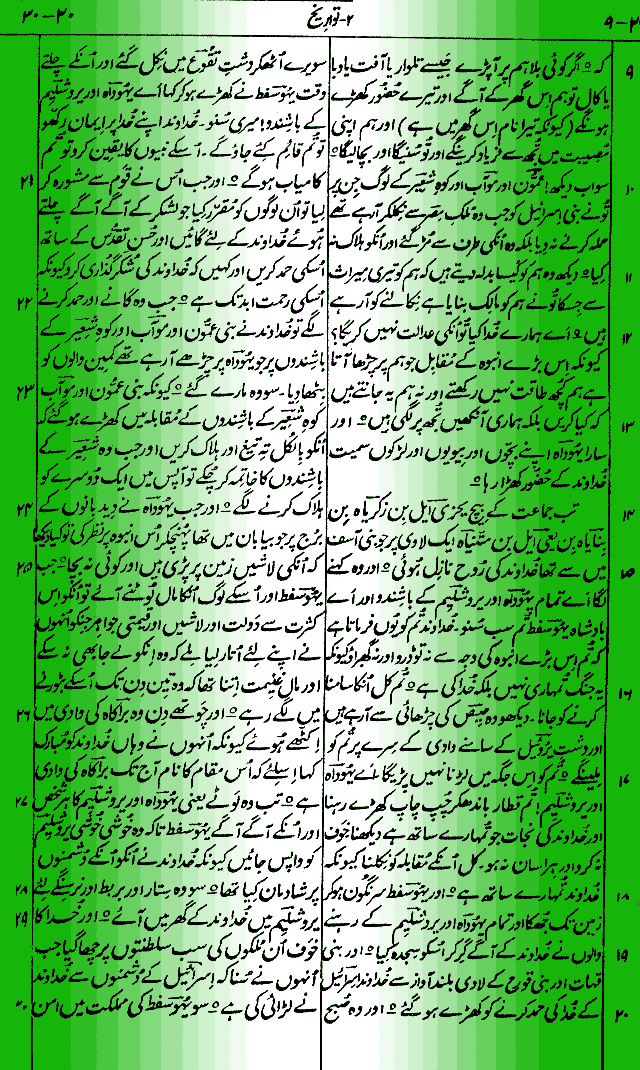
2 Chronicles 20:9
Verse: If when evil cometh upon us as the sword judgment or pestilence or famine we stand before this house and in thy presence (for thy name is in this house) and cry unto thee in our affliction then thou wilt hear and help.
English Explanation: King Jehoshaphat is recalling Solomon’s prayer during the dedication of the Temple. This verse establishes a foundational truth of faith: when God’s people face overwhelming crises—be it war, disease, or famine—their immediate recourse should be to seek God in prayer. By standing before the temple, where God’s name dwells, they appeal to His covenant promise to hear, deliver, and rescue them from their deep affliction.
Urdu Explanation: یہاں شاہ یہوسفط سلیمان کی اس دُعا کو یاد کر رہے ہیں جو ہیکل کی مروجہ تقریب کے وقت مانگی گئی تھی۔ یہ آیت ایمان کی بنیاد کو ظاہر کرتی ہے کہ جب بھی خدا کے لوگوں پر کوئی مصیبت جیسے جنگ، بیماری یا قحط آئے، تو ان کا پہلا قدم خدا کے حضور دُعا کرنا ہونا چاہیے۔ ہیکل کے سامنے کھڑے ہو کر، جہاں خدا کا نام موجود ہے، وہ خدا کے اس وعدے کو یاد کرتے ہیں کہ وہ ان کی فریاد سنے گا اور انہیں نجات دے گا۔
2 Chronicles 20:10
Verse: And now behold the children of Ammon and Moab and mount Seir whom thou wouldest not let Israel invade when they came out of the land of Egypt but they turned from them and destroyed them not
English Explanation: Jehoshaphat presents the specific crisis to God. He points out the nations of Ammon, Moab, and Mount Seir (Edom). Historically, when Israel came out of Egypt, God strictly commanded them not to destroy or conquer these nations because of their ancestral ties. Israel obeyed God and spared them; now, those same nations have united to attack Judah.
Urdu Explanation: یہوسفط خدا کے سامنے موجودہ خطرے کا ذکر کرتے ہیں۔ وہ عمون، موآب اور کوہِ شعیر (ادوم) کے لوگوں کی طرف اشارہ کرتے ہیں۔ تاریخ بتاتی ہے کہ جب بنی اسرائیل مصر سے نکلے تھے تو خدا نے انہیں ان قوموں پر حملہ کرنے سے منع کیا تھا کیونکہ ان کا خاندانی رشتہ تھا۔ اسرائیل نے خدا کا حکم مانا اور انہیں تباہ نہیں کیا، لیکن اب وہی قومیں متحد ہو کر یہوداہ پر حملہ آور ہو رہی ہیں۔
2 Chronicles 20:11
Verse: Behold I say how they reward us to come to cast us out of thy possession which thou hast given us to inherit.
English Explanation: This verse highlights the injustice of the enemy’s attack. Instead of showing gratitude for being spared in the past, these nations are repaying Judah’s kindness with hostility. They are attempting to drive God’s people out of the Promised Land—the very inheritance that God Himself bestowed upon Israel.
Urdu Explanation: یہ آیت دشمن کے حملے کی ناانصافی کو ظاہر کرتی ہے۔ ماضی میں بچائے جانے پر شکر گزار ہونے کے بجائے، یہ قومیں یہوداہ کی نیکی کا بدلہ دشمنی سے دے رہی ہیں۔ وہ خدا کے لوگوں کو اس موعودہ زمین سے نکالنے کی کوشش کر رہی ہیں جو خود خدا نے اسرائیل کو میراث کے طور پر دی تھی۔
2 Chronicles 20:12
Verse: O our God wilt thou not judge them? for we have no might against this great company that cometh against us neither know we what to do but our eyes are upon thee.
English Explanation: One of the most profound prayers of dependency in scripture. Jehoshaphat openly admits Judah’s total lack of military power and political wisdom to face this massive coalition. By confessing “neither know we what to do: but our eyes are upon thee,” he demonstrates absolute surrender, shifting his focus away from the problem and entirely onto God’s sovereignty.
Urdu Explanation: یہ پوری بائبل میں توکل اور عاجزی کی ایک بہترین دُعا ہے۔ یہوسفط کھل کر اعتراف کرتے ہیں کہ اس بڑی فوج کا مقابلہ کرنے کے لیے یہوداہ کے پاس نہ تو فوجی طاقت ہے اور نہ ہی کوئی حکمت۔ یہ کہہ کر کہ “ہمیں معلوم نہیں کہ کیا کریں بلکہ ہماری آنکھیں تجھ پر لگی ہیں،” وہ مکمل طور پر خدا کی حاکمیت پر بھروسہ کرتے ہیں۔
2 Chronicles 20:13
Verse: And all Judah stood before the LORD with their little ones their wives and their children.
English Explanation: This depicts a scene of complete community solidarity. Every segment of society—men, women, and even infants—stood together in the presence of the Lord. It underscores that the crisis affected everyone, and the entire nation was united in desperate, corporate seeking of God’s mercy.
Urdu Explanation: یہ منظر پورے معاشرے کی یکجہتی کو ظاہر کرتا ہے۔ معاشرے کا ہر حصہ—مرد، عورتیں اور یہاں تک کہ چھوٹے بچے—خدا کے حضور مل کر کھڑے تھے۔ یہ بات اس بات پر زور دیتی ہے کہ یہ بحران سب کے لیے تھا اور پوری قوم خدا کے رحم کی تلاش میں ایک ساتھ متحد تھی۔
2 Chronicles 20:14
Verse: Then upon Jahaziel the son of Zechariah the son of Benaiah the son of Jeiel the son of Mattaniah a Levite of the sons of Asaph came the Spirit of the LORD in the midst of the congregation
English Explanation: In the midst of their silent expectation and prayer, God responds. The Holy Spirit comes upon Jahaziel, a Levite and a descendant of Asaph (the worship leaders). God chooses a minister of praise to deliver His message of hope, showing that worship and prophetic guidance are deeply connected.
Urdu Explanation: ان کی خاموش دُعا اور انتظار کے بیچ، خدا جواب دیتا ہے۔ روح القدس یحزی ایل پر نازل ہوتا ہے، جو ایک لاوی اور آصف (پرستش کے رہنما) کی نسل سے تھا۔ خدا نے اپنی اُمید کا پیغام دینے کے لیے ایک ستائش کرنے والے کا انتخاب کیا، جس سے معلوم ہوتا ہے کہ پرستش اور نبوت کا گہرا تعلق ہے۔
2 Chronicles 20:15
Verse: And he said Hearken ye all Judah and ye inhabitants of Jerusalem and thou king Jehoshaphat Thus saith the LORD unto you Be not afraid nor dismayed by reason of this great multitude for the battle is not yours but God’s.
English Explanation: Jahaziel delivers the core message of comfort and assurance. He commands the king and the people not to be terrified by the massive size of the invading army. The ultimate theological breakthrough here is: “the battle is not yours, but God’s.” It relieves them of the burden of the outcome, establishing that God will personally fight for them.
Urdu Explanation: یحزی ایل تسلی اور یقین دہانی کا مرکزی پیغام دیتا ہے۔ وہ بادشاہ اور لوگوں کو حکم دیتا ہے کہ اس بڑی فوج سے خوفزدہ یا مایوس نہ ہوں۔ یہاں سب سے بڑی روحانی سچائی یہ ہے کہ “جنگ تمہاری نہیں بلکہ خدا کی ہے۔” یہ جملہ انہیں نتیجے کی فکر سے آزاد کر دیتا ہے اور یہ واضح کرتا ہے کہ خدا خود ان کی طرف سے لڑے گا۔
2 Chronicles 20:16
Verse: To morrow go ye down against them behold they come up by the cliff of Ziz and ye shall find them at the end of the brook before the wilderness of Jeruel.
English Explanation: Even though the battle belongs to God, He still requires the obedience of His people. He gives them specific strategic directions on where to go the next day. Faith is not passive; they must march out to face the enemy, acting on the word given to them, even if they won’t be doing the actual fighting.
Urdu Explanation: اگرچہ جنگ خدا کی ہے، پھر بھی وہ اپنے لوگوں سے فرمانبرداری کا تقاضا کرتا ہے۔ وہ انہیں اگلے دن جانے کے لیے مخصوص اور واضح ہدایات دیتا ہے۔ ایمان کا مطلب سستی نہیں ہے؛ انہیں دشمن کا سامنا کرنے کے لیے آگے بڑھنا ہوگا اور حاصل ہونے والے کلام پر عمل کرنا ہوگا، خواہ انہیں خود تلوار نہ چلانی پڑے۔
2 Chronicles 20:17
Verse: Ye shall not need to fight in this battle set yourselves stand ye still and see the salvation of the LORD with you O Judah and Jerusalem fear not nor be dismayed to morrow go out against them for the LORD will be with you.
English Explanation: God reiterates that their physical intervention in combat is unnecessary. Their posture must be to “stand still” in faith, mirroring the words spoken by Moses at the Red Sea. The source of their confidence is the divine presence: “the LORD will be with you.”
Urdu Explanation: خدا دوبارہ دہراتا ہے کہ انہیں اس جنگ میں لڑنے کی ضرورت نہیں پڑے گی۔ ان کا کام صرف ایمان کے ساتھ “قائم رہنا” اور ساکت کھڑے ہونا ہے، جیسے موسیٰ نے بحرِ قلزم پر کہا تھا۔ ان کے بھروسے کا سب سے بڑا سبب خدا کا ساتھ ہونا ہے: “خداوند تمہارے ساتھ ہوگا۔”
2 Chronicles 20:18
Verse: And Jehoshaphat bowed his head with his face to the ground and all Judah and the inhabitants of Jerusalem fell before the LORD worshipping the LORD.
English Explanation: The immediate response to God’s promise is worship. Before the victory is physically seen, the king and the entire community fall prostrate in deep gratitude and adoration. They worship God based on His promise alone, treating the victory as already accomplished.
Urdu Explanation: خدا کے وعدے کا فوری جواب پرستش کی صورت میں نکلتا ہے۔ فتح کو مادی طور پر دیکھنے سے پہلے ہی، بادشاہ اور پوری جماعت گہرے شکرانے اور تعظیم کے ساتھ زمین پر گر پڑتی ہے۔ وہ صرف خدا کے وعدے پر یقین کر کے اس کی پرستش کرتے ہیں، گویا فتح پہلے ہی حاصل ہو چکی ہو۔
2 Chronicles 20:19
Verse: And the Levites of the children of the Kohathites and of the children of the Korhites stood up to praise the LORD God of Israel with a loud voice on high.
English Explanation: The worship deepens as the Levites from the families of Kohath and Korah stand up to lead a loud, vocal celebration. Their loud praises reflect an unshakeable confidence in God’s prophetic word.
Urdu Explanation: پرستش کا سلسلہ مزید آگے بڑھتا ہے جب قہات اور قورح کے خاندان کے لاوی بلند آواز سے اسرائیل کے خدا کی حمد و ثنا کرنے کے لیے کھڑے ہو جاتے ہیں۔ ان کی یہ بلند آواز خدا کے کلام پر غیر متزلزل ایمان کا ثبوت تھی۔
2 Chronicles 20:20
Verse: And they rose early in the morning and went forth into the wilderness of Tekoa and as they went forth Jehoshaphat stood and said Hear me O Judah and ye inhabitants of Jerusalem Believe in the LORD your God so shall ye be established believe his prophets so shall ye prosper.
English Explanation: As they march out early in the morning toward the wilderness of Tekoa, Jehoshaphat rallies the people with a spiritual principle: stability and prosperity come through believing in God and trusting His prophets. Faith in God anchors them; faith in His declared word brings success.
Urdu Explanation: جب وہ صبح سویرے تقوع کے بیابان کی طرف نکلتے ہیں، تو یہوسفط ایک روحانی اصول کے ساتھ لوگوں کی حوصلہ افزائی کرتے ہیں: قائم رہنا اور کامیابی حاصل کرنا خدا پر ایمان رکھنے اور اس کے نبیوں پر یقین کرنے سے مشروط ہے۔ خدا پر ایمان انہیں مضبوط کرتا ہے اور اس کے کلام پر یقین انہیں کامیابی بخشتا ہے۔
2 Chronicles 20:21
Verse: And when he had consulted with the people he appointed singers unto the LORD and that should praise the beauty of holiness as they went out before the army and to say Praise the LORD for his mercy endureth for ever.
English Explanation: In an unprecedented military strategy, Jehoshaphat places a choir ahead of the armed soldiers. They are singing praises to the “beauty of holiness,” declaring God’s eternal mercy. This demonstrates that praise is an offensive spiritual weapon, declaring victory before the conflict even begins.
Urdu Explanation: ایک انوکھی جنگی حکمتِ عملی کے تحت، یہوسفط نے مسلح فوج کے آگے گانے والوں (کورال) کو کھڑا کیا۔ وہ خدا کی پاکیزگی اور اس کی ابدی رحمت کا گیت گا رہے تھے۔ یہ ظاہر کرتا ہے کہ حمد و ثنا ایک روحانی ہتھیار ہے، جو جنگ شروع ہونے سے پہلے ہی فتح کا اعلان کر دیتا ہے۔
2 Chronicles 20:22
Verse: And when they began to sing and to praise the LORD set ambushments against the children of Ammon Moab and mount Seir which were come against Judah and they were smitten.
English Explanation: The precise moment Judah begins to sing and praise, God acts. God sets supernatural ambushes against the enemy coalition. Praise triggers divine intervention, causing confusion among the enemy forces, leading to their defeat.
Urdu Explanation: جس لمحے یہوداہ کے لوگوں نے گانا اور تعریف کرنا شروع کیا، خدا نے کارروائی کی۔ خدا نے دشمن کی فوجوں کے خلاف غیبی گھاتیں لگا دیں۔ ستائش نے خدا کی قدرت کو حرکت میں لایا، جس سے دشمنوں میں کھلبلی مچ گئی اور وہ شکست کھا گئے۔
2 Chronicles 20:23
Verse: For the children of Ammon and Moab stood up against the inhabitants of mount Seir utterly to slay and destroy them and when they had made an end of the inhabitants of Seir every one helped to destroy another.
English Explanation: God turns the enemy against themselves. The armies of Ammon and Moab turn on their allies from Mount Seir, wiping them out. Afterward, blinded by confusion and paranoia, they turn on one another until the entire invading army destroys itself.
Urdu Explanation: خدا نے دشمنوں کو ایک دوسرے کے خلاف کر دیا۔ عمون اور موآب کی فوجوں نے کوہِ شعیر کے اپنے ہی اتحادیوں پر حملہ کر کے انہیں ختم کر دیا، اور اس کے بعد، وہ آپس میں ہی ایک دوسرے کو تباہ کرنے لگے یہاں تک کہ پوری فوج ختم ہو گئی۔
2 Chronicles 20:24
Verse: And when Judah came toward the watch tower in the wilderness they looked unto the multitude and behold they were dead bodies fallen to the earth and none escaped.
English Explanation: When Judah arrives at the wilderness watchtower, expecting a fierce battle, they find that the work is already done. The massive, terrifying army consists entirely of dead bodies spread across the ground. Not a single enemy escaped God’s judgment.
Urdu Explanation: جب یہوداہ کے لوگ بیابان کے دیدبان (واچ ٹاور) پر پہنچے، جہاں وہ ایک سخت جنگ کی توقع کر رہے تھے، تو انہوں نے دیکھا کہ کام پہلے ہی ہو چکا تھا۔ وہ بڑی اور خوفناک فوج اب زمین پر پڑی لاشوں میں تبدیل ہو چکی تھی۔ خدا کے انصاف سے ایک بھی دشمن نہ بچ سکا۔
2 Chronicles 20:25
Verse: And when Jehoshaphat and his people came to take away the spoil of them they found among them in abundance both riches with the dead bodies and precious jewels which they stripped off for themselves more than they could carry away and they were three days in gathering of the spoil it was so much.
English Explanation: The victory is accompanied by an abundance of blessing. The enemy left behind so much wealth, equipment, and precious jewels that it took Judah three full days just to gather and carry away all the plunder. The crisis ended up enriching God’s people.
Urdu Explanation: اس فتح کے ساتھ برکتوں کی فراوانی بھی آئی۔ دشمن اپنے پیچھے اتنا مال، سامان اور قیمتی جواہرات چھوڑ گئے تھے کہ یہوداہ کے لوگوں کو اس لوٹے ہوئے مال کو جمع کرنے میں پورے تین دن لگ گئے۔ بحران نے انجام کار خدا کے لوگوں کو امیر بنا دیا۔
2 Chronicles 20:26
Verse: And on the fourth day they assembled themselves in the valley of Berachah for there they blessed the LORD therefore the name of the same place was called The valley of Berachah unto this day.
English Explanation: On the fourth day, the people gather to give thanks. They name the location the “Valley of Berachah,” which means the Valley of Blessing. They do not praise their own luck; they explicitly bless and thank the Lord, establishing a lasting memorial of His goodness.
Urdu Explanation: چوتھے دن، لوگ شکرگزاری کے لیے جمع ہوئے۔ انہوں نے اس جگہ کا نام “وادیِ براکہ” رکھا، جس کا مطلب ہے برکت کی وادی۔ انہوں نے اپنی خوش قسمتی کی تعریف نہیں کی، بلکہ خاص طور پر خداوند کو مبارکباد دی اور اس کی بھلائی کی ایک یادگار قائم کی۔
2 Chronicles 20:27
Verse: Then they returned every man of Judah and Jerusalem and Jehoshaphat in the forefront of them to go again to Jerusalem with joy for the LORD had made them to rejoice over their enemies.
English Explanation: The army returns to Jerusalem not in exhaustion or mourning, but with immense joy led by King Jehoshaphat. Their mourning had been turned into dancing because God was the source of their overwhelming victory and gladness.
Urdu Explanation: فوج تھکن یا ماتم کے ساتھ نہیں، بلکہ شاہ یہوسفط کی قیادت میں انتہائی خوشی کے ساتھ یروشلم واپس لوٹی۔ ان کا غم خوشی میں بدل چکا تھا کیونکہ خدا ہی ان کی اس عظیم فتح اور شادمانی کا سبب تھا۔
2 Chronicles 20:28
Verse: And they came to Jerusalem with psalteries and harps and trumpets unto the house of the LORD.
English Explanation: Their return journey is a musical procession. They enter the city and go straight back to the Temple (the house of the LORD) with musical instruments. Where the prayer started in desperation, it concludes with celebratory instrumental worship.
Urdu Explanation: ان کی واپسی کا سفر ایک موسیقی کا جلوس تھا۔ وہ شہر میں داخل ہوئے اور سازوں کے ساتھ سیدھے ہیکل (خداوند کے گھر) گئے۔ جہاں دُعا مایوسی میں شروع ہوئی تھی، وہاں اس کا اختتام فتح کے گیتوں اور سازوں کے ساتھ ہوا۔
2 Chronicles 20:29
Verse: And the fear of God was on all the kingdoms of those countries when they had heard that the LORD fought against the enemies of Israel.
English Explanation: The miracle has international geopolitical implications. When neighboring pagan nations hear how God Himself fought against Israel’s enemies, a holy fear and awe fall upon them. The victory serves as a powerful testimony of God’s supremacy to the surrounding world.
Urdu Explanation: اس معجزے کے بین الاقوامی سیاسی اثرات مرتب ہوئے۔ جب آس پاس کی غیر قوموں نے سنا کہ خدا نے خود اسرائیل کے دشمنوں کے خلاف جنگ لڑی ہے، تو ان پر خدا کا خوف اور ہیبت طاری ہو گئی۔ یہ فتح ارد گرد کی دنیا کے لیے خدا کی حاکمیت کی ایک طاقتور گواہی بن گئی۔
2 Chronicles 20:30
Verse: So the realm of Jehoshaphat was quiet for his God gave him rest round about.
English Explanation: The narrative concludes with total peace. Because Jehoshaphat and Judah trusted God entirely, God rewards the kingdom with absolute security and rest from all surrounding enemies. Genuine faith and praise lead to divine peace that surpasses understanding.
Urdu Explanation: اس واقعے کا اختتام مکمل امن پر ہوتا ہے۔ چونکہ یہوسفط اور یہوداہ نے خدا پر پورا بھروسہ کیا، اس لیے خدا نے ان کی سلطنت کو چاروں طرف سے امن اور سکون کا انعام دیا۔ حقیقی ایمان اور ستائش الٰہی اطمینان اور امن کا باعث بنتی ہے۔