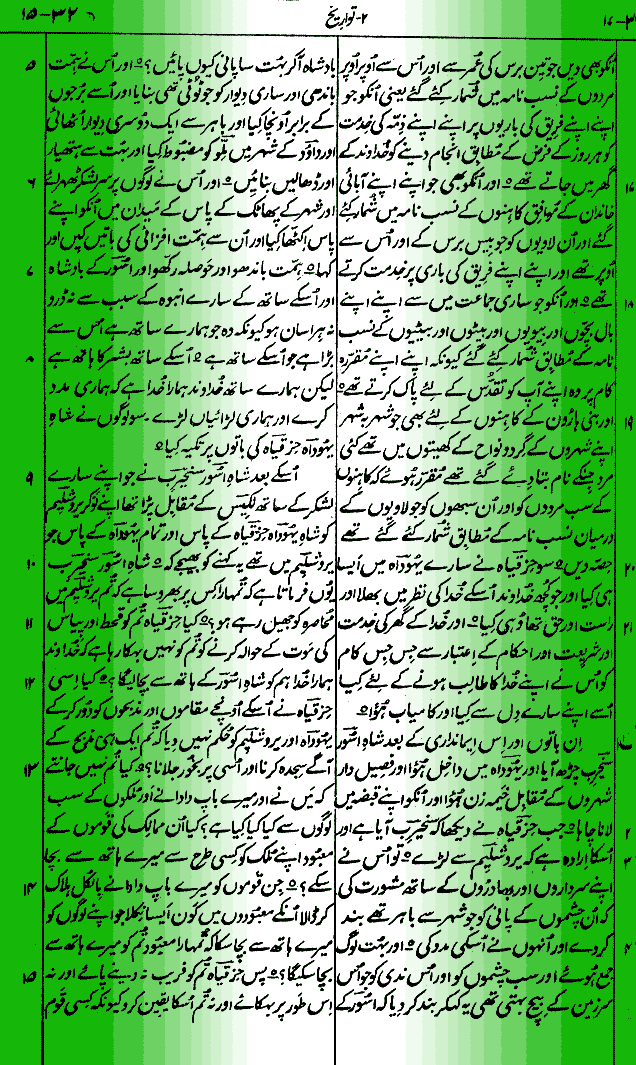
2 Chronicles Chapter 31 (Verses 17–21)
2 Chronicles 31 17
Verse: Both to the genealogy of the priests by the house of their fathers and the Levites from twenty years old and upward in their charges by their courses
-
English Explanation: This verse highlights the meticulous record-keeping of the priestly and Levite lineages. King Hezekiah ensured that organization and administrative order were maintained in God’s house. Every Levite aged twenty and older was assigned a specific responsibility and shift, ensuring no gaps in ministry or temple service. It teaches the importance of order, structure, and accountability in spiritual leadership.
-
Urdu Explanation (اردو تشریح): اس آیت میں کاہنوں اور لاویوں کے خاندانوں کے تفصیلی ریکارڈ اور شجرہ نسب کی اہمیت کو ظاہر کیا گیا ہے۔ بادشاہ حزقیاہ نے اس بات کو یقینی بنایا کہ خدا کے گھر کے انتظامات میں مکمل نظم و ضبط ہو۔ بیس سال اور اس سے زائد عمر کے تمام لاویوں کو ان کی مخصوص ذمہ داریاں اور ڈیوٹیاں سونپی گئیں تاکہ خدمت میں کوئی رکاوٹ نہ آئے۔ یہ آیت ہمیں سکھاتی ہے کہ روحانی قیادت اور خدا کے کاموں میں نظم و ضبط اور ذمہ داری کتنی ضروری ہے۔
2 Chronicles 31 18
Verse: And to the genealogy of all their little ones their wives and their sons and their daughters through all the congregation for in their set office they sanctified themselves in holiness
-
English Explanation: The distribution of provisions was not just for the active workers, but extended to their entire families—wives, sons, daughters, and infants. Because these ministers dedicated themselves completely to their holy office with unwavering faithfulness, the community took care of their households. True devotion requires setting oneself apart for God, and God honors that by ensuring families are sustained.
-
Urdu Explanation (اردو تشریح): یہاں یہ واضح کیا گیا ہے کہ خدا کے خادموں کی نہ صرف اپنی بلکہ ان کے پورے خاندانوں (بیویوں بچوں اور بچیوں) کی دیکھ بھال کی جاتی تھی۔ چونکہ یہ خادم اپنی پاک دلی اور وفاداری کے ساتھ خدا کی خدمت کے لیے خود کو وقف کر چکے تھے اس لیے پوری جماعت ان کی کفالت کرتی تھی۔ یہ ظاہر کرتا ہے کہ جب ہم خود کو خدا کے لیے پاک اور وقف کرتے ہیں تو وہ ہمارے خاندانوں کی ضروریات کا بھی محافظ بن جاتا ہے۔
2 Chronicles 31 19
Verse: Also of the sons of Aaron the priests which were in the fields of the suburbs of their cities in every several city the men that were expressed by name to give portions to all the males among the priests and to all that were reckoned by genealogies among the Levites
-
English Explanation: Provision was not restricted to those serving inside Jerusalem. Priests living in outlying pasture lands and rural cities were also accounted for. Specific men were assigned by name to ensure that every single male among the priests and registered Levites received their rightful share. This showcases God’s inclusive care and the necessity of fair, transparent administrative practices.
-
Urdu Explanation (اردو تشریح): یہ آیت ظاہر کرتی ہے کہ خدا کے خادموں کی دیکھ بھال صرف یروشلم تک محدود نہیں تھی بلکہ دیہاتی علاقوں اور مضافات میں رہنے والے ہارون کے بیٹوں (کاہنوں) کا بھی خیال رکھا جاتا تھا۔ مخصوص آدمیوں کو نام بہ نام یہ ذمہ داری دی گئی تھی کہ وہ ہر کاہن اور لاوی تک ان کا جائز حصہ پہنچائیں۔ یہ انتظامی انصاف شفافیت اور خدا کی طرف سے اپنے ہر خادم کی یکساں دیکھ بھال کی عکاسی کرتا ہے۔
2 Chronicles 31 20
Verse: And thus did Hezekiah throughout all Judah and wrought that which was good and right and truth before the LORD his God
-
English Explanation: This serves as a divine summary of Hezekiah’s governance. His actions were characterized by goodness, righteousness, and truth in the sight of God. He did not act out of political convenience but out of deep, authentic devotion to Yahweh. It emphasizes that true leadership is measured by moral integrity and alignment with God’s standards.
-
Urdu Explanation (اردو تشریح): یہ آیت حزقیاہ کے دورِ حکومت کا ایک خوبصورت خلاصہ ہے۔ اس نے پورے یہوداہ میں وہی کام کیے جو خداوند اس کے خدا کی نظر میں اچھے راستی پر مبنی اور سچے تھے۔ اس نے سیاسی فائدے کے بجائے خدا کی خوشنودی کو ترجیح دی۔ یہ اس بات کی نشاندہی کرتا ہے کہ اصل قیادت وہی ہے جو اخلاقی طور پر پاک اور خدا کے معیار کے مطابق ہو۔
2 Chronicles 31 21
Verse: And in every work that he began in the service of the house of God and in the law and in the commandments to seek his God he did it with all his heart and prospered
-
English Explanation: The secret to Hezekiah’s tremendous success and prosperity was his wholehearted devotion. Whether managing the temple, enforcing the law, or seeking God’s face, he put 100% of his heart into it. The scriptural principle illustrated here is clear: wholehearted obedience and dedication to God inevitably lead to spiritual and practical prosperity.
-
Urdu Explanation (اردو تشریح): حزقیاہ کی کامیابی اور خوشحالی کا اصل راز اس کا پورے دل سے خدا کی طرف رجوع کرنا تھا۔ خدا کے گھر کی خدمت ہو شریعت پر عمل کرنا ہو یا احکام کی پیروی وہ ہر کام پورے دل اور سچی لگن سے کرتا تھا۔ یہ آیت ایک اہم روحانی اصول سکھاتی ہے: جب انسان پورے دل سے خدا کا طالب ہوتا ہے تو خدا اسے کامیابی اور برکت سے نوازتا ہے۔
2 Chronicles Chapter 32 (Verses 1–15)
2 Chronicles 32 1
Verse: After these things and the establishment thereof Sennacherib king of Assyria came and entered into Judah and encamped against the fenced cities and thought to win them for himself
-
English Explanation: Paradoxically, right after Hezekiah established these great spiritual reforms, a massive crisis hit. Sennacherib, the ruthless king of the Assyrian Empire, invaded Judah. This teaches believers that spiritual revival does not exempt us from trials. Instead, it prepares us to face them. The enemy often attacks right after a major spiritual victory.
-
Urdu Explanation (اردو تشریح): حزقیاہ کی ان تمام اصلاحات اور وفاداری کے فوراً بعد یہوداہ پر ایک بڑا بحران آیا۔ اسور کا طاقتور بادشاہ سنحاریب یہوداہ پر حملہ آور ہوا اور قلعہ بند شہروں کا محاصرہ کر لیا۔ یہ آیت ہمیں سکھاتی ہے کہ خدا کے ساتھ وفاداری کا مطلب یہ نہیں کہ زندگی میں مشکلات نہیں آئیں گی۔ بعض اوقات بڑی روحانی فتح کے فوراً بعد ہی دشمن کا حملہ ہوتا ہے تاکہ ہمارے ایمان کو آزمایا جا سکے۔
2 Chronicles 32 2
Verse: And when Hezekiah saw that Sennacherib was come and that he was purposed to fight against Jerusalem
-
English Explanation: Hezekiah recognized the reality of the threat. He did not live in passive denial. True faith does not ignore reality; it faces the enemy’s intentions directly while relying on God’s strength. Recognizing that the ultimate target was Jerusalem (the heart of worship), he prepared to act.
-
Urdu Explanation (اردو تشریح): جب حزقیاہ نے دیکھا کہ سنحاریب کا اصل مقصد یروشلم پر حملہ کرنا ہے تو اس نے خطرے کی حقیقت کو تسلیم کیا۔ حقیقی ایمان مشکلات سے آنکھیں چرانا نہیں سکھاتا بلکہ حقیقت کا سامنا کرتے ہوئے خدا پر بھروسہ کرنا سکھاتا ہے۔ حزقیاہ سمجھ گیا کہ دشمن کا اصل نشانہ یروشلم (خدا کی عبادت گاہ) ہے۔
2 Chronicles 32 3
Verse: He took counsel with his princes and his mighty men to stop the waters of the fountains which were without the city and they did help him
-
English Explanation: Faith and practical wisdom go hand in hand. Hezekiah consulted his leaders to execute a strategic military move: cutting off the water supply outside the city walls. This shows that relying on God does not mean being lazy or disorganized; God uses human wisdom and unity to execute His plans.
-
Urdu Explanation (اردو تشریح): ایمان اور عملی حکمت ہمیشہ ساتھ ساتھ چلتے ہیں۔ حزقیاہ نے اپنے عمرہ اور بہادر جوانوں سے مشورہ کیا تاکہ شہر سے باہر کے پانی کے چشموں کو بند کر دیا جائے۔ اس سے ظاہر ہوتا ہے کہ خدا پر توکل کرنے کا مطلب یہ نہیں کہ انسان ہاتھ پر ہاتھ دھرے بیٹھا رہے بلکہ خدا ہماری حکمت اور باہمی اتحاد کو اپنے منصوبوں کے لیے استعمال کرتا ہے۔
2 Chronicles 32 4
Verse: So there was gathered much people together who stopped all the fountains and the brook that ran through the midst of the land saying Why should the kings of Assyria come and find much water
-
English Explanation: The people unitedly worked to deplete the invading army’s resources. By cutting off the water, they made the environment hostile for the Assyrian army. In spiritual warfare, we must cut off the “provisions” of the enemy—eliminating anything in our lives that could feed temptation or doubt.
-
Urdu Explanation (اردو تشریح): لوگ بڑی تعداد میں جمع ہوئے اور انہوں نے تمام چشموں اور ندیوں کا پانی روک دیا تاکہ اسوری فوج کو پانی نہ مل سکے۔ روحانی جنگ میں بھی ہمیں دشمن کی “رسد” کو کاٹنا ہوتا ہے یعنی اپنی زندگی سے ان تمام چیزوں کو ختم کرنا ہوتا ہے جو گناہ یا شک کو شہہ دیتی ہیں۔
2 Chronicles 32 5
Verse: Also he strengthened himself and built up all the wall that was broken and raised it up to the towers and another wall without and repaired Millo in the city of David and made darts and shields in abundance
-
English Explanation: Hezekiah took massive defensive and offensive preparations. He repaired broken walls, built secondary outer defenses, reinforced fortifications (Millo), and manufactured weapons in abundance. It is a lesson in spiritual defense: we must patch up the “broken walls” of our character and spiritual disciplines to stand firm against enemy assaults.
-
Urdu Explanation (اردو تشریح): حزقیاہ نے اپنی دفاعی پوزیشن کو مضبوط کیا۔ اس نے ٹوٹی ہوئی دیواروں کی مرمت کی نئے برج بنائے بیرونی دیوار کھڑی کی اور کثرت سے ہتھیار اور ڈھالیں تیار کیں۔ یہ روحانی دفاع کا ایک بڑا سبق ہے: ہمیں اپنے کردار اور ایمانی زندگی کی ٹوٹی ہوئی دیواروں کی مرمت کرنی چاہیے تاکہ ابلیس کے حملوں کے سامنے قائم رہ سکیں۔
2 Chronicles 32 6
Verse: And he set captains of war over the people and gathered them together to him in the street of the gate of the city and spake comfortably to them saying
-
English Explanation: A great leader organizes his people and communicates effectively. Hezekiah organized the military structure and gathered the citizens together, not to instill panic, but to speak words of comfort, encouragement, and faith. True leadership speaks peace into chaotic situations.
-
Urdu Explanation (اردو تشریح): ایک بہترین رہنما ہمیشہ اپنے لوگوں کو منظم کرتا ہے اور ان کی حوصلہ افزائی کرتا ہے۔ حزقیاہ نے جنگی کپتان مقرر کیے اور لوگوں کو شہر کے پھاٹک کے چوک میں جمع کر کے ان کو تسلی دی اور ان کی ہمت بندھائی۔ سچی قیادت خوف کے ماحول میں بھی ایمان اور سکون کی بات کرتی ہے۔
2 Chronicles 32 7
Verse: Be strong and courageous be not afraid nor dismayed for the king of Assyria nor for all the multitude that is with him for there be more with us than with him
-
English Explanation: Hezekiah echoes the timeless command given to Joshua. He shifts the people’s focus away from the massive size of the enemy army and directs it toward spiritual reality: the unseen heavenly host backing Judah was far greater than the entire Assyrian army.
-
Urdu Explanation (اردو تشریح): حزقیاہ نے لوگوں کو وہی حکم دیا جو خدا نے یشوع کو دیا تھا کہ “مضبوط اور دلیر رہو”۔ اس نے لوگوں کی توجہ دشمن کی بڑی فوج سے ہٹا کر روحانی حقیقت کی طرف مبذول کرائی کہ جو ہمارے ساتھ ہے وہ اسور کے بادشاہ اور اس کے لشکر سے کہیں زیادہ بڑا اور طاقتور ہے۔
2 Chronicles 32 8
Verse: With him is an arm of flesh but with us is the LORD our God to help us and to fight our battles And the people rested themselves upon the words of Hezekiah king of Judah
-
English Explanation: This is one of the most powerful declarations of faith in the Old Testament. The Assyrian army, despite its advanced weapons, relied only on human strength (“arm of flesh”). Judah had the Almighty God to fight their battles. The words of faith spoken by the king gave the people immense peace and rest in the midst of a terrifying siege.
-
Urdu Explanation (اردو تشریح): یہ پرانے عہد نامے میں ایمان کے سب سے طاقتور اعلانات میں سے ایک ہے۔ اسور کی فوج صرف انسانی طاقت (“جسمانی بازو”) پر بھروسہ کرتی تھی جبکہ یہوداہ کے پاس خود قادرِ مطلق خدا تھا جو ان کی طرف سے لڑنے والا تھا۔ بادشاہ کے ان ایمانی الفاظ نے لوگوں کے دلوں کو خوفناک محاصرے کے باوجود کامل اطمینان اور سکون بخشا۔
2 Chronicles 32 9
Verse: After this did Sennacherib king of Assyria send his servants to Jerusalem (but he himself laid siege against Lachish and all his power with him) unto Hezekiah king of Judah and unto all Judah that were at Jerusalem saying
-
English Explanation: While Sennacherib was busy fighting at Lachish, he sent psychological warfare operatives to Jerusalem. The enemy often uses intimidation and threatening words from a distance to break our morale before a physical battle even begins.
-
Urdu Explanation (اردو تشریح): جبکہ سنحاریب خود لکیش شہر کے خلاف لڑ رہا تھا اس نے یروشلم کے لوگوں کا حوصلہ توڑنے کے لیے اپنے قاصد بھیجے۔ دشمن اکثر ہمیں براہِ راست نقصان پہنچانے سے پہلے خوفناک باتوں اور دھمکیوں کے ذریعے ذہنی طور پر مفلوج کرنے کی کوشش کرتا ہے۔
2 Chronicles 32 10
Verse: Thus saith Sennacherib king of Assyria Whereon do ye trust that ye abide in the siege in Jerusalem
-
English Explanation: Sennacherib attacks the core of Judah’s defense: their trust. He questions why they feel so secure waiting inside a besieged city. The ultimate tactic of the enemy is always to make the believer question their faith and target their confidence in God.
-
Urdu Explanation (اردو تشریح): سنحاریب نے سیدھا یہودیوں کے ایمان اور توکل پر وار کیا۔ اس نے سوال کیا کہ تمہیں کس چیز پر اتنا بھروسہ ہے کہ تم اس محاصرے میں بھی یروشلم کے اندر اطمینان سے بیٹھے ہو؟ ابلیس کا سب سے بڑا ہتھیار ہمیشہ یہی ہوتا ہے کہ وہ انسان کے دل میں خدا کی ذات کے بارے میں شک پیدا کرے۔
2 Chronicles 32 11
Verse: Doth not Hezekiah persuade you to give over yourselves to die by famine and by thirst saying The LORD our God shall deliver us out of the hand of the king of Assyria
-
English Explanation: The Assyrian propaganda attempts to twist the words of faith into a death sentence. Sennacherib claims that Hezekiah is deceiving the people into starving to death under a false hope of divine deliverance. It shows how the world often views spiritual faith as foolishness and delusion.
-
Urdu Explanation (اردو تشریح): اسوری پراپیگنڈے نے ایمان کی باتوں کو موت کے پروانے کے طور پر پیش کرنے کی کوشش کی۔ سنحاریب نے دعویٰ کیا کہ حزقیاہ تمہیں گمراہ کر رہا ہے تاکہ تم بھوک اور پیاس سے مر جاؤ۔ یہ ظاہر کرتا ہے کہ دنیا اکثر خدا پر توکل کرنے کو نادانی اور وہم سمجھتی ہے۔
32 12
Verse: Hath not the same Hezekiah taken away his high places and his altars and commanded Judah and Jerusalem saying Ye shall worship before one altar and burn incense upon it
-
English Explanation: The enemy misunderstands God’s laws. Sennacherib thought Hezekiah offended God by tearing down the pagan high places and local altars. In reality, Hezekiah was enforcing God’s command to worship at the centralized Temple alone. Satan often twists your acts of obedience and tries to make them look like mistakes or failures.
-
Urdu Explanation (اردو تشریح): دشمن خدا کے قوانین کو نہیں سمجھ سکتا تھا۔ سنحاریب نے سوچا کہ حزقیاہ نے اونچے مقاموں اور قربان گاہوں کو ڈھا کر خدا کو ناراض کیا ہے حالانکہ حزقیاہ نے تو خدا کے حکم کے مطابق بت پرستی کا خاتمہ کیا تھا۔ شیطان اکثر آپ کی فرمانبرداری کے کاموں کو آپ کی غلطی بنا کر پیش کرنے کی کوشش کرتا ہے۔
2 Chronicles 32 13
Verse: Know ye not what I and my fathers have done unto all the people of other lands were the gods of the nations of those lands any ways able to deliver their lands out of mine hand
-
English Explanation: Sennacherib brags about past military conquests, using historical data to demoralize Judah. He lumps Yahweh, the Living Creator God, together with the powerless, man-made idols of the conquered nations. This teaches us that the enemy relies on past patterns of earthly dominance, failing to realize that God operates outside human limitations.
-
Urdu Explanation (اردو تشریح): سنحاریب نے اپنی پرانی جنگی فتوحات پر فخر کیا تاکہ یہودیوں کو ڈرا سکے۔ اس نے زندہ اور حقیقی خدا کا موازنہ دوسری قوموں کے بے جان بتوں سے کیا۔ یہ آیت ظاہر کرتی ہے کہ دنیا اپنی مادی طاقت پر فخر کرتی ہے اور یہ بھول جاتی ہے کہ کائنات کا خالق انسانی حدود سے بالاتر ہے۔
2 Chronicles 32 14
Verse: Who was there among all the gods of those nations that my fathers utterly destroyed that could deliver his people out of mine hand that your God should be able to deliver you out of mine hand
-
English Explanation: This is a direct blasphemy against God. Sennacherib challenges God’s unique sovereignty, assuming He is no different from the failed deities of other fallen empires. When crises loom large, the challenges of life will ask: “Can your God really save you this time?” This is the ultimate test of faith.
-
Urdu Explanation (اردو تشریح): یہ خدا کی ذات کے خلاف سراسر کفر تھا۔ سنحاریب نے خدا کی حاکمیت کو چیلنج کیا اور سوچا کہ وہ بھی مٹ جانے والی قوموں کے جھوٹے معبودوں جیسا ہے۔ جب زندگی میں بڑے بحران آتے ہیں تو حالات ہم سے یہ سوال کرتے ہیں کہ “کیا تمہارا خدا تمہیں بچا پائے گا؟” یہی ایمان کا اصل امتحان ہوتا ہے۔
2 Chronicles 32 15
Verse: Now therefore let not Hezekiah deceive you nor persuade you on this manner neither yet believe him for no god of any nation or kingdom was able to deliver his people out of mine hand and out of the hand of my fathers how much less shall your God deliver you out of mine hand
-
English Explanation: The Assyrian king concludes his speech with a final plea for surrender based on fear and secular logic. He warns the people not to trust Hezekiah’s spiritual confidence. However, this absolute pride set up the Assyrians for a catastrophic downfall, because God fiercely protects His honor when His people stand firm in faith despite absolute intimidation.
-
Urdu Explanation (اردو تشریح): اسور کے بادشاہ نے خوف اور دنیاوی منطق کی بنیاد پر یہودیوں کو ہتھیار ڈالنے کی آخری وارننگ دی۔ اس نے لوگوں کو حزقیاہ پر یقین نہ کرنے کا مشورہ دیا۔ لیکن سنحاریب کا یہی غرور اس کی تباہی کا سبب بنا کیونکہ جب خدا کے لوگ دھمکیوں کے باوجود ایمان پر قائم رہتے ہیں تو خدا اپنی غیرت اور اپنے لوگوں کے لیے خود میدان میں اترتا ہے۔