Verse-by-Verse Commentary
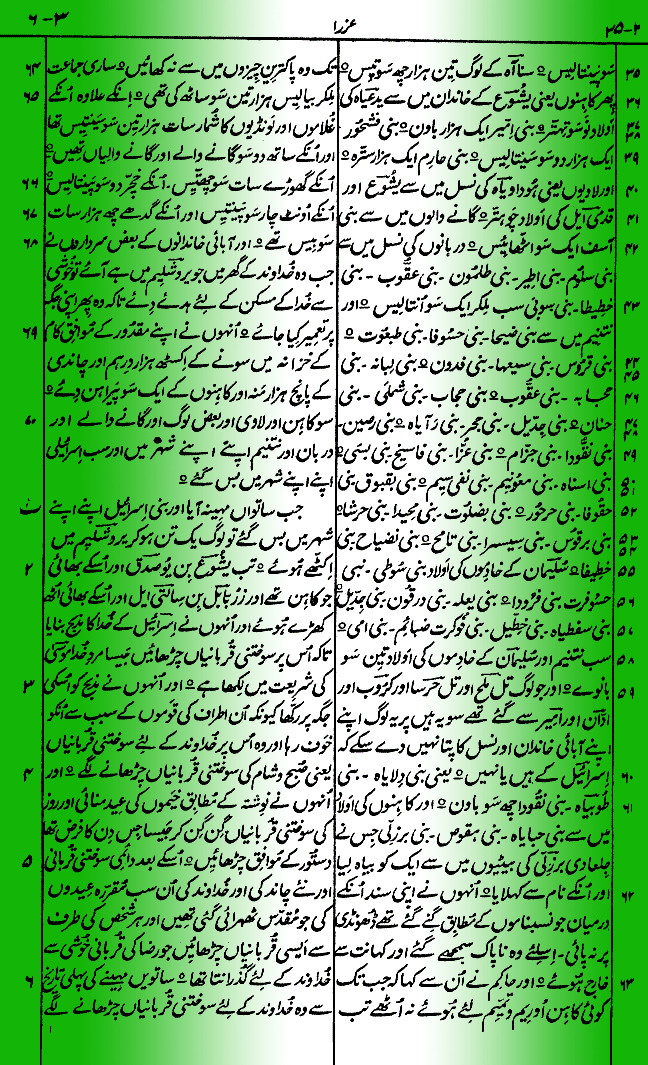
Ezra 2:35
-
Verse (Cleaned): The children of Senaah three thousand and six hundred and thirty
-
English Explanation: This verse concludes the list of general citizens returning to Judah by mentioning the family of Senaah. Their large number (3,630) indicates that they were a prominent clan, highlighting that entire communities corporate-wise preserved their identity during the Babylonian exile.
-
Urdu Explanation (تفصیل): یہ آیت سناہ کے خاندان کا ذکر کر کے یہوداہ واپس آنے والے عام شہریوں کی فہرست کو مکمل کرتی ہے۔ ان کی بڑی تعداد (3,630) یہ ظاہر کرتی ہے کہ وہ ایک بڑا اور اہم قبیلہ تھے، جو اس بات کی تصدیق کرتا ہے کہ بابل کی اسیرانی کے دوران پورے خاندانوں نے اپنی اجتماعی شناخت کو برقرار رکھا۔
Ezra 2:36
-
Verse (Cleaned): The priests the children of Jedaiah of the house of Jeshua nine hundred seventy and three
-
English Explanation: The text shifts to focus on the religious leadership, starting with the priests. The family of Jedaiah, connected to the lineage of the high priest Jeshua, forms a vital component of the returning group, ensuring that proper temple worship could be re-established.
-
Urdu Explanation (تفصیل): یہاں سے کلام کا رخ مذہبی رہنماؤں یعنی کاہنوں کی طرف مڑتا ہے۔ یدعیاہ کا خاندان، جو کہ سردار کاہن یشوع کے گھرانے سے تھا، واپس آنے والوں کا ایک اہم حصہ تھا تاکہ ہیکل کی عبادات کو دوبارہ درست طریقے سے قائم کیا جا سکے۔
Ezra 2:37
-
Verse (Cleaned): The children of Immer a thousand fifty and two
-
English Explanation: The family of Immer is the second priestly order mentioned. Their precise count underscores the meticulous record-keeping used to verify legitimate priestly lineage, which was essential for maintaining ritual purity.
-
Urdu Explanation (تفصیل): اِمّیر کا خاندان کاہنوں کا دوسرا گروہ تھا جس کا ذکر کیا گیا ہے۔ ان کی درست تعداد یہ ظاہر کرتی ہے کہ نسب ناموں کا کتنا باریک بینی سے ریکارڈ رکھا جاتا تھا تاکہ کاہنوں کے جائز ہونے کی تصدیق کی جا سکے، جو کہ پاکیزگی کے لیے ضروری تھا۔
Ezra 2:38
-
Verse (Cleaned): The children of Pashur a thousand two hundred forty and seven
-
English Explanation: Pashur’s descendants represented another major priestly family. The substantial number of priests returning shows a collective spiritual commitment to reviving the sacrificial system in Jerusalem.
-
Urdu Explanation (تفصیل): فشحور کی نسل کاہنوں کے ایک اور بڑے خاندان کی نمائندگی کرتی ہے۔ اتنی بڑی تعداد میں کاہنوں کی واپسی یروشلم میں قربانی کے نظام کو دوبارہ شروع کرنے کے لیے ان کے گہرے روحانی عزم کو ظاہر کرتی ہے۔
Ezra 2:39
-
Verse (Cleaned): The children of Harim a thousand and seventeen
-
English Explanation: Harim is the fourth and final priestly family listed in this section. Together, these four priestly families constituted a significant percentage of the total returnees, ensuring that the spiritual engine of Israel was ready to function.
-
Urdu Explanation (تفصیل): حارِم اس حصے میں درج کاہنوں کا چوتھا اور آخری خاندان ہے۔ مجموعی طور پر، کاہنوں کے یہ چار خاندان واپس آنے والوں کا ایک بڑا حصہ تھے، جس سے یہ یقینی ہوا کہ اسرائیل کا روحانی نظام دوبارہ چلنے کے لیے تیار تھا۔
Ezra 2:40
-
Verse (Cleaned): The Levites the children of Jeshua and Kadmiel of the children of Hodaviah seventy and four
-
English Explanation: Although the priests returned in large numbers, fewer Levites chose to return initially (only 74). The Levites assisted the priests, and this low number highlighted a challenge in staffing the future temple operations.
-
Urdu Explanation (تفصیل): اگرچہ کاہن بڑی تعداد میں واپس آئے، لیکن لاویوں کی ایک بہت کم تعداد (صرف 74) نے شروع میں واپس آنے کا فیصلہ کیا۔ لاوی، کاہنوں کے مددگار تھے، اور ان کی یہ کم تعداد ہیکل کے کاموں کے لیے ایک بڑا چیلنج تھی۔
Ezra 2:41
-
Verse (Cleaned): The singers the children of Asaph an hundred twenty and eight
-
English Explanation: The singers, specifically descendants of Asaph, were vital for leading praise and worship. Their presence confirms that worship was not just about cold rituals but also about joyful, musical adoration of God.
-
Urdu Explanation (تفصیل): گانے والے، خاص طور پر آصف کی نسل، حمد و ثنا اور پرستش کی قیادت کے لیے نہایت اہم تھے۔ ان کی موجودگی ثابت کرتی ہے کہ عبادت صرف بے جان رسموں کا نام نہیں بلکہ خدا کی خوشی اور موسیقی کے ساتھ ستائش کرنا ہے۔
Ezra 2:42
-
Verse (Cleaned): The children of the porters the children of Shallum the children of Ater the children of Talmon the children of Akkub the children of Hatita the children of Shobai in all an hundred thirty and nine
-
English Explanation: The porters (gatekeepers) were responsible for guarding the sanctity of the temple gates and managing access. Six distinct families are named here, totaling 139 individuals dedicated to temple security and order.
-
Urdu Explanation (تفصیل): دربان (پہرا دینے والے) ہیکل کے دروازوں کی تقدیس کی حفاظت اور آمد و رفت کو سنبھالنے کے ذمہ دار تھے۔ یہاں چھ مختلف خاندانوں کے نام لیے گئے ہیں، جن کے کل 139 افراد ہیکل کی سیکیورٹی اور نظم و ضبط کے لیے مخصوص تھے۔
Ezra 2:43
-
Verse (Cleaned): The Nethinims the children of Ziha the children of Hasupha the children of Tabbaoth
-
English Explanation: The Nethinim were temple servants, historically assigned to assist the Levites in menial tasks. This verse begins a long sub-list of these dedicated workers, showing that every level of service was honored and recorded.
-
Urdu Explanation (تفصیل): نتینیم ہیکل کے خادم تھے، جنہیں تاریخی طور پر لاویوں کے چھوٹے موٹے کاموں میں مدد کے لیے مقرر کیا گیا تھا۔ یہ آیت ان مخلص خادموں کی ایک لمبی فہرست کا آغاز کرتی ہے، جو ظاہر کرتی ہے کہ خدمت کے ہر درجے کو عزت دی گئی اور ریکارڈ کیا گیا۔
Ezra 2:44
-
Verse (Cleaned): The children of Keros the children of Siaha the children of Padon
-
English Explanation: Continuing the genealogy of the Nethinim, this verse lists the families of Keros, Siaha, and Padon. Despite their ancestral status as non-Israelite servants integrated into Israel, they remained faithful to God’s house.
-
Urdu Explanation (تفصیل): نتینیم کے نسب نامے کو جاری رکھتے ہوئے، یہ آیت کیروس، سیاہا اور فادون کے خاندانوں کو فہرست میں شامل کرتی ہے۔ اسرائیل میں شامل کیے جانے والے غیر اسرائیلی خادموں کی نسل ہونے کے باوجود، وہ خدا کے گھر کے وفادار رہے۔
Ezra 2:45
-
Verse (Cleaned): The children of Lebanah the children of Hagabah the children of Akkub
-
English Explanation: This verse tracks more families of the temple servants. Their willingness to leave Babylon shows their deep devotion to serving in a temple that had not even been rebuilt yet.
-
Urdu Explanation (تفصیل): یہ آیت ہیکل کے خادموں کے مزید خاندانوں کا سراغ لگاتی ہے۔ بابل کو چھوڑنے کا ان کا جذبہ اس ہیکل میں خدمت کرنے کی گہری عقیدت کو ظاہر کرتا ہے جو ابھی تک دوبارہ تعمیر بھی نہیں ہوا تھا۔
Ezra 2:46
-
Verse (Cleaned): The children of Hagab the children of Shalmai the children of Hanan
-
English Explanation: The families of Hagab, Shalmai, and Hanan are recorded here. Every individual family unit mattered in the reconstruction of the community’s religious life.
-
Urdu Explanation (تفصیل): یہاں حجاب، شلمائی اور حانان کے خاندانوں کا ریکارڈ پیش کیا گیا ہے۔ کمیونٹی کی مذہبی زندگی کی ازسرنو تعمیر میں ہر انفرادی خاندانی اکائی اہمیت رکھتی تھی۔
Ezra 2:47
-
Verse (Cleaned): The children of Giddel the children of Gahar the children of Reaiah
-
English Explanation: More sub-clans of the Nethinim are preserved by name. This detailed list highlights that God remembers those who perform the behind-the-scenes duties in His kingdom.
-
Urdu Explanation (تفصیل): نتینیم کے مزید ذیلی خاندانوں کے نام محفوظ کیے گئے ہیں۔ یہ تفصیلی فہرست اس بات پر روشنی ڈالتی ہے کہ خدا ان لوگوں کو یاد رکھتا ہے جو اس کی بادشاہی میں پردے کے پیچھے رہ کر فرائض انجام دیتے ہیں۔
Ezra 2:48
-
Verse (Cleaned): The children of Rezin the children of Nekoda the children of Gazzam
-
English Explanation: The list continues with the families of Rezin, Nekoda, and Gazzam. Their registration ensures their legal right to live and serve in the community of Judah.
-
Urdu Explanation (تفصیل): یہ فہرست رصین، نقودا اور جزام کے خاندانوں کے ساتھ جاری ہے۔ ان کا اندراج یہوداہ کی برادری میں رہنے اور خدمت کرنے کے ان کے قانونی حق کو یقینی بناتا ہے۔
Ezra 2:49
-
Verse (Cleaned): The children of Uzza the children of Paseah the children of Besai
-
English Explanation: The clans of Uzza, Paseah, and Besai are noted here. Keeping these family lineages intact through decades of exile was an incredible feat of cultural preservation.
-
Urdu Explanation (تفصیل): عزا، فاسح اور بیسائی کے خاندانوں کا ذکر یہاں ملتا ہے۔ کئی دہائیوں کی جلاوطنی کے دوران ان خاندانی سلسلوں کو برقرار رکھنا ثقافتی اور مذہبی تحفظ کا ایک حیرت انگیز کارنامہ تھا۔
Ezra 2:50
-
Verse (Cleaned): The children of Asnah the children of Mehunim the children of Nephusim
-
English Explanation: These names represent more temple servant lines. Despite living in pagan Babylon, they prioritized their identity linked to the worship of Yahweh.
-
Urdu Explanation (تفصیل): یہ نام ہیکل کے مزید خادموں کے سلسلوں کی نمائندگی کرتے ہیں۔ مشرکانہ بابل میں رہنے کے باوجود، انہوں نے یہوواہ کی عبادت سے جڑی اپنی شناخت کو ترجیح دی۔
Ezra 2:51
-
Verse (Cleaned): The children of Bakbuk the children of Hakupha the children of Harhur
-
Explanation: The listing preserves the names of Bakbuk, Hakupha, and Harhur. Their inclusion validates that the lowest tier of temple workers was highly valued by the spiritual and political leadership of the return.
-
Urdu Explanation (تفصیل): اس فہرست میں بقبوق، حقوفا اور حرحور کے نام محفوظ ہیں۔ ان کی شمولیت ثابت کرتی ہے کہ ہیکل کے چھوٹے خادموں کو بھی واپسی کی روحانی اور سیاسی قیادت کی نظر میں بہت اہمیت حاصل تھی۔
Ezra 2:52
-
Verse (Cleaned): The children of Bazluth the children of Mehida the children of Harsha
-
English Explanation: The families of Bazluth, Mehida, and Harsha are added to the sacred record. This indicates that a complete cross-section of the old temple infrastructure returned to restart ministry.
-
Urdu Explanation (تفصیل): بصلوت، مہیدا اور حرشا کے خاندانوں کو اس مقدس ریکارڈ میں شامل کیا گیا ہے۔ یہ اس بات کی طرف اشارہ کرتا ہے کہ پرانے ہیکل کے ڈھانچے سے وابستہ تمام طبقات کے لوگ وزارت کو دوبارہ شروع کرنے کے لیے واپس آئے۔
Ezra 2:53
-
Verse (Cleaned): The children of Barkos the children of Sisera the children of Thamah
-
English Explanation: The registration profiles Barkos, Sisera, and Thamah. Their inclusion confirms that history remembers the faithful individuals who sacrificed comfort to rebuild the holy city.
-
Urdu Explanation (تفصیل): اس اندراج میں برقوس، سیسرا اور تامح کا ذکر ہے۔ ان کی شمولیت اس بات کی تصدیق کرتی ہے کہ تاریخ ان وفادار افراد کو یاد رکھتی ہے جنہوں نے مقدس شہر کی تعمیر نو کے لیے اپنے آرام کی قربانی دی۔
Ezra 2:54
-
Verse (Cleaned): The children of Neziah the children of Hatipha
-
English Explanation: The Nethinim roster concludes with the families of Neziah and Hatipha. Every single branch of these temple assistants is accounted for before moving to the next group.
-
Urdu Explanation (تفصیل): نتینیم کی فہرست نصیاہ اور حطیفا کے خاندانوں پر ختم ہوتی ہے۔ اگلے گروپ کی طرف بڑھنے سے پہلے ہیکل کے ان مددگاروں کی ہر ایک شاخ کا حساب کتاب یہاں مکمل ہوتا ہے۔
Ezra 2:55
-
Verse (Cleaned): The children of Solomon’s servants the children of Sotai the children of Sophereth the children of Peruda
-
English Explanation: This verse introduces a distinct class of servants: the descendants of Solomon’s servants. These were originally royal workers and foreign captives conscripted by Solomon for his vast building projects, who over time integrated into Israel’s religious duties.
-
Urdu Explanation (تفصیل): یہ آیت خادموں کے ایک خاص طبقے کا تعارف کراتی ہے: سلیمان کے خادموں کی نسل۔ یہ اصل میں شاہی کارکن اور غیر ملکی قیدی تھے جنہیں سلیمان نے اپنے بڑے تعمیراتی منصوبوں کے لیے مقرر کیا تھا، اور وقت کے ساتھ ساتھ وہ اسرائیل کے مذہبی فرائض میں شامل ہو گئے۔
Ezra 2:56
-
Verse (Cleaned): The children of Jaalah the children of Darkon the children of Giddel
-
English Explanation: Continuing with Solomon’s servant class, the families of Jaalah, Darkon, and Giddel are chronicled. Their legacy survived through generations, bound to the destiny of the Jewish nation.
-
Urdu Explanation (تفصیل): سلیمان کے خادموں کے طبقے کو جاری رکھتے ہوئے، جاعلا، دارقون اور جدل کے خاندانوں کی تاریخ بیان کی گئی ہے۔ ان کی وراثت نسلوں تک زندہ رہی، جو یہودی قوم کی تقدیر سے جڑی ہوئی تھی۔
Ezra 2:57
-
Verse (Cleaned): The children of Shephatiah the children of Hattil the children of Pochereth of Zebaim the children of Ami
-
English Explanation: This completes the individual breakdown of Solomon’s servants, noting Shephatiah, Hattil, Pochereth of Zebaim, and Ami. They retained their unique lineage despite being a subgroup within the larger restoration community.
-
Urdu Explanation (تفصیل): یہ سلیمان کے خادموں کی انفرادی تفصیل کو مکمل کرتا ہے، جس میں شفطیاہ، حطیل، فوخرت ضبائیم اور امی شامل ہیں۔ انہوں نے بحالی کی بڑی برادری کے اندر ایک ذیلی گروہ ہونے کے باوجود اپنے منفرد خاندانی سلسلے کو برقرار رکھا۔
Ezra 2:58
-
Verse (Cleaned): All the Nethinims and the children of Solomon’s servants were three hundred ninety and two
-
English Explanation: This verse offers a combined total for both the Nethinim and the descendants of Solomon’s servants: 392. Though small compared to the general populace, their unified count represents a vital labor force for the physical upkeep of the temple.
-
Urdu Explanation (تفصیل): یہ آیت نتینیم اور سلیمان کے خادموں کی نسل دونوں کی مشترکہ تعداد بتاتی ہے جو کہ 392 ہے۔ اگرچہ عام لوگوں کے مقابلے میں یہ تعداد کم ہے، لیکن ان کا یہ متحد گروہ ہیکل کی دیکھ بھال کے لیے ایک اہم افرادی قوت کی نمائندگی کرتا ہے۔
Ezra 2:59
-
Verse (Cleaned): And these were they which went up from Tel-melah Tel-harsa Cherub Addan and Immer but they could not shew their father’s house and their seed whether they were of Israel
-
English Explanation: This verse highlights a major problem: certain returnees from Babylonian locations (like Tel-melah and Tel-harsa) could not provide genealogical evidence proving their Israelite heritage. Purity of lineage was legally vital for inheriting land and participating in the covenant community.
-
Urdu Explanation (تفصیل): یہ آیت ایک بڑے مسئلے پر روشنی ڈالتی ہے: بابل کے مختلف مقامات (جیسے تِل مِلح اور تِل حرسا) سے آنے والے کچھ لوگ ایسے تھے جو اپنے اسرائیلی ہونے کا نسب نامہ پیش نہ کر سکے۔ زمین کی وراثت اور عہدی برادری میں شمولیت کے لیے نسل کی پاکیزگی قانونی طور پر بہت ضروری تھی۔
Ezra 2:60
-
Verse (Cleaned): The children of Delaiah the children of Tobiah the children of Nekoda six hundred fifty and two
-
English Explanation: The unverified group included 652 members from the families of Delaiah, Tobiah, and Nekoda. Despite their lack of paperwork, they traveled all the way back to Jerusalem out of faith, showing how deeply they identified with Israel.
-
Urdu Explanation (تفصیل): اس غیر تصدیق شدہ گروپ میں دلایاہ، طوبیاہ اور نقودا کے خاندانوں کے 652 افراد شامل تھے۔ کاغذی ثبوت نہ ہونے کے باوجود، وہ ایمان کی بنا پر یروشلم واپس آئے، جو ظاہر کرتا ہے کہ وہ خود کو اسرائیل کا کتنا اہم حصہ سمجھتے تھے۔
Ezra 2:61
-
Verse (Cleaned): And of the children of the priests the children of Habaiah the children of Koz the children of Barzillai which took a wife of the daughters of Barzillai the Gileadite and was called after their name
-
English Explanation: The issue of unproven ancestry extended even into the priesthood. The descendants of Koz and Habaiah, along with a branch that took the name of Barzillai (a famous Gileadite), lacked proper records because they had prioritized a secular status during the exile.
-
Urdu Explanation (تفصیل): غیر تصدیق شدہ نسب کا یہ مسئلہ کاہنوں تک بھی پھیل گیا۔ حبایاہ اور قوس کی نسل، اور ایک ایسی شاخ جس نے برزلی (ایک مشہور جلعادی) کا نام اختیار کیا تھا، مناسب ریکارڈ نہیں رکھتے تھے کیونکہ انہوں نے جلاوطنی کے دوران دنیاوی حیثیت کو ترجیح دی تھی۔
Ezra 2:62
-
Verse (Cleaned): These sought their register among those that were reckoned by genealogy but they were not found therefore were they as polluted put from the priesthood
-
English Explanation: Because these priestly families could not find their official registration, they were disqualified from serving. They were viewed as ceremonially “polluted” or excluded to preserve the absolute integrity and sanctity of the altar.
-
Urdu Explanation (تفصیل): چونکہ یہ کاہن خاندان اپنا سرکاری رجسٹریشن ریکارڈ تلاش نہیں کر سکے، اس لیے انہیں خدمت کے لیے نااہل قرار دیا گیا۔ قربان گاہ کی مکمل پاکیزگی اور تقدس کو برقرار رکھنے کے لیے انہیں مذہبی طور پر “ناپاک” یا الگ سمجھا گیا۔
Ezra 2:63
-
Verse (Cleaned): And the Tirshatha said unto them that they should not eat of the most holy things till there stood up a priest with Urim and with Thummim
-
English Explanation: The “Tirshatha” (the Persian title for governor, referring to Zerubbabel) ordered that these disqualified priests could not eat the sacred food rations until a high priest could consult the Urim and Thummim—sacred lots used to discern God’s direct, infallible verdict on the matter.
-
Urdu Explanation (تفصیل): “ترشاتا” (گورنر کا فارسی خطاب، جس سے مراد زربابل ہے) نے حکم دیا کہ یہ نااہل کاہن اس وقت تک مقدس غذا نہیں کھا سکتے جب تک کہ کوئی سردار کاہن اوریم اور تمیم کے ذریعے خدا کی براہِ راست اور غیر متبدل مرضی معلوم نہ کر لے۔
Ezra 2:64
-
Verse (Cleaned): The whole congregation together was forty and two thousand three hundred and threescore
-
English Explanation: The total number of Jewish citizens returning in this initial wave under Zerubbabel was 42,360. This grand total formed the foundational remnant that would re-establish the nation of Judah.
-
Urdu Explanation (تفصیل): زربابل کے ماتحت اس پہلی لہر میں واپس آنے والے یہودی شہریوں کی کل تعداد 42,360 تھی۔ یہ عظیم مجموعہ اس باقی ماندہ گروہ پر مشتمل تھا جو یہوداہ کی قوم کو دوبارہ قائم کرنے والا تھا۔
Ezra 2:65
-
Verse (Cleaned): Beside their servants and their maids of whom there were seven thousand three hundred thirty and seven and there were among them two hundred singing men and singing women
-
English Explanation: Beyond the official citizens, there were 7,337 servants and 200 professional singers (separate from the Levitical temple singers) who accompanied the caravan, bringing the overall population closer to 50,000 people.
-
Urdu Explanation (تفصیل): سرکاری شہریوں کے علاوہ، 7,337 ملازم اور خادمائیں اور 200 پیشہ ور گانے والے مرد اور عورتیں (جو لاوی گانے والوں سے الگ تھے) اس قافلے کے ساتھ تھے، جس سے کل آبادی تقریباً 50,000 افراد تک پہنچ گئی۔
Ezra 2:66
-
Verse (Cleaned): Their horses were seven hundred thirty and six their mules two hundred forty and five
-
English Explanation: The census also tracks their livestock, recording 736 horses and 245 mules. These animals were essential for transport, carrying heavy provisions, and supporting the elderly during the long, arduous journey from Babylon.
-
Urdu Explanation (تفصیل): اس مردم شماری میں ان کے مویشیوں کا بھی حساب رکھا گیا ہے، جس میں 736 گھوڑے اور 245 خچر درج ہیں۔ یہ جانور بابل سے طویل اور مشکل سفر کے دوران سامان اٹھانے اور بزرگوں کی نقل و حمل کے لیے انتہائی ضروری تھے۔
Ezra 2:67
-
Verse (Cleaned): Their camels four hundred thirty and five their asses six thousand seven hundred and twenty
-
English Explanation: The inventory lists 435 camels and a very large number of donkeys (6,720). The high number of donkeys shows that this was a community comprised largely of ordinary people who relied heavily on common beasts of burden.
-
Urdu Explanation (تفصیل): مال و اسباب کی اس فہرست میں 435 اونٹ اور بہت بڑی تعداد میں گدھے (6,720) شامل ہیں۔ گدھوں کی اتنی بڑی تعداد ظاہر کرتی ہے کہ یہ برادری زیادہ تر عام لوگوں پر مشتمل تھی جو باربرداری کے لیے ان عام جانوروں پر انحصار کرتے تھے۔
Ezra 2:68
-
Verse (Cleaned): And some of the chief of the fathers when they came to the house of the LORD which is at Jerusalem offered freely for the house of God to set it up in his place
-
English Explanation: Upon arriving at the ruined site of the temple in Jerusalem, the family leaders immediately gave voluntary financial offerings. Their first priority was the restoration of God’s house, proving their spiritual devotion over personal comfort.
-
Urdu Explanation (تفصیل): یروشلم میں ہیکل کے تباہ شدہ مقام پر پہنچتے ہی، خاندانی رہنماؤں نے فوری طور پر اپنی مرضی سے مالی عطیات دیے۔ ان کی پہلی ترجیح خدا کے گھر کی بحالی تھی، جو ذاتی آرام پر ان کی روحانی عقیدت کو ظاہر کرتی ہے۔
Ezra 2:69
-
Verse (Cleaned): They gave after their ability unto the treasure of the work threescore and one thousand drams of gold and five thousand pound of silver and one hundred priests’ garments
-
English Explanation: The leaders gave generously according to their wealth, totaling 61,000 drachmas of gold, 5,000 pounds of silver, and 100 specialized priestly garments. This massive collection provided the necessary capital to jumpstart the rebuilding project.
-
Urdu Explanation (تفصیل): رہنماؤں نے اپنی استطاعت کے مطابق دل کھول کر دیا، جس میں کل 61,000 درہم سونا، 5,000 پاؤنڈ چاندی، اور کاہنوں کے 100 مخصوص لباس شامل تھے۔ اس بڑے عطیے نے تعمیر نو کے منصوبے کو شروع کرنے کے لیے ضروری سرمایہ فراہم کیا۔
Ezra 2:70
-
Verse (Cleaned): So the priests and the Levites and some of the people and the singers and the porters and the Nethinims dwelt in their cities and all Israel in their cities
-
English Explanation: This verse concludes the chapter by stating that everyone settled into their ancestral towns surrounding Jerusalem. Order was established, and the community was now positioned to begin the corporate work of restoration.
-
Urdu Explanation (تفصیل): یہ آیت اس باب کو یہ بیان کرتے ہوئے ختم کرتی ہے کہ ہر کوئی یروشلم کے آس پاس اپنے آبائی شہروں میں آباد ہو گیا۔ ایک نظم و ضبط قائم ہو گیا تھا، اور اب یہ برادری بحالی کے اجتماعی کام کو شروع کرنے کے لیے تیار تھی۔
Ezra 3:1
-
Verse (Cleaned): And when the seventh month was come and the children of Israel were in the cities the people gathered themselves together as one man to Jerusalem
-
English Explanation: By the seventh month (Tishrei, a holy month on the Jewish calendar featuring key feasts), the people left their new homes and gathered in Jerusalem with total unity (“as one man”). Spiritual unity was the prerequisite for rebuilding.
-
Urdu Explanation (تفصیل): جب ساتواں مہینہ (تِشری، جو یہودی کیلنڈر میں اہم عیدوں کا ایک مقدس مہینہ ہے) آیا، تو لوگ اپنے نئے گھروں کو چھوڑ کر کامل اتحاد کے ساتھ (“ایک آدمی کی مانند”) یروشلم میں جمع ہوئے۔ روحانی اتحاد ہی تعمیر نو کے لیے سب سے پہلی شرط تھی۔
Ezra 3:2
-
Verse (Cleaned): Then stood up Jeshua the son of Jozadak and his brethren the priests and Zerubbabel the son of Shealtiel and his brethren and builded the altar of the God of Israel to offer burnt offerings thereon as it is written in the law of Moses the man of God
-
English Explanation: Religious leader Jeshua and political leader Zerubbabel teamed up to build the altar of God. They didn’t wait for the whole temple building to be finished; they started immediately with the altar to resume obedience to the Mosaic Law regarding daily sacrifices.
-
Urdu Explanation (تفصیل): مذہبی رہنما یشوع اور سیاسی رہنما زربابل نے مل کر خدا کی قربان گاہ تعمیر کی۔ انہوں نے پوری ہیکل کی عمارت مکمل ہونے کا انتظار نہیں کیا؛ انہوں نے روزانہ کی قربانیوں کے بارے میں موسوی شریعت کی اطاعت شروع کرنے کے لیے فوری طور پر قربان گاہ سے آغاز کیا۔
Ezra 3:3
-
Verse (Cleaned): And they set the altar upon his bases for fear was upon them because of the people of those countries and they offered burnt offerings thereon unto the LORD even burnt offerings morning and evening
-
English Explanation: They rebuilt the altar exactly on its original foundations. Even though they felt vulnerable and afraid of the hostile surrounding populations, they turned to worship as their primary defense, establishing the regular morning and evening sacrifices.
-
Urdu Explanation (تفصیل): انہوں نے قربان گاہ کو بالکل اس کی اصل بنیادوں پر دوبارہ تعمیر کیا۔ اگرچہ وہ آس پاس کی دشمن آبادیوں کی وجہ سے خوفزدہ تھے، انہوں نے عبادت کو اپنے بنیادی دفاع کے طور پر اپنایا، اور صبح و شام کی باقاعدہ قربانیاں شروع کر دیں۔
Ezra 3:4
-
Verse (Cleaned): They kept also the feast of tabernacles as it is written and offered the daily burnt offerings by number according to the custom as the duty of every day required
-
English Explanation: In alignment with the law, they celebrated the Feast of Tabernacles (Sukkot). This was highly symbolic, as the feast celebrated God’s historical protection of Israel in temporary shelters during the wilderness, mirroring their current vulnerable state.
-
Urdu Explanation (تفصیل): شریعت کے مطابق، انہوں نے خیام کی عید (سُکوت) منائی۔ یہ انتہائی علامتی تھا، کیونکہ یہ عید بیابان میں عارضی پناہ گاہوں میں اسرائیل کی تاریخی حفاظت کی یاد دلاتی تھی، جو ان کی موجودہ غیر محفوظ حالت کے بالکل مشابہ تھی۔
Ezra 3:5
-
Verse (Cleaned): And afterward offered the continual burnt offering both of the new moons and of all the set feasts of the LORD that were consecrated and of every one that willingly offered a freewill offering unto the LORD
-
English Explanation: Once the altar was functional and the feast concluded, they formalized the complete sacrificial calendar. This included daily offerings, monthly New Moon sacrifices, and space for individuals to present spontaneous freewill offerings out of personal gratitude.
-
Urdu Explanation (تفصیل): ایک بار جب قربان گاہ کام کرنے لگی اور عید ختم ہو گئی، انہوں نے قربانیوں کا پورا کیلنڈر باقاعدہ بنا دیا۔ اس میں روزانہ کی قربانیاں، نئے چاند کی ماہانہ قربانیاں، اور لوگوں کے لیے اپنی مرضی سے شکرگزاری کے نذرانے پیش کرنے کا موقع شامل تھا۔
Ezra 3:6
-
Verse (Cleaned): From the first day of the seventh month began they to offer burnt offerings unto the LORD But the foundation of the temple of the LORD was not yet laid
-
English Explanation: Regular worship resumed exactly on the first day of the seventh month. The author notes that this vibrant worship took place before the structural foundation of the temple building was even laid, teaching that a true relationship with God begins with an altar of devotion rather than beautiful architecture.
-
Urdu Explanation (تفصیل): ساتویں مہینے کے پہلے ہی دن سے باقاعدہ عبادت کا آغاز ہو گیا۔ مصنف بتاتا ہے کہ یہ زندہ عبادت ہیکل کی عمارت کی بنیاد رکھے جانے سے بھی پہلے شروع ہو گئی تھی، جو یہ سکھاتا ہے کہ خدا کے ساتھ سچا رشتہ خوبصورت فنِ تعمیر کے بجائے عقیدت اور قربانی سے شروع ہوتا ہے۔