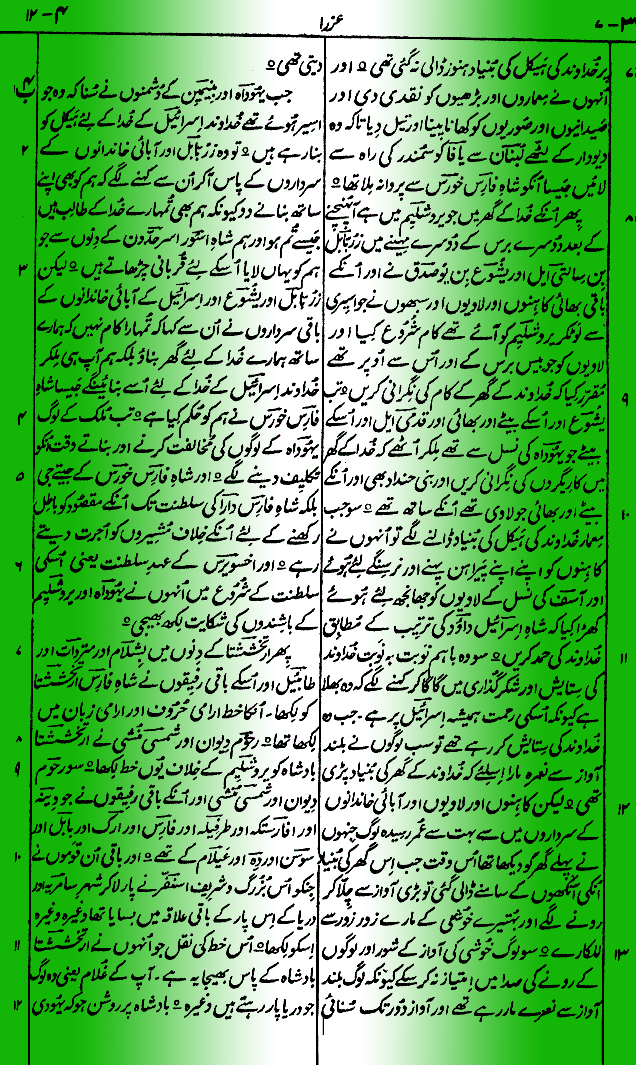
Verse-by-Verse Breakdown & Commentary
Ezra 3:7
-
Verse: They gave money also unto the masons and to the carpenters and meat and drink and oil unto them of Zidon and to them of Tyre to bring cedar trees from Lebanon to the sea of Joppa according to the grant that they had of Cyrus king of Persia
-
English Explanation: This verse highlights the logistical preparation for rebuilding the Temple. Much like King Solomon did for the first Temple, the returning exiles traded food, drink, and money with the people of Tyre and Sidon in exchange for high-quality cedar wood from Lebanon, which was floated down to the port of Joppa. This massive operation was entirely funded and authorized by the decree of King Cyrus of Persia.
-
Urdu Explanation (تشریح): اس آیت میں ہیکل کی دوبارہ تعمیر کے لیے مادی اور لوجسٹک تیاریوں کا ذکر ہے۔ سلیمان بادشاہ کی طرح، واپس آنے والے اسرائیلیوں نے صور اور صیدا کے کاریگروں کو پیسے، کھانا، اور تیل دیا تاکہ وہ لبنان سے دیودار کی قیمتی لکڑی سمندر کے راستے یافا کے ساحل تک پہنچائیں۔ یہ سارا کام فارس کے بادشاہ خورس کے شاہی فرمان اور فنڈز کے تحت ممکن ہوا تھا۔
Ezra 3:8
-
Verse: Now in the second year of their coming unto the house of God at Jerusalem in the second month began Zerubbabel the son of Shealtiel and Jeshua the son of Jozadak and the remnant of their brethren the priests and the Levites and all they that were come out of the captivity unto Jerusalem and appointed the Levites from twenty years old and upward to set forward the work of the house of the LORD
-
English Explanation: In the second month of the second year after their return, the actual construction work began under the leadership of Zerubbabel (the civil leader) and Jeshua (the high priest). To ensure proper oversight, Levites aged twenty and older were appointed to supervise the labor force and keep the project moving forward effectively.
-
Urdu Explanation (تشریح): یروشلم واپسی کے دوسرے سال کے دوسرے مہینے میں، زربابل اور یشوع کی قیادت میں ہیکل کی تعمیر کا اصل کام شروع ہوا۔ کام کو منظم طریقے سے چلانے کے لیے، بیس سال اور اس سے زائد عمر کے لاویوں کو کام کی نگرانی اور اس کی پیشرفت کو یقینی بنانے کی ذمہ داری سونپی گئی۔
Ezra 3:9
-
Verse: Then stood Jeshua with his sons and his brethren Kadmiel and his sons the sons of Judah together to set forward the workmen in the house of God the sons of Henadad with their sons and their brethren the Levites
-
English Explanation: This verse emphasizes unity and collaborative leadership. The religious leaders, including Jeshua, Kadmiel, and the family of Henadad, united alongside their families to direct and encourage the laborers working on the house of God, showing that spiritual leaders must actively participate in community work.
-
Urdu Explanation (تشریح): یہ آیت اتحاد اور مل کر کام کرنے کی اہمیت کو ظاہر کرتی ہے۔ یشوع، قدمیئل اور حناداد کے خاندانوں سمیت تمام لاوی رہنما یکجا ہو کر کھڑے ہوئے تاکہ خدا کے گھر کی تعمیر کرنے والے مزدوروں کی رہنمائی اور حوصلہ افزائی کر سکیں۔
Ezra 3:10
-
Verse: And when the builders laid the foundation of the temple of the LORD they set the priests in their apparel with trumpets and the Levites the sons of Asaph with cymbals to praise the LORD after the ordinance of David king of Israel
-
English Explanation: As soon as the foundation of the Second Temple was laid, a grand celebration took place. The priests dressed in their official ceremonial garments blew trumpets, and the Levites played cymbals. This formal style of worship followed the historic protocols and musical traditions established centuries earlier by King David.
-
Urdu Explanation (تشریح): جیسے ہی ہیکل کی بنیاد رکھی گئی، ایک عظیم جشن منایا گیا۔ کاہنوں نے اپنے مخصوص لباس پہن کر نرسنگے بجائے اور آساف کے بیٹوں (لاویوں) نے جھانج بجا کر خداوند کی حمد وثنا کی۔ یہ عبادت اسرائیل کے بادشاہ داؤد کے مقرر کردہ آئین کے مطابق کی گئی۔
Ezra 3:11
-
Verse: And they sang together by course in praising and giving thanks unto the LORD because he is good for his mercy endureth for ever toward Israel And all the people shouted with a great shout when they praised the LORD because the foundation of the house of the LORD was laid
-
English Explanation: The assembly sang responsively, praising God for His enduring goodness and mercy toward Israel despite their past failures. The setting of the foundation triggered a massive collective shout of joy from the crowd, celebrating a tangible sign of restoration.
-
Urdu Explanation (تشریح): لوگوں نے باری باری گاتے ہوئے خداوند کا شکر ادا کیا کہ “وہ بھلا ہے اور اس کی رحمت اسرائیل پر ابدی ہے”۔ ہیکل کی بنیاد رکھے جانے کی خوشی میں تمام لوگوں نے اتنے زور سے نعرہ مارا کہ پورا علاقہ گونج اٹھا۔
Ezra 3:12
-
Verse: But many of the priests and Levites and chief of the fathers who were ancient men that had seen the first house when the foundation of this house was laid before their eyes wept with a loud voice and many shouted aloud for joy
-
English Explanation: A bittersweet moment occurred here. While the younger generation shouted with pure joy, the older generation (the elders who remembered the unmatched glory of Solomon’s original Temple before its destruction) wept aloud. They recognized that this new temple, built in poverty and under ruin, would likely never match the architectural splendor of the first.
-
Urdu Explanation (تشریح): یہاں ایک ملا جلا منظر دیکھنے کو ملا۔ نوجوان نسل تو خوشی سے چلا رہی تھی، لیکن وہ بزرگ کاہن اور لاوی جنہوں نے سلیمان کی پہلی شاندار ہیکل کو دیکھا تھا، وہ اس نئی ہیکل کی بنیاد دیکھ کر زار و قطار رونے لگے، کیونکہ وہ جانتے تھے کہ یہ نئی ہیکل پہلی والی ہیکل کی شان و شوکت کا مقابلہ نہیں کر سکتی۔
Ezra 3:13
-
Verse: So that the people could not discern the noise of the shout of joy from the noise of the weeping of the people for the people shouted with a loud shout and the noise was heard afar off
-
English Explanation: The sound of the weeping and the sound of rejoicing blended together into one massive, indistinguishable roar. This immense volume of sound could be heard from a great distance away, signaling to surrounding nations that something monumental was happening in Jerusalem.
-
Urdu Explanation (تشریح): خوشی کے نعرے اور رونے کی آوازیں آپس میں اس طرح مل گئیں کہ کوئی ان میں فرق نہیں کر پا رہا تھا۔ یہ مشترکہ آواز اتنی بلند تھی کہ بہت دور دور تک سنی گئی، جس سے آس پاس کی قوموں کو معلوم ہو گیا کہ یروشلم میں کچھ بڑا ہو رہا ہے۔
Chapter 4
Ezra 4:1
-
Verse: Now when the adversaries of Judah and Benjamin heard that the children of the captivity builded the temple unto the LORD God of Israel
-
English Explanation: This marks the introduction of conflict. The surrounding adversaries (mostly Samaritans and other displaced pagan groups) caught wind of the fact that the returned Jewish exiles were successfully rebuilding the temple dedicated to the Lord.
-
Urdu Explanation (تشریح): یہاں سے ہیکل کی تعمیر میں مخالفت کا آغاز ہوتا ہے۔ جب یہوداہ اور بنیمین کے دشمنوں (سامریوں اور دیگر مقامی گروہوں) نے سنا کہ جلاوطنی سے واپس آنے والے لوگ خداوند اسرائیل کے خدا کے لیے ہیکل تعمیر کر رہے ہیں، تو وہ چوکس ہو گئے۔
Ezra 4:2
-
Verse: Then they came to Zerubbabel and to the chief of the fathers and said unto them Let us build with you for we seek your God as ye do and we do sacrifice unto him since the days of Esar-haddon king of Assur which brought us up hither
-
English Explanation: The adversaries approached the Jewish leaders with a deceptive offer of compromise, asking to help with the building. They claimed to worship the same God ever since the Assyrian King Esar-haddon relocated them there. However, their worship was syncretic—blending the worship of Yahweh with pagan idols.
-
Urdu Explanation (تشریح): دشمنوں نے مہم جوئی اور چالاکی سے زربابل اور بزرگوں کے پاس آ کر کہا کہ “ہمیں بھی اپنے ساتھ تعمیر کرنے دو، کیونکہ ہم بھی تمہاری طرح تمہارے خدا کے طالب ہیں اور اسور کے بادشاہ اسر-حدون کے وقت سے اس کے لیے قربانیاں چڑھا رہے ہیں۔” لیکن ان کی عبادت سچی نہیں تھی، وہ خدا کے ساتھ بتوں کو بھی پوجتے تھے۔
Ezra 4:3
-
Verse: But Zerubbabel and Jeshua and the rest of the chief of the fathers of Israel said unto them Ye have nothing to do with us to build an house unto our God but we ourselves together will build unto the LORD God of Israel as king Cyrus the king of Persia hath commanded us
-
English Explanation: The leaders wisely saw through the deception. They firmly rejected the offer, stating that foreign idolaters had no share or spiritual right in building a house for the true God. They also stood firmly on the legal boundaries of Cyrus’s decree, which was explicitly granted only to the Jewish remnant.
-
Urdu Explanation (تشریح): زربابل اور یشوع نے بڑی حکمت سے ان کی چال کو بھانپ لیا اور صاف انکار کر دیا کہ “ہمارے خدا کا گھر بنانے سے تمہارا کوئی واسطہ نہیں؛ ہم خود مل کر اسرائیل کے خداوند خدا کے لیے اسے تعمیر کریں گے، جیسا کہ فارس کے بادشاہ خورس نے ہمیں حکم دیا ہے۔” انہوں نے اپنے ایمان کی پاکیزگی پر سمجھوتہ نہیں کیا۔
Ezra 4:4
-
Verse: Then the people of the land weakened the hands of the people of Judah and troubled them in building
-
English Explanation: When the enemies realized their deceptive offer of collaboration failed, they shifted tactics to overt opposition. They began a psychological and physical campaign to discourage (“weaken the hands”) and harass the Jewish workers to halt construction.
-
Urdu Explanation (تشریح): جب دشمنوں کی منافقانہ پیشکش رد ہو گئی، تو انہوں نے اپنا اصل روپ دکھایا۔ انہوں نے یہوداہ کے لوگوں کے حوصلے پست کرنے (ہاتھ کمزور کرنے) اور تعمیراتی کام میں خلل ڈالنے اور انہیں ہراساں کرنے کی کوششیں شروع کر دیں۔
Ezra 4:5
-
Verse: And hired counsellers against them to frustrate their purpose all the days of Cyrus king of Persia even until the reign of Darius king of Persia
-
English Explanation: The adversaries launched a systematic, long-term political and legal campaign. They bribed or hired government officials and influencers within the Persian court to delay, tie up in bureaucracy, and frustrate the building plans throughout the reigns of Cyrus and subsequent kings, lasting until the reign of Darius.
-
Urdu Explanation (تشریح): دشمنوں نے باقاعدہ سازش کے تحت فارس کے شاہی دربار کے اہلکاروں کو رشوت دی اور وکیل مقرر کیے تاکہ وہ قانونی پیچیدگیاں پیدا کر کے یہودیوں کے ارادوں کو ناکام بنا سکیں۔ یہ مخالفت خورس کے پورے عہدِ سلطنت سے لے کر دارا بادشاہ کے دور حکومت تک جاری رہی۔
Ezra 4:6
-
Verse: And in the reign of Ahasuerus in the beginning of his reign wrote they unto him an accusation against the inhabitants of Judah and Jerusalem
-
English Explanation: The text notes that the hostility persisted across generations. When King Ahasuerus (Xerxes) ascended the Persian throne, the enemies immediately filed formal, written complaints and slanderous letters accusing the residents of Judah and Jerusalem of sedition.
-
Urdu Explanation (تشریح): یہ آیت دکھاتی ہے کہ یہ دشمنی نسل در نسل چلتی رہی۔ جب اخشوروش (Xerxes) بادشاہ بنا، تو حکومت کے آغاز ہی میں دشمنوں نے یروشلم اور یہوداہ کے باشندوں کے خلاف ایک باقاعدہ تہمت نامہ اور تحریری شکایت شاہی دربار میں بھیجی۔
Ezra 4:7
-
Verse: And in the days of Artaxerxes wrote Bishlam Mithredath Tabeel and the rest of their companions unto Artaxerxes king of Persia and the writing of the letter was written in the Syrian tongue and interpreted in the Syrian tongue
-
English Explanation: Later, during the reign of King Artaxerxes, another coalition of local enemies (Bishlam, Mithredath, Tabeel) drafted a formal protest letter. The letter was written in Aramaic (the Syrian/diplomatic tongue of the empire) so that it could be easily read and processed by royal officials.
-
Urdu Explanation (تشریح): بعد میں ارتخشستا بادشاہ کے دور میں، مقامی دشمنوں کے ایک اور ٹولے (بشلام، متردات، و طبیل) نے بادشاہ کو ایک اور خط لکھا۔ یہ خط ارامی (شامی) زبان اور رسم الخط میں لکھا گیا تھا، جو اس وقت کی سرکاری اور سفارتی زبان تھی تاکہ شاہی دربار اسے آسانی سے پڑھ سکے۔
Ezra 4:8
-
Verse: Rehum the chancellor and Shimshai the scribe wrote a letter against Jerusalem to Artaxerxes the king in this sort
-
English Explanation: High-ranking regional officials became involved in the plot. Rehum (the local governor/chancellor) and Shimshai (the state scribe) lent their official political weight to the cause by drafting a highly formal and damaging state letter against Jerusalem to King Artaxerxes.
-
Urdu Explanation (تشریح): اب اس سازش میں بڑے سرکاری عہدیداران بھی شامل ہو گئے۔ رحوم گورنر اور شمشائی منشی نے اپنے سرکاری عہدوں کا استعمال کرتے ہوئے یروشلم کے خلاف ارتخشستا بادشاہ کو ایک انتہائی شدید اور نقصان دہ سرکاری خط لکھا۔
Ezra 4:9
-
Verse: Then wrote Rehum the chancellor and Shimshai the scribe and the rest of their companions the Dinaites the Apharsathchites the Tarpelites the Apharsites the Archevites the Babylonians the Susanchites the Dehavites and the Elamites
-
English Explanation: This verse catalogs the broad, multinational coalition that united against the Jews. It lists various ethnic groups and pagan peoples from Babylon, Susa, Elam, and elsewhere who had been resettled in the region by the Assyrians and uniformly hated the Jewish restoration.
-
Urdu Explanation (تشریح): اس آیت میں ان تمام مختلف قوموں اور گروہوں کی فہرست دی گئی ہے جو یہودیوں کے خلاف متحد ہوئے تھے۔ ان میں دینائی، افرستکی، طرپلی، ا فرسی، ارکی، بابل کے لوگ، سوسن کے لوگ اور عیلامی شامل تھے جنہیں اسوریوں نے وہاں بسایا تھا۔
Ezra 4:10
-
Verse: And the rest of the nations whom the great and noble Asnappar brought over and set in the cities of Samaria and the rest that are on this side the river and at such a time
-
English Explanation: The letter was signed by all the remaining nations transplanted by the Assyrian Emperor Asnappar (Ashurbanipal) into Samaria and the surrounding provinces “beyond the River” (West of the Euphrates). They presented a united, imperial front to the Persian king.
-
Urdu Explanation (تشریح): یہ خط ان تمام باقی ماندہ قوموں کی طرف سے تھا جنہیں عظیم اسنپر (اشور بنی پال) نے دریائے فرات کے اس پار یعنی سامریہ اور اس کے ارد گرد کے شہروں میں لا کر آباد کیا تھا۔ انہوں نے بادشاہ کے سامنے ایک بڑا سیاسی محاذ قائم کیا۔
Ezra 4:11
-
Verse: This is the copy of the letter that they sent unto him even unto Artaxerxes the king Thy servants the men on this side the river and at such a time
-
English Explanation: This marks the opening salutation of the actual letter sent to King Artaxerxes. The writers humbly identify themselves as “thy servants, the men on this side of the river,” framing their hostile intervention as an act of absolute loyalty to the crown.
-
Urdu Explanation (تشریح): یہ اس خط کا باقاعدہ آغاز ہے جو ارتخشستا بادشاہ کو بھیجا گیا۔ لکھنے والوں نے خود کو “دریا کے اس پار کے آپ کے خادم” ظاہر کیا تاکہ بادشاہ کو یہ تاثر دیں کہ وہ سلطنت کے وفادار خیرخواہ ہیں اور یہ سب بادشاہ کے فائدے کے لیے کر رہے ہیں۔
Ezra 4:12
-
Verse: Be it known unto the king that the Jews which came up from thee to us are come unto Jerusalem building the rebellious and the bad city and have set up the walls thereof and joined the foundations
-
English Explanation: The letter dives into politically charged slander. The enemies warn the king that the returning Jews are rebuilding Jerusalem, maliciously labeling it a historic “rebellious and bad city.” They exaggerate the progress of the construction, claiming that the Jews are already completing the city walls and fortifying the foundations to stage a revolt.
-
Urdu Explanation (تشریح): خط کے اس حصے میں شدید سیاسی زہر گھولا گیا۔ دشمنوں نے بادشاہ کو خبردار کرتے ہوئے یروشلم کو تاریخی طور پر ایک “باغی اور شریر شہر” قرار دیا۔ انہوں نے جھوٹ بولا اور مبالغہ آرائی کی کہ یہودی شہر کی دیواریں مکمل کر چکے ہیں اور بنیادیں مضبوط کر کے بغاوت کی تیاری کر رہے ہیں۔