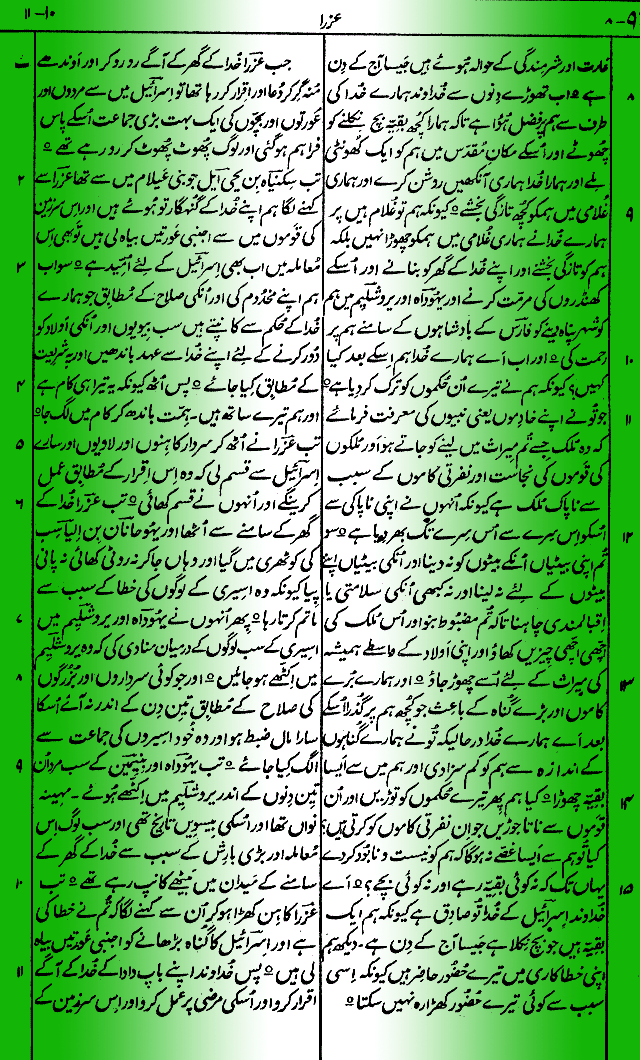
Verse-by-Verse Commentary (Ezra 9:8 – Ezra 10:11)
Ezra 9:8
-
Verse: And now for a little space grace hath been shewed from the LORD our God to leave us a remnant to escape and to give us a nail in his holy place that our God may lighten our eyes and give us a little reviving in our bondage
-
Detailed Explanation (English): Ezra acknowledges a temporary window of divine favor. God has preserved a “remnant”—a surviving minority of Israelites—from Babylonian captivity. The “nail in his holy place” is a metaphor for a secure foothold or stake in God’s temple, symbolizing stability and hope. God’s grace provides spiritual refreshment (“lighten our eyes”) and vitalizes them even while they remain under Persian geopolitical dominance (“bondage”).
-
تفصیلی وضاحت (Urdu): عزرا خدا کے فضل کا اعتراف کرتا ہے کہ اتنی سخت غلامی کے بعد بھی خدا نے اسرائیل کے ایک بچے ہوئے حصے (باقیماندہ لوگوں) کو بچا لیا۔ “اپنے پاک مقام میں ایک کیل دینا” ایک استعارہ ہے جو ہیکل میں ایک مضبوط اور محفوظ جگہ ملنے کو ظاہر کرتا ہے۔ یہ خدا کا فضل ہی ہے جس نے ان کی آنکھوں کو روشن کیا اور غلامی کے دور میں بھی ان کی روح کو نئی زندگی بخشی۔
Ezra 9:9
-
Verse: For we were bondmen yet our God hath not forsaken us in our bondage but hath extended mercy unto us in the sight of the kings of Persia to give us a reviving to set up the house of our God and to repair the desolations thereof and to give us a wall in Judah and in Jerusalem
-
Detailed Explanation (English): Despite being subjects of the Persian Empire, Ezra notes that God did not abandon His people. Instead, God influenced the hearts of foreign rulers (Cyrus, Darius, and Artaxerxes) to show mercy. This divine intervention allowed the Jews to return, rebuild the ruined Temple, restore their worship, and enjoy a sense of security (“a wall”) within Judah and Jerusalem.
-
تفصیلی وضاحت (Urdu): عزرا یہاں اقرار کرتا ہے کہ اگرچہ وہ فارس کے بادشاہوں کے ماتحت غلام تھے، لیکن خدا نے انہیں لاوارث نہیں چھوڑا۔ خدا نے فارس کے بادشاہوں کے دلوں میں ان کے لیے رحم پیدا کیا تاکہ وہ یروشلم واپس جا کر اپنے خدا کے گھر کو دوبارہ تعمیر کر سکیں، اس کے کھنڈرات کو درست کر سکیں، اور یہوداہ اور یروشلم میں ایک حفاظتی دیوار پا سکیں۔
Ezra 9:10
-
Verse: And now O our God what shall we say after this for we have forsaken thy commandments
-
Detailed Explanation (English): This is a verse of profound sorrow and transparency. Ezra stops evaluating history and confronts the current spiritual failure. In light of God’s overwhelming goodness and miraculous deliverance described in the previous verses, Ezra finds the people’s disobedience completely inexcusable. He is left speechless by their blatant disregard for God’s laws.
-
تفصیلی وضاحت (Urdu): یہ آیت گہرے دکھ اور اعترافِ گناہ کو ظاہر کرتی ہے۔ عزرا کہتا ہے کہ خدا کے اتنے بڑے فضل اور معجزانہ مخلصی کو دیکھنے کے بعد اب ہمارے پاس کہنے کو کیا بچا ہے؟ ہم نے تیرے حکموں کو ترک کر دیا ہے۔ خدا کی بھلائی کے سامنے اسرائیل کی نافرمانی اتنی بڑی تھی کہ عزرا کے پاس کوئی عذر باقی نہیں رہا تھا۔
Ezra 9:11
-
Verse: Which thou hast commanded by thy servants the prophets saying The land unto which ye go to possess it is an unclean land with the filthiness of the people of the lands with their abominations which have filled it from one end to another with their uncleanness
-
Detailed Explanation (English): Ezra recalls the historic warnings given through the prophets regarding Canaan. The land the Israelites were inheriting was morally and spiritually corrupted by the pagan nations living there. Their idolatry, ethical failures, and rituals (“abominations”) had saturated the territory completely, creating a hazardous spiritual environment for God’s covenant people.
-
تفصیلی وضاحت (Urdu): عزرا ان تاریخی انتباہات کو یاد کرتا ہے جو نبیوں کے ذریعے دیے گئے تھے۔ جس سرزمین (کنعان) پر بنی اسرائیل قبضہ کرنے جا رہے تھے، وہ وہاں کے مقامی لوگوں کی بت پرستی، بے حیائی اور گھناؤنے کاموں کی وجہ سے ناپاک ہو چکی تھی۔ ان قوموں کی برائیوں نے اس زمین کو ایک سرے سے دوسرے سرے تک گندگی سے بھر دیا تھا۔
Ezra 9:12
-
Verse: Now therefore give not your daughters unto their sons neither take their daughters unto your sons nor seek their peace or their wealth for ever that ye may be strong and eat the good of the land and leave it for an inheritance to your children for ever
-
Detailed Explanation (English): This verse highlights the prohibition of intermarriage with pagan cultures. The command was not rooted in racial supremacy, but in spiritual preservation; intermarriage historically led Israel into idolatry. By remaining separate from pagan alliances (“seek their peace or their wealth”), Israel would secure its spiritual strength, enjoy economic blessings from God, and preserve a holy legacy for future generations.
-
تفصیلی وضاحت (Urdu): اس آیت میں غیر قوموں کے ساتھ شادیاں کرنے کی سختی سے ممانعت کی یاد دہانی کرائی گئی ہے۔ اس کا مقصد کسی نسل پرستی پر مبنی نہیں تھا بلکہ یہ ان کی روحانی حفاظت کے لیے تھا، کیونکہ بت پرستوں کے ساتھ ازدواجی تعلقات اسرائیل کو گمراہی کی طرف لے جاتے تھے۔ اگر وہ ان کے ساتھ سمجھوتہ نہ کرتے تو وہ روحانی طور پر مضبوط رہتے اور اس برکت کو اپنی نسلوں کے لیے میراث چھوڑ جاتے۔
Ezra 9:13
-
Verse: And after all that is come upon us for our evil deeds and for our great trespass seeing that thou our God hast punished us less than our iniquities deserve and hast given us such deliverance as this
-
Detailed Explanation (English): Ezra displays a true understanding of divine justice and mercy. He acknowledges that the Babylonian exile was a justified consequence of Israel’s historical sins. Yet, he declares that God’s punishment was far lighter than what they actually deserved, and instead of total destruction, God granted them an amazing deliverance.
-
تفصیلی وضاحت (Urdu): عزرا یہاں خدا کے انصاف اور اس کے رحم کی گہری سمجھ کا اظہار کرتا ہے۔ وہ تسلیم کرتا ہے کہ بابل کی غلامی ان کے گناہوں کا جائز نتیجہ تھی۔ لیکن وہ یہ بھی مانتا ہے کہ خدا نے ان کی بدکاری کے بدلے ان کو بہت کم سزا دی، اور مکمل تباہی کے بجائے انہیں ایک بار پھر اتنی بڑی مخلصی اور آزادی عطا کی۔
Ezra 9:14
-
Verse: Should we again break thy commandments and join in affinity with the people of these abominations wouldest not thou be angry with us till thou hadst consumed us so that there should be no remnant nor escaping
-
Detailed Explanation (English): Ezra asks a rhetorical question driven by holy fear. If the nation returns to the very practices that caused their exile—specifically marrying into idolatrous nations—they risk exhausting God’s patience. Ezra fears that a repeated offense after such a miraculous restoration would lead to complete annihilation, leaving no remnant behind.
-
تفصیلی وضاحت (Urdu): عزرا ایک گہرے خوف کے ساتھ سوال کرتا ہے کہ اتنے بڑے فضل کو پانے کے بعد کیا ہم دوبارہ تیرے حکموں کو توڑیں اور ان گھناؤنی قوموں کے ساتھ رشتہ داریاں قائم کریں؟ اگر ہم ایسا کریں گے تو کیا تیرا غضب ہم پر اس حد تک نہیں بھڑک اٹھے گا کہ تو ہمیں بالکل ختم کر دے اور ہمارا کوئی بچنے والا یا باقیماندہ نہ رہے؟
Ezra 9:15
-
Verse: O LORD God of Israel thou art righteous for we remain yet escaped as it is this day behold we are before thee in our trespasses for we cannot stand before thee because of this
-
Detailed Explanation (English): Ezra concludes his prayer by magnifying God’s righteousness. The very fact that a remnant survives is proof of God’s faithfulness, not Israel’s goodness. He makes no excuses for the community; they stand guilty before a holy God, acknowledging that without mercy, no one can survive or justify themselves in His presence.
-
تفصیلی وضاحت (Urdu): عزرا خدا کی راستبازی کی تعریف کرتے ہوئے اپنی دعا ختم کرتا ہے۔ وہ کہتا ہے کہ ہمارا زندہ بچ جانا صرف تیری وفاداری کا ثبوت ہے، ہماری اچھائی کا نہیں۔ وہ قوم کے گناہوں کا اعتراف کرتے ہوئے کہتا ہے کہ ہم تیرے سامنے قصوروار کھڑے ہیں اور اپنے ان گناہوں کے باعث کوئی بھی تیرے حضور ٹھہرنے کے لائق نہیں ہے۔
Ezra 10:1
-
Verse: Now when Ezra had prayed and when he had confessed weeping and casting himself down before the house of God there assembled unto him out of Israel a very great congregation of men and women and children for the people wept very sore
-
Detailed Explanation (English): Ezra’s public, heartbroken intercession acts as a catalyst. His genuine weeping and posture of humility outside the Temple move the hearts of the onlookers. A massive crowd of Israelites—including families—gathers around him, convicted of their own compromise, leading to a corporate wave of deep sorrow and mourning over their sins.
-
تفصیلی وضاحت (Urdu): عزرا کی عوامی اور گریہ و زاری کے ساتھ کی گئی دعا نے لوگوں کے دلوں پر گہرا اثر کیا۔ خدا کے گھر کے سامنے اس کا رونا اور گرنا دیکھ کر بنی اسرائیل کی ایک بہت بڑی جماعت، جس میں مرد، عورتیں اور بچے شامل تھے، وہاں جمع ہو گئی۔ عزرا کے دکھ کو دیکھ کر پوری قوم اپنے گناہوں پر زار و قطار رونے لگی۔
Ezra 10:2
-
Verse: And Shechaniah the son of Jehiel one of the sons of Elam answered and said unto Ezra We have trespassed against our God and have taken strange wives of the people of the land yet now there is hope in Israel concerning this thing
-
Detailed Explanation (English): Shechaniah speaks on behalf of the gathered assembly. He openly acknowledges the community’s sin of marrying foreign, idolatrous women. However, his statement is pivotal because he shifts the mood from despair to faith, proclaiming that despite their massive failure, “there is hope in Israel” if they act to right their wrongs.
-
تفصیلی وضاحت (Urdu): شکنیاہ جو کہ عیلام کے بیٹوں میں سے تھا، پوری جماعت کی طرف سے کھڑا ہوا اور عزرا سے بات کی۔ اس نے کھل کر اعتراف کیا کہ انہوں نے غیر قوموں کی عورتوں سے شادیاں کر کے خدا کے خلاف گناہ کیا ہے۔ لیکن اس نے ایک امید کی کرن جگائی کہ اس سنگین غلطی کے باوجود اب بھی اسرائیل کے لیے توبہ اور اصلاح کی امید باقی ہے۔
Ezra 10:3
-
Verse: Now therefore let us make a covenant with our God to put away all the wives and such as are born of them according to the counsel of my lord and of those that tremble at the commandment of our God and let it be done according to the law
-
Detailed Explanation (English): Shechaniah proposes a radical, concrete solution: entering into a solemn covenant with God to separate from these foreign wives and their offspring. This drastic measure was meant to completely excise pagan religious influences from the community. He urges that this process be guided by Ezra’s leadership and carried out strictly according to God’s Mosaic Law.
-
تفصیلی وضاحت (Urdu): شکنیاہ ایک سخت لیکن عملی حل پیش کرتا ہے: وہ تجویز کرتا ہے کہ خدا کے ساتھ ایک نیا عہد باندھا جائے جس کے تحت ان تمام غیر ملکی بیویوں اور ان سے پیدا ہونے والے بچوں کو الگ (رخصت) کر دیا جائے۔ اس اقدام کا مقصد بت پرستی کے اثرات کو جڑ سے ختم کرنا تھا۔ اس نے کہا کہ یہ کام عزرا کی مشاورت اور خدا کی شریعت کے مطابق انجام دیا جائے۔
Ezra 10:4
-
Verse: Arise for this matter belongeth unto thee we also will be with thee be of good courage and do it
-
Detailed Explanation (English): Shechaniah encourages Ezra to step into his spiritual authority. Rebuilding the moral fiber of the nation was Ezra’s primary responsibility as a priest and scribe. The community pledges their full cooperation, urging Ezra to take courage and initiate the painful but necessary process of national reformation.
-
تفصیلی وضاحت (Urdu): شکنیاہ عزرا کی حوصلہ افزائی کرتا ہے کہ وہ اٹھ کھڑا ہو اور اپنی روحانی قیادت کا استعمال کرے۔ قوم کی اخلاقی اور روحانی اصلاح کرنا عزرا کا بنیادی فرض تھا کیونکہ وہ ایک کاہن اور فقیہ تھا۔ لوگوں نے اسے یقین دلایا کہ وہ اس مشکل کام میں اس کے ساتھ ہیں، اس لیے وہ ہمت کرے اور قدم بڑھائے۔
Ezra 10:5
-
Verse: Then arose Ezra and made the chief priests the Levites and all Israel to swear that they should do according to this word And they sware
-
Detailed Explanation (English): Moved by Shechaniah’s proposal and the crowd’s support, Ezra takes immediate legal and spiritual action. He commands the administrative and spiritual elite—the chief priests, the Levites, and all the common citizens present—to bind themselves with a sacred oath to fulfill this reformation plan. The people solemnize the mandate by taking the oath.
-
تفصیلی وضاحت (Urdu): شکنیاہ کی تجویز اور لوگوں کے جذبے کو دیکھ کر عزرا نے فوری کارروائی کی۔ اس نے تمام بڑے کاہنوں، لاویوں اور وہاں موجود تمام اسرائیلیوں کو قسم کھلائی کہ وہ اس بات پر عمل کریں گے۔ سب لوگوں نے خدا کے حضور اس عہد کو پورا کرنے کی سخت قسم کھائی۔
Ezra 10:6
-
Verse: Then Ezra rose up from before the house of God and went into the chamber of Johanan the son of Eliashib and when he came thither he did eat no bread nor drink water for he mourned because of the transgression of them that had been carried away
-
Detailed Explanation (English): Ezra steps away from the public eye into a private chamber to continue his spiritual warfare. His fasting from food and water reflects the extreme gravity of the situation. He is not celebrating the newly made oath; instead, he is deeply mourning the systemic spiritual unfaithfulness of the returned exiles.
-
تفصیلی وضاحت (Urdu): عوامی جگہ سے ہٹ کر عزرا الیاسیب کے بیٹے یہوحنان کی کوٹھڑی میں چلا گیا تاکہ اپنی پوشیدہ دعا جاری رکھ سکے۔ وہاں اس نے نہ روٹی کھائی اور نہ پانی پی کر روزہ رکھا۔ وہ اس نئے عہد پر خوشیاں نہیں منا رہا تھا بلکہ وہ اب بھی اس عظیم گناہ کے باعث دل گرفتہ اور گہرے سوگ میں تھا۔
Ezra 10:7
-
Verse: And they made proclamation throughout Judah and Jerusalem unto all the children of the captivity that they should gather themselves together unto Jerusalem
-
Detailed Explanation (English): An official administrative decree is issued across the region of Judah and the city of Jerusalem. All the families of the returned exiles are ordered to assemble in the capital city. This was a mandatory national convention called to address the widespread issue of illicit intermarriages uniformly.
-
تفصیلی وضاحت (Urdu): پورے یہوداہ اور یروشلم میں ایک سرکاری اعلان کروایا گیا کہ جتنے بھی لوگ بابل کی مخلصی پا کر واپس آئے ہیں، وہ سب کے سب یروشلم میں اکٹھے ہو جائیں۔ یہ ایک لازمی قومی اجتماع تھا تاکہ سب مل کر اس سنگین مسئلے کا حل نکال سکیں۔
Ezra 10:8
-
Verse: And that whosoever would not come within three days according to the counsel of the princes and the elders all his substance should be forfeited and himself separated from the congregation of those that had been carried away
-
Detailed Explanation (English): The leaders attach severe civil and religious penalties to enforce compliance. Anyone who fails to appear within three days will face total asset forfeiture (confiscation of property) and will be excommunicated from the covenant community. This highlights the absolute urgency and zero-tolerance approach of the elders toward national spiritual compromise.
-
تفصیلی وضاحت (Urdu): اس حکم نامے پر عمل درآمد کرانے کے لیے بزرگوں اور سرداروں نے سخت سزائیں مقرر کیں۔ جو کوئی بھی تین دن کے اندر حاضر نہ ہوتا، اس کا سارا مال و اسباب ضبط کر لیا جاتا اور اسے اسرائیل کی جماعت سے خارج (عاق) کر دیا جاتا۔ یہ ظاہر کرتا ہے کہ رہنما اس گناہ کی اصلاح کے لیے کتنے سنجیدہ تھے۔
Ezra 10:9
-
Verse: Then all the men of Judah and Benjamin gathered themselves together unto Jerusalem within three days It was the ninth month on the twentieth day of the month and all the people sat in the street of the house of God trembling because of this matter and for the great rain
-
Detailed Explanation (English): Within the tight three-day deadline, the men of the primary tribes (Judah and Benjamin) assemble in the open square near the Temple. The atmosphere is tense. It is late autumn (the ninth month, Kislev, corresponding to Nov/Dec), a season of heavy, cold rains. The people sit shivering, terrified both by the gravity of their spiritual sins and the harsh weather, which they likely interpreted as a sign of divine displeasure.
-
تفصیلی وضاحت (Urdu): تین دن کی دی گئی مہلت کے اندر یہوداہ اور بنیمین کے تمام مرد یروشلم میں ہیکل کے سامنے کھلے میدان میں جمع ہو گئے۔ یہ سال کا نواں مہینہ (کسلیو یعنی نومبر/دسمبر) تھا جب سردی کی شدید بارشیں ہوتی ہیں۔ لوگ دو وجوہات سے کانپ رہے تھے: ایک تو اپنے گناہ کی سنگینی کے احساس سے اور دوسرا اس تیز اور ٹھنڈی بارش کی وجہ سے۔
Ezra 10:10
-
Verse: And Ezra the priest stood up and said unto them Ye have transgressed and have taken strange wives to increase the trespass of Israel
-
Detailed Explanation (English): Ezra commands the attention of the shivering assembly. He does not offer comforting words or beat around the bush. He directly confronts them with their guilt, stating clearly that by marrying foreign women, they have violated God’s explicit law and significantly compounded the existing guilt of the nation of Israel.
-
تفصیلی وضاحت (Urdu): عزرا کاہن نے اس کانپتے ہوئے ہجوم کے سامنے کھڑے ہو کر سیدھی بات کی۔ اس نے کسی مصلحت سے کام نہیں لیا بلکہ براہِ راست ان کے گناہ کی نشان دہی کی اور کہا کہ تم نے غیر قوموں کی عورتوں سے شادیاں کر کے خدا کی شریعت کی خلاف ورزی کی ہے اور اسرائیل کے گناہوں اور جرم میں مزید اضافہ کیا ہے۔
Ezra 10:11
-
Verse: Now therefore make confession unto the LORD God of your fathers and do his pleasure and separate yourselves from the people of the land and from the strange wives
-
Detailed Explanation (English): Ezra delivers a clear, two-part call to action: true repentance requires both confession and correction. First, they must confess their guilt to Yahweh, acknowledging the broken covenant. Second, they must actively carry out His will (“do his pleasure”) by physically separating themselves from the corrupting influences of the local pagan populations and dissolving their unlawful marriages.
-
تفصیلی وضاحت (Urdu): عزرا یہاں سچی توبہ کے دو بنیادی اصول پیش کرتا ہے: اعتراف اور اصلاح۔ وہ ان سے کہتا ہے کہ پہلے اپنے باپ دادا کے خدا کے سامنے اپنے گناہ کا اقرار کرو، اور پھر اس کی مرضی کو پورا کرنے کے لیے عملی قدم اٹھاؤ۔ یعنی اپنے آپ کو اس زمین کے بت پرست لوگوں سے اور اپنی غیر ملکی بیویوں سے الگ کر لو تاکہ پاکیزگی بحال ہو سکے۔