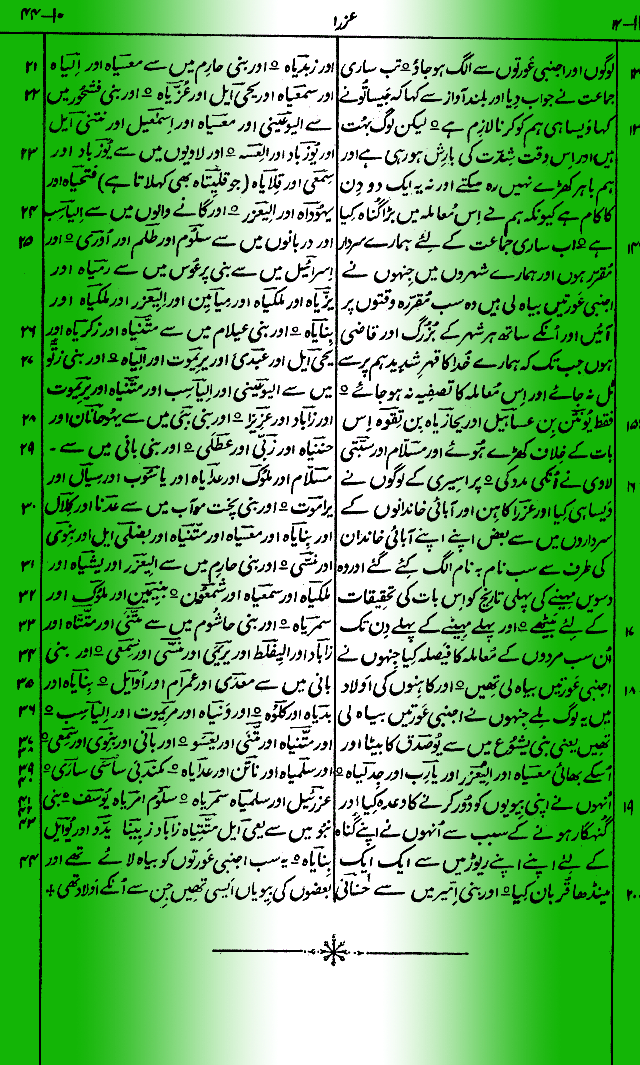
Ezra 10:12–44: Verse-by-Verse Detailed Explanation
Ezra 10:12
Verse: Then all the congregation answered and said with a loud voice As thou hast said so must we do
English Explanation: The congregation responds with a unified and loud affirmation to Ezra’s call for reform. They recognize their spiritual compromise and fully agree that they must separate from their foreign wives to restore their covenant with God. This verse highlights the community’s collective submission to divine law and leadership during a critical moment of national repentance.
Urdu Explanation (اردو وضاحت): تمام جماعت نے بلند آواز سے جواب دیا اور کہا کہ جیسا آپ نے فرمایا ہے ہمیں ویسا ہی کرنا چاہیے۔ یہ آیت ظاہر کرتی ہے کہ پوری قوم نے عذرا کی اصلاحی مہم کو کھلے دل سے تسلیم کیا۔ انہوں نے مانا کہ خدا کے عہد پر قائم رہنے کے لیے انہیں اپنی غیر ملکی بیویوں کو چھوڑنا ہوگا، جو کہ ان کی اجتماعی توبہ کا ثبوت ہے۔
Ezra 10:13
Verse: But the people are many and it is a time of much rain and we are not able to stand without neither is this a work of one day or two for we are many that have transgressed in this thing
English Explanation: While the people agree with the decision, they point out practical difficulties. The crowd is massive, the heavy winter rains make standing outside impossible, and the issue is too complex to be resolved in a day or two. This demonstrates that deep-seated corporate sin requires a structured, orderly process rather than a rushed, chaotic solution.
Urdu Explanation (اردو وضاحت): لیکن لوگ بہت ہیں اور یہ بھاری بارش کا موسم ہے، اور ہم باہر کھڑے رہنے کے قابل نہیں ہیں۔ نیز، یہ ایک یا دو دن کا کام نہیں ہے کیونکہ ہم میں سے بہت سے لوگوں نے اس معاملے میں گناہ اور حکم عدولی کی ہے۔ یہاں لوگ عملی مشکلات کا ذکر کر رہے ہیں کہ اتنے بڑے گناہ کی اصلاح کے لیے منظم وقت درکار ہے۔
Ezra 10:14
Verse: Let now our rulers of all the congregation stand and let all them which have taken strange wives in our cities come at appointed times and with them the elders of every city and the judges thereof until the fierce wrath of our God for this matter be turned from us
English Explanation: To handle the situation orderly, a legal strategy is proposed. The national leaders will remain in Jerusalem as a central committee. Citizens who married foreign women must appear before them at scheduled times, accompanied by their local city elders and judges who know the specific details of each case. The goal is to completely avert God’s anger.
Urdu Explanation (اردو وضاحت): اب ہمارے تمام سردار جماعت کی طرف سے حاضر رہیں، اور وہ سب جنہوں نے ہمارے شہروں میں غیر ملکی عورتوں سے شادیاں کی ہیں، مقررہ وقت پر آئیں، اور ان کے ساتھ ہر شہر کے بزرگ اور قاضی (جج) بھی ہوں، تاکہ اس معاملے کی وجہ سے ہمارے خدا کا شدید غضب ہم سے ٹل جائے۔ یہ ایک باقاعدہ قانونی اور انتظامی طریقہ کار تھا۔
Ezra 10:15
Verse: Only Jonathan the son of Asahel and Jahaziah the son of Tikvah were employed about this matter and Meshullam and Shabbethai the Levite helped them
English Explanation: This verse names the specific individuals who opposed the proposed plan or were appointed to oversee the administrative transition. Jonathan and Jahaziah led the matter, supported by Meshullam and Shabbethai the Levite. It emphasizes that even in times of national consensus, specific administrative accountability is needed.
Urdu Explanation (اردو وضاحت): صرف یوناہان بن عساہیل اور یحزیاہ بن تقوا اس کام کے لیے مقرر ہوئے، اور مَشُلام اور شبّتی لاوی نے ان کی مدد کی۔ یہ آیت ان مخصوص لوگوں کے نام بتاتی ہے جنہوں نے اس پورے انتظامی عمل کی نگرانی کی اور اس معاملے کو ترتیب دینے میں مدد فراہم کی۔
Ezra 10:16
Verse: And the children of the captivity did so And Ezra the priest with certain chief of the fathers after the house of their fathers and all of them by their names were separated and sat down in the first day of the tenth month to examine the matter
English Explanation: The exiles followed through with the plan. Ezra the priest and selected family heads officially began their investigation on the first day of the tenth month. They sat down methodically to review every single marriage case, ensuring fairness, thoroughness, and adherence to God’s law.
Urdu Explanation (اردو وضاحت): اور جلاوطنی کے بیٹوں نے ایسا ہی کیا۔ اور عذرا کاہن بعض خاندانی سربراہوں کے ساتھ ان کے آبائی گھرانوں کے مطابق اپنے اپنے نام سے الگ کیے گئے، اور وہ دسویں مہینے کے پہلے دن اس معاملے کی جانچ پڑتال کے لیے بیٹھے۔ یہ ظاہر کرتا ہے کہ الٰہی قوانین کے مطابق ہر کیس کی تفصیلی اور منصفانہ جانچ شروع ہوئی۔
Ezra 10:17
Verse: And they made an end with all the men that had taken strange wives by the first day of the first month
English Explanation: The judicial process took exactly three months to complete—from the first day of the tenth month to the first day of the first month of the new year. This timeline shows that the leadership did not rush the verdicts; they carefully evaluated each household to ensure total righteousness.
Urdu Explanation (اردو وضاحت): اور پہلے مہینے کے پہلے دن تک انہوں نے ان تمام مردوں کے معاملات کا فیصلہ مکمل کر لیا جنہوں نے غیر ملکی عورتوں سے شادیاں کی تھیں۔ اس عمل میں پورے تین مہینے لگے، جو یہ ظاہر کرتا ہے کہ ہر خاندان کے معاملے کا فیصلہ جلد بازی کے بجائے پوری سنجیدگی اور احتیاط سے کیا گیا۔
Ezra 10:18
Verse: And among the sons of the priests there were found that had taken strange wives namely of the sons of Jeshua the son of Jozadak and his brethren Maaseiah and Eliezer and Jarib and Gedaliah
English Explanation: The text honestly exposes that spiritual corruption had reached the highest levels of religious leadership. Even among the sons of Jeshua the High Priest, family members had violated God’s covenant by marrying foreign women. Leadership is held publically accountable here.
Urdu Explanation (اردو وضاحت): اور کاہنوں کے بیٹوں میں سے بھی ایسے لوگ پائے گئے جنہوں نے غیر ملکی عورتوں سے شادیاں کی تھیں، یعنی یشوع بن یوصدق کے بیٹوں اور اس کے بھائیوں میں سے: معسیاہ، اِلیعزر، یاریب اور جدلیاہ۔ یہ آیت ظاہر کرتی ہے کہ گناہ اعلیٰ مذہبی قیادت تک پہنچ چکا تھا اور کسی کو بھی استثنا حاصل نہیں تھا۔
Ezra 10:19
Verse: And they gave their hands that they would put away their wives and being guilty they offered a ram of the flock for their trespass
English Explanation: The offending priests pledged their word (giving their hands) to divorce their foreign wives. Acknowledging their guilt, they offered a ram as a trespass offering in accordance with the Mosaic Law, symbolizing atonement and a desire to restore their broken relationship with God.
Urdu Explanation (اردو وضاحت): اور انہوں نے ہاتھ ملا کر عہد کیا کہ وہ اپنی بیویوں کو چھوڑ دیں گے، اور قصوروار ہونے کی وجہ سے انہوں نے اپنے گناہ کی قربانی کے لیے گلے میں سے ایک مینڈھا نذر کیا۔ انہوں نے نہ صرف توبہ کی بلکہ شریعت کے مطابق گناہ کا کفارہ بھی ادا کیا۔
Ezra 10:20
Verse: And of the sons of Immer Hanani and Zebadiah
English Explanation: This verse continues the public list of guilty priestly families, identifying Hanani and Zebadiah from the line of Immer who had taken foreign wives.
Urdu Explanation (اردو وضاحت): اور اِمّیر کے بیٹوں میں سے: حنانی اور زبدیاہ۔ یہ آیت کاہنوں کے ان خاندانوں کی فہرست کو جاری رکھتی ہے جنہوں نے غیر ملکی شادیاں کر کے عہد کو توڑا تھا۔
Ezra 10:21
Verse: And of the sons of Harim Maaseiah and Elijah and Shemaiah and Jehiel and Uzziah
English Explanation: Members from the priestly family of Harim are explicitly named. This public record served as a warning and a historical record of the thoroughness of the purification process.
Urdu Explanation (اردو وضاحت): اور حارِم کے بیٹوں میں سے: معسیاہ، ایلیاہ، سمعیاہ، یحیایل اور عزیاہ۔ حارم کے کاہن خاندان کے ان افراد کے نام پاکیزگی کے اس عمل کو ریکارڈ پر لانے کے لیے درج کیے گئے۔
Ezra 10:22
Verse: And of the sons of Pashur Elioenai Maaseiah Ishmael Nethaneel Jozabad and Elasah
English Explanation: Six men from the prominent priestly line of Pashur are listed. No family was spared from the scrutiny, proving that spiritual renewal requires transparency at every level.
Urdu Explanation (اردو وضاحت): اور پَشحُور کے بیٹوں میں سے: الیوعینی، معسیاہ، اسمعیل، نتنیل، یوزباد اور العاسہ۔ پشحور کے معزز کاہن خاندان کے ان افراد کے نام بھی اس فہرست میں شامل تھے۔
Ezra 10:23
Verse: Also of the Levites Jozabad and Shimei and Kelaiah the same is Kelita Pethahiah Judah and Eliezer
English Explanation: The investigation moves from the priests to the Levites, who were responsible for assisting in temple worship and teaching the law. Six Levites are exposed for having compromised.
Urdu Explanation (اردو وضاحت): اور لاویوں میں سے: یوزباد، شمعی اور قلایاہ (جس کا نام قلیطا بھی ہے)، فتحیاہ، یہوداہ اور اِلیعزر۔ کاہنوں کے بعد اب لاویوں کی باری تھی جو ہیکل کی خدمت کے ذمہ دار تھے، ان کے نام بھی یہاں درج ہیں۔
Ezra 10:24
Verse: Of the singers also Eliashib and of the porters Shallum and Telem and Uri
English Explanation: Temple singers and gatekeepers (porters) are named here. Even those managing the environment of worship and security of the temple had let pagan influences into their homes.
Urdu Explanation (اردو وضاحت): اور گانے والوں میں سے: الیاسب؛ اور دربانوں میں سے: شلوم، طِلم اور اوزی۔ ہیکل کے گانے والے اور دربان بھی اس سمجھوتے کا شکار ہوئے تھے جن کے نام یہاں ظاہر کیے گئے ہیں۔
Ezra 10:25
Verse: Moreover of Israel of the sons of Parosh Ramiah and Jeziah and Malchiah and Miamin and Eleazar and Malchijah and Benaiah
English Explanation: The text transitions from religious workers to the general population of Israel, beginning with the descendants of Parosh. This shows that the reform affected both the clergy and the laity equally.
Urdu Explanation (اردو وضاحت): اور باقی اسرائیل میں سے، یرعوش کے بیٹوں میں سے: رمیاہ، یزیاہ، ملکیاہ، میامین، اِلیعزر، ملکیاہ اور بنایاہ۔ یہاں سے عام اسرائیلیوں کی فہرست شروع ہوتی ہے، جس سے ظاہر ہوتا ہے کہ اصلاح کا یہ قانون سب پر یکساں لاگو تھا۔
Ezra 10:26
Verse: And of the sons of Elam Mattaniah Zechariah and Jehiel and Abdi and Jeremoth and Eliah
English Explanation: Six laymen from the family line of Elam are cataloged as having taken foreign wives and subsequently complying with the divorce decree.
Urdu Explanation (اردو وضاحت): اور عیلام کے بیٹوں میں سے: متنیاہ، زکریاہ، یحیایل، عبدی، یریموت اور ایلیاہ۔ عیلام کے خاندان سے تعلق رکھنے والے ان عام مردوں نے بھی اپنی غیر ملکی بیویوں کو الگ کرنے کا عہد کیا۔
Ezra 10:27
Verse: And of the sons of Zattu Elioenai Eliashib Mattaniah and Jeremoth and Zabad and Aziza
English Explanation: The registry of accountability continues with the family of Zattu, naming those who had to put away foreign spouses to secure the nation’s spiritual future.
Urdu Explanation (اردو وضاحت): اور زتّو کے بیٹوں میں سے: الیوعینی، الیاسب، متنیاہ، یریموت، زباد اور عزیزہ۔ زتو کے خاندان کے ان مردوں کو بھی قوم کے روحانی مستقبل کی خاطر اپنی غیر ملکی بیویوں کو چھوڑنا پڑا۔
Ezra 10:28
Verse: Of the sons also of Bebai Jehohanan Hananiah Zabbai and Athlai
English Explanation: Four individuals from the family of Bebai are listed here as part of the nationwide confession and restoration movement.
Urdu Explanation (اردو وضاحت): اور بیبای کے بیٹوں میں سے: یہوحنان، حنانیاہ، زبای اور عتلی۔ بیبای کے خاندان کے یہ چار افراد بھی اس ملک گیر توبہ اور اصلاحی تحریک کا حصہ بنے۔
Ezra 10:29
Verse: And of the sons of Bani Meshullam Malluch and Adaiah Jashub and Sheal and Ramoth
English Explanation: Six individuals from the clan of Bani are enumerated. The painstaking record emphasizes that true repentance requires naming and addressing errors directly.
Urdu Explanation (اردو وضاحت): اور بانی کے بیٹوں میں سے: مَشُلام، ملوک، عدایاہ، یاسوب، سیال اور راموت۔ بانی کے قبیلے کے یہ چھ افراد اس بات کی گواہی ہیں کہ حقیقی توبہ غلطیوں کو تسلیم کرنے سے شروع ہوتی ہے۔
Ezra 10:30
Verse: And of the sons of Pahathmoab Adna and Chelal Benaiah Maaseiah Mattaniah Bezaleel and Binnui and Manasseh
English Explanation: Eight men from the family of Pahath-moab are identified. This family line was prominent among the returnees, making their compliance a powerful example for others.
Urdu Explanation (اردو وضاحت): اور پحت ملواب کے بیٹوں میں سے: عدنا، کِلال، بنایاہ، معسیاہ، متنیاہ، بصلایل، بنوئی اور منسّی۔ پحت موآب کا خاندان واپس آنے والوں میں نمایاں تھا، اس لیے ان کی اطاعت دوسروں کے لیے ایک بڑی مثال تھی۔
Ezra 10:31
Verse: And of the sons of Harim Eliezer Ishijah Malchiah Shemaiah Shimeon
English Explanation: Five descendants of the lay family of Harim are recorded. This section links directly to the next verse to complete their lineage group.
Urdu Explanation (اردو وضاحت): اور حارم کے بیٹوں میں سے: اِلیعزر، اسیاہ، ملکیاہ، سمعیاہ، شمعون۔ حارم کے عام خاندان سے تعلق رکھنے والے ان افراد کے نام اگلی آیت کے ساتھ مل کر ان کی فہرست مکمل کرتے ہیں۔
Ezra 10:32
Verse: Benjamin Malluch and Shemariah
English Explanation: Concluding the list of the sons of Harim, these three names highlight that no individual within the corrupted family lines was overlooked during the judicial review.
Urdu Explanation (اردو وضاحت): بنیمین، ملوک اور سمریاہ۔ حارم کے بیٹوں کی فہرست کو مکمل کرتے ہوئے، یہ نام ظاہر کرتے ہیں کہ تفتیش کے دوران کسی بھی فرد کو نظر انداز نہیں کیا گیا۔
Ezra 10:33
Verse: Of the sons of Hashum Mattenai Mattathah Zabad Eliphelet Jeremai Manasseh and Shimei
English Explanation: Seven men from the family of Hashum are registered. Their integration into pagan practices through marriage was rectified during this three-month tribal cleansing.
Urdu Explanation (اردو وضاحت): حاشوم کے بیٹوں میں سے: متنائی، متّتا، زباد، الیفلیط، یرمای، منسّی اور شمعی۔ حاشوم کے خاندان کے ان سات مردوں نے بھی شادیوں کے ذریعے پیدا ہونے والے بت پرستانہ اثرات کو ختم کرنے کا فیصلہ کیا۔
Ezra 10:34
Verse: Of the sons of Bani Maadai Amram and Uel
English Explanation: Another branch or distinct lineage associated with the name Bani is listed here, starting with Maadai, Amram, and Uel.
Urdu Explanation (اردو وضاحت): بانی کے بیٹوں میں سے: معَدای، عمرام اور اواِیل۔ بانی کے نام سے منسوب ایک اور شاخ کے افراد کے نام یہاں سے شروع ہوتے ہیں۔
Ezra 10:35
Verse: Benaiah Bedeiah Chelluh
English Explanation: The presentation of names from the large clan of Bani continues, detailing individual accountability before the council.
Urdu Explanation (اردو وضاحت): بنایاہ، بدیاہ، کلوہی۔ بانی کے قبیلے کے مردوں کے ناموں کا سلسلہ جاری ہے جو کونسل کے سامنے جوابدہ ٹھہرائے گئے۔
Ezra 10:36
Verse: Vaniah Meremoth Eliashib
English Explanation: More names from the descendants of Bani who consented to the community’s covenant terms regarding foreign marriages.
Urdu Explanation (اردو وضاحت): وانیاہ، مریموت، الیاسب۔ بانی کی نسل سے مزید نام جنہوں نے غیر ملکی شادیوں کے حوالے سے کمیونٹی کے فیصلے کو قبول کیا۔
Ezra 10:37
Verse: Mattaniah Mattenai and Jaasau
English Explanation: The specific identification of Mattaniah, Mattenai, and Jaasau ensures that historical and genealogic purity was properly documented.
Urdu Explanation (اردو وضاحت): متنیاہ، متنائی اور یاسو۔ ان مخصوص افراد کی شناخت اس بات کو یقینی بناتی ہے کہ تاریخ اور شجرہ نسب کی پاکیزگی کو صحیح طریقے سے دستاویزی شکل دی گئی۔
Ezra 10:38
Verse: And Bani and Binnui Shimei
English Explanation: The list continues tracing the descendants of Bani and Binnui, showing how widespread the issue of foreign marriages had become among these specific families.
Urdu Explanation (اردو وضاحت): اور بانی، بنوئی اور شمعی۔ بانی اور بنوئی کی نسل کے ناموں کا سلسلہ جاری ہے، جو ظاہر کرتا ہے کہ ان خاندانوں میں یہ مسئلہ کتنا پھیل چکا تھا۔
Ezra 10:39
Verse: And Shelemiah and Nathan and Adaiah
English Explanation: Shelemiah, Nathan, and Adaiah are named as part of the large group of men willing to dissolve their unlawful marital ties for national spiritual restoration.
Urdu Explanation (اردو وضاحت): اور سیلمیاہ، ناتن اور عدایاہ۔ یہ مرد بھی ان لوگوں میں شامل تھے جو قومی اور روحانی بحالی کے لیے اپنی غیر قانونی شادیوں کو ختم کرنے پر راضی ہوئے۔
Ezra 10:40
Verse: Machnadebai Shashai Sharai
English Explanation: Three more individuals from the general population are indexed, continuing the rigorous accounting of Israel’s reform.
Urdu Explanation (اردو وضاحت): مکنَدبای، ساسای، شارای۔ عام آبادی میں سے تین اور افراد کے نام، جو اسرائیل کی اس سخت اصلاحی مہم کے تحت درج کیے گئے۔
Ezra 10:41
Verse: Azareel and Shelemiah Shemariah
English Explanation: Azareel, Shelemiah, and Shemariah are cataloged as men who chose obedience to the law of Moses over their personal domestic setups.
Urdu Explanation (اردو وضاحت): عزرایل، سیلمیاہ اور سمریاہ۔ ان مردوں نے اپنی ذاتی خاندانی زندگی پر موسیٰ کی شریعت کی اطاعت کو ترجیح دی۔
Ezra 10:42
Verse: Shallum Amariah and Joseph
English Explanation: These names mark the concluding section of the long list of the sons of Bani, completing the registry for this specific clan.
Urdu Explanation (اردو وضاحت): شلوم، امریاہ اور یوسف۔ یہ نام بانی کے بیٹوں کی طویل فہرست کے آخری حصے کو مکمل کرتے ہیں۔
Ezra 10:43
Verse: Of the sons of Nebo Jeiel Mattithiah Zabad Zebina Jadau and Joel Benaiah
English Explanation: The final family line mentioned is that of Nebo, listing seven men who completed the covenant requirement to put away pagan wives.
Urdu Explanation (اردو وضاحت): نبُو کے بیٹوں میں سے: یعیایل، متتیاہ، زباد، زبینا، یدّو، یوایل اور بنایاہ۔ آخری خاندانی سلسلہ نبو کا ہے، جس کے سات مردوں نے بت پرست بیویوں کو الگ کرنے کا عہد پورا کیا۔
Ezra 10:44
Verse: All these had taken strange wives and some of them had wives by whom they had children
English Explanation: The book of Ezra concludes with a sobering summary statement. It notes that all the listed men had married foreign wives, and some of these unions had already produced children. This emphasizes the deep emotional and social pain involved in this reform, proving that breaking God’s covenant results in painful consequences, yet absolute compliance was deemed necessary to preserve the Messianic line and Israel’s spiritual identity.
Urdu Explanation (اردو وضاحت): ان سبھوں نے بیگانہ (غیر ملکی) عورتوں سے بیاہ کر لیا تھا اور ان میں سے بعض کی بیویوں سے بچے بھی تھے۔ عزرا کی کتاب کا اختتام اس فکر انگیز بیان پر ہوتا ہے۔ یہ ظاہر کرتا ہے کہ اس گناہ کے نتیجے میں خاندانی اور جذباتی پچیدگیاں پیدا ہو چکی تھیں، لیکن اسرائیل کی روحانی شناخت اور مسیحی نسل کے تحفظ کے لیے خدا کے عہد پر واپس آنا اور اس تکلیف دہ فیصلے پر عمل کرنا ناگزیر تھا۔