Verse-by-Verse Commentary & Explanation
Nehemiah 3:10
Verse Text:
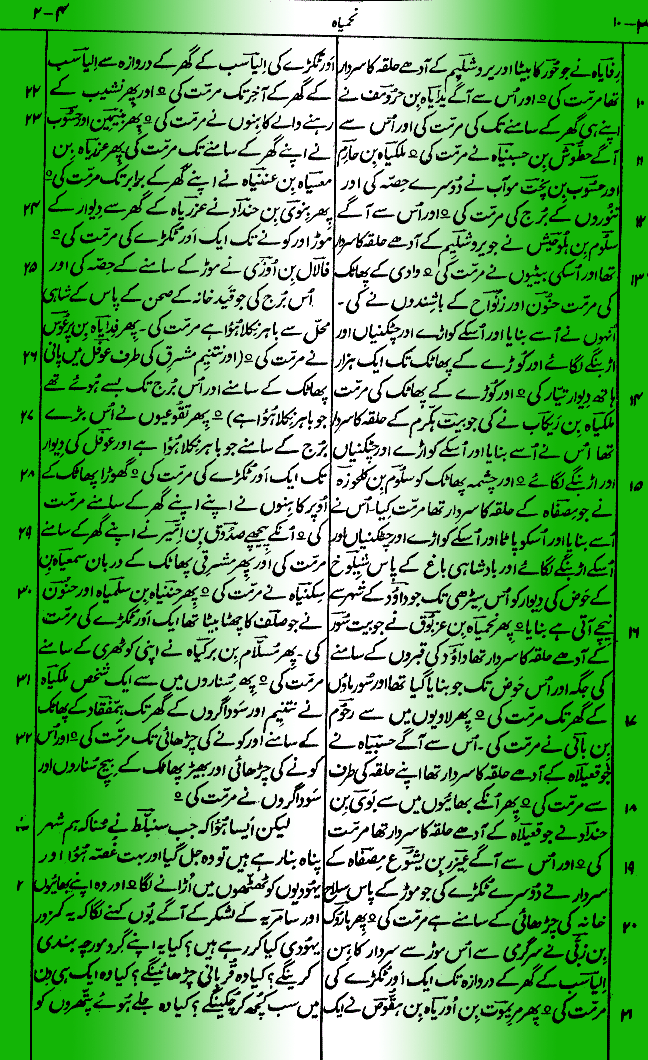
And next unto them repaired Jedaiah the son of Harumaph even over against his house And next unto him repaired Hattush the son of Hashabniah
English Explanation: This verse highlights the practical and strategic approach Nehemiah used to organize the rebuilding project. Jedaiah worked on the section directly “over against” (opposite or near) his own house. This was highly motivational; people are naturally more invested in protecting and securing their immediate families and property. It also minimized travel time and maximized efficiency. Hattush joined him immediately adjacent to this section, demonstrating teamwork.
Urdu Explanation (تفصیل):
اس آیت میں اس عملی اور سٹریٹجک طریقے پر روشنی ڈالی گئی ہے جو نحمیاہ نے دیوار کی تعمیر کے لیے اپنایا۔ یدعیاہ نے اپنے گھر کے بالکل سامنے والے حصے پر کام کیا۔ یہ ایک بہترین حکمتِ عملی تھی کیونکہ لوگ اپنے گھر اور خاندان کی حفاظت کے لیے زیادہ جوش و خروش سے کام کرتے ہیں۔ اس سے وقت کی بچت بھی ہوئی۔ حتوش نے اس کے ساتھ مل کر کام کیا جو اتحاد اور ٹیم ورک کی بہترین مثال ہے۔
Nehemiah 3:11
Verse Text:
Malchijah the son of Harim and Hashub the son of Pahath-moab repaired the other piece and the tower of the furnaces
English Explanation: Malchijah and Hashub took on a double responsibility. Not only did they repair a standard section of the wall (“the other piece”), but they also restored “the tower of the furnaces.” This tower was a critical defensive structure, likely located near the western wall, which may have been named after nearby bakers’ ovens. It shows that some workers volunteered for tougher, more substantial assignments.
Urdu Explanation (تفصیل):
ملکیاہ اور حشوب نے دگنی ذمہ داری اٹھائی۔ انہوں نے نہ صرف دیوار کے ایک اور حصے کی مرمت کی بلکہ “تندوروں کے برج” (Tower of the Furnaces) کو بھی بحال کیا۔ یہ برج ایک اہم دفاعی ڈھانچہ تھا جو غالباً مغربی دیوار کے قریب تھا جہاں نانبائیوں کے تندور ہوا کرتے تھے۔ یہ اس بات کو ظاہر کرتا ہے کہ کچھ لوگوں نے زیادہ مشکل اور اہم کاموں کے لیے خود کو پیش کیا۔
Nehemiah 3:12
Verse Text:
And next unto him repaired Shallum the son of Halohesh the ruler of the half part of Jerusalem he and his daughters
English Explanation: This is a beautiful and unique verse because it highlights the inclusion of women in the hard physical labor of rebuilding. Shallum was a man of high status—a ruler of half of Jerusalem—yet he did not think himself above manual labor. More importantly, his daughters worked alongside him. It teaches that the work of God’s kingdom requires the dedication of everyone, regardless of gender or social status.
Urdu Explanation (تفصیل):
یہ ایک خوبصورت اور منفرد آیت ہے کیونکہ یہ تعمیر نو کے سخت جسمانی کام میں خواتین کی شمولیت کو نمایاں کرتی ہے۔ شلوم ایک اعلیٰ مقام کا حامل شخص تھا—یروشلم کے آدھے حصے کا حاکم—لیکن اس نے دستی مزدوری کو اپنے مرتبے سے کم نہیں سمجھا۔ اس سے بھی اہم بات یہ ہے کہ اس کی بیٹیوں نے اس کے ساتھ کندھے سے کندھا ملا کر کام کیا۔ یہ سکھاتا ہے کہ خدا کی بادشاہی کے کام میں جنس یا سماجی حیثیت کے فرق کے بغیر ہر ایک کی ضرورت ہوتی ہے۔
Nehemiah 3:13
Verse Text:
The valley gate repaired Hanun and the inhabitants of Zanoah they built it and set up the doors thereof the locks thereof and the bars thereof and a thousand cubits on the wall unto the dung gate
English Explanation: Hanun and the residents of Zanoah took charge of the Valley Gate. Their task was massive, covering a stretch of one thousand cubits (approximately 1,500 feet or 450 meters) leading all the way to the Dung Gate. They didn’t just build the stone structure; they fully completed it by installing the security measures: doors, locks, and bars.
Urdu Explanation (تفصیل):
حانون اور ضنوح کے رہنے والوں نے وادی کے پھاٹک (Valley Gate) کی ذمہ داری سنبھالی۔ ان کا کام بہت بڑا تھا جس میں ایک ہزار ہاتھ (تقریباً 1500 فٹ) لمبی دیوار کی مرمت شامل تھی جو کوڑا پھاٹک تک جاتی تھی۔ انہوں نے نہ صرف پتھر کی دیوار بنائی بلکہ دروازے، تالے اور اڑنگے (سیکیورٹی کے آلات) لگا کر کام کو مکمل طور پر محفوظ کیا۔
Nehemiah 3:14
Verse Text:
But the dung gate repaired Malchiah the son of Rechab the ruler of part of Beth-haccerem he built it and set up the doors thereof the locks thereof and the bars thereof
English Explanation: Malchiah, a regional leader of Beth-haccerem, was assigned to the Dung Gate. This gate was used for throwing out the city’s waste and refuse down into the Hinnom Valley. Though it was a unpleasant, smelly, and humble assignment, Malchiah took it seriously and secured it completely with doors, locks, and bars, showing that no job in God’s service is too lowly.
Urdu Explanation (تفصیل):
بیت ہکرم کے حاکم ملکیاہ کو کوڑا پھاٹک (Dung Gate) کی مرمت کا کام سونپا گیا۔ یہ پھاٹک شہر کا کچرا اور گندگی باہر نکالنے کے لیے استعمال ہوتا تھا۔ اگرچہ یہ ایک ناخوشگوار اور معمولی کام لگتا تھا لیکن ملکیاہ نے اسے پوری سنجیدگی سے لیا اور اسے دروازوں، تالوں اور اڑنگوں سے محفوظ کیا، جو یہ ظاہر کرتا ہے کہ خدا کی خدمت میں کوئی بھی کام چھوٹا نہیں ہوتا۔
Nehemiah 3:15
Verse Text:
But the gate of the fountain repaired Shallun the son of Col-hozeh the ruler of part of Mizpah he built it and covered it and set up the doors thereof the locks thereof and the bars thereof and the wall of the pool of Siloah by the king’s garden and unto the stairs that go down from the city of David
English Explanation: Shallun (a different Shallum, ruler of part of Mizpah) repaired the Fountain Gate, which was crucial as it led to Jerusalem’s vital water sources. He went further, repairing the wall surrounding the Pool of Siloah (Siloam) near the King’s Garden and extending the repairs to the stairs leading down from the historic City of David. This section was vital for both resources and historical heritage.
Urdu Explanation (تفصیل):
مصفاہ کے ایک حصے کے حاکم شلوم نے چشمہ کے پھاٹک (Fountain Gate) کی مرمت کی، جو کہ بہت اہم تھا کیونکہ یہ یروشلم کے پانی کے اہم ذرائع کی طرف جاتا تھا۔ اس نے بادشاہ کے باغ کے پاس شیلوخ کے تالاب (Pool of Siloah) کی دیوار اور داؤد کے شہر سے نیچے اترنے والی سیڑھیوں تک مرمت کا کام کیا۔ یہ حصہ پانی کی فراہمی اور تاریخی ورثے دونوں کے لیے اہم تھا۔
Nehemiah 3:16
Verse Text:
After him repaired Nehemiah the son of Azbuk the ruler of the half part of Beth-zur unto the place over against the sepulchres of David and to the pool that was made and unto the house of the mighty
English Explanation: This Nehemiah (the son of Azbuk, not the author of the book) was the leader of half of Beth-zur. He worked on a section containing significant landmarks: the tombs of David’s royal lineage, a man-made reservoir (“the pool that was made”), and the “house of the mighty,” which was likely the barracks or quarters for Jerusalem’s elite military guards.
Urdu Explanation (تفصیل):
یہ نحمیاہ (عزبوق کا بیٹا، جو اس کتاب کا مصنف نہیں ہے) بیت صور کے آدھے حصے کا حاکم تھا۔ اس نے اس حصے پر کام کیا جہاں اہم تاریخی مقامات تھے: داؤد کی شاہی قبریں، ایک مصنوعی تالاب، اور “سورماؤں کا گھر” (House of the Mighty) جو کہ غالباً یروشلم کے خاص فوجی محافظوں کی بیرکیں تھیں۔
Nehemiah 3:17
Verse Text:
After him repaired the Levites Rehum the son of Bani Next unto him repaired Hashabiah the ruler of the half part of Keilah in his part
English Explanation: The Levites, who were set apart for religious duties in the Temple, also participated in the physical construction. Rehum led a group of them. Beside him, Hashabiah represented his district of Keilah, organizing the repairs on behalf of his specific jurisdiction, showing religious and civic cooperation.
Urdu Explanation (تفصیل):
لاویوں نے بھی، جو ہیکل میں مذہبی خدمات کے لیے مخصوص تھے، اس جسمانی تعمیر میں حصہ لیا۔ رحوم نے ان کے ایک گروہ کی قیادت کی۔ اس کے ساتھ حشبیاہ نے عقیلہ کے آدھے حصے کے حاکم کے طور پر اپنے علاقے کی طرف سے مرمت کا کام سنبھالا، جو مذہبی اور شہری تعاون کو ظاہر کرتا ہے۔
Nehemiah 3:18
Verse Text:
After him repaired their brethren Bavai the son of Henadad the ruler of the half part of Keilah
English Explanation: Bavai led the residents of the other half of the district of Keilah. This shows excellent organizational structure where both halves of a single district worked side by side, competing in good faith to complete their shared civic responsibility.
Urdu Explanation (تفصیل):
باوی نے عقیلہ کے دوسرے آدھے حصے کے لوگوں کی قیادت کی۔ یہ ایک بہترین تنظیمی ڈھانچے کو ظاہر کرتا ہے جہاں ایک ہی ضلع کے دونوں حصوں نے شانہ بشانہ کام کیا اور اپنی مشترکہ شہری ذمہ داری کو پورا کیا۔
Nehemiah 3:19
Verse Text:
And next to him repaired Ezer the son of Jeshua the ruler of Mizpah another piece over against the going up to the armoury at the turning of the wall
English Explanation: Ezer, the ruler of Mizpah, took on an additional section (“another piece”) apart from what his citizens were already doing. His work was located at a strategic military point: the ascent to the armory at the turning (or corner) of the wall. Guarding and fortifying corners and armories was critical for tactical defense.
Urdu Explanation (تفصیل):
مصفاہ کے حاکم عازر نے ایک اور حصے (“دوسرے ٹکڑے”) کی مرمت کی ذمہ داری لی۔ اس کا کام ایک اہم فوجی مقام پر تھا: یعنی دیوار کے موڑ پر اسلحہ خانے (Armoury) کی چڑھائی کے سامنے۔ دیوار کے موڑ اور اسلحہ خانوں کو مضبوط کرنا فوجی دفاع کے لیے انتہائی اہم تھا۔
Nehemiah 3:20
Verse Text:
After him Baruch the son of Zabbai earnestly repaired the other piece from the turning of the wall unto the door of the house of Eliashib the high priest
English Explanation: Baruch is specifically noted for working “earnestly” (or with great zeal). His passion stood out to the compilers of the record. He repaired the section from the wall’s turning right up to the house of Eliashib, the High Priest, connecting civil defense directly with spiritual leadership.
Urdu Explanation (تفصیل):
باروک کے بارے میں خاص طور پر ذکر کیا گیا ہے کہ اس نے “بڑے شوق” یا سرگرمی سے کام کیا۔ اس کا جوش و خروش ریکارڈ میں نمایاں رہا۔ اس نے دیوار کے موڑ سے لے کر الیاسب کاہنِ اعظم کے گھر کے دروازے تک کے حصے کی مرمت کی، جس نے دفاعی دیوار کو براہِ راست روحانی قیادت کے گھر سے جوڑ دیا۔
Nehemiah 3:21
Verse Text:
After him repaired Meremoth the son of Urijah the son of Koz another piece from the door of the house of Eliashib even to the end of the house of Eliashib
English Explanation: Meremoth took over from Eliashib’s doorway and continued all the way to the end of the High Priest’s large estate. This indicates that the High Priest’s residence was substantial and formed a built-in part of the city’s defensive line. Meremoth is another example of someone doing extra work, as he is also mentioned earlier in verse 4.
Urdu Explanation (تفصیل):
مریموت نے الیاسب کے گھر کے دروازے سے کام شروع کیا اور کاہنِ اعظم کے پورے گھر کے آخری سرے تک مرمت جاری رکھی۔ اس سے معلوم ہوتا ہے کہ کاہنِ اعظم کی رہائش گاہ بڑی تھی اور وہ شہر کی دفاعی لائن کا حصہ تھی۔ مریموت ان لوگوں میں سے ایک ہے جنہوں نے اضافی کام کیا، کیونکہ اس کا ذکر پہلے آیت 4 میں بھی آچکا ہے۔
Nehemiah 3:22
Verse Text:
And after him repaired the priests the men of the plain
English Explanation: These were priests who did not live inside the city of Jerusalem but in the surrounding plains or valleys (the Kikkar or Jordan valley region). Despite living outside the city proper, they recognized that the security of Jerusalem affected everyone, so they traveled up to help build.
Urdu Explanation (تفصیل):
یہ وہ کاہن تھے جو یروشلم شہر کے اندر نہیں بلکہ آس پاس کے میدانوں یا وادیوں (اردن کے میدانی علاقوں) میں رہتے تھے۔ شہر سے باہر رہنے کے باوجود، انہوں نے تسلیم کیا کہ یروشلم کا تحفظ ہر ایک پر اثر انداز ہوتا ہے، اس لیے وہ تعمیر میں مدد کے لیے آئے۔
Nehemiah 3:23
Verse Text:
After him repaired Benjamin and Hashub over against their house After him repaired Azariah the son of Maaseiah the son of Ananiah by his house
English Explanation: Benjamin and Hashub worked together to fix the wall right in front of their shared home. Following them, Azariah did the exact same thing next to his house. This repeats the theme of personal investment: building what is closest to home ensures high quality and personal accountability.
Urdu Explanation (تفصیل):
بنیمین اور حشوب نے مل کر اپنے گھر کے سامنے دیوار کی مرمت کی۔ ان کے بعد عزریاہ نے بھی اپنے گھر کے پاس یہی کام کیا۔ یہ ذاتی وابستگی کے تصور کو دہراتا ہے: اپنے گھر کے قریب تعمیر کرنے سے کام کا معیار اور ذاتی ذمہ داری یقینی بنتی ہے۔
Nehemiah 3:24
Verse Text:
After him repaired Binnui the son of Henadad another piece from the house of Azariah unto the turning of the wall even unto the corner
English Explanation: Binnui took over from Azariah’s house and worked up to the “turning of the wall” and right to the corner. Corners were structurally difficult and dangerous during battles, requiring careful masonry and strong reinforcement.
Urdu Explanation (تفصیل):
بنوئی نے عزریاہ کے گھر سے آگے کام سنبھالا اور دیوار کے موڑ اور بالکل کونے تک کام کیا۔ جنگ کے دوران کونے ساخت کے لحاظ سے مشکل اور خطرناک ہوتے تھے، اس لیے وہاں مضبوط تعمیر کی ضرورت ہوتی تھی۔
Nehemiah 3:25
Verse Text:
Palal the son of Uzai over against the turning of the wall and the tower which lieth out from the king’s high house that was by the court of the prison After him Pedaiah the son of Parosh
English Explanation: Palal worked near the corner and fortified the projecting tower that extended out from the King’s upper palace near the prison courtyard. This area had heavy royal security significance. Pedaiah took over the next section, moving closer to the temple staff quarters.
Urdu Explanation (تفصیل):
پلال نے موڑ کے سامنے کام کیا اور اس برج (ٹاور) کو مضبوط کیا جو قید خانے کے صحن کے پاس بادشاہ کے محل سے باہر نکلا ہوا تھا۔ یہ علاقہ شاہی سیکیورٹی کے لحاظ سے بہت اہم تھا۔ اس کے بعد فدایاہ نے اگلا حصہ سنبھالا۔
Nehemiah 3:26
Verse Text:
Moreover the Nethinims dwelt in Ophel unto the place over against the water gate toward the east and the tower that lieth out
English Explanation: The Nethinim were temple servants or assistants. They lived in Ophel, a hill just south of the temple area. They repaired the section nearest their living quarters, facing the Water Gate on the east side and its projecting defensive tower. The Water Gate did not need rebuilding, just the walls around it.
Urdu Explanation (تفصیل):
نتینیم (ہیکل کے خادم) عوفل کی پہاڑی پر رہتے تھے جو ہیکل کے جنوب میں واقع تھی۔ انہوں نے اپنے رہنے کی جگہ کے قریب، مشرقی جانب پانی کے پھاٹک (Water Gate) اور اس کے باہر نکلے ہوئے برج کے سامنے والے حصے کی مرمت کی۔
Nehemiah 3:27
Verse Text:
After them the Tekoites repaired another piece over against the great tower that lieth out even unto the wall of Ophel
English Explanation: The Tekoites (people from Tekoa) are mentioned for the second time here (first in verse 5). Even though their wealthy nobles refused to work, the common citizens of Tekoa were so dedicated that they finished their first assignment and volunteered for “another piece,” working near the great projecting tower by the Ophel wall.
Urdu Explanation (تفصیل):
تقوع کے لوگوں کا یہاں دوسری بار ذکر کیا گیا ہے (پہلی بار آیت 5 میں تھا)۔ اگرچہ ان کے امیر رئیسوں نے کام کرنے سے انکار کر دیا تھا، لیکن تقوع کے عام لوگ اتنے مخلص تھے کہ انہوں نے اپنا پہلا کام ختم کر کے دوسرے حصے (“ایک اور ٹکڑے”) کے لیے رضاکارانہ خدمات پیش کیں۔
Nehemiah 3:28
Verse Text:
From above the horse gate repaired the priests every one over against his house
English Explanation: The Horse Gate was located on the eastern side, close to the palace and temple, where kings would ride out with their horses. The priests took charge of this section, each one fixing the area directly opposite his own residence, protecting both their homes and the sacred temple perimeter.
Urdu Explanation (تفصیل):
گھوڑا پھاٹک (Horse Gate) مشرقی جانب، محل اور ہیکل کے قریب واقع تھا، جہاں سے بادشاہ اپنے گھوڑوں کے ساتھ نکلتے تھے۔ کاہنوں نے اس حصے کی ذمہ داری سنبھالی، اور ہر ایک نے اپنے گھر کے سامنے مرمت کی، جس سے ان کے گھر اور ہیکل دونوں محفوظ ہو گئے۔
Nehemiah 3:29
Verse Text:
After them repaired Zadok the son of Immer over against his house After him repaired also Shemaiah the son of Shechaniah the keeper of the east gate
English Explanation: Zadok, a priest, repaired the area facing his house. Next to him was Shemaiah, who is uniquely identified as “the keeper of the east gate.” Shemaiah’s regular job was guarding the temple’s East Gate, so it was perfectly fitting for him to repair the wall protecting his daily station of duty.
Urdu Explanation (تفصیل):
صدوق کاہن نے اپنے گھر کے سامنے کے حصے کی مرمت کی۔ اس کے بعد شمعیاہ تھا، جس کی شناخت “مشرقی پھاٹک کے نگہبان” کے طور پر کی گئی ہے۔ شمعیاہ کا اصل کام ہیکل کے مشرقی پھاٹک کی حفاظت کرنا تھا، اس لیے اس کے لیے اسی حصے کی مرمت کرنا بالکل مناسب تھا جہاں وہ ڈیوٹی دیتا تھا۔
Nehemiah 3:30
Verse Text:
After him repaired Hananiah the son of Shelemiah and Hanun the sixth son of Zalaph another piece After him repaired Meshullam the son of Berechiah over against his chamber
English Explanation: Hananiah and Hanun worked together on an additional assignment (“another piece”). Hanun is noted specifically as the “sixth son,” showing that even younger siblings can make a massive impact. Meshullam repaired the wall opposite his “chamber” (a small room or apartment), proving that even those with small living spaces contributed what they could.
Urdu Explanation (تفصیل):
حنانیاہ اور حانون نے مل کر ایک اور حصے پر کام کیا۔ حانون کا ذکر خاص طور پر “چھٹے بیٹے” کے طور پر کیا گیا ہے، جو ظاہر کرتا ہے کہ خاندان کے چھوٹے بچے بھی بڑا اثر ڈال سکتے ہیں۔ مشلام نے اپنے کمرے کے سامنے دیوار کی مرمت کی، جس سے ثابت ہوتا ہے کہ چھوٹے گھروں میں رہنے والوں نے بھی جتنا ہو سکا حصہ ڈالا۔
Nehemiah 3:31
Verse Text:
After him repaired Malchiah the goldsmith’s son unto the place of the Nethinims and of the merchants over against the gate Miphkad and to the going up of the corner
English Explanation: Malchiah, a member of the goldsmiths’ guild, repaired the section extending to the quarters of the Nethinim (temple servants) and the traders/merchants near the Miphkad Gate (Inspection Gate). This area was highly commercial and logistical, dealing with materials and goods entering the city.
Urdu Explanation (تفصیل):
سناروں کے گروہ کے ایک رکن، ملکیاہ نے اس حصے کی مرمت کی جو نتینیم اور تاجروں کے گھروں تک، مفقاد پھاٹک (Inspection Gate) کے سامنے اور کونے کے چوبارے تک جاتا تھا۔ یہ علاقہ تجارتی اور کاروباری سرگرمیوں کا مرکز تھا۔
Nehemiah 3:32
Verse Text:
And between the going up of the corner unto the sheep gate repaired the goldsmiths and the merchants
English Explanation: This verse closes the loop of the entire wall reconstruction. The project ends exactly where it began in Nehemiah 3:1—at the Sheep Gate. The goldsmiths and merchants completed this final, critical link. This shows that the entire community, from wealthy craftsmen to commercial traders, worked together to complete the circle of protection around Jerusalem.
Urdu Explanation (تفصیل):
یہ آیت پوری دیوار کی تعمیر نو کے دائرے کو مکمل کرتی ہے۔ یہ منصوبہ ٹھیک اسی جگہ ختم ہوتا ہے جہاں سے نحمیاہ باب 3 آیت 1 میں شروع ہوا تھا—یعنی بھیڑ پھاٹک (Sheep Gate) پر۔ سناروں اور تاجروں نے اس آخری اور اہم کڑی کو مکمل کیا۔ یہ ظاہر کرتا ہے کہ امیر کاریگروں سے لے کر تاجروں تک پوری کمیونٹی نے مل کر کام مکمل کیا۔
Nehemiah 4:1
Verse Text:
But it came to pass that when Sanballat heard that we builded the wall he was wroth and took great indignation and mocked the Jews
English Explanation: As the physical wall neared completion, external spiritual and political opposition intensified. Sanballat, a regional governor opposing Jewish sovereignty, became furious (“wroth”). Unable to physically stop them immediately, he turned to psychological warfare, using mocking and public ridicule to demoralize the workers and break their confidence.
Urdu Explanation (تفصیل):
جیسے ہی دیوار کی تعمیر مکمل ہونے کے قریب پہنچی، بیرونی اور سیاسی مخالفت تیز ہو گئی۔ سنبلط، جو یہودیوں کی آزادی کا مخالف تھا، شدید غصے میں آ گیا۔ جب وہ فوری طور پر انہیں جسمانی طور پر نہ روک سکا، تو اس نے نفسیاتی جنگ کا سہارا لیا، اور مزدوروں کے حوصلے پست کرنے کے لیے ان کا تمسخر اڑانا شروع کر دیا۔
Nehemiah 4:2
Verse Text:
And he spake before his brethren and the army of Samaria and said What do these feeble Jews will they fortify themselves will they sacrifice will they make an end in a day will they revive the stones out of the heaps of the rubbish which are burned
English Explanation: Sanballat delivered a mocking speech before his allies and the Samaritan army, asking five insulting rhetorical questions designed to make the Jews look weak:
-
What do these feeble Jews? (Attacking their strength)
-
Will they fortify themselves? (Attacking their plans)
-
Will they sacrifice? (Mocking their faith and prayers)
-
Will they make an end in a day? (Mocking their timeline)
-
Will they revive the stones out of the burned rubbish? (Mocking their damaged raw materials)
This represents the classic tactic of the enemy: using intimidation to stop a godly work before it can finish.
Urdu Explanation (تفصیل):
سنبلط نے اپنے بھائیوں اور سامریہ کے لشکر کے سامنے ایک تمسخر آمیز تقریر کی، جس میں یہودیوں کو کمزور دکھانے کے لیے پانچ توہین آمیز سوالات پوچھے: ۱۔ یہ کمزور یہودی کیا کرتے ہیں؟ (ان کی طاقت پر حملہ) ۲۔ کیا یہ اپنے آپ کو پناہ گاہ میں رکھیں گے؟ (ان کے منصوبوں پر حملہ) ۳۔ کیا یہ قربانی چڑھا ئیں گے؟ (ان کے ایمان اور دعا کا مذاق) ۴۔ کیا یہ ایک ہی دن میں کام ختم کر دیں گے؟ (ان کے وقت کا مذاق) ۵۔ کیا یہ جلے ہوئے ملبے سے پتھروں کو دوبارہ زندہ کریں گے؟ (ان کے پرانے مواد کا مذاق)
یہ دشمن کی روایتی حکمتِ عملی کو ظاہر کرتا ہے: یعنی کام ختم ہونے سے پہلے خوف و ہراس پھیلا کر الٰہی کام کو روکنا۔