Verse-by-Verse Commentary & Explanation
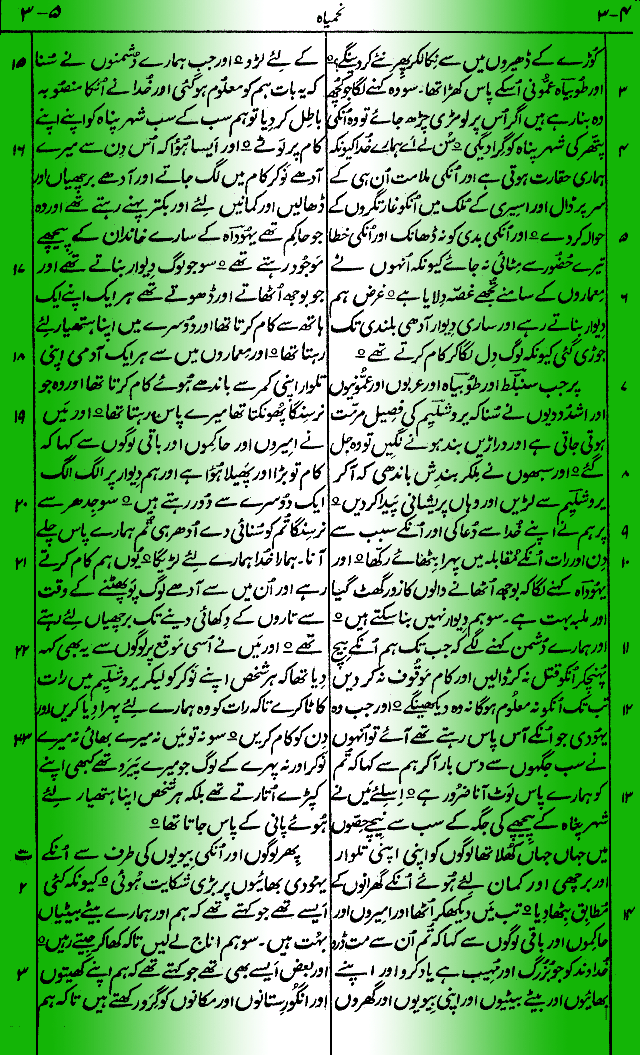
Nehemiah 4:3
Verse: Now Tobiah the Ammonite was by him and he said Even that which they build if a fox go up he shall even break down their stone wall
English Explanation
Tobiah resorts to psychological warfare and bitter sarcasm. By mocking the strength of the wall, he claims that even a lightweight animal like a fox could cause it to crumble. This was an attempt to demoralize the Jewish workers, making them feel that their hard labor was utterly useless and structurally flawed.
Urdu Explanation
اردو تفہیم: طوبیاہ عمونی نے یہودیوں کی حوصلہ شکنی کرنے کے لیے سخت طنز اور تمسخر کا سہارا لیا۔ اس کا دعویٰ تھا کہ یہ دیوار اتنی کمزور ہے کہ اگر کوئی ہلکا پھلکا جانور جیسے لومڑی بھی اس پر چڑھے تو یہ گر جائے گی۔ اس کا مقصد تعمیر کرنے والوں کے حوصلے پست کرنا تھا۔
Nehemiah 4:4
Verse: Hear O our God for we are despised and turn their reproach upon their own head and give them for a prey in the land of captivity
English Explanation
Instead of trading insults with his enemies, Nehemiah immediately turns to God in prayer. He acknowledges their vulnerability (“we are despised”) and asks God to deliver justice by letting the enemies experience the same mockery and captivity they wished upon Jerusalem.
Urdu Explanation
اردو تفہیم: دشمنوں کو جواب دینے کے بجائے، نحمیاہ نے فوراً خدا کی طرف رجوع کیا اور دعا کی۔ انہوں نے اپنی کمزوری کا اعتراف کیا اور خدا سے انصاف کی درخواست کی کہ وہ دشمنوں کے طنز کو ان ہی کے سروں پر لوٹا دے اور انہیں قید کی ذلت کا سامنا کرنا پڑے۔
Nehemiah 4:5
Verse: And cover not their iniquity and let not their sin be blotted out from before thee for they have provoked thee to anger before the builders
English Explanation
Nehemiah prays an imprecatory prayer, asking God not to overlook the sins of their oppressors. His primary concern is not personal offense, but that these enemies have openly opposed God’s divine work and insulted Him right in front of the people rebuilding the sacred walls.
Urdu Explanation
اردو تفہیم: نحمیاہ نے خدا سے التجا کی کہ وہ ان مخالفین کے گناہوں کو معاف نہ کرے۔ ان کی اصل فکر ذاتی دشمنی نہیں تھی، بلکہ یہ تھی کہ ان دشمنوں نے تعمیر کرنے والوں کے سامنے خدا کے مقدس کام کی توہین کر کے براہِ راست خدا کو غصہ دلایا تھا۔
Nehemiah 4:6
Verse: So built we the wall and all the wall was joined together unto the half thereof for the people had a mind to work
English Explanation
Despite the heavy discouragement, the people stayed focused. The entire perimeter of the wall was successfully joined together and reached half of its intended height. The spiritual breakthrough happened because the workers possessed a unified heart, determination, and a passionate mindset to finish the job.
Urdu Explanation
اردو تفہیم: شدید مخالفت کے باوجود لوگوں نے اپنی توجہ نہیں ہٹائی۔ پوری دیوار کو آپس میں جوڑ دیا گیا اور یہ اپنی آدھی اونچائی تک پہنچ گئی۔ یہ کامیابی اس لیے ممکن ہوئی کیونکہ لوگوں کے دلوں میں کام کرنے کا سچا جذبہ اور اتحاد تھا۔
Nehemiah 4:7
Verse: But it came to pass that when Sanballat and Tobiah and the Arabians and the Ammonites and the Ashdodites heard that the walls of Jerusalem were made up and that the breaches began to be stopped then they were very wroth
English Explanation
When the regional enemies (surrounding Jerusalem from the North, East, South, and West) realized that the gaps in the wall were closing rapidly, their mockery turned into genuine panic and intense anger. They realized that their window of opportunity to exploit a defenseless Jerusalem was shrinking.
Urdu Explanation
اردو تفہیم: جب یروشلیم کے ارد گرد کے دشمنوں (سنبلط، طوبیاہ، عربوں اور عمونیوں) نے دیکھا کہ دیوار کے شگاف تیزی سے بند ہو رہے ہیں، تو ان کا تمسخر شدید غصے اور خوف میں بدل گیا۔ وہ سمجھ گئے کہ اب یروشلیم پر قابو پانا مشکل ہوتا جا رہا ہے۔
Nehemiah 4:8
Verse: And conspired all of them together to come and to fight against Jerusalem and to hinder it
English Explanation
Seeing that verbal abuse failed, the enemies advanced their tactics to physical violence. They formed a dangerous coalition, conspiring to launch a coordinated attack on Jerusalem to physically disrupt the construction and create mass chaos.
Urdu Explanation
اردو تفہیم: جب زبانی طنز کام نہ آیا تو دشمنوں نے جسمانی تشدد کا منصوبہ بنایا۔ انہوں نے ایکا کر لیا اور یروشلیم پر اچانک حملہ کرنے کی سازش کی تاکہ تعمیراتی کام میں خلل ڈالیں اور خوف و ہراس پھیلائیں۔
Nehemiah 4:9
Verse: Nevertheless we made our prayer unto our God and set a watch against them day and night because of them
English Explanation
This verse showcases the perfect biblical balance between faith and practical responsibility. Nehemiah prayed fervently for divine protection, but he also immediately established a 24/7 armed security watch to guard against the enemy.
Urdu Explanation
اردو تفہیم: یہ آیت ایمان اور عملی حکمت عملی کے بہترین توازن کو ظاہر کرتی ہے۔ نحمیاہ نے نہ صرف خدا سے حفاظت کی دعا کی، بلکہ دشمن کے خطرے سے نمٹنے کے لیے دن رات چوکیدار اور پہرے دار بھی مقرر کر دیے۔
Nehemiah 4:10
Verse: And Judah said The strength of the bearers of burdens is decayed and there is much rubbish so that we are not able to build the wall
English Explanation
Internal discouragement begins to take a toll. The workers grew physically exhausted from clearing massive amounts of ancient rubble. The combination of fatigue and constant external threats led the people of Judah to lose confidence in their ability to finish the project.
Urdu Explanation
اردو تفہیم: یہاں سے اندرونی مایوسی کا آغاز ہوتا ہے۔ مسلسل بوجھ اٹھانے اور پرانے ملبے کو صاف کرنے کی وجہ سے مزدور جسمانی طور پر تھک چکے تھے۔ تھکن اور بیرونی خطرات کے باعث یہوداہ کے لوگوں نے کہنا شروع کر دیا کہ ملبہ بہت زیادہ ہے اور ہم دیوار نہیں بنا سکتے۔
Nehemiah 4:11
Verse: And our adversaries said They shall not know neither see till we come in the midst among them and slay them and cause the work to cease
English Explanation
The enemies planned a psychological ambush. They intended to infiltrate the city completely unnoticed and launch a surprise massacre. Their ultimate operational goal was not just killing people, but permanently shutting down the restoration of God’s city.
Urdu Explanation
اردو تفہیم: دشمنوں نے اچانک اور خفیہ حملے کا منصوبہ بنایا۔ ان کا ارادہ تھا کہ وہ چپکے سے یہودیوں کے درمیان پہنچ کر انہیں قتل کر دیں تاکہ تعمیر کا یہ کام ہمیشہ کے لیے رک جائے۔
Nehemiah 4:12
Verse: And it came to pass that when the Jews which dwelt by them came they said unto us ten times From all places whence ye shall return unto us they will be upon you
English Explanation
Jews living in the outlying villages near enemy territory repeatedly (symbolized by “ten times”) brought terrifying rumors to Nehemiah. Their constant warnings of imminent attacks heightened the atmosphere of fear and anxiety within the city walls.
Urdu Explanation
اردو تفہیم: جو یہودی دشمنوں کے قریبی علاقوں میں رہتے تھے، انہوں نے بار بار (دس مرتبہ) آ کر نحمیاہ کو خبردار کیا کہ دشمن ہر طرف سے حملہ کرنے والے ہیں۔ ان افواہوں نے شہر کے اندر خوف اور بے چینی کی فضا پیدا کر دی۔
Nehemiah 4:13
Verse: Therefore set I in the lower places behind the wall and on the higher places I even set the people after their families with their swords their spears and their bows
English Explanation
Nehemiah took strategic defensive actions. He placed armed guards in the most vulnerable, exposed sections of the wall. By grouping them by families, he heightened their motivation—knowing they were fighting directly for the survival of their own immediate flesh and blood.
Urdu Explanation
اردو تفہیم: نحمیاہ نے دفاعی حکمت عملی اپنائی۔ انہوں نے دیوار کے نچلے اور کھلے حصوں پر لوگوں کو ان کے خاندانوں کے مطابق تلواروں، بھالوں اور کمانوں کے ساتھ مسلح کر کے کھڑا کر دیا۔ خاندانوں کی صورت میں کھڑا کرنے کا مقصد یہ تھا کہ وہ اپنے اپنوں کی حفاظت کے لیے زیادہ جوش سے لڑیں۔
Nehemiah 4:14
Verse: And I looked and rose up and said unto the nobles and to the rulers and to the rest of the people Be not ye afraid of them remember the Lord which is great and terrible and fight for your brethren your sons and your daughters your wives and your houses
English Explanation
Nehemiah delivers an inspiring rally speech to the leaders and common citizens. He commands them to shift their focus away from the frightening enemy and onto the majestic, awesome power of God. He challenges them to fight bravely for their families, lineage, and homes.
Urdu Explanation
اردو تفہیم: نحمیاہ نے رہنماؤں اور عام لوگوں کے حوصلے بلند کرنے کے لیے ایک پُرعزم تقریر کی۔ انہوں نے کہا کہ دشمن سے ڈرنے کے بجائے اس عظیم اور قادرِ مطلق خدا کو یاد کرو جو سب سے بڑا ہے، اور اپنے بھائیوں، بیٹوں، بیٹیوں، بیویوں اور گھروں کی خاطر لڑو۔
Nehemiah 4:15
Verse: And it came to pass when our enemies heard that it was known unto us and God had brought their counsel to nought that we returned all of us to the wall every one unto his work
English Explanation
When the enemies discovered that their secret plot had been exposed and thwarted by God’s providence, they backed down. This victory allowed the Jewish community to confidently lay down their defensive posts temporarily and return to active construction work.
Urdu Explanation
اردو تفہیم: جب دشمنوں کو معلوم ہوا کہ ان کی خفیہ سازش فاش ہو چکی ہے اور خدا نے ان کے منصوبے کو ناکام بنا دیا ہے، تو وہ پیچھے ہٹ گئے۔ اس کے بعد تمام یہودی امن و سکون کے ساتھ دوبارہ دیوار کی تعمیر کے کام پر لوٹ آئے۔
Nehemiah 4:16
Verse: And it came to pass from that time forth that the half of my servants wrought in the work and the other half of them held both the spears the shields and the bows and the habergeons and the rulers were behind all the house of Judah
English Explanation
To prevent future surprises, Nehemiah instituted a permanent labor-defense rotation. Half of his personal workforce continued physical building, while the other half stood ready in full military armor. Leaders stood behind the builders to provide immediate direction and encouragement.
Urdu Explanation
اردو تفہیم: آئندہ کسی بھی اچانک حملے سے بچنے کے لیے نحمیاہ نے ایک نیا نظام قائم کیا۔ ان کے آدھے ملازمین تعمیراتی کام کرتے تھے اور باقی آدھے بھالے، ڈھالیں اور ہتھیار سنبھالے پہرہ دیتے تھے، جبکہ رہنما پشت پناہی کے لیے پیچھے موجود رہتے تھے۔
Nehemiah 4:17
Verse: They which builded on the wall and they that bare burdens with those that laded every one with one of his hands wrought in the work and with the other hand held a weapon
English Explanation
This is one of the most famous images of diligence in leadership. The builders and material carriers adapted to working under pressure by balancing productivity and protection—holding construction tools in one hand and keeping a weapon ready in the other.
Urdu Explanation
اردو تفہیم: یہ آیت بائبل کی مشہور ترین تمثیلوں میں سے ایک ہے۔ تعمیر کرنے والے اور بوجھ اٹھانے والے ایک ہاتھ سے اپنا کام کرتے تھے اور دوسرے ہاتھ میں اپنے دفاع کے لیے ہتھیار تیار رکھتے تھے، تاکہ کام اور حفاظت دونوں ساتھ ساتھ چل سکیں۔
Nehemiah 4:18
Verse: For the builders every one had his sword girded by his side and so builded And he that sounded the trumpet was by me
English Explanation
Every mason on the wall worked with a sword strapped directly to their waist for instant mobilization. Furthermore, Nehemiah kept the official trumpeter right next to his side so an emergency alarm could be sounded across the vast construction area instantly if a breach occurred.
Urdu Explanation
اردو تفہیم: دیوار بنانے والے ہر شخص کی کمر سے تلوار بندھی ہوئی تھی تاکہ ضرورت پڑنے پر فوراً لڑا جا سکے۔ مزید برآں، نرسنگا (ترپی) بجانے والا شخص ہر وقت نحمیاہ کے پاس رہتا تھا تاکہ ہنگامی صورتحال میں فوراً خطرے کا سگنل دیا جا سکے۔
Nehemiah 4:19
Verse: And I said unto the nobles and to the rulers and to the rest of the people The work is great and large and we are separated upon the wall one far from another
English Explanation
Nehemiah clearly states the strategic challenge: the wall perimeter is enormous, leaving small groups of workers dangerously isolated from one another. This spatial separation made them easy targets if an enemy focused its attack on just one single section.
Urdu Explanation
اردو تفہیم: نحمیاہ نے رہنماؤں اور عوام کو اسٹریٹجک چیلنج سے آگاہ کیا کہ کام بہت بڑا اور وسیع ہے، اور دیوار لمبی ہونے کی وجہ سے ہم ایک دوسرے سے بہت دور دور پھیلے ہوئے ہیں، جس کی وجہ سے دشمن الگ تھلگ گروہوں پر آسانی سے حملہ کر سکتا ہے۔
Nehemiah 4:20
Verse: In what place therefore ye hear the sound of the trumpet resort ye thither unto us our God shall fight for us
English Explanation
The defensive strategy relied on rapid consolidation. Wherever the trumpet sounded, everyone was commanded to run to that location to reinforce their brothers. Nehemiah seals this military command with a declaration of faith: ultimate victory depends on God fighting for them.
Urdu Explanation
اردو تفہیم: نحمیاہ نے ہدایت دی کہ جہاں کہیں بھی تمہیں نرسنگے کی آواز سنائی دے، تم سب فوراً وہاں ہماری مدد کے لیے پہنچ جانا۔ انہوں نے ایمان کے ساتھ اعلان کیا کہ ہمارا خدا ہماری طرف سے لڑے گا اور ہمیں فتح دے گا۔
Nehemiah 4:21
Verse: So we laboured in the work and half of them held the spears from the rising of the morning till the stars appeared
English Explanation
The community demonstrated extreme work ethic and dedication. They sacrificed personal comfort, working grueling hours from the very first light of dawn until the stars filled the night sky, split continuously between labor and military defense.
Urdu Explanation
اردو تفہیم: قوم نے محنت اور لگن کی اعلیٰ مثال قائم کی۔ وہ صبح سویرے پو پھٹنے سے لے کر رات کو ستارے نکلنے تک مسلسل سخت محنت کرتے تھے، اور ان کا آدھا گروہ ہر وقت پہرے پر مامور رہتا تھا۔
Nehemiah 4:22
Verse: Likewise at the same time said I unto the people Let every one with his servant lodge within Jerusalem that in the night they may be a guard to us and labour on the day
Explanation
Nehemiah requested that workers living outside the city stay inside Jerusalem overnight. This eliminated commute times, provided an immediate workforce for the next morning, and significantly boosted the night watch security force protecting the inner city.
Urdu Explanation
اردو تفہیم: نحمیاہ نے حکم دیا کہ باہر رہنے والے تمام لوگ اپنے خادموں سمیت رات کو یروشلیم کے اندر ہی قیام کریں۔ اس کا مقصد یہ تھا کہ رات کے وقت شہر کی حفاظت کے لیے پہرے داروں کی تعداد بڑھے اور دن کے وقت وہیں سے کام شروع کیا جا سکے۔
Nehemiah 4:23
Verse: So neither I nor my brethren nor my servants nor the men of the guard which followed me none of us put off our clothes saving that every one put them off for washing
English Explanation
Nehemiah led strictly by example. He, his family, his guards, and his inner circle stayed fully dressed and armed at all times, remaining completely alert. They only took off their clothes when it was absolutely necessary for personal hygiene and washing.
Urdu Explanation
اردو تفہیم: نحمیاہ نے خود کو ایک مثالی رہنما ثابت کیا۔ انہوں نے، ان کے بھائیوں، خادموں اور باڈی گارڈز نے رات دن اپنے کپڑے تک تبدیل نہیں کیے اور ہر وقت چوکس رہے۔ وہ صرف کپڑے دھونے یا طہارت کے وقت ہی لباس اتارتے تھے۔
Chapter 5
Nehemiah 5:1
Verse: And there was a great cry of the people and of their wives against their brethren the Jews
English Explanation
The threat shifts from external enemies to internal injustice. A massive economic crisis erupts within the community. The poor working-class citizens and their wives cry out in deep distress against their wealthy Jewish brethren who were taking financial advantage of them during the building project.
Urdu Explanation
اردو تفہیم: اب خطرہ بیرونی دشمنوں سے ہٹ کر اندرونی ناانصافی کی طرف بدل گیا۔ تعمیراتی کام کے دوران غریب طبقے اور ان کی بیویوں نے اپنے ہی امیر یہودی بھائیوں کے ظلم اور معاشی استحصال کے خلاف شدید احتجاج اور دہائی دی۔
Nehemiah 5:2
Verse: For there were that said We our sons and our daughters are many therefore we take up corn for them that we may eat and live
English Explanation
The first complaint comes from large families who have no land assets. Because the men were busy working on the wall instead of farming, they lacked the financial means to buy basic grain. They faced literal starvation if they could not secure immediate food relief.
Urdu Explanation
اردو تفہیم: پہلی شکایت ان بڑے خاندانوں کی طرف سے تھی جن کے پاس زمین نہیں تھی۔ چونکہ مرد دیوار بنانے میں مصروف تھے اور کھیتی باڑی نہیں کر پا رہے تھے، اس لیے ان کے پاس اناج خریدنے کے پیسے نہیں تھے اور وہ بھوک سے مر رہے تھے۔
Nehemiah 5:3
Verse: Some also there were that said We have mortgaged our lands vineyards and houses that we might buy corn because of the dearth
English Explanation
The second complaint comes from property owners facing severe economic hardship. Due to a severe famine (dearth) and high costs, they were forced to mortgage their ancestral lands, fields, and family homes to wealthy lenders just to get enough food to survive.
Urdu Explanation
اردو تفہیم: دوسری شکایت ان زمینداروں کی تھی جو قحط اور مہنگائی کا شکار تھے۔ انہیں اپنے بال بچوں کے لیے اناج خریدنے کی خاطر اپنی آبائی زمینیں، انگور کے باغ اور گھر امیروں کے پاس گروی رکھنے پڑے تھے، جس سے وہ مزید غربت دلدل میں دھنس رہے تھے۔