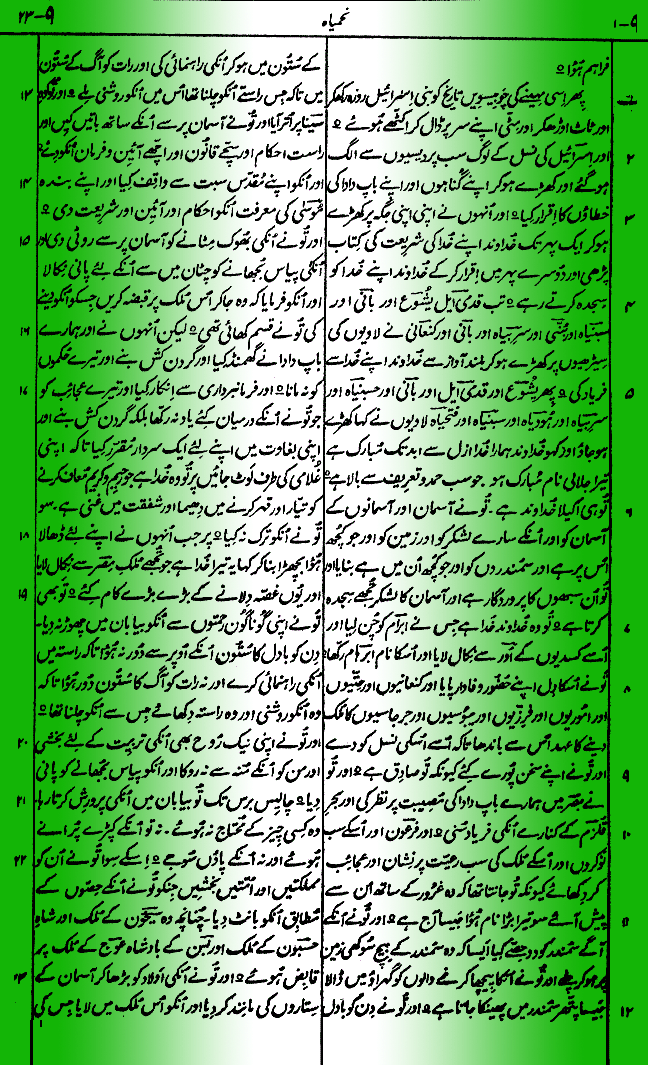
Nehemiah 9:1–23 — Verse-by-Verse Commentary
Nehemiah 9:1
Verse: Now in the twenty and fourth day of this month the children of Israel were assembled with fasting and with sackclothes and earth upon them
English Explanation: Following the joyful celebration of the Feast of Tabernacles, the Israelites gather on the twenty-fourth day for a solemn day of national repentance. The outward signs of fasting, wearing sackcloth, and putting dust or earth on their heads are traditional Near Eastern expressions of deep mourning, humility, and inner brokenness before God. They are preparing their hearts to address their corporate failures.
Urdu Explanation (تفصیلی وضاحت): عیدِ خیام کی خوشی منانے کے فوراً بعد، اسی مہینے کے چوبیسویں دن بنی اسرائیل گہرے سوگ اور توبہ کے لیے جمع ہوئے۔ انہوں نے روزے رکھے، ٹاٹ اوڑھا اور اپنے سروں پر خاک ڈالی۔ مٹی ڈالنا اور ٹاٹ اوڑھنا اس دور میں خدا کے سامنے انتہائی عاجزی، شرمندگی اور دلی دکھ کا اظہار تھا۔ وہ اپنے گناہوں کا اعتراف کرنے کے لیے اپنے دلوں کو تیار کر رہے تھے۔
Nehemiah 9:2
Verse: And the seed of Israel separated themselves from all strangers and stood and confessed their sins and the iniquities of their fathers
English Explanation: True repentance requires separation from corrupting influences. The Israelites distance themselves from foreigners who had led them into idolatry and compromised their covenant with God. Standing before the Lord, they openly confess not only their personal sins but also the systemic, historical iniquities of their ancestors, acknowledging a multi-generational pattern of rebellion.
Urdu Explanation (تفصیلی وضاحت): سچی توبہ کے لیے ضروری ہے کہ انسان ان چیزوں سے دوری اختیار کرے جو اسے خدا سے دور کرتی ہیں۔ بنی اسرائیل نے خود کو غیر قوموں سے الگ کیا جنہوں نے انہیں بت پرستی میں الجھایا تھا۔ انہوں نے کھڑے ہو کر نہ صرف اپنے ذاتی گناہوں کا اقرار کیا، بلکہ اپنے باپ دادا کی خطاؤں اور نافرمانیوں کا بھی اعتراف کیا، کیونکہ وہ جانتے تھے کہ ان کی بدعملی نسل در نسل چلی آ رہی تھی۔
Nehemiah 9:3
Verse: And they stood up in their place and read in the book of the law of the LORD their God one fourth part of the day and another fourth part they confessed and worshipped the LORD their God
English Explanation: The community spends an extensive amount of time dedicated to God’s Word and prayer. For “one fourth part of the day” (approximately three hours), they listen attentively to the reading of the Torah. Driven by the convictions brought by the scripture, they spend the next three hours in deep confession of sin and heartfelt worship, establishing that true worship is rooted in the truth of Scripture.
Urdu Explanation (تفصیلی وضاحت): قوم نے ایک طویل وقت خدا کے کلام اور دعا میں گزارا۔ دن کے ایک چوتھائی حصے (تقریباً تین گھنٹے) تک وہ غور سے خداوند کے قانون کی کتاب سنتے رہے۔ جب کلام نے ان کے دلوں پر اثر کیا، تو اگلے چوتھائی حصے میں انہوں نے اپنے گناہوں کا اعتراف کیا اور اپنے خدا کی پرستش کی۔ یہ ظاہر کرتا ہے کہ سچی پرستش ہمیشہ خدا کے کلام کے تابع ہونے سے پیدا ہوتی ہے۔
Nehemiah 9:4
Verse: Then stood up upon the stairs of the Levites Jeshua and Bani Kadmiel Shebaniah Bunni Sherebiah Bani and Chenani and cried with a loud voice unto the LORD their God
English Explanation: The spiritual leaders—the Levites—take their positions on an elevated platform or stairs to be seen and heard by the massive crowd. Names like Jeshua, Bani, and Kadmiel represent the leadership that guides the people. They cry out with loud voices, pouring out desperate, passionate prayers on behalf of the nation, acting as mediators pointing the people back to God.
Urdu Explanation (تفصیلی وضاحت): روحانی رہنما یعنی لاویوں نے لوگوں کی رہنمائی کے لیے ایک اونچے چبوترے یا سیڑھیوں پر اپنی جگہ لی۔ یشوع، بانی اور قدمیئل جیسے رہنماؤں نے کھڑے ہو کر پوری قوم کی طرف سے بلند آواز میں خدا کے حضور گریہ و زاری اور دعا کی۔ انہوں نے خدا کے سامنے ایک وسیلہ بن کر لوگوں کے دلوں کو التجا اور التماس کی طرف مائل کیا۔
Nehemiah 9:5
Verse: Then the Levites Jeshua and Kadmiel Bani Hashabniah Sherebiah Hodijah Shebaniah and Pethahiah said Stand up and bless the LORD your God for ever and ever and blessed be thy glorious name which is exalted above all blessing and praise
English Explanation: The Levites call the congregation to physical action and verbal praise, saying, “Stand up and bless the Lord.” They transition from the posture of mourning to exalting God’s eternal nature. The verse emphasizes that God’s glorious name is so magnificent that it transcends any blessing, praise, or human expression we could ever offer.
Urdu Explanation (تفصیلی وضاحت): لاویوں نے مجمع کو پکارا کہ وہ کھڑے ہوں اور اپنے خداوند کی تمجید کریں۔ انہوں نے سوگ کی حالت سے نکل کر خدا کی ابدی ذات کی حمد و ثنا شروع کی۔ انہوں نے اقرار کیا کہ خدا کا جلالی نام اتنا عظیم اور بلند ہے کہ انسان کی کوئی بھی تعریف، شکرگزاری یا حمد اس کی بڑائی کا پورا حق ادا نہیں کر سکتی۔
Nehemiah 9:6
Verse: Thou even thou art LORD alone thou hast made heaven the heaven of heavens with all their host the earth and all things that are therein the seas and all that is therein and thou preservest them all and the host of heaven worshippeth thee
English Explanation: This verse is a profound theological declaration of God as the sole Creator and Sustainer of the universe. He made the physical heavens, the highest spiritual realms (“heaven of heavens”), the stars, the planet, and the deep oceans. Crucially, it highlights His ongoing providence—He preserves and sustains all creation, and the angelic hosts worship Him continuously.
Urdu Explanation (تفصیلی وضاحت): یہ آیت خدا کے واحد خالق اور مالک ہونے کا ایک عظیم الشان اعتراف ہے۔ اسی نے زمین، سمندر، آسمان اور آسمانوں کے بھی آسمان (کائنات کی وسعتوں) کو ان کی تمام مخلوقات اور ستاروں سمیت پیدا کیا۔ سب سے اہم بات یہ ہے کہ وہ صرف پیدا ہی نہیں کرتا بلکہ اپنی قدرت سے ان سب کو قائم رکھتا اور زندگی بخشتا ہے، اور آسمان کی فوجیں (فرشتے) ہر وقت اس کی سجدہ ریزی کرتی ہیں۔
Nehemiah 9:7
Verse: Thou art the LORD the God who didst choose Abram and broughtest him forth out of Ur of the Chaldees and gavest him the name of Abraham
English Explanation: The prayer shifts from creation to redemptive history, focusing on God’s sovereign election. He chose Abram out of a pagan environment in Ur of the Chaldees and initiated a covenant relationship. Changing his name to Abraham (“father of a multitude”) was a prophetic declaration of the grand destiny God had planned for his descendants.
Urdu Explanation (تفصیلی وضاحت): یہاں سے دعا کا رخ کائنات کی تخلیق سے ہٹ کر تاریخِ نجات کی طرف مڑتا ہے۔ خدا نے ابرام کو کسدیوں کے شہر اُور کے بت پرستانہ ماحول سے چنا اور ان کے ساتھ ایک عہد قائم کیا۔ اس کا نام بدل کر ابراہیم (بہت سی قوموں کا باپ) رکھنا اس بات کا الٰہی اعلان تھا کہ خدا اس کی نسل کے ذریعے ایک عظیم منصوبہ پورا کرنے والا تھا۔
Nehemiah 9:8
Verse: And foundest his heart faithful before thee and madest a covenant with him to give the land of the Canaanites the Hittites the Amorites and the Perizzites and the Jebusites and the Girgashites to give it I say to his seed and hast performed thy words for thou art righteous
Explanation: God recognized Abraham’s faith and established an unconditional covenant promising the land of various nations to his descendants. The Levites acknowledge that God completely fulfilled His promise because He is inherently righteous and faithful to His word, unlike human beings who constantly break promises.
Urdu Explanation (تفصیلی وضاحت): خدا نے ابراہیم کے دل کو اپنے حضور وفادار پایا اور اس کے ساتھ عہد باندھا کہ وہ مختلف کنعانی قوموں کی سرزمین اس کی نسل کو دے گا۔ لاویوں نے اعتراف کیا کہ خدا نے اپنے اس وعدے کو پورا کیا کیونکہ وہ سچا اور عادل ہے۔ انسان بدل جاتا ہے لیکن خدا اپنے وعدوں کا پکا ہے۔
Nehemiah 9:9
Verse: And didst see the affliction of our fathers in Egypt and heardest their cry by the Red sea
English Explanation: The prayer remembers the Exodus, highlighting God’s empathy and responsiveness. God did not remain indifferent to Israel’s suffering; He actively saw their brutal oppression under slavery in Egypt and heard their desperate cries for salvation when trapped at the edge of the Red Sea.
Urdu Explanation (تفصیلی وضاحت): اس آیت میں مصر سے خروج کے واقعے کو یاد کیا گیا ہے جو خدا کی ہمدردی اور رحم دلی کو ظاہر کرتا ہے۔ خدا بنی اسرائیل کی تکلیفوں سے بے خبر نہیں رہا؛ اس نے مصر کی غلامی میں ان کی حالتِ زار کو دیکھا اور جب وہ بحرِ قلزم (سرخ سمندر) کے کنارے پھنسے ہوئے تھے، تو ان کی دہائی کو سنا۔
Nehemiah 9:10
Verse: And shewedst signs and wonders upon Pharaoh and on all his servants and on all the people of his land for thou knewest that they dealt proudly against them So didst thou get thee a name as it is this day
English Explanation: God executed divine judgment through the plagues because He recognized the pride and arrogance of Pharaoh and the Egyptians. These powerful miracles were not just to rescue Israel, but to demonstrate God’s supreme authority to the global community, establishing a reputation for His name that endured for generations.
Urdu Explanation (تفصیلی وضاحت): خدا نے فرعون اور اس کے درباریوں کے تکبر اور غرور کے خلاف نشانات اور معجزات (آفتیں) نازل کیے۔ ان معجزات کا مقصد نہ صرف بنی اسرائیل کو چھڑانا تھا بلکہ دنیا پر اپنی حاکمیت ثابت کرنا بھی تھا، جس سے خدا کے نام کی ایسی شہرت ہوئی جو اجداد سے لے کر نحمیاہ کے دور تک قائم رہی۔
Nehemiah 9:11
Verse: And thou didst divide the sea before them so that they went through the midst of the sea on the dry land and their persecutors thou threwest into the deeps as a stone into the mighty waters
English Explanation: The parting of the Red Sea is celebrated as a definitive act of salvation and judgment. God created a dry path through the depths for His people, transforming an impossible obstacle into a highway of deliverance. Conversely, their Egyptian oppressors were swallowed by the collapsing waters, sinking effortlessly like stones.
Urdu Explanation (تفصیلی وضاحت): بحرِ قلزم کا دو حصے ہونا خدا کی نجات اور عدالت کا ایک عظیم ثبوت ہے۔ خدا نے اپنے لوگوں کے لیے سمندر کے بیچ میں سے خشک راستہ بنا دیا، جس سے ایک ناممکن رکاوٹ نجات کا ذریعہ بن گئی۔ دوسری طرف، ان کا پیچھا کرنے والے ظالم مصری پانی کے دباؤ میں ایسے ڈوب گئے جیسے تیز لہروں میں بھاری پتھر نیچے بیٹھ جاتا ہے۔
Nehemiah 9:12
Verse: Moreover thou leddest them in the day by a cloudy pillar and in the night by a pillar of fire to give them light in the way wherein they should go
English Explanation: God provided relational guidance and constant protection during the wilderness journey. The pillar of cloud shielded them from the scorching desert sun by day, and the pillar of fire provided light and warmth through the dark night, proving that God directs the daily path of His followers.
Urdu Explanation (تفصیلی وضاحت): خدا نے بیابان کے سفر میں اپنی قوم کی مسلسل رہنمائی اور حفاظت کی۔ دن کے وقت بادل کا ستون انہیں تپتی دھوپ سے بچاتا تھا اور رات کے وقت آگ کا ستون انہیں اندھیرے میں راستہ دکھانے اور گرمائش دینے کے لیے موجود رہتا تھا، جو یہ ثابت کرتا ہے کہ خدا اپنے لوگوں کے ہر قدم کا نگران ہے۔
Nehemiah 9:13
Verse: Thou camest down also upon mount Sinai and spakest with them from heaven and gavest them right judgments and true laws good statutes and commandments
English Explanation: The giving of the law at Mount Sinai is described as an act of divine grace. God condescended to speak directly with them, giving them statutes that were inherently “right,” “true,” and “good.” His commandments were designed to build a healthy, just, and holy society, reflecting His own moral perfection.
Urdu Explanation (تفصیلی وضاحت): کوہِ سینا پر شریعت کا دیا جانا خدا کے فضل کا ایک عظیم عمل تھا۔ خدا نے آسمان سے اتر کر ان سے براہِ راست کلام کیا اور انہیں ایسے احکام اور قوانین دیے جو “برحق”، “سچے” اور “بھلے” تھے۔ یہ قوانین ایک پاکیزہ اور انصاف پسند معاشرے کی تشکیل کے لیے تھے جو خدا کے اپنے اخلاقی معیار کو ظاہر کرتے ہیں۔
Nehemiah 9:14
Verse: And madest known unto them thy holy sabbath and commandedst them precepts statutes and laws by the hand of Moses thy servant
English Explanation: God gifted Israel the Sabbath, a holy day of rest and spiritual refocusing, which set them apart from all other ancient nations. This specific revelation, along with the rest of the foundational laws, was delivered through His trusted servant Moses, validating Moses’ prophetic leadership.
Urdu Explanation (تفصیلی وضاحت): خدا نے بنی اسرائیل کو سبت (ارام کے دن) کی پاکیزگی سے روشناس کرایا، جو انہیں دنیا کی دیگر قوموں سے ممتاز کرتا تھا۔ یہ خاص تحفہ اور دیگر تمام فرامین خدا نے اپنے وفادار خادم موسیٰ کے ذریعے قوم تک پہنچائے، جس سے موسیٰ کی قائدانہ حیثیت کی تصدیق ہوئی۔
Nehemiah 9:15
Verse: And gavest them bread from heaven for their hunger and broughtest forth water for them out of the rock for their thirst and promisedst them that they should go in to possess the land which thou hadst sworn to give them
English Explanation: This verse highlights God’s perfect, miraculous physical provision. He met their hunger with manna (“bread from heaven”) and satisfied their deep thirst with water flowing directly out of a solid rock. Alongside physical sustenance, He kept the future hope alive by reaffirming His oath to give them the Promised Land.
Urdu Explanation (تفصیلی وضاحت): یہ آیت خدا کی معجزاتی اور مادی فراہمی کو ظاہر کرتی ہے۔ اس نے بھوک مٹانے کے لیے آسمان سے مَن (روٹی) نازل کیا اور پیاس بجھانے کے لیے چٹان سے پانی جاری کیا۔ جسمانی ضرورتیں پوری کرنے کے ساتھ ساتھ، اس نے اس سرزمین پر قبضہ کرنے کے اپنے پاک وعدے کو بھی دہرا کر ان کی امید کو زندہ رکھا۔
Nehemiah 9:16
Verse: But they and our fathers dealt proudly and hardened their necks and hearkened not to thy commandments
English Explanation: A stark contrast is drawn here between God’s absolute faithfulness and Israel’s tragic rebellion. Despite witnessing undeniable miracles, the ancestors became arrogant (“dealt proudly”) and stubborn (“hardened their necks”), deliberately refusing to listen to or obey God’s protective commandments.
Urdu Explanation (تفصیلی وضاحت): یہاں خدا کی بے پناہ وفاداری اور بنی اسرائیل کی افسوسناک نافرمانی کے درمیان واضح فرق دکھایا گیا ہے۔ اتنے عظیم معجزات دیکھنے کے باوجود، ان کے باپ دادا مغرور ہو گئے، اپنی گردنیں سخت کر لیں (ضد پر اڑ گئے) اور خدا کے زندگی بخش احکام کو سننے اور ماننے سے صاف انکار کر دیا۔
Nehemiah 9:17
Verse: And refused to obey neither were mindful of thy wonders that thou didst among them but hardened their necks and in their rebellion appointed a captain to return to their bondage but thou art a God ready to pardon gracious and merciful slow to anger and of great kindness and forsookest them not
English Explanation: Israel’s rebellion reached the point of wanting to elect a new leader to take them back to slavery in Egypt, completely forgetting God’s wonders. Yet, the emotional core of this chapter is revealed: Yahweh is a God “ready to pardon,” characterized by grace, deep mercy, immense patience, and loving-kindness. Because of Who He is, He refused to abandon them.
Urdu Explanation (تفصیلی وضاحت): بنی اسرائیل کی نافرمانی اس حد تک بڑھ گئی کہ وہ خدا کے معجزات کو بھول کر واپس مصر کی غلامی میں جانے کے لیے اپنا نیا سردار مقرر کرنے لگے۔ لیکن اس آیت کا اصل مغز خدا کی صفت ہے: وہ معاف کرنے والا، رحیم، مہربان، غصہ کرنے میں دھیما اور شفقت میں غنی خدا ہے۔ اپنی اسی ذات کی وجہ سے اس نے انہیں حالتِ بغاوت میں بھی اکیلا نہیں چھوڑا۔
Nehemiah 9:18
Verse: Yea when they had made them a molten calf and said This is thy God that brought thee up out of Egypt and had wrought great provocations
English Explanation: The prayer references Israel’s ultimate act of spiritual treason: constructing the golden calf at the very base of Mount Sinai. By attributing their miraculous exodus to a lifeless metal idol, they committed terrible blasphemy and provoked God’s righteous anger to an extreme degree.
Urdu Explanation (تفصیلی وضاحت): اس دعا میں بنی اسرائیل کی سب سے بڑی روحانی بے وفائی کا ذکر ہے، یعنی انہوں نے اپنے ہاتھوں سے ڈھلا ہوا بچھڑا بنایا اور کہا کہ یہی وہ معبود ہے جو ہمیں مصر سے نکال لایا۔ ایک بے جان مورت کو اپنی نجات کا کریڈٹ دے کر انہوں نے خدا کی شدید توہین کی اور اس کے غضب کو دعوت دی۔
Nehemiah 9:19
Verse: Yet thou in thy manifold mercies forsookest them not in the wilderness the pillar of the cloud departed not from them by day to lead them in the way neither the pillar of fire by night to shew them light and the way wherein they should go
English Explanation: “Yet thou…” marks a beautiful turning point. Even during their blatant idolatry, God’s “manifold mercies” triumphed over judgment. He did not withdraw His presence; the pillar of cloud and the pillar of fire remained visible every single day and night, continuing to guide a rebellious people through the harsh desert.
Urdu Explanation (تفصیلی وضاحت): “توبھی تُو نے…” یہ الفاظ خدا کے بے پناہ رحم کو ظاہر کرتے ہیں۔ ان کی کھلی بت پرستی کے باوجود، خدا کی کثیر رحمتوں نے سزا پر غلبہ پایا۔ اس نے اپنی حضوری ان سے دور نہیں کی؛ بادل اور آگ کا ستون دن رات موجود رہا تاکہ اس سرکش قوم کو بیابان کے کٹھن راستوں میں سیدھی راہ دکھاتا رہے۔
Nehemiah 9:20
Verse: Thou gavest also thy good spirit to instruct them and withheldest not thy manna from their mouth and gavest them water for their thirst
English Explanation: God did not just provide for their physical needs; He provided for their spiritual and mental guidance by giving His “good spirit” to instruct them. Concurrently, His grace ensured that the daily provision of manna and water never ceased, showing that God’s goodness remains accessible even during human failure.
Urdu Explanation (تفصیلی وضاحت): خدا نے نہ صرف ان کی جسمانی ضرورتیں پوری کیں بلکہ ان کی روحانی اور ذہنی رہنمائی کے لیے اپنا “پاک اور نیک روح” بخشا تاکہ انہیں سکھائے۔ اس کے ساتھ ساتھ اس نے مَن اور پانی کی فراہمی کو کبھی بند نہیں کیا، جو یہ ظاہر کرتا ہے کہ انسان کی کمزوری کے باوجود خدا کی سخاوت جاری رہتی ہے۔
Nehemiah 9:21
Verse: Yea forty years didst thou sustain them in the wilderness so that they lacked nothing their clothes waxed not old and their feet swelled not
English Explanation: This verse emphasizes the supernatural, meticulous care of God over a span of four decades. In a barren wilderness where survival was naturally impossible, God sustained them so perfectly that they lacked absolutely nothing. In an incredible display of miraculous maintenance, their clothes did not wear out and their feet never swelled from walking.
Urdu Explanation (تفصیلی وضاحت): یہ آیت چالیس سال تک خدا کی مافوق الفطرت اور باریک بین نگہداشت کو بیان کرتی ہے۔ اس چٹیل بیابان میں جہاں بقا ناممکن تھی، خدا نے انہیں ایسے سنبھالا کہ انہیں کسی چیز کی کمی نہ ہوئی۔ ایک حیرت انگیز معجزے کے طور پر نہ تو ان کے کپڑے پرانے ہو کر پھٹے اور نہ ہی اتنے طویل سفر کے باوجود ان کے پاؤں میں سوجن آئی۔
Nehemiah 9:22
Verse: Moreover thou gavest them kingdoms and nations and didst divide them into corners so they possessed the land of Sihon and the land of the king of Heshbon and the land of Og king of Bashan
English Explanation: God expanded their borders by granting them military victories over powerful local rulers. He subdued kingdoms and partitioned territories for them, allowing Israel to conquer and possess the lands of Sihon (king of Heshbon) and Og (king of Bashan), clearing the obstacles to their inheritance.
Urdu Explanation (تفصیلی وضاحت): خدا نے بنی اسرائیل کو اپنے اردگرد کے بڑے بڑے بادشاہوں پر فتح دے کر ان کی سرحدوں کو وسعت دی۔ اس نے مختلف سلطنتوں کو زیر کیا اور ان کے علاقے بنی اسرائیل کے حصوں میں بانٹ دیے، جس سے وہ سیحون (حشبون کا بادشاہ) اور عوج (بشن کا بادشاہ) کی زمینوں کے مالک بن گئے اور ان کی وراثت کی راہ ہموار ہوئی۔
Nehemiah 9:23
Verse: Their children also multipliedst thou as the stars of heaven and broughtest them into the land concerning which thou hadst promised to their fathers that they should go in to possess it
English Explanation: The prayer concludes this historical segment by highlighting the literal fulfillment of the Abrahamic covenant. God multiplied the new generation until they were as numerous as the stars of heaven. He successfully guided them past the failures of their fathers and brought them right into the heart of the Promised Land to fully possess it.
Urdu Explanation (تفصیلی وضاحت): دعا کا یہ حصہ ابرہام کے ساتھ کیے گئے وعدے کی مکمل تکمیل پر ختم ہوتا ہے۔ خدا نے ان کی نئی نسل کو اتنی برکت دی کہ وہ آسمان کے ستاروں کی مانند کثیر ہو گئے۔ وہ انہیں ان کے باپ دادا کی نافرمانیوں کے اثرات سے نکال کر کامیابی کے ساتھ موعودہ سرزمین (موعودہ ملک) کے اندر لے آیا تاکہ وہ اس پر قبضہ کر کے اباد ہو جائیں۔