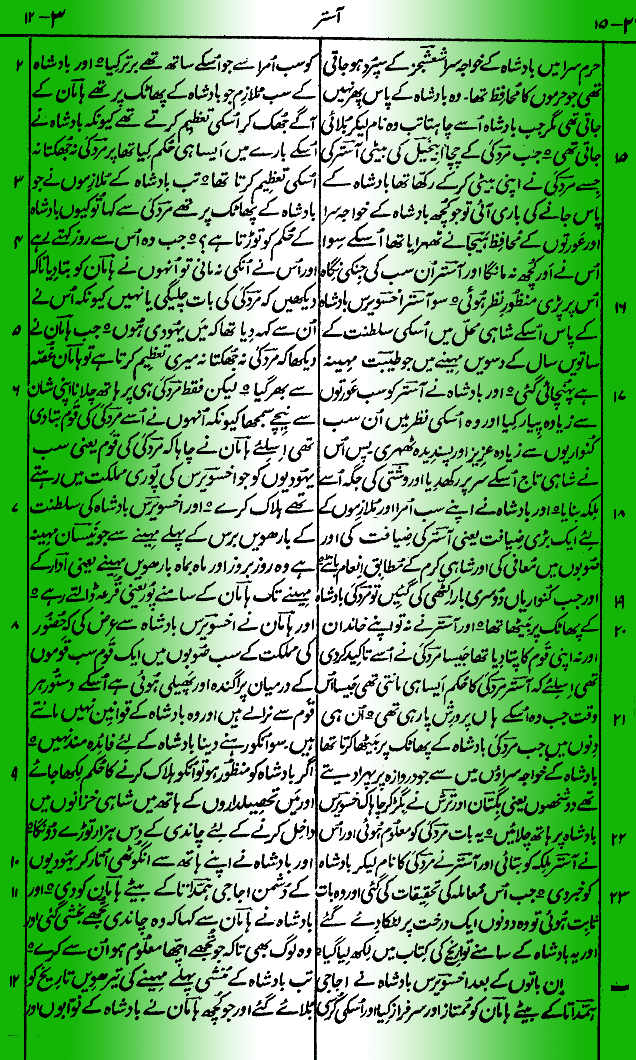
Esther Chapter 2: Verses 15–23
Esther 2:15
Verse: Now when the turn of Esther the daughter of Abihail the uncle of Mordecai who had taken her for his daughter was come to go in unto the king she required nothing but what Hegai the king’s chamberlain the keeper of the women appointed And Esther obtained favour in the sight of all them that looked upon her
-
English Explanation: This verse highlights Esther’s humility, wisdom, and natural grace. When her time came to appear before King Ahasuerus, she did not demand extravagant jewelry, cosmetics, or apparel to enhance her beauty. Instead, she completely trusted the judgment of Hegai, the king’s chief eunuch, who knew the king’s preferences perfectly. Her lack of greed and cooperative spirit won the admiration not just of Hegai, but of everyone in the royal court who saw her. Culturally, it underscores the virtue of inner beauty and divine favor operating behind the scenes.
-
Urdu Explanation (تفصیلی وضاحت): اس آیت میں آستر کی عاجزی، دانشمندی اور قدرتی خوبصورتی کو نمایاں کیا گیا ہے۔ جب آستر (جو مردکی کے چچا ابیحایل کی بیٹی تھی اور جسے مردکی نے اپنی بیٹی بنا کر پالا تھا) کی بادشاہ اخشوروش کے سامنے جانے کی باری آئی، تو اس نے اپنے حسن کو نکھارنے کے لیے کسی اضافی زیور یا لباس کا مطالبہ نہیں کیا۔ اس کے بجائے، اس نے حرم کے نگران ساربان ہیجائی کی حکمت پر بھروسہ کیا جو بادشاہ کے مزاج سے واقف تھا۔ آستر کی اس قناعت اور سادگی نے نہ صرف ہیجائی کا دل جیت لیا، بلکہ جو کوئی بھی اسے دیکھتا، وہ اس کی شخصیت کا گرویدہ ہو جاتا۔ یہ ظاہر کرتا ہے کہ خدا کا فضل اس کے ساتھ تھا۔
Esther 2:16
Verse: So Esther was taken unto king Ahasuerus into his house royal in the tenth month which is the month Tebeth in the seventh year of his reign
-
English Explanation: This verse establishes the exact historical timeline of Esther’s ascension. She was brought to the royal palace during the month of Tebeth (which corresponds to late December or early January in modern calendars) in the seventh year of King Ahasuerus’s reign (around 479 BCE). This timeline shows that about four years had passed since Queen Vashti was deposed, during which the king had been involved in military campaigns against Greece before returning his focus to choosing a new queen.
-
Urdu Explanation (تفصیلی وضاحت): یہ آیت آستر کی شاہی محل میں آمد کے قطعی تاریخی وقت کو بیان کرتی ہے۔ آستر کو بادشاہ اخشوروش کی سلطنت کے ساتویں سال کے دسویں مہینے یعنی “طیبت” (جو موجودہ کیلنڈر کے مطابق دسمبر یا جنوری کا وقت بنتا ہے) میں محل کے اندر لایا گیا۔ تاریخی طور پر یہ ظاہر کرتا ہے کہ ملکہ وشتی کو ہٹائے جانے کے بعد تقریباً چار سال کا عرصہ گزر چکا تھا، جس کے دوران بادشاہ یونان کے خلاف جنگوں میں مصروف رہا اور واپسی پر اس نے نئی ملکہ کا انتخاب کیا۔
Esther 2:17
Verse: And the king loved Esther above all the women and she obtained grace and favour in his sight more than all the virgins so that he set the royal crown upon her head and made her queen instead of Vashti
-
English Explanation: The climax of the beauty search reveals a profound turning point driven by divine providence. Ahasuerus was drawn to Esther more than any other woman in his harem. Her grace surpassed all competition, leading the king to place the royal crown on her head officially. She was declared the sovereign Queen of Persia, successfully filling the void left by Vashti. This set the stage for her future role as the savior of her nation.
-
Urdu Explanation (تفصیلی وضاحت): یہ آیت اس طویل تلاش کے حتمی نتیجے کو ظاہر کرتی ہے۔ بادشاہ اخشوروش کو حرم کی تمام عورتوں اور کنواریوں میں آستر سب سے زیادہ پسند آئی۔ آستر نے بادشاہ کی نظر میں وہ فضل اور مقبولیت حاصل کی جو کسی اور کو نصیب نہ ہوئی۔ چنانچہ بادشاہ نے شاہی تاج آستر کے سر پر رکھا اور اسے وشتی کی جگہ ملکہ بنا دیا۔ یہ واقعہ ظاہر کرتا ہے کہ کس طرح خدا نے ایک یتیم یہودی لڑکی کو وقت کی سب سے بڑی سلطنت کی ملکہ بنا دیا۔
Esther 2:18
Verse: Then the king made a great feast unto all his princes and his servants even Esther’s feast and he made a release to the provinces and gave gifts according to the state of the king
-
English Explanation: To celebrate his marriage, the king threw a massive banquet named in honor of his new queen: “Esther’s Feast.” In keeping with Persian imperial customs of grand generosity, the king declared a tax holiday or a release from military/forced labor across all his vast provinces and distributed royal gifts lavishly, showcasing his immense wealth and happiness.
-
Urdu Explanation (تفصیلی وضاحت): ملکہ آستر کی تاجپوشی کی خوشی میں بادشاہ نے اپنے تمام امیروں، وزیروں اور خادموں کے لیے ایک عظیم الشان ضیافت کا اہتمام کیا، جسے “آستر کی ضیافت” کہا گیا۔ اپنی خوشی اور شاہی سخاوت کا مظاہرہ کرتے ہوئے، بادشاہ نے سلطنت کے تمام صوبوں کے لیے ٹیکسوں میں چھوٹ یا قیدیوں کی رہائی کا اعلان کیا اور شاہی شان و شوکت کے مطابق لوگوں میں انعامات و تحائف تقسیم کیے۔
Esther 2:19
Verse: And when the virgins were gathered together the second time then Mordecai sat in the king’s gate
-
English Explanation: The gathering of the virgins a “second time” could refer to a secondary collection of women for the harem or a relocation of the candidates after the queen was chosen. During this administrative shift, Mordecai is described as sitting at the king’s gate. In ancient Near Eastern cultures, sitting at the king’s gate meant holding an official administrative or judicial position in the government, placing Mordecai in a strategic spot to hear court rumors and news.
-
Urdu Explanation (تفصیلی وضاحت): جب کنواریاں دوسری مرتبہ جمع کی گئیں (جو شاید حرم کی تنظیمِ نو یا بقیہ لڑکیوں کی منتقلی کا وقت تھا)، تو مردکی بادشاہ کے پھاٹک پر بیٹھا کرتا تھا۔ قدیم مشرقی تہذیب میں “بادشاہ کے پھاٹک پر بیٹھنے” کا مطلب یہ ہوتا تھا کہ وہ شخص حکومت یا عدلیہ میں کسی سرکاری اور اہم عہدے پر فائز تھا، جس کی وجہ سے مردکی کو شاہی محل کی تمام خبروں تک رسائی حاصل تھی۔
Esther 2:20
Verse: Esther had not yet shewed her kindred nor her people as Mordecai had charged her for Esther did the commandment of Mordecai like as when she was brought up with him
-
English Explanation: This verse emphasizes Esther’s continued obedience and loyalty to her adoptive father, Mordecai. Even though she was now the supreme Queen of Persia and answered technically only to the king, she still respected Mordecai’s counsel and kept her Jewish identity a secret. This secrecy was crucial for the survival plan that would unfold later.
-
Urdu Explanation (تفصیلی وضاحت): اس آیت میں آستر کی فرمانبرداری اور وفاداری کی تعریف کی گئی ہے۔ ملکہ بننے اور اعلیٰ ترین مقام حاصل کرنے کے باوجود، آستر نے اپنے سرپرست مردکی کے حکم کے مطابق اپنی قومیت اور خاندان کا ذکر کسی سے نہیں کیا۔ وہ اب بھی مردکی کے احکامات کی ویسے ہی تعمیل کرتی تھی جیسے وہ اس کے گھر میں پرورش پاتے وقت کرتی تھی۔ یہ راز داری مستقبل میں ان کی قوم کی بقا کے لیے اہم ثابت ہوئی۔
Esther 2:21
Verse: In those days while Mordecai sat in the king’s gate two of the king’s chamberlains Bigthan and Teresh of those which kept the door were wroth and sought to lay hand on the king Ahasuerus
-
English Explanation: This sets up a critical subplot. Two of the king’s trusted eunuchs and doorkeepers, Bigthan and Teresh, became deeply resentful and angry with King Ahasuerus. They formed an assassination plot to murder the monarch. Because Mordecai occupied a post at the gate where these guards worked, he was in a prime position to notice their suspicious behavior or overhear their treasonous plans.
-
Urdu Explanation (تفصیلی وضاحت): انہیں دنوں جب مردکی شاہی پھاٹک پر بیٹھتا تھا، بادشاہ کے دو خواجہ سرا (دربان) بگتان اور تارش، کسی وجہ سے بادشاہ اخشوروش سے ناراض ہو گئے۔ انہوں نے بادشاہ کو قتل کرنے کی ایک خفیہ سازش تیار کی۔ چونکہ مردکی اسی پھاٹک پر تعینات تھا جہاں یہ دربان ڈیوٹی دیتے تھے، اس لیے وہ ان کی مشکوک سرگرمیوں کو بھانپنے کے لیے بالکل صحیح جگہ پر موجود تھا۔
Esther 2:22
Verse: And the thing was known to Mordecai who told it unto Esther the queen and Esther certified the king thereof in Mordecai’s name
-
English Explanation: Mordecai discovered the deadly plot and immediately funneled the intelligence to Queen Esther. Esther, operating with political wisdom, informed the king about the assassination attempt, making sure to explicitly credit Mordecai for uncovering the treason. This act of loyalty established an official record of Mordecai’s faithfulness to the crown, which would later become a historical turning point.
-
Urdu Explanation (تفصیلی وضاحت): جب مردکی کو اس سازش کا پتہ چلا، تو اس نے فوراً یہ خبر ملکہ آستر تک پہنچائی۔ آستر نے دانشمندی کا مظاہرہ کرتے ہوئے بادشاہ کو اس خطرے سے آگاہ کیا اور خصوصی طور پر مردکی کا نام لیا کہ یہ معلومات اس نے فراہم کی ہیں۔ اس طرح مردکی کی وفاداری کا یہ واقعہ شاہی ریکارڈ کا حصہ بن گیا، جو آگے چل کر ایک بڑا اہم موڑ ثابت ہونا تھا۔
Esther 2:23
Verse: And when inquisition was made of the matter it was found out therefore they were both hanged on a tree and it was written in the book of the chronicles before the king
-
English Explanation: An investigation was launched by royal officials, and Mordecai’s report was verified as completely true. The two traitors, Bigthan and Teresh, were executed by hanging (often implying impalement on a wooden stake in ancient Persia). Crucially, the event was documented in the daily court journals (“the book of the chronicles”) in the presence of the king. Although Mordecai received no immediate reward, the written record preserved his deed for the perfect moment.
-
Urdu Explanation (تفصیلی وضاحت): شاہی حکام کی جانب سے جب اس معاملے کی تحقیقات کی گئیں، تو مردکی کی بات سچ ثابت ہوئی۔ چنانچہ ان دونوں غداروں (بگتان اور تارش) کو پھانسی دے دی گئی (یا لکڑی کے تختے پر لٹکا دیا گیا)۔ سب سے اہم بات یہ کہ اس واقعے کو بادشاہ کے سامنے سلطنت کی روزانہ کی تاریخی کتاب (اخبار الایام) میں درج کر لیا گیا۔ اگرچہ مردکی کو اس وقت کوئی فوری انعام نہ ملا، لیکن یہ تحریری ریکارڈ خدا کی حکمت کے تحت محفوظ ہو گیا۔
Horizontal Separation Rule
Esther Chapter 3: Verses 1–12
Esther 3:1
Verse: After these things did king Ahasuerus promote Haman the son of Hammedatha the Agagite and advanced him and set his seat above all the princes that were with him
-
English Explanation: Chapter 3 introduces the primary antagonist, Haman. Sometime after Mordecai saved the king’s life, Ahasuerus unexpectedly elevated Haman to the position of prime minister, placing him higher than all other noble princes. Haman is identified as an “Agagite,” which links him historically to King Agag of the Amalekites—the ancient, sworn enemies of the Jewish people. This detail sets up a profound ethnic and spiritual clash between Haman and the Jewish Mordecai.
-
Urdu Explanation (تفصیلی وضاحت): باب 3 میں کہانی کا مرکزی ولن، ہامان سامنے آتا ہے۔ ان واقعات کے کچھ عرصے بعد، بادشاہ اخشوروش نے ہامان بن ہمداتا کو ترقی دی اور اسے سلطنت کا وزیر اعظم بنا کر اس کا مرتبہ تمام دیگر شہزادوں اور امیروں سے بلند کر دیا۔ ہامان کو “اجاجی” کہا گیا ہے، جس کا تعلق عمالیقیوں کے بادشاہ اجاج سے تھا—جو بنی اسرائیل کے قدیم اور کٹر دشمن تھے۔ یہ خاندانی پس منظر ہامان اور مردکی کے درمیان پیدا ہونے والی شدید دشمنی کی بنیاد بنتا ہے۔
Esther 3:2
Verse: And all the king’s servants that were in the king’s gate bowed and reverenced Haman for the king had so commanded concerning him But Mordecai bowed not nor did him reverence
-
English Explanation: Following the king’s decree, every official at the royal gate was required to bow low and show total reverence to Haman as he passed. However, Mordecai steadfastly refused to bow or pay him homage. While some historical commentators suggest Mordecai refused because Haman demanded god-like worship, others point to the ancestral rivalry: as a faithful Jew from the tribe of Benjamin, Mordecai refused to bow to a descendant of Amalek, whom God had condemned.
-
Urdu Explanation (تفصیلی وضاحت): بادشاہ کے حکم کے مطابق، شاہی پھاٹک پر تعینات تمام ملازمین اور عہدیداروں کے لیے لازم تھا کہ وہ ہامان کے گزرنے پر اسے سجدہ کریں اور تعظیم دیں۔ لیکن مردکی نے ہامان کو سجدہ کرنے یا تعظیم دینے سے صاف انکار کر دیا۔ بعض مفسرین کا ماننا ہے کہ ہامان اپنے لیے الٰہی تعظیم کا مطالبہ کر رہا تھا، جبکہ دیگر کا خیال ہے کہ ایک سچے یہودی ہونے کے ناطے، مردکی خدا کے حکم کے مطابق عمالیق کی نسل کے سامنے سر جھکانے کو تیار نہیں تھا۔
Esther 3:3
Verse: Then the king’s servants which were in the king’s gate said unto Mordecai Why transgressest thou the king’s commandment
-
English Explanation: Seeing Mordecai’s persistent refusal, the other royal officials working at the gate confronted him. They questioned his motives, warning him that he was directly violating an explicit imperial command from King Ahasuerus himself, an action that carried severe penalties in the absolute monarchy of Persia.
-
Urdu Explanation (تفصیلی وضاحت): جب شاہی پھاٹک کے دوسرے ملازمین نے مردکی کو مسلسل ایسا کرتے دیکھا، تو انہوں نے اس سے سوال کیا کہ “تو بادشاہ کے حکم کی خلاف ورزی کیوں کرتا ہے؟” انہوں نے مردکی کو خبردار کیا کہ بادشاہ کے براہِ راست حکم کو ٹالنا انتہائی خطرناک ثابت ہو سکتا ہے کیونکہ فارسی سلطنت میں اس کی سزا سخت تھی۔
Esther 3:4
Verse: Now it came to pass when they spake daily unto him and he hearkened not unto them that they told Haman to see whether Mordecai’s matters would stand for he had told them that he was a Jew
-
Explanation: The officials questioned Mordecai day after day, but he ignored their warnings. To explain his stance, Mordecai revealed to them that he was a Jew, meaning his religious and ancestral laws prohibited him from bowing to Haman. Intrigued and eager to see if Mordecai’s religious excuse would protect him from royal law, the officials reported the situation directly to Haman.
-
Urdu Explanation (تفصیلی وضاحت): جب وہ ملازمین روزانہ مردکی کو ٹوکتے رہے اور اس نے ان کی ایک نہ سنی، تو انہوں نے یہ بات ہامان تک پہنچا دی۔ انہوں نے ایسا یہ دیکھنے کے لیے کیا کہ آیا مردکی کا عذر قبول کیا جائے گا یا نہیں، کیونکہ مردکی نے انہیں بتا دیا تھا کہ وہ ایک یہودی ہے اور اس کا مذہب اسے اس بات کی اجازت نہیں دیتا۔ وہ دیکھنا چاہتے تھے کہ مردکی کا یہ موقف برقرار رہ پاتا ہے یا نہیں۔
Esther 3:5
Verse: And when Haman saw that Mordecai bowed not nor did him reverence then was Haman full of wrath
-
English Explanation: Haman had apparently not noticed Mordecai’s lack of compliance initially. However, once the gate officials brought it to his attention, Haman watched closely and witnessed Mordecai’s defiance firsthand. Driven by immense pride and arrogance, Haman was consumed with explosive, vindictive rage at this public disrespect.
-
Urdu Explanation (تفصیلی وضاحت): پہلے تو ہامان نے شاید مردکی کے اس رویے پر غور نہیں کیا تھا، لیکن جب درباریوں نے اس کی توجہ دلائی اور ہامان نے خود دیکھا کہ مردکی اس کے سامنے نہیں جھکتا اور نہ ہی اس کی تعظیم کرتا ہے، تو وہ شدید غصے اور طیش میں آ گیا۔ ہامان کا تکبر اس گستاخی کو برداشت نہ کر سکا۔
Esther 3:6
Verse: And he thought scorn to lay hands on Mordecai alone for they had shewed him the people of Mordecai wherefore Haman sought to destroy all the Jews that were throughout the whole kingdom of Ahasuerus even the people of Mordecai
-
English Explanation: Haman’s hatred was so volatile and vast that punishing Mordecai alone felt insufficient to satisfy his wounded pride. Upon learning that Mordecai was Jewish, Haman decided to launch a systematic genocide. He plotted to wipe out every single Jewish man, woman, and child living throughout the vast Persian Empire, transforming a personal grudge into an empire-wide ethnic cleansing campaign.
-
Urdu Explanation (تفصیلی وضاحت): ہامان کا غرور اتنا شدید تھا کہ اس نے صرف مردکی اکیلے کو سزا دینا اپنے معیار سے کم سمجھا۔ جب اسے معلوم ہوا کہ مردکی یہودی ہے، تو اس نے اس ذاتی دشمنی کو پوری قوم پر عذاب بنانے کا فیصلہ کیا۔ اس نے سازش گھڑی کہ بادشاہ اخشوروش کی پوری سلطنت سے تمام یہودیوں کو—جو مردکی کے ہم قوم تھے—جڑ سے مٹا دیا جائے، تاکہ اس کی انا کو تسکین مل سکے۔
Esther 3:7
Verse: In the first month that is the month Nisan in the twelfth year of king Ahasuerus they cast Pur that is the lot before Haman from day to day and from month to month to the twelfth month that is the month Adar
-
English Explanation: Five years after Esther became queen (the 12th year of Ahasuerus), Haman used pagan divination to execute his plot. In the month of Nisan, he cast “Pur” (lots) in front of astrologers to determine the most “auspicious” day and month to execute the Jews. The lot fell on the 12th month, Adar. This gave the Jews an entire year’s notice, exposing how God’s unseen hand used Haman’s superstition to provide time for Esther and Mordecai to act.
-
Urdu Explanation (تفصیلی وضاحت): آستر کے ملکہ بننے کے پانچ سال بعد (اخشوروش کے بارہویں سال میں)، ہامان نے اپنے منصوبے کو عملی جامہ پہنانے کے لیے فال نکالی۔ پہلے مہینے یعنی نیسان میں، اس نے یہودیوں کے قتلِ عام کے لیے مبارک اور موزوں دن کا تعین کرنے کے لیے ہامان کے سامنے “پور” یعنی قرعہ ڈالا۔ قرعہ بارہویں مہینے یعنی “اودار” پر نکلا۔ اس تاخیر نے یہودیوں کو سنبھلنے کے لیے تقریباً ایک سال کا وقت دے دیا، جس سے ظاہر ہوتا ہے کہ خدا نے ہامان کے توہم پرست طریقے کو بھی اپنے لوگوں کو بچانے کے وقت کے طور پر استعمال کیا۔
Esther 3:8
Verse: And Haman said unto king Ahasuerus There is a certain people scattered abroad and dispersed among the people in all the provinces of thy kingdom and their laws are diverse from all people neither keep they the king’s laws therefore it is not for the king’s profit to suffer them
-
English Explanation: Haman approached the king using classic propaganda and half-truths. He intentionally avoided naming the Jews directly, describing them vaguely as a “certain people” scattered across the empire. He framed their distinct religious customs and laws as active rebellion against the Persian crown, arguing that tolerating their presence was economically and politically dangerous to the king’s interests.
-
Urdu Explanation (تفصیلی وضاحت): ہامان نے بادشاہ اخشوروش کے پاس جا کر چالاکی سے جھوٹ اور سچ کو ملا کر پروپیگنڈا کیا۔ اس نے یہودیوں کا نام لیے بغیر انہیں ایک “خاص قوم” کہا جو سلطنت کے تمام صوبوں میں بکھری ہوئی ہے۔ اس نے ان کے الگ مذہبی قوانین اور طرزِ زندگی کو بغاوت کے طور پر پیش کیا اور بادشاہ کو پٹی پڑھائی کہ ایسی قوم کو اپنی سلطنت میں رہنے دینا بادشاہ کے فائدے اور سلامتی میں نہیں ہے۔
Esther 3:9
Verse: If it please the king let it be written that they may be destroyed and I will pay ten thousand talents of silver to the hands of those that have the charge of the business to bring it into the king’s treasuries
-
English Explanation: Haman formally requested a written, irreversible decree of extermination. To secure the king’s agreement and compensate for any loss of tax revenue caused by killing this population, Haman offered a massive bribe of 10,000 talents of silver into the royal treasury. This represented an astronomical sum of money—roughly two-thirds of the Persian Empire’s entire annual tax revenue—proving how deep Haman’s hatred and personal wealth ran.
-
Urdu Explanation (تفصیلی وضاحت): ہامان نے بادشاہ سے باقاعدہ مطالبہ کیا کہ ان کو ہلاک کرنے کا ایک شاہی فرمان جاری کیا جائے۔ بادشاہ کو راضی کرنے اور یہودیوں کے ختم ہونے سے ہونے والے ٹیکس کے نقصان کو پورا کرنے کے لیے، ہامان نے 10,000 قنطار چاندی شاہی خزانے میں جمع کرانے کی پیشکش کی۔ یہ رقم اس وقت کی فارسی سلطنت کی کل سالانہ آمدنی کا ایک بہت بڑا حصہ تھی، جو ظاہر کرتی ہے کہ ہامان کا غیظ و غضب کس حد تک بڑھ چکا تھا۔
Esther 3:10
Verse: And the king took his ring from his hand and gave it unto Haman the son of Hammedatha the Agagite the Jews’ enemy
-
English Explanation: Trusting Haman completely and behaving like an indifferent ruler, King Ahasuerus took off his official signet ring and handed it over to Haman. In Persian law, the signet ring carried absolute imperial authority; whoever held it could write laws and seal decrees in the king’s name. By passing the ring, the king effectively gave Haman a blank check to carry out his genocidal campaign. The text explicitly brands Haman here as “the Jews’ enemy.”
-
Urdu Explanation (تفصیلی وضاحت): بادشاہ اخشوروش نے معاملے کی گہرائی کو سمجھے بغیر ہامان پر اندھا بھروسہ کیا اور اپنے ہاتھ سے شاہی مہر کی انگوٹھی اتار کر ہامان (یہودیوں کے دشمن) کے حوالے کر دی۔ فارسی قانون کے مطابق، اس انگوٹھی کی مہر جس دستاویز پر لگ جاتی، وہ ناقابلِ منسوخ قانون بن جاتا۔ انگوٹھی دینے کا مطلب یہ تھا کہ بادشاہ نے ہامان کو یہودیوں کے قتلِ عام کا پورا اختیار دے دیا۔ یہاں متن واضح طور پر ہامان کو “یہودیوں کا دشمن” قرار دیتا ہے۔
Esther 3:11
Verse: And the king said unto Haman The silver is given to thee the people also to do with them as it seemeth good to thee
-
English Explanation: The king casually turned down Haman’s personal payment (or symbolically returned it to show his royal favor) and told Haman that both the money and the lives of these unnamed people were completely at his disposal. Ahasuerus granted Haman absolute power to do whatever he pleased with them, demonstrating a chilling disregard for the lives of millions of his own subjects.
-
Urdu Explanation (تفصیلی وضاحت): بادشاہ نے ہامان سے کہا کہ “وہ چاندی تجھے ہی مبارک ہو اور وہ لوگ بھی تیرے حوالے ہیں، ان کے ساتھ جو تجھے اچھا لگے وہی کر۔” بادشاہ نے یہ کہہ کر لاکھوں معصوم جانوں کا فیصلہ ایک ظالم انسان کے ہاتھ میں سونپ دیا اور اس رقم کو بھی ہامان کے تصرف میں رہنے دیا، جو اس کے لاپرواہ حکمران ہونے کا ثبوت ہے۔
Esther 3:12
Verse: Then were the king’s scribes called on the thirteenth day of the first month and there was written according to all that Haman had commanded unto the king’s lieutenants and to the governors that were over every province and to the rulers of every people of every province according to the writing thereof and to every people after their language in the name of king Ahasuerus was it written and sealed with the king’s ring
-
English Explanation: On the 13th day of Nisan (interestingly, the day before Passover), Haman summoned the royal secretaries to write down the official decree. Dictated entirely by Haman, the genocidal orders were customized into the specific scripts and languages of every individual province and ethnic group throughout the empire. Issued in King Ahasuerus’s name and authenticated with the royal signet ring, the decree became unalterable Persian law, setting a countdown to catastrophe.
-
Urdu Explanation (تفصیلی وضاحت): پہلے مہینے کی تیرہویں تاریخ کو (جو کہ فسح کی عید سے ایک دن پہلے کا وقت بنتا ہے)، ہامان نے شاہی منشیوں کو طلب کیا۔ ہامان کے حکم کے مطابق ایک وسیع فرمان تیار کیا گیا جو سلطنت کے تمام صوبوں کے صوبہ داروں، حاکموں اور ہر قوم کے سرداروں کے نام تھا۔ یہ فرمان ہر صوبے کے رسم الخط اور ہر قوم کی زبان میں ترجمہ کر کے لکھا گیا۔ اسے بادشاہ اخشوروش کے نام سے جاری کیا گیا اور شاہی انگوٹھی سے مہر بند کیا گیا، جس کے بعد اب اسے بدلا نہیں جا سکتا تھا اور یہودیوں کی تباہی کا سرکاری اعلان پوری دنیا میں پھیل گیا۔