Book of Job — Chapter 42
Job 42:14
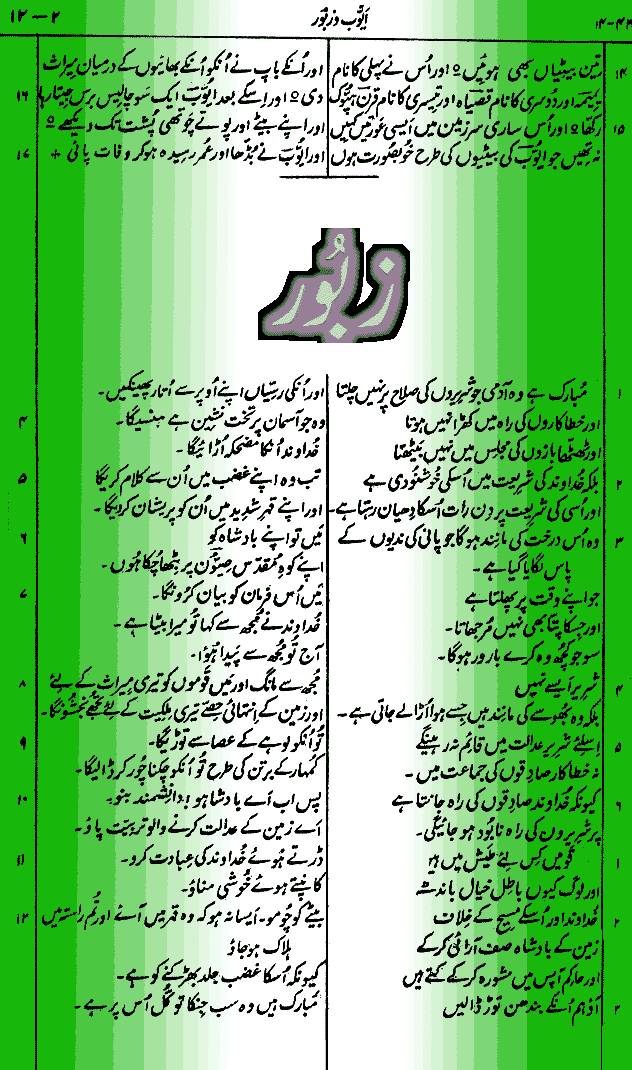
Verse: And he called the name of the first Jemima and the name of the second Kezia and the name of the third Keren-happuch
English Explanation: After his severe trials, God restores Job’s losses twofold, including blessing him with three beautiful daughters. This verse explicitly names them. The names themselves are symbolic of beauty, fragrance, and restoration. “Jemima” means “dove” (symbolizing peace), “Kezia” refers to “cassia” (a sweet spice), and “Keren-happuch” means “horn of eye-paint” (symbolizing cosmetic beauty and abundance). This marks a transition from Job’s days of mourning and ashes to a life filled with sweetness and celebration.
Urdu Explanation: شدید آزمائشوں کے بعد، خدا نے ایوب کی تمام تکالیف کو دور کیا اور انہیں دگنی برکت دی، جس میں تین خوبصورت بیٹیاں بھی شامل تھیں۔ اس آیت میں ان کے نام بتائے گئے ہیں۔ جمیما کا مطلب “فاختہ” (امن کی علامت)، قصیا کا مطلب “دارچینی/خوشبو”، اور کیرن ہپوک کا مطلب “خوبصورتی کا سنگھار” ہے۔ یہ نام اس بات کی گواہی دیتے ہیں کہ ایوب کی زندگی سے ماتم اور راکھ کا دور ختم ہو چکا تھا اور خوشحالی لوٹ آئی تھی۔
Job 42:15
Verse: And in all the land were no women found so fair as the daughters of Job and their father gave them inheritance among their brethren
English Explanation: Job’s daughters were renowned across the land for their exceptional beauty. Notably, Job grants them an inheritance alongside their brothers. In ancient Near Eastern culture, inheritance was typically reserved only for sons unless there were no male heirs. Job’s action demonstrates extraordinary love, fairness, and the immense wealth God had restored to him, showing that his daughters were highly valued members of the family.
Urdu Explanation: پوری سرزمین میں ایوب کی بیٹیوں جیسی خوبصورت عورتیں کہیں نہ تھیں۔ سب سے اہم بات یہ ہے کہ ایوب نے انہیں ان کے بھائیوں کے ساتھ وراثت میں حصہ دیا۔ اس قدیم دور کے ثقافتی رواج کے مطابق وراثت صرف بیٹوں کو ملتی تھی، لیکن ایوب کا یہ قدم ان کی بے پناہ محبت، برابری اور اس عظیم دولت کو ظاہر کرتا ہے جو خدا نے انہیں دوبارہ عطا کی تھی۔
Job 42:16
Verse: After this lived Job an hundred and forty years and saw his sons and his sons’ sons even four generations
English Explanation: This verse highlights the longevity and generational blessings Job experienced after his restoration. God granted him an additional 140 years of life, allowing him to see his descendants down to the fourth generation. Seeing one’s children, grandchildren, and great-grandchildren was considered the ultimate sign of divine favor, fulfillment, and a peaceful life in biblical times.
Urdu Explanation: یہ آیت ایوب کی طویل عمر اور خاندانی برکات کو ظاہر کرتی ہے۔ اپنی بحالی کے بعد، ایوب مزید 140 سال زندہ رہے اور انہوں نے اپنی چوتھی پشت تک بچوں اور پوتوں کو دیکھا۔ بائبل کے دور میں اپنی نسلوں کو پھلتے پھولتے دیکھنا خدا کی خاص خوشنودی، برکت اور ایک مطمئن زندگی کی علامت مانا جاتا تھا۔
Job 42:17
Verse: So Job died being old and full of days
English Explanation: The Book of Job concludes with his peaceful passing. The phrase “old and full of days” does not just mean he reached an advanced age; it signifies a life that was deeply satisfying, complete, and rich in spiritual and physical blessings. Despite the immense suffering he endured in the middle of his life, his story ends in absolute peace and victory.
Urdu Explanation: ایوب کی کتاب کا اختتام ان کی پرامن وفات پر ہوتا ہے۔ “بوڑھا اور عمر رسیدہ” (عمر سے مطمئن) ہونے کا مطلب صرف طویل عمر پانا نہیں، بلکہ ایک ایسی زندگی ہے جو روحانی اور جسمانی برکات سے بھرپور اور مکمل تھی۔ اس شدید دکھ اور تکلیف کے بعد جو انہوں نے برداشت کی تھی، ان کی زندگی کا انجام مکمل اطمینان اور فتح پر ہوا۔
Book of Psalms — Chapter 1
Psalms 1:1
Verse: Blessed is the man that walketh not in the counsel of the ungodly nor standeth in the way of sinners nor sitteth in the seat of the scornful
English Explanation: This foundational verse sets a contrast between the righteous and the wicked. A “blessed” person experiences true happiness and divine approval by actively avoiding three stages of spiritual decline: listening to the advice of the ungodly (walketh), adopting the lifestyle of sinners (standeth), and settling into a permanent attitude of mocking holy things (sitteth). Righteousness begins with separation from negative, ungodly influences.
Urdu Explanation: یہ آیت راستباز اور شریر انسان کے درمیان فرق کو واضح کرتی ہے۔ مبارک یا خوش نصیب وہ انسان ہے جو گناہ کی طرف لے جانے والے تین مراحل سے بچتا ہے: شریروں کی مشورت پر نہیں چلتا (سوچ)، گناہگاروں کی راہ میں نہیں کھڑا ہوتا (طرزِ زندگی)، اور ٹھٹھا بازوں کی مجلس میں نہیں بیٹھتا (مستقل رویہ)۔ راستبازی کا آغاز برے اثرات سے دوری اختیار کرنے سے ہوتا ہے۔
Psalms 1:2
Verse: But his delight is in the law of the LORD and in his law doth he meditate day and night
English Explanation: Instead of following the world, the righteous person finds true joy in God’s Word (“the law of the Lord”). To “meditate day and night” means constantly thinking about, studying, and applying Scripture to everyday life. It indicates a mind that is continuously focused on God’s truth, transforming a person’s character and choices.
Urdu Explanation: دنیاوی طور طریقوں کو اپنانے کے بجائے، راستباز انسان خدا کے کلام اور شریعت سے دلی خوشی حاصل کرتا ہے۔ “دن رات دھیان رکھنے” کا مطلب یہ ہے کہ وہ ہر وقت بائبل کی سچائیوں پر غور کرتا ہے، انہیں سیکھتا ہے اور اپنی روزمرہ زندگی میں نافذ کرتا ہے۔ یہ عمل انسان کے کردار اور فیصلوں کو بدل دیتا ہے۔
Psalms 1:3
Verse: And he shall be like a tree planted by the rivers of water that bringeth forth his fruit in his season his leaf also shall not wither and whatsoever he doeth shall prosper
English Explanation: The Psalmist uses the metaphor of a well-nourished tree to describe the righteous. Because this person is rooted in God’s Word, they have a constant supply of spiritual life (rivers of water). They remain productive (“fruit in his season”), resilient in times of trial (“leaf shall not wither”), and enjoy true spiritual and practical success (“whatsoever he doeth shall prosper”) because they align with God’s will.
Urdu Explanation: شاعر یہاں راستباز انسان کو پانی کے چشموں کے پاس لگے ہوئے ایک سرسبز درخت سے تشبیہ دیتا ہے۔ چونکہ یہ انسان خدا کے کلام سے جڑا ہوا ہے، اس لیے اسے روحانی زندگی کا مسلسل پانی ملتا رہتا ہے۔ وہ وقت پر پھل لاتا ہے، آزمائشوں کے وقت مرجھاتا نہیں، اور جو کچھ بھی کرتا ہے اس میں خدا کی برکت کے باعث کامیاب اور بامراد ہوتا ہے۔
Psalms 1:4
Verse: The ungodly are not so but are like the chaff which the wind driveth away
English Explanation: In sharp contrast to the firmly rooted, fruitful tree, the ungodly are compared to “chaff”—the useless, weightless husks left over during the grain threshing process. Chaff has no roots, no stability, and no value. When the wind blows, it is scattered and gone. This signifies that the lives of the wicked lack eternal value and security.
Urdu Explanation: پھلدار درخت کے برعکس، شریر لوگوں کی حالت “بھوسے” جیسی ہوتی ہے جو گندم کو صاف کرتے وقت اڑ جاتا ہے۔ بھوسے کی نہ تو جڑیں ہوتی ہیں، نہ استحکام اور نہ ہی کوئی قیمت۔ جب ہوا چلتی ہے تو وہ اڑ جاتا ہے۔ یہ اس بات کی علامت ہے کہ گناہگاروں کی زندگی میں ابدی استحکام اور روحانی قدر و قیمت نہیں ہوتی۔
Psalms 1:5
Verse: Therefore the ungodly shall not stand in the judgment nor sinners in the congregation of the righteous
English Explanation: Because the wicked lack substance and spiritual standing, they will not be able to vindicate themselves or survive God’s final judgment. They cannot mix permanently with the assembly of God’s people (“the congregation of the righteous”). When holiness is revealed, the ungodly will be separated from those who love God.
Urdu Explanation: چونکہ شریروں کے پاس روحانی بنیاد نہیں ہوتی، اس لیے وہ خدا کی عدالت کے دن قائم نہیں رہ سکیں گے اور نہ ہی ان کا گناہگار ہونا انہیں راستبازوں کی جماعت میں شامل رہنے دے گا۔ جب خدا کا انصاف ظاہر ہوگا، تو شریر اور گناہگار پاک لوگوں سے الگ کر دیے جائیں گے۔
Psalms 1:6
Verse: For the LORD knoweth the way of the righteous but the way of the ungodly shall perish
English Explanation: The chapter concludes with a declarative summary. God “knoweth” (watches over, loves, and approves of) the path of the righteous. Their destination is safe and secure in Him. On the other hand, the path chosen by the ungodly leads to absolute ruin, spiritual death, and eternal destruction.
Urdu Explanation: یہ باب ایک واضع خلاصے پر ختم ہوتا ہے۔ خداوند راستبازوں کی راہ کو “جانتا ہے” (یعنی ان کی حفاظت اور تائید کرتا ہے)۔ ان کی منزل خدا کے پاس محفوظ ہے۔ اس کے برعکس، شریروں اور خدا سے دور رہنے والوں کی راہ ہلاکت اور ہمیشہ کی بربادی کی طرف لے جاتی ہے۔
Book of Psalms — Chapter 2
Psalms 2:1
Verse: Why do the heathen rage and the people imagine a vain thing
English Explanation: This prophetic and Messianic Psalm opens with a rhetorical question expressing astonishment at human rebellion. The “heathen” (nations) and “the people” are seen plotting and raging against God’s established order. Their plans are described as a “vain thing” because trying to fight against the Almighty Creator is ultimately useless and bound to fail.
Urdu Explanation: یہ زبور انسان کی خدا کے خلاف سرکشی پر حیرت کا اظہار کرتے ہوئے ایک سوال سے شروع ہوتا ہے۔ غیر قومیں اور لوگ خدا کے قائم کردہ نظام کے خلاف غصے میں ہیں اور منصوبے بنا رہے ہیں۔ ان کی یہ سوچ اور کوشش “بیکار” اور فضول ہے کیونکہ قادرِ مطلق خدا کے خلاف جنگ کبھی کامیاب نہیں ہو سکتی۔
Psalms 2:2
Verse: The kings of the earth set themselves and the rulers take counsel together against the LORD and against his anointed saying
English Explanation: Political and worldly powers unite to conspire against God and His “Anointed” (Hebrew: Mashiach / Messiah). This refers historically to King David, but prophetically points directly to Jesus Christ. Earthly rulers often combine forces to resist God’s spiritual authority and truth, thinking they can overthrow divine governance.
Urdu Explanation: دنیا کے بادشاہ اور حاکم اکٹھے ہو کر خداوند اور اس کے “ممسوح” (یعنی مسيح) کے خلاف مشورت کر رہے ہیں۔ تاریخی طور پر اس سے مراد داؤد بادشاہ ہے، لیکن نبوت کے لحاظ سے یہ یسوع مسیح کی طرف اشارہ ہے۔ دنیاوی طاقتیں اکثر خدا کے روحانی اختیار اور سچائی کو مسترد کرنے کے لیے آپس میں اتحاد کر لیتی ہیں۔
Psalms 2:3
Verse: Let us break their bands asunder and cast away their cords from us
English Explanation: This verse records the actual words of the rebellious earthly rulers. They view God’s moral laws, commandements, and spiritual authority as restrictive “bands” and “cords” that chain them down. They want absolute independence to sin and rule without accountablity, demanding total freedom from divine law.
Urdu Explanation: یہ آیت سرکش دنیاوی حکمرانوں کے الفاظ کو بیان کرتی ہے۔ وہ خدا کے اخلاقی قوانین اور احکامات کو اپنے لیے “بندھن” اور “رسیاں” سمجھتے ہیں جو انہیں قید رکھتی ہیں۔ وہ خدا کی فرمانبرداری سے مکمل آزادی چاہتے ہیں تاکہ بغیر کسی خوف کے اپنی مرضی اور گناہ کی زندگی گزار سکیں۔
Psalms 2:4
Verse: He that sitteth in the heavens shall laugh the Lord shall have them in derision
English Explanation: In vivid contrast to the frantic plotting of earthly kings, God remains perfectly calm, seated on His heavenly throne. The text states that He “shall laugh” and hold their pride in “derision” (mockery). This anthropomorphic expression shows that human power, no matter how massive it seems to us, is completely insignificant and powerless before the sovereignty of God.
Urdu Explanation: دنیاوی بادشاہوں کی سازشوں کے برعکس، خدا آسمان پر اپنے تخت پر بالکل پرسکون متمکن ہے۔ کلام کہتا ہے کہ وہ ان کی نادانی اور غرور پر “ہنسے گا” اور ان کا مذاق اڑائے گا۔ یہ اس بات کو ظاہر کرتا ہے کہ انسان کی طاقت خدا کی حاکمیت کے سامنے بالکل ہیچ اور بے بس ہے۔
Psalms 2:5
Verse: Then shall he speak unto them in his wrath and vex them in his sore displeasure
English Explanation: God’s divine laughter turns into righteous judgment. When the appointed time comes, He speaks to the rebellious nations not in weakness, but in His holy “wrath.” His displeased judgment throws their plans into chaos and fills them with terror (“vex them”), establishing that God’s authority cannot be mocked indefinitely.
Urdu Explanation: خدا کا ہنسنا پھر اس کے برحق انصاف اور غضب میں بدل جاتا ہے۔ جب مقررہ وقت آتا ہے، تو وہ ان سرکش قوموں سے اپنے مقدس غصے کے ساتھ کلام کرتا ہے۔ اس کی ناراضگی ان کے منصوبوں کو درہم برہم کر دیتی ہے اور انہیں خوف و ہراس میں مبتلا کر دیتی ہے، جس سے ظاہر ہوتا ہے کہ خدا کے اختیار کا مذاق نہیں اڑایا جا سکتا۔
Psalms 2:6
Verse: Yet have I set my king upon my holy hill of Zion
English Explanation: Despite all human opposition, protests, and rebellion, God’s decree stands firm. He declares that He has already installed His chosen King upon Mount Zion, His holy hill. No earthly military or political power can remove the Messiah whom God has anointed to rule.
Urdu Explanation: انسانوں کی تمام تر مخالفت اور سرکشی کے باوجود، خدا کا فیصلہ اٹل رہتا ہے۔ وہ فرماتا ہے کہ “میں نے تو اپنے بادشاہ کو اپنے مقدس پہاڑ صیون پر بٹھا دیا ہے۔” کوئی بھی دنیاوی طاقت یا حکومت اس مسیح کو معزول نہیں کر سکتی جسے خدا نے حکومت کرنے کے لیے مقرر کیا ہے۔
Psalms 2:7
Verse: I will declare the decree the LORD hath said unto me Thou art my Son this day have I begotten thee
English Explanation: The anointed King now speaks, validating His divine authority. He quotes God’s eternal decree: “Thou art my Son; this day have I begotten thee.” In Christian theology and New Testament scriptures, this verse is recognized as a direct reference to the resurrection and supreme manifestation of Jesus Christ as the Son of God.
Urdu Explanation: اب وہ مقرر کردہ بادشاہ خود کلام کرتا ہے اور اپنے الٰہی اختیار کی تصدیق کرتا ہے۔ وہ خدا کے ابدی عہد کا ذکر کرتا ہے: “تو میرا بیٹا ہے، آج میں نے تجھے پیدا کیا۔” مسیحی الہیات اور نئے عہد نامے کے مطابق، یہ آیت براہ راست یسوع مسیح کی جی اٹھنے اور خدا کے بیٹے کے طور پر ان کے جلال کے ظہور کو ظاہر کرتی ہے۔
Psalms 2:8
Verse: Ask of me and I shall give thee the heathen for thine inheritance and the uttermost parts of the earth for thy possession
English Explanation: God the Father invites the Son to ask for His rightful kingdom. The inheritance offered is not limited to Israel; it spans the entire globe, encompassing all “the heathen” (nations) and the “uttermost parts of the earth.” This highlights the universal reign of the Messiah, who rules over all nations and creation.
Urdu Explanation: خداوند اپنے بیٹے (مسیح) کو دعوت دیتا ہے کہ وہ اپنی جائز بادشاہت کا تقاضا کرے۔ یہ وراثت صرف اسرائیل تک محدود نہیں ہے، بلکہ اس میں تمام غیر قومیں اور “زمین کے انتہا کے حصے” شامل ہیں۔ یہ آیت مسیح کی عالمگیر بادشاہت کو ظاہر کرتی ہے، جو تمام قوموں اور کائنات پر محیط ہے۔
Psalms 2:9
Verse: Thou shalt break them with a rod of iron thou shalt dash them in pieces like a potter’s vessel
English Explanation: This verse outlines the absolute authority and judgment power of the Messiah over those who reject His grace. A “rod of iron” symbolizes unyielding, unbreakable rule. The rebellious nations are compared to fragile clay pots (“a potter’s vessel”) that will easily shatter into pieces when judged by Christ.
Urdu Explanation: یہ آیت ان لوگوں پر مسیح کے مطلق اختیار اور عدالتی طاقت کو ظاہر کرتی ہے جو ان کے فضل کو مسترد کرتے ہیں۔ “لوہے کا عصا” ایک مضبوط اور اٹل حکومت کی علامت ہے۔ سرکش قوموں کو مٹی کے کچے برتنوں سے تشبیہ دی گئی ہے جو مسیح کے انصاف کے سامنے آسانی سے چکنا چور ہو جائیں گے۔
Psalms 2:10
Verse: Be wise now therefore O ye kings be instructed ye judges of the earth
English Explanation: In light of the inevitable judgment of God, the Psalmist shifts to an urgent appeal of mercy. Rulers, kings, and judges—who hold the highest human authority—are warned to lay aside their arrogance, act wisely, and receive divine instruction before it is too late.
Urdu Explanation: خدا کے ناگزیر انصاف کو مدنظر رکھتے ہوئے، شاعر یہاں رحم کی اپیل کرتا ہے۔ زمین کے بادشاہوں، حکمرانوں اور منصفوں کو تنبیہ کی گئی ہے کہ وہ اپنے غرور کو چھوڑ دیں، عقل مندی سے کام لیں، اور اس سے پہلے کہ دیر ہو جائے، خدا کی ہدایت اور تربیت کو قبول کریں۔
Psalms 2:11
Verse: Serve the LORD with fear and rejoice with trembling
English Explanation: True wisdom involves serving God with holy awe and reverence (“fear”). Joy and worship should not be casual or disrespectful; instead, believers must “rejoice with trembling.” This beautiful paradox teaches that while we celebrate God’s goodness, we must always maintain deep respect for His absolute holiness and power.
Urdu Explanation: سچی حکمت یہ ہے کہ انسان خدا کی خدمت پاکیزہ خوف اور تعظیم کے ساتھ کرے۔ ہماری خوشی اور پرستش میں لاپرواہی نہیں ہونی چاہیے، بلکہ ہمیں “کانپتے ہوئے خوش” ہونا چاہیے۔ یہ خوبصورت تضاد سکھاتا ہے کہ جہاں ہم خدا کی محبت کا جشن مناتے ہیں، وہیں ہمیں اس کی پاکیزگی اور قدرت کا گہرا احترام بھی رکھنا چاہیے۔
Psalms 2:12
Verse: Kiss the Son lest he be angry and ye perish from the way when his wrath is kindled but a little Blessed are all they that put their trust in him
English Explanation: To “kiss the Son” is an ancient token of showing submission, loyalty, and homage to a sovereign ruler. The verse warns that rejecting the Son leads to swift destruction when His righteous anger is triggered. However, the chapter ends on a note of grace: eternal blessing, safety, and joy belong to everyone who places their faith and trust in Him.
Urdu Explanation: “بیٹے کو چومو” قدیم زمانے میں کسی بادشاہ کے سامنے وفاداری، تابعداری اور محبت کا اظہار کرنے کی علامت تھا۔ یہ آیت خبردار کرتی ہے کہ بیٹے کو مسترد کرنا ہلاکت کا سبب بنتا ہے جب اس کا غضب بھڑکتا ہے۔ لیکن، اس زبور کا اختتام فضل کے وعدے پر ہوتا ہے: وہ سب جو اس پر توکل کرتے ہیں اور ایمان لاتے ہیں، ہمیشہ مبارک اور محفوظ ہیں۔