Chapter 22 (Verses 25-31)
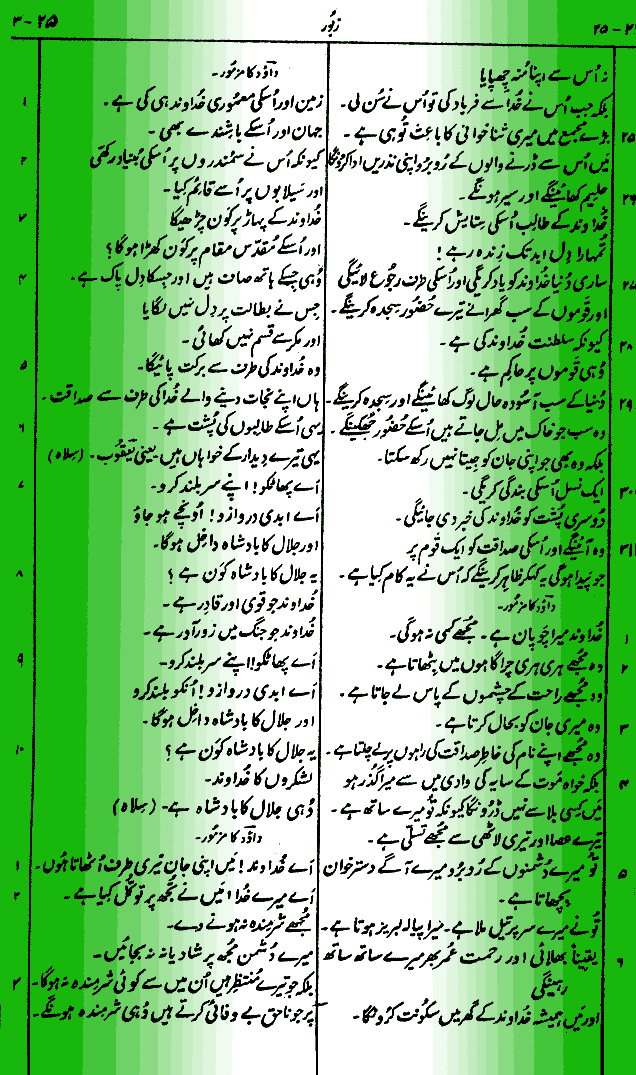
Psalms 22:25
Verse: My praise shall be of thee in the great congregation I will pay my vows before them that fear him
-
English Explanation: This verse transitions the tone of Psalm 22 from deep agony to triumphant public praise. The Psalmist recognizes that deliverance comes solely from God, prompting a public declaration of gratitude (“the great congregation”). Paying vows refers to fulfilling promises of thanksgiving and sacrifices made during times of distress, serving as a witness to other believers.
-
Urdu Explanation (تفصیلی وضاحت): اس آیت میں زبور نویس گہرے دکھ اور تکلیف سے نکل کر خدا کی عوامی شکر گزاری کی طرف بڑھتا ہے۔ وہ اقرار کرتا ہے کہ نجات صرف خدا کی طرف سے ملتی ہے، اس لیے وہ بڑی جماعت کے سامنے خدا کی حمد کرنے کا وعدہ کرتا ہے۔ “منّتیں پوری کرنا” ان وعدوں کی طرف اشارہ ہے جو انسان مصیبت کے وقت خدا سے کرتا ہے، اور اب وہ دوسرے ایمان داروں کے سامنے ان کو پورا کر کے خدا کی وفاداری کی گواہی دے رہا ہے۔
Psalms 22:26
Verse: The meek shall eat and be satisfied they shall praise the LORD that seek him your heart shall live for ever
-
English Explanation: God provides spiritual and physical nourishment to the humble and lowly (“the meek”). Unlike the proud, those who seek God find complete satisfaction in His presence. The blessing promised here is not temporary; it brings eternal life, rejuvenation, and lasting joy to the heart.
-
Urdu Explanation (تفصیلی وضاحت): خدا حلیم اور خاکسار لوگوں کو روحانی اور جسمانی طور پر سیر کرتا ہے۔ مغرور لوگوں کے برعکس، جو خدا کے طالب ہوتے ہیں وہ اس کے حضور میں کامل اطمینان پاتے ہیں۔ یہاں جس برکت کا وعدہ کیا گیا ہے وہ عارضی نہیں ہے، بلکہ یہ دل کو ابدی زندگی، تازگی اور کبھی نہ ختم ہونے والی خوشی بخشتی ہے۔
Psalms 22:27
Verse: All the ends of the world shall remember and turn unto the LORD and all the kindreds of the nations shall worship before thee
-
English Explanation: This is a powerful prophetic declaration of global revival. The scope of salvation expands beyond Israel to encompass all nations and corners of the earth. Humanity will remember God’s sovereign power, repent (“turn unto the LORD”), and unite in worldwide worship.
-
Urdu Explanation (تفصیلی وضاحت): یہ آیت عالمی بیداری کی ایک عظیم پیشن گوئی ہے۔ نجات کا دائرہ کار صرف اسرائیل تک محدود نہیں رہتا بلکہ زمین کے تمام کونوں اور قوموں تک پھیل جاتا ہے۔ بنی نوع انسان خدا کی حاکمیت اور قدرت کو یاد کرے گی، توبہ کرے گی (خداوند کی طرف رجوع کرے گی)، اور سب مل کر اس کے حضور سجدہ کریں گے۔
Psalms 22:28
Verse: For the kingdom is the LORD’s and he is the governor among the nations
-
English Explanation: The ultimate reason for universal worship is God’s absolute sovereignty. He is not merely a local deity; He is the supreme ruler of the cosmos and the supreme governor over all geopolitical entities and nations, directing human history according to His divine will.
-
Urdu Explanation (تفصیلی وضاحت): دنیا بھر میں خدا کی عبادت کیے جانے کی بنیادی وجہ اس کی مطلق بادشاہی ہے۔ وہ صرف کسی ایک علاقے کا خدا نہیں ہے، بلکہ وہ پوری کائنات کا حقیقی مالک اور تمام قوموں پر حکومت کرنے والا حاکمِ اعلیٰ ہے، جو انسانی تاریخ کو اپنی مرضی کے مطابق چلاتا ہے۔
Psalms 22:29
Verse: All they that be fat upon earth shall eat and worship all they that go down to the dust shall bow before him and none can keep alive his own soul
-
English Explanation: God’s authority humbles every economic and social class. “The fat upon earth” (the wealthy and powerful) will acknowledge Him, and “they that go down to the dust” (the dying, poor, or mortal humans) must bow before Him. It underscores human mortality, highlighting that no one can sustain their own life without God.
-
Urdu Explanation (تفصیلی وضاحت): خدا کی حاکمیت کے سامنے امیر اور غریب سب برابر ہیں۔ زمین کے “مالدار اور موٹے تازہ” (طاقتور لوگ) بھی اس کی عبادت کریں گے اور وہ بھی جو “خاک میں ملنے والے ہیں” (کمزور اور فانی انسان) اس کے سامنے جھکیں گے۔ یہ آیت انسانی فانی ہونے کو ظاہر کرتی ہے کہ کوئی بھی انسان خدا کی مرضی کے بغیر اپنی جان کو زندہ نہیں رکھ سکتا۔
Psalms 22:30
Verse: A seed shall serve him it shall be accounted to the Lord for a generation
-
English Explanation: God’s praise will endure through future generations. A “seed” refers to descendants or spiritual offspring who will continue to serve Him. Every generation of believers is recorded and recognized by God as His chosen people, ensuring the continuation of faith.
-
Urdu Explanation (تفصیلی وضاحت): خدا کی حمد و ثنا مستقبل کی نسلوں تک جاری رہے گی۔ “نسل” یا “بیج” سے مراد آنے والی اولاد یا روحانی نسل ہے جو خدا کی بندگی کرتی رہے گی۔ ایمان داروں کی ہر نسل کو خداوند اپنی خاص امت کے طور پر شمار کرتا ہے، جس سے ایمان کا تسلسل قائم رہتا ہے۔
Psalms 22:31
Verse: They shall come and shall declare his righteousness unto a people that shall be born that he hath done this
-
English Explanation: This concludes the psalm with a message of legacy and fulfillment. Future believers will actively proclaim God’s faithfulness and saving righteousness to generations yet unborn. The phrase “that he hath done this” mirrors the triumphant declaration of completion, much like Christ’s words on the cross, “It is finished.”
-
Urdu Explanation (تفصیلی وضاحت): یہ آیت اس زبور کا اختتام ایک عظیم پیغام کے ساتھ کرتی ہے۔ آنے والے لوگ خدا کی صداقت اور اس کے نجات کے کاموں کا پرچار ان نسلوں سے کریں گے جو ابھی پیدا بھی نہیں ہوئیں۔ “کہ اس نے یہ کیا ہے” کا مطلب یہ ہے کہ خدا نے نجات کا کام مکمل کر دیا ہے، جو مسیح کے مصلوبیت کے وقت کہے گئے الفاظ “پورا ہوا” کی یاد دلاتا ہے۔
Chapter 23
Psalms 23:1
Verse: The LORD is my shepherd I shall not want
-
English Explanation: One of the most famous declarations in Scripture, this verse establishes an intimate relationship between God and the believer. By portraying God as a Shepherd, David emphasizes provision, guidance, and protective care. Because the Lord is all-sufficient, the believer will lack no essential spiritual or material good.
-
Urdu Explanation (تفصیلی وضاحت): پاک کلام کی سب سے مشہور آیات میں سے ایک، یہ آیت خدا اور مومن کے درمیان ایک گہرے اور قریبی رشتے کو ظاہر کرتی ہے۔ خدا کو ایک “چرواہے” کے طور پر پیش کر کے داؤد اس کی مہیا کرنے والی، رہنمائی کرنے والی اور حفاظت کرنے والی قدرت پر زور دیتا ہے۔ چونکہ خداوند سب کچھ فراہم کرنے والا ہے، اس لیے مومن کو کسی بھی روحانی یا مادی چیز کی کمی نہیں ہوگی۔
Psalms 23:2
Verse: He maketh me to lie down in green pastures he leadeth me beside the still waters
-
English Explanation: The Shepherd provides rest, peace, and spiritual refreshment. “Green pastures” symbolize abundant nourishment and spiritual food, while “still waters” represent absolute peace, calming the anxieties of the soul and offering a safe environment to recover strength.
-
Urdu Explanation (تفصیلی وضاحت): سچا چرواہا اپنے گلے کو آرام، اطمینان اور روحانی تازگی بخشتا ہے۔ “ہری ہری چراگاہیں” کثرت کی خوراک اور روحانی غذا کی علامت ہیں، جبکہ “تھمے ہوئے پانی” کامل امن اور سکون کو ظاہر کرتے ہیں جو روح کے اضطراب کو دور کرتے ہیں اور انسان کو پرسکون ماحول دیتے ہیں۔
Psalms 23:3
Verse: He restoreth my soul he leadeth me in the paths of righteousness for his name’s sake
-
English Explanation: When the believer is weary, discouraged, or wanders off, God restores their spiritual vitality and emotional strength. He guides them along moral and righteous paths, not because of human merit, but to preserve and glorify His own holy name and reputation.
-
Urdu Explanation (تفصیلی وضاحت): جب مومن تھک جاتا ہے، مایوس ہوتا ہے یا بھٹک جاتا ہے، تو خدا اس کی روح کو نئی زندگی اور جذباتی طاقت بخشتا ہے۔ وہ انسان کی رہنمائی صداقت اور سچائی کی راہوں پر کرتا ہے، اور یہ وہ اپنے نام کی عزت اور جلال کے لیے کرتا ہے، نہ کہ انسان کی کسی خوبی کی وجہ سے۔
Psalms 23:4
Verse: Yea though I walk through the valley of the shadow of death I will fear no evil for thou art with me thy rod and thy staff they comfort me
-
English Explanation: Even in life’s darkest, most perilous moments (“the valley of the shadow of death”), the believer is delivered from paralyzing fear because of God’s immediate presence. The “rod” (used to drive away predators) and the “staff” (used to guide and rescue sheep) symbolize God’s protective defense and loving correction.
-
Urdu Explanation (تفصیلی وضاحت): زندگی کے تاریک ترین اور خطرناک ترین لمحات (“موت کے سایہ کی وادی”) میں بھی، مومن خوف زدہ نہیں ہوتا کیونکہ خدا کی حضوری اس کے ساتھ ہوتی ہے۔ چرواہے کا “لاٹھی” (دشمنوں کو بھگانے کے لیے) اور “عصا” (بھیڑوں کی رہنمائی اور انہیں بچانے کے لیے) خدا کی حفاظتی ڈھال اور اس کی محبت بھری رہنمائی کی علامت ہیں۔
Psalms 23:5
Verse: Thou preparest a table before me in the presence of mine enemies thou anointest my head with oil my cup runneth over
-
English Explanation: The imagery shifts from a shepherd to a lavish host. God honors, sustains, and blesses His children openly, even while enemies look on helplessly. Anointing the head with oil signifies joy, consecration, and hospitality, while the overflowing cup symbolizes a life superabundantly filled with divine blessings.
-
Urdu Explanation (تفصیلی وضاحت): یہاں تشبیہ ایک چرواہے سے بدل کر ایک سخی میزبان کی صورت اختیار کر لیتی ہے۔ خدا اپنے بچوں کو علانیہ طور پر برکت اور عزت دیتا ہے، یہاں تک کہ ان کے دشمن بے بس ہو کر دیکھتے رہ جاتے ہیں۔ سر پر “تیل ملنا” خوشی، تقدیس اور مہمان نوازی کی علامت ہے، اور “جام کا لبریز ہونا” الٰہی برکات کی کثرت کو ظاہر کرتا ہے۔
Psalms 23:6
Verse: Surely goodness and mercy shall follow me all the days of my life and I will dwell in the house of the LORD for ever
-
English Explanation: This verse expresses absolute certainty in God’s continuous grace. Instead of enemies pursuing the believer, God’s loving-kindness (“goodness and mercy”) aggressively pursues them throughout earthly life. The ultimate destination and destiny of the believer is eternal communion in the direct presence of God (“the house of the LORD”).
-
Urdu Explanation (تفصیلی وضاحت): یہ آیت خدا کے مستقل فضل پر کامل یقین کا اظہار کرتی ہے۔ دشمنوں کے تعاقب کے بجائے، خدا کی بھلائی اور رحمت زندگی بھر مومن کا پیچھا کرتی رہتی ہیں۔ مومن کی آخری منزل اور ابدی ٹھکانہ خدا کے گھر میں ہمیشہ تک رہنا اور اس کے حضور کا لطف اٹھانا ہے۔
Chapter 24
Psalms 24:1
Verse: The earth is the LORD’s and the fulness thereof the world and they that dwell therein
-
English Explanation: This opens a majestic liturgical psalm declaring God’s total ownership of the cosmos. Everything created—the physical earth, its resources, ecosystems, and every single human being—belongs entirely to the Lord by right of creation.
-
Urdu Explanation (تفصیلی وضاحت): یہ آیت خدا کی کائنات پر مکمل ملکیت کا شاندار اعلان کرتی ہے۔ زمین کی ہر چیز—مادی دنیا، اس کے وسائل، قدرت اور اس میں رہنے والے تمام انسان—پیدائش کے حق کے تحت مکمل طور پر خداوند ہی کی ملکیت ہیں۔
Psalms 24:2
Verse: For he hath founded it upon the seas and established it upon the floods
-
English Explanation: Using ancient poetic cosmology, this verse explains why the earth belongs to God: He created it. Out of chaotic waters (“seas” and “floods”), God established order, structure, and stability, creating a firm and habitable world for mankind.
-
Urdu Explanation (تفصیلی وضاحت): قدیم شاعری کے انداز میں یہ آیت واضح کرتی ہے کہ زمین خدا کی کیوں ہے: کیونکہ اس نے اسے پیدا کیا ہے۔ افراتفری اور گہرے پانیوں (“سمندروں اور دریاؤں”) کے اوپر خدا نے زمین کو قائم کیا، اسے ترتیب دی اور انسان کے رہنے کے لیے ایک مضبوط اور مستحکم دنیا بنائی۔
Psalms 24:3
Verse: Who shall ascend into the hill of the LORD? or who shall stand in his holy place?
-
English Explanation: This introduces a vital question regarding spiritual access to a holy God. “The hill of the LORD” refers to Mount Zion, the place of God’s dwelling. The verse asks who is spiritually qualified and morally pure enough to approach God’s presence and remain there in fellowship.
-
Urdu Explanation (تفصیلی وضاحت): یہ آیت ایک مقدس خدا تک رسائی حاصل کرنے کے بارے میں ایک اہم سوال اٹھاتی ہے۔ “خداوند کے پہاڑ” سے مراد کوہِ صیون ہے، جہاں خدا کی سکونت تھی۔ آیت پوچھتی ہے کہ روحانی اور اخلاقی طور پر کون اس قابل ہے کہ وہ خدا کے حضور جا سکے اور اس کی رفاقت میں کھڑا رہ سکے۔
Psalms 24:4
Verse: He that hath clean hands and a pure heart who hath not lifted up his soul unto vanity nor sworn deceitfully
-
English Explanation: God responds with strict moral and spiritual prerequisites. True worshipers must possess “clean hands” (righteous actions) and a “pure heart” (holy motives). They must reject idolatry (“vanity”) and practice absolute honesty, refusing to engage in deceit or false oaths.
-
Urdu Explanation (تفصیلی وضاحت): خدا اس کا جواب سخت اخلاقی اور روحانی شرائط کے ساتھ دیتا ہے۔ سچے عبادت گزاروں کے “ہاتھ صاف” (پاکیزہ اعمال) اور “دل پاک” (پاک نیتیں) ہونے چاہئیں۔ وہ بت پرستی اور جھوٹ (بطلان) سے دور رہیں اور اپنی زندگی میں دیانت داری کو اپنائیں، کبھی دھوکہ دہی یا جھوٹی قسم نہ کھائیں۔
Psalms 24:5
Verse: He shall receive the blessing from the LORD and righteousness from the God of his salvation
-
English Explanation: The person who approaches God with purity of heart does not earn salvation by works, but receives divine favor as a gift. God rewards them with His profound blessings and imparts righteousness, validating them as vindicated and saved.
-
Urdu Explanation (تفصیلی وضاحت): جو شخص پاک دل کے ساتھ خدا کے پاس آتا ہے، وہ اپنے اعمال سے نجات حاصل نہیں کرتا بلکہ خدا کے فضل کو ایک تحفے کے طور پر پاتا ہے۔ خدا اسے برکتوں سے نوازتا ہے اور اپنے نجات دینے والے ہاتھ سے اسے راستبازی کا لباس پہناتا ہے۔
Psalms 24:6
Verse: This is the generation of them that seek him that seek thy face O Jacob Selah
-
English Explanation: This defines the true Israel—the genuine corporate community of faith. True believers are characterized by their active pursuit of God’s face (His intimate presence). The word “Selah” calls for a meditative pause to reflect on these profound spiritual standards.
-
Urdu Explanation (تفصیلی وضاحت): یہ آیت سچی ایماندار قوم کی تعریف کرتی ہے۔ حقیقی مومنین کی پہچان یہ ہے کہ وہ ہر وقت خدا کے چہرے (اس کی قریبی حضوری) کے طالب رہتے ہیں۔ لفظ “سِلاہ” یہاں ایک پُرسکون وقفے کا تقاضا کرتا ہے تاکہ ان گہرے روحانی معیاروں پر غور کیا جا سکے۔
Psalms 24:7
Verse: Lift up your head O ye gates and be ye lift up ye everlasting doors and the King of glory shall come in
-
English Explanation: This is a grand prophetic command for the ancient gates of Jerusalem or the spiritual doorways of human hearts to open wide. It depicts a triumphant entry where the doors must expand to accommodate the immense grandeur of the entering Sovereign King.
-
Urdu Explanation (تفصیلی وضاحت): یہ یروشلم کے قدیم پھاٹکوں یا انسانی دلوں کے روحانی دروازوں کو کھلنے کا ایک شاندار حکمیہ کلام ہے۔ یہ ایک فاتحانہ آمد کی عکاسی کرتا ہے جہاں دروازوں کو بلند ہونا پڑے گا تاکہ داخل ہونے والے جلال کے بادشاہ کی عظمت اور بڑائی کا استقبال کیا جا سکے۔
Psalms 24:8
Verse: Who is this King of glory? The LORD strong and mighty the LORD mighty in battle
-
English Explanation: A dramatic question-and-answer format is used here. When asked who this King is, the response declares His warrior attribute. He is Yahweh, omnipotent (“strong and mighty”) and victorious over all spiritual, cosmic, and physical adversaries (“mighty in battle”).
-
Urdu Explanation (تفصیلی وضاحت): یہاں ایک ڈرامائی سوال و جواب کا انداز اپنایا گیا ہے۔ جب پوچھا جاتا ہے کہ یہ جلال کا بادشاہ کون ہے، تو جواب ملتا ہے کہ وہ یہوواہ خدا ہے، جو قادرِ مطلق ہے اور اپنے تمام روحانی اور جسمانی دشمنوں پر فتح پانے والا ایک عظیم جنگجو ہے۔
Psalms 24:9
Verse: Lift up your heads O ye gates even lift them up ye everlasting doors and the King of glory shall come in
-
English Explanation: The command from verse 7 is repeated for intense rhetorical emphasis. This underscores the certainty, urgency, and supreme importance of welcoming the King of Glory into His sanctuary and into the hearts of His people.
-
Urdu Explanation (تفصیلی وضاحت): آیت نمبر 7 کے حکم کو دوبارہ دہرایا گیا ہے تاکہ بات پر مزید زور دیا جا سکے۔ یہ اس بات کی یقین دہانی اور اہمیت کو ظاہر کرتا ہے کہ جلال کے بادشاہ کا اپنے مقدس مکان اور اپنے لوگوں کے دلوں میں استقبال کرنا کتنا ضروری اور فوری ہے۔
Psalms 24:10
Verse: Who is this King of glory? The LORD of hosts he is the King of glory Selah
-
English Explanation: The psalm concludes by revealing the King’s definitive title: “The LORD of hosts” (Lord of Heaven’s Armies). He rules over angelic armies and all cosmic forces. The final “Selah” invites deep contemplation of God’s ultimate power, majesty, and eternal reign.
-
Urdu Explanation (تفصیلی وضاحت): اس زبور کا اختتام بادشاہ کے اصل نام کے انکشاف کے ساتھ ہوتا ہے: “رب الافواج” (آسمانی لشکروں کا خدا)۔ وہ تمام فرشتوں اور کائناتی قوتوں پر حکمرانی کرتا ہے۔ آخری “سِلاہ” ہمیں خدا کی آخری قدرت، جلال اور ابدی بادشاہی پر گہرا غور و فکر کرنے کی دعوت دیتا ہے۔
Chapter 25 (Verses 1-3)
Psalms 25:1
Verse: Unto thee O LORD do I lift up my soul
-
English Explanation: David opens this prayer with an act of total dependence, surrender, and focused devotion. To “lift up the soul” means to redirect one’s desires, affections, and trust away from worldly distractions and place them entirely in God’s hands.
-
Urdu Explanation (تفصیلی وضاحت): داؤد اس دعا کا آغاز مکمل انحصار، سپردگی اور سچی عقیدت کے ساتھ کرتا ہے۔ اپنی “روح کو خدا کی طرف اٹھانے” کا مطلب یہ ہے کہ انسان اپنی تمام خواہشات، محبت اور بھروسہ دنیاوی چیزوں سے ہٹا کر مکمل طور پر خدا کے ہاتھوں میں سونپ دے۔
Psalms 25:2
Verse: O my God I trust in thee let me not be ashamed let not mine enemies triumph over me
-
English Explanation: This is a plea for protection based on deep personal faith. David expresses reliance on God and begs that his trust will not lead to public humiliation (“let me not be ashamed”). He asks that his physical or spiritual enemies do not gain a ultimate victory over him, vindicating his faith.
-
Urdu Explanation (تفصیلی وضاحت): یہ گہرے ذاتی ایمان پر مبنی حفاظت کی ایک التجا ہے۔ داؤد خدا پر اپنے توکل کا اظہار کرتا ہے اور دعا کرتا ہے کہ اس کا یہ بھروسہ اسے رسوائی اور شرمندگی کی طرف نہ لے جائے (“میں شرمندہ نہ ہوں”)۔ وہ مانگتا ہے کہ اس کے ظاہری یا باطنی دشمنوں کو اس پر فتح حاصل نہ ہو، تاکہ اس کے ایمان کی لاج رہ جائے۔
Psalms 25:3
Verse: Yea let none that wait on thee be ashamed let them be ashamed which transgress without cause
-
English Explanation: David broadens his prayer from a personal request to a universal spiritual principle. Anyone who patiently relies on God (“wait on thee”) will never face ultimate disappointment or shame. Instead, shame will rightfully fall upon those who willfully rebel, sin, or cause harm without any justification.
-
Urdu Explanation (تفصیلی وضاحت): داؤد اپنی دعا کو ذاتی درخواست سے بڑھا کر ایک عالمگیر روحانی اصول میں بدل دیتا ہے۔ کوئی بھی شخص جو صبر کے ساتھ خدا کا انتظار کرتا ہے اور اس پر آس رکھتا ہے، وہ کبھی مایوس یا شرمندہ نہیں ہوگا۔ اس کے برعکس، شرمندگی ان لوگوں کا مقدر بنے گی جو بلاوجہ گناہ کرتے ہیں، سرکشی کرتے ہیں اور دوسروں کو نقصان پہنچاتے ہیں۔