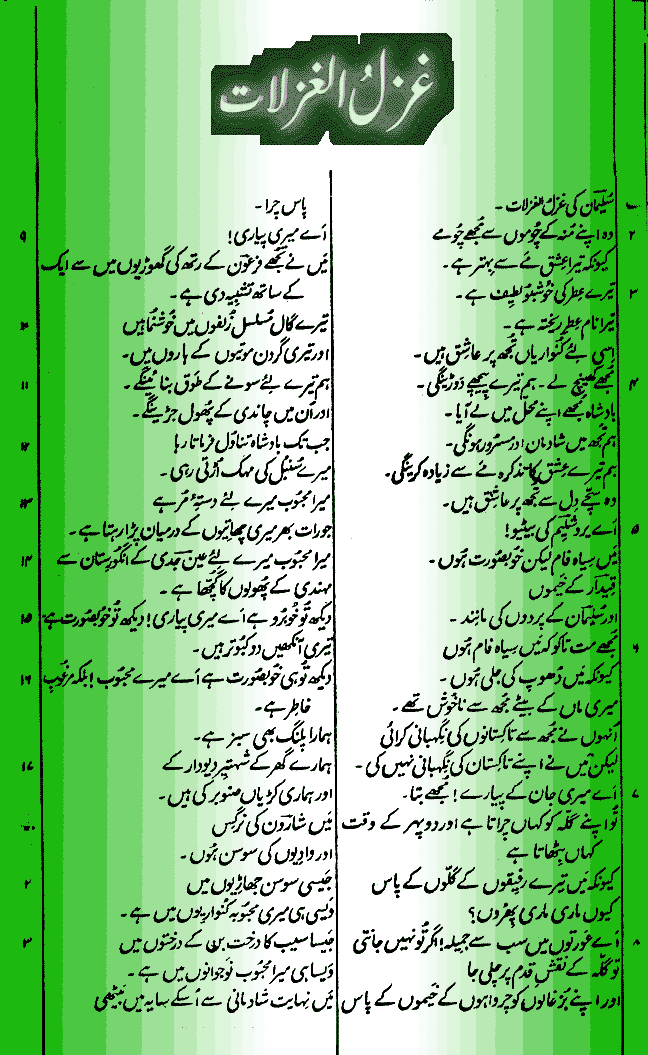
Chapter 1
Song 1 1
Verse: The song of songs which is Solomon’s
English Explanation
This introductory verse establishes the title and authorship of the book. Known as the “Song of Songs,” this Hebrew idiom signifies the most excellent, beautiful, and superlative song ever written, surpassing all others. It is attributed to King Solomon, famous for his wisdom and vast collection of songs. Allegorically, this verse sets the stage for a profound expression of love, representing either the historical romance between Solomon and the Shulamite woman, or the ultimate spiritual bond between God and Israel, and Christ and the Church.
Urdu Explanation
یہ تعارفی آیت اس کتاب کے عنوان اور مصنف کو ظاہر کرتی ہے۔ عبرانی زبان میں “گیتوں کا گیت” (Song of Songs) کا مطلب ہے تمام گیتوں سے افضل، خوبصورت اور اعلیٰ ترین گیت۔ یہ بادشاہ سلیمان سے منسوب ہے جو اپنی حکمت اور ہزاروں گیت لکھنے کے لیے مشہور تھے۔ روحانی اور تمثیلی طور پر یہ گیت خدا اور اس کی امت (یا مسیح اور کلیسیا) کے درمیان گہرے اور پاکیزہ محبت کے رشتے کو ظاہر کرتا ہے۔
Song 1 2
Verse: Let him kiss me with the kisses of his mouth for thy love is better than wine
English Explanation
The poem opens abruptly with the bride expressing an intense, passionate desire for her beloved. The “kisses of his mouth” symbolize intimacy, affection, and personal reconciliation. She declares that his love is far superior to “wine,” which in the ancient world represented the highest form of earthly joy, celebration, and luxury. Spiritually, it signifies the soul’s deep longing for direct communion with the Divine, finding God’s love more fulfilling than any worldly pleasure.
Urdu Explanation
یہاں محبوبہ (دلہن) اپنے محبوب کے لیے شدید محبت اور قربت کی خواہش کا اظہار کر رہی ہے۔ “منہ کے چومنے” سے مراد انتہائی قربت، دلی سکون اور پیار ہے۔ وہ کہتی ہے کہ اس کے محبوب کی محبت “مے” (شراب) سے بہتر ہے، جو اس دور میں دنیاوی خوشی، جشن اور آسائش کی سب سے بڑی علامت تھی۔ روحانی طور پر یہ آیت دنیاوی لذتوں کے مقابلے میں خدا کی محبت اور قربت کی برتری کو ظاہر کرتی ہے۔
Song 1 3
Verse: Because of the savour of thy good ointments thy name is as ointment poured forth therefore do the virgins love thee
English Explanation
The bride praises the character and reputation of her beloved. “Ointments” (perfumes) in biblical times were costly and associated with royalty, health, and honor. To say his “name is as ointment poured forth” means his reputation is beautiful, soothing, and widespread. Because of his flawless, noble character, he is universally admired and loved by the “virgins” (the maidens of the court). Spiritually, this represents the sweet-smelling righteousness of God and the magnetic nature of His holy character.
Urdu Explanation
اس آیت میں دلہن اپنے محبوب کے اعلیٰ کردار اور نیک نامی کی تعریف کر رہی ہے۔ قدیم زمانے میں قیمتی عطر یا خوشبودار تیل امارت، عزت اور پاکیزگی کی علامت ہوتے تھے۔ محبوب کے نام کو “بہائے ہوئے عطر” سے تشبیہ دینے کا مطلب یہ ہے کہ اس کی نیک نامی ہر طرف پھیلی ہوئی ہے اور اس کا کردار انتہائی دلکش ہے، اسی لیے سب اس سے محبت کرتے ہیں۔ روحانی طور پر یہ خدا کے پاکیزہ کردار اور اس کی محبت کی خوشبو کو ظاہر کرتا ہے۔
Song 1 4
Verse: Draw me we will run after thee the king hath brought me into his chambers we will be glad and rejoice in thee we will remember thy love more than wine the upright love thee
English Explanation
The bride petitions her beloved to initiate their journey together (“Draw me”), showing her willingness to follow him eagerly (“we will run”). She celebrates being brought into the intimate fellowship of “his chambers”—a place of privacy and deep connection. The community joins in to praise this love, reiterating that true, upright people naturally love what is pure and good. It symbolizes the believer’s prayer for divine attraction and the joy of entering into God’s presence.
Urdu Explanation
دلہن اپنے محبوب سے التجا کرتی ہے کہ وہ اسے اپنی طرف کھینچے تاکہ وہ خوشی سے اس کے پیچھے بھاگے۔ وہ اس بات پر شادمان ہے کہ بادشاہ اسے اپنے “خلوت خانوں” (خاص کمروں) میں لے گیا ہے جو کہ گہری قربت کی جگہ ہے۔ سچی اور سیدھی راہ پر چلنے والے لوگ اس پاکیزہ محبت کی قدر کرتے ہیں۔ روحانی لحاظ سے یہ بندے کی خدا کے حضور پہنچنے کی دعا اور اس کی حضوری میں ملنے والی خوشی کو بیان کرتا ہے۔
Song 1 5
Verse: I am black but comely O ye daughters of Jerusalem as the tents of Kedar as the curtains of Solomon
English Explanation
The Shulamite bride addresses the women of the royal court (“daughters of Jerusalem”). She acknowledges her sun-darkened skin (“black”) due to working outdoors, yet confidently asserts her inner and natural beauty (“comely”). She compares her dark appearance to the weather-beaten “tents of Kedar” (made of black goat hair), but her intrinsic value to the luxurious “curtains of Solomon.” Spiritually, this depicts the human soul acknowledging its outward flaws and sinful nature, yet recognizing it is beautiful and deeply valued by God.
Urdu Explanation
یہاں شولمیت (دلہن) یروشلم کی بیٹیوں سے مخاطب ہو کر اپنی ظاہری حالت کا ذکر کرتی ہے۔ وہ کہتی ہے کہ دھوپ میں کام کرنے کی وجہ سے اس کا رنگ سانولا یا کالا ہو گیا ہے، لیکن وہ اندرونی طور پر خوبصورت ہے۔ وہ اپنی رنگت کو “کیدار کے خیموں” (جو سیاہ بکری کے بالوں سے بنتے تھے) سے اور اپنی خوبصورتی کو “سلیمان کے پردوں” سے تشبیہ دیتی ہے۔ روحانی طور پر یہ انسان کی عاجزی اور خدا کی نظر میں اس کی گرانقدری کو ظاہر کرتا ہے۔
Song 1 6
Verse: Look not upon me because I am black because the sun hath looked upon me my mother’s children were angry with me they made me the keeper of the vineyards but mine own vineyard have I not kept
Explanation
The bride explains the reason for her dark complexion, asking others not to stare or judge her. Her brothers (“my mother’s children”) were harsh with her and forced her to labor out in the sun to guard their vineyards. Consequently, she neglected her own personal care (“mine own vineyard”). This showcases her humility, hardworking nature, and vulnerability. Spiritually, it warns against being so consumed with looking after the spiritual or physical needs of others that one neglects their own personal relationship with God.
Urdu Explanation
دلہن اپنی سانولی رنگت کی وجہ بیان کرتے ہوئے کہتی ہے کہ اسے حقارت سے نہ دیکھا جائے کیونکہ یہ رنگت دھوپ کی وجہ سے ہوئی ہے۔ اس کے سوتیلے بھائیوں نے اس پر سختی کی اور اسے اپنے انگور کے باغوں کی نگہبانی پر لگا دیا، جس کی وجہ سے وہ خود اپنی ذات اور خوبصورتی (اپنے باغ) کا خیال نہ رکھ سکی۔ روحانی معنوں میں یہ ایک انتباہ ہے کہ دوسروں کی خدمت یا کاموں میں اتنا مصروف نہیں ہونا چاہیے کہ انسان اپنی ذاتی روحانی حالت اور خدا کے ساتھ اپنے رشتے کو نظر انداز کر دے۔
Song 1 7
Verse: Tell me O thou whom my soul loveth where thou feedest where thou makest thy flock to rest at noon for why should I be as one that turneth aside by the flocks of thy companions
English Explanation
The bride seeks her beloved, who is working as a shepherd. She asks where he grazes his flock and where they rest during the scorching heat of the “noon.” She desires to find him directly rather than wandering aimlessly like a veiled woman or an outcast among the flocks of his companions. This emphasizes a desire for exclusive fellowship, clarity, and safety. Spiritually, it reflects the soul’s earnest search for Christ, the Good Shepherd, seeking spiritual nourishment and rest in Him.
Urdu Explanation
دلہن اپنے محبوب کو ڈھونڈ رہی ہے جو ایک چرواہے کے روپ میں ہے۔ وہ اس سے پوچھتی ہے کہ وہ دوپہر کی شدید گرمی میں اپنی بھیڑوں کو کہاں چراتا اور آرام کرواتا ہے۔ وہ بھٹکنے اور اجنبیوں کے گلوں کے پاس جانے کے بجائے سیدھی اپنے محبوب کے پاس جانا چاہتی ہے۔ روحانی طور پر یہ آیت مومن کی اپنے حقیقی چرواہے (خدا) کو پانے اور اس کی پناہ میں آرام حاصل کرنے کی دلی تڑپ کو ظاہر کرتی ہے۔
Song 1 8
Verse: If thou know not O thou fairest among women go thy way forth by the footsteps of the flock and feed thy kids beside the shepherds’ tents
English Explanation
The beloved (or the chorus) responds to her inquiry with tenderness, addressing her as the “fairest among women.” He instructs her that if she cannot find him, she should simply follow the established path—the “footsteps of the flock”—and bring her young goats to feed near the shepherds’ tents. This indicates that by staying faithful to daily duties and remaining within the community of believers, she will inevitably find him.
Urdu Explanation
یہاں محبوب (یا سہیلیوں کا گروہ) اسے محبت سے جواب دیتا ہے اور اسے “عورتوں میں سب سے خوبصورت” کہتا ہے۔ وہ اسے مشورہ دیتا ہے کہ اگر وہ اسے نہیں پا سکتی تو وہ بھیڑوں کے کھروں کے نشانات (پرانے راستے) پر چلے اور اپنے بچوں (بکریوں) کو چرواہوں کے ڈیروں کے پاس چرائے۔ روحانی طور پر اس کا مطلب یہ ہے کہ ایمانداری کے راستے پر چلتے رہنے اور بزرگوں کے نقشِ قدم پر چلنے سے انسان خدا کی قربت پا لیتا ہے۔
Song 1 9
Verse: I have compared thee O my love to a company of horses in Pharaoh’s chariots
English Explanation
The king compliments his bride using a powerful cultural metaphor of the ancient world. Egyptian royal horses in Pharaoh’s chariots were world-renowned for their ultimate beauty, strength, grace, and majestic stature. By comparing her to these select steeds, he is praising her regal bearing, striking presence, and commanding beauty. She is not ordinary; she possesses a noble and captivating elegance.
Urdu Explanation
محبوب اپنی دلہن کی تعریف اس دور کے ایک شاہانہ استعارے سے کرتا ہے۔ فرعون کے رتھوں کے مصری گھوڑے اپنی طاقت، خوبصورتی، چستی اور شاہانہ وقار کے لیے پوری دنیا میں مشہور تھے۔ اپنی محبوبہ کو ان سے تشبیہ دے کر وہ اس کی خوبصورتی، وقار اور دلکشی کی تعریف کر رہا ہے کہ وہ عام نہیں بلکہ شاہانہ صفات کی مالک ہے۔
Song 1 10
Verse: Thy cheeks are comely with rows of jewels thy neck with chains of gold
English Explanation
The beloved focuses on her specific features, admiring how her natural beauty is enhanced by ornaments. Her cheeks are framed beautifully with rows of jewels, and her neck is adorned with elegant gold chains. This imagery highlights her dignity, high status, and the loving care bestowed upon her. Allegorically, these ornaments represent the virtues, graces, and spiritual gifts that adorn a soul devoted to God.
Urdu Explanation
محبوب اپنی دلہن کے چہرے اور گردن کی خوبصورتی کی تعریف کرتا ہے۔ اس کے گال زیورات کی لڑیوں سے اور اس کی گردن سونے کے ہاروں سے سجنے کے بعد اور بھی دلکش لگ رہی ہے۔ یہ منظر اس کی عزت، حرمت اور خوبصورتی کو ظاہر کرتا ہے۔ روحانی طور پر یہ زیورات ان اخلاقی اور روحانی خوبیوں کو ظاہر کرتے ہیں جو خدا اپنے بندوں کو عطا کرتا ہے۔
Song 1 11
Verse: We will make thee borders of gold with studs of silver
English Explanation
The friends (or the beloved) promise to create even finer jewelry for her, featuring gold borders inlaid with silver studs. This represents a collective desire to honor, enrich, and elevate her beauty. It signifies that true love and community seek to invest in and beautify the object of their affection. Spiritually, it reflects the divine process of sanctification, where God continually refines and beautifies the believer’s character.
Urdu Explanation
یہاں دلہن کے لیے مزید قیمتی زیورات بنانے کا وعدہ کیا جا رہا ہے جن میں سونے کے حاشیے اور چاندی کے پھول (ٹانکے) لگے ہوں گے۔ یہ اس کی عزت افزائی اور اس کی خوبصورتی کو مزید نکھارنے کی کوشش کو ظاہر کرتا ہے۔ روحانی طور پر یہ اس پاکیزگی اور تزکیہ نفس کی علامت ہے جو خدا اپنے بندے کی زندگی میں پیدا کرتا ہے تاکہ وہ مزید خوبصورت ہو جائے۔
Song 1 12
Verse: While the king sitteth at his table my spikenard sendeth forth the smell thereof
English Explanation
The bride speaks of her deep devotion while the king is seated at his royal banquet table. “Spikenard” was an exceedingly rare and expensive perfume from India, symbolizing precious worship and love. Her presence and affection release a sweet fragrance that fills the room, honoring the king. This indicates that intimacy with the beloved brings out the absolute best in her. Spiritually, it represents the prayers, worship, and devotion of believers rising as a sweet fragrance to God.
Urdu Explanation
دلہن کہتی ہے کہ جب بادشاہ اپنی میز (شاہی ضیافت) پر بیٹھا ہوتا ہے، تو اس کی جٹاماسی (ایک انتہائی قیمتی عطر) اپنی خوشبو بکھیرتی ہے۔ یہ عطر گہری محبت اور عقیدت کی علامت ہے۔ جب محبوب پاس ہوتا ہے تو دلہن کی محبت کی خوشبو چاروں طرف پھیل جاتی ہے۔ روحانی طور پر یہ مومن کی عبادت اور دعا کو ظاہر کرتا ہے جو خدا کے حضور پسندیدہ خوشبو کی طرح پہنچتی ہے۔
Song 1 13
Verse: A bundle of myrrh is my wellbeloved unto me he shall lie all night betwixt my breasts
English Explanation
The bride compares her beloved to a “bundle of myrrh.” Myrrh was a highly valued, aromatic resin worn in a small pouch around the neck for its continuous sweet scent. By stating he will rest between her breasts all night, she expresses a desire for the closest possible proximity, keeping him next to her heart. It signifies constant remembrance, ultimate protection, and deep love throughout the dark hours. Spiritually, it speaks of keeping God’s love closest to one’s heart at all times.
Urdu Explanation
دلہن اپنے محبوب کو “مر کی پوٹلی” سے تشبیہ دیتی ہے۔ مر (ایک قیمتی خوشبودار گوند) کو لوگ خوشبو کے لیے اپنے گلے میں لٹکاتے تھے جو دل کے قریب رہتی تھی۔ محبوب کا رات بھر اس کے سینے کے درمیان رہنے کا مطلب یہ ہے کہ وہ اسے اپنے دل کے سب سے قریب اور محفوظ رکھنا چاہتی ہے۔ روحانی طور پر یہ خدا کی یاد کو ہر وقت اپنے دل میں بسائے رکھنے کی علامت ہے۔
Song 1 14
Verse: My beloved is unto me as a cluster of camphire in the vineyards of En-gedi
English Explanation
She further describes her beloved as a “cluster of camphire” (henna blossoms) found in the lush, fertile oasis of En-gedi. En-gedi was a beautiful, green sanctuary surrounded by the harsh Judean desert. Henna flowers provided both a striking visual beauty and a delightful fragrance. This metaphor illustrates that her beloved is her refreshing refuge, bringing life, color, and sweetness into an otherwise dry and desolate world.
Urdu Explanation
وہ اپنے محبوب کو “حنا کے پھولوں کے گچھے” سے تشبیہ دیتی ہے جو “عین جدی” کے انگور کے باغوں میں پائے جاتے ہیں۔ عین جدی یہودیہ کے ریگستان میں ایک انتہائی سرسبز، شاداب اور خوبصورت نخلستان تھا۔ حنا کے پھول اپنی خوبصورتی اور بھینی بھینی خوشبو کے لیے مشہور تھے۔ اس کا مطلب یہ ہے کہ اس کا محبوب اس کے لیے اس خشک دنیا میں ایک تروتازہ اور خوبصورت پناہ گاہ کی مانند ہے۔
Song 1 15
Verse: Behold thou art fair my love behold thou art fair thou hast doves’ eyes
English Explanation
The beloved speaks, gazing upon his bride with pure admiration. He repeats “thou art fair” (beautiful) twice to emphasize her flawless charm. He notes that she has “doves’ eyes.” In biblical imagery, doves symbolize gentleness, purity, peace, and singular focus, as a dove focuses on only one mate. He is praising not just her physical eyes, but her gentle spirit and her undivided loyalty and devotion to him alone.
Urdu Explanation
یہاں محبوب اپنی دلہن کی تعریف کرتے ہوئے کہتا ہے کہ “دیکھ تو خوبصورت ہے، میری محبوبہ تو خوبصورت ہے”۔ دو بار کہنا اس کی بے پناہ خوبصورتی کی گواہی دیتا ہے۔ وہ کہتی ہے کہ تیری آنکھیں “کبوتر کی مانند” ہیں۔ کبوتر پاکیزگی، امن اور وفاداری کی علامت ہے کیونکہ کبوتر صرف اپنے جوڑے پر نظر رکھتا ہے۔ اس کا مطلب ہے کہ دلہن کی نظر پاک ہے اور وہ صرف اپنے محبوب سے وفادار ہے۔
Song 1 16
Verse: Behold thou art fair my beloved yea pleasant also our bed is green
English Explanation
The bride enthusiastically mirrors his compliment, praising his handsome appearance (“fair”) and his delightful personality (“pleasant”). She then remarks that “our bed is green.” This refers to an outdoor setting in nature—a lush, mossy, or grassy knoll where they meet in harmony. It signifies growth, vitality, freshness, and the natural, unblemished purity of their marital love.
Urdu Explanation
دلہن اپنے محبوب کی تعریف کا جواب دیتے ہوئے کہتی ہے کہ تو بھی خوبصورت اور دلکش ہے۔ پھر وہ کہتی ہے کہ “ہمارا بچھونا ہرا بھرا ہے”۔ یہ قدرت کے سائے میں ان کی ملاقات کی جگہ کو ظاہر کرتا ہے، جیسے گھاس یا سرسبز وادی۔ یہ ہریالی زندگی، تازگی، اور ان کی محبت کی پاکیزگی اور شادابی کو ظاہر کرتی ہے۔
Song 1 17
Verse: The beams of our house are cedar and our rafters of fir
English Explanation
The bride describes their dwelling place using the grand elements of nature. The “beams of cedar” and “rafters of fir” signify strength, endurance, quality, and a sweet scent. Cedar was legendary in the ancient Near East for building temples and palaces because it was resistant to decay. This portrays that their relationship is built on a grand, solid, lasting, and incorruptible foundation, protected by nature and divine providence.
Urdu Explanation
دلہن اپنی رہائش گاہ کو قدرت کے مضبوط عناصر سے تشبیہ دیتی ہے۔ وہ کہتی ہے کہ ان کے گھر کی کڑیاں “دیودار” کی اور شہتیر “صنوبر” کے ہیں۔ دیودار اور صنوبر کی لکڑی اپنی مضبوطی، پائیداری اور خوشبو کے لیے مشہور تھی اور اس سے محلات بنائے جاتے تھے۔ یہ اس بات کی علامت ہے کہ ان کی محبت کا رشتہ انتہائی مضبوط، دیرپا اور لازوال بنیادوں پر قائم ہے۔
Chapter 2
Song 2 1
Verse: I am the rose of Sharon and the lily of the valleys
English Explanation
The bride speaks of herself with humility, comparing her beauty to common wildflowers. The “rose of Sharon” (likely a crocus or anemone) and the “lily of the valleys” were not rare hot-house flowers, but beautiful, abundant flowers growing naturally in the fertile plains and lowlands. She views herself as simple and modest, yet beautiful in her natural state. Spiritually, this reflects the beauty of a humble soul, and historically, it has been used to describe the sweet, accessible beauty of divine love.
Urdu Explanation
دلہن انتہائی عاجزی سے اپنے بارے میں بات کرتے ہوئے اپنی خوبصورتی کو عام جنگلی پھولوں سے تشبیہ دیتی ہے۔ “شارون کا گلاب” اور “وادیوں کی سوسن” کوئی نایاب پھول نہیں تھے بلکہ وہ پھول تھے جو میدانوں اور وادیوں میں کثرت سے قدرتی طور پر اگتے تھے۔ وہ خود کو سادہ لیکن خوبصورت سمجھتی ہے۔ روحانی طور پر یہ ایک عاجز دل کی خوبصورتی کو ظاہر کرتا ہے جو خدا کی نظر میں قیمتی ہے۔
Song 2 2
Verse: As the lily among thorns so is my love among the daughters
English Explanation
The beloved immediately responds to her modest self-assessment, elevating her status. He agrees she is a lily, but adds that compared to all other women (“the daughters”), she is like a beautiful “lily among thorns.” To him, everyone else fades in comparison and seems harsh or ordinary, while she stands out as pure, delicate, and uniquely precious. Spiritually, it represents how God’s chosen ones stand out in a harsh, fallen world due to their faith and purity.
Urdu Explanation
محبوب فوراً اس کی عاجزی کا جواب دیتے ہوئے اس کا رتبہ بڑھاتا ہے۔ وہ کہتی ہے کہ وہ سوسن (لیلی) ہے، تو محبوب کہتا ہے کہ باقی تمام عورتوں کے مقابلے میں وہ ایسی ہے جیسے “کانٹوں میں سوسن”۔ اس کی نظر میں دنیا کی باقی تمام چیزیں کانٹوں کی طرح بے وقت ہیں اور اس کی محبوبہ ان سب کے بیچ ایک پاکیزہ اور نمایاں پھول ہے۔ روحانی طور پر یہ گناہ آلود دنیا میں مومن کی پاکیزگی اور انفرادیت کو ظاہر کرتا ہے۔
Song 2 3
Verse: As the apple tree among the trees of the wood so is my beloved among the sons I sat down under his shadow with great delight and his fruit was sweet to my taste
English Explanation
The bride reciprocates the praise, comparing her beloved to a fruitful “apple tree” among ordinary, non-bearing forest trees (“trees of the wood”). He provides unique sustenance, shade, and life. She describes the immense joy of sitting under his protective “shadow” and eating his “sweet fruit.” This depicts complete satisfaction, peace, security, and nourishment found in his presence. Spiritually, it symbolizes the believer finding perfect rest, protection, and spiritual nourishment under the shadow of God’s wings.
Urdu Explanation
دلہن اپنے محبوب کی تعریف کا جواب دیتے ہوئے اسے جنگل کے عام درختوں کے درمیان ایک پھلدار “سیب کے درخت” سے تشبیہ دیتی ہے، جو نہ صرف سایہ دیتا ہے بلکہ لذیذ پھل بھی دیتا ہے۔ وہ کہتی ہے کہ وہ بڑی خوشی کے ساتھ اس کے سائے تلے بیٹھی اور اس کا پھل اس کے ذائقے کے لیے میٹھا تھا۔ روحانی طور پر یہ آیت خدا کی پناہ (سائے) میں ملنے والے کامل اطمینان، امن، حفاظت اور اس کے کلام و نعمتوں سے ملنے والی روحانی غذا کو ظاہر کرتی ہے۔