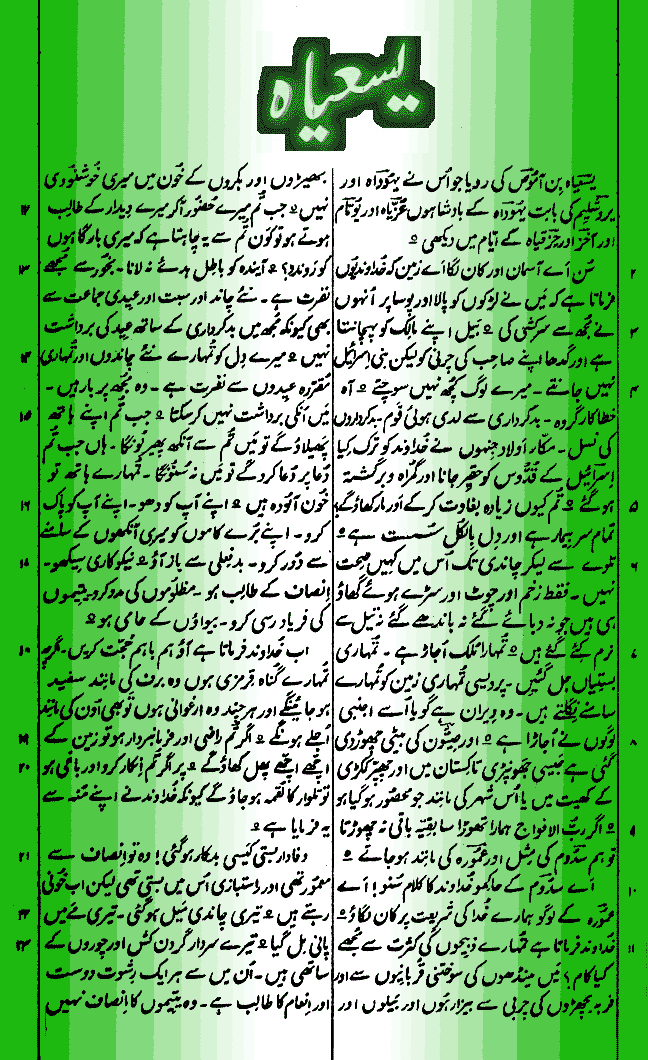
Verse-by-Verse Commentary: Isaiah 1:1–23
Isaiah 1:1
-
Verse: The vision of Isaiah the son of Amoz which he saw concerning Judah and Jerusalem in the days of Uzziah Jotham Ahaz and Hezekiah kings of Judah.
-
Detailed Explanation (English): This introductory verse establishes the historical anchor and divine authority of the entire book. Isaiah’s ministry spans the reigns of four Judean kings, a period of massive political upheaval, economic prosperity followed by decline, and the looming threat of the Assyrian Empire. The word “vision” implies that this was a supernatural revelation from God, not merely human political analysis. The focus is specifically on Judah (the southern kingdom) and its capital, Jerusalem.
-
Detailed Explanation (Urdu): یہ تعارفی آیت اس کتاب کے تاریخی پس منظر اور خدائی اختیار کو ظاہر کرتی ہے۔ یسعیاہ (اشعیا) کے متبادل نبوتی دور میں یہوداہ کے چار بادشاہوں کا ذکر ہے، جو کہ ایک بڑا سیاسی اور سماجی تبدیلیوں کا دور تھا۔ لفظ “رویا” (Vision) ظاہر کرتا ہے کہ یہ کلام کوئی انسانی سوچ نہیں بلکہ خدا کی طرف سے ایک غیبی اور سچی وحی ہے۔ اس کا بنیادی مرکز یہوداہ کی بادشاہی اور اس کا دارالحکومت یروشلم ہے۔
Isaiah 1:2
-
Verse: Hear O heavens and give ear O earth for the LORD hath spoken I have nourished and brought up children and they have rebelled against me.
-
Detailed Explanation (English): God calls upon the heavens and the earth as cosmic witnesses to a profound heartbreak and legal case against Israel. The relation is described in terms of a parent and child. God nurtured, raised, and provided for Israel, yet their response was willful rebellion. It highlights the unnatural and deeply painful nature of sin against a loving Creator.
-
Detailed Explanation (Urdu): خدا آسمان اور زمین کو گواہ بنا کر اسرائیل کے خلاف اپنا مقدمہ پیش کرتا ہے۔ یہاں خدا کا بنی اسرائیل کے ساتھ رشتہ ایک شفیق باپ اور اولاد جیسا دکھایا گیا ہے۔ خدا نے ان کی پرورش کی، انہیں بڑھایا اور نعمتوں سے نوازا، لیکن انہوں نے اس کے خلاف بغاوت کی۔ یہ آیت گناہ کی سنگینی اور خدا کی محبت کے بدلے ملنے والی نافرمانی کے دکھ کو بیان کرتی ہے۔
Isaiah 1:3
-
Verse: The ox knoweth his owner and the ass his master’s crib but Israel doth not know my people doth not consider.
-
Detailed Explanation (English): Isaiah uses a sharp, humiliating contrast involving domestic animals. An ox and a donkey—animals not known for high intelligence—at least recognize who feeds and owns them. In contrast, God’s own chosen people show less gratitude and awareness than dumb beasts. They completely ignore the source of their life and sustenance.
-
Detailed Explanation (Urdu): یسعیاہ نبی یہاں جانوروں کی مثال دے کر اسرائیل کو شرمندہ کرتے ہیں۔ بیل اور گدھا جیسے سیدھے اور کم عقل جانور بھی اپنے مالک اور اپنی چرنی (کھانے کی جگہ) کو پہچانتے ہیں۔ لیکن اس کے برعکس، خدا کی اپنی چنی ہوئی قوم اپنے حقیقی مالک کو بھول چکی ہے۔ وہ اتنے بھی باشعور نہ رہے جتنے یہ بے زبان جانور ہوتے ہیں۔
Isaiah 1:4
-
Verse: Ah sinful nation a people laden with iniquity a seed of evildoers children that are corrupters they have forsaken the LORD they have provoked the Holy One of Israel unto anger they are gone away backward.
-
Detailed Explanation (English): This is a heavy lamentation. The vocabulary accumulates to show the depth of their depravity: “sinful,” “laden with iniquity,” “seed of evildoers,” and “corrupters.” They have not just slipped up; they have actively forsaken God and provoked “the Holy One of Israel”—a title characteristic of Isaiah that emphasizes God’s absolute purity versus Israel’s filth. They are moving backward, away from light.
-
Detailed Explanation (Urdu): یہ ایک شدید ترین افسوس کا اظہار ہے۔ قوم کے گناہ کی گہرائی کو ظاہر کرنے کے لیے سخت الفاظ استعمال کیے گئے ہیں جیسے “خطاکار قوم”، “بدکاری سے لدے ہوئے لوگ”، اور “بدکاروں کی نسل”۔ انہوں نے صرف غلطی نہیں کی، بلکہ جان بوجھ کر خداوند کو چھوڑ دیا اور “اسرائیل کے قدوس” (پاک خدا) کو غصہ دلایا۔ وہ آگے بڑھنے کی بجائے روحانی طور پر پیچھے کی طرف ہٹ گئے ہیں۔
Isaiah 1:5
-
Verse: Why should ye be stricken any more? ye will revolt more and more the whole head is sick and the whole heart faint.
-
Detailed Explanation (English): God asks a rhetorical question illustrating the futility of their stubbornness. Divine discipline (striking) has already been applied, but instead of repenting, they rebel further. The prophet uses the metaphor of a human body where the entire system—the head (intellect/leadership) and the heart (will/emotion)—is completely diseased and exhausted from sin.
-
Detailed Explanation (Urdu): خدا ایک ایسا سوال پوچھتا ہے جو ان کی ضد کو ظاہر کرتا ہے۔ خدا کی طرف سے تنبیہ اور مار پڑنے کے باوجود انہوں نے توبہ نہیں کی بلکہ مزید سرکشی دکھائی۔ نبی یہاں ایک بیمار جسم کی مثال دیتے ہیں جس کا سر (سردار اور سوچ) بیمار ہے اور دل (روحانی حالت اور نیت) بالکل نڈھال ہو چکا ہے۔ اب مزید مار کھانے کی گنجائش ہی نہیں بچی۔
Isaiah 1:6
-
Verse: From the sole of the foot even unto the head there is no soundness in it but wounds and bruises and putrifying sores they have not been closed neither bound up neither mollified with ointment.
-
Detailed Explanation (English): Continuing the medical metaphor, the nation is described as a severely beaten body covered from head to toe in untreated trauma: open wounds, bruises, and infected, oozing sores. Spiritually and socially, Judah is in a state of total collapse. No spiritual leadership has stepped in to bind up or soothe these self-inflicted injuries with the ointment of truth or repentance.
-
Detailed Explanation (Urdu): جسمانی بیماری کی مثال کو جاری رکھتے ہوئے، قوم کو ایک ایسے پٹے ہوئے وجود کی مانند دکھایا گیا ہے جس کے تلوے سے لے کر سر تک کوئی جگہ سلامت نہیں ہے۔ ہر طرف زخم، نیل اور سڑتے ہوئے ناسور ہیں۔ ان زخموں کو نہ تو صاف کیا گیا، نہ پٹی باندھی گئی اور نہ ہی ان پر کوئی مرہم لگایا گیا۔ روحانی اور سماجی طور پر، یہوداہ مکمل طور پر تباہی کے دہانے پر ہے۔
Isaiah 1:7
-
Verse: Your country is desolate your cities are burned with fire your land strangers devour it in your presence and it is desolate as overthrown by strangers.
-
Detailed Explanation (English): Isaiah shifts from metaphor to the harsh physical reality of the land. Because of their covenant unfaithfulness, foreign invaders (such as the Assyrians) are actively ravaging the countryside, burning cities, and eating the crops right before the eyes of the helpless Judeans. The geopolitical devastation is total.
-
Detailed Explanation (Urdu): یہاں نبی تمثیلوں سے ہٹ کر زمینی حقیقت بیان کرتے ہیں۔ خدا کے ساتھ عہد شکنی کی وجہ سے، غیر ملکی حملہ آور (جیسے اسور) ملک کو برباد کر رہے ہیں، شہروں کو آگ لگا رہے ہیں اور ان کی آنکھوں کے سامنے ان کی فصلیں کھا رہے ہیں۔ یہوداہ کا جغرافیائی اور معاشی نظام بالکل تباہ ہو چکا ہے۔
Isaiah 1:8
-
Verse: And the daughter of Zion is left as a cottage in a vineyard as a lodge in a garden of cucumbers as a besieged city.
-
Detailed Explanation (English): “Daughter of Zion” refers tenderly yet tragically to Jerusalem. While the rest of Judah is destroyed, Jerusalem stands alone. Isaiah compares it to a flimsy, temporary shack or watchman’s hut left abandoned in a harvested vineyard or cucumber field. It looks incredibly fragile, isolated, and surrounded by enemies.
-
Detailed Explanation (Urdu): “دخترِ صیون” سے مراد یروشلم شہر ہے۔ جہاں پورا یہوداہ تباہ ہو چکا ہے، وہاں یروشلم اکیلا کھڑا ہے۔ نبی اس کی حالت ایک عارضی جھونپڑی یا اس چھپر سے دیتے ہیں جو فصل کٹنے کے بعد انگور کے باغ یا کھیراے کے کھیت میں اکیلا اور ویران رہ جاتا ہے۔ یہ شہر دشمنوں کے گھیرے میں نہایت کمزور اور تنہا دکھائی دیتا ہے۔
Isaiah 1:9
-
Verse: Except the LORD of hosts had left unto us a very small remnant we should have been as Sodom and we should have been like unto Gomorrah.
-
Detailed Explanation (English): This verse introduces the crucial theological concept of the “remnant.” Total destruction was warranted, just like Sodom and Gomorrah, which were completely wiped out by divine judgment. It is only because of the sovereign grace and mercy of the “LORD of hosts” (Yahweh of Armies) that a small survivor group remains to preserve the nation.
-
Detailed Explanation (Urdu): یہ آیت بائبل کے ایک اہم تصور یعنی “باقیماندہ” (Remnant) کو متعارف کراتی ہے۔ گناہوں کی وجہ سے یہوداہ کا انجام بھی سدوم اور عمورہ جیسا ہونا چاہیے تھا جنہیں خدا نے جڑ سے مٹا دیا تھا۔ یہ صرف “رب الافواج” (لشکروں کے خداوند) کے فضل اور رحم کا نتیجہ ہے کہ انہوں نے ایک چھوٹا سا حصہ زندہ چھوڑ دیا تاکہ قوم کا نام و نشان مٹ نہ جائے۔
Isaiah 1:10
-
Verse: Hear the word of the LORD ye rulers of Sodom give ear unto the law of our God ye people of Gomorrah.
-
Detailed Explanation (English): Having just mentioned Sodom and Gomorrah historically, Isaiah now applies those names directly as labels for the current leaders and citizens of Jerusalem. Calling them “rulers of Sodom” is an extreme insult and a shocking wake-up call, identifying their spiritual corruption and injustice with the most wicked cities in history.
-
Detailed Explanation (Urdu): سدوم اور عمورہ کا ذکر کرنے کے فوراً بعد، یسعیاہ نبی اب ان ناموں کو یروشلم کے موجودہ حکمرانوں اور عوام پر لاگو کرتے ہیں۔ انہیں “سدوم کے حاکمو” کہنا ایک شدید ترین تنبیہ ہے، جو یہ ظاہر کرتی ہے کہ ان کی اخلاقی اور روحانی حالت تاریخ کے بدترین شہروں جیسی ہو چکی ہے۔
Isaiah 1:11
-
Verse: To what purpose is the multitude of your sacrifices unto me? saith the LORD I am full of the burnt offerings of rams and the fat of fed beasts and I delight not in the blood of bullocks or of lambs or of he goats.
-
Detailed Explanation (English): God strongly rejects the external religious rituals of the people. They were bringing massive amounts of sacrifices, thinking they could buy God’s favor or cover up their lifestyle of sin. God says, “I am full” (satiated/fed up). External rituals without internal obedience and moral integrity mean absolutely nothing to Him.
-
Detailed Explanation (Urdu): خدا لوگوں کی ظاہری مذہبی رسومات کو یکسر مسترد کرتا ہے۔ وہ بڑی تعداد میں قربانیاں لا رہے تھے تاکہ خدا کو راضی کر سکیں یا اپنے گناہوں کو چھپا سکیں۔ خدا فرماتا ہے کہ “میں اکتا گیا ہوں”۔ اندرونی فرمانبرداری اور پاکیزگی کے بغیر بیرونی رسومات اور جانوروں کا خون خدا کے نزدیک بے معنی ہیں۔
Isaiah 1:12
-
Verse: When ye come to appear before me who hath required this at your hand to tread my courts?
-
Detailed Explanation (English): God questions their right to even enter the Temple. When they “tread His courts,” they are merely trampling the ground, treating the holy space like a common marketplace without any true reverence. Their presence in worship is viewed as an intrusion rather than genuine devotion.
-
Detailed Explanation (Urdu): خدا ان کے ہیکل میں آنے کے حق پر سوال اٹھاتا ہے۔ جب وہ خدا کے حضور حاضر ہونے کے لیے آتے ہیں، تو وہ صرف صحنوں کو پامال کرتے ہیں (پاؤں سے روندتے ہیں)۔ سچی عقیدت کے بغیر ان کا عبادت گاہ میں آنا خدا کو پسند نہیں، بلکہ یہ ایک بوجھ اور بے حرمتی معلوم ہوتا ہے۔
Isaiah 1:13
-
Verse: Bring no more vain oblations incense is an abomination unto me the new moons and sabbaths the calling of assemblies I cannot away with it is iniquity even the solemn meeting.
-
Detailed Explanation (English): God commands them to stop bringing “vain oblations” (empty offerings). Even the sweet-smelling incense has become an “abomination” (detestable thing) because of the hypocrisy tied to it. Their sacred calendar days—Sabbaths and festivals—are deeply tainted. God cannot endure the toxic mixture of religious solemnity and active sin.
-
Detailed Explanation (Urdu): خدا انہیں “باطل نذرانے” (بے مقصد قربانیاں) لانے سے منع فرماتا ہے۔ یہاں تک کہ خوشبودار بخور بھی خدا کے لیے ایک مکروہ چیز بن چکا ہے کیونکہ اس کے پیچھے منافقت ہے۔ ان کے مقدس دن، سبت اور عیدیں اب خدا کے لیے ناقابلِ برداشت ہیں کیونکہ وہ ایک طرف مذہبی رسومات ادا کرتے ہیں اور دوسری طرف گناہ اور بدکاری میں مصروف رہتے ہیں۔
Isaiah 1:14
-
Verse: Your new moons and your appointed feasts my soul hateth they are a trouble unto me I am weary to bear them.
-
Detailed Explanation (English): Using intense emotional language, God says His very “soul hateth” their religious festivals. The Hebrew calendar feasts were originally commanded by God Himself, but because the hearts of the people are corrupt, God distances Himself from them, calling them “your feasts,” not His. They have become an exhausting burden to Him.
-
Detailed Explanation (Urdu): شدید جذباتی زبان استعمال کرتے ہوئے، خدا فرماتا ہے کہ “میرا جی تمہاری عیدوں سے بیزار ہے”۔ اگرچہ یہ عیدیں خدا ہی نے مقرر کی تھیں، لیکن لوگوں کے دلوں کی خرابی کی وجہ سے خدا انہیں اپنی نہیں بلکہ “تمہاری عیدیں” کہتا ہے۔ یہ رسومات خدا کے لیے ایک ایسا بوجھ بن چکی ہیں جسے اٹھاتے اٹھاتے وہ تھک گیا ہے۔
Isaiah 1:15
-
Verse: And when ye spread forth your hands I will hide mine eyes from you yea when ye make many prayers I will not hear your hands are full of blood.
-
Detailed Explanation (English): Spreading forth hands is the traditional posture of intense prayer. Yet God promises to turn His gaze away and block His ears. The reason is explicitly ethical: “your hands are full of blood.” This points to violence, systemic injustice, oppression of the poor, and social corruption that invalidates their spiritual speech.
-
Detailed Explanation (Urdu): ہاتھ پھیلانا دعا کی گہرائی اور التجا کو ظاہر کرتا ہے۔ لیکن خدا فرماتا ہے کہ وہ اپنی آنکھیں پھیر لے گا اور ان کی لمبی لمبی دعائیں نہیں سنے گا۔ اس کی وجہ بالکل واضح ہے: “تمہارے ہاتھ خون سے بھرے ہیں”۔ یہ معاشرتی ناانصافی، غریبوں پر ظلم اور خونریزی کی طرف اشارہ ہے جو ان کی دعاؤں کو بے اثر بنا دیتا ہے۔
Isaiah 1:16
-
Verse: Wash you make you clean put away the evil of your doings from before mine eyes cease to do evil;
-
Detailed Explanation (English): God offers a path forward, starting with active moral cleansing. This is not about ritual washing, but internal and behavioral reformation. They must deliberately stop their evil deeds. True repentance requires a decisive U-turn away from sinful practices.
-
Detailed Explanation (Urdu): خدا یہاں اصلاح اور نجات کا راستہ دکھاتا ہے جس کا آغاز اخلاقی صفائی سے ہوتا ہے۔ یہ کوئی ظاہری غسل نہیں بلکہ اپنے گناہوں سے توبہ اور اعمال کی درستی ہے۔ خدا حکم دیتا ہے کہ اپنے برے کاموں کو میری آنکھوں کے سامنے سے دور کرو اور “بدی کرنا چھوڑ دو”۔
Isaiah 1:17
-
Verse: Learn to do well seek judgment relieve the oppressed judge the fatherless plead for the widow.
-
Detailed Explanation (English): Repentance is not just stopping the bad; it involves actively doing good. God outlines true righteousness through social justice: protecting the vulnerable. They must champion the rights of the oppressed, orphans, and widows—those who have no societal power or legal defense of their own.
-
Detailed Explanation (Urdu): توبہ صرف برائی چھوڑنے کا نام نہیں بلکہ نیکی کرنے کا نام ہے۔ خدا سچی راستبازی کا معیار بتاتا ہے: انصاف کو تلاش کرنا، مظلوموں کی داد رسی کرنا، یتیموں کا حق دلانا اور بیواؤں کی فریاد سننا۔ یہ وہ طبقہ ہے جس کا معاشرے میں کوئی پرسانِ حال نہیں ہوتا۔
Isaiah 1:18
-
Verse: Come now and let us reason together saith the LORD though your sins be as scarlet they shall be as white as snow though they be red like crimson they shall be as wool.
-
Detailed Explanation (English): This is one of the most famous verses of grace in the Old Testament. God invites Israel to a legal dialogue (“reason together”). “Scarlet” and “crimson” represent permanent, deep, blood-like stains of sin that human efforts cannot wash away. Yet God offers complete, miraculous cleansing—turning them as “white as snow” and “wool”—if they accept His terms of repentance.
-
Detailed Explanation (Urdu): یہ پرانے عہد نامے میں خدا کے فضل اور معافی کی سب سے خوبصورت آیات میں سے ایک ہے۔ خدا اسرائیل کو ایک منطقی مکالمے کی دعوت دیتا ہے۔ “قرمزی” اور “سرخ” رنگ گناہ کے گہرے اور پکے داغوں کو ظاہر کرتے ہیں جنہیں انسان خود نہیں دھو سکتا۔ لیکن خدا وعدہ کرتا ہے کہ اگر وہ توبہ کریں گے تو وہ ان کے گناہوں کو برف اور اون کی مانند بالکل سفید اور پاک کر دے گا۔
Isaiah 1:19
-
Verse: If ye be willing and obedient ye shall eat the good of the land:
-
Detailed Explanation (English): God presents a clear choice governed by the Mosaic Covenant. Willingness and structural obedience to God’s law will result in physical blessing, restoration, prosperity, and enjoying the agricultural bounty of the Promised Land instead of seeing it devoured by enemies.
-
Detailed Explanation (Urdu): خدا ان کے سامنے ایک واضح انتخاب رکھتا ہے جو موسیٰ کے عہد کے مطابق ہے۔ اگر وہ دل سے راضی ہوں گے اور خدا کے احکام کی فرمانبرداری کریں گے، تو وہ ملک کے بہترین پھل اور نعمتیں کھائیں گے اور ان کی زمین دوبارہ زرخیز اور پرامن ہو جائے گی۔
Isaiah 1:20
-
Verse: But if ye refuse and rebel ye shall be devoured with the sword for the mouth of the LORD hath spoken it.
-
Detailed Explanation (English): The alternative to obedience is catastrophic judgment. If they continue to refuse God’s grace and maintain their rebellion, they will not eat the good of the land; rather, the enemy’s sword will “devour” them. The certainty of this warning is sealed by the ultimate authority: “the mouth of the LORD hath spoken it.”
-
Detailed Explanation (Urdu): فرمانبرداری کا متبادل عبرت ناک سزا ہے۔ اگر وہ انکار کریں گے اور سرکشی پر قائم رہیں گے، تو وہ زمین کی نعمتیں کھانے کی بجائے خود تلوار کی خوراک بن جائیں گے (دشمن انہیں قتل کر دیں گے)۔ اس بات کی یقین دہانی خود خدا کا کلام ہے: “کیونکہ خداوند کے منہ نے یہ فرمایا ہے”۔
Isaiah 1:21
-
Verse: How is the faithful city become an harlot! it was full of judgment; righteousness lodged in it; but now murderers.
-
Detailed Explanation (English): The prophet laments the shocking moral decline of Jerusalem. Once known as the “faithful city” characterized by fairness, integrity, and true worship, it has committed spiritual adultery (become an “harlot”) by turning to idols and injustice. The city where righteousness used to dwell safely is now overrun by murderers and violent men.
-
Detailed Explanation (Urdu): نبی یروشلم کے اخلاقی زوال پر گہرے دکھ کا اظہار کرتے ہیں۔ وہ شہر جو کبھی اپنی وفاداری، انصاف اور سچی عبادت کے لیے مشہور تھا، اب روحانی طور پر ایک “کسبی” کی مانند بن چکا ہے جس نے بت پرستی اور گناہ کو اپنا لیا ہے۔ جہاں کبھی انصاف اور راستبازی بستی تھی، وہاں اب قاتل اور ظالم دندناتے پھرتے ہیں۔
Isaiah 1:22
-
Verse: Thy silver is become dross thy wine mixed with water:
-
Detailed Explanation (English): Isaiah uses metallurgical and commercial metaphors to illustrate internal degeneration. “Silver” (purity, true leadership, value) has turned into “dross” (worthless scum separated during melting). Their “wine” (joy, spiritual vitality) has been diluted and ruined with water. The excellence of the nation has completely degraded.
-
Detailed Explanation (Urdu): یسعیاہ یہاں دھات اور تجارت کے استعارے استعمال کر کے قوم کی اندرونی گراوٹ کو ظاہر کرتے ہیں۔ ان کی “چاندی” (پاکیزگی اور بہترین قیادت) اب “میل” (بے کار کچرا) بن چکی ہے، اور ان کی اعلیٰ “مے” (خوشی اور روحانی زندگی) میں پانی ملا کر اسے بے اثر اور خراب کر دیا گیا ہے۔ قوم کی خوبیاں ختم ہو چکی ہیں۔
Isaiah 1:23
-
Verse: Thy princes are rebellious and companions of thieves: every one loveth gifts and followeth after rewards: they judge not the fatherless neither doth the cause of the widow come unto them.
-
Detailed Explanation (English): This verse exposes the systemic corruption of the ruling elite. The political and judicial leaders (“princes”), who were supposed to uphold the law, are actually partnering with criminals. They are driven entirely by greed, accepting bribes (“gifts”) and pursuing payoffs. Consequently, they completely ignore the legal plights of the helpless orphans and widows, denying them justice.
-
Detailed Explanation (Urdu): یہ آیت حکمران طبقے کی بدعنوانی کو بے نقاب کرتی ہے۔ وہ شہزادے اور منصف جنہیں قانون کا تحفظ کرنا تھا، خود سرکش اور چوروں کے ساتھی بن گئے ہیں۔ ہر ایک رشوت کا رسیا ہے اور انعام و اکرام کے پیچھے بھاگتا ہے۔ اس کا نتیجہ یہ ہے کہ وہ یتیموں کا انصاف نہیں کرتے اور بیواؤں کی فریاد سننے کی زحمت ہی نہیں کرتے۔