Verse-by-Verse Commentary & Explanation
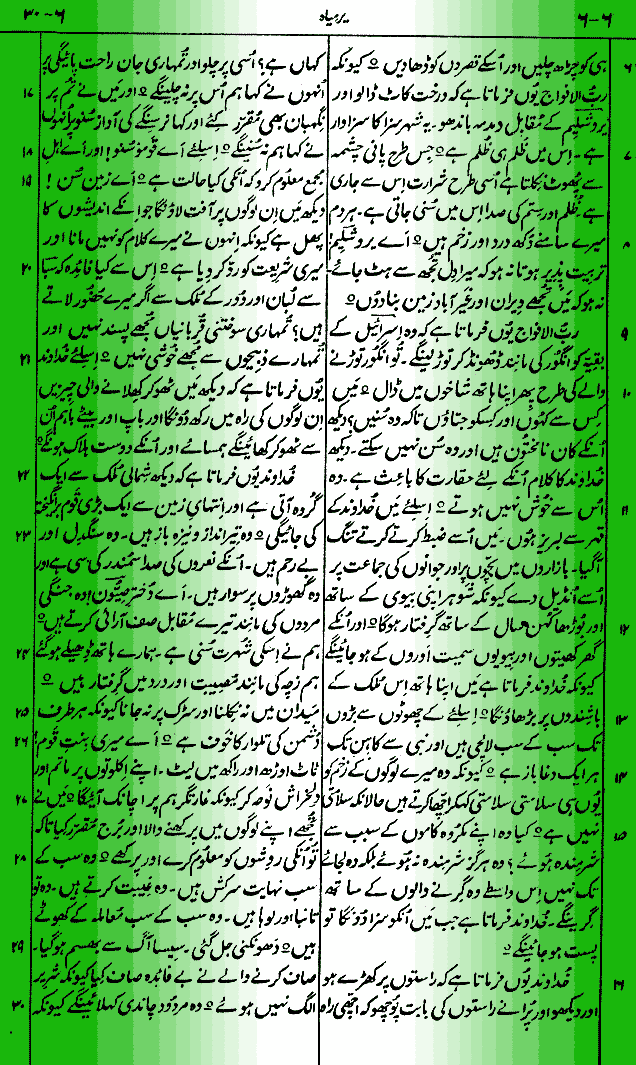
Jeremiah 6:6
Verse: For thus hath the LORD of hosts said Hew ye down trees and cast a mount against Jerusalem this is the city to be visited she is wholly oppression in the midst of her
English Explanation: In this verse, God acts as the supreme commander of the armies (the LORD of hosts), issuing a military decree to Jerusalem’s enemies (the Babylonians). They are commanded to cut down trees to build siege ramps (“cast a mount”) against the city walls. The reason for this severe judgment is moral and social decay. Jerusalem is described as a city filled with total oppression, where justice has vanished, leaving God with no choice but to “visit” her in divine punishment.
Urdu Explanation (تفسیر): اس آیت میں رب الافواج (لشکروں کا خدا) یروشلم کے دشمنوں (بابلیوں) کو ایک فوجی حکم دے رہا ہے۔ انہیں حکم دیا گیا ہے کہ وہ درختوں کو کاٹ ڈالیں اور یروشلم کی دیواروں کے خلاف محاصرے کے لیے مٹی کے تودے (دمدمے) تیار کریں۔ اس سخت سزا کی وجہ شہر کی اخلاقی اور سماجی گراوٹ ہے۔ یروشلم ایک ایسا شہر بن چکا ہے جو سراسر ظلم و ستم سے بھرا ہوا ہے جہاں انصاف ختم ہو چکا ہے اسی لیے خدا نے اس کی عدالت (سزا) کا فیصلہ کیا ہے۔
Jeremiah 6:7
Verse: As a fountain casteth out her waters so she casteth out her wickedness violence and spoil is heard in her before me continually is grief and wounds
English Explanation: God uses a powerful metaphor of a natural fountain. Just as a fresh spring continuously and effortlessly pours out water, Jerusalem naturally and constantly pours out wickedness. The city has become a hub of criminal activity where violence and plundering are openly heard, causing perpetual grief, pain, and spiritual wounds in the sight of God.
Urdu Explanation (تفسیر): خدا یہاں پانی کے چشمے کی ایک طاقتور تشبیہ استعمال کرتا ہے۔ جس طرح ایک چشمہ قدرتی طور پر اور مسلسل پانی ابلتا ہے اسی طرح یروشلم سے مسلسل اور بے ساختہ برائی ابل رہی ہے۔ شہر میں ہر طرف ظلم و غارت گری کی آوازیں گونج رہی ہیں جس کی وجہ سے خدا کے حضور مسلسل دکھ، درد اور زخم نظر آتے ہیں۔
Jeremiah 6:8
Verse: Be thou instructed O Jerusalem lest my soul depart from thee lest I make thee desolate a land not inhabited
English Explanation: Despite the looming judgment, this verse highlights God’s mercy and reluctance to destroy. He offers a final, passionate plea for Jerusalem to accept instruction, correct her ways, and repent. If she refuses, God warns that His soul will depart from her in disgust, leaving the glorious city completely desolate and uninhabited.
Urdu Explanation (تفسیر): آنے والی عدالت کے باوجود یہ آیت خدا کے رحم اور اس کی شفقت کو ظاہر کرتی ہے۔ خدا یروشلم کو ایک آخری موقع دیتے ہوئے نصیحت قبول کرنے اور توبہ کرنے کی تاکید کر رہا ہے۔ خدا انتباہ دیتا ہے کہ اگر انہوں نے اپنی اصلاح نہ کی تو اس کی روح بیزار ہو کر ان سے جدا ہو جائے گی اور وہ اس شہر کو ایسا ویران کر دے گا جہاں کوئی بسنے والا نہ رہے گا۔
Jeremiah 6:9
Verse: Thus saith the LORD of hosts They shall throughly glean the remnant of Israel as a vine turn back thine hand as a grapegatherer into the baskets
English Explanation: The metaphor shifts to agriculture. The enemy will thoroughly search and strip the remnant of Israel just like a grape-gatherer systematically goes through a grapevine multiple times to ensure not a single grape is missed. It signifies that the Babylonian captivity will be thorough, leaving almost no one untouched by the judgment.
Urdu Explanation (تفسیر): یہاں زراعت کی تشبیہ استعمال کی گئی ہے۔ رب الافواج فرماتا ہے کہ دشمن اسرائیل کے بچے کھچے لوگوں کو اس طرح چن چن کر ختم کرے گا جیسے انگور توڑنے والا تاک (انگور کی بیل) کو بار بار دیکھتا ہے تاکہ کوئی انگور باقی نہ رہ جائے۔ یہ اس بات کی علامت ہے کہ بابل کی اسارت اتنی سخت ہوگی کہ کوئی بھی اس سزا سے بچ نہیں پائے گا۔
Jeremiah 6:10
Verse: To whom shall I speak and give warning that they may hear? behold their ear is uncircumcised and they cannot hearken behold the word of the LORD is unto them a reproach they have no delight in it
English Explanation: The prophet Jeremiah expresses his deep frustration and grief. He asks who will listen to his warnings, noting that the people’s ears are “uncircumcised”—meaning they are spiritually deaf, closed off, and physically incapable of receptive hearing. Instead of treasuring God’s word, they treat it as an insult or a matter of scorn and find absolutely no joy in it.
Urdu Explanation (تفسیر): یرمیاہ نبی اپنی گہری مایوسی اور دکھ کا اظہار کرتا ہے۔ وہ پوچھتا ہے کہ وہ کس سے بات کرے اور کسے آگاہ کرے جو اس کی بات سن سکے؟ وہ کہتا ہے کہ ان کے کان “نامختون” ہیں یعنی وہ روحانی طور پر بہرے ہو چکے ہیں اور حق کو سننے کی صلاحیت کھو چکے ہیں۔ خدا کا کلام ان کے نزدیک ملامت اور تمسخر کا باعث ہے اور انہیں اس سے کوئی خوشی حاصل نہیں ہوتی۔
Jeremiah 6:11
Verse: Therefore I am full of the fury of the LORD I am weary with holding in I will pour it out upon the children abroad and upon the assembly of young men together for even the husband with the wife shall be taken the aged with him that is full of days
English Explanation: Jeremiah feels filled to the brim with God’s holy anger against sin. He can no longer contain this prophetic message of doom. God commands him to pour this fury out indiscriminately across all demographics of society—from innocent children playing in the streets to assemblies of young men, couples, and the very elderly. No generation or status will escape.
Urdu Explanation (تفسیر): یرمیاہ نبی خدا کے غضب سے معمور ہے جو گناہ کے خلاف بھڑکا ہے۔ وہ اس پیغام کو اب مزید اپنے اندر روکنے کی طاقت نہیں رکھتا۔ خدا فرماتا ہے کہ یہ غضب معاشرے کے تمام طبقوں پر انڈیل دیا جائے گا—گلیوں میں کھیلتے بچوں سے لے کر جوانوں کی مجالس تک اور میاں بیوی سے لے کر عمر رسیدہ اور ضعیف لوگوں تک کوئی بھی اس سے محفوظ نہیں رہے گا۔
Jeremiah 6:12
Verse: And their houses shall be turned unto others with their fields and wives together for I will stretch out my hand upon the inhabitants of the land saith the LORD
English Explanation: This verse describes the devastating, practical reality of defeat and exile. Because God stretches out His hand in judgment, the Israelites will lose everything they hold dear. Their homes, properties, fields, and even their families will be captured and handed over to foreign invaders.
Urdu Explanation (تفسیر): یہ آیت شکست اور جلاوطنی کی بھیانک حقیقت کو بیان کرتی ہے۔ چونکہ خدا اپنا ہاتھ اس سرزمین کے باشندوں کے خلاف بڑھانے والا ہے اس لیے بنی اسرائیل اپنی ہر عزیز چیز سے محروم ہو جائیں گے۔ ان کے مکانات، ان کے کھیت اور ان کی بیویاں سب دوسروں (غیر ملکی دشمنوں) کے قبضے میں چلے جائیں گے۔
Jeremiah 6:13
Verse: For from the least of them even unto the greatest of them every one is given to covetousness and from the prophet even unto the priest every one dealeth falsely
English Explanation: God exposes the root cause of society’s collapse: universal moral corruption. From the poorest or youngest (“the least”) to the richest or most influential (“the greatest”), everyone is consumed by greed and material covetousness. Worse still, the spiritual leadership—the prophets and priests who were supposed to guide the people—are actively acting deceitfully and falsely.
Urdu Explanation (تفسیر): خدا یہاں معاشرے کی تباہی کی اصل وجہ یعنی عام اخلاقی بگاڑ کو بے نقاب کرتا ہے۔ چھوٹے سے لے کر بڑے تک ہر شخص لالچ اور ناجائز نفع خوری میں مبتلا ہے۔ اس سے بھی بدتر بات یہ ہے کہ روحانی رہنما یعنی نبی اور کاہن جن کا کام رہنمائی کرنا تھا وہ خود جھوٹ اور دغابازی سے کام لے رہے ہیں۔
Jeremiah 6:14
Verse: They have healed also the hurt of the daughter of my people slightly saying Peace peace when there is no peace
English Explanation: The false prophets and corrupt leaders are accused of giving a superficial fix to a fatal wound. Instead of calling out sin and demanding true repentance, they offer cheap comfort, chanting “Peace, peace” (Shalom, Shalom) to soothe the people. They assure them that everything is fine when, in reality, divine destruction is imminent.
Urdu Explanation (تفسیر): جھوٹے نبیوں اور کرپٹ رہنماؤں پر الزام ہے کہ انہوں نے قوم کے گہرے اور مہلک زخم کا انتہائی سطحی علاج کیا۔ گناہوں کی نشاندہی کرنے اور سچی توبہ کی دعوت دینے کے بجائے وہ جھوٹی تسلیاں دیتے رہے اور “سلامتی سلامتی” پکارتے رہے جبکہ حقیقت میں وہاں کوئی سلامتی نہ تھی اور خدا کی عدالت سر پر کھڑی تھی۔
Jeremiah 6:15
Verse: Were they ashamed when they had committed abomination? nay they were not at all ashamed neither could they blush therefore they shall fall among them that fall at the time that I visit them they shall be cast down saith the LORD
English Explanation: The people have fallen so deeply into sin that they have lost their moral compass entirely; they are incapable of feeling guilt or blushing with shame over their abominable acts. Because of this complete hardening of heart, God declares they will perish alongside the fallen when the time of His divine inspection and punishment arrives.
Urdu Explanation (تفسیر): لوگ گناہ کی دلدل میں اس حد تک دھنس چکے ہیں کہ ان کا ضمیر مر چکا ہے۔ وہ مکروہ کام کرنے کے بعد بھی شرمندگی محسوس نہیں کرتے اور نہ ہی ان کے چہروں پر ندامت کے آثار آتے ہیں۔ دلوں کی اس سختی کی وجہ سے خدا فرماتا ہے کہ جب میری سزا کا وقت آئے گا تو یہ بھی گرنے والوں کے ساتھ گریں گے اور خاک میں ملا دیے جائیں گے۔
Jeremiah 6:16
Verse: Thus saith the LORD Stand ye in the ways and see and ask for the old paths where is the good way and walk therein and ye shall find rest for your souls But they said We will not walk therein
English Explanation: This is one of the most famous verses in Jeremiah. God gives a crossroad analogy, telling the people to halt, examine their direction, and look back to the “old paths”—the foundational, faithful tracks of covenant obedience laid down by their ancestors. Walking this good way guarantees spiritual rest. Tragically, the people defiantly respond with flat rejection: “We will not walk therein.”
Urdu Explanation (تفسیر): یہ کتاب یرمیاہ کی مشہور ترین آیات میں سے ایک ہے۔ خدا لوگوں کو ایک چوراہے پر کھڑے ہو کر سوچنے کی مانند کہتا ہے کہ وہ ٹھہریں، دیکھیں اور “پرانے راستوں” کے بارے میں دریافت کریں—یعنی اپنے بزرگوں کے ایمان اور فرمانبرداری کے وفادارانہ راستے کے بارے میں۔ اس اچھے راستے پر چلنے سے روحوں کو آرام ملتا ہے۔ لیکن افسوس کہ قوم نے سرکشی سے جواب دیا کہ “ہم اس پر نہیں چلیں گے”۔
Jeremiah 6:17
Verse: Also I set watchmen over you saying Hearken to the sound of the trumpet But they said We will not hearken
English Explanation: God did not leave them without guidance; He appointed prophets as “watchmen” to look out for danger and sound the spiritual alarm (“the trumpet”). However, just as they rejected the old paths, the people stubbornly and directly refused to listen to the prophetic warnings.
Urdu Explanation (تفسیر): خدا نے انہیں بے یار و مددگار نہیں چھوڑا تھا بلکہ ان پر نبیوں کو بطور “نگہبان” مقرر کیا تھا تاکہ وہ آنے والے خطرے کو دیکھیں اور گناہ کے خلاف عبرت کا نرسنگا (الارم) پھونکیں۔ لیکن پرانے راستوں کو رد کرنے کی طرح لوگوں نے یہاں بھی ضد دکھائی اور کہا کہ “ہم ہرگز نہیں سنیں گے”۔
Jeremiah 6:18
Verse: Therefore hear ye nations and know O congregation what is among them
English Explanation: Seeing Judah’s utter obstinacy, God summons the surrounding Gentile nations and the global community to witness the trial. He calls them to look closely at the testimony of Judah’s deep rebellion so they can verify that the coming punishment is completely justified.
Urdu Explanation (تفسیر): یہوداہ کی اس سخت سرکشی کو دیکھ کر خدا آس پاس کی غیر قوموں اور زمین کی جماعتوں کو گواہ بننے کے لیے پکارتا ہے۔ وہ انہیں دعوت دیتا ہے کہ وہ اِس قوم کے گناہ اور نافرمانی کو دیکھیں تاکہ وہ جان سکیں کہ جو سزا ان پر آنے والی ہے وہ بالکل برحق اور انصاف پر مبنی ہے۔
Jeremiah 6:19
Verse: Hear O earth behold I will bring evil upon this people even the fruit of their thoughts because they have not hearkened unto my words nor to my law but rejected it
English Explanation: God calls the Earth itself to bear witness to the sentence. The impending destruction (“evil”) is not an arbitrary act of cruelty; it is the natural harvest and direct consequence (“the fruit”) of their own sinful schemes and wicked thought patterns. They chose to reject His words and discard His holy Law.
Urdu Explanation (تفسیر): خدا پوری زمین کو اس فیصلے کی گواہی کے لیے پکارتا ہے۔ آنے والی آفت یا مصیبت کوئی ظلم نہیں ہے بلکہ یہ خود ان کے اپنے برے خیالات اور سازشوں کا قدرتی انجام (پھل) ہے۔ انہوں نے خدا کے کلام کو سننے سے انکار کیا اور اس کی شریعت کو رد کر دیا۔
Jeremiah 6:20
Verse: To what purpose cometh there to me incense from Sheba and the sweet cane from a far country? your burnt offerings are not acceptable nor your sacrifices sweet unto me
English Explanation: The people tried to substitute genuine obedience with expensive, ritualistic religious shows. They imported costly incense from Sheba and sweet cane from distant lands for temple worship. God explicitly rejects these external acts, declaring that external sacrifices are completely worthless and unacceptable when the heart remains rebellious and wicked.
Urdu Explanation (تفسیر): لوگوں نے حقیقی فرمانبرداری کی جگہ مہنگی اور ظاہری مذہبی رسومات کو دینے کی کوشش کی۔ انہوں نے عبادت کے لیے ملکِ سبا سے مہنگا لبان اور دور دراز ممالک سے خوشبودار کین (قصب الذریرہ) منگوایا۔ خدا ان ظاہری کاموں کو یکسر مسترد کرتے ہوئے فرماتا ہے کہ جب دل میں سرکشی ہو تو ایسی قربانیاں اور سوختنی قربانیاں میرے نزدیک بالکل ناپسندیدہ اور بے کار ہیں۔
Jeremiah 6:21
Verse: Therefore thus saith the LORD Behold I will lay stumblingblocks before this people and the fathers and the sons together shall fall upon them the neighbour and his friend shall perish
English Explanation: Because of their false religiosity, God states He will place “stumblingblocks” in their path. These are hurdles of judgment, primarily taking the form of the invading Babylonian army. No relationship or generation will afford protection—fathers, sons, neighbors, and friends will all trip and perish together.
Urdu Explanation (تفسیر): ان کی اس جھوٹی مذہبیت کی وجہ سے خدا فرماتا ہے کہ وہ اس قوم کی راہ میں “ٹھوکریں” رکھ دے گا۔ یہ ٹھوکریں دراصل خدا کی عدالت اور بابل کی فوج کی شکل میں ہوں گی جس سے ٹکرا کر باپ اور بیٹے پڑوسی اور دوست سب کے سب اکٹھے گریں گے اور ہلاک ہو جائیں گے۔
Jeremiah 6:22
Verse: Thus saith the LORD Behold a people cometh from the north country and a great nation shall be raised from the sides of the earth
English Explanation: God identifies the specific executioners of His judgment. He prophecies the invasion of a terrifying powerhouse—the Babylonian empire—approaching from the “north country” (the standard military route into Israel). It is a mighty, historically unparalleled nation mobilized from the distant horizons of the earth.
Urdu Explanation (تفسیر): خدا یہاں اپنی عدالت نافذ کرنے والے اصل لشکر کی نشاندہی کرتا ہے۔ وہ پیشگوئی کرتا ہے کہ ایک ہولناک قوم “شمالی ملک” (بابل) سے چڑھائی کرے گی جو زمین کی انتہاؤں سے ابھاری گئی ایک عظیم اور طاقتور قوم ہے۔
Jeremiah 6:23
Verse: They shall lay hold on bow and spear they are cruel and have no mercy their voice roareth like the sea and they ride upon horses set in array as men for war against thee O daughter of Zion
English Explanation: This verse paints a terrifying portrait of the Babylonian military machine. They are heavily armed with bows and spears, and characterized by ruthless cruelty without an ounce of mercy. Their massive numbers sound like a roaring, chaotic sea, and they advance on warhorses in perfect battle formations targeted squarely against Jerusalem (“the daughter of Zion”).
Urdu Explanation (تفسیر): یہ آیت بابل کی فوج کی ہیبت ناک تصویر کشی کرتی ہے۔ وہ کمان اور بھالے سے لیس ہیں وہ انتہائی بے رحم اور ظالم ہیں جن کے دل میں کوئی رحم نہیں۔ ان کا شور سمندر کی گرج کی مانند ہے اور وہ جنگی گھوڑوں پر سوار ہو کر صف آرا ہو کر صیہون کی بیٹی (یروشلم) کے خلاف لڑنے کے لیے بڑھ رہے ہیں۔
Jeremiah 6:24
Verse: We have heard the fame thereof our hands wax feeble anguish hath taken hold of us and pain as of a woman in travail
English Explanation: The prophet speaks on behalf of the terrified citizens of Jerusalem who have just received the news of the approaching enemy. Fear paralyzes them—their hands grow weak, absolute anguish grips their hearts, and they experience a sudden, inescapable pain comparable to a woman going into sudden labor.
Urdu Explanation (تفسیر): نبی یہاں یروشلم کے خوفزدہ شہریوں کی زبان میں بات کر رہا ہے جنہوں نے دشمن کی آمد کی خبر سنی ہے۔ خوف نے انہیں مفلوج کر دیا ہے—ان کے ہاتھ ڈھیلے پڑ گئے ہیں عذاب اور درد نے انہیں ایسے جکڑ لیا ہے جیسے کسی عورت کو زچگی کا ناگہانی درد پکڑتا ہے۔
Jeremiah 6:25
Verse: Go not forth into the field nor walk by the way for the sword of the enemy and fear is on every side
English Explanation: A chilling warning is issued to the population: do not step outside the city gates into the fields or travel on public roads. The enemy’s deadly sword controls the countryside, and psychological terror (“fear on every side”—a phrase Jeremiah uses often) has completely saturated the environment.
Urdu Explanation (تفسیر): شہریوں کو ایک خوفناک انتباہ دیا جا رہا ہے کہ وہ شہر کی دیواروں سے باہر نہ نکلیں نہ کھیتوں میں جائیں اور نہ راستوں پر چلیں کیونکہ دشمن کی تلوار باہر گھوم رہی ہے اور ہر طرف دہشت اور خوف کا راج ہے۔
Jeremiah 6:26
Verse: O daughter of my people gird thee with sackcloth and wallow thyself in ashes make thee mourning as for an only son most bitter lamentation for the spoiler shall suddenly come upon us
English Explanation: Jeremiah passionately calls his nation to express the deepest possible forms of grief and repentance. He tells them to put on coarse sackcloth, roll in ashes, and weep with the bitter intensity of parents who have lost their only son. This extreme mourning matches the reality that the destroyer (Babylon) will ambush them suddenly and without delay.
Urdu Explanation (تفسیر): یرمیاہ اپنی قوم کو شدید ترین غم اور توبہ کا اظہار کرنے کی دعوت دیتا ہے۔ وہ کہتا ہے کہ ٹاٹ اوڑھو خاک میں لوٹو اور ایسا ماتم کرو جیسے کسی کا اکلوتا بیٹا مر گیا ہو کیونکہ غارت گر (تباہ کرنے والا دشمن) اچانک ان پر ٹوٹ پڑے گا۔
Jeremiah 6:27
Verse: I have set thee for a tower and a fortress among my people that thou mayest know and try their way
English Explanation: God addresses Jeremiah directly regarding his prophetic calling. God has appointed him to act like an assayer or examiner in a watchtower and fortress. His job is not to appease the people, but to test, refine, and evaluate their moral and spiritual behavior like a metallurgist tests precious metals.
Urdu Explanation (تفسیر): خدا یہاں یرمیاہ نبی کو اس کی اصل ذمہ داری کے بارے میں یاد دلاتا ہے۔ خدا نے اسے اپنے لوگوں کے درمیان ایک برج اور قلعہ بنایا ہے تاکہ وہ ایک پرکھنے والے کی طرح قوم کے چال چلن کا جائزہ لے اور ان کے ایمان کو جانچے جیسے دھات کو پرکھا جاتا ہے۔
Jeremiah 6:28
Verse: They are all grievous revolters walking with slanders they are brass and iron they are all corrupters
English Explanation: Jeremiah delivers his testing report back to God. The verdict is devastating: the people are severe rebels who practice slander and malicious gossip. Instead of being precious silver or gold, they are compared to base, rigid metals like brass and iron—stubborn, cheap, and actively spreading moral corruption everywhere.
Urdu Explanation (تفسیر): یرمیاہ نبی اپنی تحقیق کا نتیجہ خدا کے سامنے پیش کرتا ہے جو انتہائی ہولناک ہے۔ وہ کہتا ہے کہ یہ سب کے سب سخت سرکش ہیں جو غیبت اور تہمتیں لگاتے پھرتے ہیں۔ یہ سونے یا چاندی کی بجائے تانبے اور لوہے کی مانند سخت اور بے قیمت ہیں اور سب کے سب بگاڑ پیدا کرنے والے ہیں۔
Jeremiah 6:29
Verse: The bellows are burned the lead is consumed of the fire the founder melteth in vain for the wicked are not plucked away
English Explanation: The metaphor of the metal refinery continues. The spiritual refining process has utterly failed. The heat has been turned up so high that the bellows are scorched and the lead (used in ancient times to separate impurities) is completely burned away. The craftsman (God/the Prophet) has melted the metal in vain because the impurities—the wicked people—refuse to change and cannot be separated from their sins.
Urdu Explanation (تفسیر): یہاں دھات کو صاف کرنے کی بھٹی کی تشبیہ جاری ہے۔ روحانی اصلاح کا یہ عمل ناکام ہو چکا ہے۔ بھٹی کو اتنا گرم کیا گیا کہ دھونکنی جل گئی اور سیسہ (جو گندگی الگ کرنے کے لیے استعمال ہوتا تھا) آگ میں ختم ہو گیا لیکن سنار (خدا/نبی) کی یہ محنت بے کار گئی کیونکہ خبیث اور شریر لوگ اپنے گناہوں سے الگ ہونے کو تیار نہیں ہوئے۔
Jeremiah 6:30
Verse: Reprobate silver shall men call them because the LORD hath rejected them
English Explanation: This is the final, tragic conclusion of the chapter. Because the refining process yielded nothing but unalterable impurities, the people are officially labeled as “reprobate silver” (rejected, counterfeit, or dross). Since they consistently rejected God’s laws and prophets, the LORD has now formally rejected them, leaving them to face the consequences of their actions through the Babylonian invasion.
Urdu Explanation (تفسیر): یہ اس باب کا آخری اور المناک انجام ہے۔ چونکہ اصلاح کے تمام طریقے ناکام ہو گئے اور ان میں صرف ناپاکی ہی بچی اس لیے لوگ اب انہیں “کھوٹی چاندی” (مسترد شدہ چاندی) کہیں گے۔ چونکہ انہوں نے بار بار خدا کے کلام کو رد کیا اسی لیے اب رب نے بھی انہیں رد کر دیا ہے اور انہیں بابل کے ہاتھوں سزا پانے کے لیے چھوڑ دیا ہے۔