Verse-by-Verse Commentary & Explanation
Jeremiah 8:15
Verse: We looked for peace but no good came and for a time of health and behold trouble!
English Explanation
The people of Judah had falsely assumed that God would always protect them, regardless of their persistent sins and idolatry. They expected peace, security, and prosperity (“health”), but their false hopes were shattered. Instead of peace, they faced the terrifying reality of divine judgment through a ruthless invading army. It highlights the danger of relying on a false sense of spiritual security while living in active disobedience to God.
Urdu Explanation
یہاں یہوداہ کے لوگوں کی مایوسی کو ظاہر کیا گیا ہے۔ وہ گناہوں اور بت پرستی میں ڈوبے رہنے کے باوجود یہ امید لگا کر بیٹھے تھے کہ خدا ہمیشہ ان کی حفاظت کرے گا اور انہیں امن و سلامتی نصیب ہوگی۔ لیکن ان کی یہ جھوٹی امیدیں ٹوٹ گئیں اور امن کی جگہ اچانک ہلاکت اور مصیبت ان پر آ پڑی۔ یہ آیت ظاہر کرتی ہے کہ خدا کی نافرمانی میں جیتے ہوئے جھوٹی روحانی تسلی کا شکار ہونا کتنا خطرناک ہو سکتا ہے۔
Jeremiah 8:16
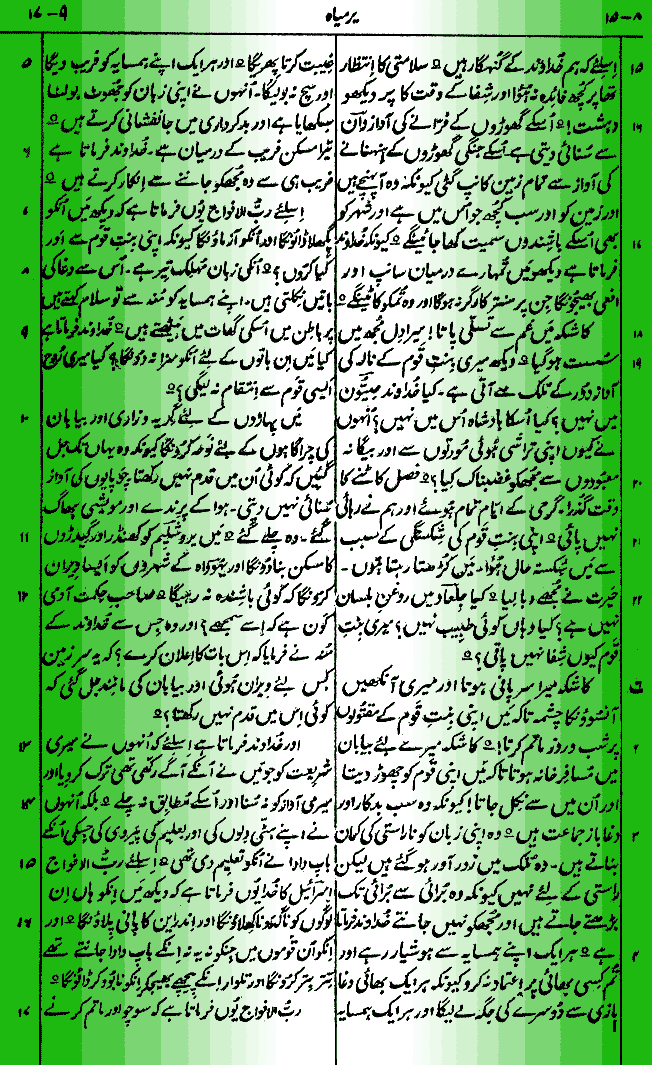
Verse: The snorting of his horses was heard from Dan the whole land trembled at the sound of the neighing of his strong ones for they are come and have devoured the land and all that is in it the city and those that dwell therein.
English Explanation
“Dan” was the northernmost territory of ancient Israel. This verse graphically describes the imminent Babylonian invasion advancing from the north. The “snorting of horses” and “neighing of his strong ones” signify the immense, terrifying power of the invading cavalry. The entire land shakes with fear because this army acts as God’s instrument of judgment, completely consuming the resources, towns, and inhabitants of Judah.
Urdu Explanation
“دان” قدیم اسرائیل کا شمالی ترین علاقہ تھا۔ یہ آیت شمال کی طرف سے آنے والی بابل کی فوج کے ہولناک حملے کی منظر کشی کرتی ہے۔ گھوڑوں کے ہنکرانے کی آوازیں اس بات کی علامت ہیں کہ دشمن کی فوج انتہائی طاقتور اور خوفناک ہے۔ ان کے آنے سے پوری زمین کانپ اٹھتی ہے کیونکہ یہ فوج خدا کے غضب کا کوڑا بن کر آئی ہے جو زمین کی ہر چیز، شہروں اور ان کے باشندوں کو نیست و نابود کر دے گی۔
Jeremiah 8:17
Verse: For behold I will send serpents cockatrices among you which will not be charmed and they shall bite you saith the LORD.
English Explanation
God uses the metaphor of venomous snakes and “cockatrices” (a mythical, deadly serpent-like creature) to describe the Babylonian invaders. Unlike ordinary snakes that Eastern snake-charmers could control, these “serpents” cannot be charmed, bribed, or pacified. The judgment is absolute, unavoidable, and fatal for those who refused to repent.
Urdu Explanation
خدا بابل کے حملہ آوروں کو زہریلے سانپوں اور افعیوں سے تشبیہ دے رہا ہے۔ عام طور پر سپیرے سانپوں پر منتر پڑھ کر انہیں قابو کر لیتے ہیں، لیکن خدا فرماتا ہے کہ یہ “سانپ” ایسے ہیں جن پر کوئی منتر یا جادو اثر نہیں کرے گا۔ یعنی دشمن کسی بھی صورت میں رحم نہیں کھائے گا اور نہ ہی رشوت یا چالاکی سے اس کا غصہ ٹھنڈا کیا جا سکے گا۔ یہ سزا ناگزیر اور مہلک ہے۔
Jeremiah 8:18
Verse: When I would comfort myself against sorrow my heart is faint in me.
English Explanation
Here, the Prophet Jeremiah speaks out of deep personal anguish. He is known as the “Weeping Prophet” because he deeply loved his people despite their rebellion. He tries to find comfort or some glimmer of hope to soothe his grief, but looking at the inevitable destruction of his nation only leaves his heart completely faint, exhausted, and broken.
Urdu Explanation
یہاں یرمیاہ نبی اپنے گہرے ذاتی دکھ کا اظہار کر رہے ہیں۔ انہیں “روتا ہوا نبی” بھی کہا جاتا ہے کیونکہ وہ اپنی قوم کی نافرمانی کے باوجود ان سے شدید محبت کرتے تھے۔ وہ اپنے دل کو تسلی دینے اور امید کی کوئی کرن تلاش کرنے کی کوشش کرتے ہیں، لیکن جب وہ اپنی قوم کی ناگزیر ہلاکت کو دیکھتے ہیں تو ان کا دل غم سے بیٹھ جاتا ہے اور وہ بالکل نڈھال ہو جاتے ہیں۔
Jeremiah 8:19
Verse: Behold the voice of the cry of the daughter of my people because of them that dwell in a far country Is not the LORD in Zion? is not her king in her? Why have they provoked me to anger with their graven images and with strange vanities?
English Explanation
Jeremiah hears a prophetic vision of his people crying out from exile in a “far country” (Babylon). In their distress, the people question why God has abandoned them, asking, “Is not the LORD in Zion?” God responds directly to their question with a counter-question: Why did they expect His protection when they provoked Him to anger by worshiping worthless idols and foreign gods (“strange vanities”)?
Urdu Explanation
یرمیاہ نبی کو ایک رویا میں جلاوطن ہونے والے لوگوں کی چیخ و پکار سنائی دیتی ہے جو دور دراز ملک (بابل) سے آ رہی ہے۔ اپنی مصیبت میں لوگ سوال کرتے ہیں کہ “کیا خدا صیون میں نہیں ہے؟” یعنی خدا نے انہیں کیوں چھوڑ دیا؟ اس پر خدا خود ان سے سوال کرتا ہے کہ جب انہوں نے بتوں اور غیر معبودوں کی پوجا کر کے اسے غصہ دلایا، تو وہ کس منہ سے اس کی حفاظت کی امید رکھتے ہیں؟
Jeremiah 8:20
Verse: The harvest is past the summer is ended and we are not saved.
English Explanation
This is a proverbial expression of total hopelessness. In ancient Israel, if the grain harvest (spring) and the fruit harvest (summer) failed, starvation was guaranteed during the winter. Spiritually and politically, the people realize that all opportunities for deliverance have slipped away. Time has run out, and salvation is no longer possible because judgment is at the door.
Urdu Explanation
یہ آیت مکمل مایوسی کی ایک ضرب المثل ہے۔ قدیم اسرائیل میں اگر اناج کی فصل (بہار) اور پھلوں کی فصل (گرمیوں) میں کچھ حاصل نہ ہوتا، تو سردیوں میں قحط اور موت یقینی تھی۔ روحانی اور سیاسی طور پر، قوم اب یہ سمجھ چکی ہے کہ نجات کے تمام مواقع ان کے ہاتھ سے نکل چکے ہیں۔ وقت ختم ہو چکا ہے اور اب بچاؤ کی کوئی راہ باقی نہیں رہی۔
Jeremiah 8:21
Verse: For the hurt of the daughter of my people am I hurt I am black astonishment hath taken hold on me.
English Explanation
Jeremiah identifies deeply with the suffering of his nation (“the daughter of my people”). He is not an detached observer; he feels their pain as his own. The phrase “I am black” denotes wearing mourning clothes or having a face darkened by intense grief and ash. He is utterly paralyzed and astonished by the scale of the horror coming upon them.
Urdu Explanation
یرمیاہ نبی اپنی قوم کے دکھ کو پوری طرح اپنے اندر محسوس کرتے ہیں۔ وہ کوئی الگ تھلگ تماشائی نہیں ہیں بلکہ ان کی تکلیف کو اپنا درد سمجھتے ہیں۔ “میں سیاہ فام ہو گیا ہوں” کا مطلب ہے کہ وہ شدید غم کی وجہ سے ماتمی لباس میں ہیں یا دکھ سے ان کا چہرہ کملا گیا ہے۔ وہ اس ہولناک تباہی کو دیکھ کر حیرت زدہ اور سکتے کی حالت میں ہیں۔
Jeremiah 8:22
Verse: Is there no balm in Gilead; is there no physician there? why then is not the health of the daughter of my people recovered?
English Explanation
Gilead was a region famous for its healing ointments (balm) and medical experts. Jeremiah uses this as a metaphor: if physical medicine exists for bodily wounds, why is Judah’s spiritual and moral health not restored? The tragic answer is that the people refused to apply the ultimate remedy—repentance and returning to God—leaving their spiritual wounds incurable.
Urdu Explanation
“جیلعاد” کا علاقہ اپنے شفا بخش مرہم (بلسان) اور طبیبوں کے لیے مشہور تھا۔ یرمیاہ اس بات کو ایک مثال کے طور پر استعمال کرتے ہیں کہ اگر جسمانی زخموں کے لیے جیلعاد میں مرہم موجود ہے، تو پھر ان کی قوم کا روحانی اور اخلاقی زخم کیوں ٹھیک نہیں ہو رہا؟ اس کا تلخ جواب یہ ہے کہ لوگوں نے اصل علاج یعنی توبہ کرنے اور خدا کی طرف رجوع کرنے سے انکار کر دیا، جس کی وجہ سے ان کا مرض لاعلاج ہو گیا۔
Jeremiah 9:1
Verse: Oh that my head were waters and mine eyes a fountain of tears that I might weep day and night for the slain of the daughter of my people!
English Explanation
Jeremiah wishes his head could become an endless supply of water so he could weep non-stop. This shows the depth of prophetic grief. He foresees the massive slaughter of his country’s men, women, and children by the Babylonians, and his sorrow is so vast that normal human crying is insufficient to express it.
Urdu Explanation
یرمیاہ نبی تمنا کرتے ہیں کہ کاش ان کا سر پانی کا ذخیرہ بن جائے اور ان کی آنکھیں آنسوؤں کا چشمہ بن جائیں تاکہ وہ دن رات اپنی قوم کے مقتولوں پر رو سکیں۔ یہ آیت ایک سچے خادم کے شدید غم کو ظاہر کرتی ہے۔ وہ بابل کے ہاتھوں ہونے والے بڑے پیمانے پر قتل عام کو پہلے سے دیکھ رہے ہیں اور ان کا غم اتنا بڑا ہے کہ عام انسانی آنسو اسے بیان کرنے کے لیے کافی نہیں ہیں۔
Jeremiah 9:2
Verse: Oh that I had in the wilderness a lodging place of wayfaring men that I might leave my people and go from them! for they be all adulterers an assembly of treacherous men.
English Explanation
Overwhelmed by the moral corruption around him, Jeremiah longs to escape to a simple, isolated shelter in the desert used by temporary travelers. He loves his people, but he is exhausted by their behavior. They are spiritual “adulterers” (unfaithful to God) and thoroughly deceitful in their interactions with one another.
Urdu Explanation
اپنے اردگرد پھیلی اخلاقی برائی کو دیکھ کر یرمیاہ نبی کا دل بیزار ہو جاتا ہے اور وہ تمنا کرتے ہیں کہ کاش وہ صحرا میں مسافروں کے ٹھہرنے کی کسی عارضی جگہ پر چلے جائیں تاکہ وہ اپنی قوم سے دور ہو سکیں۔ وہ اپنی قوم سے پیار تو کرتے ہیں لیکن ان کے کرتوتوں سے تھک چکے ہیں، کیونکہ وہ سب کے سب روحانی طور پر زناکار (خدا کے ساتھ بے وفا) اور ایک دوسرے کے ساتھ دغا بازی کرنے والے بن چکے ہیں۔
Jeremiah 9:3
Verse: And they bend their tongues like their bow for lies but they are not valiant for the truth upon the earth for they proceed from evil to evil and they know not me saith the LORD.
English Explanation
God describes how the people use speech as a weapon. They ready their tongues to shoot lies just like an archer bends a bow to shoot arrows. They have plenty of courage to do wrong and advance from one sin to another, but they show zero courage to stand up for the truth. Their fundamental issue is that they do not truly “know” or recognize God’s authority.
Urdu Explanation
خدا یہاں بیان فرماتا ہے کہ لوگ کس طرح اپنی زبان کو ایک ہتھیار کے طور پر استعمال کرتے ہیں۔ جیسے تیر انداز کمان کو تیر چلانے کے لیے تیار کرتا ہے، ویسے ہی وہ جھوٹ بولنے کے لیے اپنی زبانیں تیار رکھتے ہیں۔ وہ گناہ کرنے اور ایک برائی سے دوسری برائی میں بڑھنے کے لیے تو بڑے بہادر ہیں، لیکن سچائی کے لیے کھڑے ہونے کی ان میں کوئی ہمت نہیں ہے۔ ان کا اصل مسئلہ یہ ہے کہ وہ خدا کو دل سے نہیں جانتے۔
Jeremiah 9:4
Verse: Take ye heed every one of his neighbour and trust ye not in any brother for every brother will utterly supplant and every neighbour will walk with slanders.
English Explanation
The moral fabric of society has completely disintegrated. God warns the people that brotherly love and neighborly trust have vanished. Everyone is out for themselves; even immediate family members and lifelong neighbors will deceive (“supplant”) and slander each other for personal gain, echoing the deceitful nature of Jacob before his transformation.
Urdu Explanation
معاشرے کا اخلاقی تانا بانا بالکل بکھر چکا ہے۔ خدا لوگوں کو متنبہ کرتا ہے کہ اب بھائی چارے اور پڑوسیوں پر بھروسہ کرنے کا وقت نہیں رہا۔ ہر انسان مطلب پرست ہو چکا ہے۔ یہاں تک کہ سگا بھائی بھی دھوکہ دینے کے لیے تیار بیٹھا ہے اور ہر پڑوسی غیبت اور تہمت لگاتا پھرتا ہے۔ کوئی بھی شخص بھروسے کے لائق نہیں رہا۔
Jeremiah 9:5
Verse: And they will deceive every one his neighbour and will not speak the truth they have taught their tongue to speak lies and weary themselves to commit iniquity.
English Explanation
Deceit has become so deeply ingrained that people actually have to train themselves to do it. They have “taught their tongues” to lie until it becomes second nature. Furthermore, they put tremendous effort and energy into sinning—working so hard at doing evil that they literally exhaust (“weary”) themselves to commit sin.
Urdu Explanation
جھوٹ اور فریب لوگوں کی رگ رگ میں بس چکا ہے، یہاں تک کہ انہوں نے باقاعدہ اپنی زبانوں کو جھوٹ بولنے کی تربیت دے دی ہے۔ وہ گناہ اور برائی کرنے میں اتنی محنت اور توانائی صرف کرتے ہیں کہ گویا بدی کے کام کرتے کرتے اپنے آپ کو تھکا دیتے ہیں۔ برائی ان کا مقصدِ حیات بن چکی ہے۔
Jeremiah 9:6
Verse: Thine habitation is in the midst of deceit through deceit they refuse to know me saith the LORD.
English Explanation
God tells Jeremiah that he is living in an environment entirely saturated with fraud and lies. The ultimate consequence of this culture of dishonesty is spiritual blindness: because they love falsehood, they actively refuse to acknowledge or obey the true God. Deceit blocks them from experiencing a true relationship with their Creator.
Urdu Explanation
خدا یرمیاہ نبی سے مخاطب ہو کر فرماتا ہے کہ تمہارا رہنا سہنا ایسے ماحول میں ہے جو چاروں طرف سے مکاری اور فریب سے گھرا ہوا ہے۔ اس جھوٹے کلچر کا سب سے بڑا نقصان یہ ہوا ہے کہ لوگ روحانی طور پر اندھے ہو چکے ہیں۔ چونکہ وہ جھوٹ سے محبت کرتے ہیں، اس لیے وہ سچے خدا کو جاننے اور اس کی فرمانبرداری کرنے سے انکار کرتے ہیں۔
Jeremiah 9:7
Verse: Therefore thus saith the LORD of hosts Behold I will melt them and try them for how shall I do for the daughter of my people?
English Explanation
Because words and gentle warnings have failed, God must act as a refiner. He will place them in the furnace of affliction—the Babylonian captivity—to “melt” and “test” them, burning away their wickedness like dross from metal. God asks rhetorically what alternative He has left; drastic discipline is the only way to save a remnant of His beloved people.
Urdu Explanation
چونکہ نرمی اور نبیوں کی تنبیہات کا ان پر کوئی اثر نہیں ہوا، اس لیے خدا اب ایک سنار کی طرح عمل کرے گا۔ وہ انہیں بابل کی غلامی کی بھٹی میں ڈالے گا تاکہ انہیں “پگھلائے” اور ان کی “آزمائش” کرے، جیسے دھات سے میل کچیل الگ کیا جاتا ہے۔ خدا فرماتا ہے کہ اس کے پاس اپنی پیاری قوم کو سدھارنے کا اس کے سوا اب کوئی اور چارہ باقی نہیں بچا۔
Jeremiah 9:8
Verse: Their tongue is as an arrow shot out it speaketh deceit one speaketh peaceably to his neighbour with his mouth but in heart he layeth his wait.
English Explanation
God re-emphasizes the deadly nature of their speech. Their tongue is like a sharpened, deadly arrow shot out to destroy reputations and lives. Hypocrisy is rampant: people speak words of peace and friendship to their neighbors face-to-face, while secretly planning to betray, cheat, or ambush them.
Urdu Explanation
خدا ایک بار پھر ان کی زبانوں کے مہلک ہونے کا ذکر کرتا ہے۔ ان کی زبان ایک تیز تیر کی طرح ہے جو دوسروں کی زندگی اور عزت کو برباد کرنے کے لیے چلایا جاتا ہے۔ منافقت کا یہ عالم ہے کہ منہ پر تو پڑوسی سے بڑے پیار اور امن کی باتیں کرتے ہیں، لیکن دل میں اس کے خلاف جال بچھاتے ہیں اور اسے نقصان پہنچانے کی گھات میں بیٹھے رہتے ہیں۔
Jeremiah 9:9
Verse: Shall I not visit them for these things? saith the LORD shall not my soul be avenged on such a nation as this?
English Explanation
This is a declaration of divine justice. A holy and just God cannot ignore such systematic cruelty, hypocrisy, and rebellion indefinitely. “Visiting them” means arriving to enforce judgment. God’s holiness demands that a nation that has completely abandoned moral and divine laws must face the consequences of its choices.
Urdu Explanation
یہ آیت خدا کے عدل و انصاف کو ظاہر کرتی ہے۔ ایک پاک اور عادل خدا اس قدر ظلم، منافقت اور نافرمانی کو ہمیشہ نظر انداز نہیں کر سکتا۔ “ان کی خبر لینا” (visit them) کا مطلب ہے کہ اب سزا کا وقت آ گیا ہے۔ خدا کی پاکیزگی کا تقاضا ہے کہ جو قوم اخلاقی اور الٰہی قوانین کو یکسر مسترد کر چکی ہے، اسے اپنے اعمال کا پھل بھگتنا ہی پڑے گا۔
Jeremiah 9:10
Verse: For the mountains will I take up a weeping and wailing and for the habitations of the wilderness a lamentation because they are burned up so that none can pass through them neither can men hear the voice of the cattle both the fowl of the heavens and the beast are fled they are gone.
English Explanation
The judgment is so severe that it affects the entire ecosystem of the land. The mountains and pastures are scorched and utterly ruined by the invading forces. The land becomes so desolate that it is completely silent; the herds of cattle are gone, and even the birds and wild animals have fled the ecological ruins. Jeremiah weeps over the destruction of the very geography of his homeland.
Urdu Explanation
خدا کی سزا اتنی سخت ہے کہ اس سے ملک کا پورا جغرافیہ اور ماحول تباہ ہو جاتا ہے۔ پہاڑ اور چراگاہیں دشمن کی فوج کے ہاتھوں جل کر راکھ ہو چکی ہیں۔ زمین پر ایسی ویرانی چھا گئی ہے کہ وہاں مکمل خاموشی ہے۔ نہ مویشیوں کی آوازیں آتی ہیں اور نہ ہی پرندے اور جنگلی جانور وہاں بچے ہیں؛ سب ہجرت کر چکے ہیں یا ہلاک ہو چکے ہیں۔ یرمیاہ اس بربادی پر نوحہ کرتے ہیں۔
Jeremiah 9:11
Verse: And I will make Jerusalem heaps and a den of dragons and I will make the cities of Judah desolate without an inhabitant.
English Explanation
Jerusalem, the pride of the nation and the site of God’s Temple, will be reduced to “heaps” of rubble. A “den of dragons” (often translated as jackals or desert creatures) signifies that human civilization will be replaced by wild, howling animals. The urban centers of Judah will be completely emptied of their human populations.
Urdu Explanation
یروشلم، جو پورے ملک کا فخر اور خدا کی ہیکل کا شہر تھا، اب ملبے کا ڈھیر بن جائے گا۔ “گیڈروں کا مسکن” (den of dragons) بننے کا مطلب یہ ہے کہ جہاں کبھی انسان بستے تھے، وہاں اب جنگلی اور خوفناک جانور راج کریں گے۔ یہوداہ کے تمام شہر انسانوں سے بالکل خالی اور ویران کر دیے جائیں گے۔
Jeremiah 9:12
Verse: Who is the wise man that may understand this? and who is he to whom the mouth of the LORD hath spoken that he may declare it for what the land perisheth and is burned up like a wilderness that none passeth through?
English Explanation
God challenges the scholars, prophets, and leaders to show true wisdom. He asks: Who is spiritually mature enough to analyze this crisis? Who has actually listened to God to explain why the promised land—once flowing with milk and honey—is now being laid waste like an unpassable desert? The answer requires looking past politics to spiritual reality.
Urdu Explanation
خدا اس وقت کے دانشوروں، رہنماؤں اور نبیوں کو چیلنج کرتا ہے کہ وہ اپنی حقیقی عقل دکھائیں۔ وہ پوچھتا ہے کہ کون ایسا دانا ہے جو اس تباہی کی اصل وجہ کو سمجھ سکے؟ کس نے خدا کی آواز کو سچ مچ سنا ہے جو لوگوں کو بتا سکے کہ وہ برکتوں والی زمین جو کبھی دودھ اور شہد کی مانند تھی، آج کیوں ایک ویران اور ناقابلِ گزر ریگستان بننے جا رہی ہے؟
Jeremiah 9:13
Verse: And the LORD saith Because they have forsaken my law which I set before them and have not obeyed my voice neither walked therein;
Explanation (English)
God gives the definitive answer to the question asked in verse 12. The underlying cause of the national catastrophe is not merely military weakness against Babylon, but spiritual treason. The people deliberately abandoned the Mosaic Law, ignored the warnings spoken by God’s prophets, and refused to follow the lifestyle God prescribed for them.
Explanation (Urdu)
خدا خود اس سوال کا قطعی جواب دیتا ہے جو پچھلی آیت میں پوچھا گیا تھا۔ اس قومی تباہی کی اصل وجہ بابل کے خلاف فوجی کمزوری نہیں، بلکہ روحانی غداری ہے۔ لوگوں نے جان بوجھ کر خدا کی شریعت کو پسِ پشت ڈال دیا، خدا کے نبیوں کے ذریعے بھیجی گئی تنبیہات کو نظر انداز کیا اور اس راستے پر چلنے سے انکار کر دیا جو خدا نے ان کے لیے مقرر کیا تھا۔
Jeremiah 9:14
Verse: But have walked after the imagination of their own heart and after Baalim which their fathers taught them:
English Explanation
Instead of aligning their lives with God’s word, the people followed their own flawed desires, feelings, and cultural trends (“the imagination of their own heart”). They chose to worship “Baalim” (the plural form of Baal, the local pagan fertility gods), choosing to follow corrupt traditions passed down by earlier generations rather than the eternal truths of God.
Urdu Explanation
خدا کے کلام پر چلنے کے بجائے، لوگوں نے اپنے دل کی خواہشات، وہم و گمان اور مروجہ فیشن کی پیروی کی (“اپنے ہی دل کے خیالات”)۔ انہوں نے “بعلیم” (بعل دیوتا کی مختلف مورتیاں) کی پوجا کرنا پسند کیا، اور سچے خدا کے ابدی قوانین کو چھوڑ کر ان گمراہ کن روایتوں کو اپنایا جو ان کے باپ دادا نے انہیں سکھائی تھیں۔
Jeremiah 9:15
Verse: Therefore thus saith the LORD of hosts the God of Israel Behold I will feed them even this people with wormwood and give them water of gall to drink.
English Explanation
“Wormwood” is a deeply bitter plant, and “water of gall” represents a poisonous, bitter drink. God uses these vivid metaphors to explain that the consequences of their sweet sins will turn into ultimate bitterness. Because they chose the toxic lifestyle of idolatry, their daily experience during the siege and exile will be filled with grief, agony, and poison.
Urdu Explanation
“ناگدونا” (wormwood) ایک انتہائی کڑوا پودا ہے اور “پِت کا پانی” (water of gall) ایک زہریلے اور کڑوے مشروب کو ظاہر کرتا ہے۔ خدا ان استعاروں کے ذریعے سمجھا رہا ہے کہ جن گناہوں کو وہ آج میٹھا سمجھ کر کر رہے ہیں، ان کا انجام انتہائی کڑوا ہوگا۔ چونکہ انہوں نے بت پرستی کی زہریلی روش کو چنا، اس لیے محاصرے اور جلاوطنی کے دوران ان کی زندگی دکھ، درد اور تلخی سے بھر جائے گی۔
Jeremiah 9:16
Verse: I will scatter them also among the heathen whom neither they nor their fathers have known and I will send a sword after them till I have consumed them.
English Explanation
This verse details the sentence of exile. God will uproot the nation and scatter the survivors among pagan nations (“the heathen”) whose customs and languages are completely foreign to them. Even in foreign lands, a “sword” of judgment will continue to follow those who remain defiant, ensuring that the old, corrupt system is entirely consumed and wiped out.
Urdu Explanation
یہ آیت جلاوطنی کی سزا کی تفصیل بتاتی ہے۔ خدا اس نافرمان قوم کو ان کی زمین سے اکھاڑ پھینکے گا اور بچے کچھے لوگوں کو ان غیر قوموں میں تتر بتر کر دے گا جن کے کلچر اور زبانوں سے وہ اور ان کے باپ دادا ناواقف تھے۔ یہاں تک کہ پردیس میں بھی، سزا کی “تلوار” ان کا پیچھا کرتی رہے گی جب تک کہ پرانا اور بگڑا ہوا نظام مکمل طور پر نیست و نابود نہ ہو جائے۔
Jeremiah 9:17
Verse: Thus saith the LORD of hosts Consider ye and call for the mourning women that they may come and send for cunning women that they may come:
English Explanation
In the ancient Near East, it was customary to hire professional weeping women (“mourning women” or “cunning women” meaning skilled in lamentation) to lead the community in mourning during funerals. God tells the people to start preparing for a massive national funeral. The destruction headed toward Judah is so vast and certain that the professional mourners need to be called immediately to weep for the dying nation.
Urdu Explanation
قدیم مشرقِ وسطیٰ میں یہ رواج تھا کہ جنازوں کے موقع پر باقاعدہ پیشہ ور رونے والی عورتوں (“نوحہ گر عورتیں”) کو بلایا جاتا تھا جو ماتم کی قیادت کرتی تھیں۔ خدا لوگوں سے فرماتا ہے کہ اب وہ ایک بہت بڑے قومی جنازے کی تیاری شروع کر دیں۔ یہوداہ پر آنے والی تباہی اتنی یقینی اور بڑے پیمانے پر ہے کہ ابھی سے ان ماتم کرنے والی عورتوں کو بلا لینا چاہیے تاکہ وہ اس مرتی ہوئی قوم پر نوحہ کریں۔