Verse-by-Verse Commentary and Explanation
Jeremiah 11:15
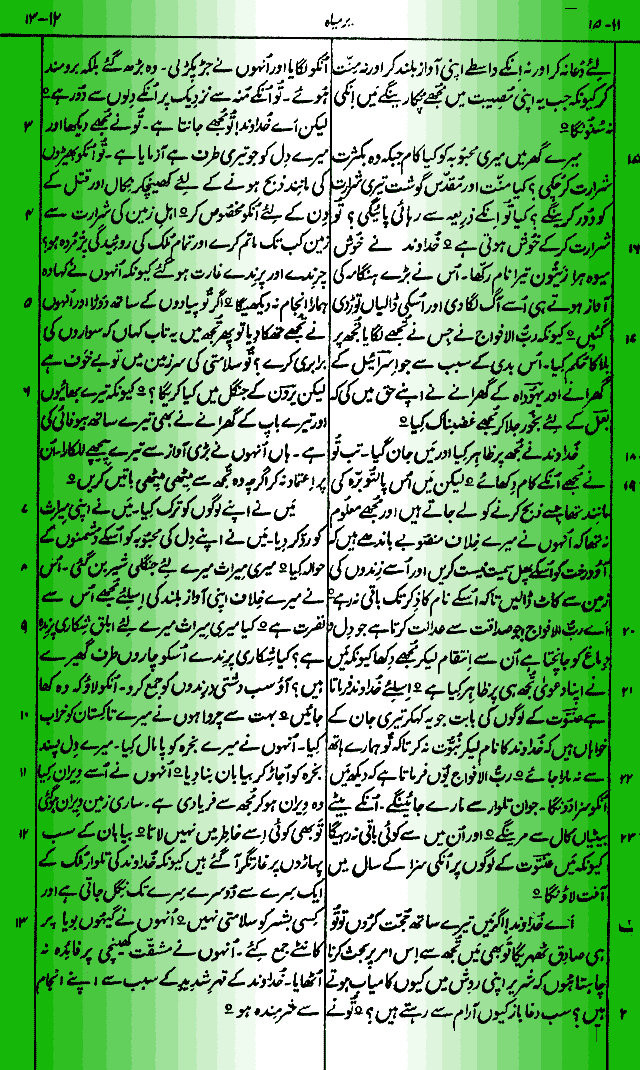
Verse: What hath my beloved to do in mine house seeing she hath wrought lewdness with many and the holy flesh is passed from thee? when thou doest evil then thou rejoicest.
English Explanation
God addresses the nation of Israel (referred to as “my beloved”) and questions their right to be in His temple (“mine house”). The people were living hypocritically, practicing idolatry and spiritual adultery (“lewdness with many”) while still participating in temple rituals. The “holy flesh” (sacrificial meat) could no longer protect or purify them because their hearts were corrupt. Worse, they found joy and celebration in doing evil rather than repenting.
Urdu Explanation
تفصیلی وضاحت: خدا بنی اسرائیل کو (جسے وہ “میری محبوبہ” کہتا ہے) مخاطب کر کے پوچھتا ہے کہ انہیں اس کے گھر (ہیکل) میں آنے کا کیا حق ہے؟ لوگ منافقت کی زندگی گزار رہے تھے، ایک طرف بت پرستی اور روحانی زنا (غیر معبودوں کی پوجا) میں ملوث تھے اور دوسری طرف ہیکل کی رسموں میں حصہ لے رہے تھے۔ “پاک گوشت” (قربانی کا گوشت) اب انہیں پاک نہیں کر سکتا تھا کیونکہ ان کے دل گناہ سے آلودہ تھے۔ سب سے افسوسناک بات یہ تھی کہ وہ گناہ کرنے پر شرمندہ ہونے کے بجائے خوشیاں مناتے تھے۔
Jeremiah 11:16
Verse: The LORD called thy name A green olive tree fair and of goodly fruit with the noise of a great tumult he hath kindled fire upon it and the branches of it are broken.
English Explanation
God reminds Judah of her original, beautiful identity: a thriving, fruitful green olive tree. However, due to her rebellion, God is bringing judgment. The “noise of a great tumult” refers to the invading Babylonian army. God will set fire to this beautiful tree, destroying its branches and leaving its former glory in ruins.
Urdu Explanation
تفصیلی وضاحت: خدا یہوداہ کو اس کی اصل اور خوبصورت پہچان یاد دلاتا ہے کہ وہ ایک ہرا بھرا، خوبصورت اور پھلدار زیتون کا درخت تھی۔ لیکن ان کی نافرمانی کی وجہ سے، خدا اب ان پر عدالت (سزا) لا رہا ہے۔ “بڑے ہنگامے کی آواز” سے مراد بابل کی حملہ آور فوج ہے۔ خدا اس خوبصورت درخت کو آگ لگا دے گا، جس سے اس کی شاخیں ٹوٹ جائیں گی اور اس کا سارا جاہ و جلال خاک میں مل جائے گا۔
Jeremiah 11:17
Verse: For the LORD of hosts that planted thee hath pronounced evil against thee for the evil of the house of Israel and of the house of Judah which they have done against themselves to provoke me to anger in offering incense unto Baal.
English Explanation
The Almighty Creator (“the LORD of hosts”), who originally established and nurtured Israel like a plant, has now decreed disaster against them. The verse emphasizes that the people brought this judgment “against themselves” through their own actions. By burning incense to the pagan god Baal, they directly provoked God’s righteous anger.
Urdu Explanation
تفصیلی وضاحت: رب الافواج (لشکروں کا خدا)، جس نے اسرائیل کو ایک پودے کی طرح لگایا اور اس کی پرورش کی، اب ان کے خلاف آفت کا حکم دے چکا ہے۔ یہ آیت واضح کرتی ہے کہ لوگوں نے یہ مصیبت اپنے اعمال کے ذریعے “خود اپنے خلاف” مول لی ہے۔ غیر معبود “بعل” کے لیے بخور جلا کر انہوں نے براہِ راست خدا کے غضب کو بھڑکایا۔
Jeremiah 11:18
Verse: And the LORD hath given me knowledge of it and I know it then thou shewedst me their doings.
English Explanation
Jeremiah shifts the focus to his personal life. He reveals that God gave him supernatural knowledge regarding a secret conspiracy against his life. Without God’s divine revelation showing him the wicked plots of the people, Jeremiah would have remained completely unaware of the danger surrounding him.
Urdu Explanation
تفصیلی وضاحت: یہاں سے یرمیاہ نبی اپنی ذاتی زندگی کی طرف متوجہ ہوتے ہیں۔ وہ بتاتے ہیں کہ خدا نے انہیں ان کے خلاف ہونے والی ایک خفیہ سازش سے معجزانہ طور پر آگاہ کیا۔ اگر خدا خود ظاہر کر کے ان لوگوں کی بدکاریوں اور چالوں کو بے نقاب نہ کرتا، تو یرمیاہ اپنے خلاف ہونے والے اس خطرناک منصوبے سے بالکل بے خبر رہتے۔
Jeremiah 11:19
Verse: But I was like a lamb or an ox that is brought to the slaughter and I knew not that they had devised devices against me saying Let us destroy the tree with the fruit thereof and let us cut him off from the land of the living that his name may be no more remembered.
English Explanation
Jeremiah describes his vulnerability; he was completely innocent and unsuspecting, like a gentle lamb or ox led to the slaughterhouse. The enemies plotted to completely erase him, using the metaphor of chopping down a tree with all its fruit so that his name, prophecies, and lineage would be forgotten forever.
Urdu Explanation
تفصیلی وضاحت: یرمیاہ اپنی بے بسی اور معصومیت کو بیان کرتے ہیں کہ وہ ایک ایسے نرم مزاج برے یا بیل کی طرح تھے جسے ذبح خانے لے جایا جا رہا ہو اور اسے علم نہ ہو۔ دشمنوں نے انہیں مکمل طور پر مٹانے کی سازش کی تھی۔ انہوں نے استعارہ استعمال کیا کہ “درخت کو اس کے پھل سمیت تباہ کر دو” تاکہ دنیا سے ان کا نام و نشان، ان کی نبوتیں اور ان کی یاد ہمیشہ کے لیے ختم ہو جائے۔
Jeremiah 11:20
Verse: But O LORD of hosts that judgest righteously that triest the reins and the heart let me see thy vengeance on them for unto thee have I revealed my cause.
English Explanation
Jeremiah commits his case to God, acknowledging Him as the righteous Judge who examines human minds (“reins”) and hearts. Instead of seeking personal, hateful revenge, Jeremiah asks to witness God’s divine justice and vengeance upon his persecutors, because he has fully entrusted his defense to the Lord.
Urdu Explanation
تفصیلی وضاحت: یرمیاہ اپنا معاملہ خدا کے سپرد کرتے ہیں اور اسے ایک سچا منصف تسلیم کرتے ہیں جو انسان کے پوشیدہ خیالات (گردوں) اور دل کو جانچتا ہے۔ ذاتی انتقام لینے کے بجائے، یرمیاہ خدا سے التجا کرتے ہیں کہ وہ ان ظالموں پر خدا کی سچی عدالت اور سزا کو دیکھیں، کیونکہ انہوں نے اپنا مقدمہ پوری طرح رب کے ہاتھ میں سونپ دیا ہے۔
Jeremiah 11:21
Verse: Therefore thus saith the LORD of the men of Anathoth that seek thy life saying Prophesy not in the name of the LORD that thou die not by our hand.
English Explanation
God explicitly identifies the conspirators: they are the men of Anathoth, which was Jeremiah’s own hometown. These local citizens and priests threatened Jeremiah with death, commanding him to stop speaking prophecies in the name of Yahweh, or else they would murder him themselves.
Urdu Explanation
تفصیلی وضاحت: خدا یہاں سازش کرنے والوں کی نشاندہی کرتا ہے، یہ “عناتوت” کے مرد تھے، جو کہ خود یرمیاہ نبی کا اپنا آبائی شہر تھا۔ ان مقامی لوگوں اور کاہنوں نے یرمیاہ کو جان سے مارنے کی دھمکی دی تھی اور کہا تھا کہ اگر اس نے خدا کے نام سے نبوت کرنا بند نہ کیا تو وہ اسے اپنے ہاتھوں سے قتل کر دیں گے۔
Jeremiah 11:22
Verse: Therefore thus saith the LORD of hosts Behold I will punish them the young men shall die by the sword their sons and their daughters shall die by famine.
English Explanation
In response to the death threats against His prophet, the LORD of hosts pronounces a strict sentence upon the men of Anathoth. God will punish them through two devastating judgments: their young soldiers will fall in battle by the sword, and their remaining children will perish due to severe starvation and famine during the siege.
Urdu Explanation
تفصیلی وضاحت: اپنے نبی کو ملنے والی موت کی دھمکیوں کے جواب میں، لشکروں کا خدا عناتوت کے لوگوں کے لیے سخت سزا کا اعلان کرتا ہے۔ خدا انہیں دوہری آفت کے ذریعے سزا دے گا: ان کے نوجوان جنگجو تلوار سے مارے جائیں گے، اور ان کے بیٹے اور بیٹیاں محاصرے کے دوران سخت قحط اور بھوک کی وجہ سے ہلاک ہو جائیں گے۔
Jeremiah 11:23
Verse: And there shall be no remnant of them for I will bring evil upon the men of Anathoth even the year of their visitation.
English Explanation
God declares total destruction for the conspirators of Anathoth; none of them will survive to rebuild. The “year of their visitation” refers to the appointed time of divine accounting and punishment. When God’s judgment arrives, the enemies of the prophet will be completely wiped out.
Urdu Explanation
تفصیلی وضاحت: خدا عناتوت کے سازشیوں کے مکمل خاتمے کا اعلان کرتا ہے کہ ان کا کوئی بھی بچا ہوا حصہ (باقیماندہ) نہیں رہے گا۔ “ان کی سزا کا سال” سے مراد خدا کی عدالت اور سزا کا مقررہ وقت ہے۔ جب خدا کی یہ سزا نازل ہوگی، تو نبی کے دشمنوں کا نام و نشان مٹ جائے گا۔
Chapter 12
Jeremiah 12:1
Verse: Righteous art thou O LORD when I plead with thee yet let me talk with thee of thy judgments Wherefore doth the way of the wicked prosper? wherefore are all they happy that deal very treacherously?
English Explanation
Jeremiah struggles with a classic theological dilemma (theodicy). He begins by acknowledging God’s absolute righteousness so he is not accused of blasphemy. Then, he honestly questions God’s management of the world: Why do wicked, deceptive people thrive financially and socially, while the faithful suffer?
Urdu Explanation
تفصیلی وضاحت: یرمیاہ نبی یہاں ایک قدیم اور گہرے سوال (عدلِ الٰہی) سے نبردآزما ہیں۔ وہ بات کا آغاز خدا کی صداقت اور راستبازی کے اقرار سے کرتے ہیں تاکہ ان پر کفر کا گمان نہ ہو۔ پھر وہ دیانتداری سے خدا کی عدالت پر سوال کرتے ہیں: شریر اور دغاباز لوگ دنیا میں اتنے کامیاب اور خوشحال کیوں ہیں، جبکہ وفادار لوگ دکھ اٹھاتے ہیں؟
Jeremiah 12:2
Verse: Thou hast planted them yea they have taken root they grow yea they bring forth fruit thou art near in their mouth and far from their reins.
Explanation
Jeremiah observes that these wicked people seem to be blessed by God; they are firmly rooted, growing, and successful (“bring forth fruit”). However, Jeremiah points out their deep hypocrisy: they use God’s name easily with their lips, but their inner motivations and hearts (“reins”) are completely detached from Him.
Urdu Explanation
تفصیلی وضاحت: یرمیاہ دیکھتے ہیں کہ یہ شریر لوگ بظاہر خدا کی نعمتوں سے فیضیاب ہو رہے ہیں؛ وہ جڑ پکڑ چکے ہیں، پھل پھول رہے ہیں اور کامیاب ہیں۔ لیکن نبی ان کی منافقت کو بے نقاب کرتے ہوئے کہتے ہیں کہ خدا کا نام ان کی زبانوں پر تو ہے، مگر ان کے دل اور پوشیدہ خیالات (گردے) خدا سے بہت دور ہیں۔
Jeremiah 12:3
Verse: But thou O LORD knowest me thou hast seen me and tried mine heart toward thee pull them out like sheep for the slaughter and prepare them for the day of slaughter.
English Explanation
Jeremiah contrasts his own integrity with the hypocrisy of his enemies. He states that God knows his true heart and devotion. Overwhelmed by the injustice, Jeremiah asks God to drag these wicked hypocrites away like sheep destined for the butcher block, setting them aside for a day of divine execution.
Urdu Explanation
تفصیلی وضاحت: یرمیاہ اپنے دل کی پاکیزگی کا موازنہ دشمنوں کی منافقت سے کرتے ہیں۔ وہ کہتے ہیں کہ اے خدا، تو میرے دل کی سچائی اور وفاداری کو جانتا ہے۔ اس ناانصافی سے تنگ آکر، یرمیاہ خدا سے فریاد کرتے ہیں کہ وہ ان شریر منافقوں کو ذبح ہونے والی بھیڑوں کی طرح گھسیٹ کر لے جائے اور انہیں ہلاکت کے دن کے لیے تیار کرے۔
Jeremiah 12:4
Verse: How long shall the land mourn and the herbs of every field wither for the wickedness of them that dwell therein? the beasts are consumed and the birds; because they said He shall not see our last end.
English Explanation
The prophet notes that human sin has environmental consequences; the entire land is suffering, plants are drying up, and animals and birds are dying because of the people’s wickedness. The people lived in complete arrogance, foolishly believing that God does not watch their actions or care about their final destiny.
Urdu Explanation
تفصیلی وضاحت: نبی بتاتے ہیں کہ انسانی گناہوں کا اثر ماحول پر بھی پڑتا ہے؛ لوگوں کی بدکاری کی وجہ سے زمین ماتم کر رہی ہے، کھیتوں کی گھاس سوکھ رہی ہے، اور چرند پرند ختم ہو رہے ہیں۔ لوگ اس قدر سرکش ہو چکے تھے کہ وہ تکبر سے کہتے تھے کہ خدا ہمارے انجام کو نہیں دیکھ سکتا یا اسے ہماری کوئی پرواہ نہیں ہے۔
Jeremiah 12:5
Verse: If thou hast run with the footmen and they have wearied thee then how canst thou contend with horses? and if in the land of peace wherein thou trustedst they wearied thee then how wilt thou do in the swelling of Jordan?
English Explanation
God answers Jeremiah’s complaints not with sympathy, but with a challenge. God uses two proverbs to tell him that his current trials (the opposition from his hometown) are small compared to what is coming (persecution from kings and rulers). If racing against men on foot tires Jeremiah out, how will he race against galloping horses? If he struggles in a peaceful environment, how will he survive the dangerous, flood-prone thickets of the Jordan river?
Urdu Explanation
تفصیلی وضاحت: خدا یرمیاہ کے شکوے کا جواب ہمدردی سے نہیں بلکہ ایک چیلنج سے دیتا ہے۔ خدا دو مثالیں دے کر فرماتا ہے کہ موجودہ آزمائشیں (اپنے شہر کے لوگوں کی مخالفت) آنے والی بڑی مصیبتوں (بادشاہوں اور حکمرانوں کی مخالفت) کے سامنے کچھ بھی نہیں ہیں۔ اگر تم پیادہ چلنے والوں (پیدل چلنے والوں) کے ساتھ دوڑ کر تھک گئے ہو، تو گھوڑوں کا مقابلہ کیسے کرو گے؟ اور اگر تم امن کی سرزمین پر گھبرا گئے ہو، تو دریائے یردن کے سیلاب اور اس کی خطرناک جھاڑیوں میں کیا کرو گے؟
Jeremiah 12:6
Verse: For even thy brethren and the house of thy father even they have dealt treacherously with thee; yea they have called a multitude after thee believe them not though they speak fair words unto thee.
English Explanation
God warns Jeremiah that the betrayal is deeply personal. His own brothers and extended family members have turned against him, secretly organizing a mob (“a multitude”) to hunt him down. God commands Jeremiah to remain guarded and not to trust them, even when they act friendly and speak flattering, kind words to his face.
Urdu Explanation
تفصیلی وضاحت: خدا یرمیاہ کو خبردار کرتا ہے کہ یہ غداری بہت ذاتی ہے۔ ان کے اپنے بھائیوں اور ان کے باپ کے گھرانے نے ان سے دغا کی ہے اور ان کے خلاف ایک بھیڑ (عوام کا ہجوم) اکٹھی کر رکھی ہے۔ خدا یرمیاہ کو حکم دیتا ہے کہ وہ ہوشیار رہیں اور ان پر ہرگز یقین نہ کریں، خواہ وہ منہ پر کتنی ہی میٹھی اور ہمدردانہ باتیں کیوں نہ کریں۔
Jeremiah 12:7
Verse: I have forsaken mine house I have left mine heritage I have given the dearly beloved of my soul into the hand of her enemies.
English Explanation
God expresses His deep grief over the judgment He must execute. He explains that He has officially abandoned His temple (“mine house”) and walked away from His chosen nation (“mine heritage”). It breaks God’s heart, yet His justice demands that He hand over Israel—whom He still calls “the dearly beloved of my soul”—into the brutal control of her foreign enemies.
Urdu Explanation
تفصیلی وضاحت: خدا اس سزا پر اپنے گہرے دکھ کا اظہار کرتا ہے جو اسے نافذ کرنی پڑ رہی ہے۔ وہ فرماتا ہے کہ اس نے اپنے ہیکل (گھر) کو چھوڑ دیا ہے اور اپنی چنی ہوئی قوم (میراث) کو تیاگ دیا ہے۔ خدا کے لیے یہ انتہائی تکلیف دہ ہے، لیکن اس کا انصاف تقاضا کرتا ہے کہ وہ اسرائیل کو—جسے وہ اب بھی “میری جان کی لاڈلی” کہتا ہے—اس کے دشمنوں کے رحم و کرم پر چھوڑ دے۔
Jeremiah 12:8
Verse: Mine heritage is unto me as a lion in the forest it crieth out against me therefore have I hated it.
English Explanation
God explains why He had to turn away from His nation. Instead of acting like submissive, loving children, Israel became like a wild, rebellious lion in the jungle, roaring defiantly against God’s laws and prophets. This aggressive rebellion forced God to reject and distance Himself from them (expressed here as “hated it”).
Urdu Explanation
تفصیلی وضاحت: خدا وضاحت کرتا ہے کہ اس نے اپنی قوم سے منہ کیوں موڑا۔ فرمانبردار اور پیار کرنے والے بچوں کی طرح رہنے کے بجائے، اسرائیل جنگل کے ایک وحشی اور سرکش شیر کی طرح بن گیا جو خدا کے قوانین اور اس کے نبیوں کے خلاف دھاڑتا ہے۔ اس شدید نافرمانی اور دشمنی کی وجہ سے خدا ان سے بیزار ہو گیا (جسے یہاں ‘نفرت’ سے تعبیر کیا گیا ہے)۔
Jeremiah 12:9
Verse: Mine heritage is unto me as a speckled bird the birds round about are against her come ye assemble all the beasts of the field come to devour.
English Explanation
God compares Judah to a “speckled bird” (a bird with unusual, strange coloring) that stands out. Because she adopted pagan customs, she looks unnatural and monstrous. Just as normal birds attack an unnatural-looking bird, foreign nations will surround and attack Judah. God metaphorically invites the surrounding pagan empires (“beasts of the field”) to come and destroy her.
Urdu Explanation
تفصیلی وضاحت: خدا یہوداہ کا موازنہ ایک “چتکبرے پرندے” (ایک عجیب و غریب رنگ برنگے پرندے) سے کرتا ہے جو سب سے الگ دکھائی دیتا ہے۔ غیر قوموں کے بت پرستانہ رواج اپنانے کی وجہ سے وہ مسخ ہو چکی تھی۔ جیسے عام پرندے کسی عجیب پرندے پر حملہ کرتے ہیں، ویسے ہی غیر قومیں یہوداہ کو گھیر لیں گی۔ خدا علامتی طور پر اردگرد کی بابل جیسی سلطنتوں (“میدان کے جنگلی جانوروں”) کو دعوت دیتا ہے کہ آئیں اور اسے کھا جائیں۔
Jeremiah 12:10
Verse: Many pastors have destroyed my vineyard they have trodden my portion under foot they have made my pleasant portion a desolate wilderness.
English Explanation
The “pastors” mentioned here refer to the political and religious leaders of Judah, as well as the foreign enemy commanders. Instead of protecting God’s special vineyard (the nation), these leaders ruined it. They crushed the land under their feet and transformed God’s beautiful, flourishing, and pleasant territory into a lonely, barren desert.
Urdu Explanation
تفصیلی وضاحت: یہاں “چرواہوں” (pastors) سے مراد یہوداہ کے اپنے سیاسی و مذہبی رہنما بھی ہیں اور دشمن ملکوں کے حکمران بھی۔ خدا کے خاص انگور کے باغ (اسرائیل قوم) کی حفاظت کرنے کے بجائے، ان رہنماؤں نے اسے برباد کر دیا۔ انہوں نے اس سرزمین کو اپنے پیروں تلے روندا اور خدا کے خوبصورت اور شاداب حصے کو ایک ویران بیابان بنا دیا۔
Jeremiah 12:11
Verse: They have made it desolate and being desolate it mourneth unto me the whole land is made desolate because no man layeth it to heart.
English Explanation
The destruction of the land is complete and heartbreaking. The ruined country metaphorically cries out to God in mourning. God highlights the tragic root cause of this spiritual and physical ruin: the population was completely indifferent. No one cared, reflected on their sins, or took the warnings of judgment seriously.
Urdu Explanation
تفصیلی وضاحت: سرزمین کی بربادی مکمل اور انتہائی دردناک ہے۔ یہ تباہ شدہ ملک علامتی طور پر خدا کے سامنے اپنے دکھ کا ماتم کر رہا ہے۔ خدا اس روحانی اور مادی تباہی کی سب سے بڑی وجہ بیان کرتا ہے: قوم کے لوگ بالکل بے حس ہو چکے تھے۔ کسی انسان نے بھی اس بات کو دل سے نہ لگایا، نہ اپنے گناہوں پر غور کیا اور نہ ہی آنے والی سزا کی انتباہ کو سنجیدگی سے لیا۔
Jeremiah 12:12
Verse: The spoilers are come upon all high places through the wilderness for the sword of the LORD shall devour from the one end of the land even to the other end of the land no flesh shall have peace.
English Explanation
The destructive invading armies (“spoilers”) have arrived, overrunning even the high, barren hills. Jeremiah clarifies that these human armies are executing divine judgment—it is “the sword of the LORD” cutting through the entire country from one border to the other. Consequently, no living person in the land will find safety or peace.
Urdu Explanation
تفصیلی وضاحت: تباہی مچانے والی حملہ آور فوجیں (“لوٹنے والے”) آ چکی ہیں اور انہوں نے بیابان کے تمام اونچے ٹیلوں پر قبضہ کر لیا ہے۔ یرمیاہ واضح کرتے ہیں کہ یہ انسانی فوجیں اصل میں خدا کی عدالت کو نافذ کر رہی ہیں—یہ “خداوند کی تلوار” ہے جو ملک کے ایک کونے سے دوسرے کونے تک سب کچھ ختم کر رہی ہے۔ اس کے نتیجے میں، اس سرزمین کے کسی انسان کو چین یا امن نصیب نہیں ہوگا۔
Jeremiah 12:13
Verse: They have sown wheat but shall reap thorns they have put themselves to pain but shall not profit and they shall be ashamed of your revenues because of the fierce anger of the LORD.
English Explanation
This verse describes the absolute futility of the people’s efforts under divine judgment. They will work hard to plant wheat, but due to God’s curse, they will only harvest useless thorns. All their intense manual labor and anxiety will yield zero profit. They will look at their miserable harvests and economic losses with shame, realizing it is the direct result of the burning anger of God.
Urdu Explanation
تفصیلی وضاحت: یہ آیت خدا کی عدالت کے تحت لوگوں کی کوششوں کی ناامیدی اور بے سود ہونے کو بیان کرتی ہے۔ وہ گندم بونے کے لیے سخت محنت کریں گے، لیکن خدا کی لعنت کی وجہ سے فصل کے طور پر صرف خاردار جھاڑیاں (کانٹے) کاٹیں گے۔ ان کی تمام تر سخت مشقت اور دردِ سر کا کوئی فائدہ نہیں ہوگا۔ وہ اپنی اس معمولی اور مایوس کن پیداوار (آمدنی) کو دیکھ کر شرمندہ ہوں گے، اور جان جائیں گے کہ یہ سب خداوند کے شدید غضب کا نتیجہ ہے۔