Verse-by-Verse Commentary & Breakdown
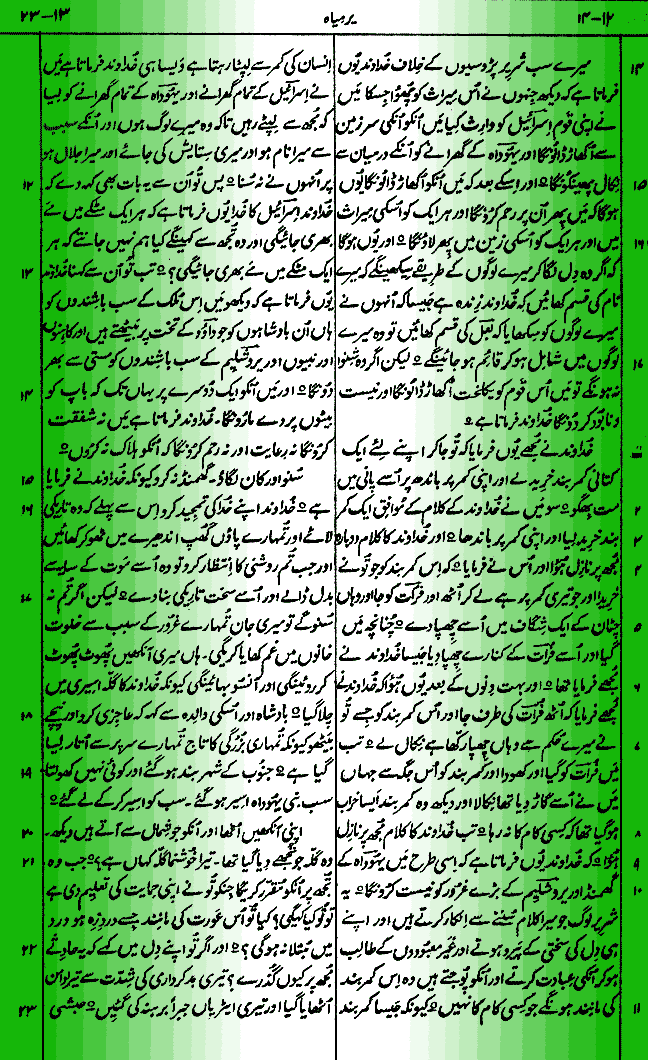
Jeremiah 12:14
Verse (KJV): Thus saith the LORD against all mine evil neighbours that touch the inheritance which I have caused my people Israel to inherit Behold I will pluck them out of their land and pluck out the house of Judah from among them
English Explanation
God addresses the surrounding pagan nations (like Moab, Ammon, and Edom) who took advantage of Israel’s weakness to seize their land. God calls them “evil neighbors.” He promises to uproot these predatory nations from their lands as a punishment, while simultaneously plucking Judah out from among them to be taken into Babylonian captivity for ultimate refinement.
Urdu Explanation
اردو وضاحت:
اللہ تعالیٰ اُن شریر ہمسایہ قوموں (جیسے موآب اور ادوم) کو مخاطب کر رہا ہے جنہوں نے اسرائیل کی کمزوری کا فائدہ اٹھا کر اُن کی میراث پر قبضہ کرنے کی کوشش کی۔ خدا انہیں “شریر ہمسائے” کہتا ہے۔ وہ وعدہ کرتا ہے کہ وہ ان قوموں کو ان کی سرزمین سے اکھاڑ پھینکے گا اور ساتھ ہی یہوداہ کو بھی ان کے درمیان سے نکال کر (بابل کی اسیری میں) لے جائے گا تاکہ ان کی اصلاح کی جا سکے۔
Jeremiah 12:15
Verse (KJV): And it shall come to pass after that I have plucked them out I will return and have compassion on them and will bring them again every man to his heritage and every man to his land
English Explanation
This verse highlights God’s incredible mercy. After executing judgment and uprooting these nations, God promises a future restoration. He will show compassion not just to Judah, but even to these neighboring Gentile nations, allowing them to return to their respective homelands if they repent.
Urdu Explanation
اردو وضاحت:
یہ آیت خدا کے عظیم رحم اور شفقت کو ظاہر کرتی ہے۔ عدالت نازل کرنے اور قوموں کو اکھاڑ پھینکنے کے بعد، خدا مستقبل میں بحالی کا وعدہ کرتا ہے۔ وہ نہ صرف یہوداہ پر بلکہ ان کے ہمسایہ غیر قوموں پر بھی رحم کرے گا اور انہیں اپنی اپنی سرزمین پر واپس آنے کا موقع دے گا اگر وہ توبہ کریں۔
Jeremiah 12:16
Verse (KJV): And it shall come to pass if they will diligently learn the ways of my people to swear by my name The LORD liveth as they taught my people to swear by Baal then shall they be built in the midst of my people
English Explanation
God offers a path of spiritual adoption to the Gentile nations. If they stop worshiping idols like Baal and learn to worship the true God, swearing by His name (“The LORD liveth”), they will not be destroyed. Instead, they will be spiritually established and built up right alongside God’s chosen people.
Urdu Explanation
اردو وضاحت:
خدا غیر قوموں کو روحانی طور پر اپنانے کا ایک راستہ پیش کرتا ہے۔ اگر وہ بعل جیسے بتوں کی عبادت چھوڑ دیں اور سچے خدا کی عبادت کرنا سیکھیں اور اس کے نام کی قسم کھائیں، تو وہ ہلاک نہیں ہوں گے۔ بلکہ، انہیں خدا کے اپنے لوگوں کے درمیان قائم کیا جائے گا اور وہ ترقی پائیں گے۔
Jeremiah 12:17
Verse (KJV): But if they will not obey I will utterly pluck up and destroy that nation saith the LORD
English Explanation
A solemn warning ends the chapter. God’s mercy requires obedience. If any nation refuses to listen to God’s laws and persists in wickedness, they will face total, irreversible destruction and uprooting.
Urdu Explanation
اردو وضاحت:
یہ آیت ایک سنگین انتباہ پر ختم ہوتی ہے۔ خدا کے رحم کے لیے فرمانبرداری شرط ہے۔ اگر کوئی قوم خدا کے قوانین کو ماننے سے انکار کرے گی اور اپنی شرارت پر قائم رہے گی، تو اسے مکمل طور پر اکھاڑ پھینکا اور تباہ کر دیا جائے گا۔
Jeremiah 13:1
Verse (KJV): Thus saith the LORD unto me Go and get thee a linen girdle and put it upon thy loins and put it not in water
English Explanation
God commands Jeremiah to perform a prophetic object lesson. He is to buy a linen girdle (a waist cloth or belt) and wear it around his waist. He is specifically told not to wash it or put it in water, representing the fresh, unaltered condition of God’s covenant relationship with Israel.
Urdu Explanation
اردو وضاحت:
خدا یرمیاہ کو ایک تمثیلی عمل کرنے کا حکم دیتا ہے۔ اسے کتان کا ایک کمربند (کمر پر باندھنے والا کپڑا) خریدنا ہے اور اسے اپنی کمر پر باندھنا ہے۔ اسے خاص طور پر حکم دیا گیا ہے کہ اسے پانی میں نہ ڈالے اور نہ دھوئے، جو اسرائیل کے ساتھ خدا کے اصل اور قریبی تعلق کی علامت تھا۔
Jeremiah 13:2
Verse (KJV): So I got a girdle according to the word of the LORD and put it on my loins
English Explanation
Jeremiah demonstrates immediate, unquestioning obedience. He purchases the linen girdle and wears it as commanded, setting an example of how a servant of God should respond to divine instructions.
Urdu Explanation
اردو وضاحت:
یرمیاہ فوری اور بلا چوں و چرا فرمانبرداری کا مظاہرہ کرتا ہے۔ وہ کتان کا کمربند خریدتا ہے اور خدا کے حکم کے مطابق اسے اپنی کمر پر باندھ لیتا ہے، جو اس بات کی مثال ہے کہ خدا کے خادم کو الٰہی احکامات کا جواب کیسے دینا چاہیے۔
Jeremiah 13:3
Verse (KJV): And the word of the LORD came unto me the second time saying
English Explanation
God speaks to Jeremiah a second time to progress the prophetic illustration. This shows that prophetic revelations often come in stages, requiring step-by-step obedience.
Urdu Explanation
اردو وضاحت:
خدا یرمیاہ سے دوسری بار کلام کرتا ہے تاکہ اس تمثیلی پیغام کو آگے بڑھائے۔ یہ ظاہر کرتا ہے کہ الٰہی پیغامات اکثر مراحل میں آتے ہیں جن کے لیے قدم بہ قدم فرمانبرداری کی ضرورت ہوتی ہے۔
Jeremiah 13:4
Verse (KJV): Take the girdle that thou hast got which is upon thy loins and arise go to Euphrates and hide it there in a hole of the rock
English Explanation
Jeremiah is commanded to take a long journey to the river Euphrates and hide the linen girdle in a rocky crevice. The Euphrates represents Babylon, the place of Judah’s future exile. Hiding it in a rock signifies exposure to the elements and eventual decay.
Urdu Explanation
اردو وضاحت:
یرمیاہ کو حکم دیا گیا ہے کہ وہ دریائے فرات کا لمبا سفر کرے اور اس کمربند کو چٹان کے ایک شگاف میں چھپا دے۔ دریائے فرات بابل کی علامت ہے، جہاں یہوداہ کو اسیر کر کے لے جایا جانا تھا۔ اسے چٹان میں چھپانا اسے خراب موسم اور تباہی کے رحم و کرم پر چھوڑنے کے برابر تھا۔
Jeremiah 13:5
Verse (KJV): So I went and hid it by Euphrates as the LORD commanded me
English Explanation
Once again, Jeremiah obeys without complaining about the long, exhausting trek to the Euphrates. His compliance underscores his absolute dedication to delivering God’s message.
Urdu Explanation
اردو وضاحت:
ایک بار پھر، یرمیاہ فرات کے اس طویل اور تھکا دینے والے سفر کے بارے میں شکایت کیے بغیر فرمانبرداری کرتا ہے۔ اس کی یہ فرمانبرداری خدا کے پیغام کو پہنچانے کے لیے اس کی مخلصانہ وفاداری کو ظاہر کرتی ہے۔
Jeremiah 13:6
Verse (KJV): And it came to pass after many days that the LORD said unto me Arise go to Euphrates and take the girdle from thence which I commanded thee to hide there
English Explanation
After a long period (“many days”), God instructs Jeremiah to return to the Euphrates to retrieve the hidden girdle. This time gap allows the linen to undergo natural decay, mirroring the spiritual degradation of Judah over time.
Urdu Explanation
اردو وضاحت:
ایک طویل عرصے (“بہت دنوں”) کے بعد، خدا یرمیاہ کو دوبارہ فرات جانے اور چھپائے ہوئے کمربند کو واپس نکالنے کا حکم دیتا ہے۔ وقت کا یہ وقفہ کتان کو قدرتی طور پر گلنے سڑنے کا موقع دیتا ہے، جو وقت کے ساتھ یہوداہ کی روحانی تنزلی کی عکاسی کرتا ہے۔
Jeremiah 13:7
Verse (KJV): Then I went to Euphrates and digged and took the girdle from the place where I had hid it and behold the girdle was marred it was profitable for nothing
English Explanation
Jeremiah uncovers the girdle only to find it ruined, rotten, and utterly useless (“profitable for nothing”). The object lesson is now complete, physically demonstrating the state of Judah’s spiritual condition.
Urdu Explanation
اردو وضاحت:
یرمیاہ کمربند کو باہر نکالتا ہے تو دیکھتا ہے کہ وہ بالکل خراب، سڑ چکا ہے اور کسی کام کا نہیں رہا (“بے فائدہ”)۔ یہ تمثیلی عمل اب مکمل ہو چکا ہے، جو یہوداہ کی روحانی حالت کو ظاہری طور پر ظاہر کرتا ہے۔
Jeremiah 13:8
Verse (KJV): Then the word of the LORD came unto me saying
English Explanation
With the physical illustration finished, God provides the direct spiritual interpretation of the ruined linen girdle to Jeremiah.
Urdu Explanation
اردو وضاحت:
جسمانی عمل مکمل ہونے کے بعد، خدا اب یرمیاہ کو اس بوسیدہ کمربند کی اصل روحانی تشریح اور تعبیر بتاتا ہے۔
Jeremiah 13:9
Verse (KJV): Thus saith the LORD After this manner will I mar the pride of Judah and the great pride of Jerusalem
English Explanation
God reveals that the ruined girdle represents the pride of Judah and Jerusalem. Just as the linen rotted away in exile by the Euphrates, God will completely ruin and humble the stubborn pride of His people through the Babylonian captivity.
Urdu Explanation
اردو وضاحت:
خدا ظاہر کرتا ہے کہ یہ سڑا ہوا کمربند یہوداہ اور یروشلیم کے غرور کی علامت ہے۔ جس طرح کتان فرات کے کنارے سڑ گیا، اسی طرح خدا بابل کی اسیری کے ذریعے اپنے لوگوں کے ضدی غرور کو خاک میں ملا دے گا اور انہیں خاکسار کر دے گا۔
Jeremiah 13:10
Verse (KJV): This evil people which refuse to hear my words which walk in the imagination of their heart and walk after other gods to serve them and to worship them shall even be as this girdle which is good for nothing
English Explanation
God defines why the people are useless to Him: they refuse to listen to His words, follow their own stubborn desires, and worship false idols. Because of this spiritual adultery, they have become just like the ruined girdle—entirely useless for His divine purposes.
Urdu Explanation
اردو وضاحت:
خدا واضح کرتا ہے کہ یہ لوگ اس کے لیے کیوں بے فائدہ ہو چکے ہیں: وہ اس کا کلام سننے سے انکار کرتے ہیں، اپنے دل کی سرکشی پر چلتے ہیں، اور غیر معبودوں کی پوجا کرتے ہیں۔ اس روحانی زناکاری کی وجہ سے، وہ اس بیکار کمربند کی طرح ہو گئے ہیں جو کسی کام کا نہیں رہا۔
Jeremiah 13:11
Verse (KJV): For as the girdle cleaveth to the loins of a man so have I caused to cleave unto me the whole house of Israel and the whole house of Judah saith the LORD that they might be unto me for a people and for a name and for a praise and for a glory but they would not hear
English Explanation
A girdle is designed to cling closely to a man’s body. God explains that He intended Israel and Judah to cling closely to Him in intimate fellowship, bringing Him praise, glory, and renown before the world. However, their stubborn refusal to listen ruined this beautiful purpose.
Urdu Explanation
اردو وضاحت:
ایک کمربند انسان کے جسم کے ساتھ مضبوطی سے لپٹا رہتا ہے۔ خدا فرماتا ہے کہ اس کا مقصد یہ تھا کہ اسرائیل اور یہوداہ اس کے ساتھ اتنے ہی قریب اور وفادار رہیں تاکہ دنیا کے سامنے اس کی حمد، جلال اور شہرت کا باعث بنیں۔ لیکن ان کی نافرمانی نے اس خوبصورت مقصد کو برباد کر دیا۔
Jeremiah 13:12
Verse (KJV): Therefore thou shalt speak unto them this word Thus saith the LORD God of Israel Every bottle shall be filled with wine and they shall say unto thee Do we not certainly know that every bottle shall be filled with wine
English Explanation
God gives Jeremiah a common proverb to state: “Every bottle shall be filled with wine.” The people respond sarcastically or literalistically, mockingly saying they already know that jars are made to hold wine, completely missing the underlying spiritual warning.
Urdu Explanation
اردو وضاحت:
خدا یرمیاہ کو ایک عام کہاوت کہنے کا حکم دیتا ہے: “ہر صراحی مے سے بھری جائے گی۔” لوگ طنزیہ انداز میں جواب دیتے ہیں کہ یہ تو ہمیں پہلے ہی معلوم ہے کہ صراحیاں شراب کے لیے ہی ہوتی ہیں، وہ اس کے پیچھے چھپے روحانی انتباہ کو سمجھنے سے بالکل قاصر رہتے ہیں۔
Jeremiah 13:13
Verse (KJV): Then shalt thou say unto them Thus saith the LORD Behold I will fill all the inhabitants of this land even the kings that sit upon David’s throne and the priests and the prophets and all the inhabitants of Jerusalem with drunkenness
English Explanation
God delivers the shocking twist to the proverb. The “wine” they will be filled with is not a blessing, but the wine of God’s wrath. He will fill leadership and citizens alike with spiritual “drunkenness”—a state of confusion, helplessness, and delusion as judgment falls.
Urdu Explanation
اردو وضاحت:
خدا اس کہاوت کا ہولناک رخ ظاہر کرتا ہے۔ جس “مے” سے انہیں بھرا جائے گا وہ کوئی برکت نہیں بلکہ خدا کے غضب کی مے ہے۔ وہ بادشاہوں، کاہنوں، نبیوں اور تمام شہر کے لوگوں کو روحانی “مستی اور مدہوشی” سے بھر دے گا—جو کہ عدالت کے وقت غفلت، بے بسی اور گمراہی کی حالت کو ظاہر کرتا ہے۔
Jeremiah 13:14
Verse (KJV): And I will dash them one against another even the fathers and the sons together saith the LORD I will not pity nor spare nor have mercy but destroy them
English Explanation
Like brittle clay jars filled with heavy wine clashing together and shattering, the people of Judah will destroy one another in internal conflict and chaos. God declares that when this day of judgment arrives, He will execute justice without pity or compromise because their rebellion has reached its limit.
Urdu Explanation
اردو وضاحت:
جس طرح شراب سے بھری مٹی کی صراحیاں آپس میں ٹکرا کر پاش پاش ہو جاتی ہیں، اسی طرح یہوداہ کے لوگ اندرونی خلفشار اور افراتفری میں ایک دوسرے کو تباہ کریں گے۔ خدا فرماتا ہے کہ جب عدالت کا یہ دن آئے گا، تو وہ بغیر کسی رحم یا رعایت کے انصاف قائم کرے گا کیونکہ ان کی سرکشی حد سے بڑھ چکی ہے۔
Jeremiah 13:15
Verse (KJV): Hear ye and give ear be not proud for the LORD hath spoken
English Explanation
Jeremiah pleads directly with the people to drop their devastating pride. He urges them to listen carefully and submit to God’s warnings while there is still a window of opportunity, emphasizing that these words carry the ultimate authority of Yahweh.
Urdu Explanation
اردو وضاحت:
یرمیاہ براہِ راست لوگوں سے التجا کرتا ہے کہ وہ اپنے تباہ کن غرور کو چھوڑ دیں۔ وہ ان پر زور دیتا ہے کہ وہ دھیان سے سنیں اور خدا کے انتباہات کے سامنے سر تسلیم خم کریں جب تک موقع باقی ہے، کیونکہ یہ الفاظ خود قادرِ مطلق خدا کے ہیں۔
Jeremiah 13:16
Verse (KJV): Give glory to the LORD your God before he cause darkness and before your feet stumble upon the dark mountains and while ye look for light he turn it into the shadow of death and make it gross darkness
English Explanation
The prophet urges Judah to honor God through repentance before disaster arrives. He uses the metaphor of travelers caught on treacherous mountains at night. If they wait too long, their false hope for “light” (deliverance) will turn into absolute, fatal darkness and destruction.
Urdu Explanation
اردو وضاحت:
نبی یہوداہ پر زور دیتا ہے کہ مصیبت آنے سے پہلے توبہ کر کے خدا کو جلال دیں۔ وہ رات کے وقت خطرناک پہاڑوں پر پھنسے ہوئے مسافروں کی تمثیل استعمال کرتا ہے۔ اگر انہوں نے دیر کر دی، تو نجات کی جھوٹی امید (“روشنی”) موت کے سائے اور گھنے اندھیرے میں بدل جائے گی۔
Jeremiah 13:17
Verse (KJV): But if ye will not hear it my soul shall weep in secret places for your pride and mine eye shall weep sore and run down with tears because the LORD’s flock is carried away captive
English Explanation
This verse showcases Jeremiah’s heart as the “weeping prophet.” Even though he preaches stern judgment, he is brokenhearted over their impending doom. If they refuse to listen due to pride, he promises to grieve bitterly in secret over the capture and exile of God’s people, whom he pictures as a helpless flock.
Urdu Explanation
اردو وضاحت:
یہ آیت یرمیاہ کے دل کو “روتے ہوئے نبی” کے طور پر ظاہر کرتی ہے۔ اگرچہ وہ سخت عدالت کی منادی کرتا ہے، لیکن وہ ان کی آنے والی بربادی پر دلشکستہ ہے۔ اگر وہ غرور کی وجہ سے سننے سے انکار کرتے ہیں، تو وہ خدا کے لوگوں (جنہیں وہ ایک بے بس گلے کے طور پر دیکھتا ہے) کی اسیری پر تنہائی میں زار و قطار رونے کا عزم کرتا ہے۔
Jeremiah 13:18
Verse (KJV): Say unto the king and to the queen Humble yourselves sit down for your principalities shall come down even the crown of your glory
English Explanation
God commands Jeremiah to address the highest authorities—the young king (Jehoiachin) and the queen mother (Nehusta). He tells them to step down from their thrones and humble themselves, because their royal authority and glorious crowns are about to be stripped away by the invading forces.
Urdu Explanation
اردو وضاحت:
خدا یرمیاہ کو حکم دیتا ہے کہ وہ اعلیٰ ترین حکام—نوجوان بادشاہ (یہویاکین) اور ملکہ ماں (نحوستا) کو مخاطب کرے۔ وہ ان سے کہتا ہے کہ اپنے تخت سے نیچے اتریں اور خاکساری اختیار کریں، کیونکہ ان کا شاہی اقتدار اور جلال کا تاج حملہ آور فوجوں کے ہاتھوں چھین لیا جانے والا ہے۔
Jeremiah 13:19
Verse (KJV): The cities of the south shall be shut up and none shall open them Judah shall be carried away captive all of it it shall be wholly carried away captive
English Explanation
The invasion will be total. Even the cities in the Negev (the extreme south of Judah) will be besieged and locked shut with no one to rescue them. The entire nation faces wholesale, complete deportation into Babylonian exile.
Urdu Explanation
اردو وضاحت:
یہ حملہ ہمہ گیر ہوگا۔ یہاں تک کہ جنوب کے شہر (نغب کے علاقے) بھی محاصرے میں ہوں گے اور انہیں بچانے والا کوئی نہ ہوگا۔ پوری قوم کو مصلحت کے تحت مکمل طور پر بابل کی اسیری میں منتقل کر دیا جائے گا۔
Jeremiah 13:20
Verse (KJV): Lift up your eyes and behold them that come from the north where is the flock that was given thee thy beautiful flock
English Explanation
Jeremiah tells Jerusalem to look toward the north, the direction from which the terrifying Babylonian army is marching. He asks the leadership a piercing question: What happened to the citizens (“the beautiful flock”) they were entrusted to protect and shepherd?
Urdu Explanation
اردو وضاحت:
یرمیاہ یروشلیم سے کہتا ہے کہ وہ شمال کی طرف دیکھیں، جہاں سے بابل کی خوفناک فوج چلی آ رہی ہے۔ وہ رہنماؤں سے ایک چبھتا ہوا سوال کرتا ہے: وہ خوبصورت گلہ (عوام) کہاں ہے جو ان کی دیکھ بھال اور حفاظت کے لیے ان کے سپرد کیا گیا تھا؟
Jeremiah 13:21
Verse (KJV): What wilt thou say when he shall punish thee for thou hast taught them to be captains and as chief over thee shall not sorrows take thee as a woman in travail
English Explanation
Judah had previously made political alliances with foreign nations (like Babylon itself in earlier years), essentially teaching them how to rule over them. Jeremiah asks how they will react when these former “friends” turn into cruel conquerors. The sudden pain of this betrayal and defeat will feel like a woman going into sudden labor.
Urdu Explanation
اردو وضاحت:
یہوداہ نے پہلے غیر قوموں (جیسے خود بابل) کے ساتھ سیاسی اتحاد کیے تھے، اور ایک طرح سے خود انہیں اپنے اوپر حکمرانی کرنا سکھایا تھا۔ یرمیاہ پوچھتا ہے کہ جب یہ پرانے “دوست” ظالم فاتح بن کر آئیں گے تو تم کیا کہو گے؟ اس دھوکے اور شکست کا اچانک درد ایسا ہوگا جیسے کسی عورت کو زچگی کا درد اٹھتا ہے۔
Jeremiah 13:22
Verse (KJV): And if thou say in thine heart Wherefore come these things upon me For the greatness of thine iniquity are thy skirts discovered and thy heels made bare
English Explanation
God anticipates the people’s defensive reaction—asking why such terrible things are happening to them. The answer is direct: it is due to the sheer magnitude of their sins. The metaphor of skirts uncovered and heels made bare is an ancient expression denoting the deep public shame, exposure, and humiliation associated with defeat and captivity.
Urdu Explanation
اردو وضاحت:
خدا لوگوں کے دفاعی ردعمل کا اندازہ لگاتا ہے—کہ وہ پوچھیں گے کہ ہمارے ساتھ ایسا کیوں ہو رہا ہے؟ اس کا جواب سیدھا ہے: یہ تمہاری بدکاری کی کثرت کی وجہ سے ہے۔ دامن کے الٹائے جانے اور ایڑیوں کے ننگے کیے جانے کا استعارہ قدیم زمانے میں اس گہری عوامی رسوائی اور ذلت کو ظاہر کرتا ہے جو شکست اور اسیری کے ساتھ جڑی ہوتی ہے۔