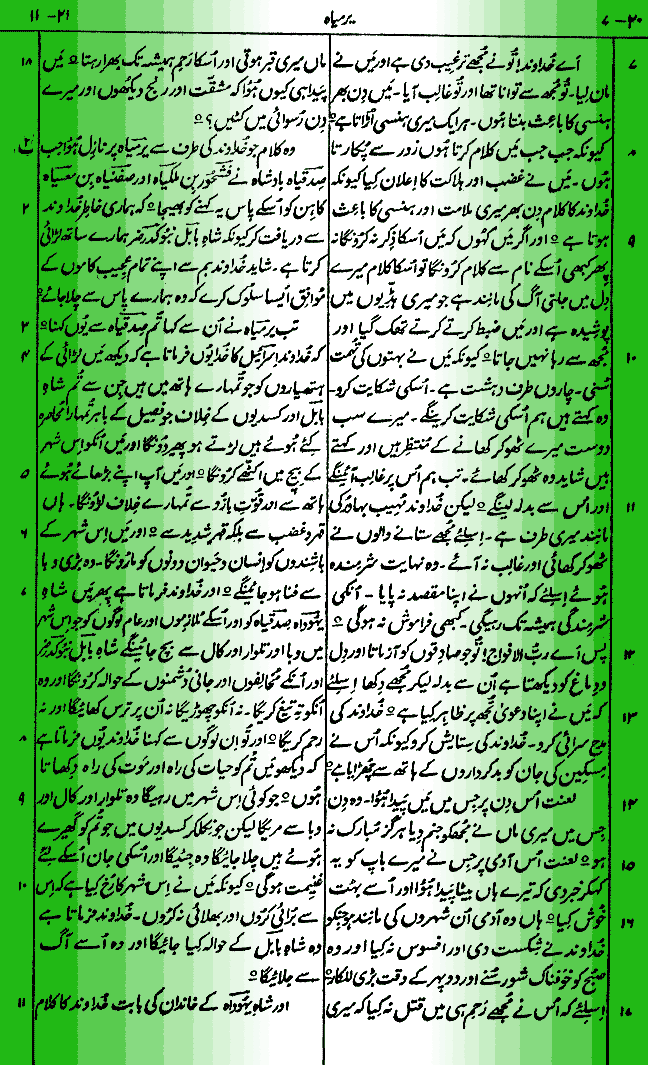
Verse-by-Verse Commentary: Jeremiah 20:7 to Jeremiah 21:10
Jeremiah 20:7
Verse: O LORD thou hast deceived me and I was deceived thou art stronger than I and hast prevailed I am in derision daily every one mocketh me
English Explanation: In this deeply raw and emotional verse Jeremiah expresses his intense personal agony. The phrase “thou hast deceived me” (often translated from Hebrew as “persuaded” or “overcome”) reflects Jeremiah’s feeling that God drew him into a prophetic ministry without fully warning him of the brutal social isolation it would bring. God’s call was irresistible (“thou art stronger than I”) leaving the prophet vulnerable to relentless public mockery and daily ridicule because of his unpopular messages of doom.
Urdu Explanation:
اس آیت میں یرمیاہ نبی اپنے شدید دلی رنج اور درد کا اظہار کرتے ہیں۔ ان کا یہ کہنا کہ “اے خداوند تو نے مجھے فریب دیا” دراصل اس گہرے احساس کو ظاہر کرتا ہے کہ خدا نے انہیں اپنی خدمت کے لیے چن تو لیا لیکن اس کے نتیجے میں ملنے والی عوامی مخالفت کی سختی کا اندازہ انہیں نہ تھا۔ خدا کی قدرت ان پر غالب آئی اور وہ لبھائے گئے لیکن اب وہ ہر روز لوگوں کے تمسخر اور ملامت کا نشانہ بن چکے ہیں کیونکہ ان کا پیغام لوگوں کو ناگوار گزرتا ہے۔
Jeremiah 20:8
Verse: For since I spake I cried out I cried violence and spoil because the word of the LORD was made a reproach unto me and a derision daily
English Explanation: Whenever Jeremiah speaks he is compelled to announce imminent destruction (“violence and spoil”). Because his prophetic message focuses entirely on judgment and repentance the people reject it. Instead of receiving the word of God with reverence the community turns it into a weapon of social humiliation making Jeremiah an object of constant reproach.
Urdu Explanation:
جب بھی یرمیاہ کلام کرتے ہیں تو وہ آنے والی تباہی ظلم اور غارت گری کی دہائی دیتے ہیں۔ چونکہ ان کا پیغام ہمیشہ عدالت اور سزا کے بارے میں ہوتا ہے اس لیے لوگ ان کی بات سننے کے بجائے ان کا مذاق اڑاتے ہیں۔ خدا کا پاک کلام ان کے لیے روزانہ کی رسوائی اور طعنہ زنی کا سبب بن گیا ہے۔
Jeremiah 20:9
Verse: Then I said I will not make mention of him nor speak any more in his name But his word was in mine heart as a burning fire shut up in my bones and I was weary with forbearing and I could not stay
English Explanation: Overwhelmed by the social backlash Jeremiah attempts to quit his ministry and remain silent. However he finds that God’s word cannot be suppressed. It acts like a literal fire trapped inside his bones consuming his energy until keeping it inside becomes more painful than facing the persecution. He is forced by spiritual compulsion to speak out.
Urdu Explanation:
عوامی مخالفت سے تنگ آ کر یرمیاہ فیصلہ کرتے ہیں کہ وہ اب سے خدا کا نام نہیں لیں گے اور نہ ہی اس کے نام سے کوئی پیشگوئی کریں گے۔ لیکن وہ محسوس کرتے ہیں کہ خدا کا کلام ان کے دل میں ایک بھڑکتی ہوئی آگ کی طرح ہے جو ان کی ہڈیوں میں بند ہے۔ وہ اس کلام کو روک روک کر تھک جاتے ہیں اور اسے اپنے اندر دبائے رکھنے کی طاقت نہیں پاتے۔
Jeremiah 20:10
Verse: For I heard the defaming of many fear on every side Report say they and we will report it All my familiars watched for my halting saying Peradventure he will be enticed and we shall prevail against him and we shall take our revenge on him
English Explanation: Jeremiah describes a conspiracy of slander forming against him. Even his closest friends (“my familiars”) have turned against him waiting for him to make a mistake or slip up (“watched for my halting”). They plot to report him to the authorities or entrap him so they can exact revenge for his offensive prophecies.
Urdu Explanation:
یرمیاہ اپنے خلاف ہونے والی سازشوں کا ذکر کرتے ہیں جہاں ہر طرف خوف کا ماحول ہے۔ ان کے قریبی دوست اور شناسا بھی ان کی لغزش (غلطی) کا انتظار کر رہے ہیں تاکہ انہیں کسی بات میں پھنسا سکیں اور ان سے اپنا بدلہ لے سکیں۔ وہ کہتے ہیں کہ کوئی اس کے خلاف مخبری کرے تو ہم بھی اس کی شکایت کریں گے۔
Jeremiah 20:11
Verse: But the LORD is with me as a mighty terrible one therefore my persecutors shall stumble and they shall not prevail they shall be greatly ashamed for they shall not prosper their everlasting confusion shall never be forgotten
English Explanation: The tone shifts dramatically from despair to fierce faith. Jeremiah remembers that the Almighty is standing beside him like a terrifying warrior (“a mighty terrible one”). With God as his protector Jeremiah is confident that his persecutors will fail stumble and face enduring public shame that will never be erased from history.
Urdu Explanation:
یہاں یرمیاہ کا مایوس کن لہجہ اچانک ایمان اور بھروسے میں بدل جاتا ہے۔ وہ اقرار کرتے ہیں کہ خداوند ایک زبردست اور ہیبت ناک سورما کی طرح ان کے ساتھ کھڑا ہے۔ اس لیے ان کا تعاقب کرنے والے اور ستانے والے منہ کے بل گریں گے اور غالب نہیں آئیں گے۔ وہ سخت شرمندہ ہوں گے اور ان کی یہ دائمی رسوائی کبھی بھلائی نہیں جائے گی۔
Jeremiah 20:12
Verse: But O LORD of hosts that triest the righteous and seest the reins and the heart let me see thy vengeance on them for unto thee have I opened my cause
English Explanation: Jeremiah appeals to the supreme justice of God who examines human thoughts (“the reins”) and true motives (“the heart”). Instead of taking personal revenge Jeremiah lays his legal case (“opened my cause”) before God asking to witness divine justice executed upon his unrepentant enemies.
Urdu Explanation:
یرمیاہ رب الافواج (لشکروں کے خداوند) سے فریاد کرتے ہیں جو راستبازوں کو پرکھتا ہے اور انسان کے پوشیدہ خیالات اور دل کے بھیدوں کو جانتا ہے۔ وہ اپنا معاملہ خدا کی عدالت میں پیش کرتے ہوئے التجا کرتے ہیں کہ خدا خود ان کے دشمنوں سے بدلہ لے کیونکہ انہوں نے اپنا مقدمہ خدا کے سپرد کر دیا ہے۔
Jeremiah 20:13
Verse: Sing unto the LORD praise ye the LORD for he hath delivered the soul of the poor from the hand of evildoers
English Explanation: A burst of praise and worship emerges in the midst of trouble. Jeremiah commands an audience to praise God because God acts as the ultimate deliverer of the vulnerable helpless and oppressed (“the poor”) snatching them from the grip of wicked oppressors.
Urdu Explanation:
مصیبت کے ان حالات میں بھی یرمیاہ خدا کی حمد و ثنا کا گیت گاتے ہیں۔ وہ کہتے ہیں کہ خداوند کی تعریف کرو کیونکہ وہ مسکینوں اور بے بسوں کی جان کو بدکاروں کے ہاتھ سے مخلصی (نجات) دیتا ہے۔
Jeremiah 20:14
Verse: Cursed be the day wherein I was born let not the day wherein my mother bare me be blessed
English Explanation: In a classic style of biblical lament (resembling Job) Jeremiah plunges back into profound emotional darkness. He curses the very day of his birth. The emotional toll of his calling causes him to wish he had never entered existence to experience such severe sorrow.
Urdu Explanation:
یہاں یرمیاہ دوبارہ شدید ذہنی و دلی کرب میں مبتلا نظر آتے ہیں اور (ایوب نبی کی طرح) اپنی پیدائش کے دن پر لعنت بھیجتے ہیں۔ وہ خواہش کرتے ہیں کہ جس دن وہ پیدا ہوئے وہ دن مبارک نہ ٹھہرتا کیونکہ ان کی زندگی دکھوں سے بھر چکی ہے۔
Jeremiah 20:15
Verse: Cursed be the man who brought tidings to my father saying A man child is born unto thee making him very glad
English Explanation: Jeremiah extends his lament to the messenger who brought the joyful news of his birth to his father. In ancient Near Eastern culture the birth of a son was a cause for immense celebration but Jeremiah feels his life’s sorrow is so deep that the initial joy of his birth should be retroactively cursed.
Urdu Explanation:
وہ اس شخص کو بھی کوستے ہیں جس نے ان کے والد کو یہ خوشخبری دی تھی کہ ان کے ہاں بیٹا پیدا ہوا ہے اور انہیں خوش کیا تھا۔ یرمیاہ کے نزدیک ان کی زندگی کی تکلیف اتنی بڑی ہے کہ ان کی پیدائش کی خوشی منانا ہی بیکار تھا۔
Jeremiah 20:16
Verse: And let that man be as the cities which the LORD overthrew and repented not and let him hear the cry in the morning and the shouting at noontide
English Explanation: He wishes that the messenger of his birth experience a fate like Sodom and Gomorrah—the cities God overthrew without pity. He wishes upon him a life filled with war alarms and panic from morning until noon representing total psychological and physical unrest.
Urdu Explanation:
وہ تمنا کرتے ہیں کہ وہ پیغام لانے والا شخص ان شہروں (سدوم اور عمورہ) کی طرح ہو جائے جنہیں خدا نے بغیر کسی رحم کے تباہ کر دیا۔ وہ اس کے لیے صبح کے وقت جنگ کی دہائی اور دوپہر کو ہنگامے اور خوف کی آوازیں سننے کی بددعا کرتے ہیں جو کہ مکمل بے چینی کی علامت ہے۔
Jeremiah 20:17
Verse: Because he slew me not from the womb or that my mother might have been my grave and her womb to be always great with me
English Explanation: Jeremiah expresses the ultimate despair wishing he had died in utero. He wishes his mother’s womb had become his grave so that he would never have stepped onto the stage of world history to endure his painful prophetic calling.
Urdu Explanation:
وہ اپنے شدید رنج کا اظہار کرتے ہوئے کہتے ہیں کہ کاش وہ ماں کے پیٹ ہی میں مر گئے ہوتے یا ان کی ماں کا پیٹ ہی ان کی قبر بن جاتا تاکہ انہیں اس دنیا میں آ کر اتنے دکھ نہ جھیلنے پڑتے۔
Jeremiah 20:18
Verse: Wherefore came I forth out of the womb to see labour and sorrow that my days should be consumed with shame
English Explanation: The chapter ends with a haunting question. Jeremiah asks why he was ever born if his entire life purpose was to witness hard labor pain sorrow and to have his remaining days utterly swallowed up by public humiliation.
Urdu Explanation:
یہ باب ایک دردناک سوال پر ختم ہوتا ہے۔ یرمیاہ پوچھتے ہیں کہ وہ ماں کے پیٹ سے کیوں نکلے؟ کیا صرف اس لیے کہ وہ ساری زندگی مشقت دکھ اور رسوائی دیکھیں اور ان کے دن شرمندگی میں گزر جائیں؟
Jeremiah 21:1
Verse: The word which came unto Jeremiah from the LORD when king Zedekiah sent unto him Pashur the son of Melchiah and Zephaniah the son of Maaseiah the priest saying
English Explanation: Chapter 21 shifts focus to a historical narrative during the Babylonian siege of Jerusalem. King Zedekiah facing imminent destruction sends an official delegation consisting of Pashur and Zephaniah the priest to seek a prophetic word from Jeremiah showing that despite rejecting him earlier the leadership turns to him in times of crisis.
Urdu Explanation:
باب 21 کا آغاز ایک تاریخی واقعے سے ہوتا ہے جب بابل کی فوج نے یروشلم کا محاصرہ کر رکھا تھا۔ بادشاہ صدقیاہ نے اپنی گھبراہٹ میں پشحور اور صفنیاہ کاہن کو یرمیاہ نبی کے پاس بھیجا تاکہ وہ خدا کا کلام معلوم کریں۔ یہ ظاہر کرتا ہے کہ مصیبت کے وقت حکمران طبقہ بھی نبی کی طرف رجوع کرنے پر مجبور ہو گیا۔
Jeremiah 21:2
Verse: Enquire I pray thee of the LORD for us for Nebuchadrezzar king of Babylon maketh war against us if so be that the LORD will deal with us according to all his wondrous works that he may go up from us
English Explanation: King Zedekiah asks Jeremiah to pray and consult God hoping for a miraculous intervention. The king wants God to repeat the “wondrous works” of the past (like the supernatural deliverance of Jerusalem from the Assyrians in the days of Hezekiah) so that Nebuchadnezzar will retreat and abandon the siege.
Urdu Explanation:
بادشاہ صدقیاہ نے یرمیاہ سے التجا کی کہ وہ ہمارے لیے خداوند سے دعا کریں کیونکہ شاہِ بابل نبوکدنضر ہمارے خلاف جنگ کر رہا ہے۔ انہیں امید تھی کہ شاید خدا ماضی کی طرح کوئی معجزہ دکھائے تاکہ بابل کی فوج محاصرہ ختم کر کے واپس چلی جائے۔
Jeremiah 21:3
Verse: Then said Jeremiah unto them Thus shall ye say to Zedekiah
English Explanation: Jeremiah does not offer false comfort. He immediately prepares a direct blunt and uncompromising reply from God to be delivered straight back to King Zedekiah.
Urdu Explanation:
یرمیاہ انہیں کوئی جھوٹی تسلی نہیں دیتے بلکہ خدا کی طرف سے ایک ٹوک اور سخت جواب تیار کرتے ہیں اور کہتے ہیں کہ تم صدقیاہ بادشاہ سے جا کر یہ کہہ دو۔
Jeremiah 21:4
Verse: Thus saith the LORD God of Israel Behold I will turn back the weapons of war that are in your hands wherewith ye fight against the king of Babylon and against the Chaldeans which besiege you without the walls and I will assemble them into the midst of this city
Explanation: God declares that instead of fighting for Judah He will fight against them. The weapons the Judean soldiers are using to defend the walls will become completely ineffective and will be pushed back inside the city center. The Babylonian (Chaldean) forces will successfully breach the outer defenses.
Urdu Explanation:
اسرائیل کا خدا فرماتا ہے کہ جن ہتھیاروں سے تم شہر کی دیواروں کے باہر بابل اور کسدیوں کی فوج کا مقابلہ کر رہے ہو میں ان ہتھیاروں کا رخ تمہاری ہی طرف پھیر دوں گا۔ تمہاری مدافعت ناکام ہو جائے گی اور میں ان دشمنوں کو اس شہر کے بیچوں بیچ جمع کر دوں گا۔
Jeremiah 21:5
Verse: And I myself will fight against you with an outstretched hand and with a strong arm even in anger and in fury and in great wrath
English Explanation: This verse uses Exodus language (“outstretched hand and strong arm”) but reverses it terribly. The same divine strength that God used to deliver Israel from Egypt is now being deployed to crush Israel because of their persistent sins disobedience and idolatry.
Urdu Explanation:
خدا فرماتا ہے کہ میں خود اپنے بڑھائے ہوئے ہاتھ اور قوی بازو کے ساتھ پورے غصے قہر اور شدید غضب میں تمہارے خلاف لڑوں گا۔ یہ وہی الفاظ ہیں جو خدا نے بنی اسرائیل کو مصر سے نکالنے کے لیے استعمال کیے تھے لیکن اب وہ اپنی طاقت ان کو بچانے کے لیے نہیں بلکہ سزا دینے کے لیے استعمال کر رہا ہے۔
Jeremiah 21:6
Verse: And I will smite the inhabitants of this city both man and beast they shall die of a great pestilence
English Explanation: The judgment will be total sparing neither human beings nor livestock. Due to the terrible conditions of the military siege a massive plague (“pestilence”) will break out within the crowded walls of Jerusalem causing widespread death.
Urdu Explanation:
خدا فرماتا ہے کہ میں اس شہر کے رہنے والوں کو خواہ وہ انسان ہوں یا حیوان سب کو ماروں گا اور وہ ایک بڑی اور ہلاکت خیز مری (وبائی بیماری) سے مریں گے جو محاصرے کی وجہ سے شہر میں پھیلے گی۔
Jeremiah 21:7
Verse: And afterward saith the LORD I will deliver Zedekiah king of Judah and his servants and the people and such as are left in this city from the pestilence from the sword and from the famine into the hand of Nebuchadrezzar king of Babylon and into the hand of their enemies and into the hand of those that seek their life and he shall smite them with the edge of the sword he shall not spare them neither have pity nor have mercy
English Explanation: Those who somehow manage to survive the plague sword and famine inside Jerusalem will face an equally grim fate. King Zedekiah his royal court and the remaining citizens will be captured by Nebuchadnezzar. The Babylonian king will execute them mercilessly showing no pity compassion or quarter.
Urdu Explanation:
خدا کا فرمان ہے کہ جو لوگ مری تلوار اور قحط سے بچ جائیں گے ان کو میں شاہِ بابل نبوکدنضر اور ان کے جانی دشمنوں کے حوالے کر دوں گا۔ وہ انہیں بے دردی سے تلوار کی دھار سے ہلاک کرے گا اور ان پر کسی قسم کا رحم ترس یا معافی نہیں کھائے گا۔
Jeremiah 21:8
Verse: And unto this people thou shalt say Thus saith the LORD Behold I set before you the way of life and the way of death
English Explanation: God presents a dramatic and vital choice to the ordinary citizens of Jerusalem. This echo of Deuteronomy forces each individual to choose between “the way of life” and “the way of death.” Survival is no longer a corporate reality for the nation; it is now down to individual obedience.
Urdu Explanation:
خدا عام لوگوں کو مخاطب کرتے ہوئے فرماتا ہے کہ دیکھو میں تمہارے سامنے زندگی کی راہ اور موت کی راہ رکھتا ہوں۔ اب پورے ملک کا بچنا ناممکن ہے اس لیے ہر شخص کو اپنی جان بچانے کے لیے انفرادی طور پر فیصلہ کرنا ہوگا۔
Jeremiah 21:9
Verse: He that abideth in this city shall die by the sword and by the famine and by the pestilence but he that goeth out and falleth to the Chaldeans that besiege you he shall live and his life shall be unto him for a prey
English Explanation: The choices are defined clearly but shockingly. Anyone who stays inside Jerusalem out of false patriotism or stubborn pride will die by violence hunger or disease. However anyone who surrenders (“falleth to the Chaldeans”) will survive. Their life will be like a prize of war (“for a prey”)—they will lose everything else but keep their existence.
Urdu Explanation:
خدا ان راستوں کی وضاحت کرتا ہے جو شخص اس شہر کے اندر رہے گا وہ تلوار قحط یا مری سے مر جائے گا۔ لیکن جو شخص باہر نکل کر محاصرہ کرنے والے کسدیوں (بابلیوں) کے سامنے ہتھیار ڈال دے گا وہ زندہ رہے گا اور اس کی جان مالِ غنیمت کی طرح بچ جائے گی یعنی وہ سب کچھ کھو کر بھی اپنی زندگی بچا لے گا۔
Jeremiah 21:10
Verse: For I have set my face against this city for evil and not for good saith the LORD it shall be given into the hand of the king of Babylon and he shall burn it with fire
English Explanation: The ultimate doom of Jerusalem is sealed. God has set His divine purpose against the city to bring disaster (“evil”) rather than blessing. The city is officially handed over to the Babylonian Empire and its ultimate fate is complete destruction by fire.
Urdu Explanation:
اس حصے کا اختتام حتمی فیصلے پر ہوتا ہے۔ خداوند فرماتا ہے کہ میں نے بھلائی کے لیے نہیں بلکہ بربادی کے لیے اس شہر پر اپنی نظریں جما رکھی ہیں۔ یہ شہر یقیناً شاہِ بابل کے ہاتھ میں دے دیا جائے گا اور وہ اسے آگ لگا کر خاکستر (پوری طرح برباد) کر دے گا۔