Verse-by-Verse Commentary & Explanation
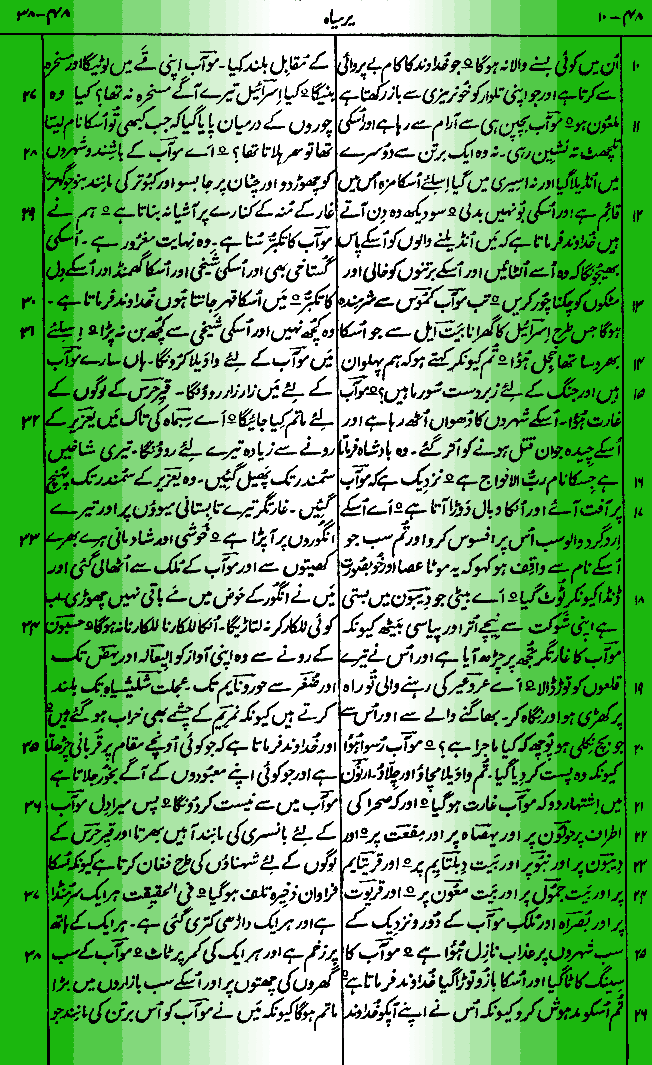
Jeremiah 48:10
Verse: Cursed be he that doeth the work of the LORD deceitfully and cursed be he that keepeth back his sword from blood
-
English Explanation: This verse issues a severe warning against half-heartedness or complacency in executing God’s commands. When God appoints an instrument of judgment (in this context, the Babylonian army attacking Moab), doing the work “deceitfully” or negligently incurs a curse. It emphasizes that divine justice demands total obedience and seriousness.
-
Urdu Explanation (تفسیر): اس آیت میں خدا کے حکم کی تعمیل میں سستی یا بے دلی دکھانے والوں کے لیے سخت تنبیہ ہے۔ یہاں یہ واضح کیا گیا ہے کہ جو کوئی خدا کے کام کو دھوکہ دہی، لاپروائی یا ادھورے دل سے کرتا ہے، وہ لعنت کا مستحق ٹھہرتا ہے۔ جب خدا کسی قوم کی عدالت کا فیصلہ کرتا ہے، تو اس کے مقرر کردہ لوگوں کو اپنا کام پوری وفاداری سے کرنا ہوتا ہے۔
Jeremiah 48:11
Verse: Moab hath been at ease from his youth and he hath settled on his lees and hath not been emptied from vessel to vessel neither hath he gone into captivity therefore his taste remained in him and his scent is not changed
-
English Explanation: Jeremiah uses a winemaking metaphor here. Moab had enjoyed long periods of peace and isolation, untouched by the major trials or exile that Israel faced. Like wine left undisturbed to settle on its dregs (“lees”), Moab became stagnant, arrogant, and set in its wicked ways because its comfort had never been disrupted.
-
Urdu Explanation (تفسیر): یہاں مآب کی قوم کو شراب کی مثال سے سمجھایا گیا ہے۔ مآب طویل عرصے سے امن و امان میں رہا اور اس پر کبھی بڑی مصیبت یا جلاوطنی نہیں آئی، جیسے شراب کو ایک برتن سے دوسرے برتن میں نہ الٹا جائے تو وہ اپنی تلچھٹ پر جمی رہتی ہے۔ اس مسلسل آسودگی نے مآب کو مغرور اور گناہ میں پکا کر دیا تھا، اور ان کا پرانا مزاج بدلا نہیں تھا۔
Jeremiah 48:12
Verse: Therefore behold the days come saith the LORD that I will send unto him wanderers that shall cause him to wander and shall empty his vessels and break their bottles
-
English Explanation: Because of Moab’s stagnant pride, God promises to disrupt their peace. He will send invaders (“wanderers” or “tilters”) who will forcefully empty Moab like jars of wine, breaking their vessels. This signifies the total destruction of their economy, population, and security.
-
Urdu Explanation (تفسیر): چونکہ مآب اپنی آسودگی میں اندھا ہو چکا تھا، اس لیے خداوند فرماتا ہے کہ اب ایسے حملہ آور (الٹنے والے) آئیں گے جو انہیں درہم برہم کر دیں گے۔ وہ مآب کے برتنوں کو خالی کر دیں گے اور ان کے مٹکے توڑ ڈالیں گے۔ یہ مآب کی معیشت، آبادی اور امن کی مکمل تباہی کی علامت ہے۔
Jeremiah 48:13
Verse: And Moab shall be ashamed of Chemosh as the house of Israel was ashamed of Bethel their confidence
-
English Explanation: Chemosh was the national pagan god of the Moabites. When destruction falls, Moab will realize that Chemosh is powerless to save them. They will face the same national humiliation and disillusionment that Israel experienced when their golden calf worship at Bethel failed to protect them from Assyria.
-
Urdu Explanation (تفسیر): “کِموش” مآب کا قومی دیوتا تھا۔ اس آیت میں پیشگوئی ہے کہ جب تباہی آئے گی تو مآب کو اپنے اس جھوٹے خدا پر شرمندگی ہوگی، بالکل اسی طرح جیسے اسرائیل کے گھرانے کو بیت ایل کے بچھڑے پر تکیہ کرنے کی وجہ سے شرمندگی اٹھانی پڑی تھی جب اسور نے ان پر قبضہ کر لیا۔
Jeremiah 48:14
Verse: How say ye We are mighty and strong men for the war
-
English Explanation: God challenges Moab’s military arrogance. They boasted of their heroic warriors and military strength, but this rhetorical question exposes the vanity of human strength when standing against divine judgment.
-
Urdu Explanation (تفسیر): خداوند مآب کے عسکری غرور کو چیلنج کرتا ہے کہ وہ کس بنیاد پر یہ دعویٰ کرتے ہیں کہ وہ جنگ کے لیے زبردست اور بہادر ہیں۔ جب خدا کی عدالت نازل ہوتی ہے تو انسان کی ظاہری طاقت اور فوج کوئی معنی نہیں رکھتی۔
Jeremiah 48:15
Verse: Moab is spoiled and gone up out of her cities and his chosen young men are gone down to the slaughter saith the King whose name is the LORD of hosts
-
English Explanation: The destruction is so certain that it is spoken of in the past tense. Moab’s cities are ruined, and their finest, strongest young men are led away like cattle to be slaughtered. The decree is backed by the ultimate authority: the King, the Lord of Hosts.
-
Urdu Explanation (تفسیر): مآب کی تباہی اتنی یقینی ہے کہ اسے ماضی کے صیغے میں بیان کیا گیا ہے۔ مآب برباد ہو گیا، اس کے شہر اجڑ گئے، اور اس کے چنے ہوئے جوان قتل ہونے کے لیے چلے گئے۔ یہ فرمان کسی عام بادشاہ کا نہیں بلکہ لشکروں کے رب خدا کا ہے۔
Jeremiah 48:16
Verse: The calamity of Moab is near to come and his affliction hasteth fast
-
English Explanation: This verse emphasizes the imminence of the prophecy. Although Moab felt secure at the moment, their day of reckoning was approaching rapidly and could not be delayed.
-
Urdu Explanation (تفسیر): اس آیت میں مآب کو خبردار کیا گیا ہے کہ ان پر آنے والی آفت بہت نزدیک ہے اور ان کی مصیبت تیزی سے بڑھتی چلی آ رہی ہے۔ اگرچہ وہ خود کو محفوظ سمجھ رہے تھے، لیکن خدا کی عدالت کا وقت قریب آچکا تھا۔
Jeremiah 48:17
Verse: All ye that are about him bemoan him and all ye that know his name say How is the strong staff broken and the beautiful rod
-
English Explanation: Neighboring nations and those who knew of Moab’s political and military prestige are called to mourn over its sudden downfall. The “strong staff” and “beautiful rod” represent Moab’s powerful rule, authority, and majestic sovereignty, which are now shattered.
-
Urdu Explanation (تفسیر): آس پاس کی تمام قوموں اور مآب کی شہرت سے واقف لوگوں کو بلاوا دیا گیا ہے کہ وہ اس کی تباہی پر ماتم کریں۔ “مضبوط لاٹھی” اور “خوبصورت عصا” مآب کی سیاسی اور عسکری طاقت کی علامتیں ہیں، جو اب یکسر ٹوٹ چکی ہیں۔
Jeremiah 48:18
Verse: Thou daughter that dost inhabit Dibon come down from thy glory and sit in thirst for the spoiler of Moab shall come upon thee and he shall destroy thy strong holds
-
English Explanation: Dibon was a prominent, well-watered city in Moab. The inhabitant (“daughter”) is told to leave her luxurious, glorious position and sit in the dust of thirst and deprivation. The Babylonian conqueror will breach all their fortified strongholds.
-
Urdu Explanation (تفسیر): “دیبون” مآب کا ایک مشہور اور سرسبز شہر تھا۔ وہاں کے رہنے والوں کو کہا جا رہا ہے کہ اپنی شان و شوکت سے نیچے اتر آؤ اور پیاس کی حالت میں خاک پر بیٹھو، کیونکہ مآب کو لوٹنے والا بابل کا لشکری اب تمہارے مضبوط قلعوں کو مسمار کرنے آ رہا ہے۔
Jeremiah 48:19
Verse: O inhabitant of Aroer stand by the way and espy ask him that fleeth and her that escapeth and say What is done
-
Explanation: Aroer was a city situated on the border highway. The inhabitants are pictured standing by the roadside, anxiously watching for refugees fleeing from the north, asking them desperately for news of the unfolding disaster.
-
Urdu Explanation (تفسیر): “عروعیر” شاہراہ پر واقع ایک سرحدی شہر تھا۔ وہاں کے رہنے والوں کو منظر کشی کے ذریعے دکھایا گیا ہے کہ وہ راستے پر کھڑے ہو کر شمال سے بھاگ کر آنے والے پناہ گزینوں سے پوچھ رہے ہیں کہ “کیا ہوا ہے؟” یعنی وہ تباہی کی خبریں جاننے کے لیے بے چین ہیں۔
Jeremiah 48:20
Verse: Moab is confounded for it is broken down howl and cry and tell ye it in Arnon that Moab is spoiled
-
English Explanation: The answer to Aroer’s question is delivered with grief: Moab is utterly shattered and put to shame. The news of ruin is to be echoed along the Arnon River, a natural valley and border of Moab, accompanied by weeping and howling.
-
Urdu Explanation (تفسیر): عروعیر کے لوگوں کو جواب ملتا ہے کہ مآب رسوا اور ٹوٹ پھوٹ چکا ہے۔ ارنون کے وادی اور دریا کے آس پاس یہ اعلان بلند آواز میں روتے ہوئے کر دو کہ مآب مکمل طور پر برباد ہو چکا ہے۔
Jeremiah 48:21
Verse: And judgment is come upon the plain country upon Holon and upon Jahazah and upon Mephaath
-
English Explanation: Verses 21-24 contain a geographical list of Moabite cities facing destruction. Here, God’s judgment sweeps across the high tablelands and plain country, sparing no city, including Holon, Jahazah, and Mephaath.
-
Urdu Explanation (تفسیر): آیات 21 سے 24 تک مآب کے شہروں کی فہرست ہے جن پر خدا کی عدالت نازل ہو رہی ہے۔ یہاں بتایا گیا ہے کہ مآب کے میدانی علاقوں اور ہولون، یہضاہ اور میفعہ جیسے شہروں پر قضا و قدر کا فیصلہ آ پہنچا ہے۔
Jeremiah 48:22
Verse: And upon Dibon and upon Nebo and upon Beth-diblathaim
-
English Explanation: The wave of divine judgment continues, engulfing the major cities of Dibon (previously mentioned for its glory), Nebo (associated with the famous mountain), and Beth-diblathaim.
-
Urdu Explanation (تفسیر): عدالت کا یہ سیلاب آگے بڑھتا ہوا دیبون، نبو (جو کہ ایک مشہور پہاڑی علاقہ بھی تھا) اور بیت دبلتائم کے شہروں کو اپنی لپیٹ میں لے رہا ہے۔
Jeremiah 48:23
Verse: And upon Kiriathaim and upon Beth-gamul and upon Beth-meon
-
English Explanation: No region can hide from the invasion. Kiriathaim, Beth-gamul, and Beth-meon are listed to emphasize the widespread and inescapable nature of the incoming Babylonian assault.
-
Urdu Explanation (تفسیر): کوئی بھی علاقہ بابل کے اس حملے سے چھپ نہیں سکتا۔ قریاتائم، بیت گامول اور بیت معون جیسے شہروں کے نام اس بات پر زور دیتے ہیں کہ یہ تباہی کتنی ہمہ گیر ہے۔
Jeremiah 48:24
Verse: And upon Kerioth and upon Bozrah and upon all the cities of the land of Moab far or near
-
English Explanation: The list concludes by covering Kerioth and Bozrah, and explicitly states that every city in Moab, whether located near the borders or far in the interior, will feel the wrath of judgment.
-
Urdu Explanation (تفسیر): شہروں کی فہرست کے اختتام پر قریوت اور بصراہ کا ذکر ہے، اور صاف لفظوں میں کہا گیا ہے کہ مآب کے تمام شہر، خواہ وہ سرحد کے قریب ہوں یا دور اندرون ملک، سب کے سب اس عذاب کا نشانہ بنیں گے۔
Jeremiah 48:25
Verse: The horn of Moab is cut off and his arm is broken saith the LORD
-
English Explanation: In biblical imagery, the “horn” represents political strength and dignity, while the “arm” represents offensive power and military might. Both are severed and broken, leaving Moab entirely defenseless.
-
Urdu Explanation (تفسیر): پاک کلام کی علامتوں میں “سینگ” سیاسی و شاہی طاقت کو ظاہر کرتا ہے اور “بازو” عسکری قوت کو۔ مآب کا سینگ کاٹ دیا گیا اور اس کا بازو توڑ دیا گیا، جس کا مطلب ہے کہ اب وہ مکمل طور پر بے بس اور دفاع کے لائق نہیں رہا۔
Jeremiah 48:26
Verse: Make ye him drunken for he magnified himself against the LORD Moab also shall wallow in his vomit and he also shall be in derision
-
English Explanation: Moab is commanded to be made “drunken” with the wine of God’s wrath. This spiritual drunkenness leads to public humiliation—wallowing in vomit and becoming an object of mockery (derision)—because they arrogance puffed them up to oppose the Lord Himself.
-
Urdu Explanation (تفسیر): مآب کو خدا کے غضب کی مے پلا کر مٹھاس اور نشے میں دھت کرنے کا حکم ہے۔ یہ روحانی نشہ ان کی رسوائی کا سبب بنے گا کہ وہ اپنی ہی قے میں لوٹیں گے اور سب کے لیے تمسخر کا باعث بنیں گے، کیونکہ انہوں نے خدا کے خلاف تکبر کیا تھا۔
Jeremiah 48:27
Verse: For was not Israel a derision unto thee was he found among thieves for since thou spakest of him thou skippedst for joy
-
English Explanation: Moab had gloated and rejoiced maliciously when Israel fell to its enemies, treating Israel like a common thief caught in the act. God reminds Moab of their cruel joy and notes that the tables are now turning; Moab will face the same mockery they gave to others.
-
Urdu Explanation (تفسیر): جب اسرائیل پر مصیبت آئی تھی، تو مآب نے اس کا مذاق اڑایا تھا جیسے اسرائیل کوئی چور ہو جو پکڑا گیا ہو۔ وہ اسرائیل کی بربادی پر خوشی سے اچھلتے تھے۔ اب خدا انہیں یاد دلاتا ہے کہ ان کا یہ سفاکانہ رویہ اب خود ان کی اپنی تباہی کا سبب بنے گا۔
Jeremiah 48:28
Verse: O ye that dwell in Moab leave the cities and dwell in the rock and be like the dove that maketh her nest in the sides of the hole’s mouth
-
English Explanation: The destruction of the urban centers will be so total that the citizens are advised to flee their cities and live like wild doves, nesting in the remote, inaccessible cracks of cliffs and rocks just to survive.
-
Urdu Explanation (تفسیر): مآب کے شہروں کی تباہی اس قدر بھیانک ہوگی کہ شہریوں کو مشورہ دیا جا رہا ہے کہ وہ شہر چھوڑ دیں اور پہاڑی چٹانوں میں جنگلی کبوتروں کی طرح غاروں کے منہ پر گھونسلے بنا کر رہیں تاکہ کسی طرح اپنی جان بچا سکیں۔
Jeremiah 48:29
Verse: We have heard the pride of Moab (he is exceeding proud) his loftiness and his arrogancy and his pride and the haughtiness of his heart
-
English Explanation: Jeremiah uses multiple synonyms for pride (loftiness, arrogancy, pride, haughtiness) to emphasize the root cause of Moab’s downfall. Their national sin was an overwhelming, deeply rooted arrogance against God and neighbor.
-
Urdu Explanation (تفسیر): یرمیاہ نبی مآب کے زوال کی اصل جڑ یعنی ان کے غرور کو ظاہر کرنے کے لیے تکبر کے مختلف الفاظ (مغرور، بلند پروازی، گستاخی، دل کا فخر) استعمال کرتا ہے۔ مآب کا سب سے بڑا گناہ ان کا شدید ترین تکبر تھا۔
Jeremiah 48:30
Verse: I know his wrath saith the LORD but it shall not be so his lies shall not so effect it
-
English Explanation: God states that He sees through Moab’s empty boasts, hollow anger, and deceitful words. Their arrogant claims and reliance on lies or false gods will fail to achieve anything or protect them from the coming judgment.
-
Urdu Explanation (تفسیر): خداوند فرماتا ہے کہ وہ مآب کے کھوکھلے غصے، شیخیوں اور جھوٹ سے بخوبی واقف ہے۔ ان کے جھوٹے دعوے اور جھوٹے خدا انہیں اس آنے والی عدالت سے بچانے میں بالکل ناکام ثابت ہوں گے۔
Jeremiah 48:31
Verse: Therefore will I howl for Moab and I will cry out for all Moab mine heart shall mourn for the men of Kir-heres
-
English Explanation: Even though judgment is completely justified, God (and His prophet) expresses deep sorrow over the human tragedy of Moab’s destruction. The weeping for the men of Kir-heres (a key stronghold) shows that divine judgment is executed with sorrow, not malicious joy.
-
Urdu Explanation (تفسیر): اگرچہ مآب کی سزا برحق ہے، لیکن خدا (اور اس کا نبی) مآب کی اس انسانی تباہی پر گہرے دکھ کا اظہار کرتا ہے۔ “قیر حارس” کے پکے قلعے کے مردوں کے لیے ماتم ظاہر کرتا ہے کہ خدا عدالت کے وقت بھی انسانی نقصان پر رنجیدہ ہوتا ہے۔
Jeremiah 48:32
Verse: O vine of Sibmah I will weep for thee with the weeping of Jazer thy plants are gone over the sea they reach even to the sea of Jazer the spoiler is fallen upon thy summer fruits and upon thy vintage
-
English Explanation: Sibmah was famous for its rich vineyards, whose export reached far away (“over the sea”). Jeremiah laments that this prosperous agricultural industry will be completely wiped out as the invader (“spoiler”) strips the vines and destroys the harvest.
-
Urdu Explanation (تفسیر): “شبماہ” اپنے شاندار انگور کے باغوں کے لیے مشہور تھا جن کی شہرت دور دور تک پھیلی ہوئی تھی۔ نبی نوحہ کرتا ہے کہ اب لٹیرے ان کے موسمِ گرما کے پھلوں اور انگوروں کی فصل پر ٹوٹ پڑے ہیں، جس سے یہ خوشحال زراعت بالکل ختم ہو جائے گی۔
Jeremiah 48:33
Verse: And joy and gladness is taken from the plentiful field and from the land of Moab and I have caused wine to fail from the winepresses none shall tread with shouting their shouting shall be no shouting
-
Explanation: The joyous sounds of harvest and wine-treading will vanish from Moab. While workers usually shouted for joy while treading grapes, any shouting heard now will be the terrifying cries of war and panic, not of harvest joy.
-
Urdu Explanation (تفسیر): مآب کے زرخیز کھیتوں سے خوشی اور شادمانی غائب ہو جائے گی۔ انگور نچوڑنے کے حوضوں میں مے ختم ہو جائے گی۔ وہاں انگور کچلنے والوں کے روایتی خوشی کے نعرے سنائی نہیں دیں گے، بلکہ اگر کوئی شور ہوگا تو وہ جنگ اور خوف کا شور ہوگا۔
Jeremiah 48:34
Verse: From the cry of Heshbon even unto Elealeh and even unto Jahaz have they uttered their voice from Zoar even unto Horonaim as an heifer of three years old for the waters also of Nimrim shall be desolate
-
English Explanation: The cries of terror will echo across the geography of Moab, from Heshbon to Jahaz. The anguish is compared to the lowing of a three-year-old heifer (distressed and loud). To make matters worse, their vital water sources, like the waters of Nimrim, will dry up or be ruined.
-
Urdu Explanation (تفسیر): خوف و ہراس کی چیخیں مآب کے ایک کونے سے دوسرے کونے تک گونجیں گی۔ اس دردناک چیخ کو تین سال کی جوان گائے کی آواز سے تشبیہ دی گئی ہے جو پریشانی میں چلاتی ہے۔ مزید یہ کہ ان کے پانی کے اہم چشمے (نمرؔیم کے پانی) بھی سوکھ کر ویران ہو جائیں گے۔
Jeremiah 48:35
Verse: Moreover I will cause to cease in Moab saith the LORD him that offereth in the high places and him that burneth incense to his gods
-
English Explanation: God promises to completely eradicate pagan idol worship in Moab. The high places where they sacrificed and the altars where they burned incense to their false gods will be permanently silenced.
-
Urdu Explanation (تفسیر): خداوند فرماتا ہے کہ وہ مآب میں بت پرستی کا نام و نشان مٹا دے گا۔ ان کے اونچے مقاموں پر قربانیاں چڑھانے والے اور اپنے جھوٹے معبودوں کے آگے بخور جلانے والے پجاری سب ختم کر دیے جائیں گے۔
Jeremiah 48:36
Verse: Therefore mine heart shall sound for Moab like pipes and mine heart shall sound like pipes for the men of Kir-heres because the riches that he hath gotten are perished
-
English Explanation: The prophet’s heart groans with a sorrow that sounds like the low, mourning tunes played on double-flutes (“pipes”) at funerals. The cause of this intense grief is the sudden and total loss of all the wealth that Moab had accumulated over centuries of peace.
-
Urdu Explanation (تفسیر): نبی کا دل مآب کے لیے ماتمی بانسری کی طرح رو رہا ہے۔ یہ شدید غم اس لیے ہے کیونکہ مآب نے صدیوں کے امن میں جو دولت، مال اور خزانہ جمع کیا تھا، وہ سب ایک ہی پل میں برباد ہو گیا۔
Jeremiah 48:37
Verse: For every head shall be bald and every beard clipped upon all the hands shall be cuttings and upon the loins sackcloth
-
English Explanation: This verse describes the intense, traditional cultural signs of eastern mourning. In their utter despair, the surviving Moabites will shave their heads, cut their beards, gash their hands in agony, and wear rough sackcloth around their waists.
-
Urdu Explanation (تفسیر): اس آیت میں شدید غم اور ماتم کی مشرقی ثقافتی علامتیں بیان کی گئی ہیں۔ مآب کے لوگ اپنی مایوسی میں سر منڈوائیں گے، داڑھیاں کٹوائیں گے، غم کی شدت میں ہاتھوں پر زخم لگائیں گے اور کمروں پر ٹاٹ باندھیں گے۔
Jeremiah 48:38
Verse: There shall be lamentation generally upon all the hous rooftops of Moab and in the streets thereof for I have broken Moab like a vessel wherein is no pleasure saith the LORD
-
English Explanation: Mourning will be ubiquitous—on the flat rooftops and out in the public streets. God concludes the section with a striking final metaphor: He has broken Moab like an unappealing, useless earthenware vessel that is thrown away because it has no value left.
-
Urdu Explanation (تفسیر): مآب کے تمام گھروں کی چھتوں اور گلیوں میں ہر طرف رونے پیٹنے کی آوازیں ہوں گی۔ خداوند اس حصے کا اختتام ایک اثر انگیز مثال کے ساتھ کرتا ہے کہ اس نے مآب کو ایک ایسے مٹی کے برتن کی طرح توڑ ڈالا ہے جو اب کسی کے کام کا نہیں رہا اور جس میں کوئی کشش باقی نہیں بچی۔