Verse-by-Verse Commentary and Explanation
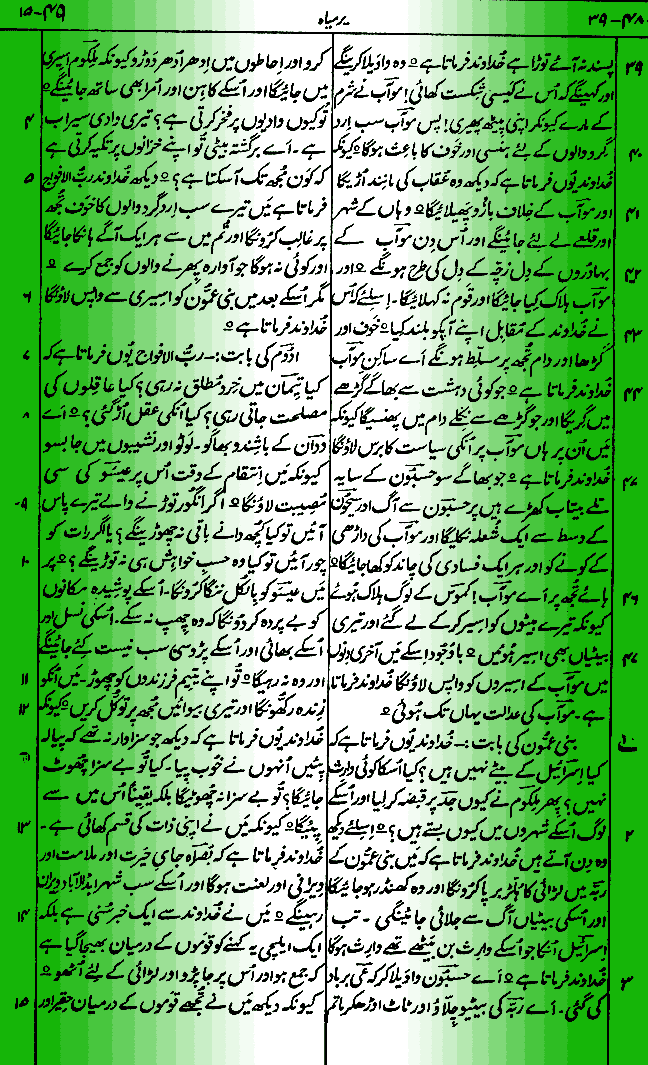
Jeremiah 48:39
Verse (Punctuation Omitted)
They shall howl saying How is it broken down! how hath Moab turned the back with shame! so shall Moab be a derision and a dismaying to all them about him
English Explanation
This verse depicts the utter shock and grief over the fall of Moab. Once a proud and secure nation, it has been completely shattered by divine judgment. The surrounding nations, who might have once feared or respected Moab, now look upon it with mockery (derision) and horror (dismaying). The phrase “turned the back with shame” signifies a humiliating retreat in battle, showing that their military might failed them when God’s judgment arrived.
Urdu Explanation
اس آیت میں موآب کی مکتمل تباہی پر شدید صدمے اور ماتم کا منظر پیش کیا گیا ہے۔ موآب جو کبھی ایک مغرور اور محفوظ قوم تھی، خدا کی عدالت کے باعث اب پوری طرح ٹوٹ چکی ہے۔ آس پاس کی قومیں جو کبھی موآب سے ڈرتی تھیں، اب اس کا مذاق اڑا رہی ہیں اور اسے عبرت کی نگاہ سے دیکھ رہی ہیں۔ “شرمندگی کے ساتھ پیٹھ پھیرنا” جنگ میں ذلت آمیز شکست کو ظاہر کرتا ہے، جس سے معلوم ہوتا ہے کہ خدا کے انصاف کے سامنے ان کی فوجی طاقت بالکل بے کار ثابت ہوئی۔
Jeremiah 48:40
Verse (Punctuation Omitted)
For thus saith the LORD Behold he shall fly as an eagle and shall spread his wings over Moab
English Explanation
The Lord uses the metaphor of a swift, predatory eagle to describe the invading enemy (primarily King Nebuchadnezzar of Babylon). The spreading of wings over Moab indicates a complete, inescapable coverage of destruction. Just as an eagle swoops down rapidly and fiercely upon its prey, the Babylonian army will descend upon Moab with devastating speed and overwhelming power.
Urdu Explanation
خداوند یہاں حملہ آور دشمن (بنیادی طور پر بابل کے بادشاہ نبوکدنضر) کو ایک تیز رفتار اور شکاری عقاب سے تشبیہ دیتا ہے۔ موآب پر “پر پھیلانے” کا مطلب یہ ہے کہ تباہی ہر طرف پھیل جائے گی اور کوئی اس سے بچ نہیں سکے گا۔ جیسے عقاب اپنے شکار پر تیزی اور بے رحمی سے جھپٹتا ہے، ویسے ہی بابل کی فوج موآب پر اچانک اور تباہ کن طاقت کے ساتھ حملہ آور ہوگی۔
Jeremiah 48:41
Verse (Punctuation Omitted)
Kerioth is taken and the strong holds are surprised and the mighty men’s hearts in Moab at that day shall be as the heart of a woman in her pangs
English Explanation
Kerioth, a major fortified city of Moab, along with other strongholds, is captured through sudden, surprising attacks. The verse highlights the psychological collapse of Moab’s elite warriors. Their courage vanishes instantly, and their terror is compared to the intense, sudden labor pains of a woman giving birth—signifying utter helplessness and fear in the face of unavoidable calamity.
Urdu Explanation
موآب کا ایک بڑا اور مضبوط شہر “قریوت” اور دیگر قلعے اچانک اور حیران کن حملوں کے ذریعے فتح کر لیے جائیں گے۔ یہ آیت موآب کے بہادر جنگجوؤں کی نفسیاتی شکست کو ظاہر کرتی ہے۔ ان کی بہادری پل بھر میں غائب ہو جاتی ہے، اور ان کے خوف کو دردِ زہ (بچے کی پیدائش کے وقت عورت کی تکلیف) سے تشبیہ دی گئی ہے—جو ناگزیر آفت کے سامنے ان کی مکمل بے بسی اور خوف کو ظاہر کرتا ہے۔
Jeremiah 48:42
Verse (Punctuation Omitted)
And Moab shall be destroyed from being a people because he hath magnified himself against the LORD
English Explanation
This verse provides the core spiritual reason for Moab’s severe judgment: pride and arrogance against Almighty God. Moab “magnified himself against the Lord” by mocking Israel and exalting its own false god, Chemosh. Because of this spiritual arrogance, Moab will lose its national identity and cease to exist as an independent, distinct nation.
Urdu Explanation
یہ آیت موآب پر آنے والی سخت عدالت کی اصل روحانی وجہ بیان کرتی ہے: قادرِ مطلق خدا کے خلاف غرور اور تکبر۔ موآب نے اسرائیل کا مذاق اڑا کر اور اپنے جھوٹے دیوتا “کموش” کو بڑا سمجھ کر “خداوند کے خلاف بڑائی کا دعویٰ کیا”۔ اس روحانی تکبر کی وجہ سے، موآب کی قومی شناخت مٹ جائے گی اور وہ ایک آزاد قوم کے طور پر قائم نہیں رہے گا۔
Jeremiah 48:43
Verse (Punctuation Omitted)
Fear and the pit and the snare shall be upon thee O inhabitant of Moab saith the LORD
English Explanation
The Lord pronounces an inescapable threefold trap for the people of Moab: fear, the pit, and the snare. This poetic phrasing emphasizes that no matter where the inhabitants run, danger is waiting. It symbolizes a state of absolute entrapment where every direction leads to a different form of ruin.
Urdu Explanation
خداوند موآب کے باشندوں کے لیے ایک ایسے جال کا اعلان کرتا ہے جس سے بچنا ناممکن ہے: یعنی خوف، گڑھا اور پھندا۔ یہ شاعرانہ انداز اس بات پر زور دیتا ہے کہ لوگ جہاں کہیں بھی بھاگیں، مصیبت ان کا انتظار کر رہی ہے۔ یہ مکمل بے بسی کی علامت ہے جہاں ہر راستہ کسی نہ کسی نئی تباہی کی طرف لے جاتا ہے۔
Jeremiah 48:44
Verse (Punctuation Omitted)
He that fleeth from the fear shall fall into the pit and he that getteth up out of the pit shall be taken in the snare for I will bring upon it even upon Moab the year of their visitation saith the LORD
English Explanation
Expanding on the previous verse, God explains that escape is mathematically impossible. If someone successfully runs away from the immediate terror (the fear), they will fall into a hidden trap (the pit). If they manage to climb out of the pit, they will be caught in a net (the snare). This is because it is the designated “year of their visitation”—the appointed time for divine reckoning and judgment.
Urdu Explanation
پچھلی آیت کی وضاحت کرتے ہوئے، خدا فرماتا ہے کہ فرار ہونا ناممکن ہے۔ اگر کوئی فوری خوف سے بھاگنے میں کامیاب ہو بھی جائے، تو وہ چھپے ہوئے گڑھے میں گر جائے گا۔ اور اگر وہ گڑھے سے نکلنے میں کامیاب ہو گیا، تو وہ پھندے میں پھنس جائے گا۔ ایسا اس لیے ہے کیونکہ یہ ان کی “عدالت کا سال” ہے—یعنی الٰہی انصاف اور جزا و سزا کا مقررہ وقت۔
Jeremiah 48:45
Verse (Punctuation Omitted)
They that fled stood under the shadow of Heshbon because of the force but a fire shall come forth out of Heshbon and a flame from the midst of Sihon and shall devour the corner of Moab and the crown of the head of the tumultuous ones
English Explanation
Refugees from Moab flee to the fortified city of Heshbon, hoping for protection. However, their hope is in vain. Instead of safety, Heshbon itself becomes the source or epicenter of a devastating fire (warfare) that spreads like a flame from the ancient realm of Sihon. This fire completely consumes Moab’s borders (“the corner”) and destroys its proud, arrogant leaders (“the crown of the head of the tumultuous ones”).
Urdu Explanation
موآب کے پناہ گزین تحفظ کی امید میں مضبوط شہر “حسبون” کی پناہ میں آتے ہیں۔ تاہم، ان کی یہ امید بے کار ثابت ہوتی ہے۔ حفاظت کے بجائے، حسبون خود ایک ہولناک آگ (جنگ) کا مرکز بن جاتا ہے جو سیحون کے قدیم علاقے سے شعلے کی طرح پھیلتی ہے۔ یہ آگ موآب کی سرحدوں کو مٹا دیتی ہے اور ان کے مغرور اور ہنگامہ کرنے والے رہنماؤں (“سر کے تاج”) کو ہلاک کر دیتی ہے۔
Jeremiah 48:46
Verse (Punctuation Omitted)
Woe be unto thee O Moab! the people of Chemosh perisheth for thy sons are taken captives and thy daughters captives
English Explanation
A lamentation of absolute doom is pronounced over Moab. They are identified here as “the people of Chemosh,” proving that their devotion to their national idol could not save them from the true God. Their future is cut short as their young men and women—the next generation—are marched off into humiliating foreign captivity.
Urdu Explanation
موآب پر مکمل ہلاکت کا افسوسناک اعلان کیا گیا ہے۔ انہیں یہاں “کموش کے لوگ” کہا گیا ہے، جو یہ ظاہر کرتا ہے کہ ان کے قومی بت کی پوجا انہیں سچے خدا کے غضب سے نہ بچا سکی۔ ان کا مستقبل ختم ہو جاتا ہے کیونکہ ان کے بیٹے اور بیٹیاں—یعنی اگلی نسل—ذلت آمیز طریقے سے غیر ملکی غلامی میں لے جائے جا رہے ہیں۔
Jeremiah 48:47
Verse (Punctuation Omitted)
Yet will I bring again the captivity of Moab in the latter days saith the LORD Thus far is the judgment of Moab
English Explanation
Even in judgment, God displays His profound mercy. The chapter ends with a prophetic promise of restoration: in the “latter days,” God will restore the fortunes of Moab. This points ultimately to the Messianic era, where people from all nations, including former enemies like Moab, find redemption. This marks the definitive conclusion of the prophetic declaration against Moab.
Urdu Explanation
سخت ترین عدالت کے باوجود، خدا اپنی گہری رحمت کا اظہار فرماتا ہے۔ یہ باب بحالی کے ایک غیبی وعدے کے ساتھ ختم ہوتا ہے: “آخری دنوں میں” خدا موآب کے اسیروں کو واپس لائے گا (ان کے حالات بدل دے گا)۔ یہ بنیادی طور پر مسیحا کے دور کی طرف اشارہ ہے، جہاں تمام قوموں کے لوگ، بشمول موآب جیسے پرانے دشمنوں کے، نجات پائیں گے۔ یہاں موآب پر عدالت کا کلام ختم ہوتا ہے۔
Chapter 49
Jeremiah 49:1
Verse (Punctuation Omitted)
Concerning the Ammonites thus saith the LORD Hath Israel no sons? hath he no heir? why then doth their king inherit Gad and his people dwell in his cities
English Explanation
Jeremiah turns his focus to the neighboring nation of Ammon. God asks rhetorically if Israel has no heirs. When the Assyrians carried away the northern tribes of Israel (including the tribe of Gad), the Ammonites aggressively moved in and seized Gad’s territory as if it belonged to them. God confronts this illegal and predatory land grab, rebuking their king and people for occupying towns that rightfully belonged to Israel.
Urdu Explanation
یرمیاہ اب اپنی توجہ پڑوسی ملک عمون کی طرف موڑتا ہے۔ خدا ایک سوال پوچھتا ہے کہ کیا اسرائیل کا کوئی وارث نہیں ہے؟ جب اسوریوں نے اسرائیل کے شمالی قبیلوں (بشمول جاد کے قبیلے) کو اسیر کر لیا، تو عمونیوں نے آگے بڑھ کر جاد کے علاقے پر غاصبانہ قبضہ کر لیا جیسے وہ ان کی اپنی جاگیر ہو۔ خدا زمین پر اس ناجائز قبضے کا سامنا کرتا ہے اور ان کے بادشاہ اور لوگوں کو ان شہروں میں رہنے پر ملامت کرتا ہے جو قانونی طور پر اسرائیل کے تھے۔
Jeremiah 49:2
Verse (Punctuation Omitted)
Therefore behold the days come saith the LORD that I will cause an alarm of war to be heard in Rabbah of the Ammonites and it shall be a desolate heap and her daughters shall be burned with fire then shall Israel be heir unto them that were his heirs saith the LORD
English Explanation
Because of Ammon’s opportunistic theft, divine judgment is decreed. Rabbah, the capital city of the Ammonites, will hear the terrifying sounds of approaching war. The heavily fortified city will be reduced to a pile of ruins (“desolate heap”), and its surrounding villages (“her daughters”) will be consumed by fire. Ultimately, Israel will reclaim its stolen territory and inherit the land of those who once dispossessed them.
Urdu Explanation
عمون کی اس موقع پرستی اور چوری کی وجہ سے، الٰہی عدالت کا حکم دیا گیا ہے۔ عمونیوں کے دارالحکومت “ربّہ” میں جنگ کا خوفناک شور سنائی دے گا۔ وہ مضبوط شہر کھنڈر کا ڈھیر بن جائے گا، اور اس کے آس پاس کی بستیاں (“اس کی بیٹیاں”) آگ میں جھلس جائیں گی۔ آخر کار، اسرائیل اپنا چھینا ہوا علاقہ واپس لے لے گا اور ان کی زمین کا وارث بنے گا جنہوں نے کبھی ان پر قبضہ کیا تھا۔
Jeremiah 49:3
Verse (Punctuation Omitted)
Howl O Heshbon for Ai is spoiled cry ye daughters of Rabbah gird you with sackcloth lament and run to and fro by the hedges for their king shall go into captivity and his priests and his princes together
Explanation
The surrounding regions are urged to mourn. With neighboring cities like Ai already ruined, Heshbon is told to howl in grief. The citizens of Rabbah are commanded to wear sackcloth (a sign of deep mourning) and run around aimlessly in panic along the stone walls or hedges. Their leadership structure will completely collapse as their king, national priests, and political princes are dragged away into foreign exile.
Urdu Explanation
آس پاس کے علاقوں کو ماتم کرنے کی ترغیب دی گئی ہے۔ پڑوسی شہر “عی” کی بربادی کے بعد، حسبون کو بھی غم سے رونے کا کہا گیا ہے۔ ربّہ کے باشندوں کو ٹاٹ اوڑھنے (جو گہرے غم کی علامت ہے) اور خوف کے عالم میں دیواروں کے ساتھ مارے مارے پھرنے کا حکم دیا گیا ہے۔ ان کا پورا سیاسی اور مکرانی نظام تباہ ہو جائے گا کیونکہ ان کا بادشاہ، مذہبی کاہن اور شہزادے سب اکٹھے غلامی میں لے جائے جائیں گے۔
Jeremiah 49:4
Verse (Punctuation Omitted)
Wherefore gloriest thou in the valleys thy flowing valley O backsliding daughter? that trusted in her treasures saying Who shall come unto me
English Explanation
God addresses the false security of Ammon, calling them a “backsliding daughter.” Ammon took immense pride in its fertile, well-watered valleys and substantial financial treasures. They possessed an arrogant, self-reliant attitude, believing that their geographic defenses and wealth made them completely invincible to any enemy attack (“Who shall come unto me?”).
Urdu Explanation
خدا عمون کے جھوٹے تحفظ اور غرور کو مخاطب کرتے ہوئے انہیں “گمراہ بیٹی” کہتا ہے۔ عمون کو اپنی زرخیز، سرسبز و شاداب وادیوں اور اپنی دولت پر بڑا ناز تھا۔ ان کا رویہ انتہائی مغرورانہ اور خود اعتمادی سے بھرپور تھا، وہ سمجھتے تھے کہ ان کا جغرافیائی مقام اور دولت انہیں کسی بھی دشمن کے حملے سے محفوظ رکھتی ہے (“مجھ پر کون چڑھ آئے گا؟”)۔
Jeremiah 49:5
Verse (Punctuation Omitted)
Behold I will bring a fear upon thee saith the Lord GOD of hosts from all those that be about thee and ye shall be driven out every man right forth and none shall gather up him that wandereth
English Explanation
The Sovereign Lord of Hosts shatters Ammon’s illusion of safety. He will strike them with paralyzing terror from every neighboring direction. The population will be scattered in total chaos, with every individual fleeing straight ahead in a desperate bid to survive. The panic will be so absolute that no one will have the time, capacity, or care to halt and gather the lost wanderers.
Urdu Explanation
لشکروں کا رب خدا عمون کے تحفظ کے اس وہم کو یکسر توڑ دیتا ہے۔ وہ پڑوس کی ہر سمت سے ان پر ایک مفلوج کر دینے والا خوف نازل کرے گا۔ آبادی مکمل افراتفری میں منتشر ہو جائے گی، اور ہر شخص اپنی جان بچانے کے لیے سیدھا آگے کی طرف بھاگے گا۔ خوف اس قدر شدید ہوگا کہ کسی کے پاس اتنی مہلت یا ہمت نہیں ہوگی کہ وہ رک کر کسی بھٹکے ہوئے کو اکٹھا کر سکے۔
Jeremiah 49:6
Verse (Punctuation Omitted)
And afterward I will bring again the captivity of the children of Ammon saith the LORD
English Explanation
Parallel to His promise to Moab, God offers a future ray of hope for Ammon. After the period of judgment and exile, the Lord promises to restore the fortunes of the Ammonites. This underscores the theological reality that God’s wrath is purposeful and corrective, leaving room for future grace and restoration in the ultimate fulfillment of His sovereign plan.
Urdu Explanation
موآب کے ساتھ کیے گئے وعدے کی طرح، خدا عمون کے لیے بھی مستقبل میں امید کی ایک کرن دکھاتا ہے۔ عدالت اور غلامی کے دور کے بعد، خداوند عمونیوں کے حالات بدلنے اور انہیں واپس لانے کا وعدہ کرتا ہے۔ یہ اس الٰہی حقیقت کی عکاسی کرتا ہے کہ خدا کا غضب بامقصد اور اصلاحی ہوتا ہے، جس میں اس کے آخری منصوبے کے تحت مستقبل کے فضل اور بحالی کی گنجائش موجود رہتی ہے۔
Jeremiah 49:7
Verse (Punctuation Omitted)
Concerning Edom thus saith the LORD of hosts Is wisdom no more in Teman? is counsel perished from the prudent? is their wisdom vanished
English Explanation
The prophecy now shifts to Edom, the descendants of Esau. Edom, particularly the region of Teman, was historically famous throughout the ancient Near East for producing brilliant sages, intellectuals, and political advisors. God asks a series of biting, rhetorical questions to show that when divine judgment arrives, even the world’s greatest human wisdom and strategic planning vanish, leaving them completely helpless.
Urdu Explanation
یہ پیشگوئی اب ادوم یعنی عیسو کی نسل کی طرف مڑتی ہے۔ ادوم، اور خاص طور پر “تیمان” کا علاقہ، قدیم مشرقِ قریب میں اپنے ذہین دانشوروں اور سیاسی مشیروں کی حکمت کی وجہ سے بہت مشہور تھا۔ خدا طنزیہ سوالات پوچھتا ہے تاکہ یہ دکھائے کہ جب الٰہی عدالت آتی ہے، تو دنیا کی بڑی سے بڑی انسانی حکمت اور سوجھ بوجھ بھی غائب ہو جاتی ہے اور انسان بالکل بے بس ہو جاتا ہے۔
Jeremiah 49:8
Verse (Punctuation Omitted)
Flee ye turn back dwell deep O inhabitants of Dedan for I will bring the calamity of Esau upon him the time that I will visit him
English Explanation
The inhabitants of Dedan (neighbors or trading partners of Edom) are warned to turn away, retreat, and hide themselves deep within the desert or remote caves to avoid being swept away. The inescapable “calamity of Esau” is arriving. God has set an absolute appointment—a “time of visitation”—to execute righteous judgment upon Edom for their historical hostility and pride.
Urdu Explanation
ددان کے باشندوں (جو ادوم کے پڑوسی یا تجارتی شراکت دار تھے) کو متنبہ کیا جاتا ہے کہ وہ پیچھے ہٹ جائیں اور صحراؤں یا دور دراز غاروں کی گہرائیوں میں چھپ جائیں تاکہ اس تباہی کی زد میں آنے سے بچ سکیں۔ “عیسو پر آنے والی مصیبت” ناگزیر ہے۔ خدا نے ادوم کے تاریخی کینے اور تکبر کی وجہ سے ان پر منصفانہ عدالت نازل کرنے کا ایک وقت مقرر کر دیا ہے۔
Jeremiah 49:9
Verse (Punctuation Omitted)
If grapegatherers come to thee would they not leave some gleaning grapes? if thieves by night they will destroy till they have enough
English Explanation
God uses two relatable examples to illustrate the extreme and absolute nature of Edom’s upcoming destruction. Human grape harvesters naturally leave a few stray grapes behind (gleanings), and nighttime thieves only steal what they can carry until they are satisfied. However, the enemy army sent by God will not act like normal thieves or harvesters—they will leave absolutely nothing behind.
Urdu Explanation
خدا ادوم کی ہونے والی مکتمل اور عبرتناک تباہی کو واضح کرنے کے لیے روزمرہ کی دو مثالیں استعمال کرتا ہے۔ انگور توڑنے والے عام طور پر کچھ نہ کچھ انگور پیچھے چھوڑ دیتے ہیں، اور رات کے چور بھی صرف اپنی ضرورت یا گنجائش کے مطابق ہی چوری کرتے ہیں۔ لیکن خدا کی طرف سے بھیجی گئی فوج عام چوروں یا کسانوں کی طرح نہیں ہوگی—وہ ادوم میں کچھ بھی باقی نہیں چھوڑے گی۔
Jeremiah 49:10
Verse (Punctuation Omitted)
But I have made Esau bare I have uncovered his secret places and he shall not be able to hide himself his seed is spoiled and his brethren and his neighbours and he is not
English Explanation
Edom was famous for its mountainous terrain, rocky clefts, and hidden fortresses (like Petra), where they felt entirely secure. God declares that He personally will strip Esau bare and expose all these hidden refuges. No secret cave or mountain fort will protect them. Their offspring (“seed”), relatives, and neighbors will be completely ruined, resulting in the total cessation of Edom as a political power (“he is not”).
Urdu Explanation
ادوم اپنے پہاڑی راستوں، چٹانوں کی دراڑوں اور پوشیدہ قلعوں (جیسے پیٹرا) کے لیے مشہور تھا، جہاں وہ خود کو بالکل محفوظ سمجھتے تھے۔ خدا اعلان کرتا ہے کہ وہ خود عیسو کو ننگا کرے گا اور ان کی تمام چھپی ہوئی پناہ گاہوں کو بے نقاب کر دے گا۔ کوئی بھی خفیہ غار یا پہاڑی قلعہ انہیں بچا نہیں سکے گا۔ ان کی نسل، رشتہ دار اور پڑوسی سب برباد ہو جائیں گے، یہاں تک کہ ادوم کا وجود ہی ختم ہو جائے گا۔
Jeremiah 49:11
Verse (Punctuation Omitted)
Leave thy fatherless children I will preserve them alive and let thy widows trust in me
English Explanation
In the midst of absolute devastation where the fighting men of Edom are slaughtered, God utters a remarkable statement of mercy. Even though the nation is under judgment, God offers to become the protector of their most vulnerable survivors: the orphans and widows. He invites the helpless remnants to place their trust directly in Him, showing that His compassion extends to individuals even when a nation falls.
Urdu Explanation
اس مکمل تباہی کے دوران جہاں ادوم کے جنگجو ہلاک ہو رہے ہیں، خدا رحم اور شفقت کا ایک حیران کن کلام فرماتا ہے۔ اگرچہ پوری قوم عدالت کے ماتحت ہے، لیکن خدا ان کے سب سے بے سہارا بچ جانے والوں—یعنی یتیموں اور بیواؤں—کا محافظ بننے کا وعدہ کرتا ہے۔ وہ ان بے بس لوگوں کو اپنے اوپر توکل کرنے کی دعوت دیتا ہے، جو یہ ظاہر کرتا ہے کہ قوموں کی تباہی کے وقت بھی خدا کا رحم انفرادی سطح پر موجود رہتا ہے۔
Jeremiah 49:12
Verse (Punctuation Omitted)
For thus saith the LORD Behold they whose judgment was not to drink of the cup have assuredly drunken and art thou he that shall altogether go unpunished? thou shalt not go unpunished but thou shalt surely drink of it
English Explanation
God uses the metaphor of a “cup of wrath.” He points out that if His own covenant people (Israel/Judah), who were not initially destined for such ultimate wrath, had to drink the cup of discipline and judgment, then an arrogant, pagan nation like Edom cannot possibly expect to escape unpunished. Edom must face the absolute certainty of divine justice.
Urdu Explanation
خدا یہاں “غضب کے پیالے” کا استعارہ استعمال کرتا ہے۔ وہ واضح کرتا ہے کہ اگر اس کے اپنے عہد کے لوگوں (اسرائیل/یہوداہ) کو، جو اس آخری غضب کے حقدار نہ تھے، خدا کی تنبیہ اور عدالت کا پیالہ پینا پڑا، تو ادوم جیسی مغرور اور غیر قوم کسی صورت سزا سے نہیں بچ سکتی۔ ادوم کو ہر حال میں الٰہی انصاف کا سامنا کرنا پڑے گا۔
Jeremiah 49:13
Verse (Punctuation Omitted)
For I have sworn by myself saith the LORD that Bozrah shall become a desolation a reproach a waste and a curse and all the cities thereof shall be perpetual wastes
English Explanation
To show the absolute certainty of this prophecy, God binds it with an oath sworn by His own holy character (“I have sworn by myself”). Bozrah, one of Edom’s prominent and vital cities, is condemned to become a terrifying object of mockery, an empty ruin, and a symbol of a curse. Furthermore, all the surrounding towns tied to it will become permanent, historical wastes.
Urdu Explanation
اس پیشگوئی کے سو فیصد سچ ہونے کو ظاہر کرنے کے لیے، خدا اپنی پاک ذات کی قسم کھاتا ہے (“میں نے اپنی ہی قسم کھائی ہے”)۔ ادوم کے ایک بڑے اور اہم شہر “بصراہ” کے بارے میں یہ فیصلہ سنایا گیا ہے کہ وہ ویرانی، عبرت، بربادی اور لعنت کا نشان بنے گا۔ مزید برآں، اس کے آس پاس کے تمام شہر ہمیشہ کے لیے اجاڑ اور کھنڈر بن جائیں گے۔
Jeremiah 49:14
Verse (Punctuation Omitted)
I have heard a rumour from the LORD and an ambassador is sent unto the heathen saying Gather ye together and come against her and rise up to the battle
English Explanation
Jeremiah describes a prophetic vision where a divine message or herald (“ambassador”) is dispatched among the nations (the heathen). The sovereign Lord is stirring up and mobilizing human armies, calling them to unite their forces, march against Edom, and launch an all-out offensive. It emphasizes that foreign military movements are ultimately directed by God’s sovereign will.
Urdu Explanation
یرمیاہ ایک نبوتی رویا کا ذکر کرتا ہے جہاں خدا کی طرف سے ایک پیغام یا قاصد دنیا کی قوموں میں بھیجا گیا ہے۔ قادرِ مطلق خدا خود انسانی فوجوں کو متحرک کر رہا ہے، اور انہیں بلا رہا ہے کہ وہ اکٹھے ہوں، ادوم پر چڑھائی کریں اور جنگ کے لیے تیار ہو جائیں۔ یہ اس بات پر زور دیتا ہے کہ دنیا کی فوجی نقل و حرکت بھی آخر کار خدا کے اپنے منصوبے کے تحت ہوتی ہے۔
Jeremiah 49:15
Verse (Punctuation Omitted)
For lo I will make thee small among the heathen and despised among men
English Explanation
The sequence concludes with God directly addressing Edom’s prideful heart. Edom viewed itself as lofty, powerful, and superior due to its high mountain fortresses. In response, God guarantees to drastically reduce their status, rendering them insignificant (“small”) among the global nations and completely rejected (“despised”) in the eyes of humanity.
Urdu Explanation
یہ سلسلہ ادوم کے مغرور دل کو خدا کے براہِ راست پیغام کے ساتھ ختم ہوتا ہے۔ ادوم اپنے اونچے پہاڑی قلعوں کی وجہ سے خود کو بہت بڑا اور طاقتور سمجھتا تھا۔ اس کے جواب میں، خدا فرماتا ہے کہ وہ ان کے مرتبے کو بالکل گھٹا دے گا، جس سے وہ دنیا کی قوموں میں معمولی (“چھوٹے”) ہو جائیں گے اور انسانوں کی نظر میں انتہائی حقیر ٹھہریں گے۔