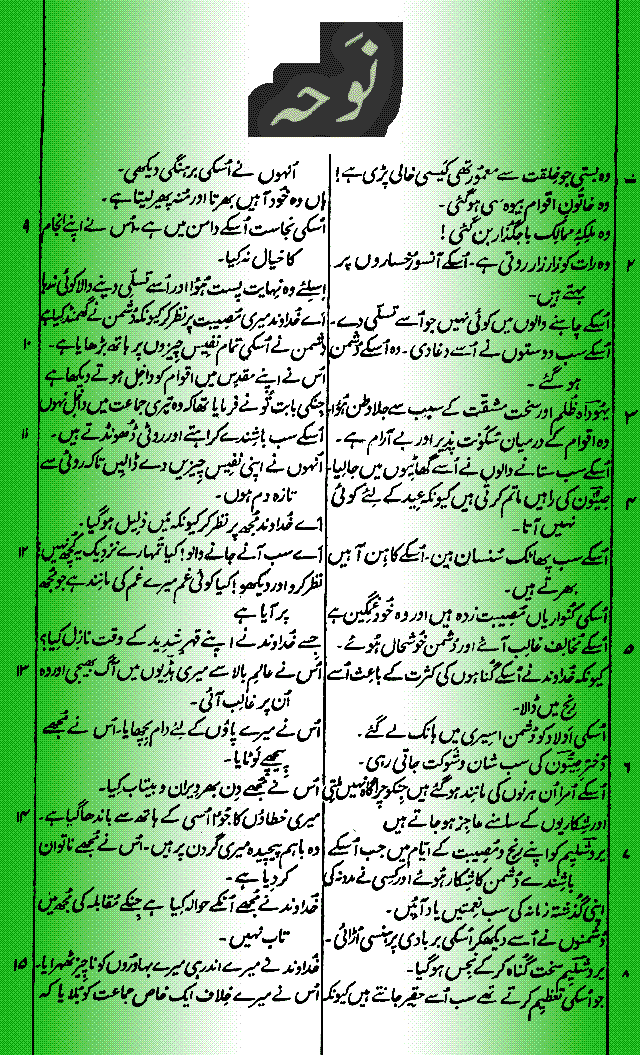
Verse-by-Verse Commentary and Explanation
Lamentations 1:1
Verse: How doth the city sit solitary that was full of people! how is she become as a widow! she that was great among the nations and princess among the provinces how is she become tributary!
English Explanation
The book opens with a stark, heartbreaking contrast. Jerusalem, once a bustling metropolis teeming with people and life, now sits empty and isolated. The prophet uses the metaphor of a “widow” to describe her status—she has lost her husband (symbolizing God’s protective presence and her leaders) and her dignity. Once a “princess” who held political power and respect among neighboring nations, she has now been reduced to a forced laborer, paying tribute to an oppressive foreign power (Babylon).
Urdu Explanation (تفصیل)
یہ آیت ایک انتہائی دردناک موازنے کے ساتھ شروع ہوتی ہے۔ یروشلم جو کبھی لوگوں سے بھرا ہوا ایک آباد اور زندہ دل شہر تھا، اب بالکل اکیلا اور ویران بیٹھا ہے۔ نبی نے اس کی حالت کو بیان کرنے کے لیے “بیوہ” کا استعارہ استعمال کیا ہے—یعنی وہ اپنے شوہر (جو خدا کے تحفظ اور اس کے رہنماؤں کی علامت ہے) اور اپنی عزت کھو چکی ہے۔ وہ شہر جو کبھی قوموں میں ایک “شہزادی” کی مانند تھا اور پڑوسی ملکوں پر اثر و رسوخ رکھتا تھا، اب وہ غلام بن چکا ہے اور بیگانہ طاقت (بابل) کو خراج دینے پر مجبور ہے۔
Lamentations 1:2
Verse: She weepeth sore in the night and her tears are on her cheeks among all her lovers she hath none to comfort her all her friends have dealt treacherously with her they are become her enemies
English Explanation
Jerusalem’s grief is constant, continuing into the darkest hours of the night. The “lovers” and “friends” refer to the foreign nations (like Egypt) with whom Israel made political alliances, turning away from reliance on God. In her hour of ultimate need, these allies did not just abandon her; they betrayed her and aligned with her enemies. She is left entirely comforted-less and isolated in her sorrow.
Urdu Explanation (تفصیل)
یروشلم کا دکھ مستقل ہے جو رات کے اندھیرے میں بھی جاری رہتا ہے۔ یہاں “عاشقوں” اور “دوستوں” سے مراد وہ غیر قومیں (جیسے مصر) ہیں جن کے ساتھ اسرائیل نے خدا پر بھروسہ چھوڑ کر سیاسی اتحاد کیے تھے۔ لیکن مصیبت کی اس گھڑی میں، ان اتحادیوں نے نہ صرف اسے تنہا چھوڑ دیا بلکہ اس کے ساتھ غداری کی اور دشمنوں سے جا ملے۔ وہ اپنے دکھ میں بالکل بے یار و مددگار اور تنہا رہ گئی ہے۔
Lamentations 1:3
Verse: Judah is gone into captivity because of affliction and because of great servitude she dwelleth among the heathen she findeth no rest all her persecutors overtook her between the straits
English Explanation
This verse details the physical reality of the exile. The people of Judah have been forcibly removed from their homeland and taken into captivity because of oppression and harsh servitude. Living “among the heathen” (gentile nations) means they are stripped of their religious and cultural identity. The phrase “between the straits” is a metaphor for being trapped in a narrow, inescapable bottleneck where their enemies easily caught and overwhelmed them.
Urdu Explanation (تفصیل)
یہ آیت جلاوطنی کی جسمانی اور مادی حقیقت کو بیان کرتی ہے۔ یہوداہ کے لوگ ظلم اور سخت غلامی کی وجہ سے اپنے وطن سے زبردستی نکالے گئے اور قید میں لے جائے گئے۔ “غیر قوموں کے درمیان” رہنے کا مطلب یہ ہے کہ وہ اپنی مذہبی اور ثقافتی شناخت سے محروم ہو چکے ہیں۔ “تنگ راستوں کے درمیان” سے مراد ایک ایسی جگہ ہے جہاں انسان پھنس جاتا ہے اور بھاگنے کا کوئی راستہ نہیں ہوتا، جہاں ان کے تعاقب کرنے والوں نے انہیں آسانی سے پکڑ لیا۔
Lamentations 1:4
Verse: The ways of Zion do mourn because none come to the solemn feasts all her gates are desolate her priests sigh her virgins are afflicted and she is in bitterness
English Explanation
The spiritual life of Jerusalem is utterly devastated. The roads leading to Zion, which used to be packed with joyful pilgrims traveling to the annual holy feasts, are now empty and “mourning.” The city gates—once the center of community life, justice, and trade—are ruined. The spiritual leaders (priests) groan in despair because there is no temple to serve, and the young women (virgins), who used to lead dances and celebrations, are filled with grief.
Urdu Explanation (تفصیل)
یروشلم کی روحانی زندگی پوری طرح تباہ ہو چکی ہے۔ صیون کی طرف جانے والے راستے، جو کبھی سالانہ مقدس عیدوں کے لیے آنے والے خوش حال زائرین سے بھرے ہوتے تھے، اب خالی اور “ماتم” کر رہے ہیں۔ شہر کے پھاٹک—جو کبھی سماجی زندگی، انصاف اور تجارت کا مرکز تھے—ویران پڑے ہیں۔ روحانی رہنما (کاہن) مایوسی میں آہیں بھر رہے ہیں کیونکہ خدمت کے لیے کوئی ہیکل باقی نہیں رہی، اور کنواریاں جو کبھی جشن اور ناچ گانے کی قیادت کرتی تھیں، اب شدید دکھ میں ہیں۔
Lamentations 1:5
Verse: Her adversaries are the chief her enemies prosper for the LORD hath afflicted her for the multitude of her transgressions her children are gone into captivity before the enemy
English Explanation
A vital theological truth is revealed here: Jerusalem’s downfall was not merely due to Babylon’s military superiority, but because the Lord Himself brought this affliction as a judgment. The root cause is explicitly stated as “the multitude of her transgressions.” Because God withdrew His protection, her enemies easily triumphed and became the rulers (“the chief”), leading even the innocent children away into exile.
Urdu Explanation (تفصیل)
یہاں ایک اہم ایمانی اور الٰہیاتی حقیقت سامنے آتی ہے: یروشلم کا زوال محض بابل کی فوجی طاقت کی وجہ سے نہیں ہوا، بلکہ خود خداوند نے اس کے گناہوں کی عدالت کے طور پر یہ مصیبت بھیجی۔ اس کی اصل وجہ صاف طور پر “اس کی نافرمانیوں کی کثرت” بتائی گئی ہے۔ چونکہ خدا نے اپنا دستِ تحفظ اٹھا لیا تھا، اس لیے اس کے دشمن آسانی سے غالب آ گئے اور حاکم بن بیٹھے، یہاں تک کہ معصوم بچوں کو بھی دشمن کے سامنے قید میں جانا پڑا۔
Lamentations 1:6
Verse: And from the daughter of Zion all her beauty is departed her princes are become like harts that find no pasture and they are gone without strength before the pursuer
English Explanation
“Daughter of Zion” is a tender term for Jerusalem, emphasizing her loss of glory, splendor, and divine presence. Her leaders and royalty (“princes”), who should have protected the citizens, are compared to starving, weak deer (“harts”) that cannot find grass. Lacking physical and spiritual nourishment, they have no strength left to run away and are effortlessly captured by their pursuers.
Urdu Explanation (تفصیل)
“بنتِ صیون” (صیون کی بیٹی) یروشلم کے لیے ایک محبت بھرا لفظ ہے، جو یہاں اس کی شان و شوکت اور خدائی موجودگی کے خاتمے کو ظاہر کرتا ہے۔ اس کے شہزادے اور حکمران، جنہیں عوام کا تحفظ کرنا چاہیے تھا، ان کی تشبیہ بھوکے اور کمزور ہرنوں سے دی گئی ہے جنہیں کوئی چراگاہ نہیں ملتی۔ جسمانی اور روحانی طاقت سے محروم ہونے کے بعد، ان میں تعاقب کرنے والوں کے سامنے بھاگنے کی سکت بھی نہیں رہی۔
Lamentations 1:7
Verse: Jerusalem remembered in the days of her affliction and of her miseries all her pleasant things that she had in the days of old when her people fell into the hand of the enemy and none did help her the adversaries saw her and did mock at her sabbaths
English Explanation
In the depths of her current suffering, Jerusalem experiences the bitter pain of nostalgia. She remembers the blessings, peace, and prosperity she enjoyed in ancient times when God was her shield. This contrast intensifies her pain. To make matters worse, as she fell helplessly without an ally, her pagan conquerors openly mocked her religious practices, including her holy Sabbath days of rest, viewing them as useless weaknesses.
Urdu Explanation (تفصیل)
اپنی موجودہ تکلیفوں کی گہرائی میں، یروشلم پرانی یادوں کے تلخ درد کا تجربہ کرتا ہے۔ اسے وہ تمام برکات، امن اور خوشحالی یاد آتی ہے جو پرانے دنوں میں اسے حاصل تھیں جب خدا اس کی ڈھال تھا۔ یہ موازنہ اس کے دکھ کو مزید بڑھا دیتا ہے۔ بدقسمتی کی انتہا یہ ہے کہ جب وہ بغیر کسی مددگار کے گر گئی، تو دشمنوں نے اس کی مذہبی رسومات، بشمول سبت کے مقدس دنوں کا تمسخر اڑایا اور انہیں کمزوری قرار دیا۔
Lamentations 1:8
Verse: Jerusalem hath grievously sinned therefore she is removed all that honoured her despise her because they have seen her nakedness yea she sigheth and turneth backward
English Explanation
The prophet makes no excuses for the city: “Jerusalem hath grievously sinned.” Her exile and rejection are the direct consequences of moral and spiritual corruption. The nations that once respected and feared her now look at her with contempt and disgust. Her “nakedness”—symbolizing her exposure, shame, and vulnerability—is laid bare for all to see, causing her to groan and hide her face in deep humiliation.
Urdu Explanation (تفصیل)
نبی شہر کے گناہوں کے لیے کوئی عذر پیش نہیں کرتا بلکہ کہتا ہے: “یروشلم نے بڑا گناہ کیا ہے۔” اس کی جلاوطنی اور رسوائی اس کی اخلاقی اور روحانی خرابی کا براہِ راست نتیجہ ہے۔ وہ قومیں جو کبھی اس کی عزت اور خوف کھاتی تھیں، اب اسے حقارت سے دیکھتی ہیں۔ اس کا “ننگا پن”—جو اس کی بے بسی، شرمندگی اور کمزوری کی علامت ہے—سب کے سامنے عیاں ہو چکا ہے، جس کی وجہ سے وہ آہیں بھرتی ہے اور شرم سے منہ چھپاتی ہے۔
Lamentations 1:9
Verse: Her filthiness is in her skirts she remembereth not her last end therefore she came down wonderfully she had no comforter O LORD behold my affliction for the enemy hath magnified himself
English Explanation
Jerusalem’s sin was blatant and unashamed, visible to everyone like stains on her clothing. She lived recklessly for immediate pleasure, completely ignoring the future spiritual consequences of her rebellion. As a result, her downfall was shocking and catastrophic (“she came down wonderfully”). In her isolation, the narrative shifts to a direct prayer, crying out to God to notice her misery because the enemy is boasting arrogantly in their victory.
Urdu Explanation (تفصیل)
یروشلم کا گناہ بالکل واضح اور بے باک تھا، جو اس کے دامن پر لگے داغوں کی طرح سب کو نظر آ رہا تھا۔ وہ فوری خوشیوں کے لیے لاپروائی کی زندگی جیتی رہی اور اپنے باغیانہ رویے کے مستقبل کے روحانی نتائج کو بالکل بھول گئی۔ نتیجتاً، اس کا زوال حیرت انگیز اور خوفناک تھا۔ اس تنہائی میں، کلام ایک دعا کی صورت اختیار کر لیتا ہے، جہاں وہ خدا سے فریاد کرتی ہے کہ وہ اس کی مصیبت پر نظر کرے کیونکہ دشمن اپنی فتح پر مغرور ہو رہا ہے۔
Lamentations 1:10
Verse: The adversary hath spread out his hand upon all her pleasant things for she hath seen that the heathen entered into her sanctuary whom thou didst command that they should not enter into thy congregation
English Explanation
The invading enemies plundered everything of value, but the ultimate violation was spiritual. The pagan Babylonians forcefully entered the Temple sanctuary—the Holy of Holies—which was a sacred space strictly forbidden by God’s law to foreigners. Seeing unclean, idol-worshipping nations desecrate the most sacred place on earth was a source of profound horror and trauma for the Jewish people.
Urdu Explanation (تفصیل)
حملہ آور دشمنوں نے ہر قیمتی چیز کو لوٹ لیا، لیکن سب سے بڑی بے حرمتی روحانی تھی۔ بت پرست بابلی زبردستی ہیکل کے پاک ترین مقام (قدس الاقداس) میں داخل ہو گئے—یہ وہ مقدس جگہ تھی جہاں خدا کے قانون کے مطابق غیر قوموں کا داخلہ سخت ممنوع تھا۔ ناپاک اور بت پرست قوموں کو زمین کے مقدس ترین مقام کی بے حرمتی کرتے ہوئے دیکھنا یہودیوں کے لیے شدید صدمے اور دکھ کا باعث تھا۔
Lamentations 1:11
Verse: All her people sigh they seek bread they have given their pleasant things for meat to relieve the soul see O LORD and consider for I am become vile
English Explanation
The city is gripped by a severe, desperate famine. People are groaning from hunger, searching endlessly for a piece of bread. They have resorted to trading their most precious family heirlooms and valuables (“pleasant things”) just for a basic meal to stay alive (“to relieve the soul”). The verse concludes with another desperate plea for God to look down and see how cheap, despised, and low the city has become.
Urdu Explanation (تفصیل)
شہر شدید اور مایوس کن قحط کی گرفت میں ہے۔ لوگ بھوک کی وجہ سے آہیں بھر رہے ہیں اور روٹی کے ایک ٹکڑے کی تلاش میں بھٹک رہے ہیں۔ انہوں نے اپنی جان بچانے کے لیے اپنی قیمتی ترین خاندانی اشیاء اور جواہرات کو معمولی خوراک کے بدلے بیچ دیا۔ آیت کے آخر میں خدا سے ایک بار پھر فریاد کی گئی ہے کہ وہ نیچے نظر کرے اور دیکھے کہ یہ شہر کتنا حقیر، خوار اور بے قدر ہو چکا ہے۔
Lamentations 1:12
Verse: Is it nothing to you all ye that pass by? behold and see if there be any sorrow like unto my sorrow which is done unto me wherewith the LORD hath afflicted me in the day of his fierce anger
English Explanation
Jerusalem addresses the onlookers and neighboring nations passing by her ruins. She asks if they can remain indifferent to her immense tragedy. She appeals to them to stop and look at her unprecedented level of suffering, claiming that no sorrow on earth matches hers. Crucially, she recognizes that this suffering is not random; it is the direct execution of the Lord’s righteous, fierce anger against her sins.
Urdu Explanation (تفصیل)
یروشلم اپنے کھنڈرات کے پاس سے گزرنے والے مسافروں اور پڑوسی قوموں سے مخاطب ہے۔ وہ پوچھتی ہے کہ کیا وہ اس کے اس عظیم المیے سے بے تعلق رہ سکتے ہیں؟ وہ ان سے اپیل کرتی ہے کہ وہ رکیں اور اس کی بے مثال تکلیف کو دیکھیں، اور دعویٰ کرتی ہے کہ زمین پر کوئی بھی دکھ اس کے دکھ جیسا نہیں ہے۔ اہم بات یہ ہے کہ وہ تسلیم کرتی ہے کہ یہ تکلیف اچانک نہیں آئی، بلکہ یہ اس کے گناہوں پر خداوند کے شدید غضب کا نتیجہ ہے۔
Lamentations 1:13
Verse: From above hath he sent fire into my bones and it prevaileth against them he hath spread a net for my feet he hath turned me back he hath made me desolate and faint all the day
English Explanation
The prophet uses vivid, painful metaphors to illustrate God’s active judgment. The judgment is described as a “fire” sent from heaven that burns deep inside the very bones of the city, consuming its strength. God is also depicted as a hunter who has spread a “net” to trap her feet, leaving her with no escape, completely devastated, rejected, and physically exhausted all day long.
Urdu Explanation (تفصیل)
نبی خدا کی فعال عدالت کو ظاہر کرنے کے لیے واضح اور دردناک استعارے استعمال کرتا ہے۔ اس سزا کو آسمان سے بھیجی گئی “آگ” سے تشبیہ دی گئی ہے جو شہر کی ہڈیوں کے اندر تک جلاتی ہے اور اس کی طاقت کو ختم کر دیتی ہے۔ خدا کو ایک شکاری کے طور پر بھی دکھایا گیا ہے جس نے اس کے پاؤں کو پھنسانے کے لیے “جال” پھیلایا ہے، جس سے وہ بے بس، ویران اور دن بھر نڈھال رہتی ہے۔
Lamentations 1:14
Verse: The yoke of my transgressions is bound by his hand they are wreathed and come up upon my neck he hath made my strength to fall the Lord hath delivered me into their hands from whom I am not able to rise up
English Explanation
The metaphor shifts to agriculture and slavery. Her many sins (“transgressions”) have been woven together by God’s own hand into a heavy, inescapable “yoke” placed upon her neck. This heavy burden of guilt and its consequences has completely broken her physical strength. She confesses that the Lord Himself delivered her into the hands of an enemy so powerful that she cannot rise up or defeat them on her own.
Urdu Explanation (تفصیل)
یہاں استعارہ زراعت اور غلامی کی طرف بدل جاتا ہے۔ اس کے کثیر گناہوں (نافرمانیوں) کو خدا نے اپنے ہاتھ سے ایک بھاری اور ناگزیر “جوئے” کی طرح بن کر اس کی گردن پر رکھ دیا ہے۔ گناہ کے اس بھاری بوجھ اور اس کے نتائج نے اس کی جسمانی طاقت کو بالکل توڑ دیا ہے۔ وہ اعتراف کرتی ہے کہ خداوند نے خود اسے ایسے طاقتور دشمنوں کے ہتھے چڑھا دیا ہے جن کے سامنے وہ خود کھڑی ہونے یا ان پر غالب آنے کی سکت نہیں رکھتی۔
Lamentations 1:15
Verse: The Lord hath trodden under foot all my mighty men in the midst of me he hath called an assembly against me to crush my young men the Lord hath trodden the virgin the daughter of Judah as in a winepress
English Explanation
In this final verse of the segment, Jerusalem’s elite military forces (“mighty men”) are rendered utterly useless; the Lord has trampled them underfoot. Instead of calling a holy assembly to bless Israel, God ironically summons a foreign coalition army (“an assembly”) to crush her strong young soldiers. The destruction of the people is compared to grapes being brutally crushed inside a “winepress,” showing the absolute, sweeping nature of the divine judgment poured out upon Judah.
Urdu Explanation (تفصیل)
اس حصے کی آخری آیت میں، یروشلم کی اشرافیہ اور فوجی قوت (سورما) بالکل بے کار ثابت ہوئے؛ خداوند نے انہیں اپنے پاؤں تلے روند ڈالا۔ اسرائیل کو برکت دینے کے لیے کسی مقدس جماعت کو بلانے کے بجائے، خدا نے طنز آمیز طور پر ایک غیر ملکی فوج (جماعت) کو اکٹھا کیا تاکہ وہ اس کے جوانوں کو کچل دیں۔ لوگوں کی اس تباہی کو ایک “حوض” (وائن پریس) میں انگوروں کے بے دردی سے کچلے جانے سے تشبیہ دی گئی ہے، جو یہوداہ پر نازل ہونے والی الٰہی عدالت کی آخری اور مکمل حد کو ظاہر کرتی ہے۔