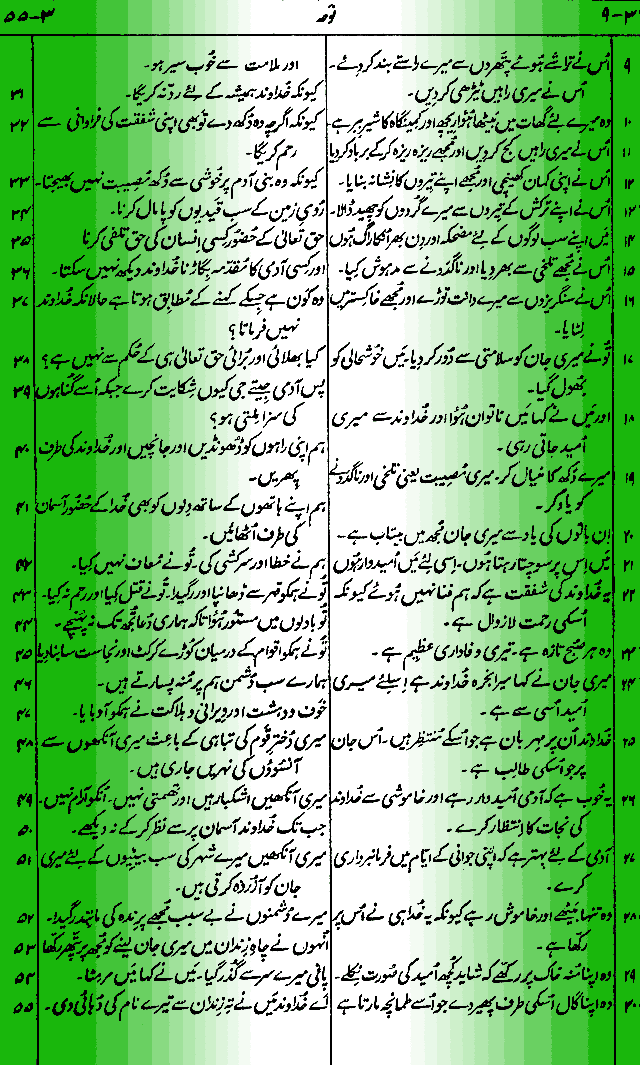
Verse-by-Verse Commentary (Lamentations 3:9-55)
Lamentations 3:9
Verse: He hath inclosed my ways with hewn stone he hath made my paths crooked
-
English Explanation: The prophet Jeremiah expresses a sense of complete entrapment. God has blocked his path with heavy, unyielding stones, making it impossible to move forward. Every attempt to find a way out leads to confusion and disorientation. It highlights the feeling of being completely blocked by divine providence during times of judgment.
-
Urdu Explanation (تفصیل): یہاں نبی اپنی بے بسی کا اظہار کرتا ہے کہ خدا نے اس کے راستوں کو بھاری تراشے ہوئے پتھروں سے بند کر دیا ہے۔ وہ جہاں بھی جانے کی کوشش کرتا ہے، اس کا راستہ ٹیڑھا اور الجھا ہوا ہو جاتا ہے۔ یہ آیت زندگی کی اس حالت کو ظاہر کرتی ہے جب انسان خود کو ہر طرف سے بند پاتا ہے اور خدا کی مرضی کے سامنے بے بس ہو جاتا ہے۔
Lamentations 3:10
Verse: He was unto me as a bear lying in wait and as a lion in secret places
-
English Explanation: God is depicted here not as a protector, but as a fierce predator waiting in ambush. The imagery of a bear and a lion emphasizes the constant fear, vulnerability, and danger the writer feels, symbolizing that God’s judgment feels aggressive and unavoidable.
-
Urdu Explanation (تفصیل): اس آیت میں خدا کی عدالت کو ایک ایسے ریچھ اور شیر سے تشبیہ دی گئی ہے جو گھات لگا کر بیٹھے ہوں۔ شاعر کو ایسا محسوس ہوتا ہے کہ وہ ہر وقت خطرے میں ہے اور خدا کا غضب اس پر کسی بھی وقت جھپٹ سکتا ہے، جس سے بچنا ناممکن ہے۔
Lamentations 3:11
Verse: He hath turned aside my ways and pulled me in pieces he hath made me desolate
-
English Explanation: The predator imagery continues as the writer feels torn apart. His life’s plans have been violently disrupted, leaving him broken, lonely, and entirely desolated. It represents the utter destruction of Jerusalem and the psychological toll on its survivors.
-
Urdu Explanation (تفصیل): شکاری کے حملے کی مانند، شاعر کہتا ہے کہ خدا نے اسے اس کے راستے سے بھٹکا دیا اور اسے ٹکڑے ٹکڑے کر دیا ہے۔ وہ اب بالکل اکیلا، تباہ حال اور ویران ہو چکا ہے۔ یہ یروشلم کی مسماری اور انسان کی اندرونی ٹوٹ پھوٹ کی عکاسی ہے۔
Lamentations 3:12
Verse: He hath bent his bow and set me as a mark for the arrow
-
English Explanation: The metaphor shifts to warfare. God is portrayed as an archer who has targeted the writer. Instead of being protected by God, the individual has become the specific target of divine wrath.
-
Urdu Explanation (تفصیل): یہاں استعارہ ایک تیر انداز کا ہے۔ خدا نے اپنی کمان جھکائی ہے اور شاعر کو اپنے تیروں کا نشانہ بنا لیا ہے۔ یہ اس احساس کو ظاہر کرتا ہے کہ مصیبتیں اتفاقیہ نہیں ہیں بلکہ براہِ راست خدا کی طرف سے ایک نشانے کی طرح آ رہی ہیں۔
Lamentations 3:13
Verse: He hath caused the arrows of his quiver to enter into my reins
-
English Explanation: The arrows have hit their mark, penetrating the deepest, most sensitive parts of the body (the “reins” or kidneys/innermost being). This signifies deep, internal, and emotional pain that strikes at the core of human existence.
-
Urdu Explanation (تفصیل): خدا کے ترکش کے تیر شاعر کے گردوں (یعنی اس کے وجود کے سب سے گہرے اور حساس حصوں) میں پیوست ہو چکے ہیں۔ یہ شدید اندرونی اور روحانی تکلیف کو ظاہر کرتا ہے جو انسان کے دل و دماغ کو چھید دیتی ہے۔
Lamentations 3:14
Verse: I was a derision to all my people and their song all the day
-
English Explanation: Beyond physical and spiritual pain, the writer faces intense social humiliation. He has become a laughingstock and the subject of mocking songs among his own people, intensifying his isolation.
-
Urdu Explanation (تفصیل): جسمانی اور روحانی تکلیف کے ساتھ اب سماجی ذلت بھی شامل ہو گئی ہے۔ شاعر کہتا ہے کہ وہ اپنی ہی قوم کے لیے ہنسی کا باعث بن گیا ہے اور لوگ دن بھر اس کا مذاق اڑانے کے لیے گیت بناتے ہیں۔
Lamentations 3:15
Verse: He hath filled me with bitterness he hath made me drunken with wormwood
-
English Explanation: “Wormwood” is a highly bitter plant symbolizing extreme sorrow and calamity. The writer is completely saturated with grief, to the point of being intoxicated and disoriented by his bitter circumstances.
-
Urdu Explanation (تفصیل): “ناگدونا” (wormwood) ایک انتہائی کڑوی جڑی بوٹی ہے جو شدید غم کی علامت ہے۔ شاعر کہتا ہے کہ خدا نے اسے تلخی سے بھر دیا ہے اور وہ اس کڑواہٹ اور غم کے نشے میں چور ہو چکا ہے، جہاں اسے ہوش نہیں رہا۔
Lamentations 3:16
Verse: He hath also broken my teeth with gravel stones he hath covered me with ashes
-
English Explanation: This vivid imagery suggests being forced to eat bread mixed with gravel, breaking one’s teeth—a metaphor for harsh, painful humiliation. Being covered in ashes is a traditional sign of mourning and total degradation.
-
Urdu Explanation (تفصیل): اس کا مطلب یہ ہے کہ جیسے کسی کو روٹی کے بجائے بجری کھلائی جائے جس سے دانت ٹوٹ جائیں۔ یہ شدید ترین رسوائی اور اذیت کا استعارہ ہے۔ راکھ میں چھپائے جانے کا مطلب ماتم اور مکمل عاجزی و خاکساری کی حالت ہے۔
Lamentations 3:17
Verse: And thou hast removed my soul far off from peace I forgat prosperity
-
English Explanation: The affliction has lasted so long that the writer has lost the very memory of peace and prosperity. Happiness feels like a distant, forgotten concept, leading to a state of clinical despair.
-
Urdu Explanation (تفصیل): تکلیف اس قدر طویل ہو چکی ہے کہ شاعر کا دل امن و سلامتی سے کوسوں دور ہو گیا ہے۔ وہ خوشحالی اور اچھے دنوں کو بالکل بھول چکا ہے، اور اس کا وجود ناامیدی کے اندھیرے میں ڈوب گیا ہے۔
Lamentations 3:18
Verse: And I said My strength and my hope is perished from the LORD
-
English Explanation: This is the absolute rock bottom of the writer’s spiritual crisis. He feels that both his physical capacity to endure and his spiritual hope in God’s promises have completely died.
-
Urdu Explanation (تفصیل): یہ شاعر کی روحانی مایوسی کی انتہا ہے۔ وہ کہتا ہے کہ میری طاقت اور خداوند سے لگی ہوئی میری امید اب ہمیشہ کے لیے ختم ہو چکی ہے۔ اسے لگتا ہے کہ اب خدا کی طرف سے کوئی مدد نہیں آئے گی۔
Lamentations 3:19
Verse: Remembering mine affliction and my misery the wormwood and the gall
-
English Explanation: The writer dwells on his past and present sufferings, characterizing them as bitter poison (“wormwood and gall”). The act of remembering only deepens the present pain.
-
Urdu Explanation (تفصیل): شاعر اپنی ماضی اور حال کی تکلیفوں، اپنی بدحالی اور اس کڑواہٹ (زہر) کو یاد کرتا ہے جو اس کی زندگی کا حصہ بن چکی ہے۔ ان باتوں کو یاد کرنے سے اس کا دکھ اور بڑھ جاتا ہے۔
Lamentations 3:20
Verse: My soul hath them still in remembrance and is humbled in me
-
English Explanation: While remembering the pain causes grief, it also brings about a vital spiritual shift: humility. The soul is no longer proud or rebellious; it is brought low and broken before God.
-
Urdu Explanation (تفصیل): شاعر کا دل ان تمام دکھوں کو مسلسل یاد رکھتا ہے، لیکن اس یاد کا ایک مثبت پہلو یہ نکلتا ہے کہ اس کی روح میں غرور ختم ہو جاتا ہے اور وہ خدا کے سامنے مکمل طور پر عاجز اور خاکسار ہو جاتا ہے۔
Lamentations 3:21
Verse: This I recall to my mind therefore have I hope
-
English Explanation: The Turning Point. The writer intentionally shifts his focus. Instead of dwelling only on the misery, he forces his mind to recall the true character of God. This deliberate remembrance sparks the return of hope.
-
Urdu Explanation (تفصیل): تبدیلی کا نقطہ۔ یہاں سے شاعر کا رخ بدلتا ہے۔ وہ کہتا ہے کہ میں اب ایک اور بات اپنے ذہن میں لاتا ہوں، اور اسی وجہ سے مجھ میں امید پیدا ہوتی ہے۔ مصیبت کے بجائے خدا کی ذات پر غور کرنے سے امید جنم لیتی ہے۔
Lamentations 3:22
Verse: It is of the LORD’s mercies that we are not consumed because his compassions fail not
-
English Explanation: A foundational truth of scripture. Despite the severity of the judgment, the fact that a remnant still lives is proof of God’s mercy. His compassion is infinite and never runs dry, preventing total annihilation.
-
Urdu Explanation (تفصیل): یہ بائبل کی عظیم ترین سچائیوں میں سے ایک ہے۔ شاعر اقرار کرتا ہے کہ یہ خداوند کی رحمت ہی ہے کہ ہم بالکل فنا نہیں ہو گئے، کیونکہ اس کی شفقت کبھی ختم نہیں ہوتی۔ اگر خدا رحیم نہ ہوتا تو کب کے مٹ چکے ہوتے۔
Lamentations 3:23
Verse: They are new every morning great is thy faithfulness
-
English Explanation: God’s grace and mercies are inexhaustible. Every new day brings a fresh supply of His love and faithfulness, regardless of how dark the previous night was. God remains completely reliable.
-
Urdu Explanation (تفصیل): خدا کی شفقتیں اور رحمتیں ہر صبح نئی ہوتی ہیں۔ وہ پرانی یا ختم نہیں ہوتیں۔ شاعر پکار اٹھتا ہے کہ “تیری وفاداری عظیم ہے!” یعنی خدا اپنے وعدوں میں سچا اور مستقل مزاج ہے۔
Lamentations 3:24
Verse: The LORD is my portion saith my soul therefore will I hope in him
-
English Explanation: Having lost his land, home, and temple, the writer declares that God Himself is his inheritance (“portion”). Material losses matter less when God remains the ultimate treasure and source of hope.
-
Urdu Explanation (تفصیل): جب سب کچھ (زمین، گھر، ہیکل) چھن گیا، تو شاعر نے محسوس کیا کہ اصل دولت تو خود خدا ہے۔ وہ کہتا ہے کہ “خداوند میرا حصہ ہے، اس لیے میں اسی پر امید رکھوں گا۔”
Lamentations 3:25
Verse: The LORD is good unto them that wait for him to the soul that seeketh him
-
English Explanation: God responds with goodness to those who display patient endurance (“wait”) and active spiritual longing (“seeketh”). Deliverance may be delayed, but God’s goodness to the faithful is guaranteed.
-
Urdu Explanation (تفصیل): خداوند ان لوگوں کے لیے بھلا (اچھا) ہے جو صبر کے ساتھ اس کا انتظار کرتے ہیں اور دل سے اس کی تلاش کرتے ہیں۔ خدا کی مدد میں دیر ہو سکتی ہے، لیکن وہ اپنے طالبوں کو کبھی مایوس نہیں کرتا۔
Lamentations 3:26
Verse: It is good that a man should both hope and quietly wait for the salvation of the LORD
-
English Explanation: True spiritual maturity involves waiting on God silently, without grumbling, complaining, or taking matters into one’s own hands. Passive, faithful waiting is portrayed as a virtuous discipline.
-
Urdu Explanation (تفصیل): یہ انسان کے لیے بہت بہتر ہے کہ وہ خاموشی اور امید کے ساتھ خداوند کی نجات کا انتظار کرے۔ بغیر شکایت کیے اور صبر کے ساتھ خدا کے وقت پر بھروسہ کرنا انسان کے ایمان کو مضبوط کرتا ہے۔
Lamentations 3:27
Verse: It is good for a man that he bear the yoke in his youth
-
English Explanation: Learning obedience, discipline, and enduring hardship early in life builds spiritual endurance and character. The “yoke” represents the burdens and corrections allowed by God.
-
Urdu Explanation (تفصیل): انسان کے لیے اچھا ہے کہ وہ اپنی جوانی ہی میں جوا (بوجھ/تادیب) اٹھانا سیکھے۔ جوانی کی سختی اور خدا کی طرف سے دی گئی تربیت انسان کو مستقبل کی بڑی ذمہ داریوں اور وفاداری کے لیے تیار کرتی ہے۔
Lamentations 3:28
Verse: He sitteth alone and keepeth silence because he hath borne it upon him
-
English Explanation: When under God’s corrective discipline, it is best to withdraw from social chatter, sit in solitude, and accept the suffering silently as coming from God’s hand.
-
Urdu Explanation (تفصیل): جب خدا کسی پر تادیب لاتا ہے، تو انسان کو چاہیے کہ وہ اکیلا بیٹھے اور خاموش رہے۔ شور مچانے یا لوگوں سے گلہ کرنے کے بجائے اسے قبول کرے کہ یہ بوجھ خدا ہی نے اس پر ڈالا ہے۔
Lamentations 3:29
Verse: He putteth his mouth in the dust if so be there may be hope
-
English Explanation: Putting one’s mouth in the dust is a posture of absolute, prostrate submission and self-abasement before God. Even in this lowest position, there remains a glimmer of hope for mercy.
-
Urdu Explanation (تفصیل): اپنے منہ کو خاک پر رکھنے کا مطلب خدا کے سامنے مکمل طور پر گر جانا اور حد درجہ عاجزی اختیار کرنا ہے۔ اس پست حالت میں بھی انسان امید رکھتا ہے کہ شاید خدا رحم فرمائے۔
Lamentations 3:30
Verse: He giveth his cheek to him that smiteth him he is filled full with reproach
-
English Explanation: This predicts the attitude of meekness in suffering, later perfected by Jesus Christ. Accepting insults and physical blows without retaliation shows complete reliance on God for ultimate justice.
-
Urdu Explanation (تفصیل): وہ مارنے والے کے سامنے اپنا گال پیش کر دیتا ہے اور ذلت کو برداشت کرتا ہے۔ یہ بغیر بدلے کے دکھ سہنے کی اعلیٰ ترین مثال ہے (جیسا کہ بعد میں یسوع مسیح نے کیا)، جہاں انسان انصاف خدا پر چھوڑ دیتا ہے۔
Lamentations 3:31
Verse: For the Lord will not cast off for ever
-
English Explanation: A declaration of faith based on God’s covenant loyalty. Divine rejection and punishment are temporary; they are never God’s final word to His people.
-
Urdu Explanation (تفصیل): یہ ایمان کا بڑا دعویٰ ہے کہ خداوند ہمیشہ کے لیے رد نہیں کرے گا۔ خدا کا غضب عارضی ہوتا ہے، لیکن اس کا پیار اور عہد ہمیشہ قائم رہتا ہے۔
Lamentations 3:32
Verse: But though he cause grief yet will he have compassion according to the multitude of his mercies
-
English Explanation: God may permit or direct grief into our lives for a holy purpose, but His ultimate disposition toward us is compassion, driven by His boundless mercy.
-
Urdu Explanation (تفصیل): اگرچہ خدا اپنی پاک مرضی کے تحت غم لاتا ہے، لیکن وہ اپنی بے شمار رحمتوں کے مطابق دوبارہ رحم بھی فرماتا ہے۔ دکھ دینا اس کا آخری مقصد نہیں ہوتا بلکہ بحالی ہوتا ہے۔
Lamentations 3:33
Verse: For he doth not afflict willingly nor grieve the children of men
-
English Explanation: God does not delight in human suffering. Affliction is not done “from His heart” (willingly); it is brought about out of necessity due to human sin and the demands of justice.
-
Urdu Explanation (تفصیل): خدا خوشی سے یا اپنے دل کی مرضی سے انسانوں کو دکھ یا مصیبت میں نہیں ڈالتا۔ تادیب اور سزا انسان کے گناہوں کی وجہ سے ناگزیر ہو جاتی ہے، ورنہ خدا کا دل محبت سے بھرا ہوا ہے۔
Lamentations 3:34
Verse: To crush under his feet all the prisoners of the earth
-
English Explanation: (Connected to verses 35-36) This verse outlines what God does not approve of. God does not look favorably upon the unjust crushing of helpless prisoners or social injustice.
-
Urdu Explanation (تفصیل): (آیت 35 اور 36 کے تسلسل میں) خدا زمین کے تمام قیدیوں کو پاؤں تلے کچلنے کو پسند نہیں کرتا۔ یہ انسانی ظلم و ستم کی مذمت ہے، جسے خدا ناپسند کرتا ہے۔
Lamentations 3:35
Verse: To turn aside the right of a man before the face of the most High
-
English Explanation: God does not approve of denying people their basic human and legal rights, especially when done under the false pretense of authority or in the sight of God.
-
Urdu Explanation (تفصیل): خدا اس بات کو بھی پسند نہیں کرتا کہ حق تعالیٰ (خداوند) کے سامنے کسی انسان کے جائز حقوق کو غصب کیا جائے یا اس کے ساتھ ناانصافی کی جائے۔
Lamentations 3:36
Verse: To subvert a man in his cause the Lord approveth not
-
English Explanation: Setting aside justice, rigging lawsuits, or cheating an individual in court are actions that the Lord absolutely detests. God stands for justice.
-
Urdu Explanation (تفصیل): عدالت میں کسی کے مقدمے کو بگاڑنا یا کسی انسان کو اس کے حق سے محروم کرنے کے لیے ہیرا پھیری کرنا ایسی باتیں ہیں جنہیں خداوند ہرگز منظور نہیں کرتا۔
Lamentations 3:37
Verse: Who is he that saith and it cometh to pass when the Lord commandeth it not
-
English Explanation: This asserts God’s absolute sovereignty. No human plan, threat, or decree can succeed or manifest unless the Sovereign Lord has permitted or commanded it.
-
Urdu Explanation (تفصیل): یہاں خدا کی مطلق حاکمیت کا بیان ہے۔ ایسا کون ہے جو کچھ کہے اور وہ پورا ہو جائے، جب تک کہ خود خداوند نے اس کا حکم نہ دیا ہو؟ دنیا کی کوئی طاقت خدا کی اجازت کے بغیر کچھ نہیں کر سکتی۔
Lamentations 3:38
Verse: Out of the mouth of the most High proceedeth not evil and good
-
English Explanation: Both prosperity (“good”) and calamity (“evil” in terms of judgment/disaster) come from God’s sovereign command. Everything that happens is within His direct control.
-
Urdu Explanation (تفصیل): کیا خدا تعالیٰ کے منہ سے اچھائی (خوشحالی) اور برائی (مصیبت/عدالت) دونوں صادر نہیں ہوتیں؟ اس کا مطلب ہے کہ زندگی کے تمام حالات خدا کے قابو اور اس کے حکم کے تحت ہوتے ہیں۔
Lamentations 3:39
Verse: Wherefore doth a living man complain a man for the punishment of his sins
-
English Explanation: Instead of complaining about hard times, a living person should look inward. Since sin deserves death, any living person experiencing judgment is receiving less than they actually deserve, leaving no room for complaints.
-
Urdu Explanation (تفصیل): ایک زندہ انسان اپنی مصیبتوں پر کیوں شکایت کرے؟ خصوصاً جب وہ اپنے ہی گناہوں کی سزا پا رہا ہو۔ زندہ ہونا ہی خدا کا فضل ہے، اس لیے گناہ کی سزا پر گلہ کرنے کے بجائے توبہ کرنی چاہیے۔
Lamentations 3:40
Verse: Let us search and try our ways and turn again to the LORD
-
English Explanation: A call to corporate and individual repentance. Instead of blaming God, the people must thoroughly examine their actions, lifestyle, and hearts, and intentionally return to God.
-
Urdu Explanation (تفصیل): یہ توبہ کی دعوت ہے۔ شاعر کہتا ہے کہ آؤ ہم اپنے طور طریقوں کو جانچیں اور پرکھیں، اور اپنی خطاؤں کا اقرار کر کے دوبارہ خداوند کی طرف رجوع کریں۔
Lamentations 3:41
Verse: Let us lift up our heart with our hands unto God in the heavens
-
English Explanation: True prayer involves more than outward rituals (lifting hands); it requires internal sincerity (lifting the heart). Prayer must be genuine, deep, and directed toward heaven.
-
Urdu Explanation (تفصیل): آؤ ہم اپنے ہاتھوں کے ساتھ ساتھ اپنے دلوں کو بھی آسمان پر قائم خدا کی طرف اٹھائیں۔ یعنی ہماری دعا صرف ظاہری نہ ہو بلکہ دل کی گہرائیوں سے سچی ہو۔
Lamentations 3:42
Verse: We have transgressed and have rebelled thou hast not pardoned
-
English Explanation: The people confess their ultimate sins: transgression (breaking boundaries) and rebellion (willful revolt). Because of the severity of their unfaithfulness, God’s immediate pardon was withheld for a time.
-
Urdu Explanation (تفصیل): ہم نے گناہ کیا اور بغاوت کی، اور تو نے ہمیں معاف نہیں کیا۔ یہاں قوم اپنے جرم کا صاف اقرار کرتی ہے کہ ان پر آنے والی مصیبت ان کی اپنی سرکشی کا نتیجہ ہے۔
Lamentations 3:43
Verse: Thou hast covered with anger and persecuted us thou hast slain thou hast not pitied
-
English Explanation: The writer describes the execution of divine judgment. God covered Himself in wrath, pursuing and destroying the nation without showing physical pity, because justice had to be satisfied.
-
Urdu Explanation (تفصیل): تو نے اپنے آپ کو غصے سے ڈھانپ لیا اور ہمارے پیچھے پڑ گیا۔ تو نے قتل کیا اور کوئی رحم نہ دکھایا۔ یہ خدا کے غضب کی ہولناکی کا بیان ہے جب گناہ کی پیمائش پوری ہو جاتی ہے۔
Lamentations 3:44
Verse: Thou hast covered thyself with a cloud that our prayer should not pass through
-
English Explanation: One of the most painful aspects of judgment: spiritual silence. God feels inaccessible, blocked by a thick cloud of sin and wrath that prevents their prayers from reaching His ears.
-
Urdu Explanation (تفصیل): تو نے اپنے گرد بادل کا پردہ کر لیا ہے تاکہ ہماری دعا تجھ تک نہ پہنچ سکے۔ یہ خدا کی خاموشی اور دوری کا دردناک احساس ہے جہاں دعا بے اثر محسوس ہوتی ہے۔
Lamentations 3:45
Verse: Thou hast made us as the offscouring and refuse in the midst of the people
-
English Explanation: Jerusalem has been degraded to the lowest status. They have become like dirt, scum, and garbage (“offscouring and refuse”) mocked by surrounding nations.
-
Urdu Explanation (تفصیل): تو نے ہمیں دوسری قوموں کے درمیان کوڑا کرکٹ اور غلاظت کی مانند بنا دیا ہے۔ یعنی بنی اسرائیل جو کبھی معزز تھے، اب دنیا کی نظر میں ذلیل و خوار ہو چکے ہیں۔
Lamentations 3:46
Verse: All our enemies have opened their mouths against us
-
English Explanation: The enemies of Israel gloat, mock, hiss, and spew words of hatred and triumph over the fallen city of Jerusalem.
-
Urdu Explanation (تفصیل): ہمارے تمام دشمنوں نے ہمارے خلاف اپنے منہ کھول لیے ہیں۔ وہ ہمارا مذاق اڑاتے ہیں اور ہماری بربادی پر خوشیاں منا رہے ہیں۔
Lamentations 3:47
Verse: Fear and a snare is come upon us desolation and destruction
-
English Explanation: The psychological and physical realities of war. The survivors are trapped by paralyzing fear and unexpected traps (“snares”), leading to complete ruin and emptiness.
-
Urdu Explanation (تفصیل): خوف اور پھندا ہم پر آ پڑے ہیں، اور ہمارے حصے میں صرف ویرانی اور تباہی آئی ہے۔ کوئی ایسی جگہ نہیں بچی جہاں امن یا سکون ہو۔
Lamentations 3:48
Verse: Mine eye runneth down with rivers of water for the destruction of the daughter of my people
-
English Explanation: Jeremiah—known as the weeping prophet—cries uncontrollably. His tears flow like endless rivers because of the catastrophic destruction of his beloved nation and citizens (“daughter of my people”).
-
Urdu Explanation (تفصیل): میری قوم کی تباہی کے غم میں میری آنکھوں سے پانی کے دریا بہہ رہے ہیں۔ یروشلم کی مسماری پر نبی کا دل بری طرح ٹوٹ چکا ہے اور وہ زار و قطار رو رہا ہے۔
Lamentations 3:49
Verse: Mine eye trickleth down and ceaseth not without any intermission
-
English Explanation: The sorrow is continuous. There is no break, no relief, and no pause in the shedding of tears over the vast tragedy.
-
Urdu Explanation (تفصیل): میری آنکھیں مسلسل بہتی رہتی ہیں اور ان میں ایک پل کے لیے بھی ٹھہراؤ یا وقفہ نہیں آتا۔ یہ کبھی نہ ختم ہونے والے صدمے کی حالت ہے۔
Lamentations 3:50
Verse: Till the LORD look down and behold from heaven
-
English Explanation: The writer intends to keep weeping and praying with determination until God takes notice, looks down from heaven, and intervenes with His mercy.
-
Urdu Explanation (تفصیل): جب تک کہ خداوند آسمان پر سے نظر نہ کرے اور ہماری حالت کو نہ دیکھ لے۔ یعنی شاعر اس امید میں روتا رہے گا جب تک خدا کی توجہ ان پر دوبارہ نہ ہو جائے۔
Lamentations 3:51
Verse: Mine eye affecteth mine heart because of all the daughters of my city
-
English Explanation: What the writer sees with his eyes (the starvation, captivity, and abuse of the women of Jerusalem) breaks his heart. External suffering creates intense internal grief.
-
Urdu Explanation (تفصیل): میری شہر کی تمام بیٹیوں (عورتوں) کی حالت دیکھ کر میری آنکھیں میرے دل کو غمزدہ کرتی ہیں۔ جو کچھ باہر نظر آ رہا ہے، وہ روح کو زخمی کر رہا ہے۔
Lamentations 3:52
Verse: Mine enemies chased me sore like a bird without cause
-
English Explanation: The writer describes being hunted relentlessly by adversaries. Like an innocent bird being pursued by hunters, he did nothing to deserve their vicious hostility.
-
Urdu Explanation (تفصیل): میرے دشمنوں نے بلاوجہ میرا اس طرح پیچھا کیا جیسے کسی بے گناہ چڑیا کا شکار کیا جا رہا ہو۔ دشمنوں کا یہ حملہ بے بنیاد اور انتطامی تھا۔
Lamentations 3:53
Verse: They have cut off my life in the dungeon and cast a stone upon me
-
English Explanation: This refers to the physical experience of being thrown into a deep dark pit or cistern, with a large stone placed over the opening to seal his doom and bury him alive.
-
Urdu Explanation (تفصیل): انہوں نے مجھے گہرے گڑھے (زندان) میں ڈال کر میری زندگی ختم کرنی چاہی اور مجھ پر پتھر رکھ دیا تاکہ میں کبھی باہر نہ آ سکوں۔ یہ موت کے منہ میں دھکیلے جانے کے برابر ہے۔
Lamentations 3:54
Verse: Waters flowed over mine head then I said I am cut off
-
English Explanation: The imagery of drowning represents ultimate overwhelm and despair. As the water rises above his head, he gives up all human hope, believing his life is completely over.
-
Urdu Explanation (تفصیل): پانی میرے سر کے اوپر سے گزر گیا، تب میں نے کہا کہ میں اب ہمیشہ کے لیے کٹ گیا (مٹ گیا) ہوں۔ یہ مایوسی کی آخری حد ہے جہاں انسان ڈوبتے ہوئے بچنے کی امید چھوڑ دیتا ہے۔
Lamentations 3:55
Verse: I called upon thy name O LORD out of the low dungeon
-
English Explanation: The Ultimate Resurgence of Faith. Even from the lowest, darkest, and most suffocating depths of the dungeon, the writer still prays. Calling upon the name of Yahweh proves that faith can survive the deepest valleys of human life.
-
Urdu Explanation (تفصیل): ایمان کی آخری پکار۔ شاعر کہتا ہے کہ اس گہرے اور اندھیرے گڑھے کی تہہ سے بھی میں نے تیرے نام کو پکارا، اے خداوند! یہ ظاہر کرتا ہے کہ زندگی کی بدترین حالت میں بھی دعا کا دروازہ کھلا رہتا ہے اور خدا ہماری آواز سنتا ہے۔