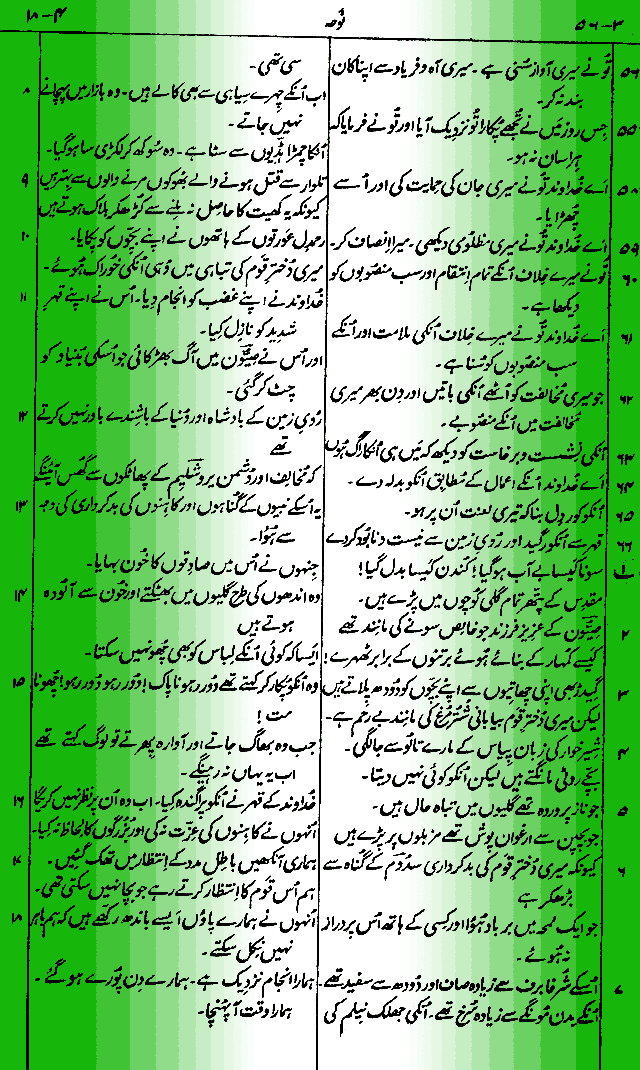
Lamentations Chapter 3 (Verses 56–66)
Lamentations 3:56
Verse: Thou hast heard my voice hide not thine ear at my breathing at my cry
-
Detailed Explanation (English): The prophet recalls a moment of deep desperation where his prayers felt reduced to mere “breathing” or faint sighs. Yet, he expresses confidence that God still hears him. This highlights that when we lack the words or strength to pray loudly, God understands our silent groans and inner vulnerabilities.
-
تفصیلی وضاحت (اُردو): یہاں نبی عاجزی اور گہرے دکھ کی حالت میں خدا کو یاد کرتا ہے جہاں اس کی دعا محض آہیں اور سسکیاں بن چکی تھی۔ اس کے باوجود اسے یقین ہے کہ خدا اس کی پوشیدہ فریاد کو بھی سنتا ہے۔ یہ آیت ظاہر کرتی ہے کہ جب انسان الفاظ کھو دیتا ہے تو خدا دل کی دھڑکنوں اور سسکیوں کو بھی سنتا ہے۔
Lamentations 3:57
Verse: Thou drewest near in the day that I called upon thee thou saidst Fear not
-
Detailed Explanation (English): This verse brings incredible comfort, reminding the believer of God’s immediate presence in times of distress. When the author cried out, God did not remain distant; He drew near and spoke peace directly to his troubled heart, saying, “Fear not.”
-
تفصیلی وضاحت (اُردو): یہ آیت خدا کی نزدیکی اور تسلی کو ظاہر کرتی ہے۔ جب بھی مصیبت کے دن خدا کو پکارا گیا، وہ دور نہیں رہا بلکہ اس نے قریب آ کر دل کو سکون دیا اور فرمایا “خوف نہ کھا۔” یہ خدا کے وفادار اور رحیم ہونے کی گواہی ہے۔
Lamentations 3:58
Verse: O Lord thou hast pleaded the causes of my soul thou hast redeemed my life
-
Detailed Explanation (English): The author uses legal metaphors here, portraying God as a divine defense attorney who takes up the case of the helpless. God does not just defend; He actively redeems and rescues the prophet’s life from destruction.
-
تفصیلی وضاحت (اُردو): اس آیت میں عدالتی استعارہ استعمال کیا گیا ہے جہاں خدا کو ایک ایسے وکیل کے طور پر پیش کیا گیا ہے جو بے بس انسان کا مقدمہ لڑتا ہے۔ خدا نے نہ صرف اس کی وکالت کی بلکہ اس کی جان کو ہلاکت سے چھڑا کر فدیہ دیا۔
Lamentations 3:59
Verse: O LORD thou hast seen my wrong judge thou my cause
-
Detailed Explanation (English): Having suffered under injustice, the writer appeals to God’s perfect justice. He acknowledges that God is an eyewitness to all the wrongs inflicted upon him and asks Him to judge righteously.
-
تفصیلی وضاحت (اُردو): مظلومیت کا شکار ہونے کے بعد، مصنف خدا کے کامل انصاف کی دہائی دیتا ہے۔ وہ جانتا ہے کہ خدا اس پر ہونے والے ہر ظلم کا چشم دید گواہ ہے، اس لیے وہ التجا کرتا ہے کہ خدا خود اس کا انصاف کرے۔
Lamentations 3:60
Verse: Thou hast seen all their vengeance and all their imaginations against me
-
Detailed Explanation (English): The focus turns to the malice of enemies. God sees not only the physical harm or “vengeance” they exact, but also their internal “imaginations”—their secret plots and schemes to bring down the righteous.
-
تفصیلی وضاحت (اُردو): یہاں دشمنوں کے کینے اور بغض کا ذکر ہے۔ خدا نہ صرف ان کے ظاہری ظلم کو دیکھتا ہے بلکہ ان کے دلوں میں چلنے والے خفیہ منصوبوں اور سازشوں سے بھی پوری طرح واقف ہے۔
Lamentations 3:61
Verse: Thou hast heard their reproach O LORD and all their imaginations against me
-
Detailed Explanation (English): Reproach involves verbal abuse, mocking, and public shaming. The prophet finds solace in knowing that God is not deaf to the cruel words and psychological warfare waged against His people.
-
تفصیلی وضاحت (اُردو): ملامت اور طعنے انسان کے دل کو توڑ دیتے ہیں۔ نبی کو اس بات سے تسلی ملتی ہے کہ خدا ان تمام تضحیک آمیز باتوں اور طعنوں کو سن رہا ہے جو دشمن اس کے خلاف زبان پر لاتے ہیں۔
Lamentations 3:62
Verse: The lips of those that rose up against me and their device against me all the day
-
Detailed Explanation (English): This highlights the relentless nature of opposition. The enemies spend their entire day talking against the author and formulating continuous strategies (“devices”) to ensure his downfall.
-
تفصیلی وضاحت (اُردو): یہ آیت دشمنوں کی انتھک مخالفت کو ظاہر کرتی ہے۔ وہ دن بھر مصنف کے خلاف بولتے رہتے ہیں اور اسے گرانے کے لیے مسلسل نئی نئی تدبیریں اور چالیں سوچتے رہتے ہیں۔
Lamentations 3:63
Verse: Behold their sitting down and their rising up I am their musick
-
Detailed Explanation (English): “Sitting down and rising up” encompasses their entire daily routine. In everything they do, making fun of the prophet has become their source of entertainment or “musick.” They mock his suffering for amusement.
-
تفصیلی وضاحت (اُردو): “اٹھنے اور بیٹھنے” سے مراد ان کی روزمرہ کی تمام سرگرمیاں ہیں۔ دشمنوں کا حال یہ ہے کہ وہ اپنی ہر محفل میں نبی کا مذاق اڑاتے ہیں اور اس کا دکھ ان کے لیے تفریح کا ذریعہ بن چکا ہے۔
Lamentations 3:64
Verse: Render unto them a recompence O LORD according to the work of their hands
-
Detailed Explanation (English): This is an imprecatory prayer calling for divine retributive justice. The author asks God to repay the oppressors precisely what they deserve, matching their punishment to the severity of their wicked deeds.
-
تفصیلی وضاحت (اُردو): یہ ایک دعائیہ بددعا ہے جس میں خدا کے عادلانہ انصاف کا مطالبہ کیا گیا ہے۔ مصنف التجا کرتا ہے کہ خدا ظالموں کو ان کے اپنے ہاتھوں کے اعمال کے مطابق بدلہ دے تاکہ انصاف قائم ہو۔
Lamentations 3:65
Verse: Give them sorrow of heart thy curse unto them
-
Detailed Explanation (English): The phrase “sorrow of heart” can be translated as a hardening or blindness of heart. The prayer asks that the enemies be left to their own stubbornness, sealed under the weight of divine judgment.
-
تفصیلی وضاحت (اُردو): “دل کی سختی یا اندھا پن” ان کے مقدر میں لکھ دیا جائے۔ یہاں دعا کی گئی ہے کہ دشمنوں کے دلوں پر ایسی مایوسی اور سختی طاری ہو جائے جو خدا کی عدالت اور لعنت کی علامت ہے۔
Lamentations 3:66
Verse: Persecute and destroy them in anger from under the heavens of the LORD
-
Detailed Explanation (English): The final verse of chapter 3 asks for complete deliverance via the eradication of evil. The prophet asks that God’s sovereign rule sweep away the unrepentant oppressors from the face of the earth.
-
تفصیلی وضاحت (اُردو): باب 3 کی یہ آخری آیت برائی کے مکمل خاتمے کی التجا ہے۔ نبی چاہتا ہے کہ خدا اپنے جلال اور غضب میں ان ظالموں کا نام و نشان مٹا دے تاکہ زمین ان کے شر سے پاک ہو جائے۔
Lamentations Chapter 4 (Verses 1–18)
Lamentations 4:1
Verse: How is the gold become dim! how is the most fine gold changed! the stones of the sanctuary are poured out in the top of every street
-
Detailed Explanation (English): Chapter 4 opens with a stark contrast between Jerusalem’s former glory and its current ruin. “Gold” symbolizes the nobility and the temple. The sacred stones of the sanctuary, once treasured, are now scattered like common trash in the streets.
-
تفصیلی وضاحت (اُردو): چوتھا باب یروشلم کے ماضی کے جلال اور موجودہ بربادی کے موازنے سے شروع ہوتا ہے۔ “سونا” یہاں ہیکل اور وہاں کی اشرافیہ کی علامت ہے۔ ہیکل کے مقدس پتھر، جو کبھی انتہائی قیمتی تھے، اب گلیوں کے موڑوں پر کچرے کی طرح بکھرے پڑے ہیں۔
Lamentations 4:2
Verse: The precious sons of Zion comparable to fine gold how are they esteemed as earthen pitchers the work of the hands of the potter
-
Detailed Explanation (English): The elite and the young men of Zion, who were once valued highly like refined gold, are now treated with utter contempt. They are regarded as cheap, fragile earthen clay pots that can be easily broken and discarded.
-
تفصیلی وضاحت (اُردو): صیون کے قیمتی بیٹے جو کبھی خالص سونے کی طرح معزز سمجھے جاتے تھے، اب مٹی کے سستے برتنوں کی طرح حقیر سمجھے جا رہے ہیں۔ ان کی قیمت اب ایک کمہار کے عام مٹی کے کھلونے جیسی رہ گئی ہے۔
Lamentations 4:3
Verse: Even the sea monsters draw out the breast they give suck to their young ones the daughter of my people is become cruel like the ostriches in the wilderness
-
Detailed Explanation (English): The siege of Jerusalem brought such severe starvation that natural maternal instincts failed. Even wild sea creatures nurse their young, but the desperate mothers of Jerusalem became like ostriches, which are known to abandon their eggs in the desert.
-
تفصیلی وضاحت (اُردو): محاصرے کی شدت نے ماؤں کی ممتا کو بھی متاثر کیا۔ جنگلی جانور بھی اپنے بچوں کو دودھ پلاتے ہیں، لیکن یروشلم کی مائیں بھوک کے باعث صحرا کے شترمرغ کی طرح بے حس ہو گئیں جو اپنے انڈوں کو ریت میں لاوارث چھوڑ دیتا ہے۔
Lamentations 4:4
Verse: The tongue of the sucking child cleaveth to the roof of his mouth for thirst the young children ask bread and no man breaketh it unto them
-
Detailed Explanation (English): This verse vividly paints the horrifying realities of the famine. Infants are dying of dehydration, their tongues dry and stuck to their palates. Older children beg for a simple piece of bread, but there is absolutely nothing left to give them.
-
تفصیلی وضاحت (اُردو): یہ آیت قحط کی ہولناک تصویر کشی کرتی ہے۔ شیر خوار بچے پیاس کی شدت سے نڈھال ہیں اور ان کی زبانیں تالو سے چپک گئی ہیں۔ بڑے بچے روٹی کے ٹکڑے کے لیے ترستے ہیں، لیکن کوئی نہیں جو انہیں کھلائے کیونکہ کچھ بچا ہی نہیں تھا۔
Lamentations 4:5
Verse: They that did feed delicately are desolate in the streets they that were brought up in scarlet embrace dunghills
-
Detailed Explanation (English): Society has experienced a total socio-economic collapse. The rich who once ate luxurious food and wore expensive “scarlet” clothing are now scavenging for food and sleeping on garbage piles in total desolation.
-
تفصیلی وضاحت (اُردو): یہ معاشرے کے معاشی زوال کی بدترین مثال ہے۔ وہ امیر لوگ جو کبھی شاہی خوراک کھاتے تھے اور قیمتی ریشمی (قرمزی) لباس پہنتے تھے، اب کچرے کے ڈھیروں پر پناہ لینے اور وہیں سے رزق تلاش کرنے پر مجبور ہیں۔
Lamentations 4:6
Verse: For the punishment of the iniquity of the daughter of my people is greater than the punishment of the sin of Sodom that was overthrown as in a moment and no hands stayed on her
-
Detailed Explanation (English): Jerusalem’s judgment is described as worse than Sodom’s. Sodom was destroyed instantly by divine fire, which spared them prolonged torture. Jerusalem, however, is suffering a slow, agonizing death through prolonged siege and starvation.
-
تفصیلی وضاحت (اُردو): یروشلم کی سزا کو سدوم کی سزا سے بھی بدتر قرار دیا گیا ہے۔ سدوم کو ایک ہی لمحے میں آسمانی آگ سے تباہ کر دیا گیا تھا جس سے ان کی تکلیف جلد ختم ہو گئی، لیکن یروشلم کے لوگ طویل محاصرے اور قحط کی وجہ سے تڑپ تڑپ کر مر رہے ہیں۔
Lamentations 4:7
Verse: Her Nazarites were purer than snow they were whiter than milk they were more ruddy in body than rubies their polishing was of sapphire
-
Detailed Explanation (English): The Nazarites—those set apart by holy vows—were once the epitome of health, purity, and physical perfection. Their radiant appearance is poeticized using snow, milk, rubies, and sapphires.
-
تفصیلی وضاحت (اُردو): نذیر (وہ لوگ جنہوں نے پاکیزگی کی منتیں مانی تھیں) کبھی صحت، خوبصورتی اور پاکیزگی کا نمونہ تھے۔ ان کی چمکتی ہوئی رنگت اور مثالی صحت کو برف، دودھ، لعل اور نیلم جیسے قیمتی پتھروں سے تشبیہ دی گئی ہے۔
Lamentations 4:8
Verse: Their visage is blacker than a coal they are not known in the streets their skin cleaveth to their bones it is withered it is become like a stick
-
Detailed Explanation (English): In tragic contrast to verse 7, the starvation has altered the Nazarites’ appearance completely. Their skin has turned dark and shriveled, tightly hugging their bones. They are so physically altered that they are unrecognizable in public.
-
تفصیلی وضاحت (اُردو): پچھلی آیت کے برعکس، قحط نے ان نذیروں کا حال یہ کر دیا ہے کہ ان کے چہرے کوئلے کی طرح سیاہ اور مرجھا گئے ہیں۔ گوشت سوکھ جانے کی وجہ سے ان کی جلد ہڈیوں سے چپک گئی ہے اور وہ گلیوں میں پہچانے بھی نہیں جاتے۔
Lamentations 4:9
Verse: They that be slain with the sword are better than they that be slain with hunger for these pine away stricken through for want of the fruits of the field
-
Detailed Explanation (English): The author reflects that a quick death by a sword in battle is a mercy compared to dying of starvation. Hunger causes a slow, agonizing wasting away of both body and mind due to the lack of agricultural produce.
-
تفصیلی وضاحت (اُردو): مصنف کہتا ہے کہ جنگ میں تلوار سے فوری مر جانا قحط کی سست موت سے کہیں بہتر ہے۔ بھوک انسان کو اندر ہی اندر گھلا دیتی ہے اور وہ اناج نہ ملنے کی وجہ سے تڑپ تڑپ کر جان دیتا ہے۔
Lamentations 4:10
Verse: The hands of the pitiful women have sodden their own children they were their meat in the destruction of the daughter of my people
-
Detailed Explanation (English): This is one of the darkest verses in the book. The desperation reached such an unimaginable peak that even naturally compassionate mothers resorted to cannibalism, cooking their own children to survive the siege.
-
تفصیلی وضاحت (اُردو): یہ اس کتاب کی سب سے ہولناک آیت ہے۔ قحط کی شدت اس حد تک پہنچ گئی کہ وہ مائیں جو کبھی نرم دل تھیں، انہوں نے بقا کے لیے اپنے ہی بچوں کو ابالا اور خوراک کے طور پر استعمال کیا۔ یہ یروشلم کی تباہی کا عروج تھا۔
Lamentations 4:11
Verse: The LORD hath accomplished his fury he hath poured out his fierce anger and hath kindled a fire in Zion and it hath devoured the foundations thereof
-
Detailed Explanation (English): The physical destruction was the direct result of divine judgment. God poured out His righteous anger, lighting a spiritual and physical fire in Zion that consumed not just the surface buildings, but the very foundations of the city.
-
تفصیلی وضاحت (اُردو): یہ جسمانی تباہی دراصل الٰہی عدالت کا نتیجہ تھی۔ خدا نے اپنے شدید غضب کا اظہار کیا اور صیون میں ایسی آگ بھڑکائی جس نے شہر کی ظاہری عمارتوں کو ہی نہیں بلکہ اس کی بنیادوں تک کو خاکستر کر دیا۔
Lamentations 4:12
Verse: The kings of the earth and all the inhabitants of the world would not have believed that the adversary and the enemy should have entered into the gates of Jerusalem
-
Detailed Explanation (English): Jerusalem was considered an impregnable, divinely fortified city. Foreign nations and kings genuinely believed it could never be breached. Its sudden fall shocked the geopolitical world of that era.
-
تفصیلی وضاحت (اُردو): یروشلم کو ایک ناقابل تسخیر شہر سمجھا جاتا تھا کیونکہ لوگوں کا خیال تھا کہ خدا خود اس کی حفاظت کرتا ہے۔ دنیا کے بادشاہوں اور قوموں کو یقین نہیں تھا کہ کوئی دشمن کبھی اس کے پھاٹکوں میں داخل ہو سکے گا، اس لیے اس کا زوال دنیا کے لیے حیران کن تھا۔
Lamentations 4:13
Verse: For the sins of her prophets and the iniquities of her priests that have shed the blood of the just in the midst of her
-
Detailed Explanation (English): The root cause of the calamity is exposed here. The political and spiritual leaders—the prophets and priests—were corrupt. Instead of guiding people toward righteousness, they betrayed their offices and caused the execution of innocent individuals.
-
تفصیلی وضاحت (اُردو): اس تباہی کی اصل وجہ یہاں بیان کی گئی ہے۔ قوم کے روحانی اور سیاسی رہنما (نبی اور کاہن) بدعنوان ہو چکے تھے۔ انہوں نے اپنے عہدوں کا غلط استعمال کیا اور شہر کے اندر معصوم اور راستباز لوگوں کا خون بہایا۔
Lamentations 4:14
Verse: They have wandered as blind men in the streets they have polluted themselves with blood so that men could not touch their garments
-
Detailed Explanation (English): Because of their moral and physical crimes, these religious leaders stumbled around like blind men, spiritually lost. They were literally or ritually covered in blood, making them completely untouchable and outcasts under biblical law.
-
تفصیلی وضاحت (اُردو): اپنے گناہوں کے باعث یہ رہنما گلیوں میں اندھوں کی طرح بھٹکتے پھر رہے تھے۔ وہ خون کے دھبوں سے اس طرح ناپاک ہو چکے تھے کہ عام لوگ بھی نجاست کے خوف سے ان کے کپڑوں کو چھونے سے کتراتے تھے۔
Lamentations 4:15
Verse: They cried unto them Depart ye it is unclean depart depart touch not when they fled away and wandered they said among the heathen They shall no more sojourn there
-
Detailed Explanation (English): People shouted at these corrupt leaders to stay away, treating them like lepers. Even when they fled to pagan nations, the foreigners rejected them, declaring that these wicked men were no longer allowed to find a peaceful place to live anywhere.
-
تفصیلی وضاحت (اُردو): لوگ ان بدعنوان رہنماؤں کو دیکھ کر چلاتے تھے کہ “دور ہو جاؤ، تم ناپاک ہو!” یہاں تک کہ جب وہ غیر قوموں کی طرف بھاگے، تو وہاں کے کافروں نے بھی انہیں پناہ دینے سے انکار کر دیا اور کہا کہ ان گنہگاروں کے لیے اب کہیں کوئی جگہ نہیں ہے۔
Lamentations 4:16
Verse: The anger of the LORD hath divided them he will no more regard them they respected not the persons of the priests they favoured not the elders
-
Detailed Explanation (English): It was God Himself who scattered them in His anger. Because the leaders had abused their authority, God removed His watchful care. Consequently, the invading enemies showed absolutely no respect to the elderly or the priestly class during the siege.
-
تفصیلی وضاحت (اُردو): خدا نے اپنے غضب میں انہیں تتر بتر کر دیا۔ چونکہ انہوں نے اپنے اختیارات کا غلط استعمال کیا تھا، اس لیے خدا نے ان پر سے اپنی نظرِ کرم ہٹا لی۔ نتیجہ یہ ہوا کہ دشمنوں نے نہ تو کاہنوں کا احترام کیا اور نہ ہی بزرگوں پر کوئی رحم کھایا۔
Lamentations 4:17
Verse: As for us our eyes as yet failed for our vain help in our watching we have watched for a nation that could not save us
-
Detailed Explanation (English): This verse points out the folly of false political alliances. Jerusalem strained its eyes looking toward foreign powers (like Egypt) for a rescue operation, but it proved to be a “vain help.” These nations were ultimately powerless against the divine decree.
-
تفصیلی وضاحت (اُردو): یہ آیت جھوٹے سیاسی سہاروں کی ناکامی کو ظاہر کرتی ہے۔ یروشلم کے لوگ دوسری بڑی قوموں (جیسے مصر) کی طرف مدد کے لیے نظریں جمائے بیٹھے رہے، لیکن وہ مدد بالکل بیکار ثابت ہوئی کیونکہ وہ قومیں خدا کے فیصلے کے سامنے انہیں بچانے کے قابل نہیں تھیں۔
Lamentations 4:18
Verse: They hunt our steps that we cannot go in our streets our end is near our days are fulfilled for our end is come
-
Detailed Explanation (English): The siege reaches its closing, suffocating final stage. Babylonian siege engines and archers monitored every move so closely that walking in the streets meant certain death. The people realize all hope is extinguished and their end has officially arrived.
-
تفصیلی وضاحت (اُردو): یہ محاصرے کا آخری اور بھیانک ترین مرحلہ ہے۔ دشمن کی نظریں ان کے ہر قدم پر تھیں، یہاں تک کہ گلیوں میں نکلنا بھی موت کو دعوت دینے کے برابر تھا۔ لوگ جان چکے تھے کہ اب امید کا ہر چراغ گل ہو چکا ہے اور ان کا آخری وقت آ پہنچا ہے۔