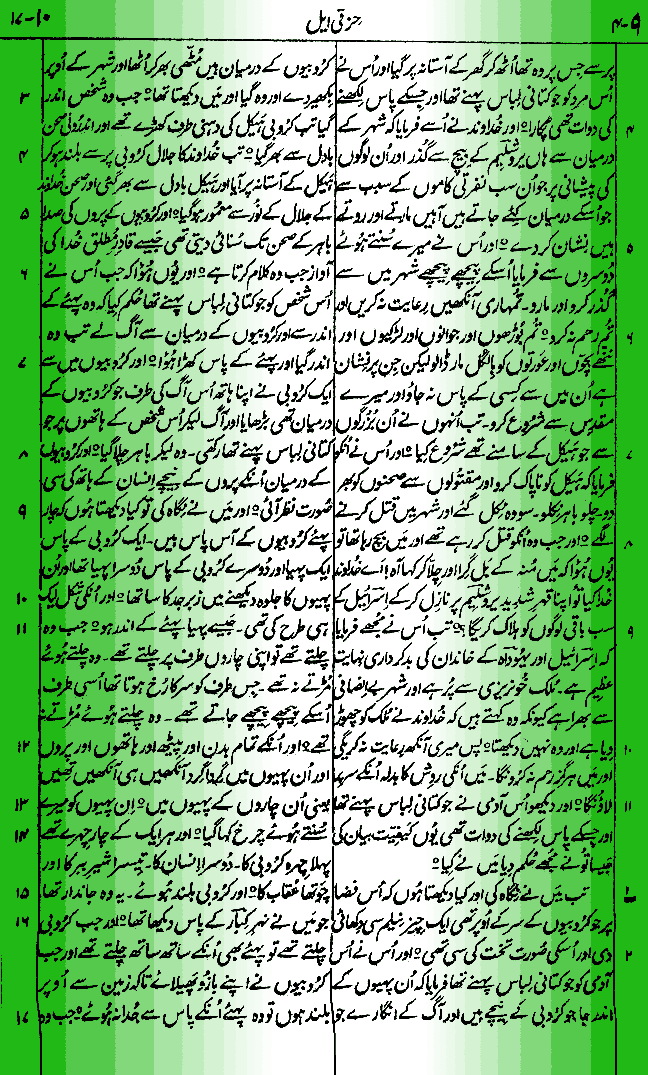
Ezekiel Chapter 9 (Verses 4–11)
Ezekiel 9:4
Verse: And the LORD said unto him Go through the midst of the city through the midst of Jerusalem and set a mark upon the foreheads of the men that sigh and that cry for all the abominations that be done in the midst thereof
-
Detailed Explanation (English): This verse highlights God’s mercy amidst impending judgment. Before the executioners strike, a man clothed in linen is commanded to place a protective mark on the foreheads of the faithful. These individuals are identified not by their social status, but by their grief over the spiritual and moral decay (abominations) of Jerusalem. The mark signifies ownership, validation, and divine protection, echoing the Passover blood in Egypt and foreshadowing the sealing of believers in the New Testament.
-
تفصیلی وضاحت (Urdu): اس آیت میں خدا کے غضب کے درمیان اس کے رحم و کرم کو دکھایا گیا ہے۔ یروشلم پر عذاب نازل ہونے سے پہلے، کتان کے لباس والے شخص کو حکم دیا جاتا ہے کہ وہ ان وفادار لوگوں کے ماتھے پر ایک حفاظتی نشان لگا دے جو شہر میں ہونے والی برائیوں اور گناہوں پر روتے اور غمگین ہوتے ہیں۔ یہ نشان خدا کی ملکیت اور تحفظ کی علامت ہے، جو یہ ظاہر کرتا ہے کہ خدا اپنے سچے بندوں کو عام تباہی سے محفوظ رکھتا ہے۔
Ezekiel 9:5
Verse: And to the others he said in mine hearing Go ye after him through the city and smite let not your eye spare neither have ye pity
-
Detailed Explanation (English): After securing the righteous, God commands the executioners to carry out absolute judgment. This verse underscores the uncompromising nature of divine holiness. The instruction to show no pity or spare anyone emphasizes that the day of grace had passed for the unrepentant. Judgment is swift, absolute, and unhindered by human standards of sympathy.
-
تفصیلی وضاحت (Urdu): نیک لوگوں کو محفوظ کرنے کے بعد، خدا باقی فرشتوں (جلادوں) کو شہر میں جا کر سزا دینے کا حکم دیتا ہے۔ خدا فرماتا ہے کہ کسی پر رحم نہ کھایا جائے اور نہ ہی کسی کو بخشا جائے۔ یہ آیت واضح کرتی ہے کہ جب گناہ حد سے بڑھ جائے تو خدا کا انصاف بغیر کسی رعایت کے نافذ ہوتا ہے اور توبہ کا وقت ختم ہو چکا ہوتا ہے۔
Ezekiel 9:6
Verse: Slay utterly old and young both maids and little children and women but come not near any man upon whom is the mark and begin at my sanctuary Then they began at the ancient men which were before the house
-
Detailed Explanation (English): The severity of judgment is laid bare here—no demographic is exempt if they participated in or condoned the city’s rebellion. Crucially, the executioners are strictly forbidden from touching anyone with the protective mark. God orders the judgment to begin at His sanctuary, showing that those with the highest spiritual privileges and leadership responsibilities (the ancient men/elders) are held to the strictest accountability.
-
تفصیلی وضاحت (Urdu): یہاں عدالت کی شدت کو بیان کیا گیا ہے، جہاں عمر یا جنس کی بنیاد پر کوئی تفریق نہیں کی گئی کیونکہ پورا معاشرہ گناہ میں ملوث ہو چکا تھا۔ تاہم، جن پر حفاظتی نشان تھا، ان کے قریب جانے کی بھی ممانعت تھی۔ سب سے اہم بات یہ ہے کہ عذاب کا آغاز خدا کے اپنے مقدس مکان (ہیکل) سے ہوا، جو یہ ظاہر کرتا ہے کہ جو لوگ مذہبی رہنما تھے اور جنہیں زیادہ علم تھا، ان کا حساب بھی سب سے سخت ہونا تھا۔
Ezekiel 9:7
Verse: And he said unto them Defile the house and fill the courts with the slain go ye forth And they went forth and slew in the city
-
Detailed Explanation (English): The temple, which was meant to be a place of supreme holiness, is ordered to be defiled with the bodies of the slain. This acts as an ironic judicial sentence: since the people had already spiritually defiled the temple with idolatry, God physically defiles it with the consequences of their sins. The judgment spills over from the temple courts into the wider city.
-
تفصیلی وضاحت (Urdu): ہیکل کو، جو کہ پاکیزگی کا مرکز تھا، مقتولین کی لاشوں سے ناپاک کرنے کا حکم دیا گیا ہے۔ یہ ایک عبرت ناک سزا ہے؛ چونکہ لوگوں نے پہلے ہی بت پرستی کے ذریعے ہیکل کو روحانی طور پر ناپاک کر دیا تھا، اس لیے خدا نے اسے ان کے اپنے انجام کے ذریعے جسمانی طور پر بھی ناپاک کر دیا۔ یہ عذاب ہیکل سے نکل کر پورے شہر میں پھیل گیا۔
Ezekiel 9:8
Verse: And it came to pass while they were slaying them and I was left that I fell upon my face and cried and said Ah Lord GOD wilt thou destroy all the residue of Israel in thy pouring out of thy fury upon Jerusalem
-
Detailed Explanation (English): Left alone amidst the unfolding slaughter, Ezekiel is overwhelmed by the sheer scale of destruction. Acting as a true intercessor, he falls prostrate and cries out to God, questioning whether the entire remaining remnant of Israel will be completely wiped out under the weight of divine fury.
-
تفصیلی وضاحت (Urdu): اس خوفناک تباہی کے دوران جب حزقیال اکیلا رہ گیا، تو وہ اس منظر کی شدت سے کانپ اٹھا۔ ایک سچے مصلح اور نبی کی طرح، وہ منہ کے بل گر پڑا اور گریہ و زاری کرتے ہوئے خدا سے التجا کی کہ کیا وہ اپنے اس شدید غضب کے ذریعے اسرائیل کے بچے کھچے لوگوں کو بھی پوری طرح مٹا دے گا؟
Ezekiel 9:9
Verse: Then said he unto me The iniquity of the house of Israel and Judah is exceeding great and the land is full of blood and the city full of perverseness for they say The LORD hath forsaken the earth and the LORD seeth not
-
Detailed Explanation (English): God responds to Ezekiel by justifying His harsh judgment. He points out that the systemic sins of Israel and Judah—bloodshed, injustice, and moral perversion—have crossed all limits. The root cause of their shameless sinning was atheistic apathy; they mistakenly believed that God had abandoned the land and was blind to their wicked deeds.
-
تفصیلی وضاحت (Urdu): خدا حزقیال کے سوال کا جواب دیتے ہوئے اپنے انصاف کی وضاحت کرتا ہے۔ وہ فرماتا ہے کہ اسرائیل اور یہوداہ کا گناہ حد سے بڑھ چکا ہے، زمین خون سے اور شہر گمراہی سے بھرا ہوا ہے۔ ان کے اس سرکش رویے کی اصل وجہ یہ گمراہ کن سوچ تھی کہ خدا زمین کو چھوڑ چکا ہے اور وہ ان کے اعمال کو نہیں دیکھ رہا۔
Ezekiel 9:10
Verse: And as for me also mine eye shall not spare neither will I have pity but I will recompense their way upon their head
-
Detailed Explanation (English): Reaffirming His judicial decree, God states that because the people chose to live without remorse, He will act without pity. Divine justice requires that their wicked conduct be turned back upon their own heads. It is a declaration of the law of retribution—reaping what has been sown.
-
تفصیلی وضاحت (Urdu): خدا اپنے فیصلے کی حتمی حیثیت کو دہراتے ہوئے کہتا ہے کہ چونکہ ان لوگوں نے بغیر کسی پچھتاوے کے گناہ کیے، اس لیے اب ان پر کوئی رحم نہیں کیا جائے گا۔ خدا کا انصاف تقاضا کرتا ہے کہ ان کے برے اعمال کا بدلہ خود ان کے سروں پر لایا جائے، یعنی انہوں نے جو بویا، وہی اب وہ کاٹیں گے۔
Ezekiel 9:11
Verse: And behold the man clothed with linen which had the inkhorn by his side reported the matter saying I have done as thou hast commanded me
-
Detailed Explanation (English): The chapter closes with the return of the man in linen. He reports that his task of marking and saving the faithful has been successfully completed. This brings comfort within a dark chapter, proving that God’s word is reliable and that His promises to protect His own are executed flawlessly.
-
تفصیلی وضاحت (Urdu): یہ باب کتان کے لباس والے شخص کی واپسی کے ساتھ ختم ہوتا ہے۔ وہ اپنی رپورٹ پیش کرتا ہے کہ اس نے خدا کے حکم کے مطابق وفادار لوگوں کو نشان زد کرنے اور بچانے کا کام مکمل کر لیا ہے۔ یہ آیت اس تاریک باب میں ایک امید کی کرن ہے، جو ظاہر کرتی ہے کہ خدا اپنے لوگوں کی حفاظت کا وعدہ ہمیشہ پورا کرتا ہے۔
Ezekiel Chapter 10 (Verses 1–17)
Ezekiel 10:1
Verse: Then I looked and behold in the firmament that was above the head of the cherubims there appeared over them as it were a sapphire stone as the appearance of the likeness of a throne
-
Detailed Explanation (English): Chapter 10 transitions into a glorious, heavenly vision. Ezekiel sees the expanse above the cherubim, where a structure resembling a brilliant sapphire stone forms the likeness of God’s throne. This vision connects back to Chapter 1, emphasizing that God remains sovereign over the affairs of the earth and is personally directing the judgment.
-
تفصیلی وضاحت (Urdu): باب 10 کا آغاز ایک عظیم آسمانی رویا سے ہوتا ہے۔ حزقیال کروبیوں کے سروں کے اوپر پھیلے ہوئے آسمان کو دیکھتا ہے، جہاں نیلم کے پتھر کی مانند ایک تختِ الٰہی نمودار ہوتا ہے۔ یہ رویا باب 1 سے مماثلت رکھتی ہے اور یہ ظاہر کرتی ہے کہ زمین کے تمام حالات پر خدا کی بادشاہی قائم ہے اور وہی اس عدالت کی نگرانی کر رہا ہے۔
Ezekiel 10:2
Verse: And he spake unto the man clothed with linen and said Go in between the wheels even under the cherub and fill thine hand with coals of fire from between the cherubims and scatter them over the city And he went in in my sight
-
Detailed Explanation (English): The same man in linen, previously used for salvation, is now commissioned for destruction. He is told to gather burning coals of fire from the midst of the divine chariot wheels and scatter them over Jerusalem. This fire symbolizes purification through judgment; Jerusalem must be consumed by holy fire because of its deep-rooted definement.
-
تفصیلی وضاحت (Urdu): کتان کے لباس والے شخص کو، جس نے پہلے لوگوں کو بچایا تھا، اب شہر کی تباہی کا کام سونپا جاتا ہے۔ اسے حکم دیا جاتا ہے کہ وہ خدا کے رتھ کے پہیوں کے درمیان سے بھڑکتے ہوئے کوئلے لے کر یروشلم شہر پر بکھیر دے۔ یہ آگ عدالت کے ذریعے پاکیزگی کی علامت ہے، کیونکہ شہر اپنی ناپاکی کی وجہ سے اب الٰہی آگ کے مستحق ٹھہرا تھا۔
Ezekiel 10:3
Verse: Now the cherubims stood on the right side of the house when the man went in and the cloud filled the inner court
-
Detailed Explanation (English): As the man enters to gather the coals, the cherubim stand on the south (right) side of the temple. Simultaneously, a thick cloud fills the inner court. In biblical theology, the cloud represents the Shekinah glory of God—manifesting both His awesome presence and the veiling of His holiness from sinful eyes.
-
تفصیلی وضاحت (Urdu): جب وہ شخص کوئلے لینے اندر داخل ہوا، تو کروبی ہیکل کی داہنی (جنوبی) سمت کھڑے تھے۔ اسی وقت، ایک گہرا بادل اندرونی صحن میں بھر گیا۔ بائبل کے مطابق، یہ بادل خدا کے جلال اور اس کی موجودگی (Shekinah Glory) کو ظاہر کرتا ہے، جو بیک وقت اس کی عظمت اور گنہگار انسانوں سے اس کی پاکیزگی کے پردے کی علامت ہے۔
Ezekiel 10:4
Verse: Then the glory of the LORD went up from the cherub and stood over the threshold of the house and the house was filled with the cloud and the court was full of the brightness of the LORD’s glory
-
Detailed Explanation (English): This is a pivotal and tragic moment in Israel’s history. The glory of the Lord lifts from its position above the cherubim inside the Holy of Holies and moves toward the threshold (exit) of the temple. The filling of the court with radiant brightness emphasizes that God is preparing to abandon His dwelling place due to the people’s persistent apostasy.
-
تفصیلی وضاحت (Urdu): یہ اسرائیل کی تاریخ کا ایک انتہائی اہم اور غمگین لمحہ ہے۔ خدا کا جلال پاک ترین مقام سے اٹھ کر ہیکل کی ڈیوڑھی (باہر جانے والے راستے) پر آ جاتا ہے۔ صحن کا الٰہی جلال کی چمک سے بھر جانا یہ ظاہر کرتا ہے کہ خدا لوگوں کی مسلسل نافرمانیوں کی وجہ سے اب اپنے مسکن (ہیکل) کو چھوڑنے کی تیاری کر رہا ہے۔
Ezekiel 10:5
Verse: And the sound of the cherubims’ wings was heard even to the outer court as the voice of the Almighty God when he speaketh
-
Detailed Explanation (English): The movement of the heavenly host generates a thunderous sound from the cherubim’s wings, audible all the way to the outer court. Ezekiel compares this intense noise to the voice of God Almighty (El Shaddai). It underscores the monumental weight and cosmic significance of what is taking place.
-
تفصیلی وضاحت (Urdu): آسمانی لشکر کی اس حرکت سے کروبیوں کے پروں کی ایک ایسی گرجدار آواز پیدا ہوئی جو بیرونی صحن تک سنائی دے رہی تھی۔ حزقیال اس آواز کو قادرِ مطلق خدا کی آواز سے تشبیہ دیتا ہے۔ یہ آواز اس بات کی علامت تھی کہ جو کچھ رونما ہو رہا ہے وہ کائنات کے خالق کے حکم سے ہو رہا ہے اور اس کی اہمیت غیر معمولی ہے۔
Ezekiel 10:6
Verse: And it came to pass that when he had commanded the man clothed with linen saying Take fire from between the wheels from between the cherubims then he went in and stood beside the wheels
-
Detailed Explanation (English): The verse narrates the precise obedience of the man in linen. Upon receiving the divine command to take fire from the celestial engine of God’s chariot, he goes in and positions himself directly beside the turning wheels, ready to receive the element of judgment.
-
تفصیلی وضاحت (Urdu): یہ آیت کتان کے لباس والے شخص کی کامل فرمانبرداری کو ظاہر کرتی ہے۔ جیسے ہی اسے خدا کا حکم ملا کہ وہ کروبیوں کے پہیوں کے درمیان سے آگ لے، وہ فوراً اندر گیا اور پہیوں کے پاس جا کر کھڑا ہو گیا تاکہ عدالت کی آگ حاصل کر سکے۔
Ezekiel 10:7
Verse: And one cherub stretched forth his hand from between the cherubims unto the fire that was between the cherubims and took thereof and put it into the hands of him that was clothed with linen who took it and went out
-
Detailed Explanation (English): Here we see seamless cooperation within the heavenly realm. One of the cherubim reaches into the divine fire and hands it over to the man in linen. The man takes the fire and goes out to fulfill his mandate of scattering it over the city, signaling that Jerusalem’s fiery destruction is officially set in motion.
-
تفصیلی وضاحت (Urdu): یہاں آسمانی مخلوقات کے درمیان کامل ہم آہنگی دکھائی گئی ہے۔ ایک کروبی نے آگے بڑھ کر آگ کو اپنے ہاتھ میں لیا اور اسے کتان کے لباس والے شخص کے حوالے کر دیا۔ اس شخص نے آگ لی اور باہر نکل گیا، جو اس بات کا اشارہ تھا کہ یروشلم کو آگ سے تباہ کرنے کا عمل اب باقاعدہ شروع ہو چکا ہے۔
Ezekiel 10:8
Verse: And there appeared in the cherubims the form of a man’s hand under their wings
-
Detailed Explanation (English): Ezekiel notices a distinct anatomical feature: the form of a human hand beneath the wings of the cherubim. This represents agency, capability, and purposeful action. It indicates that behind the supernatural, angelic movements, there is deliberate coordination and execution of God’s sovereign will.
-
تفصیلی وضاحت (Urdu): حزقیال کروبیوں کے پروں کے نیچے انسان کے ہاتھ جیسی شکل دیکھتا ہے۔ یہ شکل کام کرنے کی صلاحیت اور ارادے کو ظاہر کرتی ہے۔ اس سے معلوم ہوتا ہے کہ فرشتوں کی ان مافوق الفطرت حرکات کے پیچھے خدا کی مرضی کو پورا کرنے کا ایک منظم اور دانشمندانہ منصوبہ کام کر رہا تھا۔
Ezekiel 10:9
Verse: And when I looked behold the four wheels by the cherubims one wheel by one cherub and another wheel by another cherub and the appearance of the wheels was as the colour of a beryl stone
-
Detailed Explanation (English): Ezekiel focuses on the complex chariot mechanism accompanying the cherubim. There are four wheels, one alongside each cherub, sparkling with the gemstone radiance of a beryl stone (a sea-green or golden-yellow precious gem). This visually depicts the beauty, value, and flawless design of God’s heavenly administration.
-
تفصیلی وضاحت (Urdu): حزقیال اب کروبیوں کے ساتھ موجود الٰہی رتھ کے پیچیدہ پہیوں پر توجہ مرکوز کرتا ہے۔ وہاں چار پہیے تھے، ہر کروبی کے پاس ایک پہیہ، جو زبرجد (ایک چمکدار قیمتی پتھر) کی طرح چمک رہے تھے۔ یہ منظر خدا کے آسمانی انتظام کی خوبصورتی، جلال اور کامل ساخت کو ظاہر کرتا ہے۔
Ezekiel 10:10
Verse: And as for their appearances they four had one likeness as if a wheel had been in the midst of a wheel
-
Detailed Explanation (English): The wheels shared an identical, harmonious appearance. Ezekiel describes them structurally as “a wheel within a wheel” (concentric or intersecting at right angles). This indicates multi-directional mobility without needing to turn around, symbolizing God’s omnipresence and His ability to execute His plans anywhere instantly.
-
تفصیلی وضاحت (Urdu): ان چاروں پہیوں کی شکل ایک جیسی اور متناسب تھی۔ حزقیال ان کی بناوٹ کو “پہیے کے اندر پہیہ” کے طور پر بیان کرتا ہے (جو ایک دوسرے کو کاٹتے تھے)۔ اس کا مطلب یہ تھا کہ یہ پہیے مڑے بغیر کسی بھی سمت میں حرکت کر سکتے تھے، جو خدا کی ہر جگہ موجودگی (Omnipresence) اور کائنات میں کہیں بھی فوری کام کرنے کی قدرت کو ظاہر کرتا ہے۔
Ezekiel 10:11
Verse: When they went they went upon their four sides they turned not as they went but to the place whither the head looked they followed it they turned not as they went
-
Detailed Explanation (English): This verse reinforces the direct, unwavering movement of the divine chariot. The wheels moved forward in any of their four directions without lagging or turning around. They flawlessly followed the lead of the head (the spirit directing them), illustrating perfect alignment with the sovereign direction of God.
-
تفصیلی وضاحت (Urdu): یہ آیت خدا کے رتھ کی سیدھی اور غیر متزلزل حرکت کی وضاحت کرتی ہے۔ پہیے گھومے بغیر چاروں طرف کسی بھی سمت چل سکتے تھے اور جہاں بھی رہنمائی کرنے والا حصہ (روح) متوجہ ہوتا، وہ بغیر کسی تاخیر کے اسی کے پیچھے چلتے تھے۔ یہ خدا کے ارادے کے ساتھ ان کی کامل ہم آہنگی کو ظاہر کرتا ہے۔
Ezekiel 10:12
Verse: And their whole body and their backs and their hands and their wings and the wheels were full of eyes round about even the wheels that they four had
-
Detailed Explanation (English): Every square inch of the cherubim and their wheels was covered with eyes. This highly symbolic imagery denotes omniscience. God sees all, knows all, and acts with perfect clarity. Nothing in Jerusalem or across the earth is hidden from His sight, justifying the absolute precision of His judgments.
-
تفصیلی وضاحت (Urdu): کروبیوں کے پورے جسم، پروں اور پہیوں پر چاروں طرف آنکھیں ہی آنکھیں تھیں۔ یہ علامتی منظر خدا کے سب کچھ دیکھنے اور جاننے کی طاقت (Omniscience) کو ظاہر کرتا ہے۔ یروشلم یا پوری زمین پر کوئی بھی چیز خدا کی نظر سے چھپی ہوئی نہیں ہے، اور اسی لیے اس کا انصاف بالکل درست اور برحق ہے۔
Ezekiel 10:13
Verse: As for the wheels it was cried unto them in mine hearing O wheel
-
Detailed Explanation (English): Ezekiel hears a heavenly voice cry out to the wheels, addressing them as “O wheel” (or the Galgal, meaning whirlwind or rolling thing). This command speaks to their dynamic purpose and synchronization, calling them into active motion to fulfill their prophetic role in the departure of God’s glory.
-
تفصیلی وضاحت (Urdu): حزقیال نے سنا کہ ان پہیوں کو پکار کر کہا گیا “اے پہیے!” (جس کا مطلب گردش کرنے والی چیز یا طوفان ہے)۔ یہ پکار ان کو متحرک کرنے اور خدا کے جلال کی روانگی کے سفر میں اپنا کردار ادا کرنے کے لیے ایک آسمانی حکم تھی۔
Ezekiel 10:14
Verse: And every one had four faces the first face was the face of a cherub and the second face was the face of a man and the third the face of a lion and the fourth the face of an eagle
-
Detailed Explanation (English): Each cherub possessed four distinct faces representing different aspects of creation and divine attributes: the cherub (representing spiritual majesty/service), a man (intelligence), a lion (strength/wild beasts), and an eagle (swiftness/birds). Together, they show that God’s sovereign administration commands all aspects of creation.
-
تفصیلی وضاحت (Urdu): ہر کروبی کے چار چہرے تھے جو مخلوقات اور الٰہی صفات کے مختلف پہلوؤں کو ظاہر کرتے ہیں: کروبی کا چہرہ (روحانی عظمت)، انسان کا چہرہ (عقل و دانش)، ببر شیر کا چہرہ (طاقت و دلیری)، اور عقاب کا چہرہ (تیزی اور بلندی)۔ یہ مجموعی طور پر ظاہر کرتا ہے کہ کائنات کی تمام قوتیں خدا کے تابع ہیں۔
Ezekiel 10:15
Verse: And the cherubims were lifted up This is the living creature that I saw by the river of Chebar
-
Detailed Explanation (English): The cherubim ascend, preparing to depart the temple space. Ezekiel explicitly connects this vision with his initial encounter by the river Chebar (Chapter 1). This confirmation anchors his message in consistency, assuring him that the God of the exile is the exact same God who is now abandoning the corrupted earthly sanctuary.
-
تفصیلی وضاحت (Urdu): کروبی اوپر کی طرف اٹھے، جو ہیکل کو چھوڑنے کی تیاری کا مرحلہ تھا۔ حزقیال تصدیق کرتا ہے کہ یہ وہی جاندار مخلوق تھی جو اس نے پہلی بار دریائے کبار کے کنارے (باب 1 میں) دیکھی تھی۔ یہ تصدیق ثابت کرتی ہے کہ جلاوطنی میں نظر آنے والا خدا اور ہیکل کو چھوڑنے والا خدا ایک ہی ہے، اور اس کا کلام سچا ہے۔
Ezekiel 10:16
Verse: And when the cherubims went the wheels went by them and when the cherubims lifted up their wings to mount up from the earth the same wheels also turned not from beside them
-
Detailed Explanation (English): This verse emphasizes unity in motion. As the cherubim lift their wings to elevate themselves from the earth, the wheels move smoothly alongside them without splitting or losing alignment. The divine transport operates as one single, cohesive entity under God’s command.
-
تفصیلی وضاحت (Urdu): یہ آیت حرکت میں کامل اتحاد کو ظاہر کرتی ہے۔ جب کروبیوں نے زمین سے اوپر اٹھنے کے لیے اپنے پر پھیلائے، تو پہیے بھی ان سے الگ ہوئے بغیر ان کے ساتھ ہی اٹھے۔ خدا کا یہ آسمانی رتھ ایک مربوط وجود کی طرح مکمل ترتیب کے ساتھ حرکت کر رہا تھا۔
Ezekiel 10:17
Verse: When they stood these stood and when they were lifted up these lifted up themselves also for the spirit of the living creature was in them
-
Detailed Explanation (English): The ultimate source of coordination is revealed: the very spirit or life-force of the living creatures was present inside the wheels. There is no friction, delay, or mechanical failure because the Holy Spirit animates and directs every part of this heavenly chariot, ensuring the perfect execution of God’s departure and judgment.
-
تفصیلی وضاحت (Urdu): اس کامل ہم آہنگی کی اصل وجہ یہاں بیان کی گئی ہے: ان پہیوں کے اندر ان جانداروں کی روح (خدا کی روح) کارفرما تھی۔ ان کے درمیان کوئی رکاوٹ یا تاخیر نہیں تھی کیونکہ خدا کی روح اس پورے رتھ کو چلا رہی تھی، جس سے خدا کے جلال کی روانگی کا یہ ہولناک اور عظیم فیصلہ بالکل ترتیب کے ساتھ پورا ہو رہا تھا۔